

Makers & Rooms — Essay VII The House That Remembers You Gil Schafer builds houses that feel as though they have always been there. This is not an accident, a stylistic affectation, or a retreat from the present. It is the result of a very particular theory about what a house is for — andContinue reading “Gil Schafer”
Category Archives: Aesthetics
What’s So Special About Fela Kuti
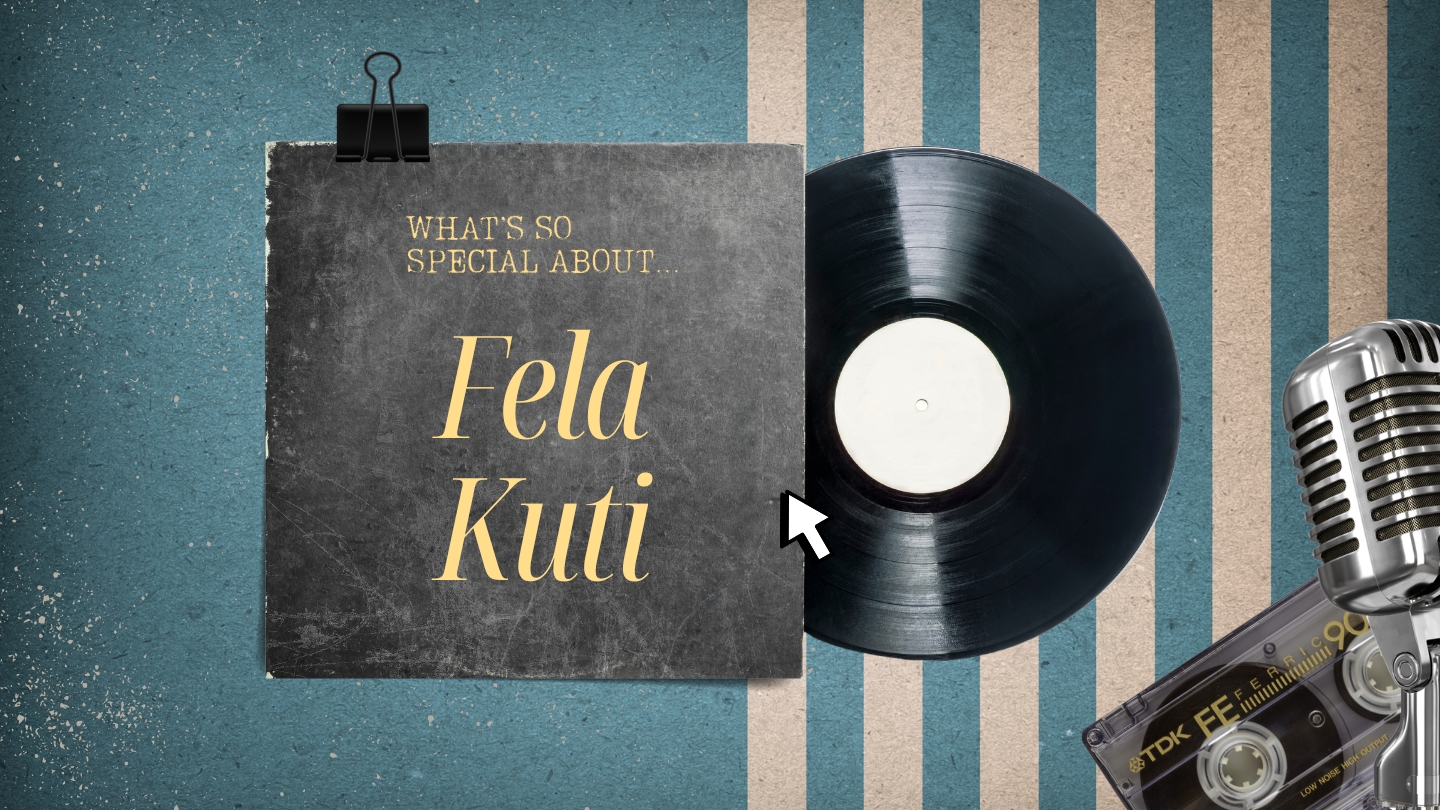
By Bergotte Fela Anikulapo Kuti built a nightclub in Lagos, declared it an independent republic, married twenty-seven women simultaneously, recorded nearly eighty albums, was beaten, imprisoned, and raided by the Nigerian military so many times that he began to treat the violence as material, and in the process created one of the most original andContinue reading “What’s So Special About Fela Kuti”
One Must Imagine Sisyphus Happy: Who We Are According to Albert Camus
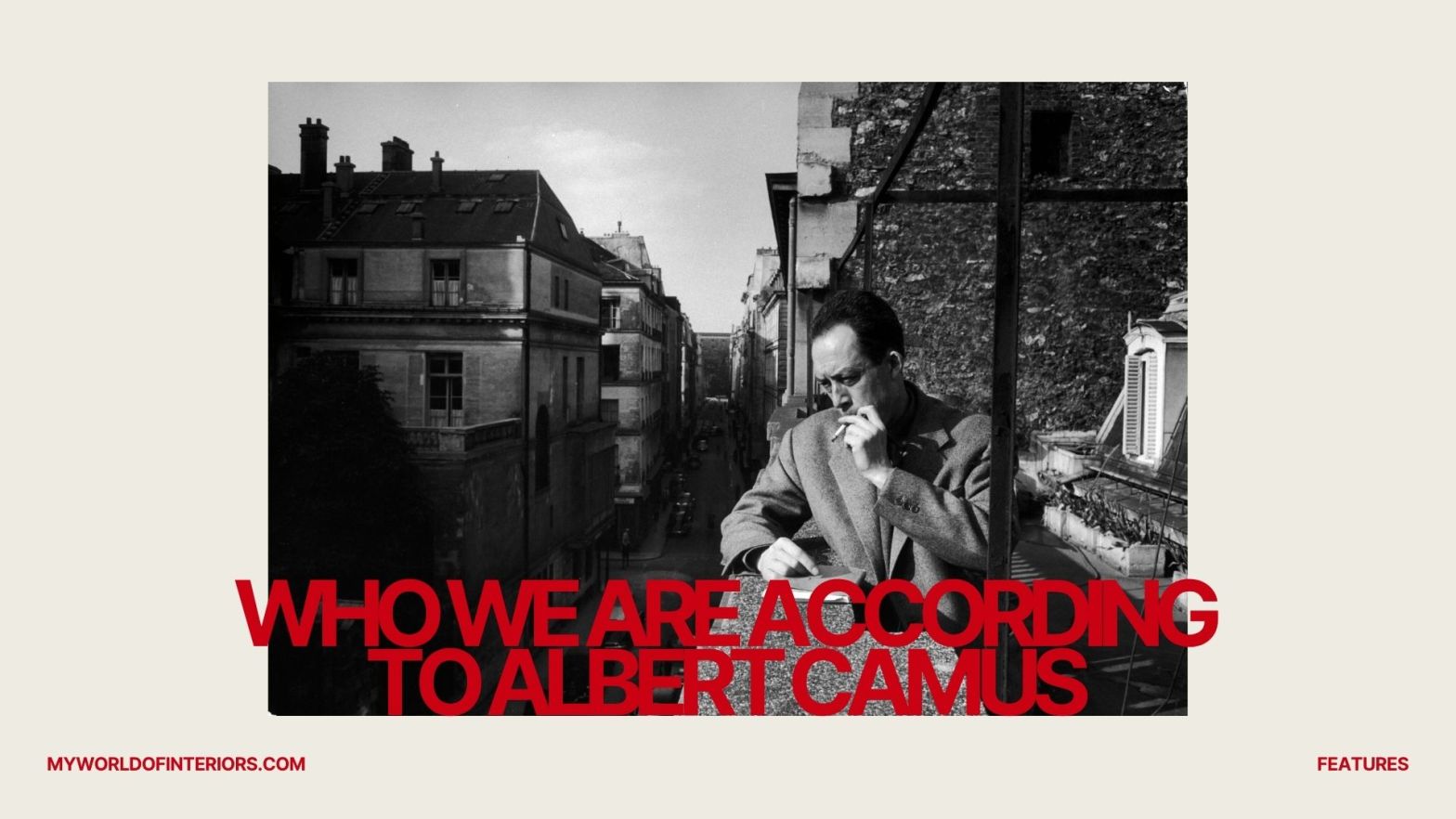
He is the last philosopher in this series and the one who answers the question the series has been building toward. Not the question of what the self is, or how it is made, or what it is condemned to. The question that Sartre’s radical freedom leaves ringing in the air: given all of thisContinue reading “One Must Imagine Sisyphus Happy: Who We Are According to Albert Camus”
Sophia Luna Portra
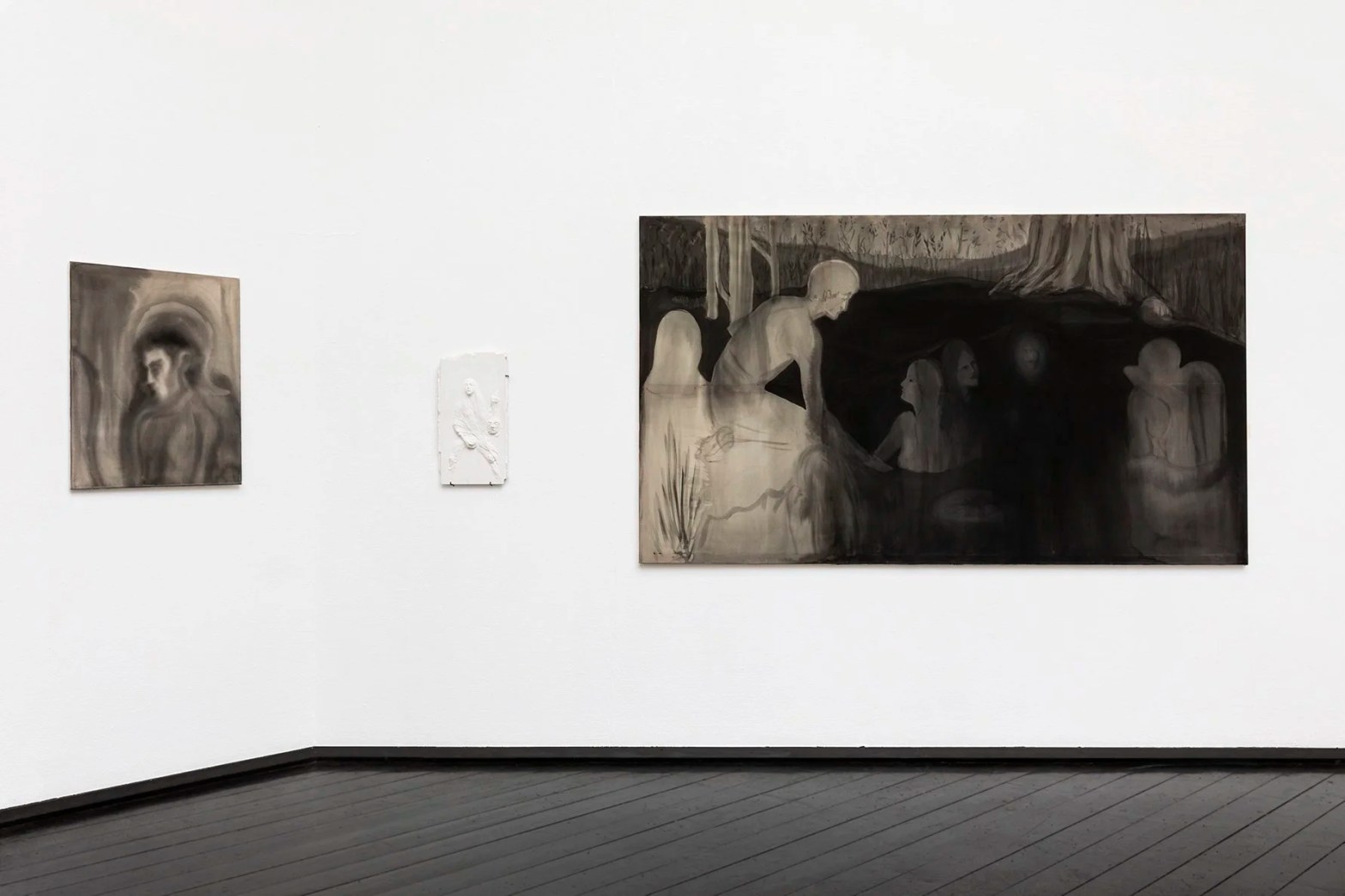
Encounters · No. 8 Snake Skin, Warm Blanket Sophia Luna Portra makes sculptures from muslin and coffee, sings gothic folk songs about transformation, and thinks about clothes the way a philosopher thinks about the self. She is at the beginning of something. By Bergotte A note on this essay: the preceding pieces in this seriesContinue reading “Sophia Luna Portra “
The Reel Argument: Agnès Varda

By Bergotte Agnès Varda spent sixty years making films about the people and things that the world had decided did not matter, and she did it with a curiosity so genuine and a formal intelligence so complete that the combination amounts to something close to a philosophy of cinema — a sustained argument, made inContinue reading “The Reel Argument: Agnès Varda”
Monstrous Bitch
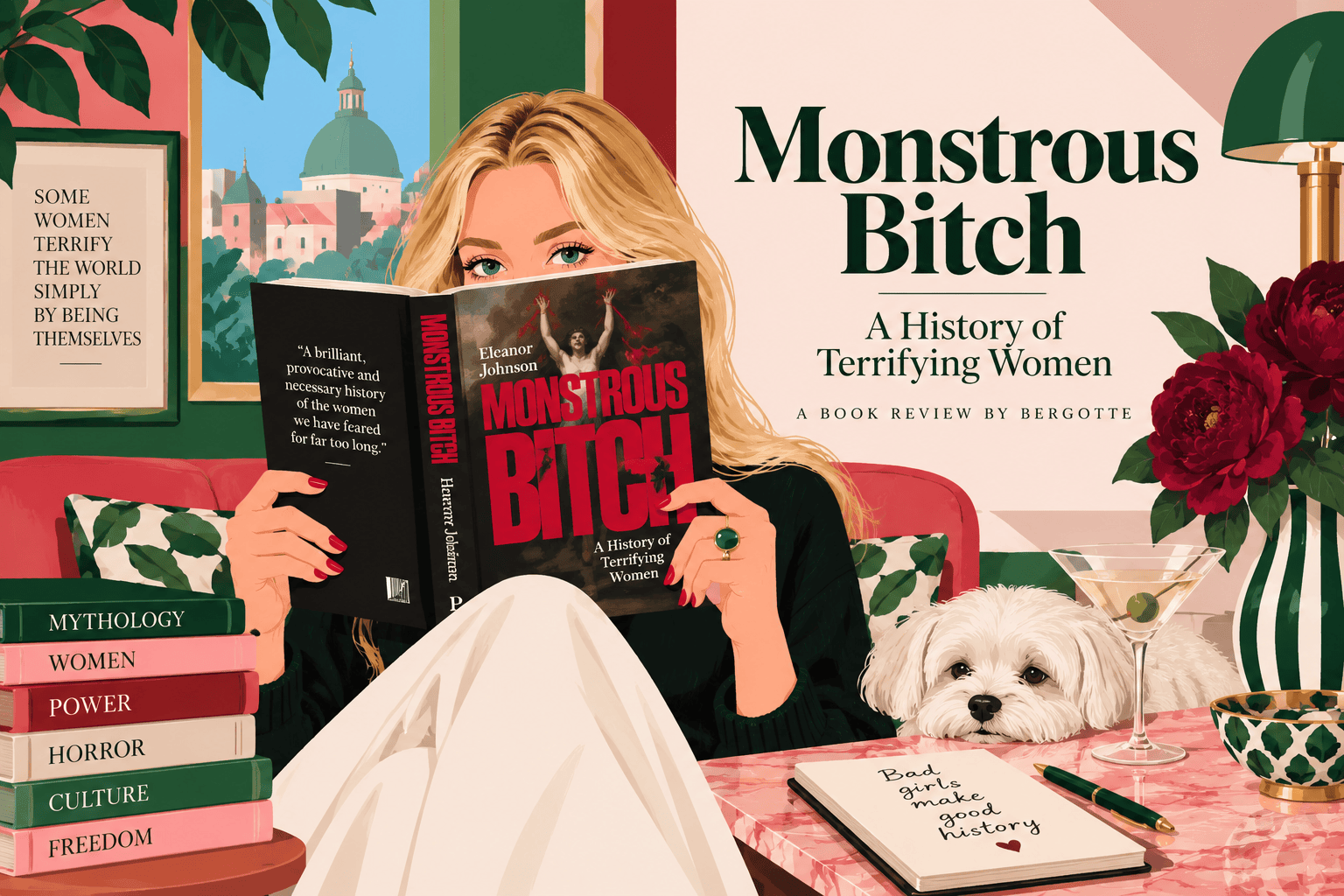
Who Gets to Be a Monster? Book: Monstrous Bitch: A History of Terrifying WomenAuthor: Eleanor JohnsonPublisher: Princeton University PressPublication: 6 October 2026Pages: 344ISBN: 9780691291666Genre: Cultural history / Feminist criticism / Mythology There are monsters, and then there are women who have been made monstrous. The distinction lies at the heart of Eleanor Johnson’s wonderfully provocativeContinue reading “Monstrous Bitch”
How Proust Can Change Your Life
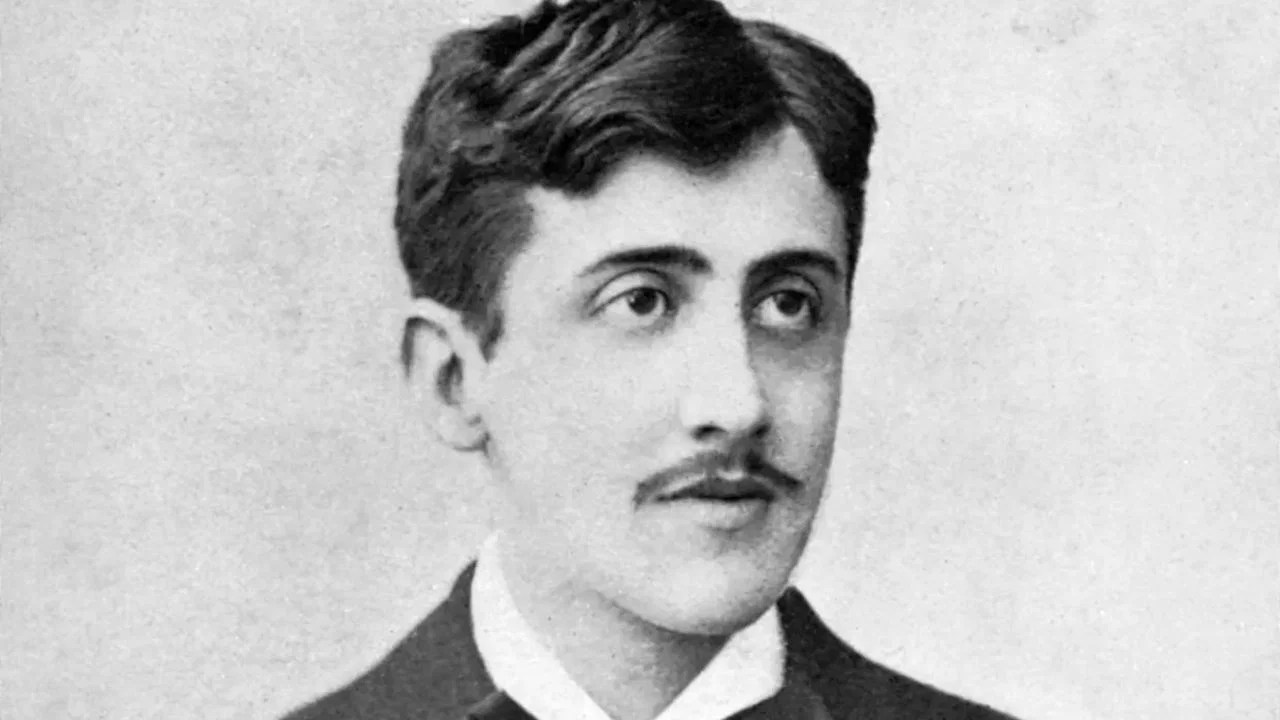
How Proust Can Change Your Life In 2000, the BBC made the rather unlikely decision to turn Alain de Botton’s book How Proust Can Change Your Life into a television film, with Ralph Fiennes playing Marcel Proust. The result is neither straightforward biography nor literary adaptation, but something more curious: an attempt to ask whatContinue reading “How Proust Can Change Your Life”
The Human Condition According to Mark Twain
By Bergotte Mark Twain understood that civilisation is a confidence trick. Not a failed experiment or a work in progress or a fragile achievement requiring defence, but a sustained, organised, multigenerational deception in which human beings persuade themselves and each other that the cruelties they practise are either necessary, natural, or invisible. His comedy —Continue reading “The Human Condition According to Mark Twain”
Jonathan Anderson: The Intelligent Disruptor

How a boy from Northern Ireland transformed Loewe, dismantled the boundaries between fashion and culture, and arrived at Dior with more creative power than any designer since Christian Dior himself By Bergotte Fashion periodically decides that one designer matters more than everybody else. The reasons are never entirely aesthetic. A designer becomes important because heContinue reading “Jonathan Anderson: The Intelligent Disruptor”
Alessi
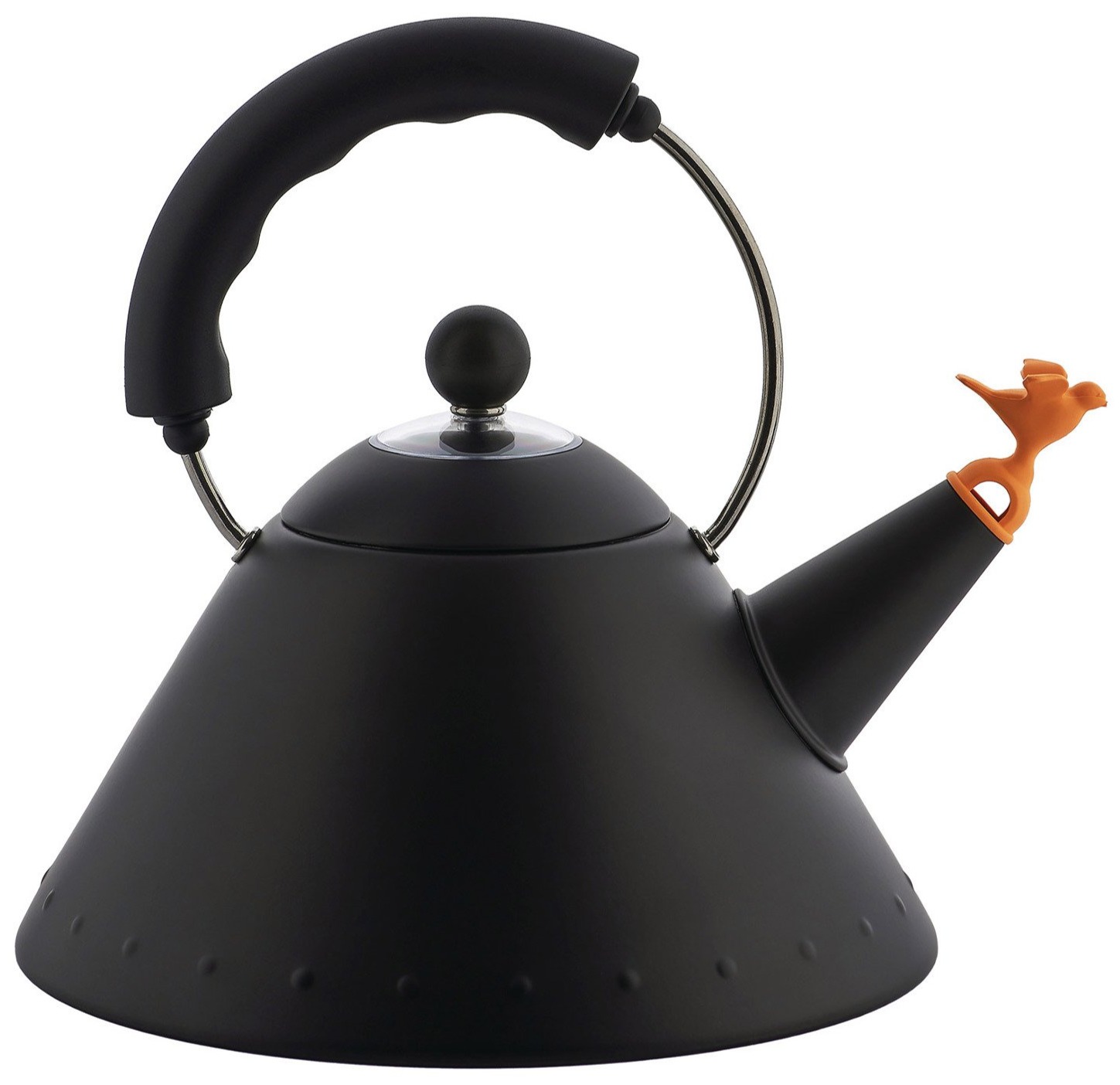
Makers & Rooms — Essay VI The Dream Factory on the Lake For a century, the Alessi family has been making things for the kitchen and the table. Alberto Alessi turned that inheritance into something stranger and more ambitious: a theory of what objects are for, a laboratory for the most original design minds ofContinue reading “Alessi”

