

Eva Marie Saint belonged to that rare category of actor whose place in cinema history could have been secured by two performances alone. As Edie Doyle in Elia Kazan’s On the Waterfront in 1954, she brought moral clarity and emotional delicacy to one of the defining films of post-war American cinema. Five years later, asContinue reading “Eva Marie Saint, 1924–2026: The Intelligence of Grace”
Category Archives: Film
The Reel Argument: Satyajit Ray
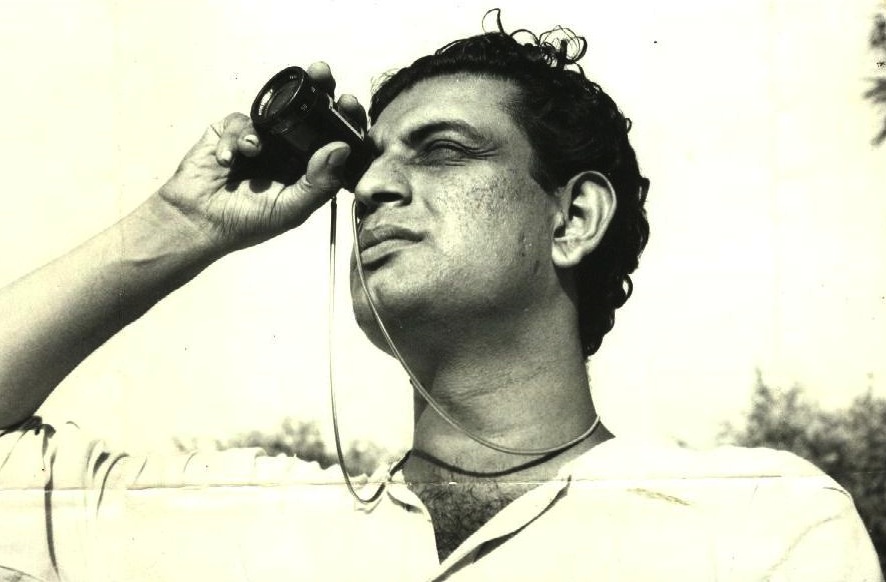
By Bergotte Satyajit Ray made his first film in 1955 with borrowed equipment, a cast of non-professional actors, and enough money for perhaps half the shooting he needed, and what he produced was one of the most complete and devastating works of art that cinema has ever seen. Pather Panchali — Song of the LittleContinue reading “The Reel Argument: Satyajit Ray”
The Reel Argument: Agnès Varda
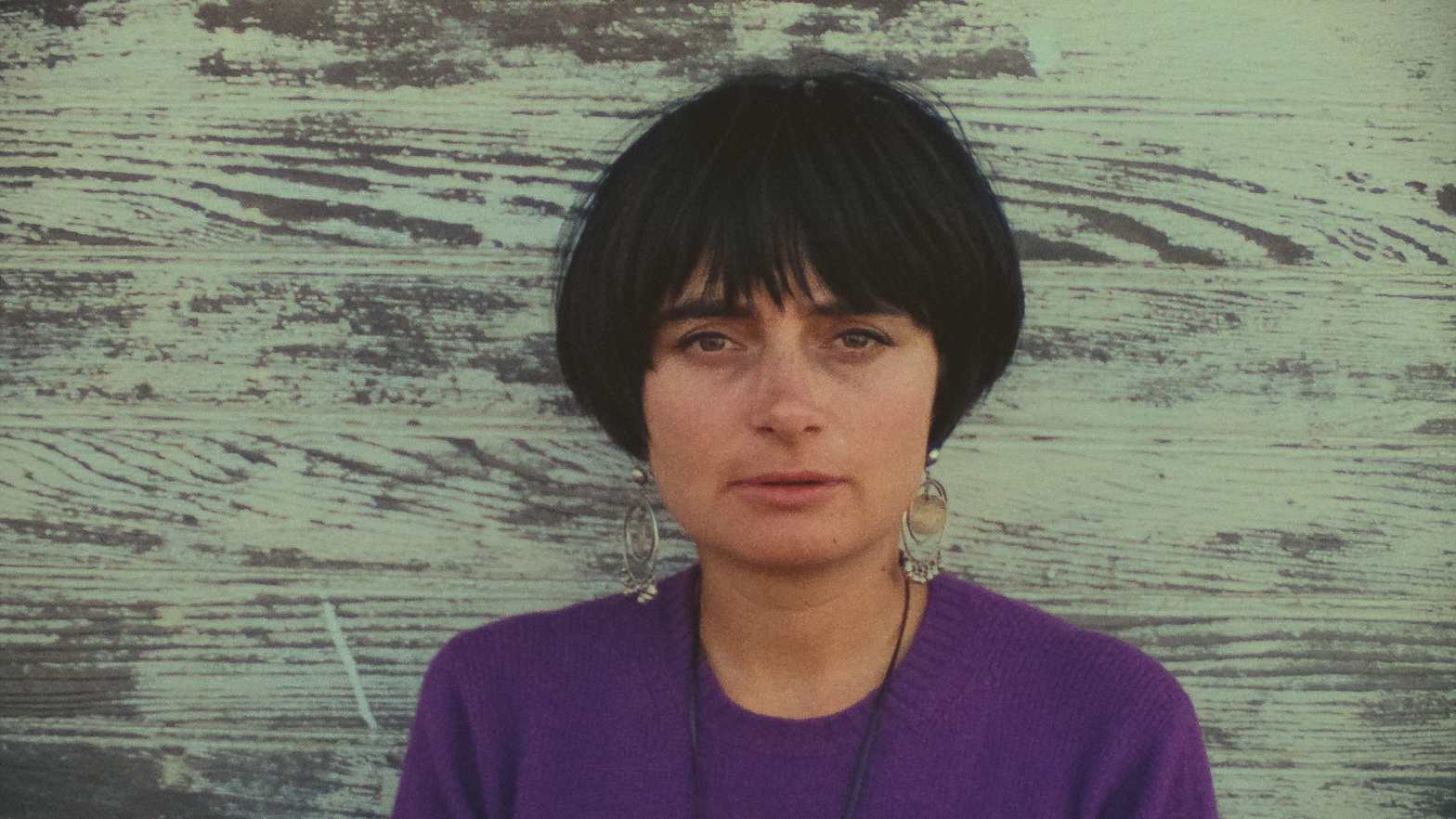
By Bergotte Agnès Varda spent sixty years making films about the people and things that the world had decided did not matter, and she did it with a curiosity so genuine and a formal intelligence so complete that the combination amounts to something close to a philosophy of cinema — a sustained argument, made inContinue reading “The Reel Argument: Agnès Varda”
The Reel Argument: Rainer Werner Fassbinder
By Bergotte Rainer Werner Fassbinder made forty-four films in sixteen years, and then he died at thirty-seven of a drug overdose in a Munich flat in 1982, and the output is so staggering and the life so short that the mathematics alone feel like an argument — an argument that something was burning in thisContinue reading “The Reel Argument: Rainer Werner Fassbinder”
The Reel Argument: Maurice Pialat
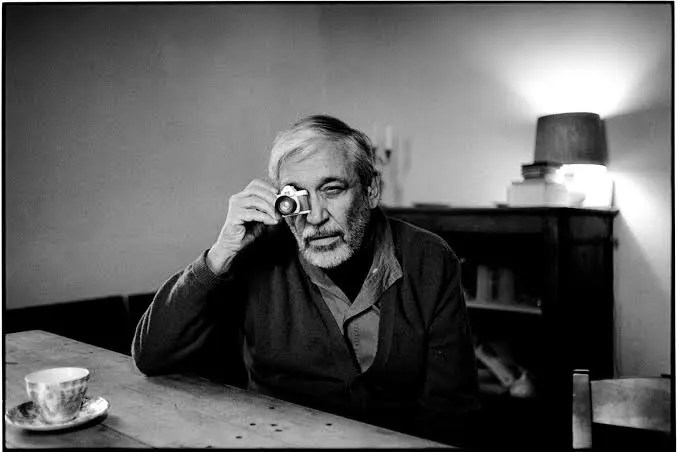
By Bergotte Maurice Pialat is the best French filmmaker of the second half of the twentieth century that most people outside France have never seen, and the neglect is one of those quiet scandals that film culture periodically allows to accumulate without anyone taking responsibility for correcting it. He made films about love the wayContinue reading “The Reel Argument: Maurice Pialat”
The Reel Argument: John Cassavetes
By Bergotte Before John Cassavetes, American cinema had a settled understanding of what feelings were for: they were the fuel that drove stories toward resolution. After Cassavetes, a different possibility existed — the possibility that feeling itself was the subject, that the camera could be pointed at a human being in the grip of emotionContinue reading “The Reel Argument: John Cassavetes”
The Reel Argument: Whit Stillman
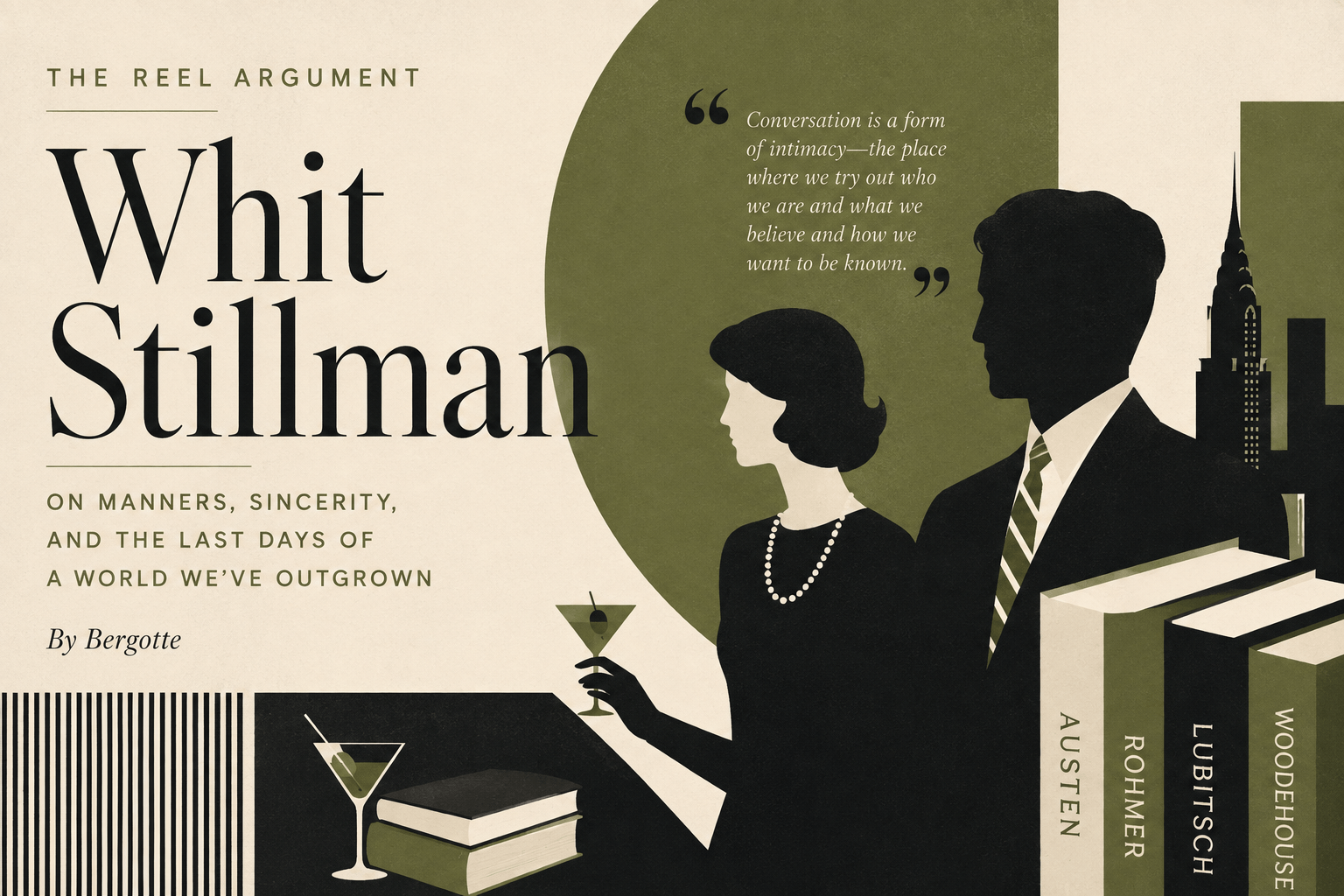
By Bergotte Whit Stillman has made only five feature films in thirty-five years, yet they constitute one of the most coherent bodies of work in contemporary American cinema. They take place in worlds that either barely exist or have already disappeared: Manhattan débutante society, Americans abroad in the final years of the Cold War,Continue reading “The Reel Argument: Whit Stillman”
The Reel Argument: Andrei Tarkovsky
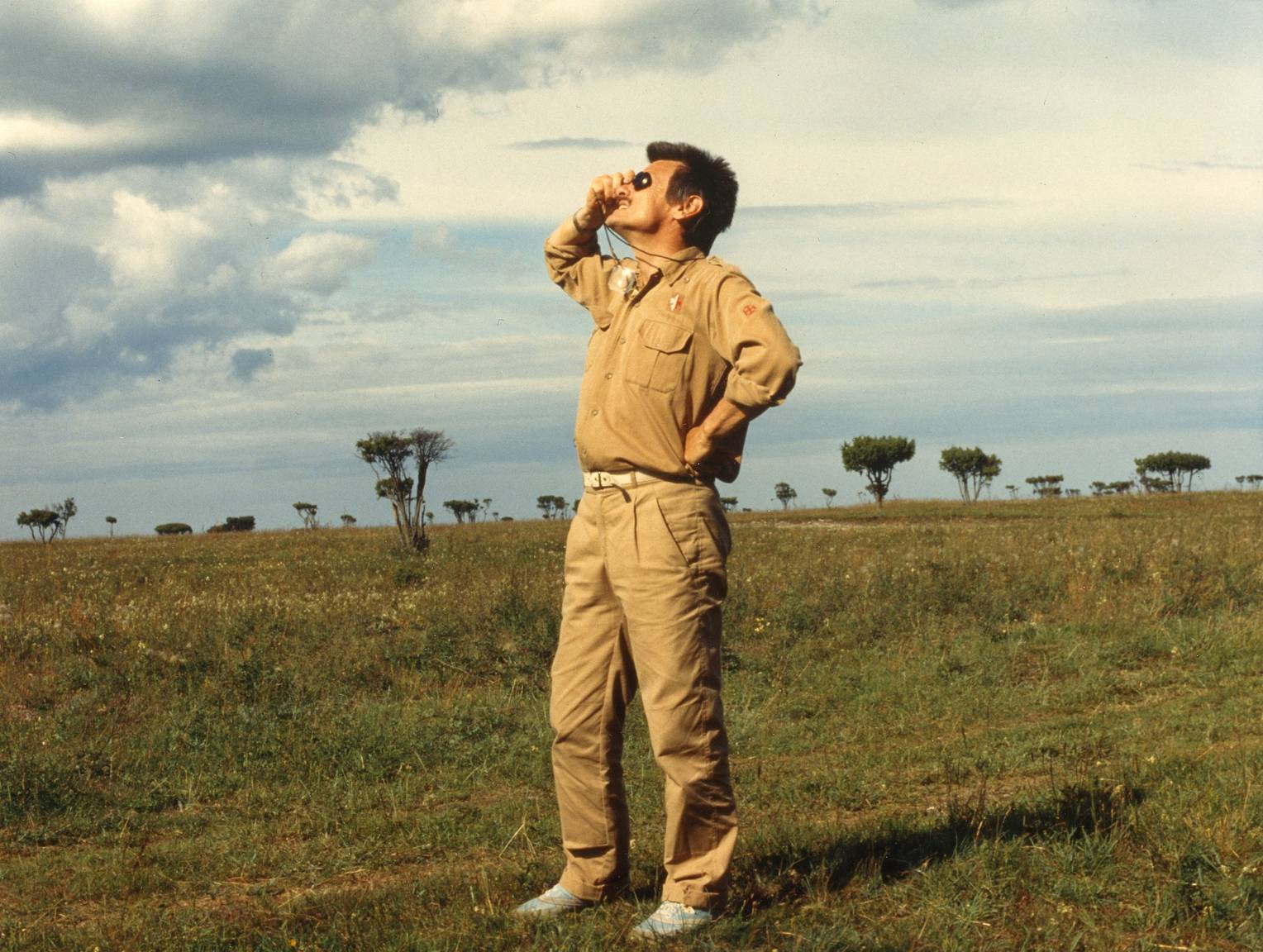
By Bergotte Andrei Tarkovsky is the filmmaker most often recommended and least often watched, and the reason for this is a lie — a well-intentioned, widely repeated lie that has done more damage to his reputation than any honest criticism could. The lie is that his films are difficult. They are not difficult. They areContinue reading “The Reel Argument: Andrei Tarkovsky”
Tim Curry, 1946–2026
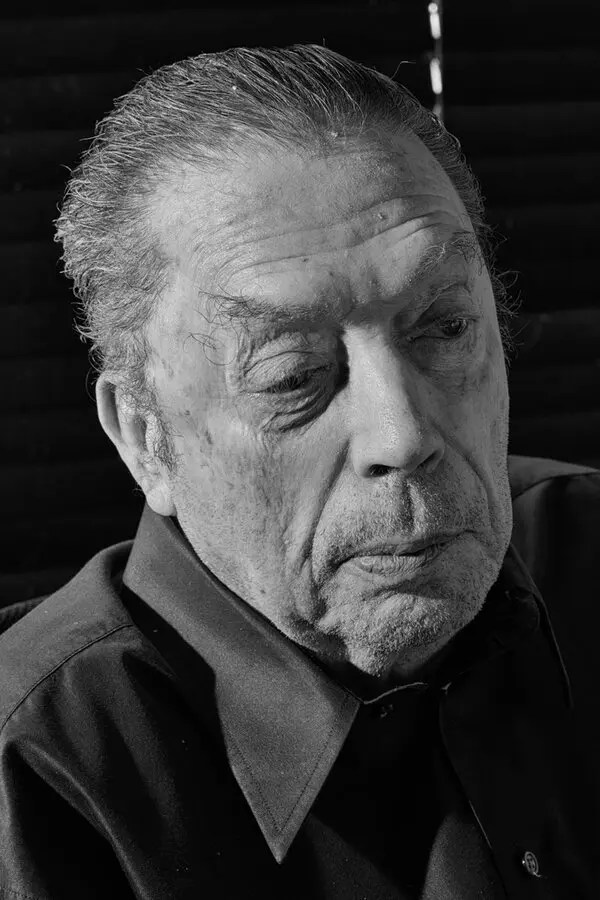
The man who made wickedness irresistible Tim Curry, who has died aged 80, was one of those rare actors whose presence could transform a film before he had even spoken. He possessed a voice that seemed to have been dipped in velvet and sharpened at the edges, an extraordinary physicality, and an appetite for theContinue reading “Tim Curry, 1946–2026”
We Will Always Love You, Dolly
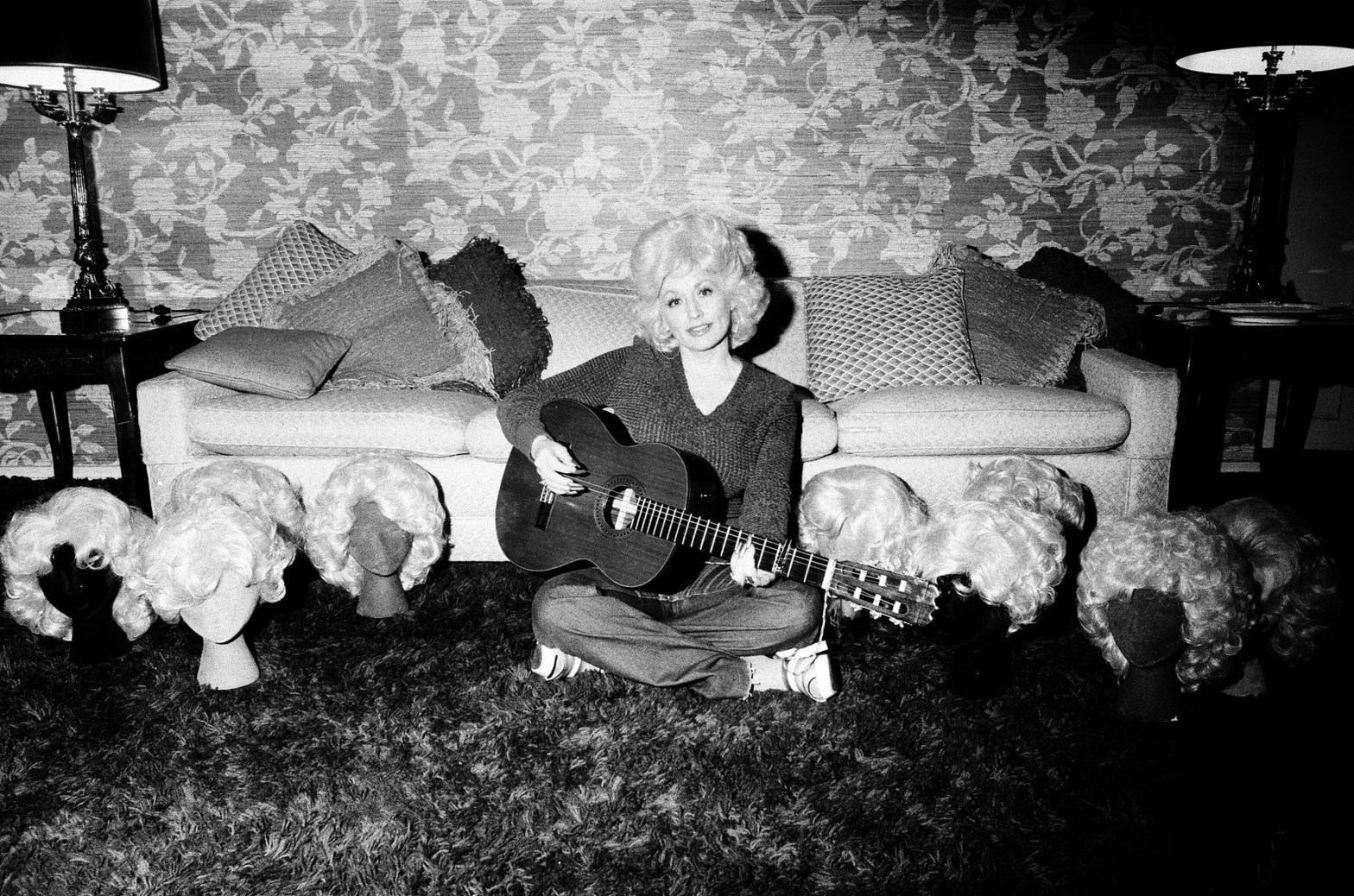
By Bergotte Dolly Rebecca Parton, January 19, 1946 — August 25, 2026 Dolly Parton died yesterday in Nashville, Tennessee, after a brief battle with cancer. She was eighty years old. Sixteen months earlier, she had lost Carl Dean, her husband of nearly six decades, and she had said openly that she had not taken careContinue reading “We Will Always Love You, Dolly”

