
By Bergotte Where Fitzgerald reached for the green light, Hemingway turned away from it. His response to the same historical moment — the same lost generation, the same aftermath of a war that had destroyed the language of heroism and left nothing official in its place — was the opposite of enchantment: a radical strippingContinue reading “The Human Condition According to Ernest Hemingway”
Category Archives: Literature
The Gadfly and the Hemlock: Who We Are According to Socrates
He wrote nothing. He claimed to know nothing. He taught by pretending not to teach, questioned by pretending not to have answers, and led the most examined life in the history of Western philosophy — and then, when Athens offered him the choice between his life and his vocation, he chose the vocation. He wasContinue reading “The Gadfly and the Hemlock: Who We Are According to Socrates”
THE MOST SECRET MEMORY OF MEN
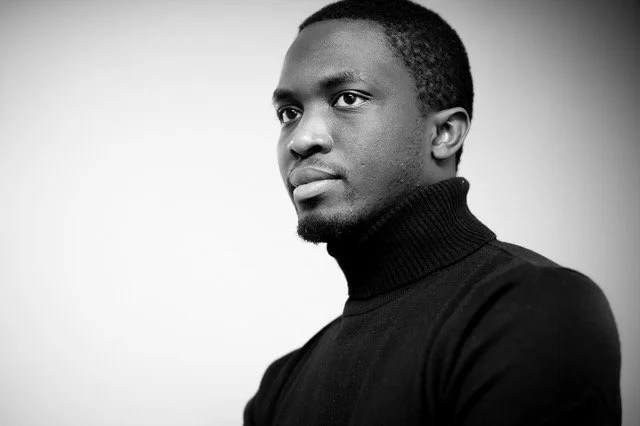
Author: Mohamed Mbougar SarrTranslated from the French by Lara VergnaudPublisher: Other PressFirst published: 2021English-language edition: 2023Pages: 496Genre: Literary Fiction / Postcolonial FictionOriginal title: La plus secrète mémoire des hommesAwards: Prix Goncourt 2021 The Writer, the Myth and the Literary Machine There are novels about writers, and there are novels that interrogate the entire machinery byContinue reading “THE MOST SECRET MEMORY OF MEN”
The Human Condition According to F. Scott Fitzgerald
By Bergotte F. Scott Fitzgerald understood enchantment better than any other American writer — understood it not as a pleasant illusion to be gently corrected but as a fundamental feature of human consciousness, the capacity to project onto the world a beauty and a meaning and a promise that the world does not independently possess,Continue reading “The Human Condition According to F. Scott Fitzgerald”
One Must Imagine Sisyphus Happy: Who We Are According to Albert Camus
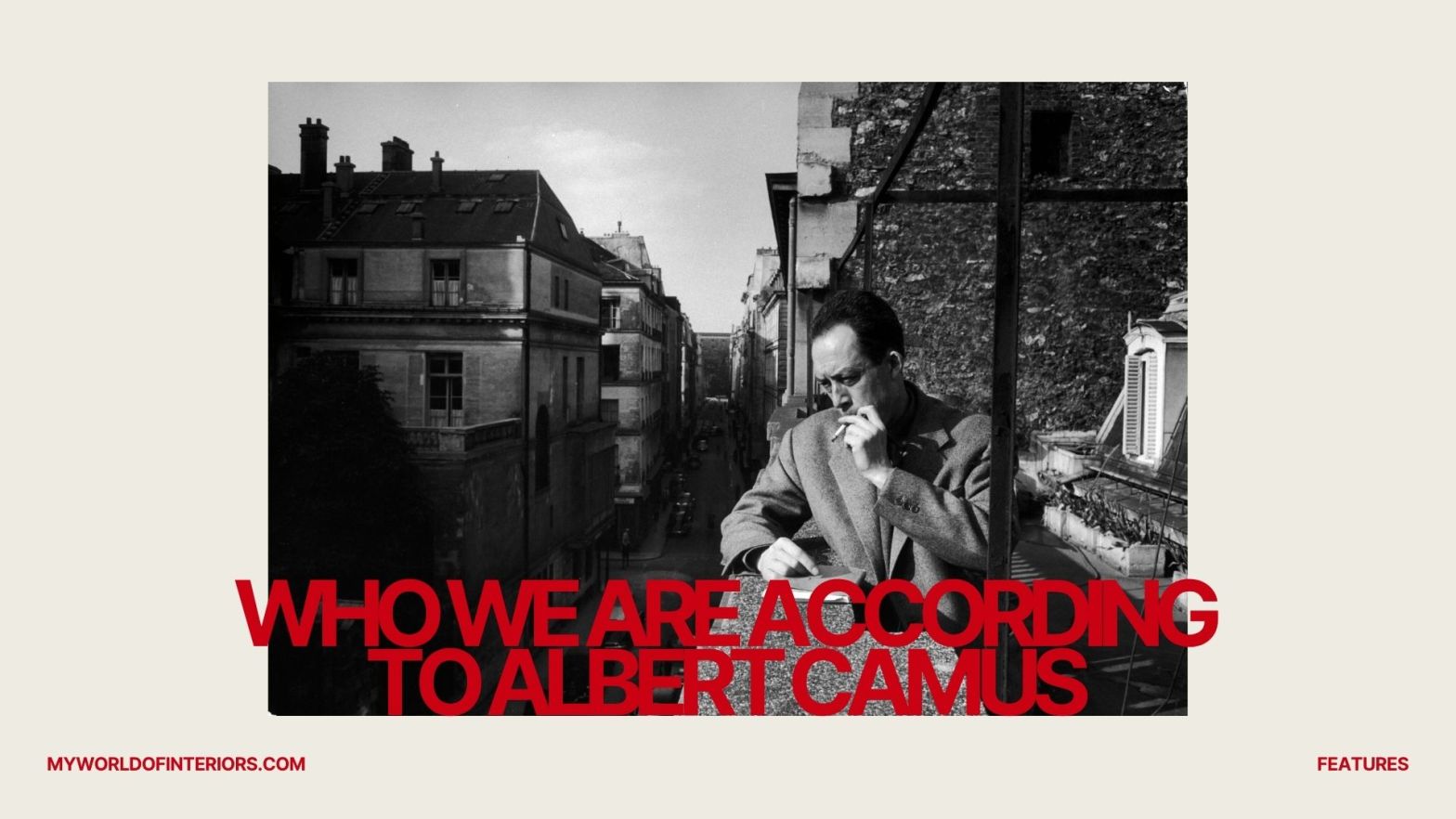
He is the last philosopher in this series and the one who answers the question the series has been building toward. Not the question of what the self is, or how it is made, or what it is condemned to. The question that Sartre’s radical freedom leaves ringing in the air: given all of thisContinue reading “One Must Imagine Sisyphus Happy: Who We Are According to Albert Camus”
Monstrous Bitch
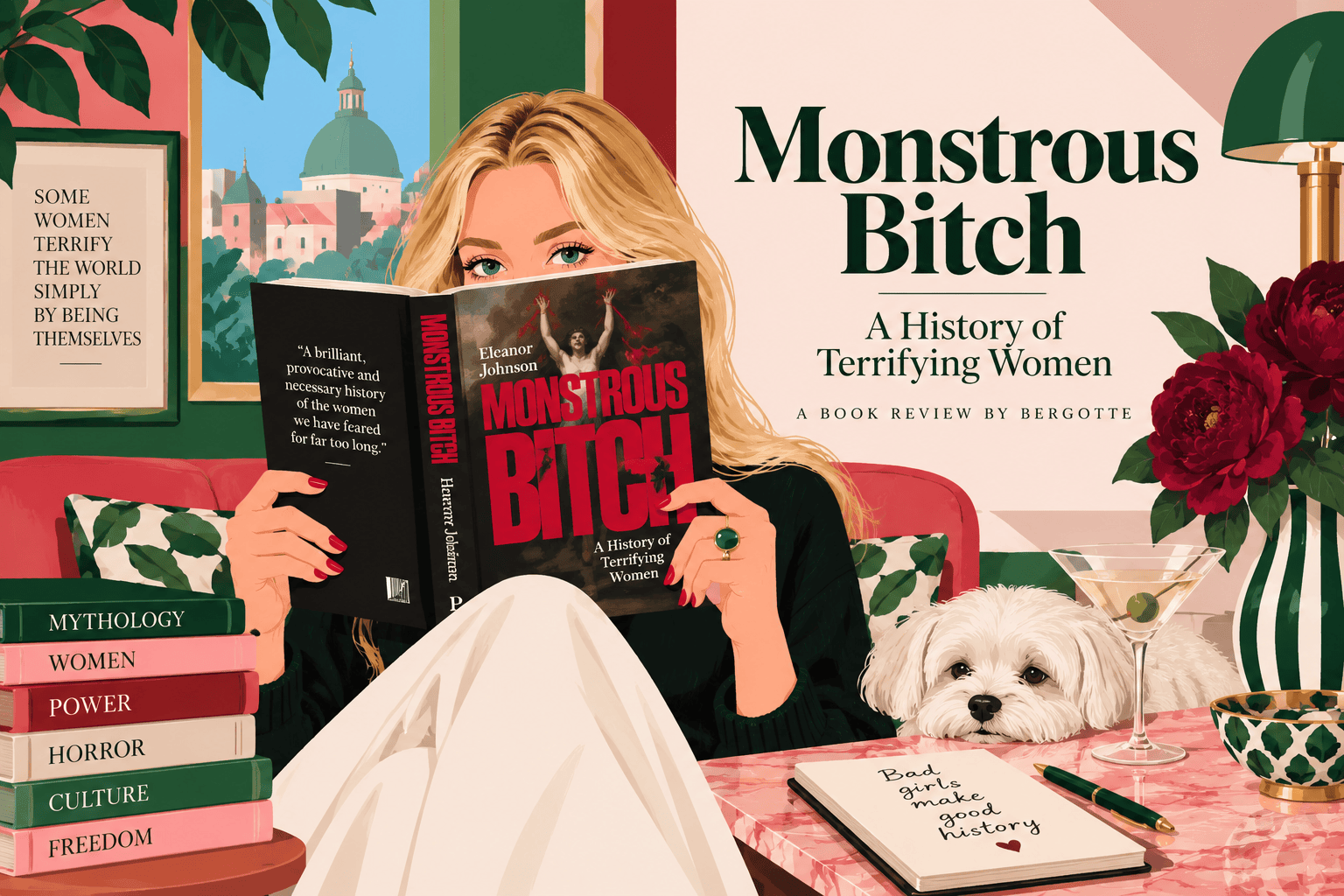
Who Gets to Be a Monster? Book: Monstrous Bitch: A History of Terrifying WomenAuthor: Eleanor JohnsonPublisher: Princeton University PressPublication: 6 October 2026Pages: 344ISBN: 9780691291666Genre: Cultural history / Feminist criticism / Mythology There are monsters, and then there are women who have been made monstrous. The distinction lies at the heart of Eleanor Johnson’s wonderfully provocativeContinue reading “Monstrous Bitch”
How Proust Can Change Your Life
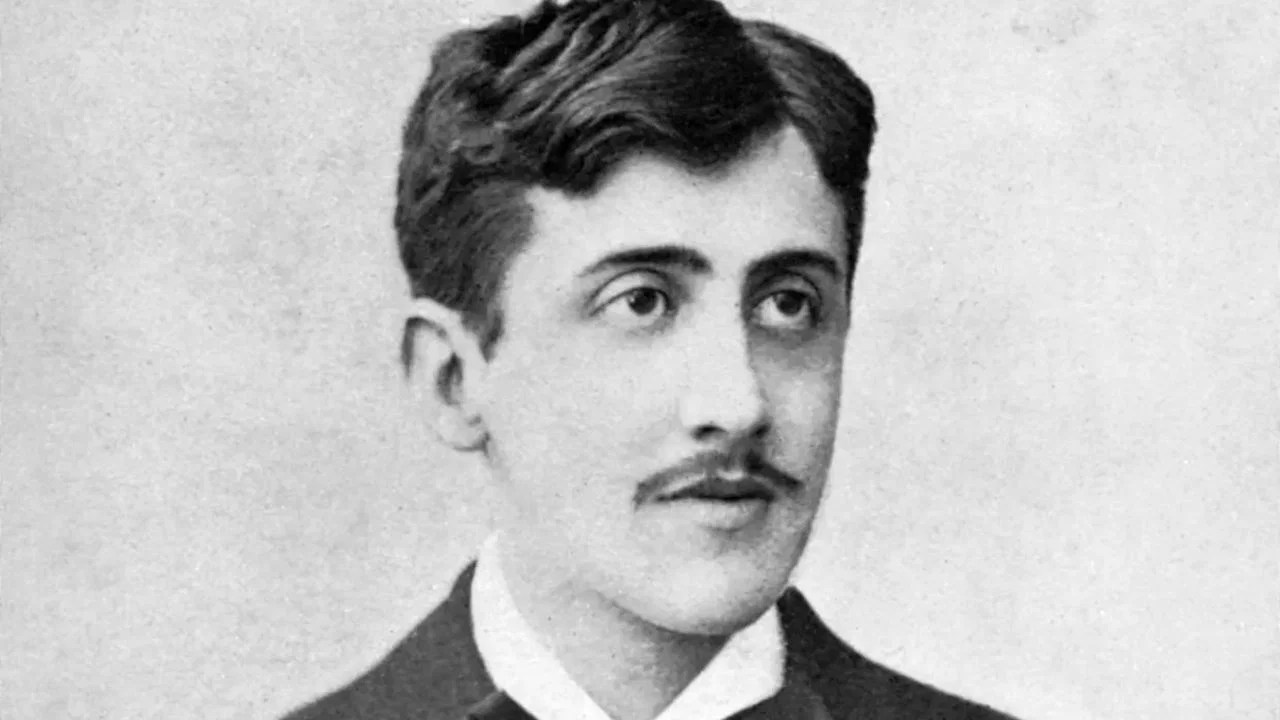
How Proust Can Change Your Life In 2000, the BBC made the rather unlikely decision to turn Alain de Botton’s book How Proust Can Change Your Life into a television film, with Ralph Fiennes playing Marcel Proust. The result is neither straightforward biography nor literary adaptation, but something more curious: an attempt to ask whatContinue reading “How Proust Can Change Your Life”
The Human Condition According to Mark Twain
By Bergotte Mark Twain understood that civilisation is a confidence trick. Not a failed experiment or a work in progress or a fragile achievement requiring defence, but a sustained, organised, multigenerational deception in which human beings persuade themselves and each other that the cruelties they practise are either necessary, natural, or invisible. His comedy —Continue reading “The Human Condition According to Mark Twain”
Condemned to Be Free: Who We Are According to Jean-Paul Sartre
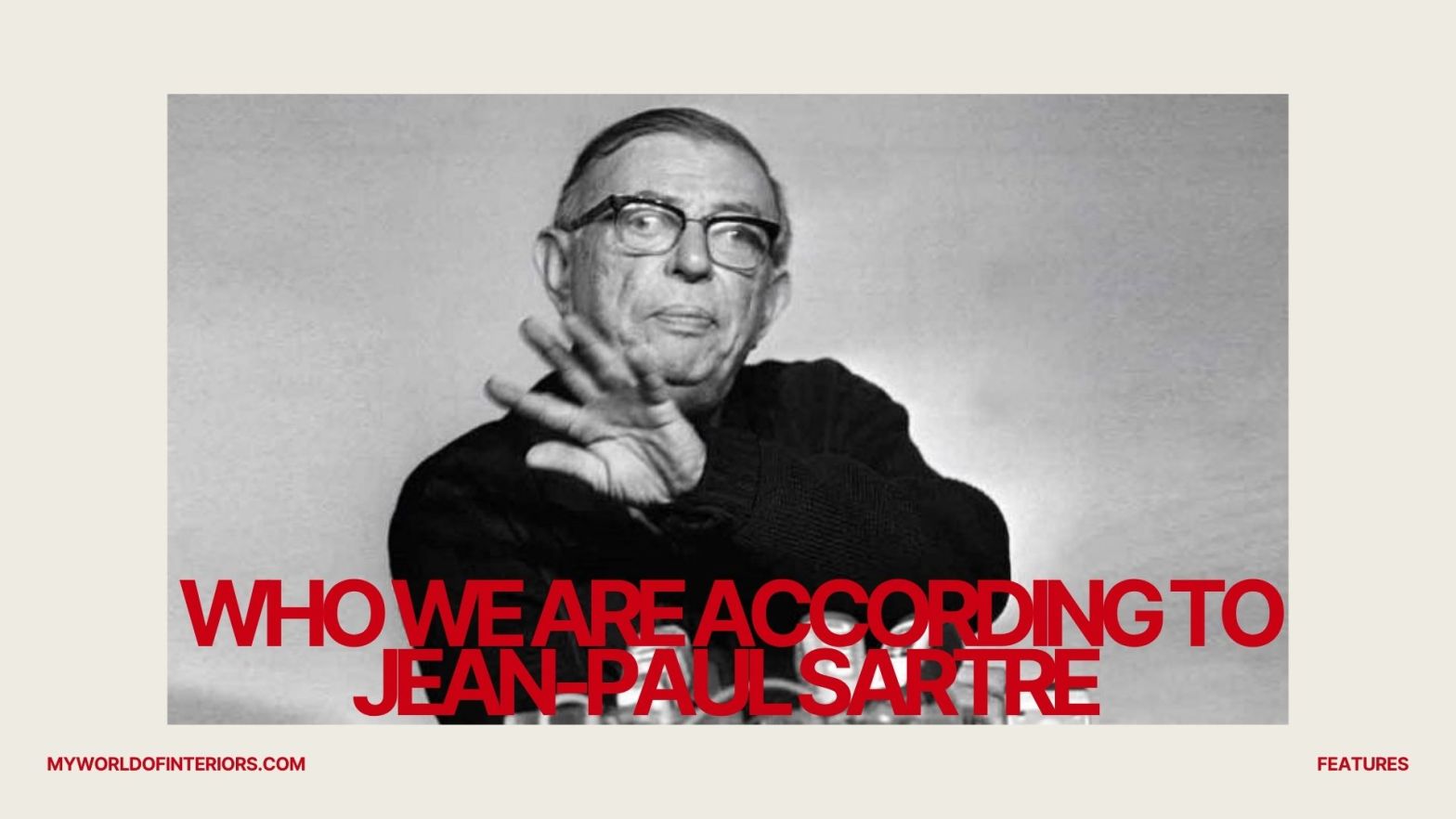
Every philosopher in this series has made demands. Kierkegaard demanded genuine decision. Beauvoir demanded resistance to structural power. Nietzsche demanded value-creation in the void. Heidegger demanded ownership of one’s own being. Sartre takes all of these demands, strips away every remaining support, and arrives at the most terrifying and the most liberating position in theContinue reading “Condemned to Be Free: Who We Are According to Jean-Paul Sartre”
Annie Dillard, 1945–2026: The Fierce Attention of a Life
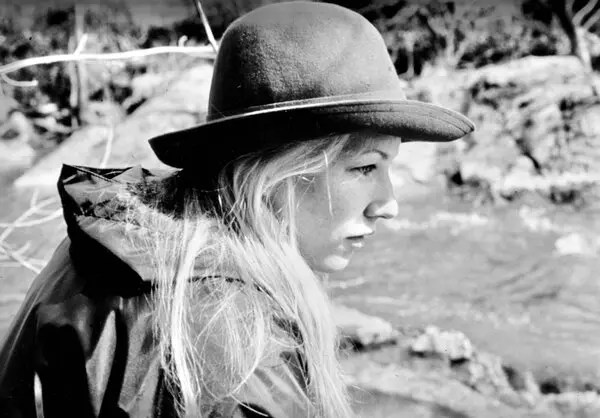
The Pulitzer Prize-winning author of Pilgrim at Tinker Creek, whose ecstatic, exacting prose transformed the observation of nature into an inquiry into consciousness, faith and existence, has died aged 81. Annie Dillard, one of the most singular voices in postwar American literature, died on 15 September 2026 at her home in South Wellfleet, Massachusetts. SheContinue reading “Annie Dillard, 1945–2026: The Fierce Attention of a Life”

