
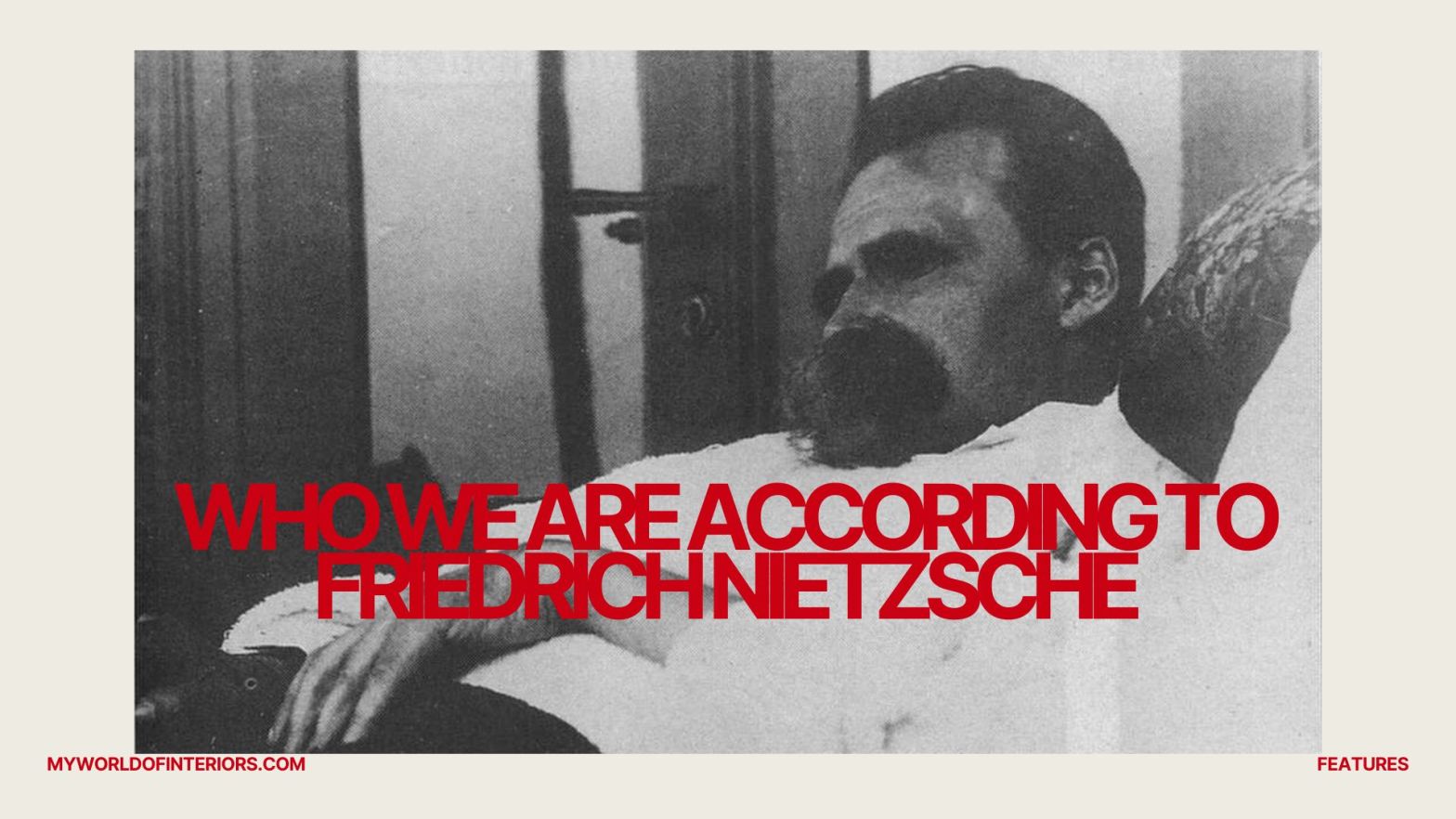
He has been claimed by fascists, by bodybuilders, by management consultants, and by every nineteen-year-old who has ever felt misunderstood. He would have been appalled by all of them. What Nietzsche actually said — about God, about values, about the self, and about whether you would choose your life again if you had to chooseContinue reading “Would You Live It Again? Who We Are According to Friedrich Nietzsche”
Category Archives: Literature
The Human Condition According to Gogol
By Bergotte There is a moment in Nikolai Gogol’s story The Nose when a government official named Kovalyov discovers that his nose has left his face, dressed itself in a uniform of higher rank than his own, and is travelling around St Petersburg attending church services and paying social calls. Kovalyov’s attempts to recover hisContinue reading “The Human Condition According to Gogol”
One Is Not Born: Who We Are According to Simone de Beauvoir
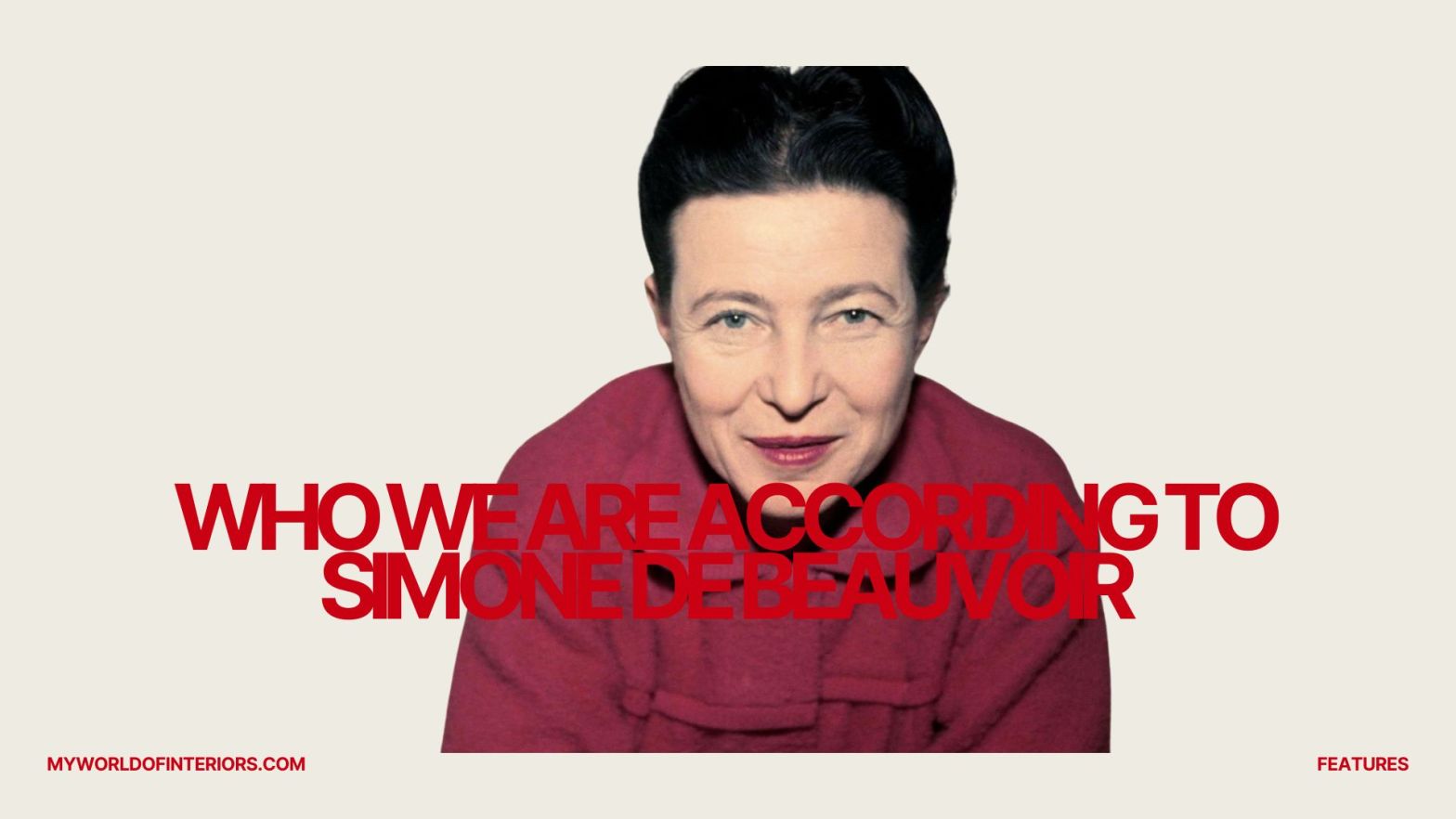
She wrote the book that changed what women thought they were allowed to want. She lived a life that her own philosophy would judge with considerable severity. She was the most important philosopher of freedom of the twentieth century, and she spent decades in the gravitational field of a man who made her smaller. TheContinue reading “One Is Not Born: Who We Are According to Simone de Beauvoir”
The Human Condition According to Pushkin

By Bergotte To understand Russian literature is, in the end, to understand Pushkin — which is to say that it cannot be fully done from the outside. Alexander Sergeyevich Pushkin is the writer whom every Russian author who followed him claimed as a father, a standard, and an impossibility: the source from which a wholeContinue reading “The Human Condition According to Pushkin”
The Self That Must Be Chosen: Who We Are According to Søren Kierkegaard
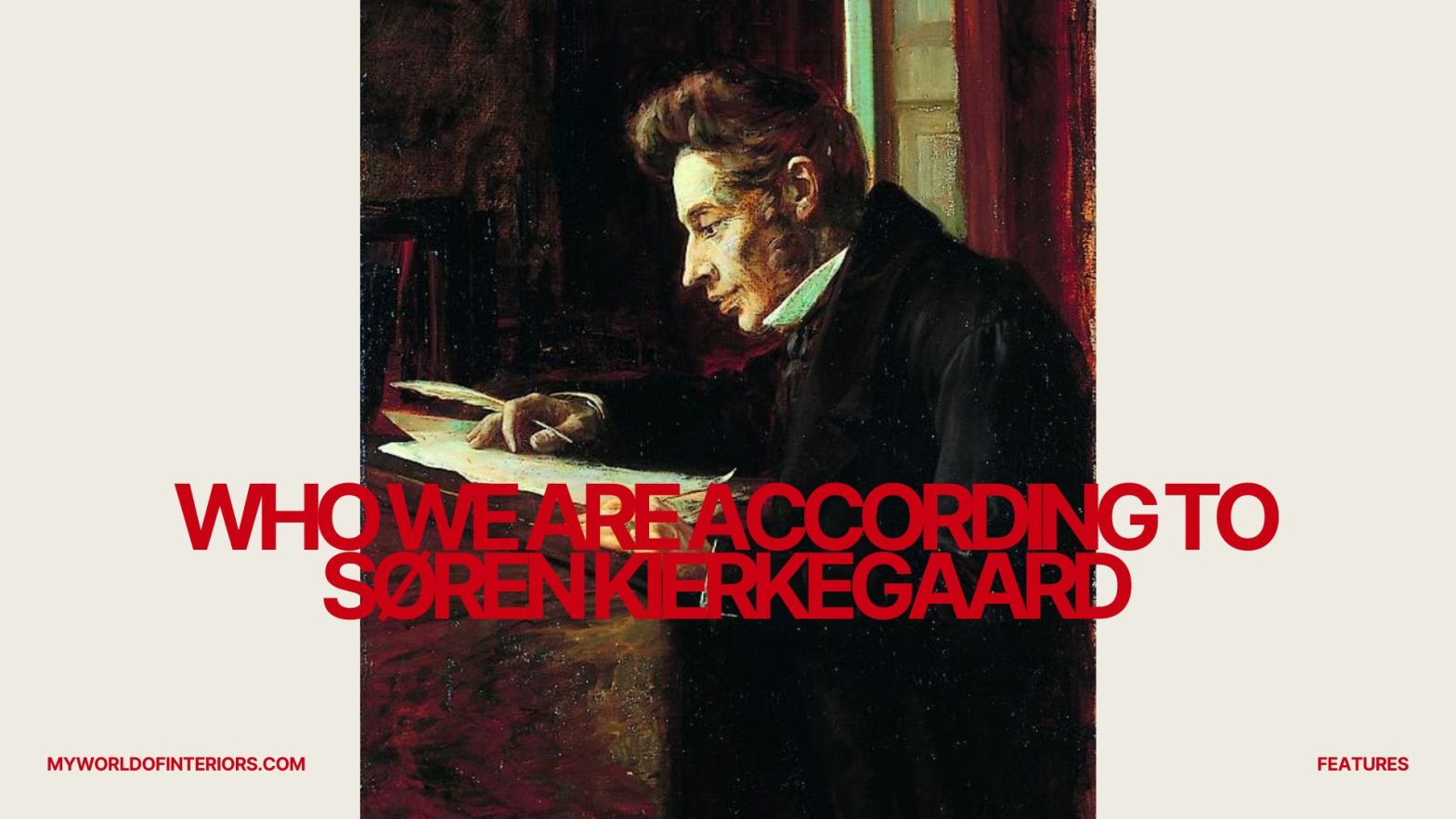
He wrote under false names, spoke in riddles, and refused to give answers. He died at forty-two having produced, in a little over a decade, the most searching account of what it means to be a human being that Western philosophy has ever attempted. Kierkegaard did not want to make things easy for you. HeContinue reading “The Self That Must Be Chosen: Who We Are According to Søren Kierkegaard”
The Beginning of the End of the Story: Departure(s) — Review

Author: Julian BarnesTitle: Departure(s)Year: 2026Genre: Literary fictionForm: A late novel / elegiac fictionRating: ★★★★★ What It Is Departure(s) is Julian Barnes’s declared final book: a brief, formally elusive work that moves between fiction, memoir, literary essay and autobiography while refusing to settle comfortably into any one of them. Barnes’s own website describes it as fictionContinue reading “The Beginning of the End of the Story: Departure(s) — Review”
Mary Oliver: Saved by the Beauty of the World
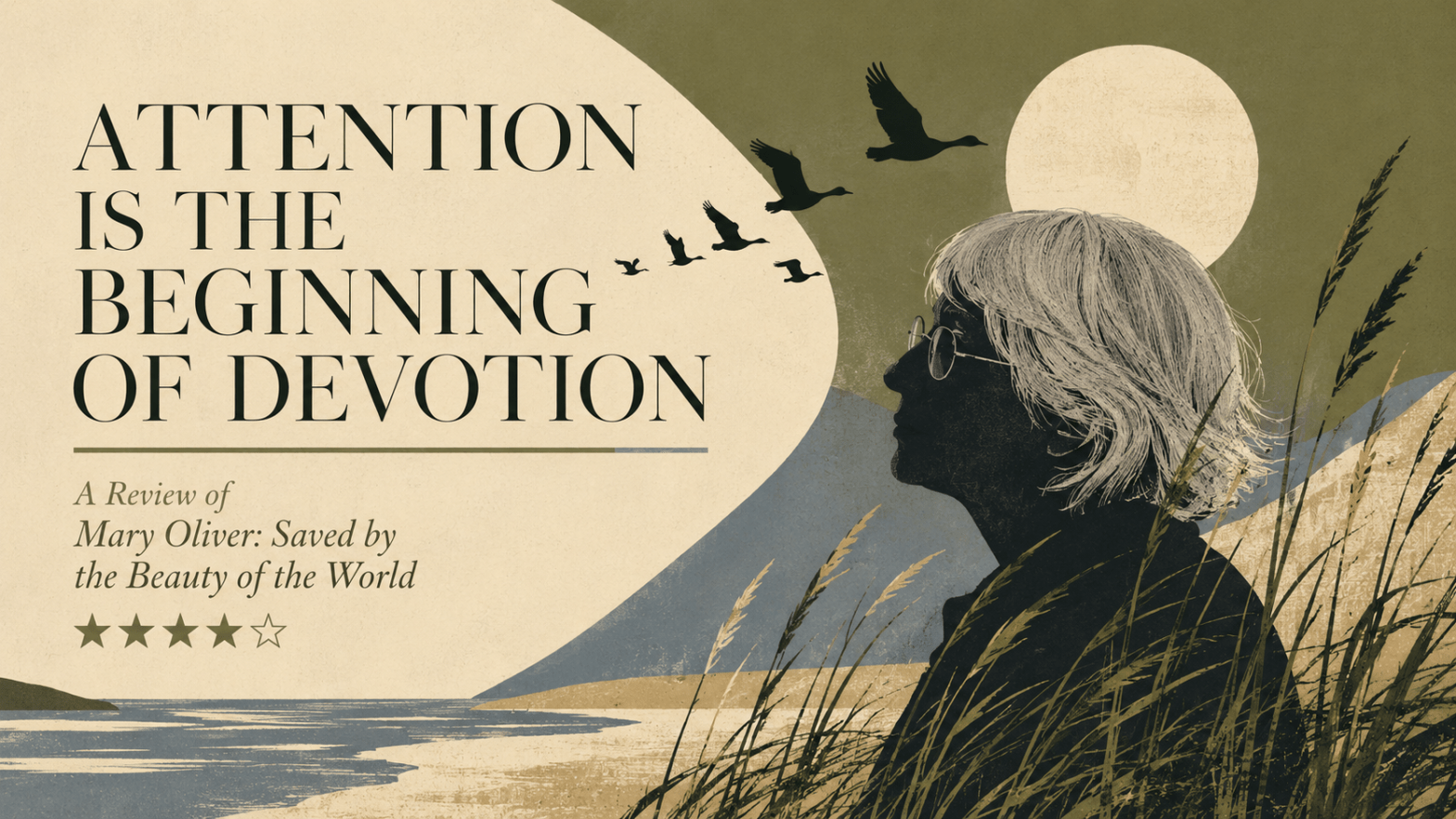
Director: Sasha WatersTitle: Mary Oliver: Saved by the Beauty of the WorldYear: 2026Country: United StatesGenre: Documentary / BiographyRunning time: 91 minutesRating: ★★★★☆ What It Is Mary Oliver: Saved by the Beauty of the World is Sasha Waters’s documentary portrait of the Pulitzer Prize-winning American poet Mary Oliver, whose deceptively simple poems about nature, solitude, mortality,Continue reading “Mary Oliver: Saved by the Beauty of the World”
The Human Condition According to Tolstoy
By Bergotte Leo Tolstoy is the writer who makes other great writers feel provincial. Not because his books are the longest, though two of them are among the longest ever written, and not because his range is the widest, though it extends from the ballrooms of Moscow to the battlefields of Austerlitz to the peasantContinue reading “The Human Condition According to Tolstoy”
Outline by Rachel Cusk — Review
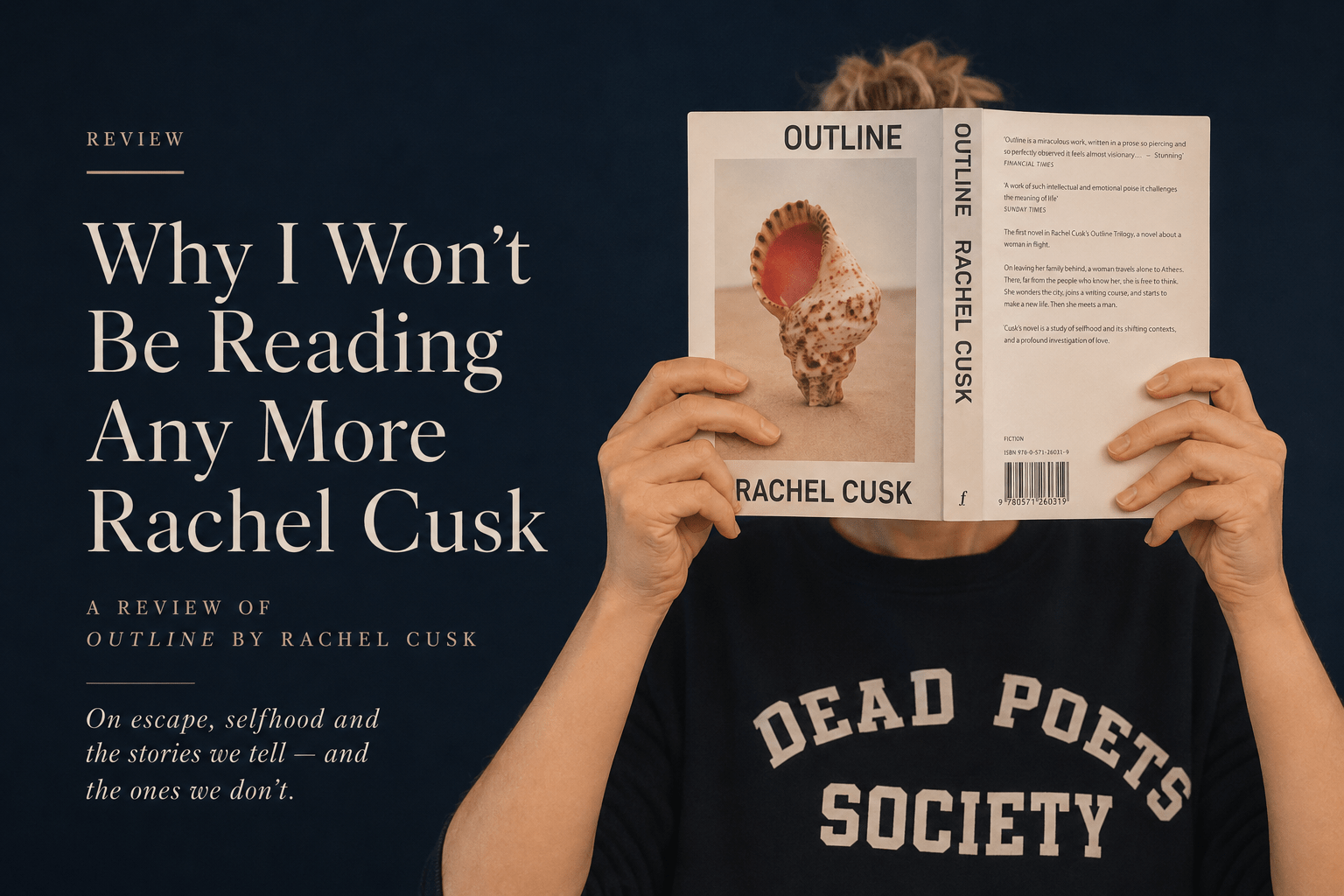
Author: Rachel CuskTitle: OutlineFirst published: 2014Genre: Literary fictionLength: approximately 250 pages (256 pages in the Picador paperback edition)Series: Outline Trilogy, Book OneRating: ★★☆☆☆ What It Is Rachel Cusk’s Outline is a novel constructed largely through ten conversations. Its narrator, Faye, is a writer who travels to Athens to teach a summer creative-writing course. During herContinue reading “Outline by Rachel Cusk — Review”
The Play Hiding Inside a Cocktail Party: T.S. Eliot’s Strangest Success
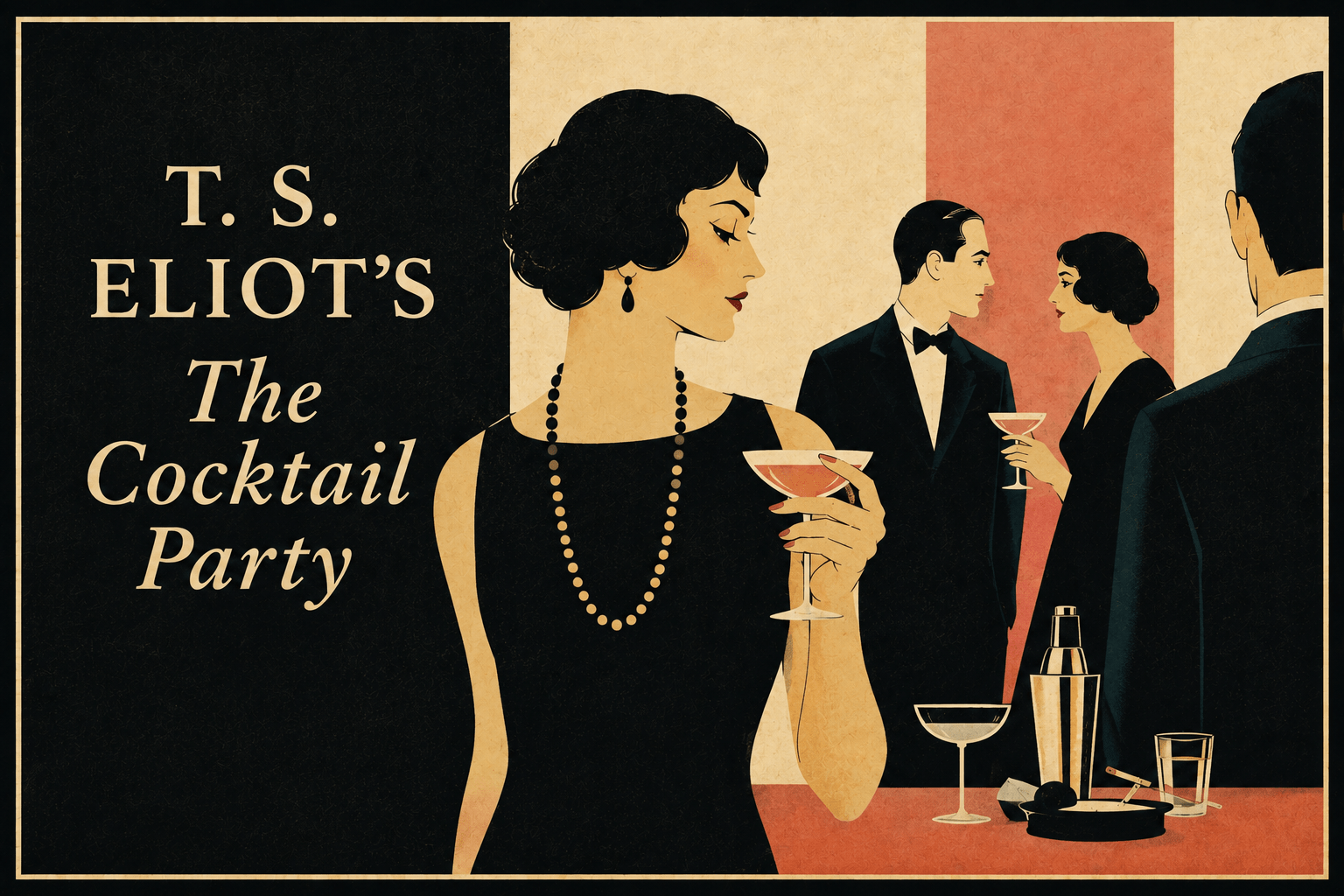
What This Play Is The Cocktail Party is a verse drama by T.S. Eliot, first performed at the Edinburgh Festival in 1949 before transferring to the West End and Broadway, where it won the 1950 Tony Award for Best Play. By the time he wrote it, Eliot was already the most famous poet writing inContinue reading “The Play Hiding Inside a Cocktail Party: T.S. Eliot’s Strangest Success”

