
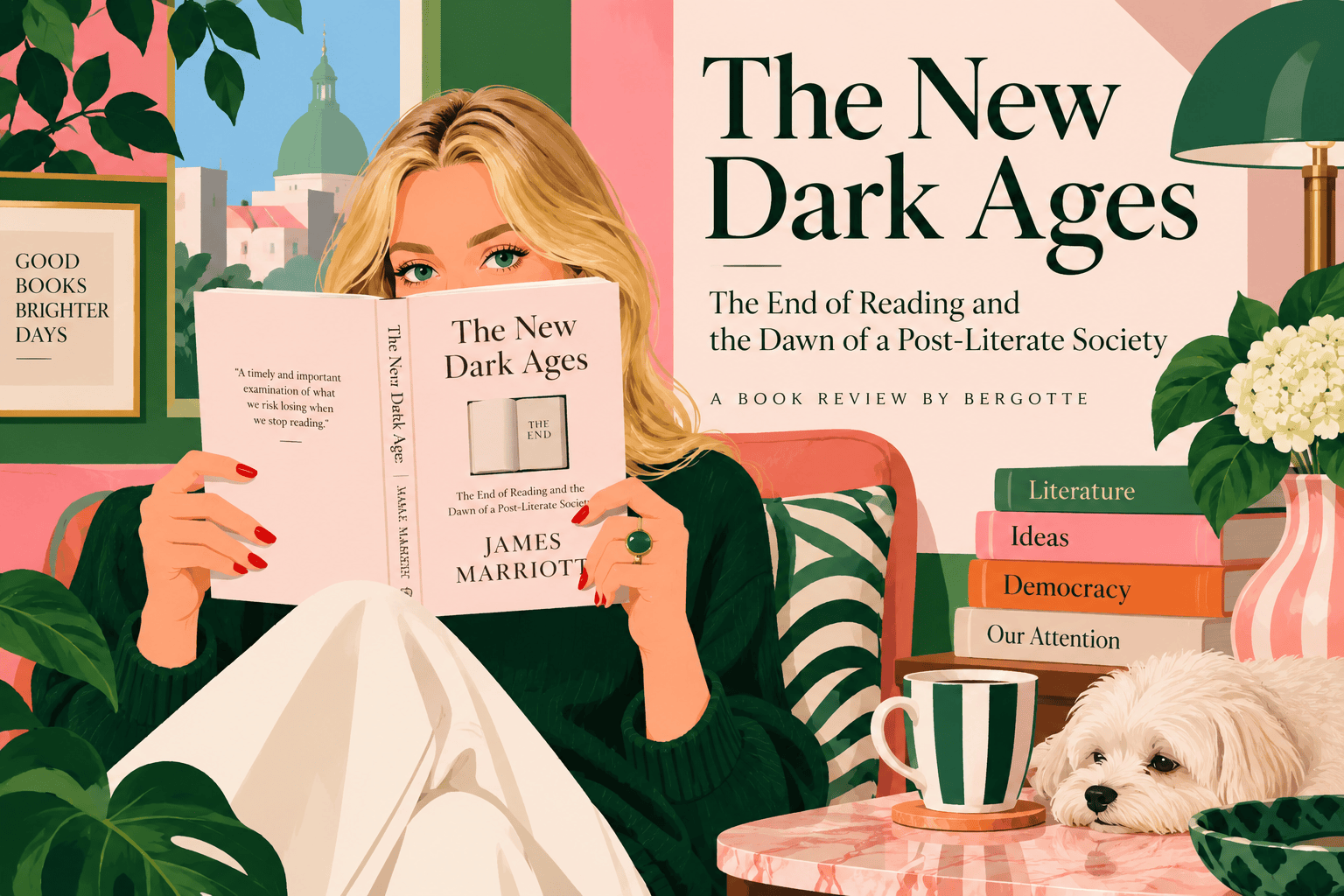
What We Lose When We Stop Reading Book: The New Dark Ages: The End of Reading and the Dawn of a Post-Literate SocietyAuthor: James MarriottPublisher: The Bodley HeadPublication: 3 September 2026Pages: 208ISBN: 9781847929518Genre: Cultural criticism / Social commentary / Media studies There is something almost quaint about worrying about the death of reading. We haveContinue reading “The New Dark Ages”
Category Archives: Literature
The Life of Somebody Else
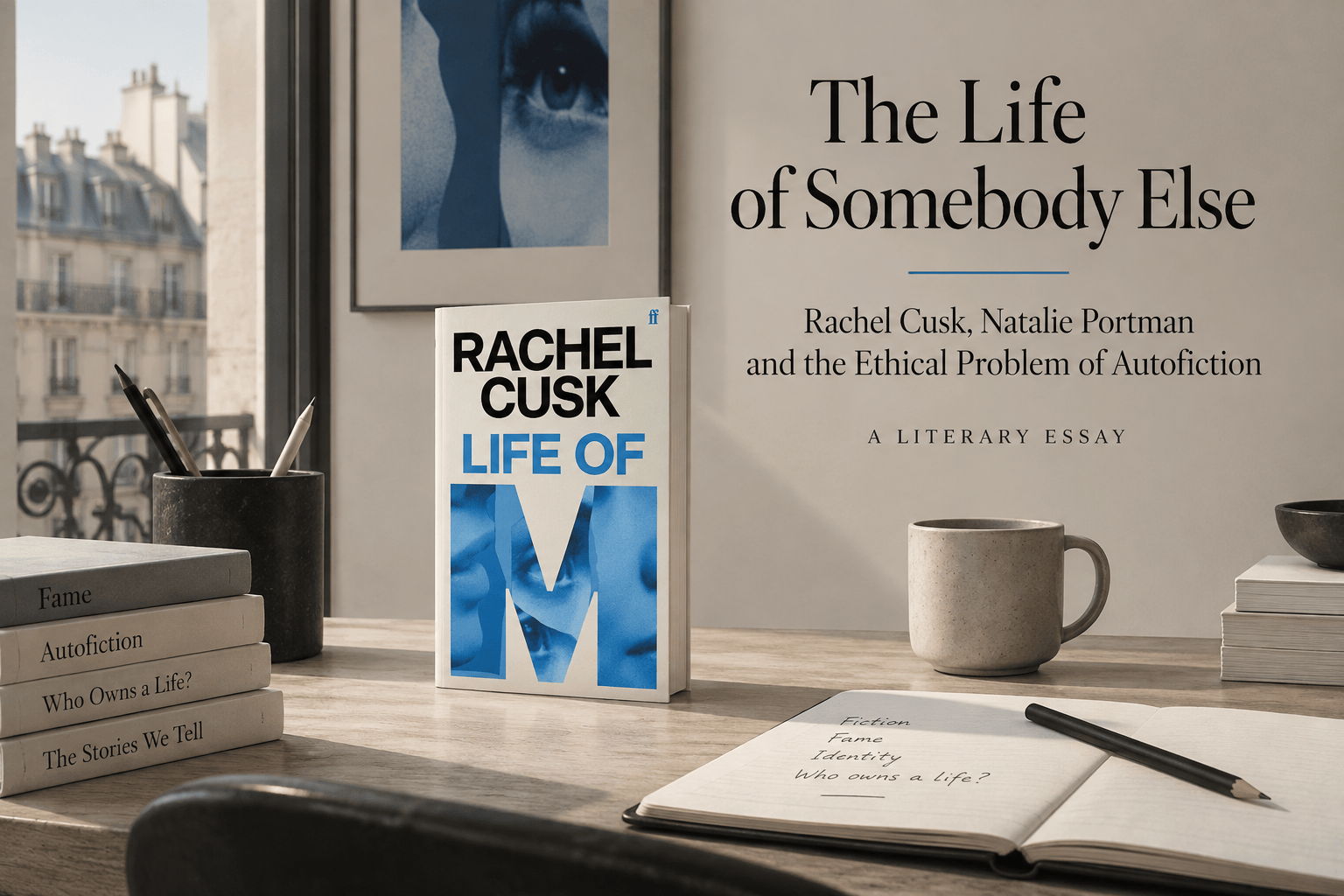
Rachel Cusk, Natalie Portman and the Ethical Problem of Autofiction Rachel Cusk’s Life of M has produced one of the strangest literary controversies of the year. Its famous actress is fictional, yet recognisably assembled from details belonging to Natalie Portman. The resulting argument is larger than celebrity gossip: it asks who owns a life, whatContinue reading “The Life of Somebody Else”
The Human Condition According to Henry James
By Bergotte Henry James believed that consciousness was the most important thing in the world. Not action, not achievement, not the accumulation of experience in the traveller’s sense — the places visited, the people met, the events survived — but the quality of attention brought to experience, the precision and depth with which a mindContinue reading “The Human Condition According to Henry James”
Thrown Into the Open: Who We Are According to Martin Heidegger
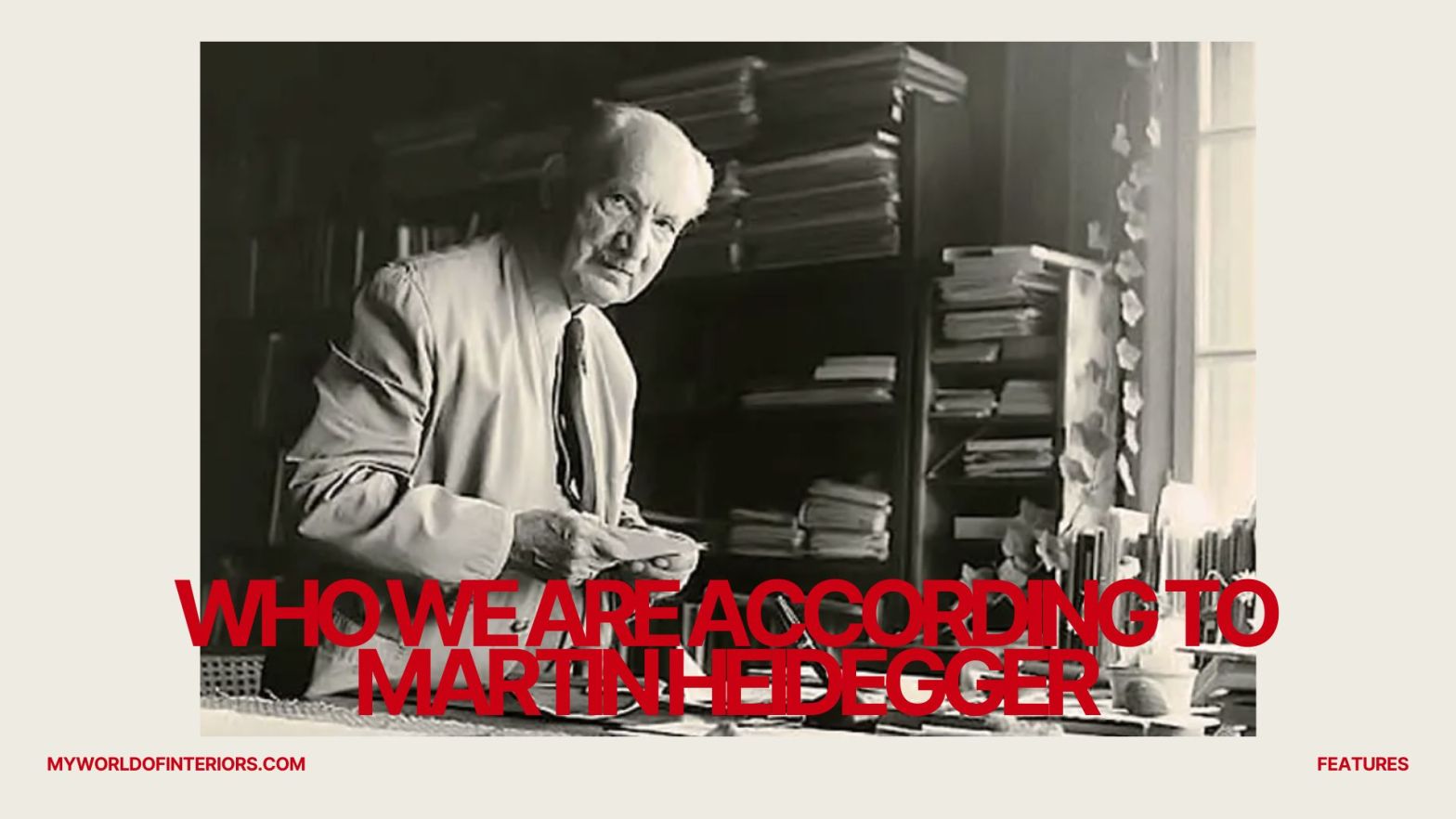
He asked the most fundamental question in the history of philosophy — what does it mean to be? — with a depth and a rigour that nobody before him had quite managed. He was also a member of the Nazi party who never adequately recanted. Both of these things are true, and the essay thatContinue reading “Thrown Into the Open: Who We Are According to Martin Heidegger”
The Human Condition According to Edith Wharton
By Bergotte Edith Wharton understood that society is not the backdrop to human life but its substance — that the codes, rituals, and unspoken laws through which a community organises itself are not superficial constraints on some deeper, freer self but the very medium in which selfhood is formed, expressed, and destroyed. This is aContinue reading “The Human Condition According to Edith Wharton”
Slow Down Or Die: The Economics of Degrowth
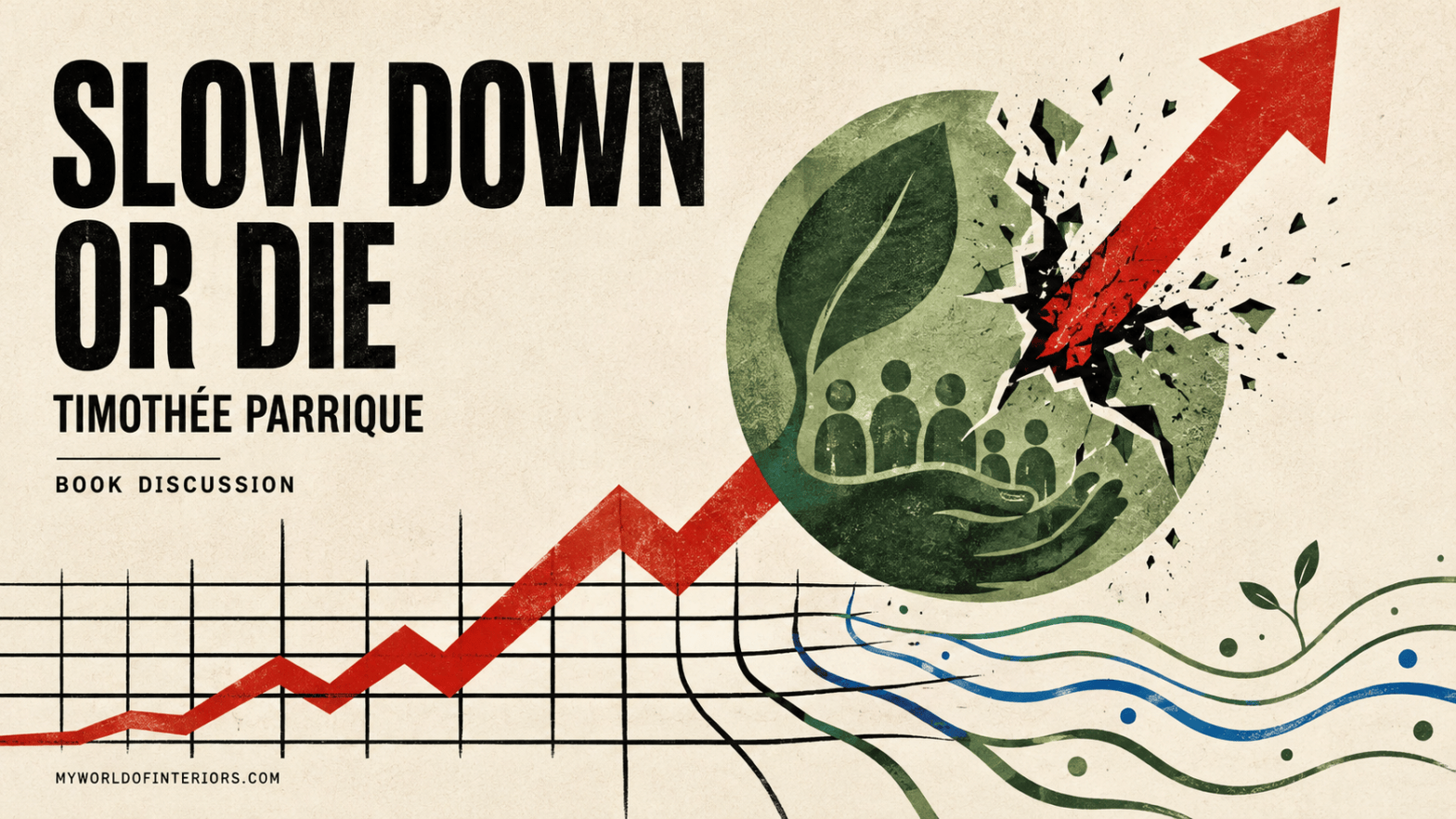
Timothée Parrique’s Slow Down or Die asks us to abandon economic growth as civilisation’s governing purpose—and replace it with sufficiency, equality, care and democratic control.
The Ocean and the Wave: Who We Are According to Baruch Spinoza
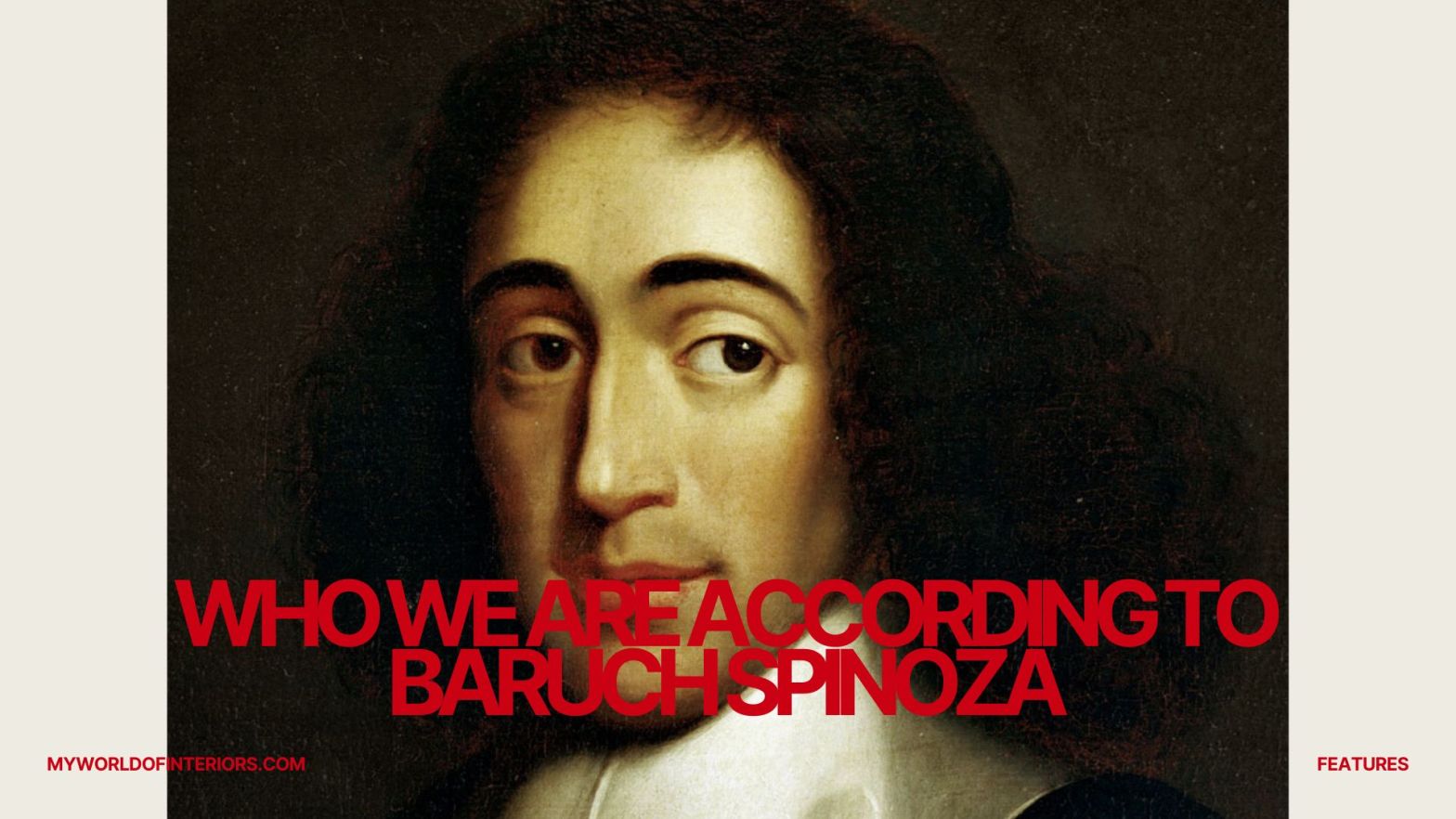
He was excommunicated at twenty-three by the Jewish community that raised him, in terms so severe that no record of the reason survives. He spent the rest of his life grinding lenses and thinking, alone, in a sequence of Dutch boarding houses. What he produced was the most complete and most radical philosophical system inContinue reading “The Ocean and the Wave: Who We Are According to Baruch Spinoza”
Gloria Steinem, 1934–2026: The Long Work of Freedom
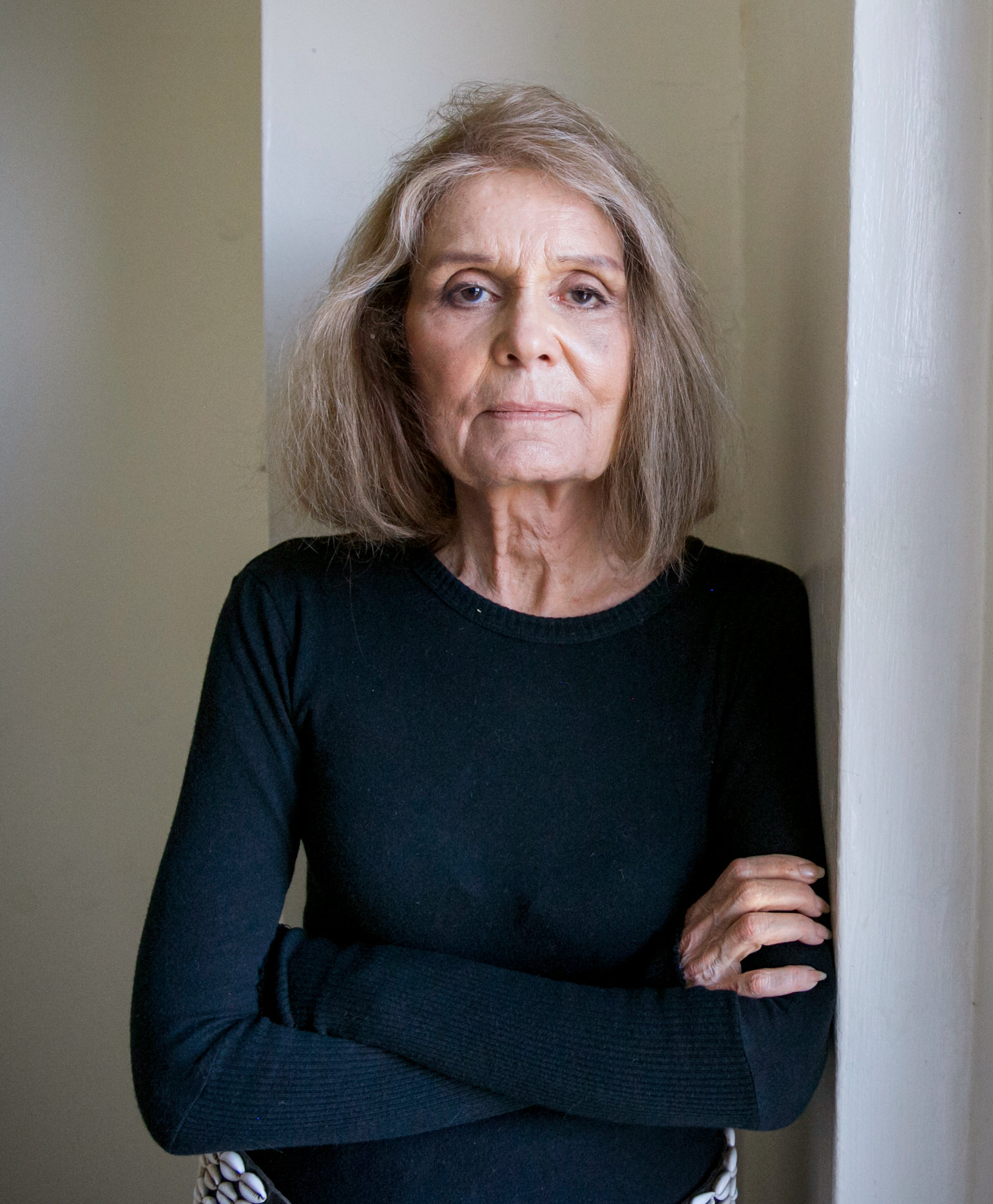
The journalist, organiser and public intellectual helped make women’s private lives legible as political facts—and equality a measure of civilisation itself.
The Human Condition According to Turgenev
By Bergotte Ivan Turgenev is the poet of the moment that has already passed. His novels and stories are pervaded by a melancholy so precise and so gracefully carried that it takes time to recognise it as a philosophical position rather than a temperamental one. But it is a position: the claim that the humanContinue reading “The Human Condition According to Turgenev”
The Nerd Reich Review
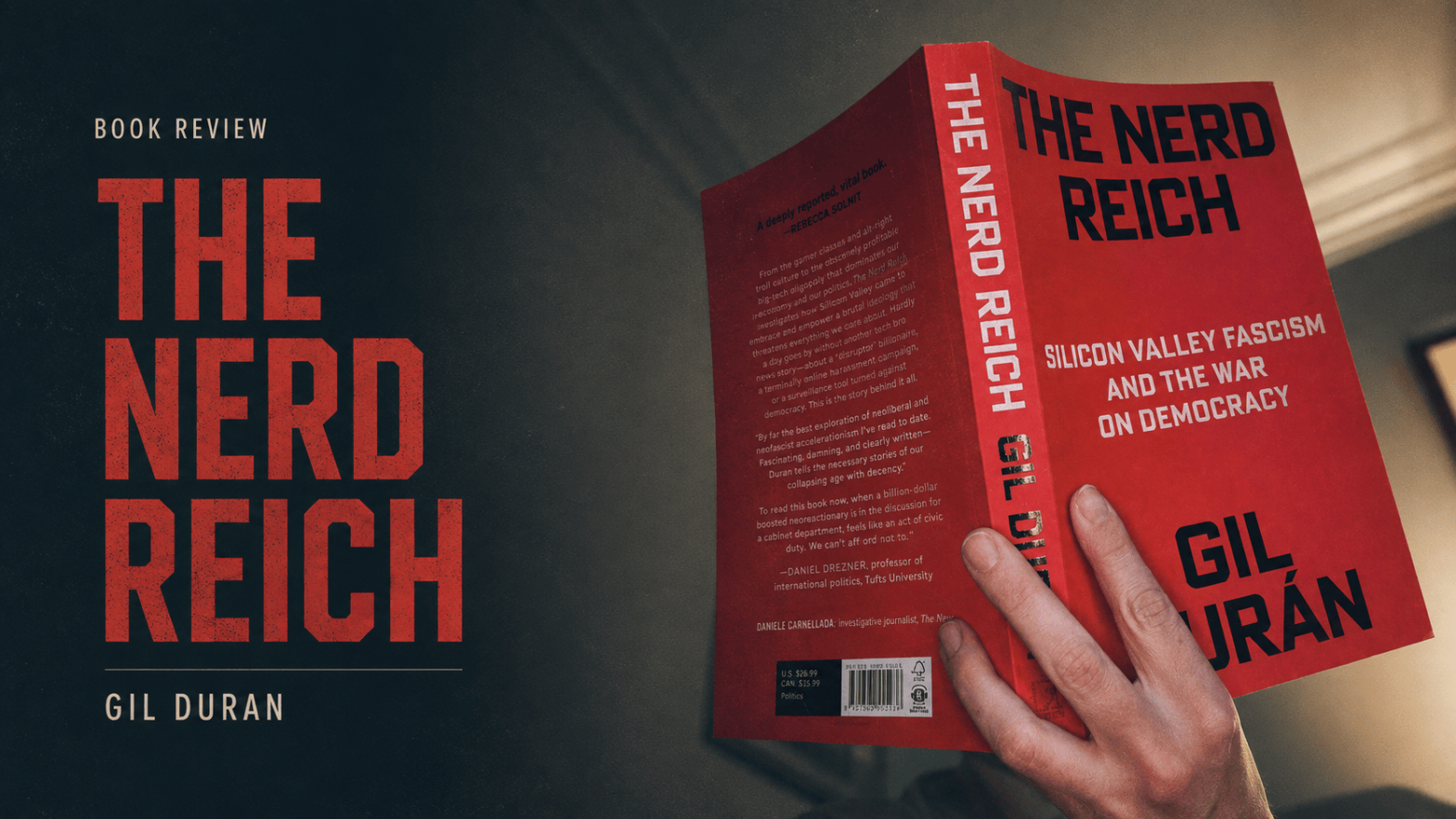
Book Review They Told Us What They Wanted Gil Durán exposes a Silicon Valley oligarchy that does not merely want to govern without us, but has begun to imagine most human beings as obstacles, dependants or waste By Bergotte Gil Durán, The Nerd Reich: Silicon Valley Fascism and the War on DemocracyAvid Reader Press /Continue reading “The Nerd Reich Review”

