
By Bergotte Joy Division made two studio albums and a handful of singles between 1978 and 1980, and their singer Ian Curtis hanged himself in his kitchen in Macclesfield on the eve of the band’s first American tour, at the age of twenty-three. It would be easy — it has been easy, for forty yearsContinue reading “What’s So Special About Joy Division”
Category Archives: Blog
The 90s at Tate Britain: Art, Fashion and the Politics of Belonging
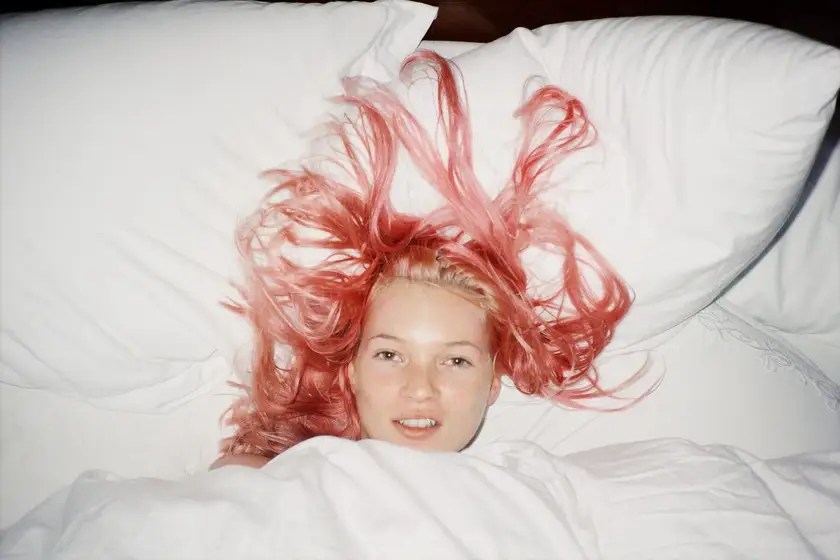
The 1990s have become unusually easy to recognise and increasingly difficult to remember in their complexity. Kate Moss, a slip dress, a warehouse party, a shark suspended in formaldehyde: the decade survives through images whose familiarity can conceal the circumstances that produced them. Tate Britain’s new exhibition, The 90s: Art and Fashion, brings this visualContinue reading “The 90s at Tate Britain: Art, Fashion and the Politics of Belonging”
ADHD in Women: What the Monash Study Reveals
For women living with ADHD, changes in concentration, organisation or emotional regulation can make previously manageable routines unexpectedly difficult. Research from Monash University’s HER Centre Australia gives women a reason to bring hormonal patterns into that conversation. Understanding when difficulties intensify may help identify the support, treatment reviews and everyday adjustments that would make lifeContinue reading “ADHD in Women: What the Monash Study Reveals”
Everything Flows: Who We Are According to Heraclitus
He wrote one book, deposited it in the temple of Artemis at Ephesus, and walked into the mountains. What survives of the book is approximately a hundred and thirty fragments — sentences, half-sentences, paradoxes, riddles — that have been puzzling serious readers for two and a half thousand years. He is the most difficult andContinue reading “Everything Flows: Who We Are According to Heraclitus”
Sorø Kunstmuseum: Sophie Dupont and the Art of Attention
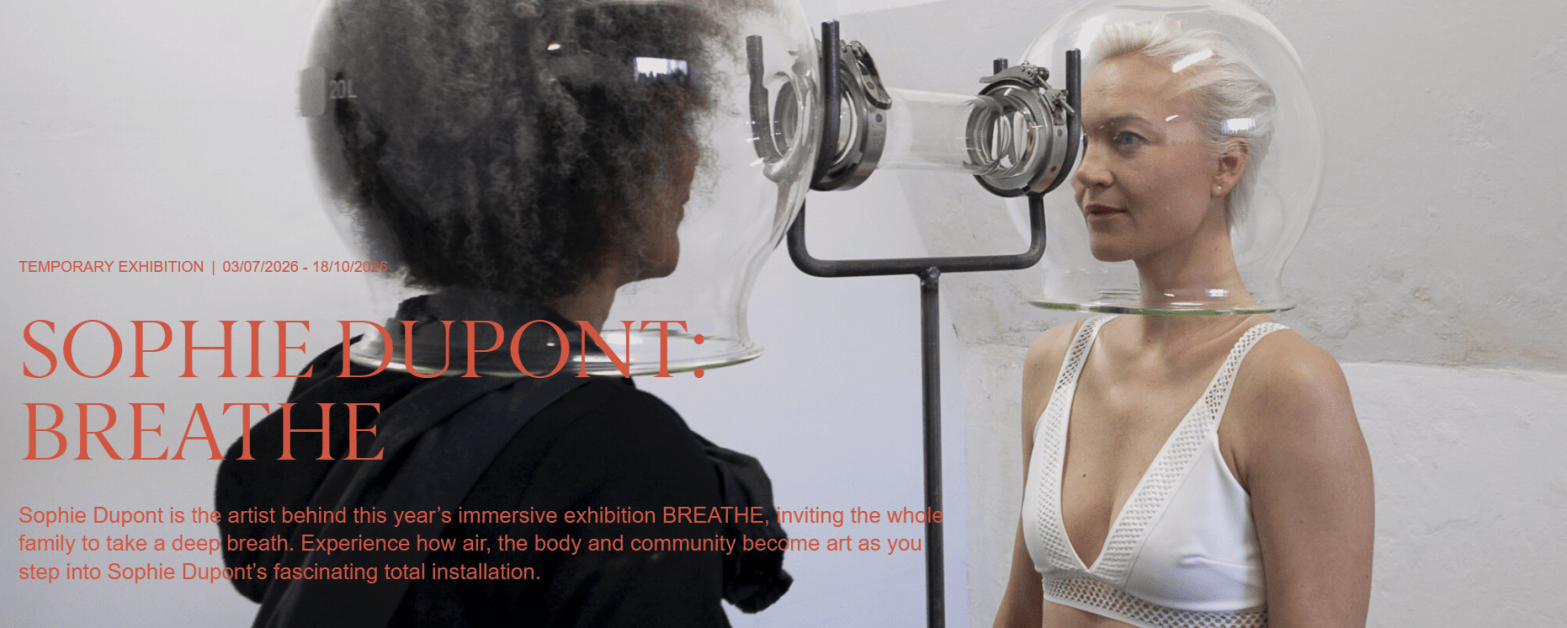
At Sorø Kunstmuseum, an empty room painted by Anna Ancher, a Russian icon of mother and child, and an installation shaped by visitors’ breathing offer three very different encounters with human presence. Their proximity is part of the museum’s interest: a visit can move between domestic observation, religious devotion and the experiments of contemporary artContinue reading “Sorø Kunstmuseum: Sophie Dupont and the Art of Attention”
Affordable Style: Inns and Guesthouses of the Northern California Coast
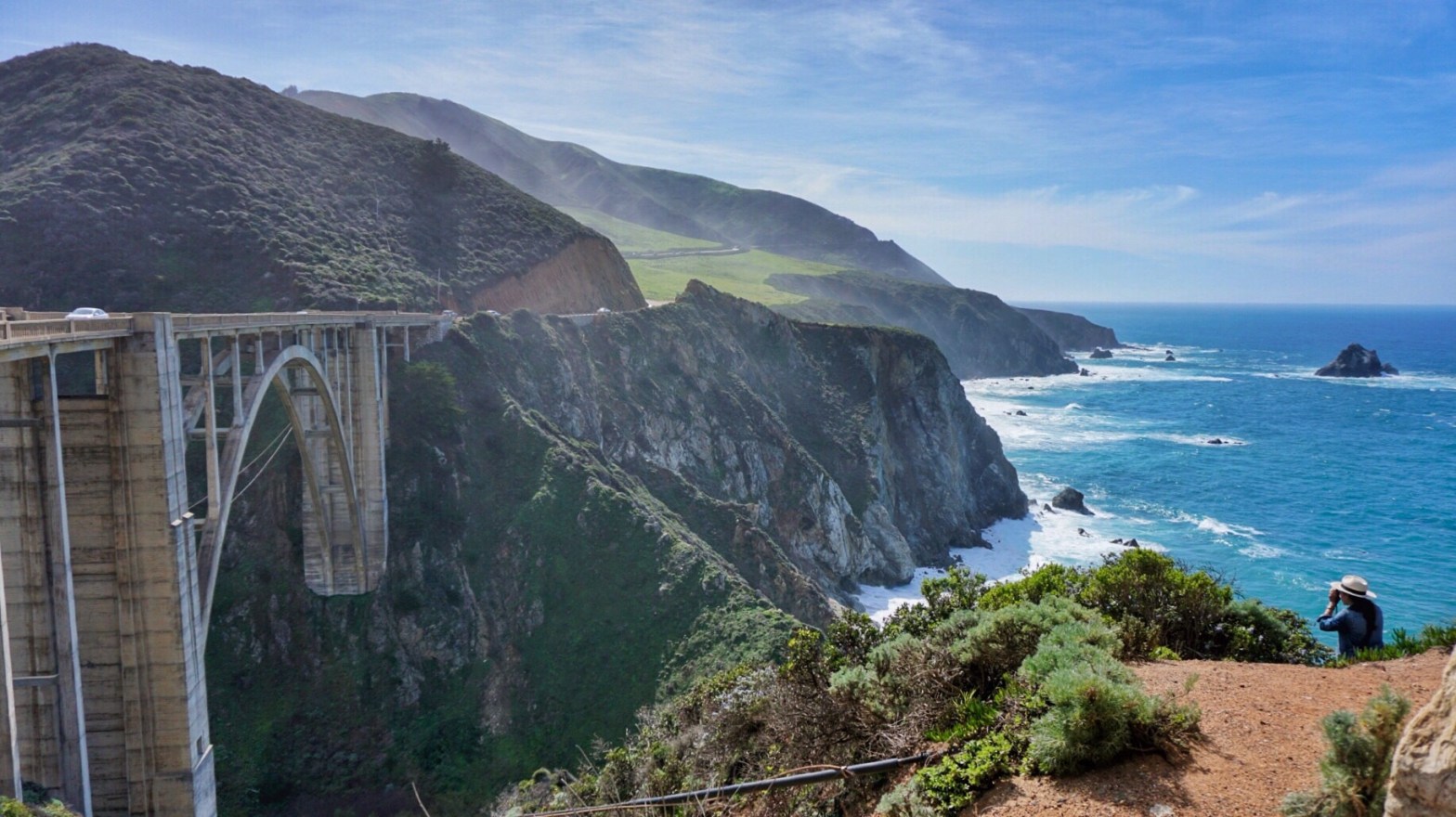
The stretch of coastline from Mendocino to Big Sur is one of America’s most dramatic landscapes: redwood forests plunging into the Pacific, wildflower meadows giving way to rocky cliffs, and small towns shaped by artists and bohemians. While boutique resorts command oceanfront views, there are still plenty of inns and guesthouses where character and charmContinue reading “Affordable Style: Inns and Guesthouses of the Northern California Coast”
400 Days of My World of Interiors
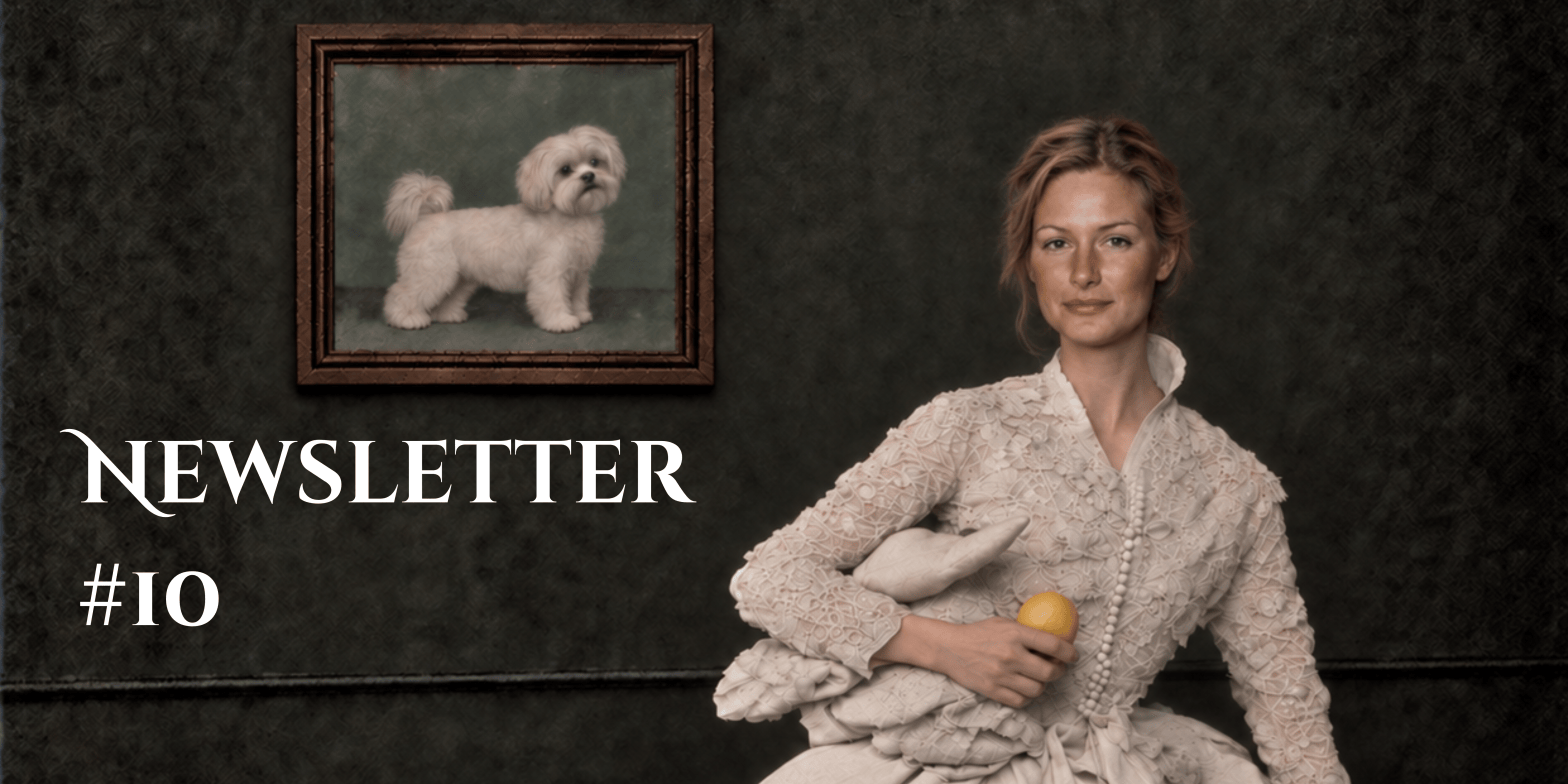
An Anniversary Letter from the Editor Dear Readers, Today marks 400 consecutive days of publishing on My World of Interiors. Four hundred days of ideas, discoveries, arguments, enthusiasms and occasional indignation. Not a single day missed. What began as a personal exploration of the things I love has gradually evolved into something rather more ambitious:Continue reading “400 Days of My World of Interiors”
Frieze London 2026: What Deserves Our Attention
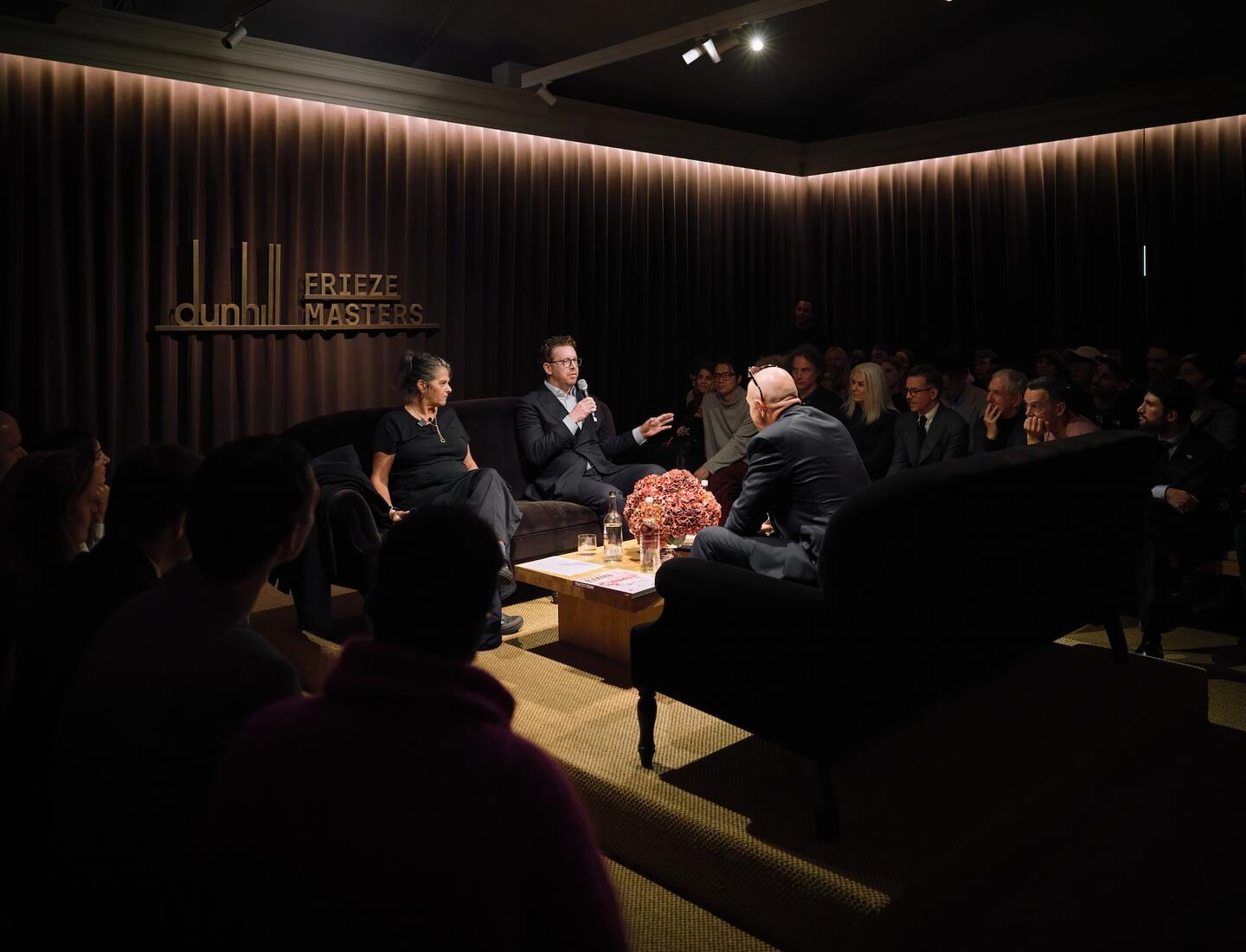
Frieze returns to Regent’s Park from 14–18 October. This year’s programme offers a rewarding route through contemporary painting, the politics of materials, domestic architecture and the changing interpretation of modern art. Every October, Frieze concentrates a substantial part of the international art world into a few days in London. Galleries arrive with new work andContinue reading “Frieze London 2026: What Deserves Our Attention”
Copenhagen Now – October to December 2026
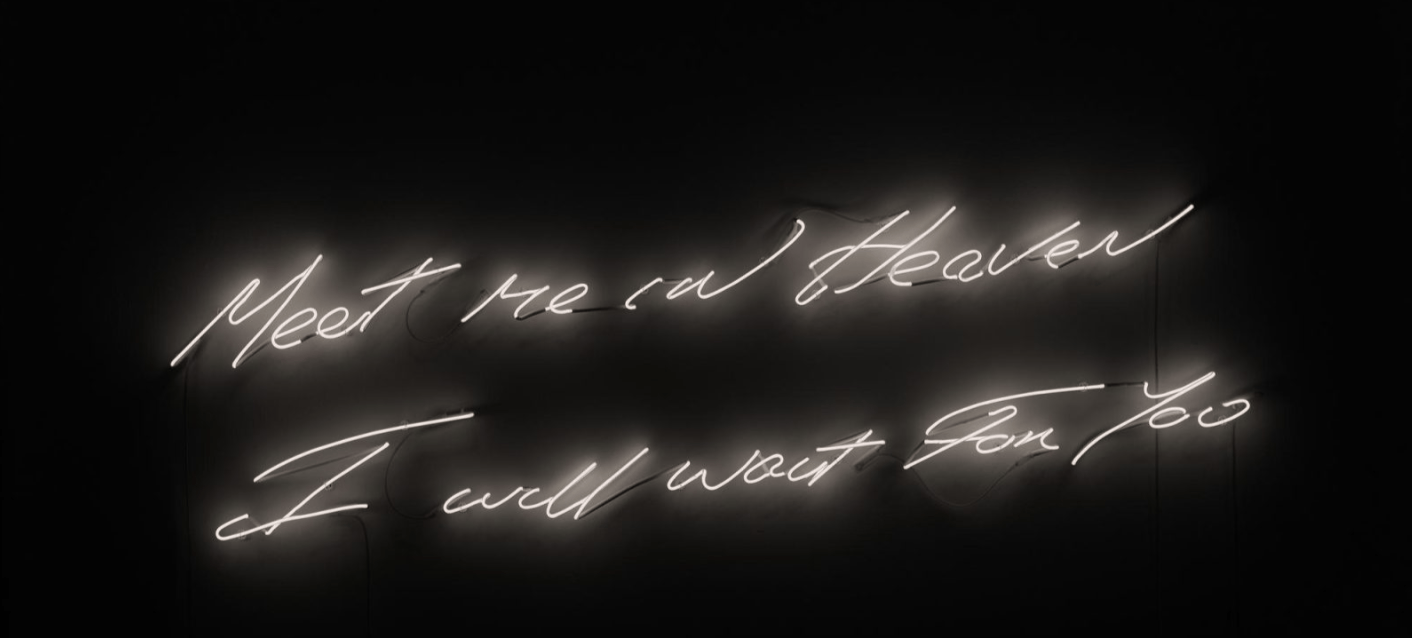
Art, design, fashion, literature, film, music, food and hospitality as the city moves from autumn into winter. Copenhagen changes character when the evenings draw in. The harbour ceases to be the centre of everybody’s social life, dinner moves indoors, and the city’s museums, cinemas and theatres begin to feel less like occasional destinations than placesContinue reading “Copenhagen Now – October to December 2026”
A Sky Full of Wishes
The Passenger is a weekly dispatch on travel — places, hotels, restaurants, the strange logistics of being elsewhere. It is written by Bergotte. Chiang Mai in November, the ancient city of the Lanna kingdom, and the night the sky catches fire Last week this column made the case for Bangkok — overwhelming, oceanic, inexhaustible. ThisContinue reading “A Sky Full of Wishes”

