
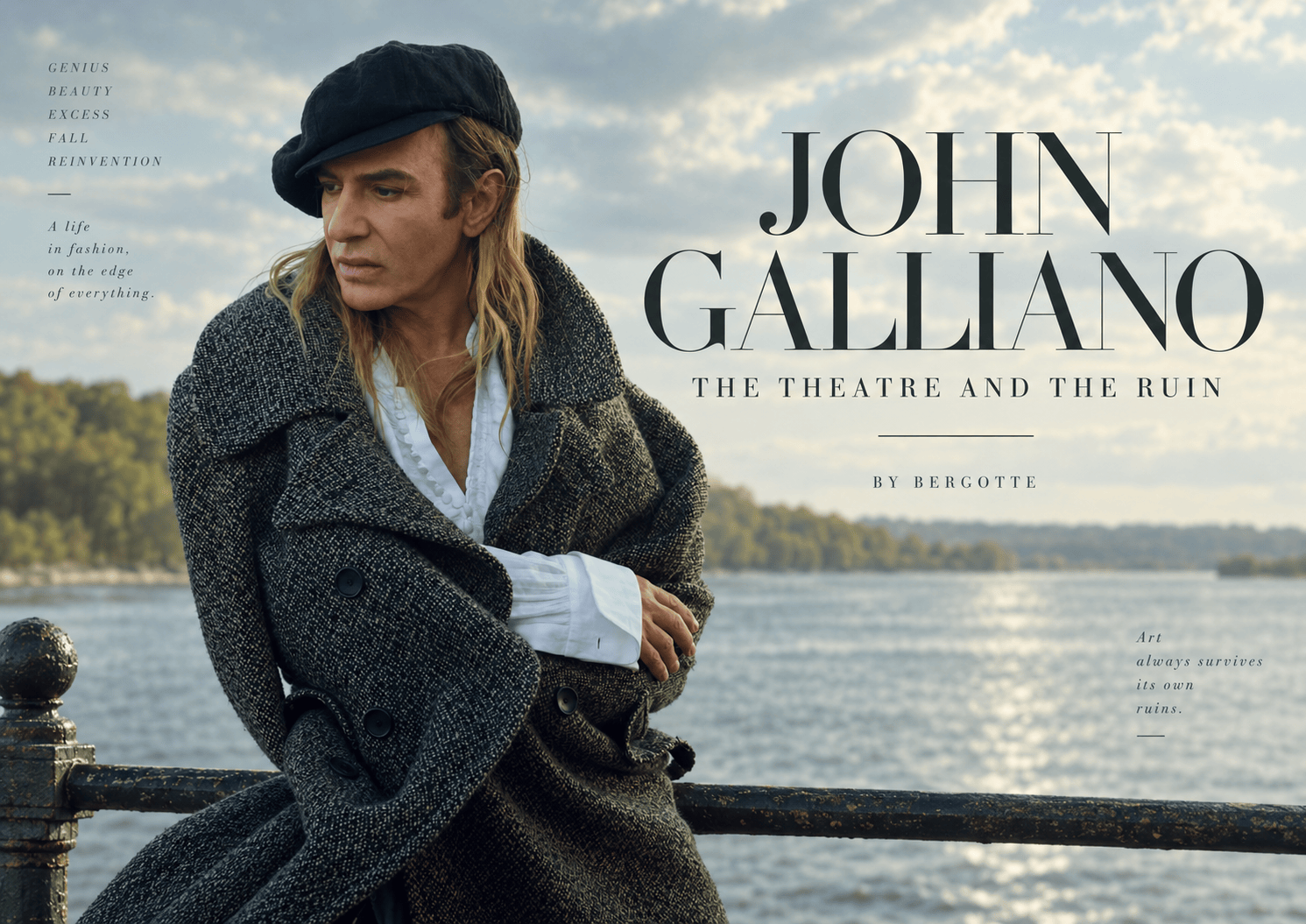
The cancelled Metropolitan Museum retrospective has reopened one of fashion’s most difficult questions: what should history do with an artist whose creative achievement is inseparable from an act of profound disgrace? By Bergotte The Metropolitan Museum of Art did not merely cancel an exhibition when it abandoned John Galliano: Horizons, the major retrospective that hadContinue reading “John Galliano: The Theatre And The Ruin”
Category Archives: Blog
Peter Pennoyer
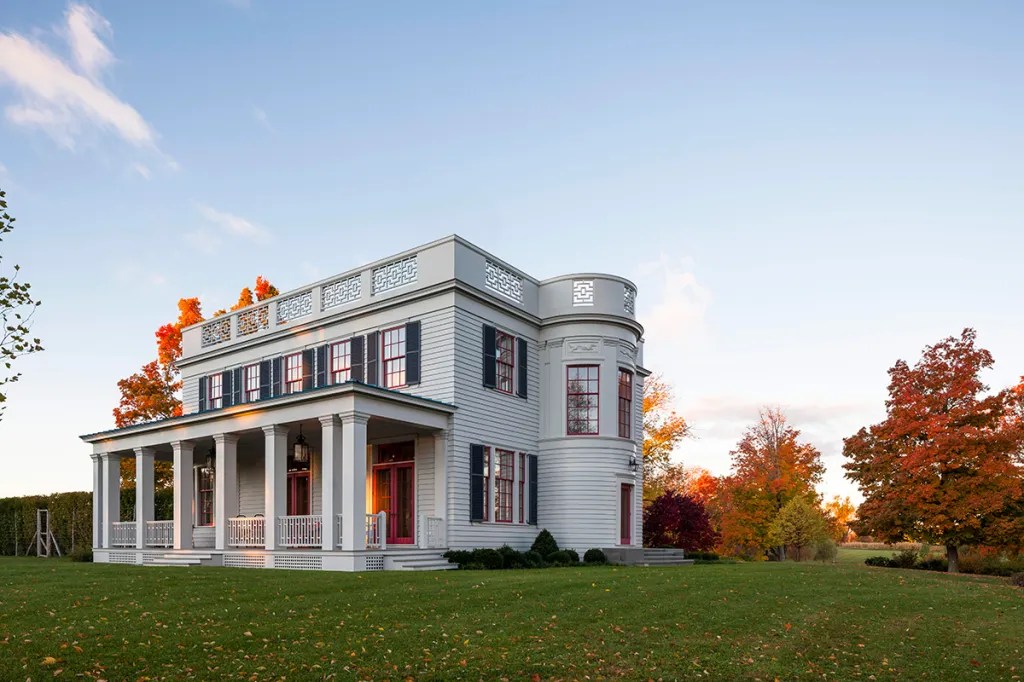
Makers & Rooms — Essay V The Classical Present Peter Pennoyer builds in the tradition of McKim, Mead and White and sees nothing remotely conservative about it. In an architectural culture that treats ornament as embarrassment and history as weakness, he has spent thirty years making the case that the classical orders are not aContinue reading “Peter Pennoyer”
What’s So Special About Mulatu Astatke
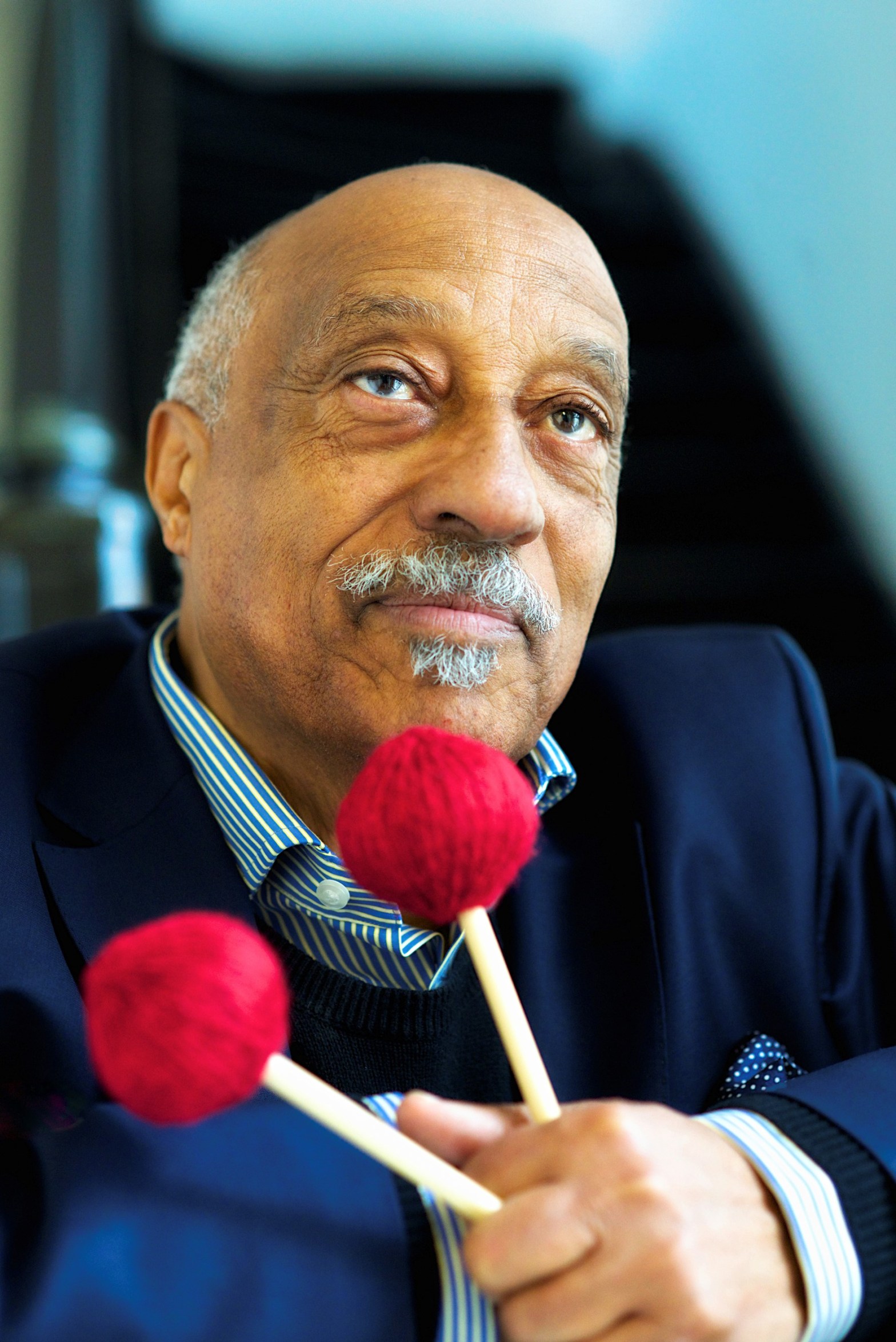
By Bergotte Mulatu Astatke went to music school in London, studied jazz in Boston, played vibraphone in New York, and then went home to Ethiopia and made something that had never existed before. He took the pentatonic scales and ancient modal structures of Ethiopian music — a tradition reaching back centuries, untouched by the WesternContinue reading “What’s So Special About Mulatu Astatke”
The Cult of More
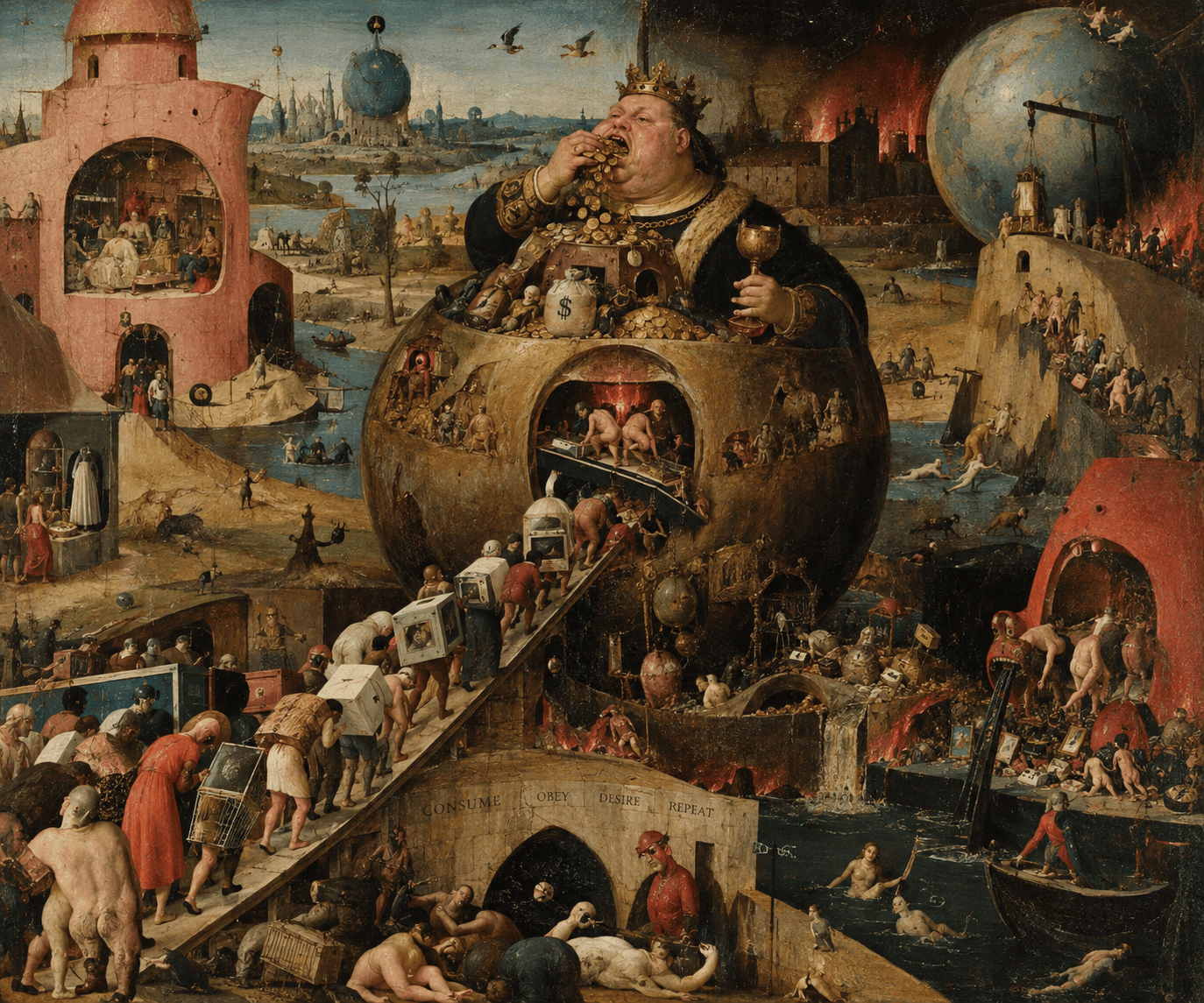
I think about this a lot…by Bergotte Greed, Consumption and the Failure of Enough Late capitalism has produced one of the strangest societies in history: we have more of almost everything and yet live inside a permanent rhetoric of lack. We have too many clothes, too much furniture, too much technology, too much food, tooContinue reading “The Cult of More”
Thrown Into the Open: Who We Are According to Martin Heidegger
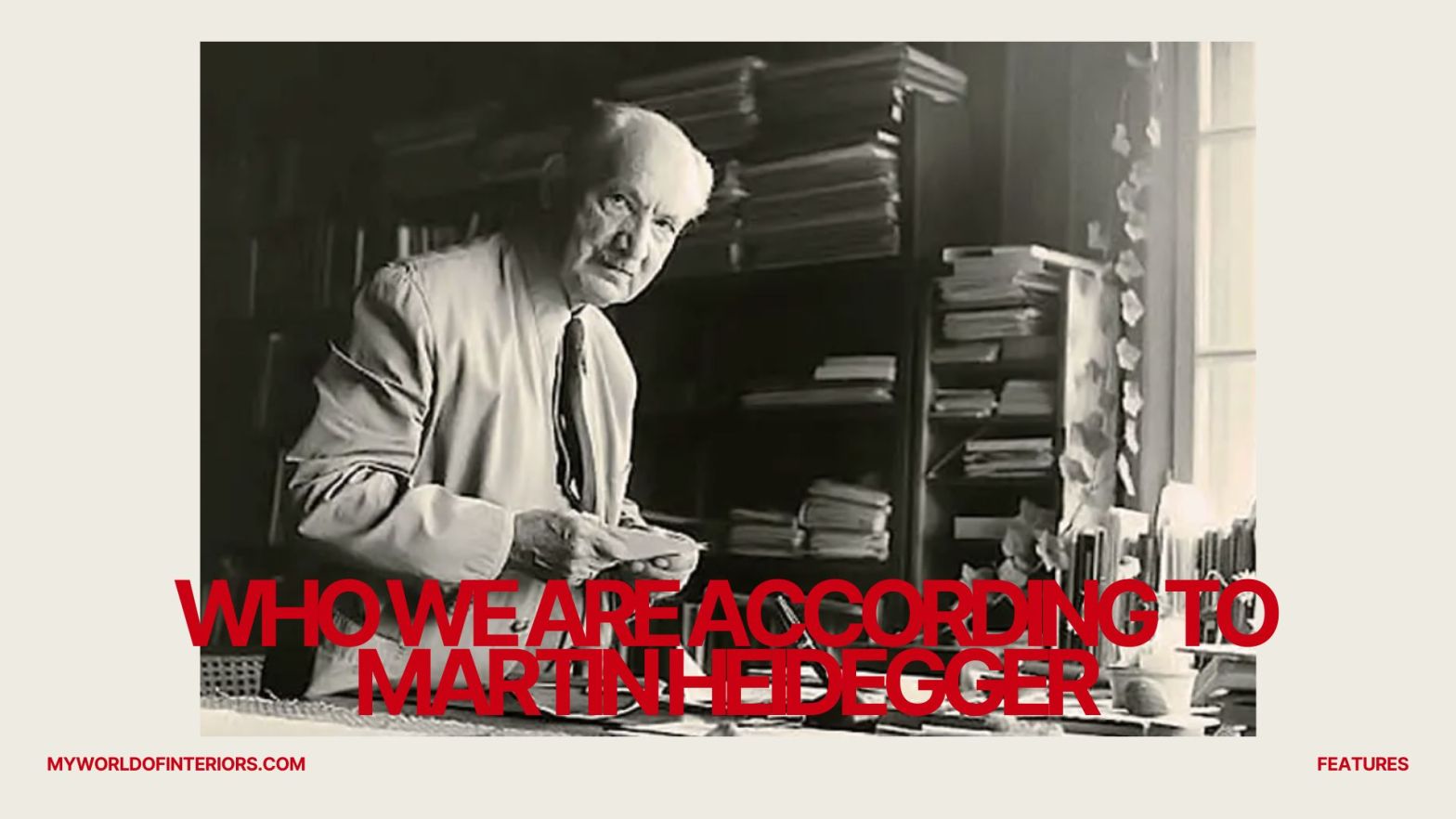
He asked the most fundamental question in the history of philosophy — what does it mean to be? — with a depth and a rigour that nobody before him had quite managed. He was also a member of the Nazi party who never adequately recanted. Both of these things are true, and the essay thatContinue reading “Thrown Into the Open: Who We Are According to Martin Heidegger”
Nan Goldin
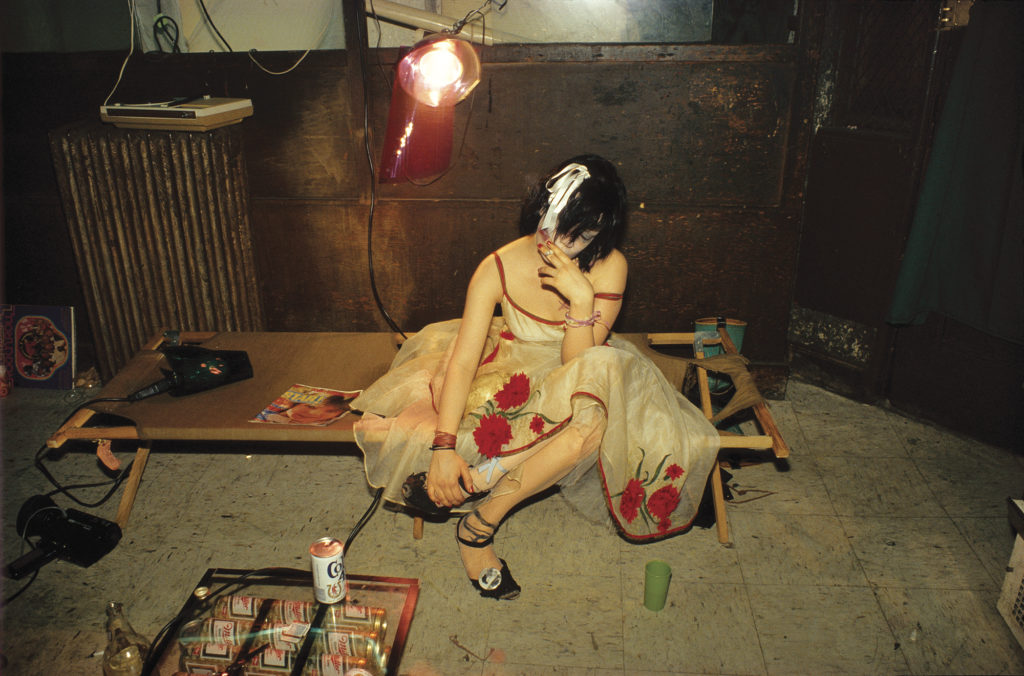
Encounters · No. 5 The Ballad Nan Goldin spent decades photographing the people she loved — in bed, in bars, in hospital, in death. Then she turned the same unflinching attention on the family that had helped kill them. By Bergotte There is a photograph taken in 1984 that Nan Goldin has described as theContinue reading “Nan Goldin”
Copenhagen Now – September 2026

Music, Design, Fashion, Literature, Film, Hotels, Food, Art & the City The City Between Summer and Seriousness There is a particular moment in Copenhagen when summer has not quite disappeared, but the cultural year has unmistakably begun. The evenings can still be spent outside, Tivoli is still illuminated, bicycles continue to crowd the bridges andContinue reading “Copenhagen Now – September 2026”
Art in the Wake of September 11

Twenty-five years after September 11, 2001, the attacks remain curiously difficult to assimilate into the history of art. This is not because they lacked images. Quite the opposite. Few historical events have been so comprehensively photographed, televised, replayed and digitally circulated. The second aircraft entering the South Tower, the towers burning against an unnaturally blueContinue reading “Art in the Wake of September 11”
What’s Going On This Autumn?

What’s on in the world’s cultural capitals from September through December 2026 — the exhibitions, operas, theatre, and art fairs worth travelling for…
The Season Opens
The Passenger is a weekly dispatch on travel — places, hotels, restaurants, the strange logistics of being elsewhere. It is written by Bergotte. Vienna in September, and what happens when a city built for culture remembers what it is for Vienna in July and August belongs, with varying degrees of reluctance, to the tourists. TheyContinue reading “The Season Opens”

