
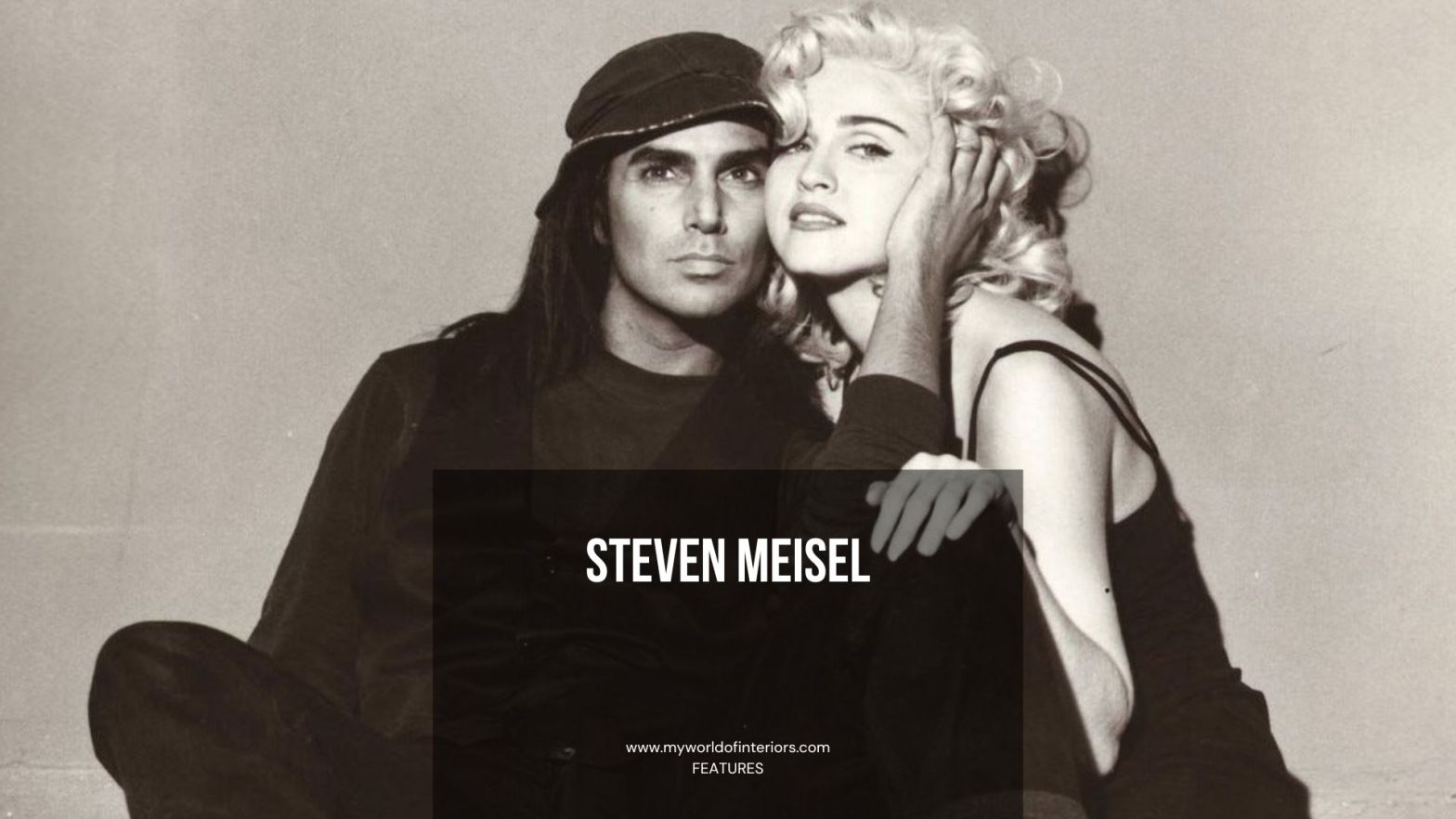
In fashion, there are names that decorate the mastheads and those that define eras. Steven Meisel belongs firmly to the latter category. For more than four decades, his lens has not only chronicled fashion but authored its mythology. His images—precise, provocative, and relentlessly transformative—have made him both a magician of surfaces and an architect of cultural memory.
Reserved in person and famously reluctant to grant interviews, Meisel has built a career in inverse proportion to his visibility. Where most contemporary photographers cultivate celebrity, he cultivated mystery. And perhaps it is this distance that has allowed his work to become the definitive visual narrative of fashion since the 1980s.
From Illustration to Image
Born in 1954 in New York, Meisel’s first creative impulses were not photographic but illustrative. He trained at the High School of Art and Design and later the Parsons School of Design, where he studied fashion illustration. His sketchbooks brimmed with silhouettes, fabrics, and the drama of couture. This background shaped the qualities that would later define his photography: an illustrator’s eye for proportion, a draughtsman’s attention to detail, and an instinct for storytelling.
By the late 1970s, he began transitioning into photography, first as an assistant, then as an emerging voice in the pages of Women’s Wear Daily. In 1983, he shot his first cover for Vogue Italia—a relationship that would grow into one of the most significant editorial partnerships in fashion history.
The Vogue Italia Years
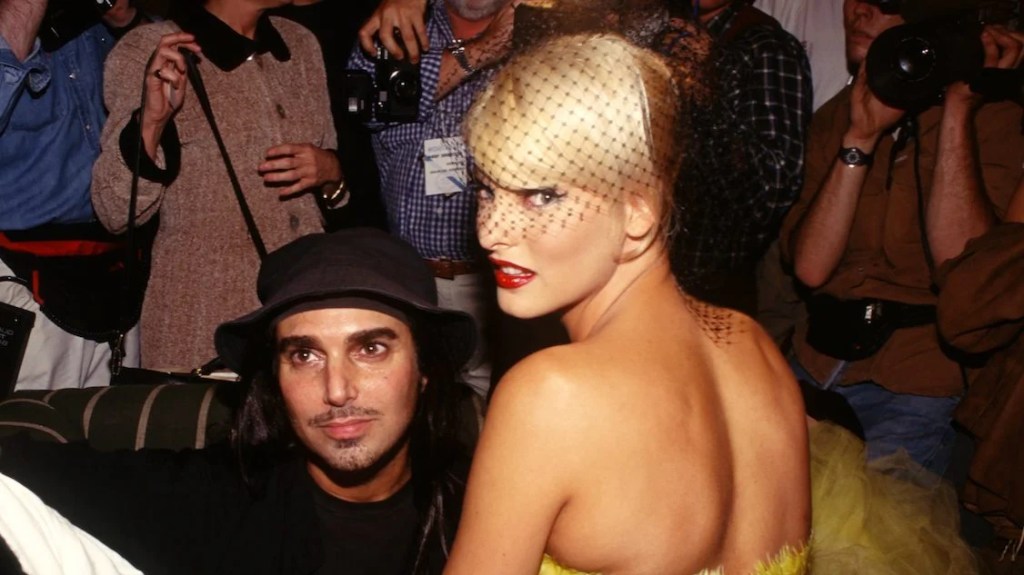
For over three decades, Meisel was synonymous with Vogue Italia. Working closely with legendary editor Franca Sozzani, he used the magazine as a laboratory for conceptual fashion photography. Unlike the glossy aspirational images of American Vogue or the commercial polish of Harper’s Bazaar, Meisel’s Vogue Italia stories were often cinematic, unsettling, and politically charged.
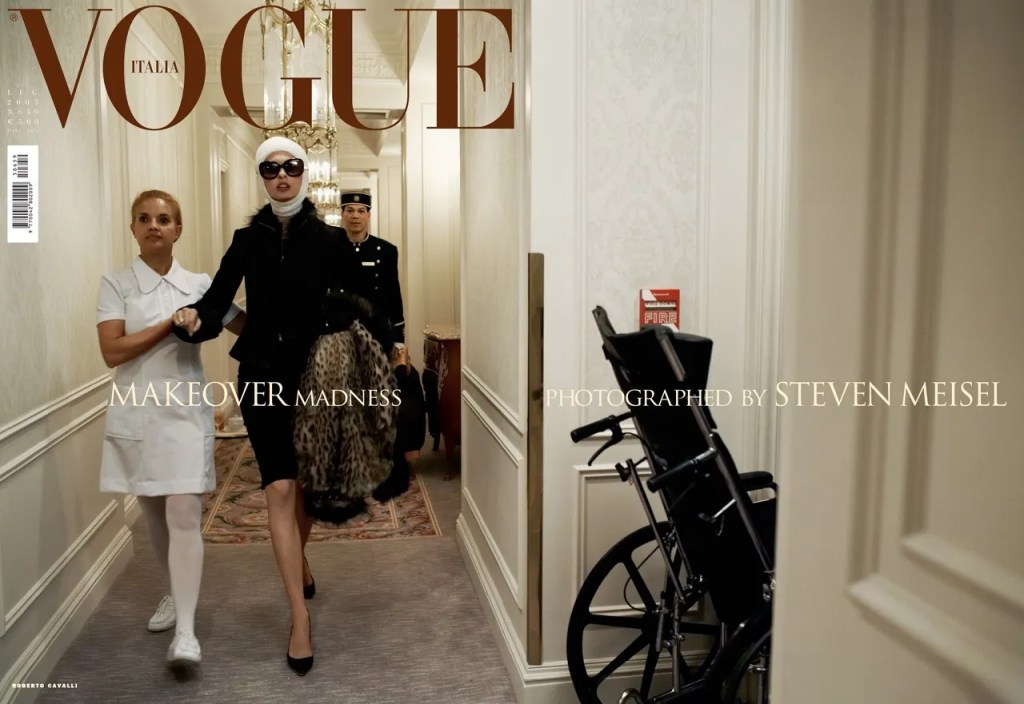
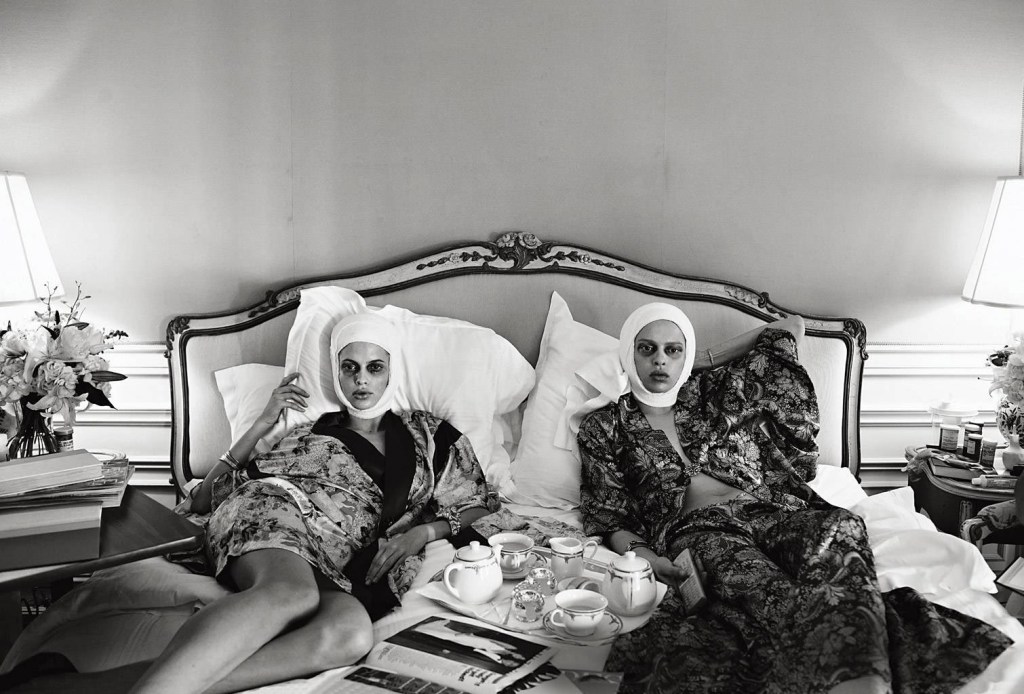
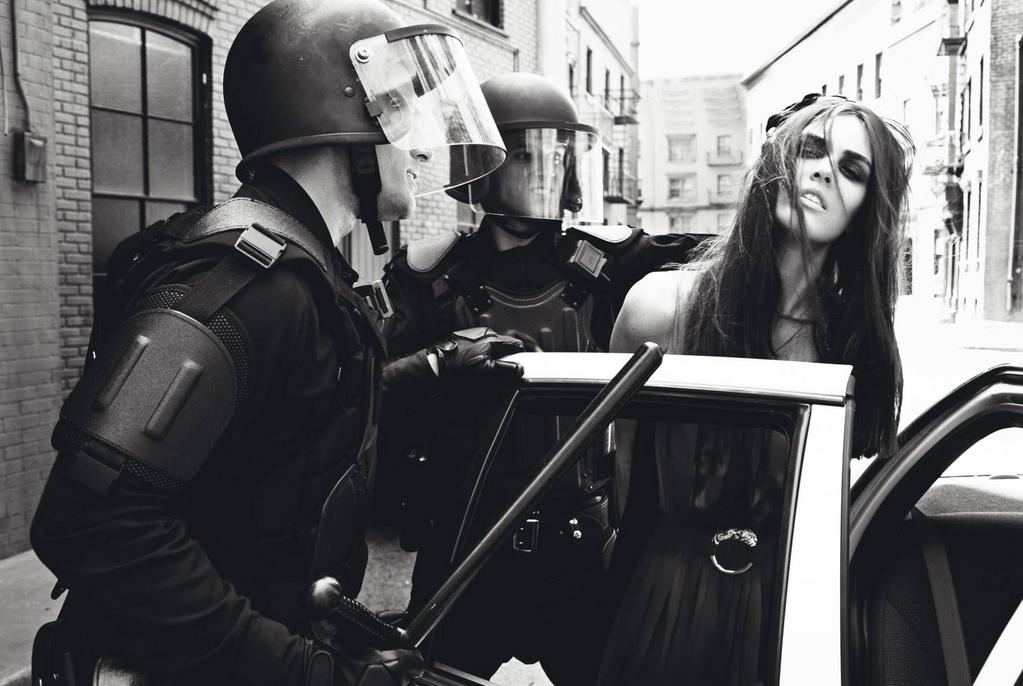
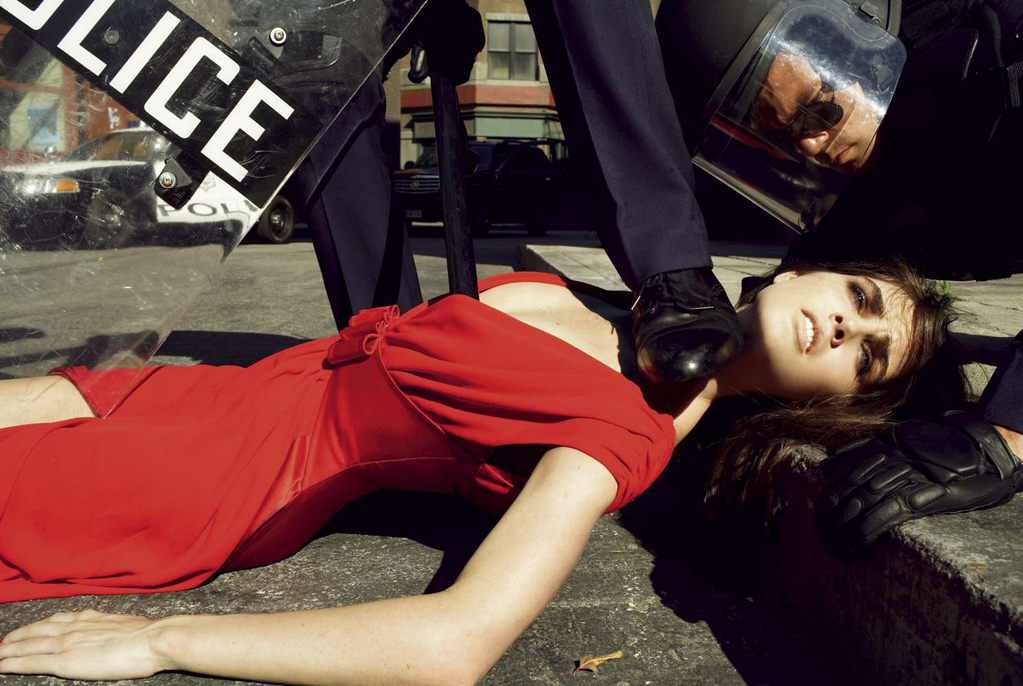
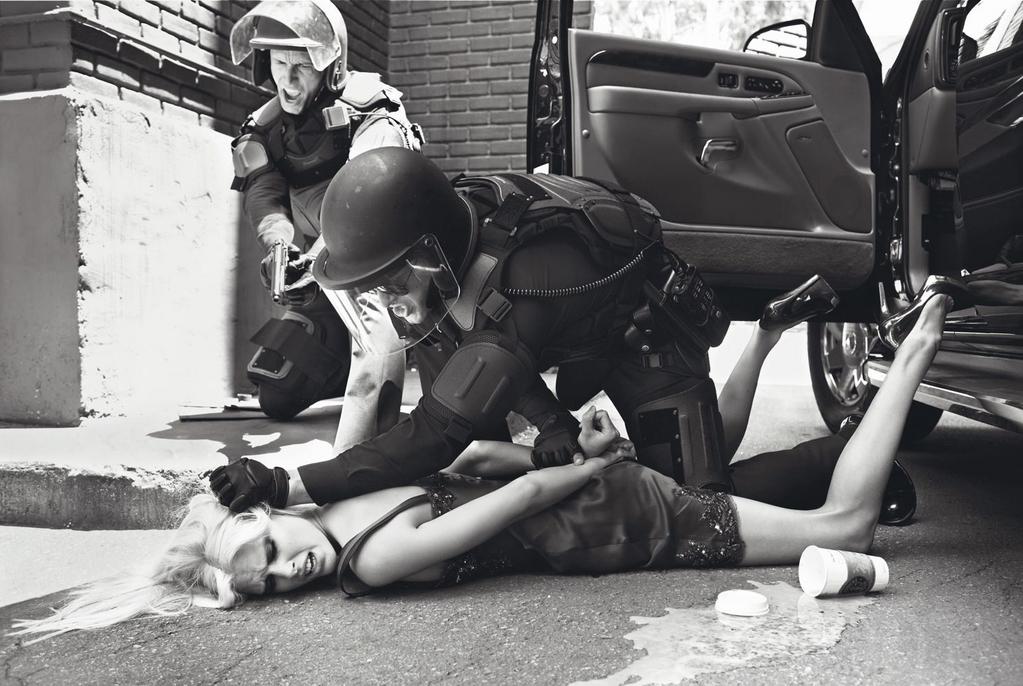
From the “Makeover Madness” editorial (2005), satirizing celebrity culture and plastic surgery, to “State of Emergency” (2006), depicting models in couture amid a dystopian world of police raids and surveillance, Meisel treated the fashion spread as social critique. His July 2008 “Black Issue,” which featured only Black models, remains a landmark in challenging fashion’s diversity problem. The issue sold out worldwide and had to be reprinted, underscoring his rare ability to fuse art, fashion, and activism.
A Portraitist of Icons
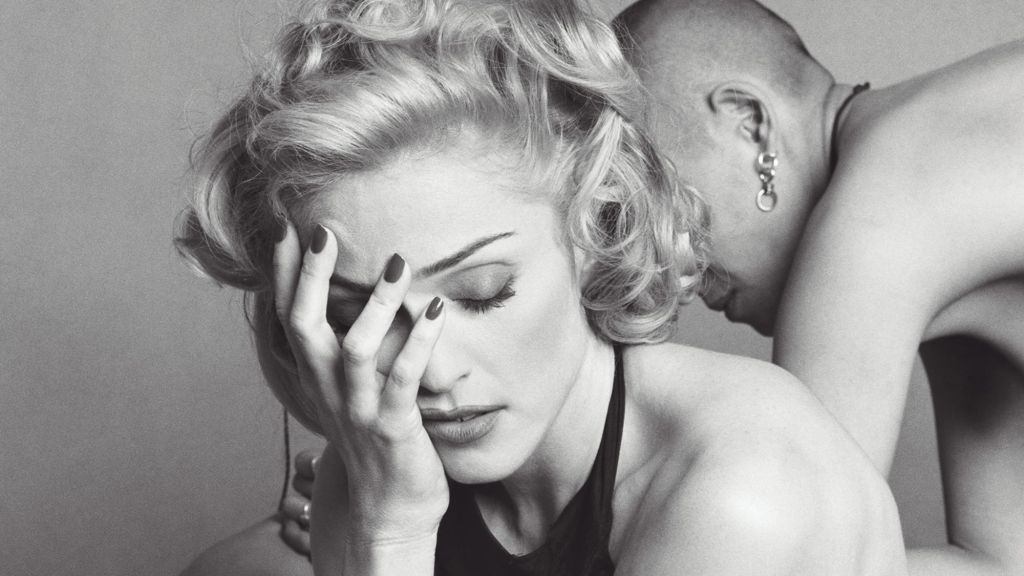
Meisel’s photography has also functioned as a catalogue of celebrity transformation. He is perhaps best known as Madonna’s closest visual collaborator—having photographed her in the early 1980s before superstardom and later creating the infamous 1992 Sex book, which defined her as both a pop provocateur and postmodern performance artist.
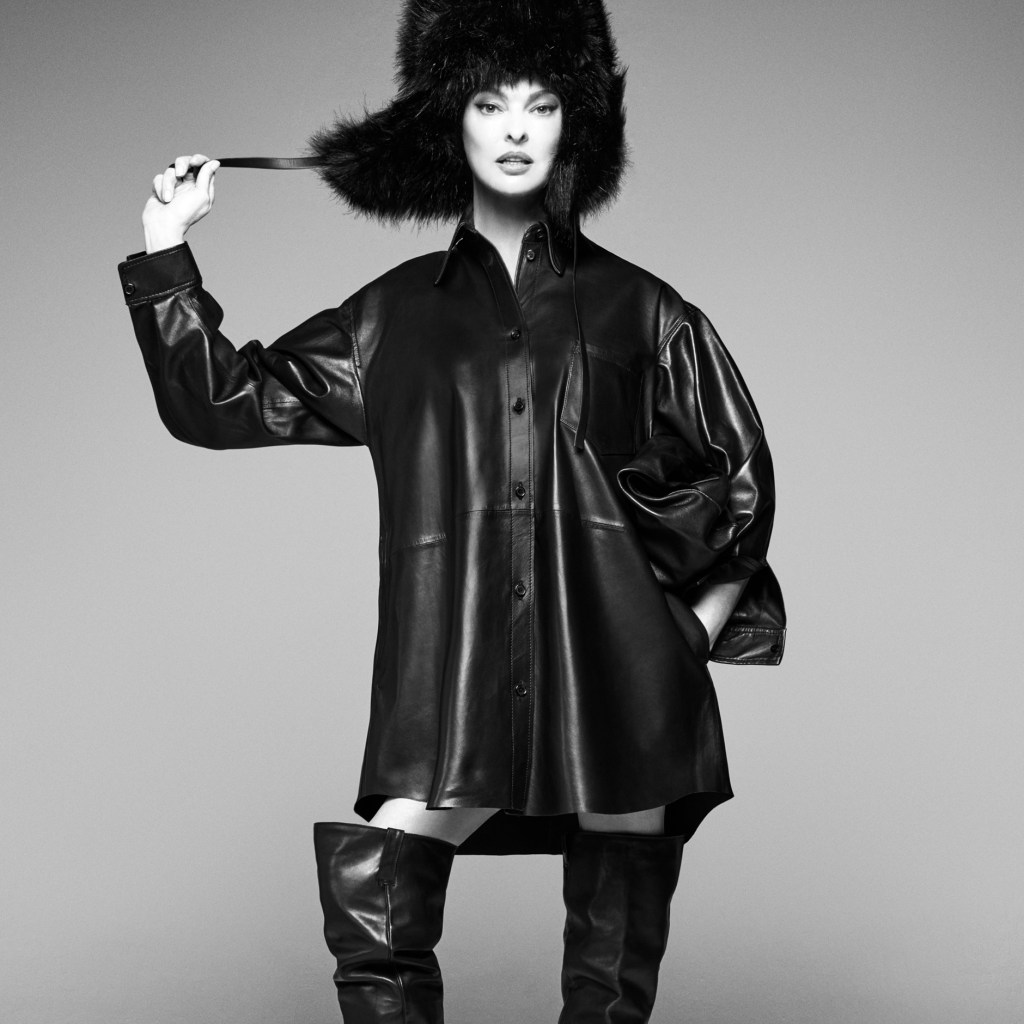
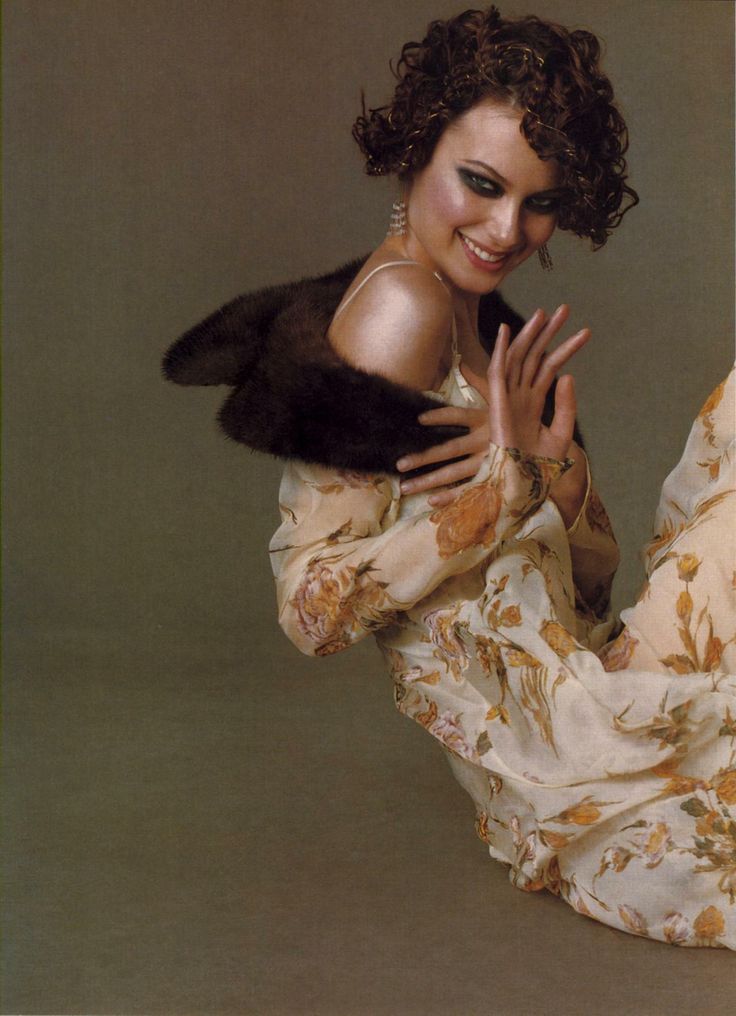
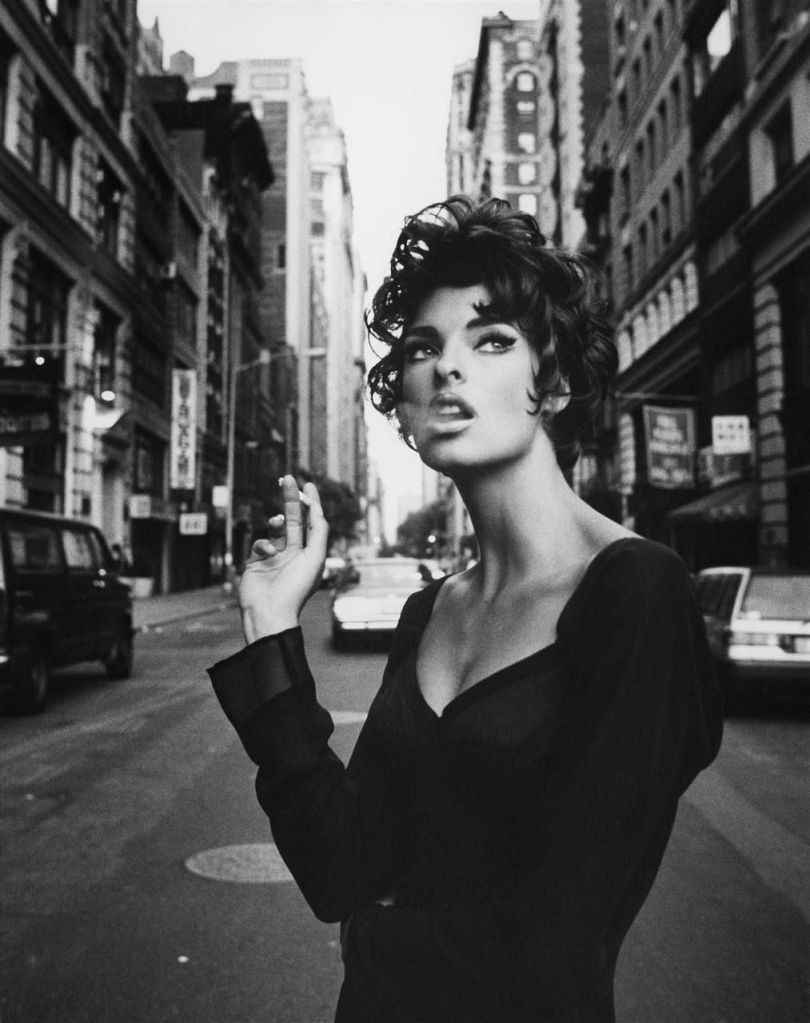
Yet Madonna is only one of many. From Linda Evangelista to Naomi Campbell, Christy Turlington to Kate Moss, Meisel’s images shaped the “supermodel” era. His knack for reinvention—casting models as everything from 1940s Hollywood heroines to 1990s grunge rebels—made him not just a documentarian of beauty but a producer of personas. A Meisel shoot could catapult a career, and many of fashion’s most celebrated faces owe their defining image to his eye.
Commercial Power and Cultural Edge
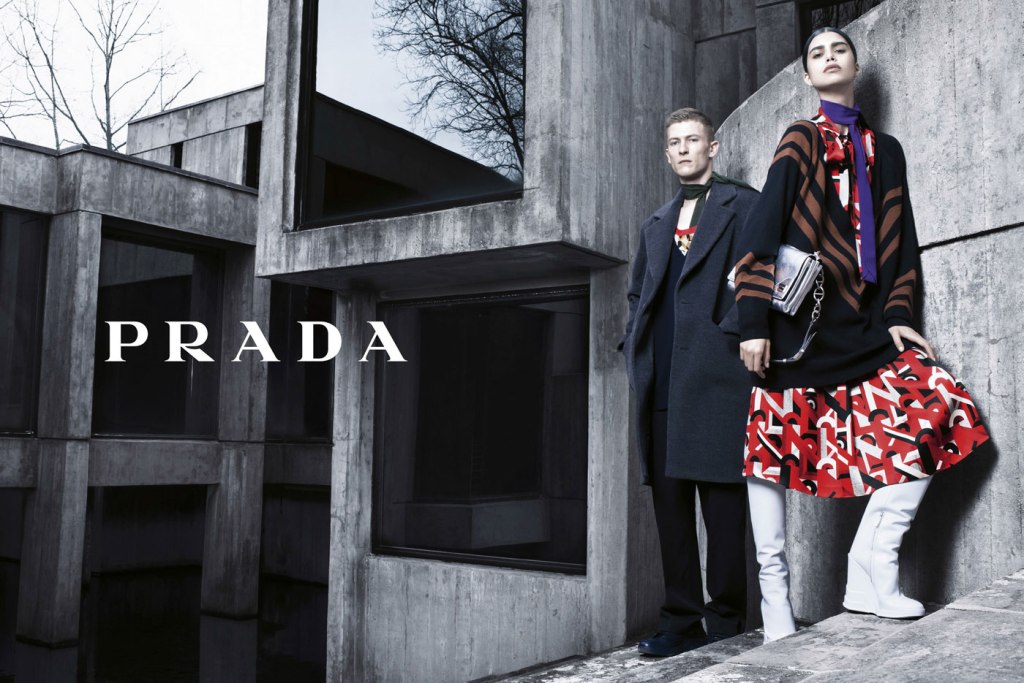
Beyond editorials, Meisel’s commercial work has been equally transformative. He has shot for Prada for decades, lending the brand an intellectual cool that has become part of its DNA. His campaigns for Valentino, Versace, Balenciaga, and Loewe consistently blur the lines between advertising and art.
Yet even in the commercial sphere, Meisel resists the obvious. His images are rarely about surface glamour alone; they carry undertones of subversion, irony, or historical reference. A Prada campaign might evoke the restraint of German Expressionism, while a Balenciaga shoot nods to Helmut Newton. His genius lies in understanding that fashion is never just about clothes, but about the narratives we stitch around them.
The Enigma of Steven Meisel
Despite his dominance, Meisel has maintained a rare and almost old-fashioned anonymity. He seldom gives interviews, avoids public appearances, and is rarely photographed himself. This withdrawal contrasts sharply with the social-media-driven era of photographers turned personalities. Meisel’s silence has only heightened his mystique, reinforcing the idea that his true autobiography exists in his images.
Legacy and Influence
Steven Meisel’s legacy is twofold. First, he redefined fashion photography as a medium of cultural commentary—transforming glossy magazines into spaces where art, politics, and beauty could converge. Second, he reimagined the role of the photographer as both auteur and collaborator, a director orchestrating not just poses but personas.
Today, his influence echoes in every editorial that attempts to be cinematic, every campaign that seeks to carry narrative weight. From Tim Walker’s fantastical tableaux to Nick Knight’s experiments with digital couture, contemporary fashion photography remains indebted to the groundwork Meisel laid.
And yet, his own archive remains vast, enigmatic, and still only partially unpacked. If the 20th century had Richard Avedon as the great portraitist of American style, the late 20th and early 21st belong to Steven Meisel: a mirror, a provocateur, and the architect of fashion’s most enduring images.

Discover more from My World of Interiors
Subscribe to get the latest posts sent to your email.

