
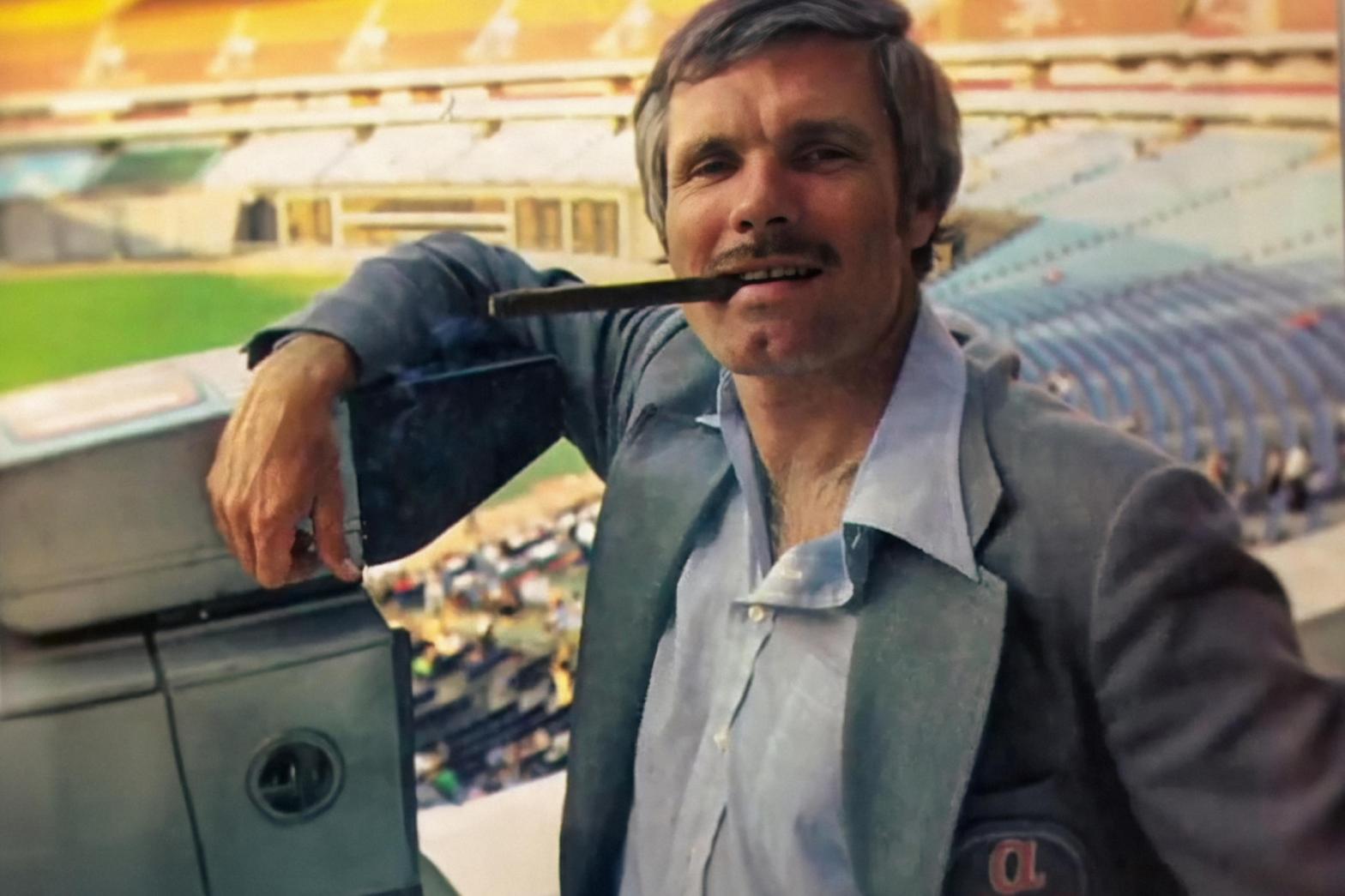
Ted Turner, who has died aged 87, was one of the last media titans who seemed less the product of a boardroom than of a novelist’s imagination.
He was loud, reckless, brilliant, vulgar, idealistic, impossible, visionary. When he founded CNN in 1980, he did not simply launch a television network. He altered the nervous system of the modern world. Before Turner, news arrived in scheduled bulletins. After Turner, it became atmosphere: permanent, global, rolling, sleepless. He did not create 24-hour news so much as the expectation that the world should always be watched in real time.
At the outset, the idea looked faintly absurd. A news channel broadcasting around the clock to an audience that did not yet know it wanted such a thing. Turner believed anyway. That was his defining quality: the ability to act on conviction before consensus existed. He had the gambler’s instinct, the showman’s ego and the missionary’s faith that the future could be forced into being.
Born Robert Edward Turner III in Cincinnati in 1938, he inherited his father’s outdoor advertising business and quickly expanded it, before turning his attention to broadcasting. He bought a struggling Atlanta television station and, through satellite distribution, transformed it into a “superstation” that could be watched across the United States. From there came an empire: CNN, TBS, TNT, Turner Classic Movies, Cartoon Network. He also owned the Atlanta Braves and the Atlanta Hawks, because in Turner’s world business, spectacle and self-mythology were inseparable.
He was often outrageous, frequently offensive and, at crucial moments, uncannily right. Nicknamed “the Mouth of the South”, he embodied a certain strain of American ambition: expansive, unapologetic, indifferent to refinement. He thought on a grand scale and acted accordingly. His later life reflected that same appetite. He donated vast sums to international causes, supported the United Nations and became one of the largest private landowners in the United States, with a serious commitment to conservation.
Turner belonged to a now-vanishing type: the late-20th-century magnate who was at once empire-builder and reformer. He made his fortune by accelerating the media world, then spent much of it attempting to repair the actual one. The age of constant information, which he helped bring into being, has since become something more chaotic and less noble than he might have intended. Yet its origins lie in his original wager: that the world should be seen continuously, not intermittently.
His personal life unfolded with a similar theatricality. He married three times, most famously to Jane Fonda, and remained, even in later years, a figure of restless candour. His decline, marked by illness, carried a certain tragic symmetry. The man who helped make the world louder was gradually forced into silence.
His legacy is unavoidable. Every breaking-news banner, every live broadcast from a distant crisis, every sense that history is happening now rather than later, owes something to Turner. He did not invent urgency, but he industrialised it.
He was not a tasteful man. He was not measured, discreet or polished. He was excessive. That was precisely his function. He emerged from an America that still believed in the force of the individual will, in the eccentric tycoon, in the possibility that one difficult, driven figure could reshape reality from a single city.
Ted Turner did exactly that.
Discover more from My World of Interiors
Subscribe to get the latest posts sent to your email.

