Category: History
-
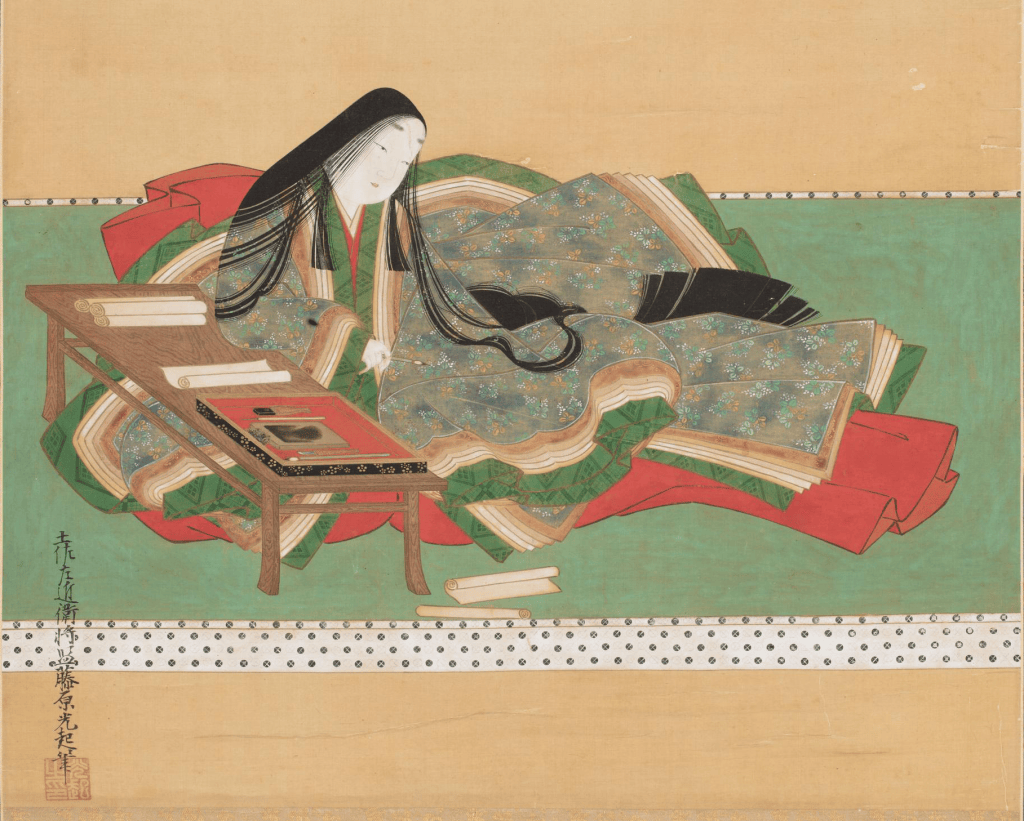
The Human Condition According to Murasaki Shikibu
Sometime around the year 1000, a woman sitting in the imperial court of Heian Japan wrote the world’s first psychological novel. She did not know she was doing this. The category did not exist. She was writing about the emotional life of people she knew, about the way desire moved through a highly ritualised society…
-
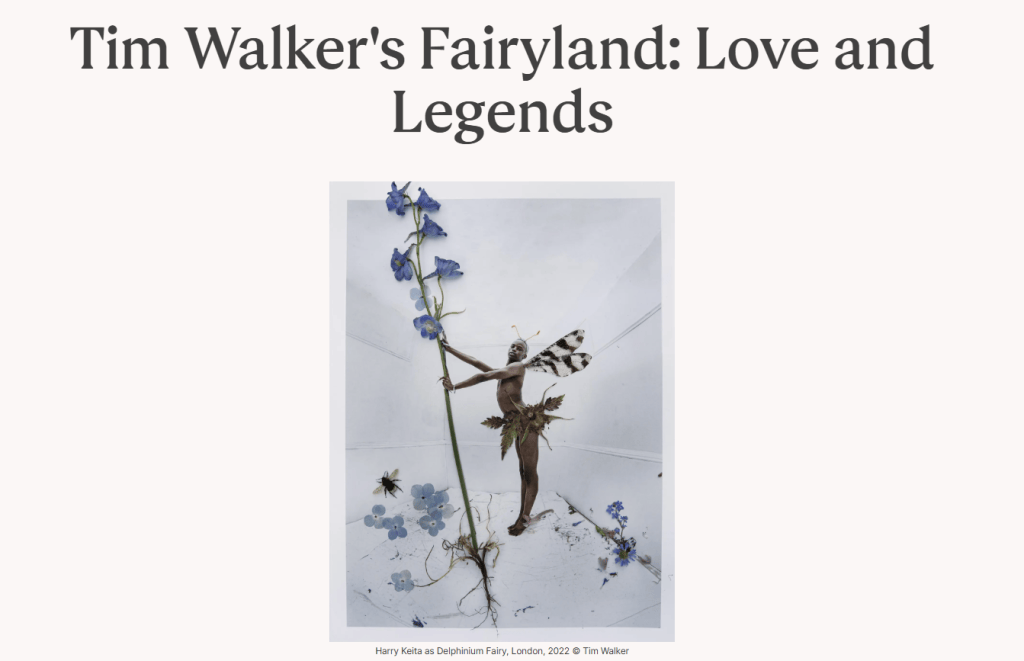
FAIRYLAND: TIM WALKER AND THE POLITICS OF BEING SEEN
At London’s National Portrait Gallery, the photographer who transformed fashion into elaborate theatre turns his imagination towards queer history. With some 250 portraits spanning activists, artists, performers and cultural pioneers, Tim Walker’s Fairyland: Love and Legends is at once a celebration of difference, an examination of historical visibility and a deeply personal reconsideration of the…
-
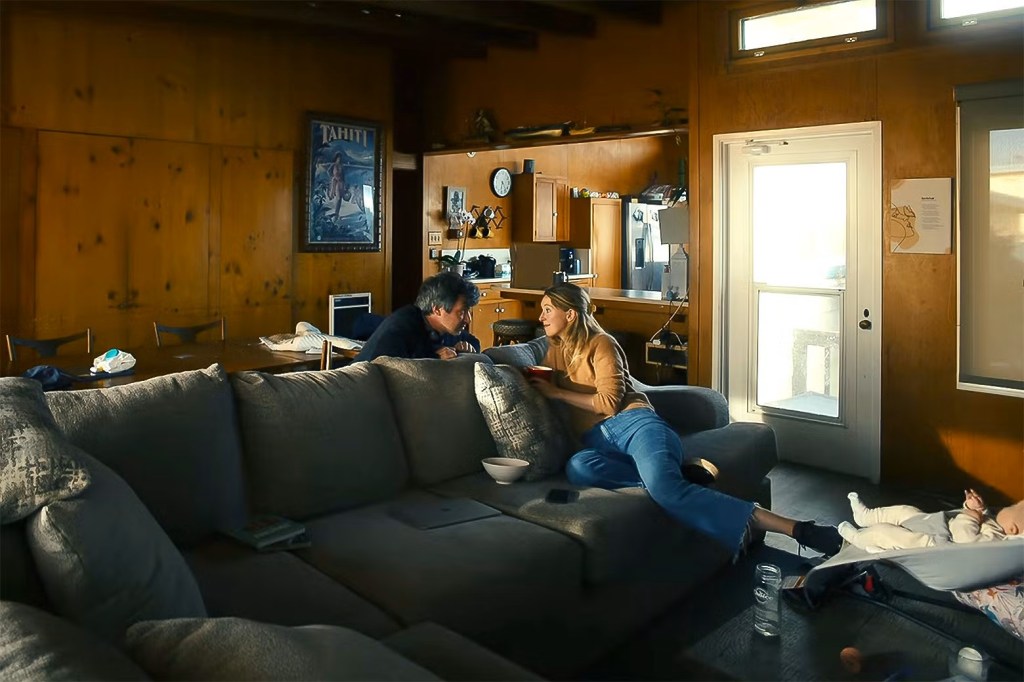
YOU CAN SEE EVERYTHING: NATHAN FIELDER AND THE ART OF DECEPTION
In one of the most audacious documentaries of recent years, Nathan Fielder and Lance Oppenheim move into the home of convicted Theranos founder Elizabeth Holmes, thirty-four days before she enters prison. What follows is a bewildering confrontation between two people whose careers have depended, in very different ways, upon manipulating appearances. Part psychological thriller, part…
-
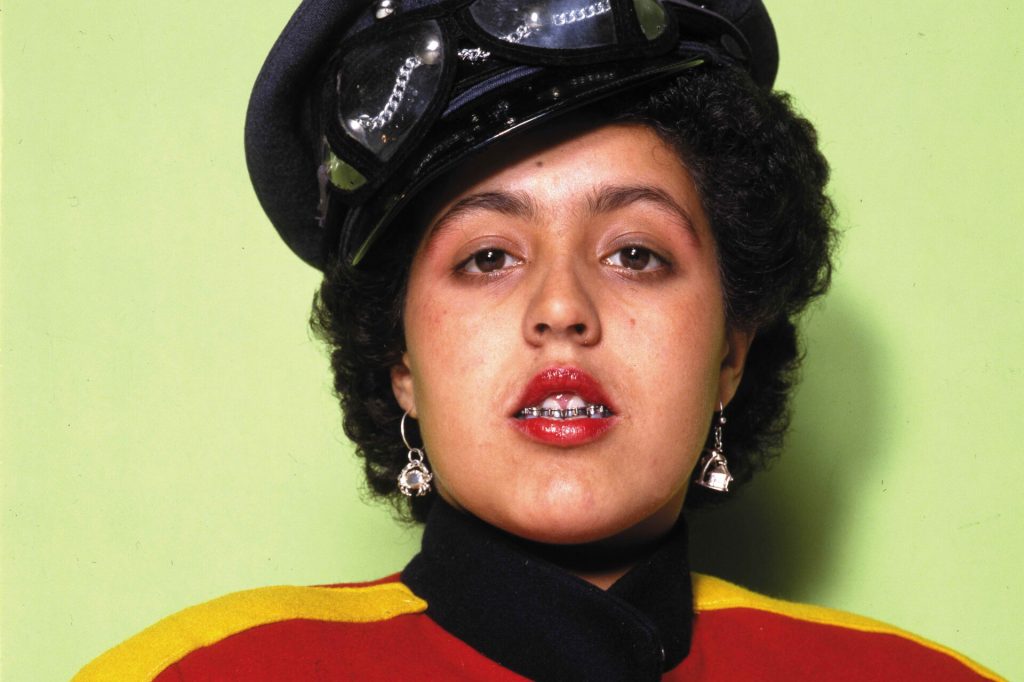
GOD SAVE THE QUEENS: THE WOMEN WHO INVENTED PUNK’S FUTURE
Fifty years after punk erupted into British cultural life, a landmark exhibition at London’s Museum of Youth Culture challenges one of popular music’s most persistent historical distortions. Through previously unseen archives, photography, fashion and fine art, God Save the Queens restores the women who shaped punk to their rightful place: not at the margins of…
-
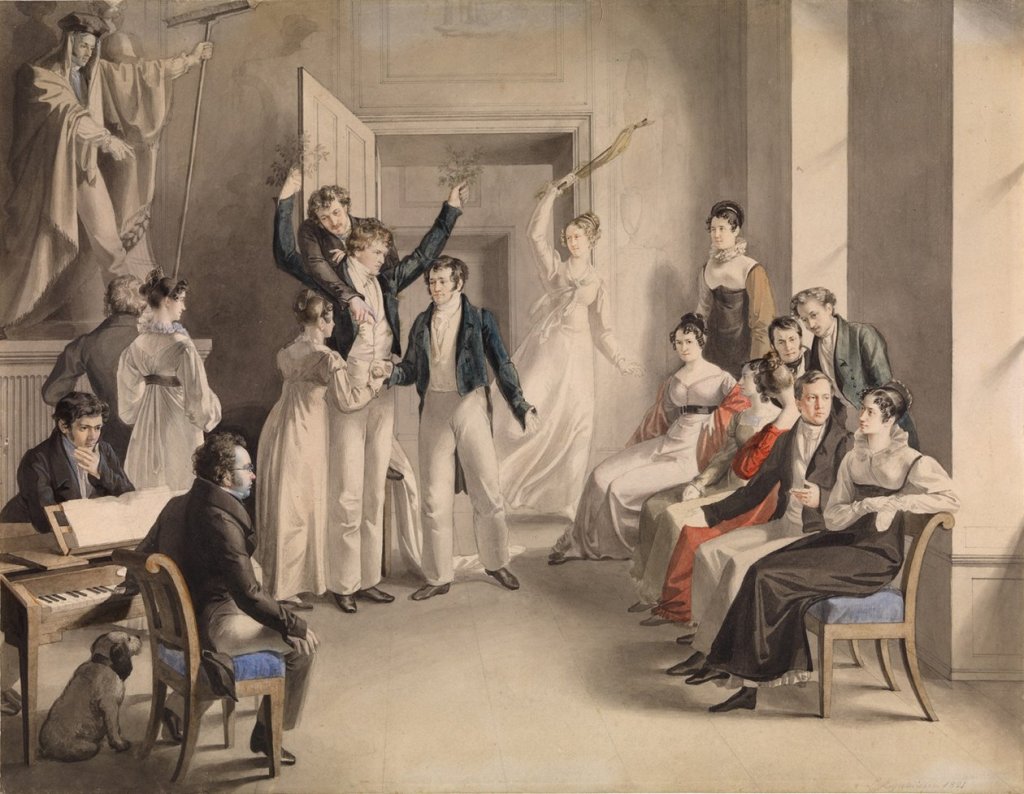
What’s So Special About the Romantic Piano?
The piano is the most democratic and the most intimate instrument in the history of Western music — democratic because it found its way into the parlours and drawing rooms of the emerging middle classes, intimate because it is the one instrument on which a single person, alone, can produce a complete musical world without…
-
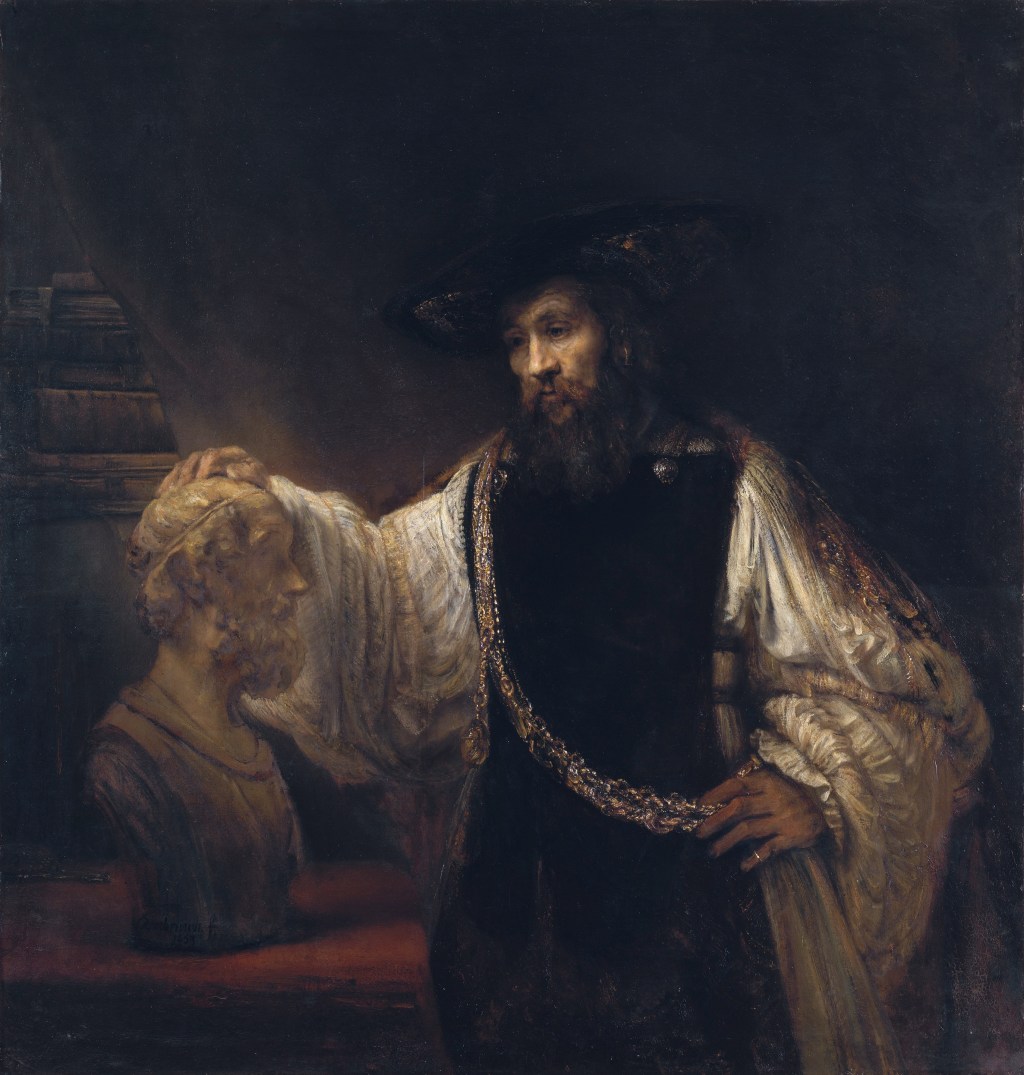
The World as It Is: Who We Are According to Aristotle
He spent twenty years in Plato’s Academy, absorbing everything, and then he disagreed with almost all of it. He brought the Forms back down from the heavens and put them inside the things themselves. He said the soul was not imprisoned in the body but was the body’s form — what the body does when…
-
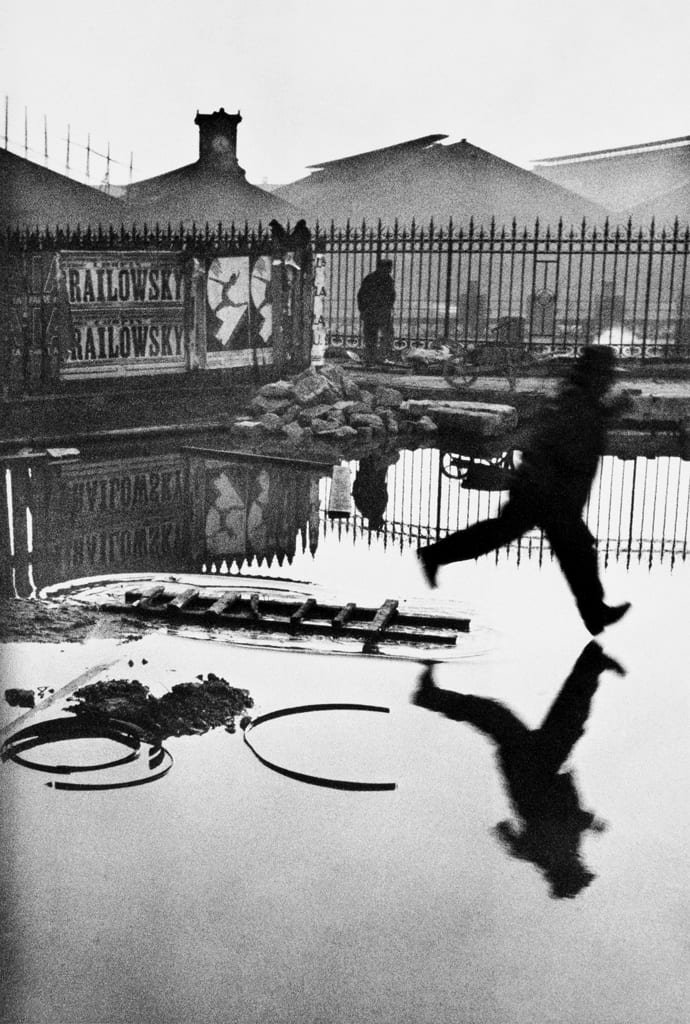
Henri Cartier-Bresson
The Geometry of the Instant Henri Cartier-Bresson invented a way of seeing so complete that it became the unconscious grammar of photography itself. Then, quietly, he put down the camera and went back to drawing. He had always said it was a sketchbook, not a vocation. He meant it. Behind the Gare Saint-Lazare in Paris,…
-
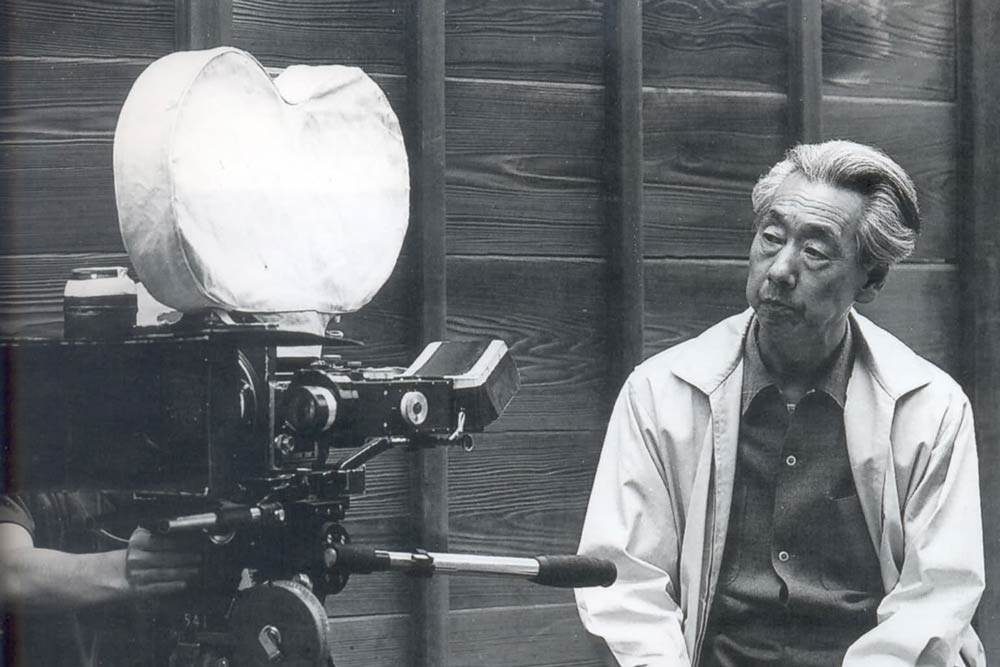
The Reel Argument: Kenji Mizoguchi
Kenji Mizoguchi made films about women being destroyed by the world, and he made them with a camera that moves like a conscience — slowly, continuously, unable to look away. He is the greatest filmmaker Japan has produced on the subject of female suffering, which is to say he is the greatest filmmaker Japan has…
-
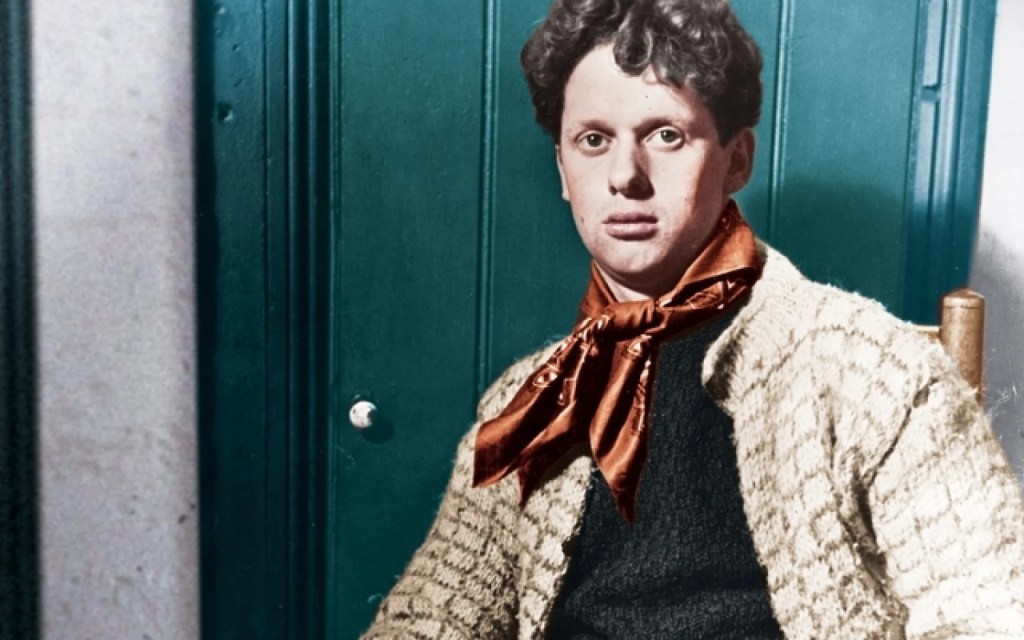
The Human Condition According to Dylan Thomas
Dylan Thomas believed that language was not the instrument through which experience was described but the medium in which it was created — that the poem did not report on the world but summoned it, called it into existence through the sheer incantatory force of sound and rhythm and the collision of unexpected words. This…
-
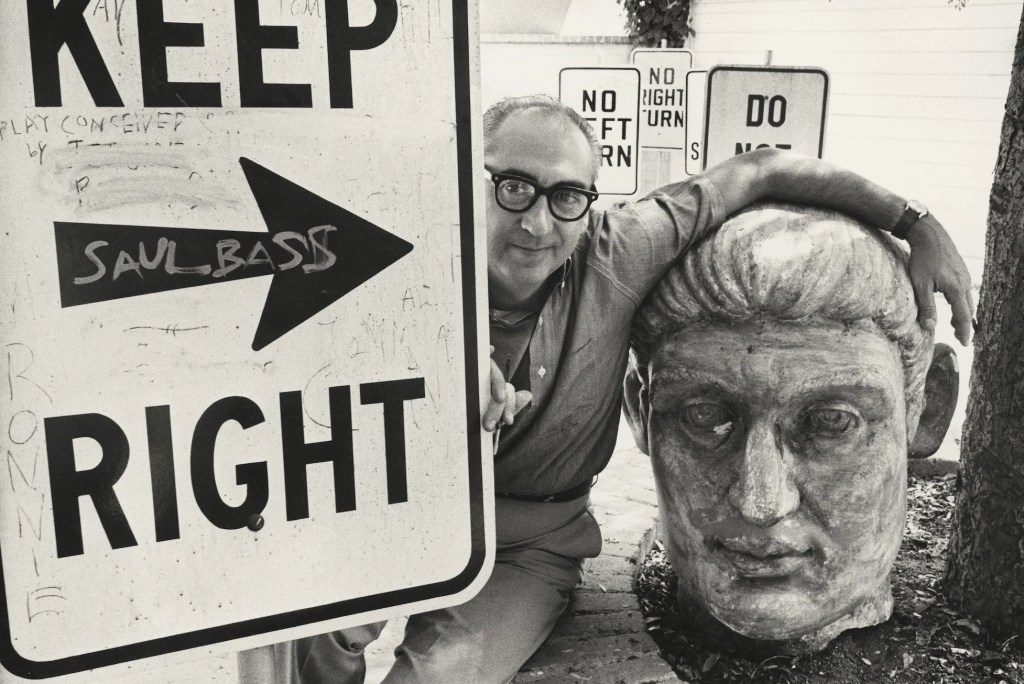
Saul Bass & The Seventy Seconds That Changed Everything
Saul Bass did not invent the film title sequence. He did something more consequential: he convinced Hollywood that the audience’s first minute and a half was not dead time to be tolerated but a work of art to be made. Everything that followed — in cinema, in corporate identity, in the visual culture of the…

