Category: History
-

Eartha Kitt: Icon, Innovator, and Provocateur
Eartha Kitt never fit into a category. She purred, she prowled, she sang, she danced, she acted, she provoked. To call her a singer, actress, or dancer is inadequate; she was an auteur of persona, a master of the stage who transformed each performance into a commentary on race, gender, and desire. Her genius lay…
-
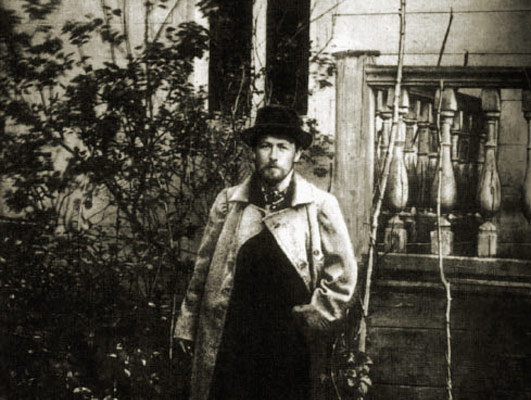
Anton Chekhov: The Drama of the Everyday
Anton Chekhov quietly yet radically redefined literature. His achievement lies not in flamboyant experimentation but in a subtler revolution: the elevation of the ordinary. In his plays and short stories, Chekhov dismantled the machinery of nineteenth-century drama and narrative, replacing melodrama with silence, event with atmosphere, and resolution with ambiguity. He made space for hesitation,…
-

The Cornerstones of Moroccan Cuisine
Moroccan cuisine is a mosaic of histories — Arab, Berber, Andalusian, Ottoman, and French — layered into one of the world’s most aromatic and visually striking culinary traditions. Defined by spice, ritual, and generosity, it balances sweet with savory, fire with fragrance, earth with light. To eat in Morocco is to be enveloped by hospitality,…
-
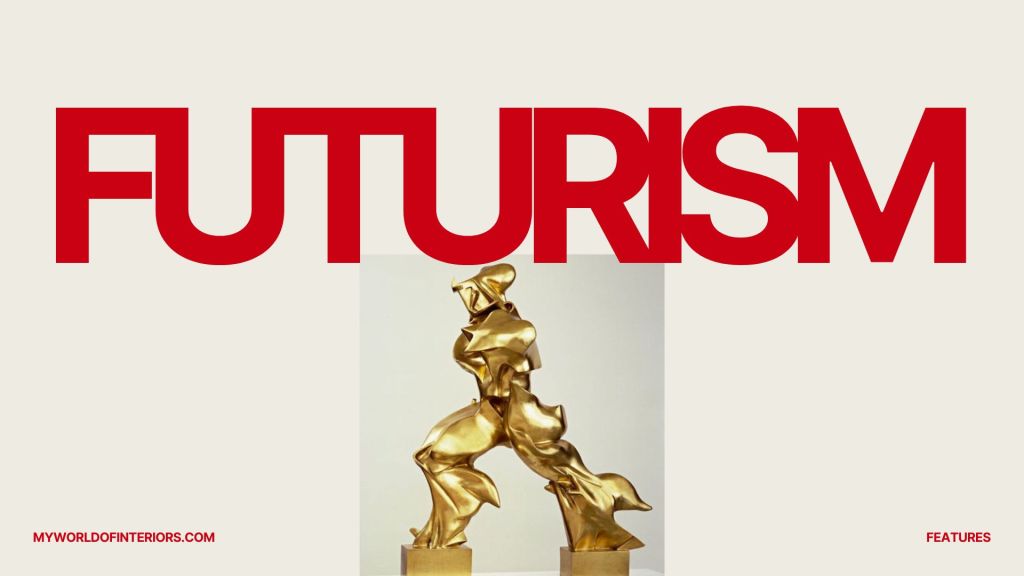
Futurism: The Art of Acceleration
At the dawn of the twentieth century, a manifesto shook European culture like a thunderclap. Published in Le Figaro on February 20, 1909, Filippo Tommaso Marinetti’s Manifesto of Futurism declared war on the past and consecrated a new aesthetic: speed, violence, machinery, the beauty of the modern city, and the intoxicating promise of technology. “A…
-
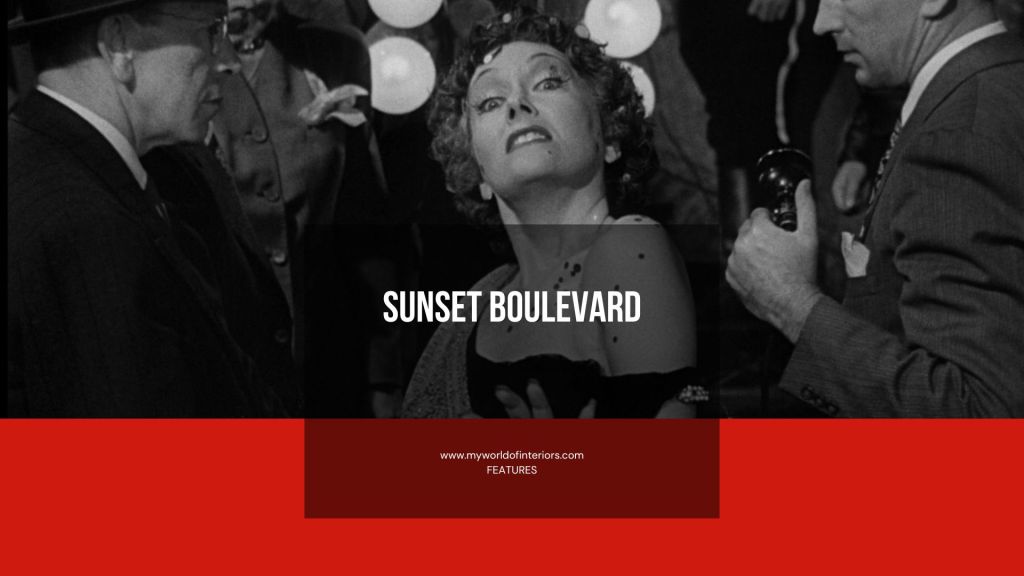
Sunset Boulevard is Always Ready for a Close-Up
No other film has captured the pathology of Hollywood with the same precision and venom as Billy Wilder’s Sunset Boulevard (1950). At once noir, satire, and gothic melodrama, the film is less a portrait of one delusional actress than an x-ray of an entire industry addicted to spectacle and terrified of obsolescence. Its famous opening…
-
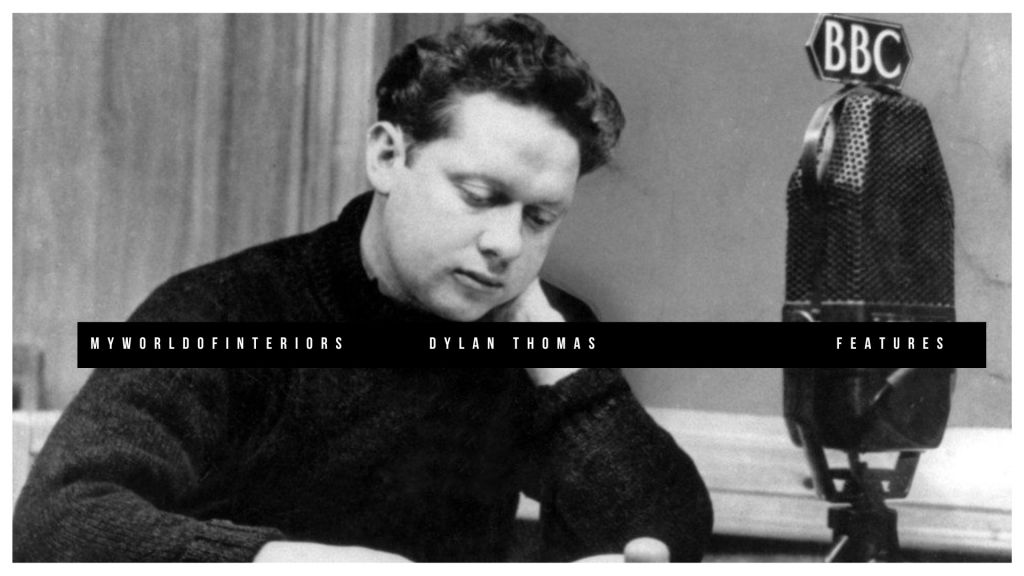
Dylan Thomas: The Music of Meaning
Dylan Thomas occupies a singular corner of twentieth-century poetry: a writer for whom sound was not ornament but ontology. He is, perhaps above all else, a poet of voice—of syllables struck like bells, of syntax uncoiling into chant, of images that are felt in the mouth before they settle in the mind. He is my…
-
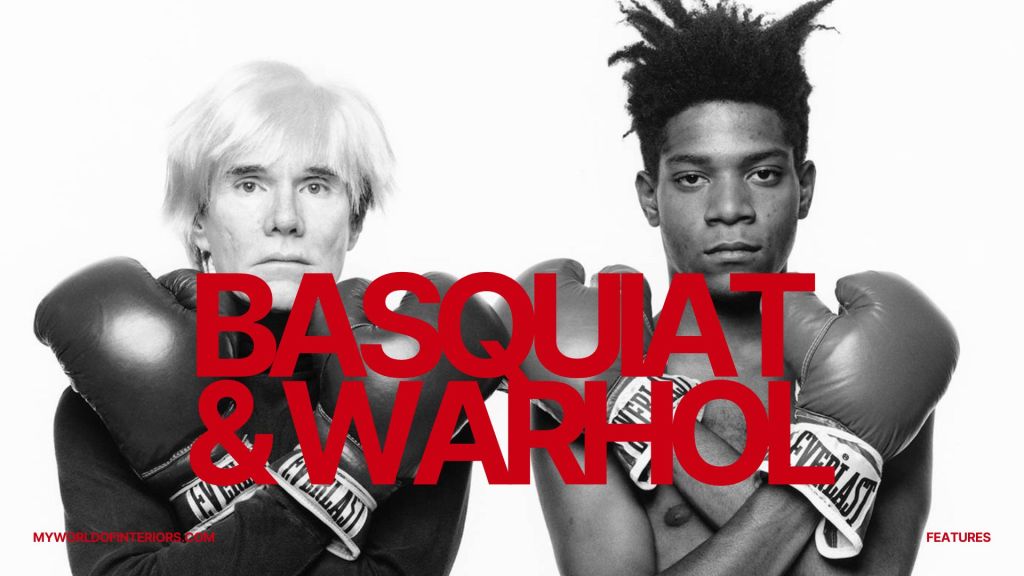
Basquiat & Warhol: Collision, Collaboration, and the Making of Modern Myth
Art history is rich with encounters between generations, but few have provoked as much fascination, controversy, and enduring debate as the working friendship between Andy Warhol and Jean-Michel Basquiat. On one side stood Warhol, the established oracle of Pop, a man whose silkscreens of soup cans, celebrities, and consumer logos had redefined art’s relationship to…
-
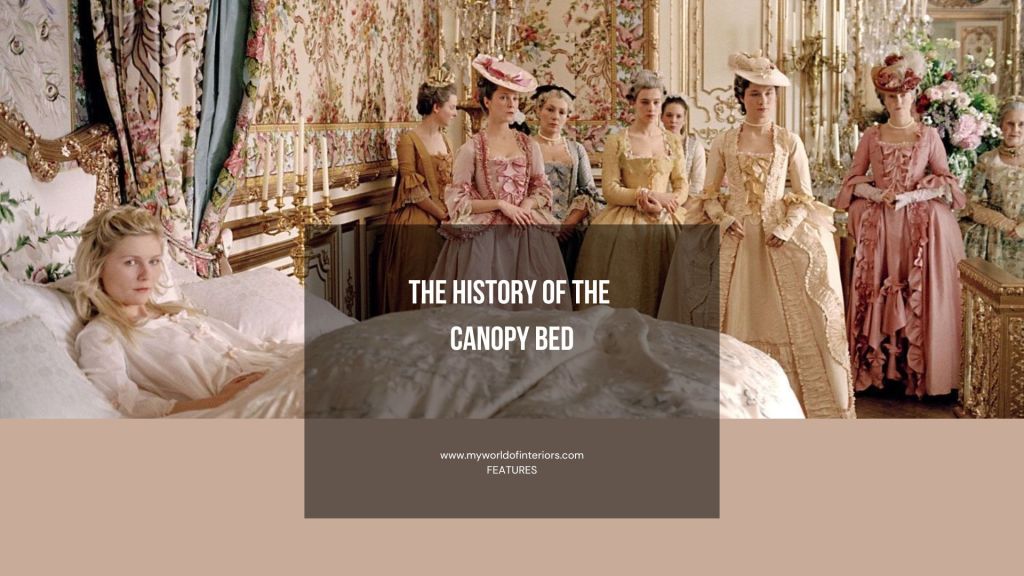
The Canopy Bed: A History of Privacy, Prestige, and Design
Few pieces of furniture have carried as much symbolic weight as the canopy bed. Known in Danish as the himmelseng — the “heaven bed” — it is at once functional and ceremonial, an object that has provided warmth, privacy, and authority across centuries. To trace its history is to follow the evolution of domestic life…
-
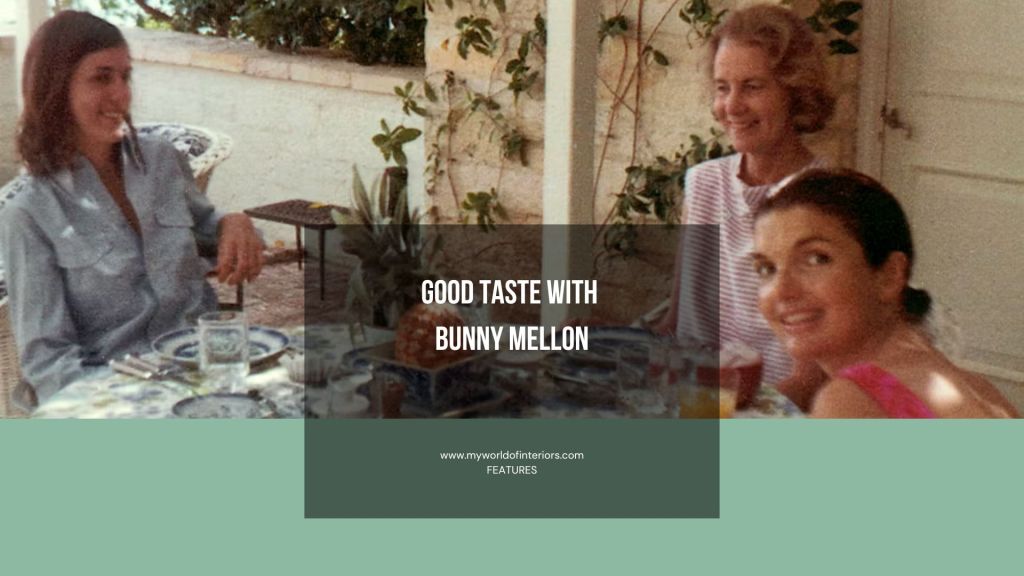
Bunny Mellon: The Quiet Architect of Taste
Some lives unfold in public, demanding attention with noise and spectacle. Others shape the world quietly, through gardens planted, rooms arranged, and the cultivated art of discretion. Rachel Lambert “Bunny” Mellon belonged firmly to the latter category. For decades, she remained a figure of mystery and allure: heiress, horticulturalist, collector, designer, and confidante to presidents…
-
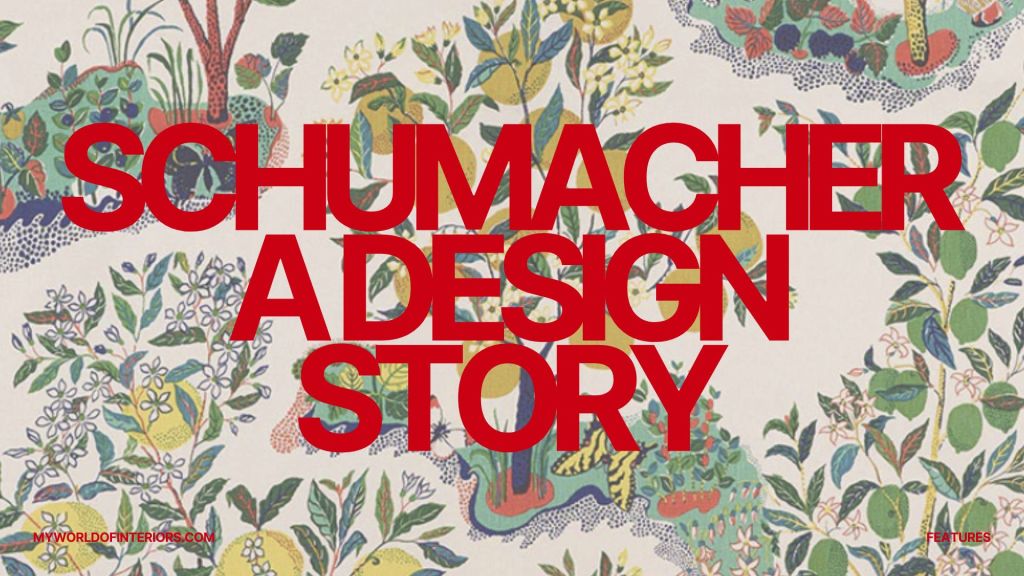
Schumacher: A House Woven Into American Design
Origins: From Ladies’ Mile to the White House Schumacher’s story begins in boom-time New York. In 1889, Paris-born Frederic Schumacher opened his textile house on Manhattan’s Ladies’ Mile, supplying silks and damasks to the grand hotels and Gilded Age mansions that were inventing a new American glamour. Within a decade the firm was manufacturing domestically;…
