
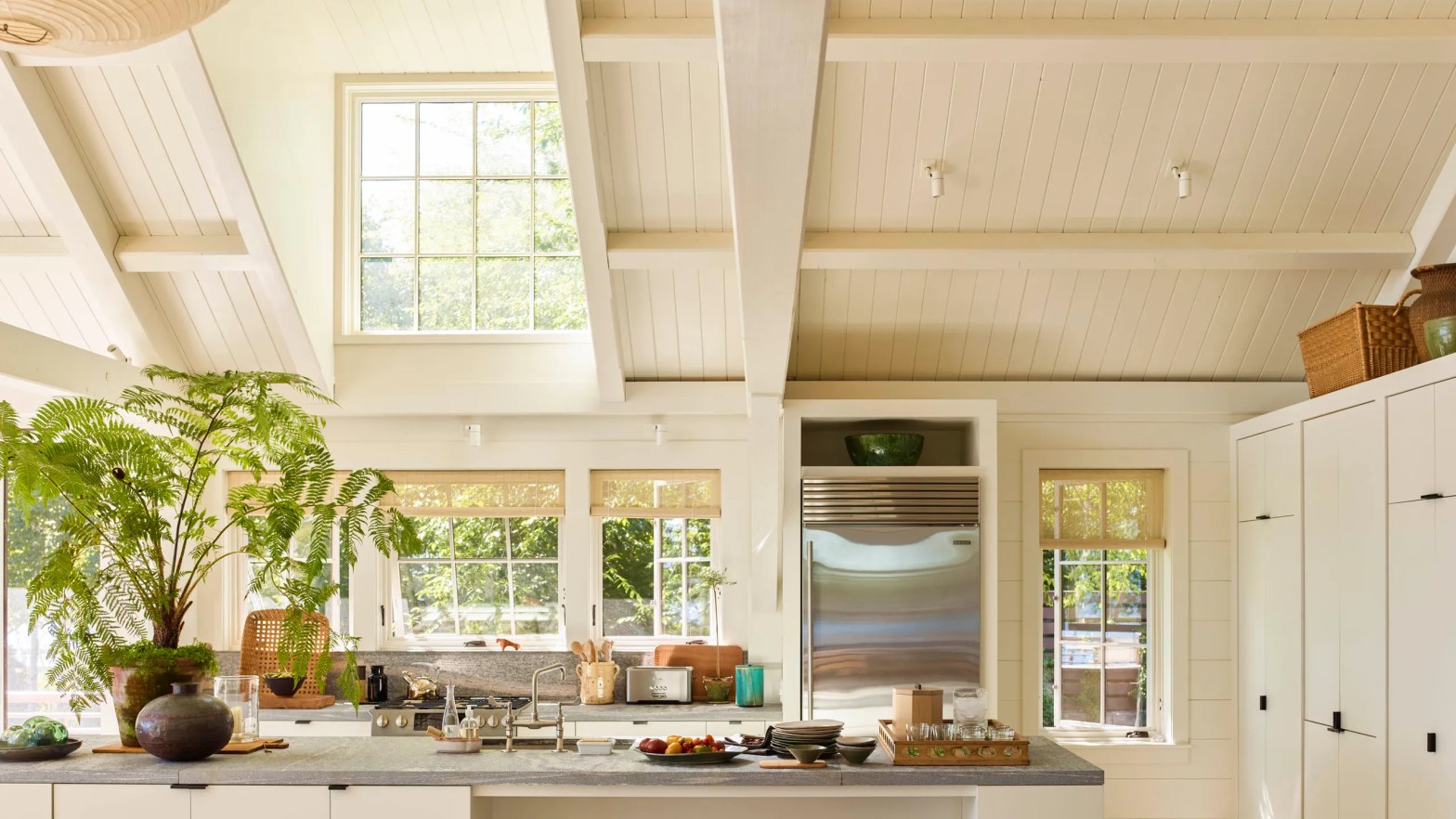
Makers & Rooms — Essay VII The House That Remembers You Gil Schafer builds houses that feel as though they have always been there. This is not an accident, a stylistic affectation, or a retreat from the present. It is the result of a very particular theory about what a house is for — andContinue reading “Gil Schafer”
Category Archives: Architecture
Villa Nava by Francesco Castiglioni
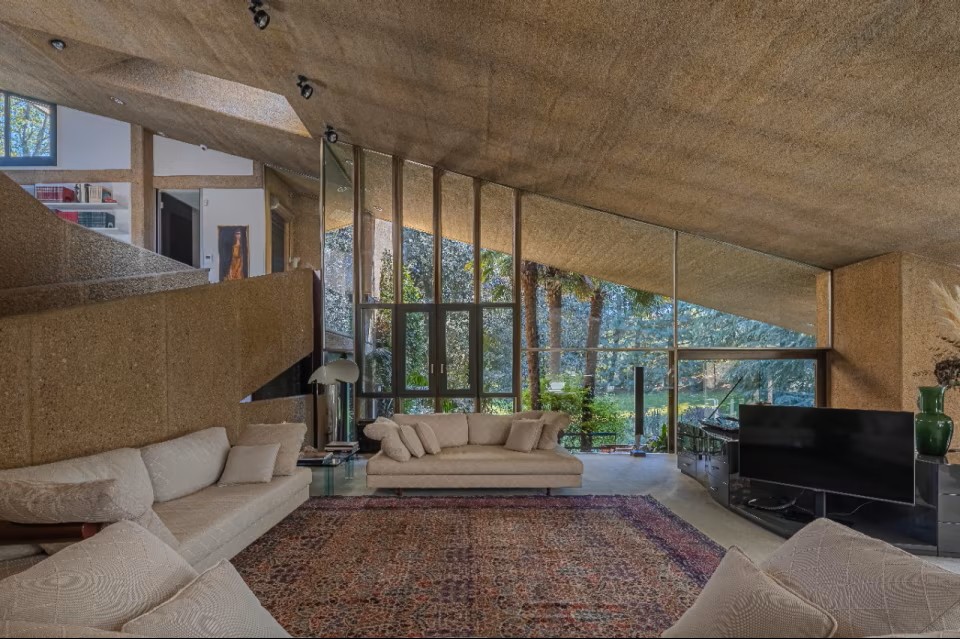
Francesco Castiglioni made that declaration. The house he designed in the early 1970s on Via Ippocastani — known as Villa Nava, a building that has been featured in the international architectural and design press with the consistency that attaches to buildings of genuine formal intelligence — is not a house that apologises for what it is or attempts to negotiate a compromise with its context. It is simply, and entirely, itself…
Peter Pennoyer
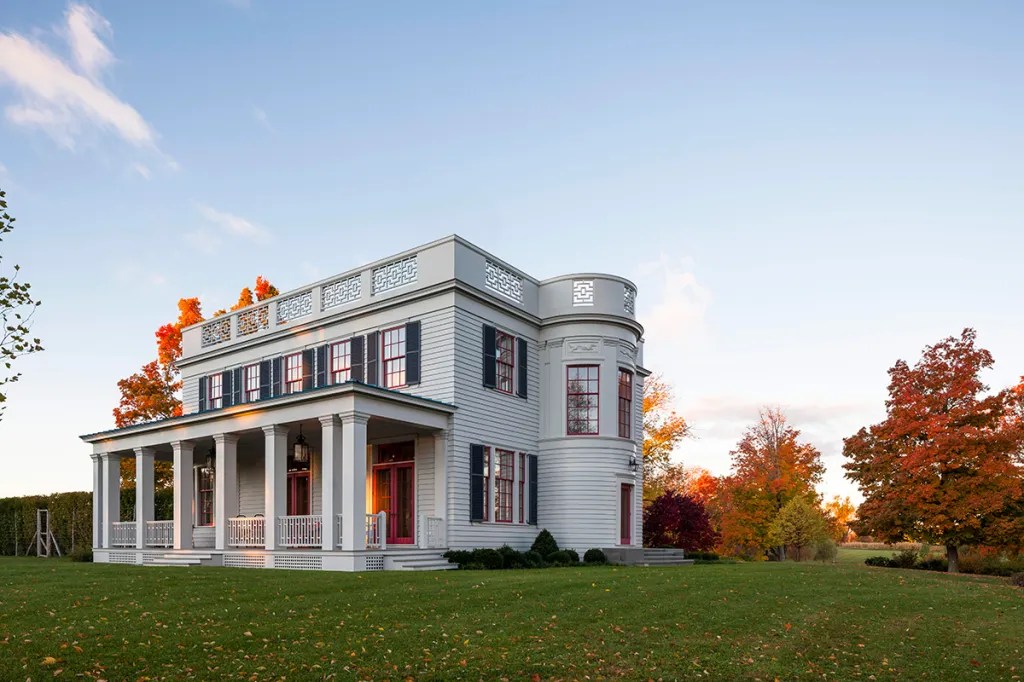
Makers & Rooms — Essay V The Classical Present Peter Pennoyer builds in the tradition of McKim, Mead and White and sees nothing remotely conservative about it. In an architectural culture that treats ornament as embarrassment and history as weakness, he has spent thirty years making the case that the classical orders are not aContinue reading “Peter Pennoyer”
Zaha Hadid
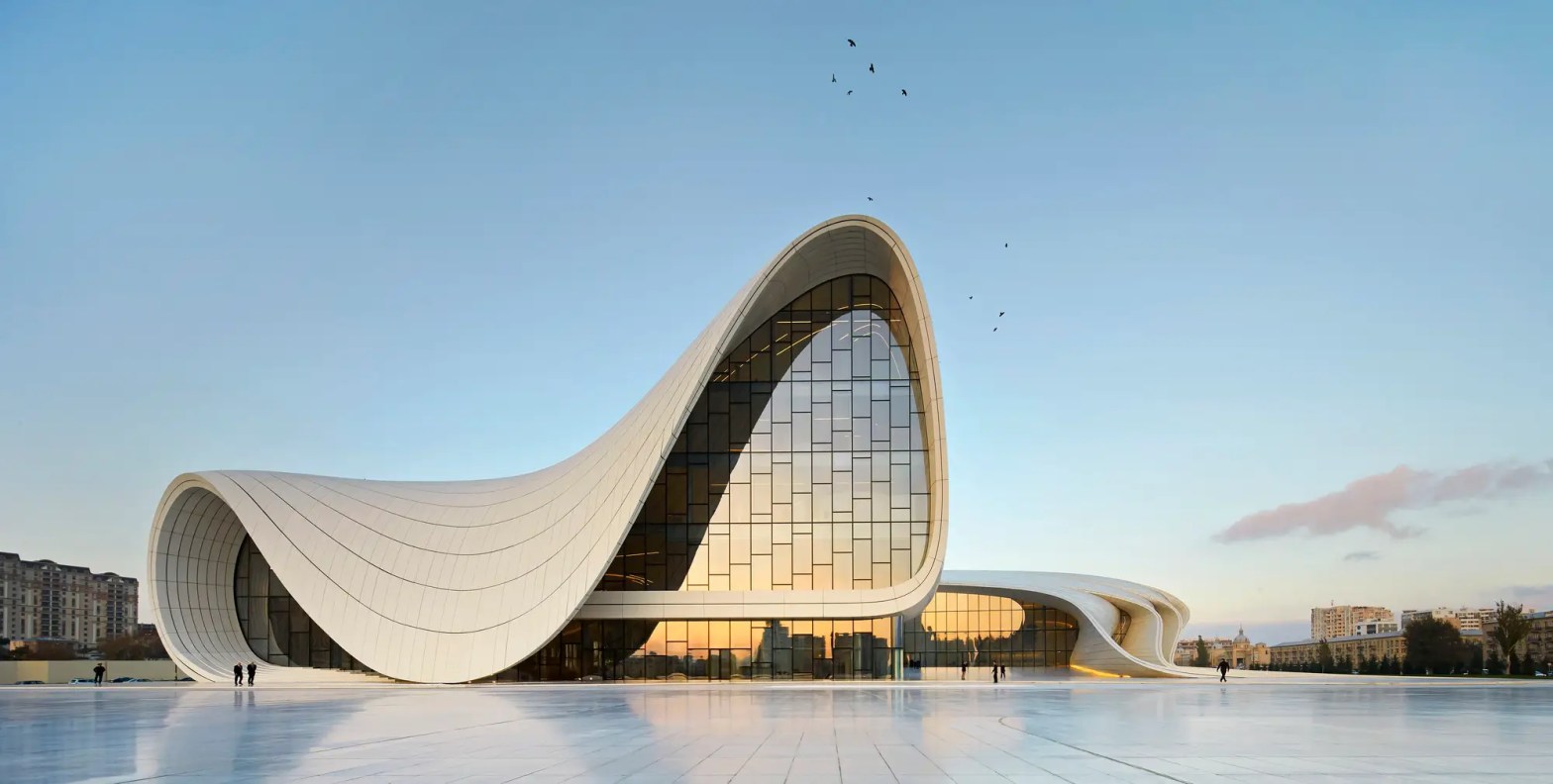
The Architecture of Impossible Things Zaha Hadid spent sixteen years designing buildings that could not be built. When the technology finally caught up with her imagination, she remade the skyline of the world. The question she never stopped arguing about was whether any of it was actually for the people inside. By Bergotte There isContinue reading “Zaha Hadid”
The Ennis House
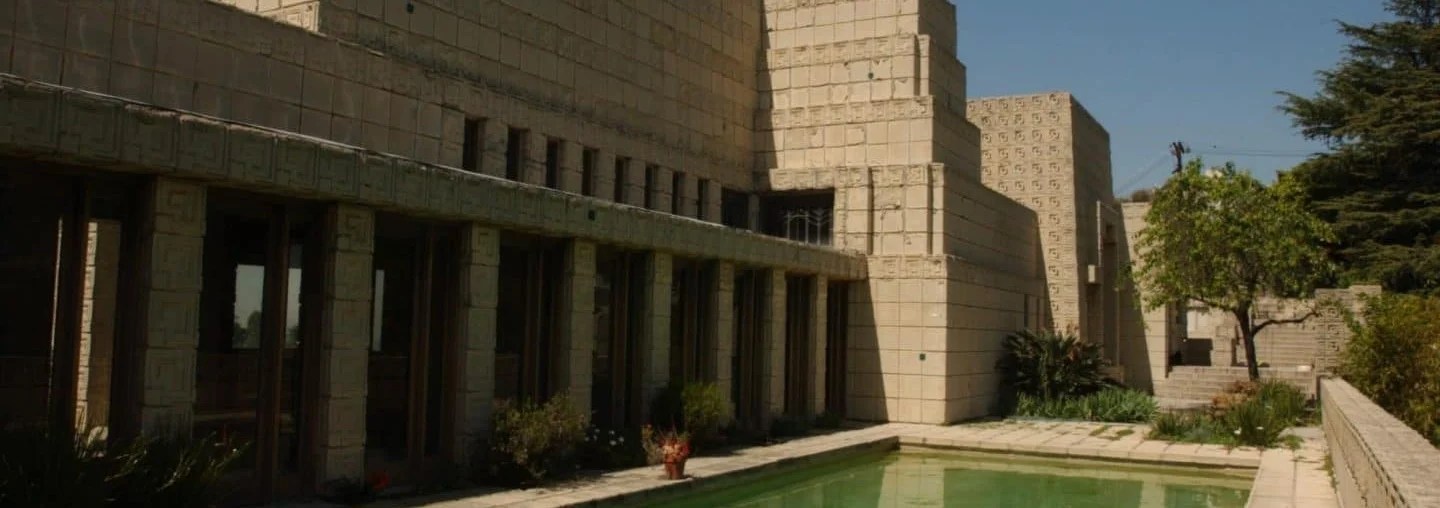
The House That Time Built Wrong Frank Lloyd Wright designed the Ennis House in 1923 using a system of patterned concrete blocks that he believed could democratise beautiful architecture. The building that resulted was neither democratic nor entirely stable, but it was something rarer: a structure so formally complete, so strange in its relationship toContinue reading “The Ennis House”
Fernando Caruncho
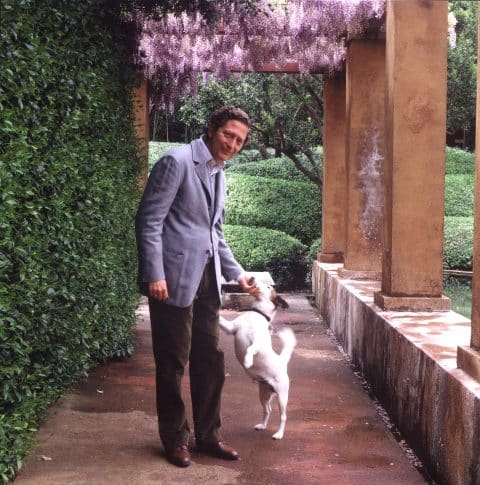
The Gardener Who Thought in Light Fernando Caruncho, who died on 23 August 2026 at the age of sixty-eight, called himself a gardener rather than a designer. The distinction was not false modesty. It was a philosophical position — one he had held since he first understood that the garden was not a space toContinue reading “Fernando Caruncho”
Georges-Eugène Haussmann
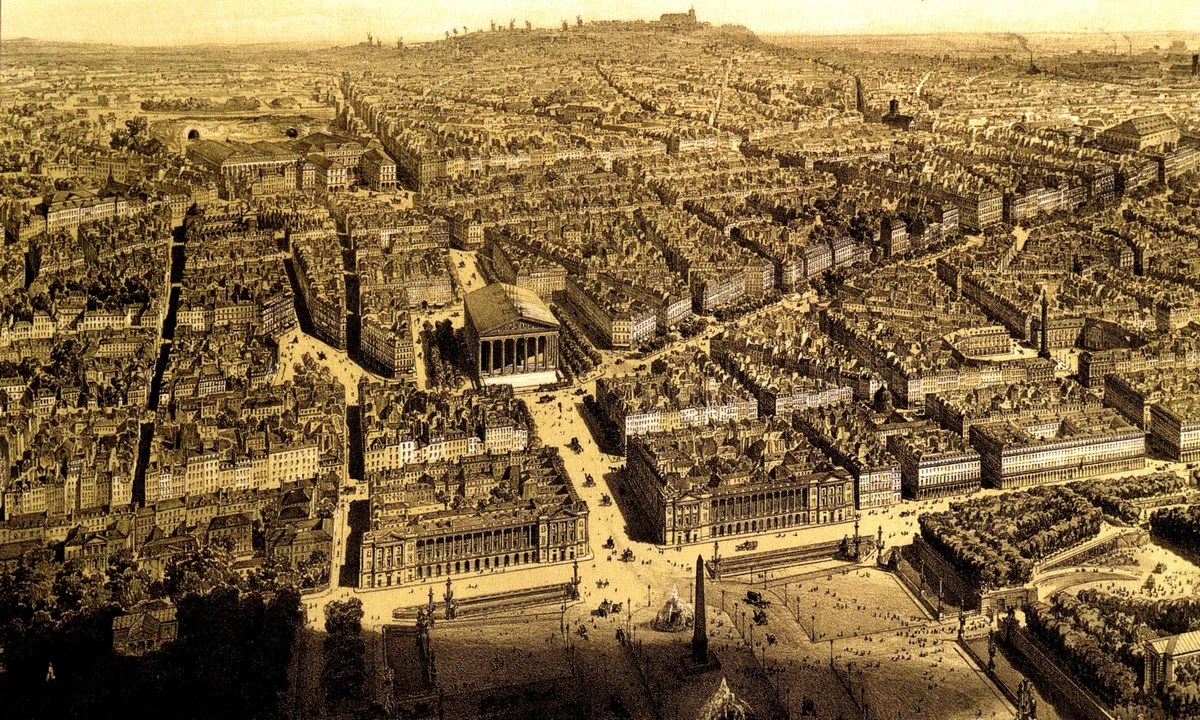
Essay · Architecture & History The Man Who Demolished Paris to Save It Georges-Eugène Haussmann did not build Paris. He destroyed it, systematically and at enormous speed and with the full authority of an emperor behind him, and what he built in its place was something that had not previously existed: the modern city, withContinue reading “Georges-Eugène Haussmann”
A House in the Trees: Kristen Wiig’s Modernist Pasadena Retreat
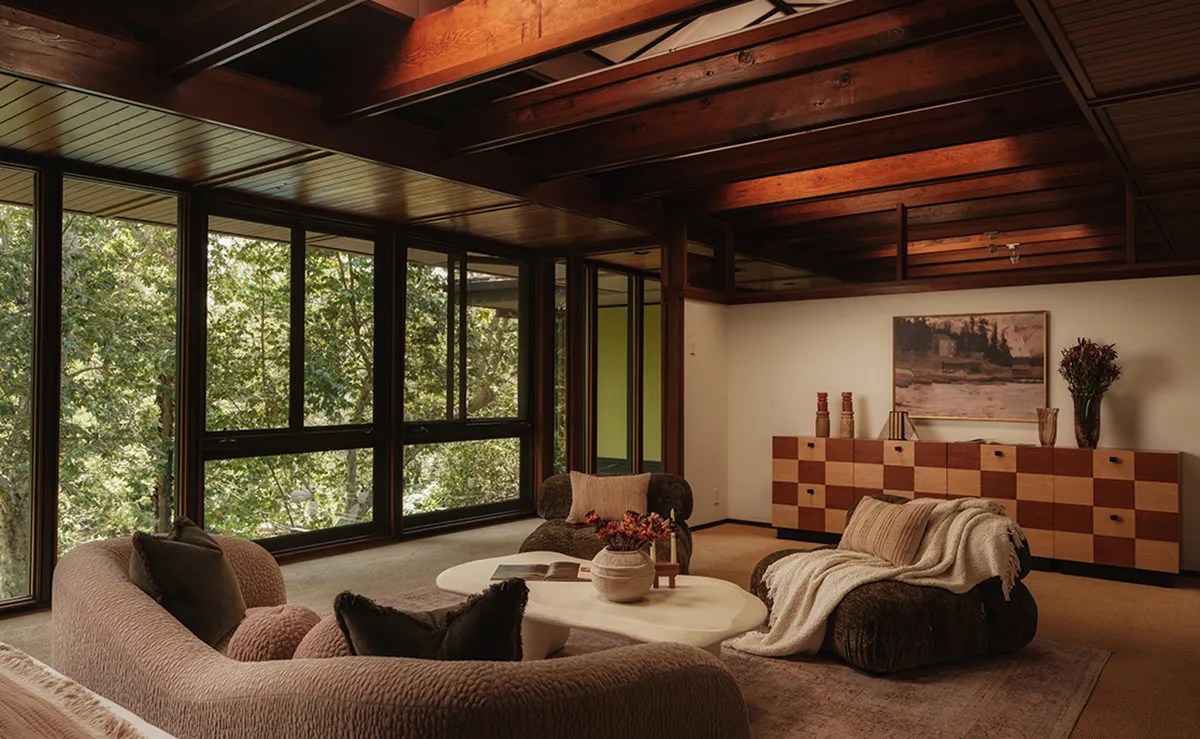
954 Hillside Terrace, Pasadena, California There are houses that impress by arriving loudly, and others that seem to have grown into their site by degrees. The house at 954 Hillside Terrace in Pasadena belongs to the latter category: a 1965 mid-century residence folded into the trees of the San Rafael neighbourhood, where architecture, landscape andContinue reading “A House in the Trees: Kristen Wiig’s Modernist Pasadena Retreat”
Luigi Moretti
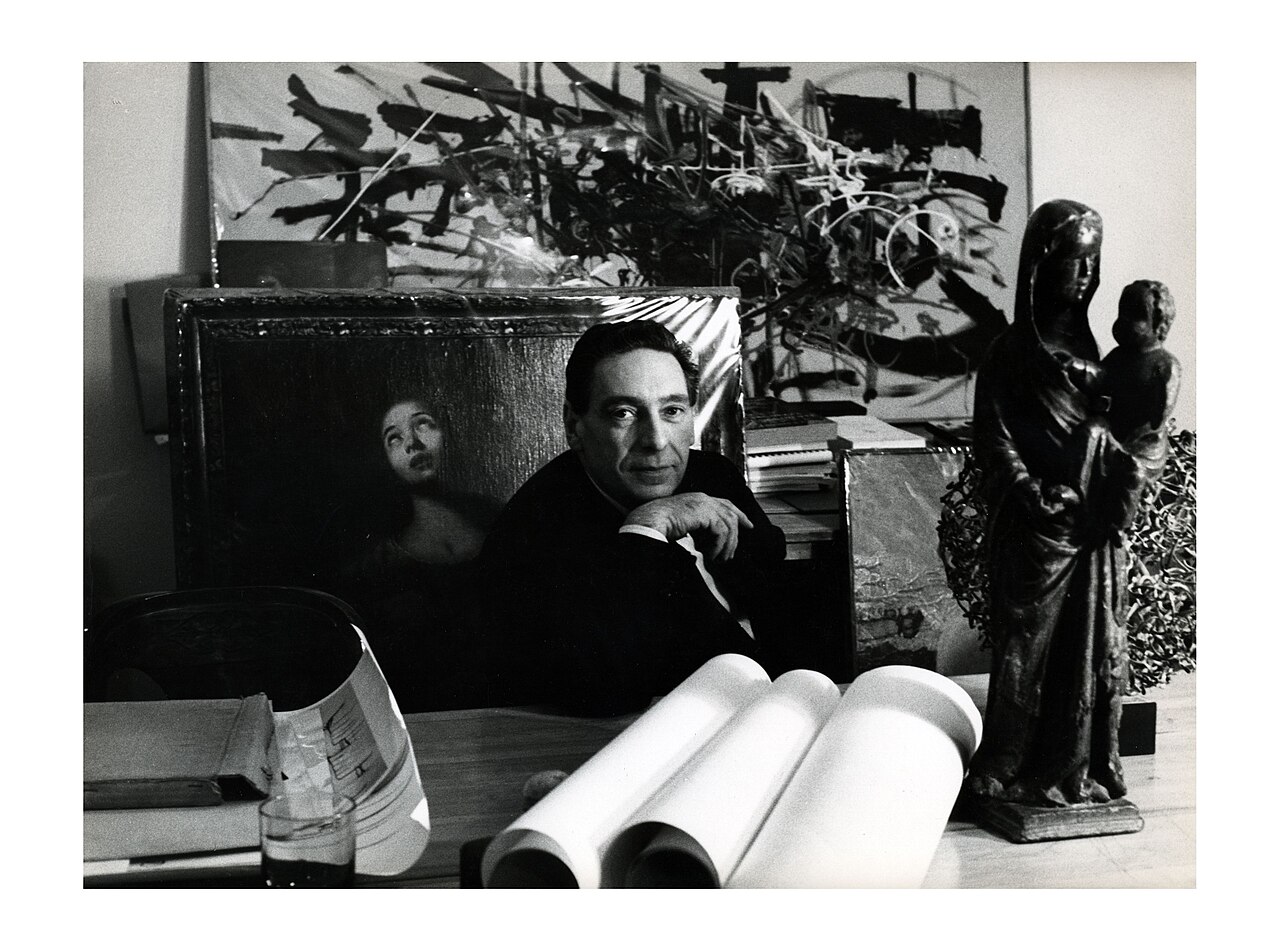
Essay · Architecture & History The Architect Who Could Not Be Placed Luigi Moretti was a Fascist, a theorist, a sensualist, a fraudster, and one of the most formally inventive architects of the twentieth century. That these facts belong to the same man, the same career, the same restless and finally tragic intelligence, is theContinue reading “Luigi Moretti”
The Architecture of Silence: John Pawson and the Art of Less
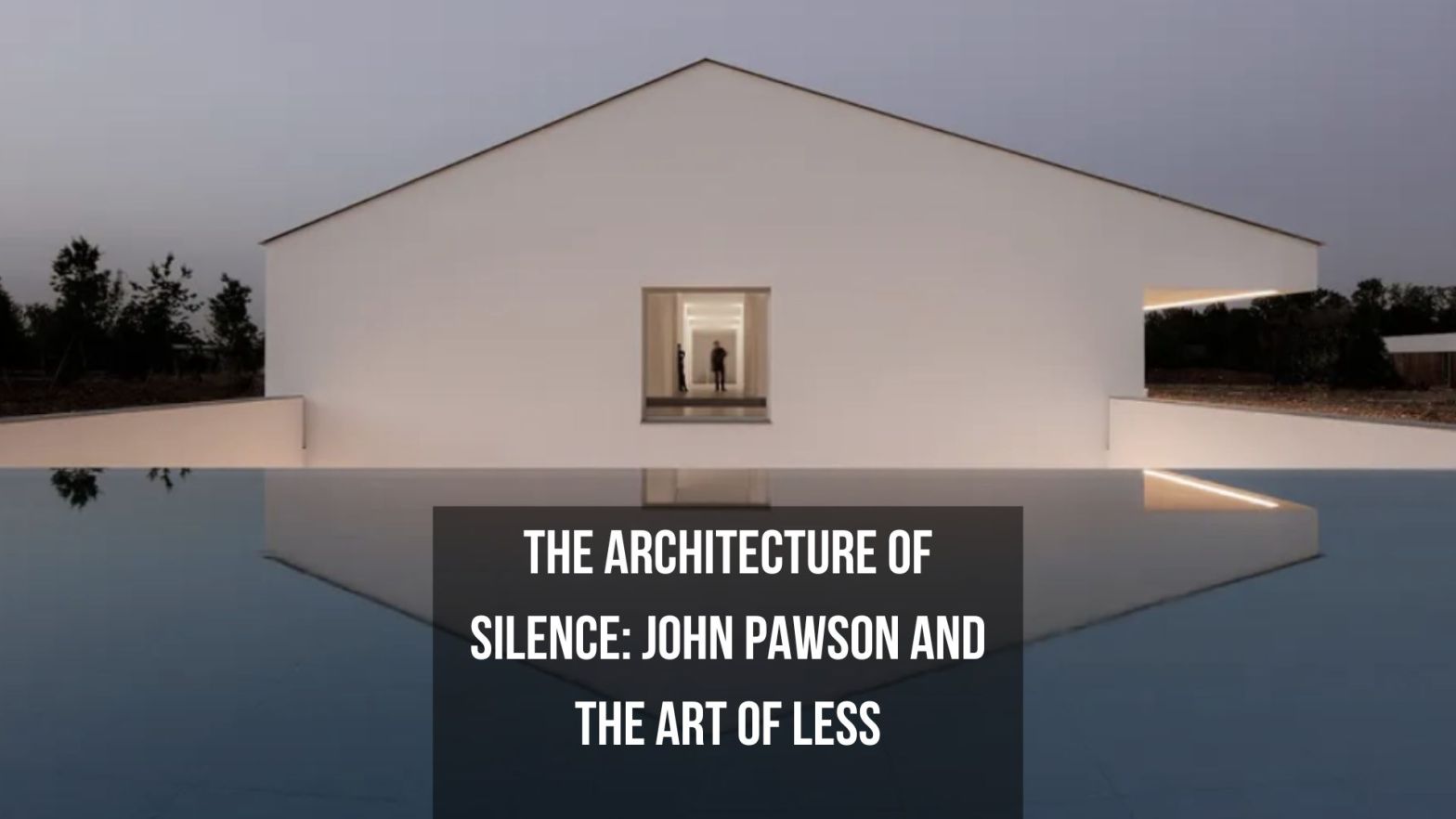
He has built monasteries, fashion temples, and homes for the hyper-wealthy. But John Pawson’s real subject has always been the same: what happens when you take everything away. By Bergotte There is a room in the Czech countryside, an hour south of Prague, that has no decoration whatsoever. Its walls are limestone. Its floor isContinue reading “The Architecture of Silence: John Pawson and the Art of Less”

