
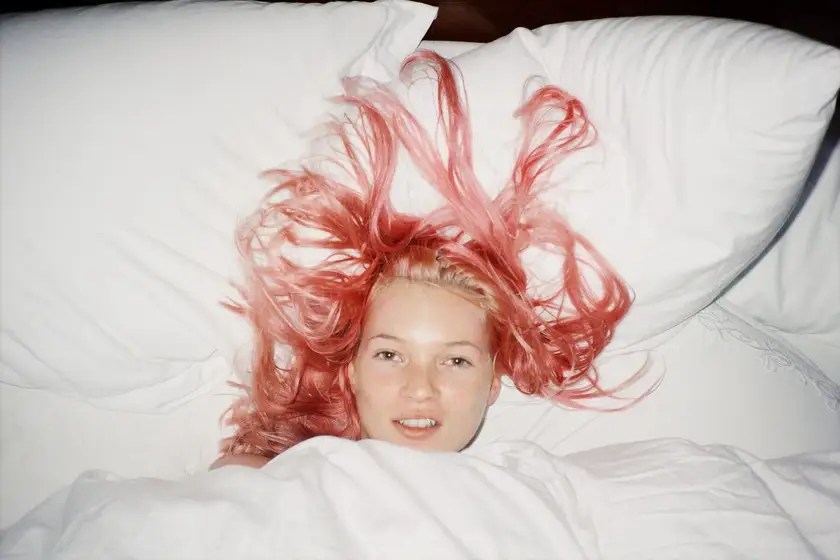
The 1990s have become unusually easy to recognise and increasingly difficult to remember in their complexity. Kate Moss, a slip dress, a warehouse party, a shark suspended in formaldehyde: the decade survives through images whose familiarity can conceal the circumstances that produced them. Tate Britain’s new exhibition, The 90s: Art and Fashion, brings this visualContinue reading “The 90s at Tate Britain: Art, Fashion and the Politics of Belonging”
Category Archives: Art
Sorø Kunstmuseum: Sophie Dupont and the Art of Attention
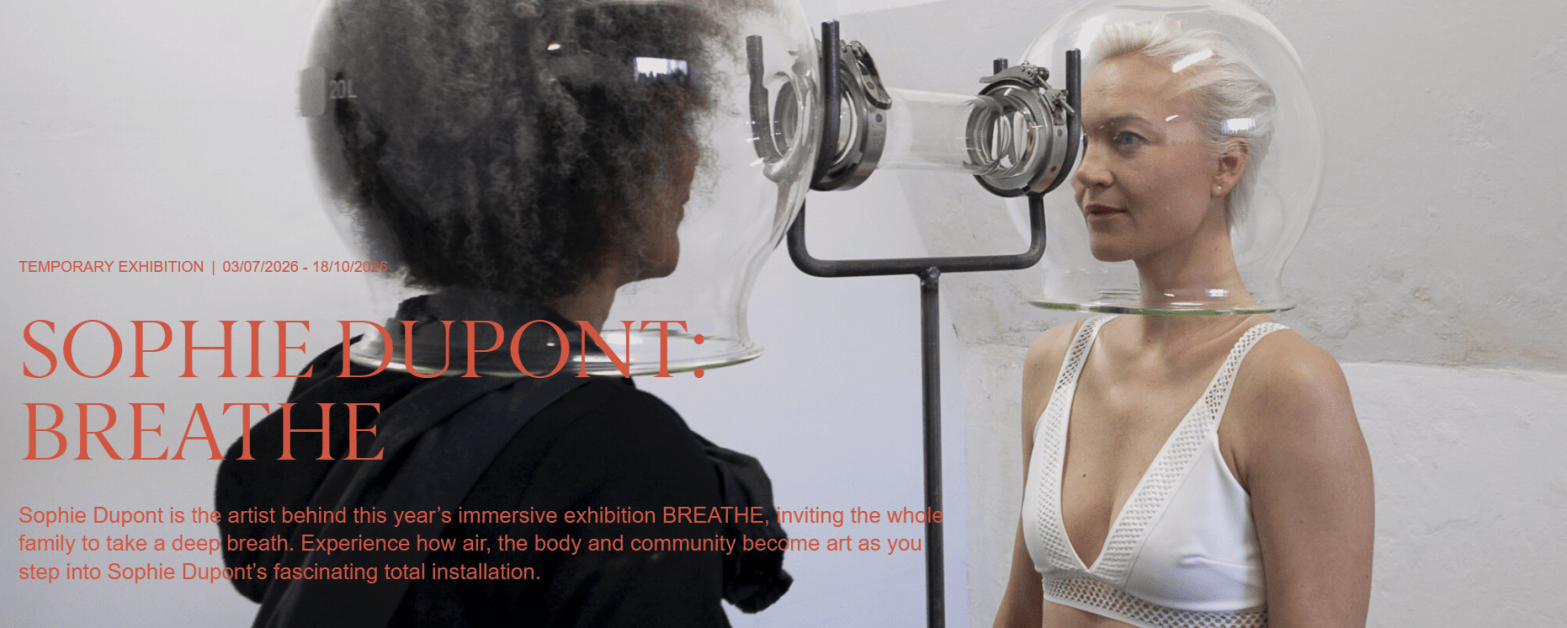
At Sorø Kunstmuseum, an empty room painted by Anna Ancher, a Russian icon of mother and child, and an installation shaped by visitors’ breathing offer three very different encounters with human presence. Their proximity is part of the museum’s interest: a visit can move between domestic observation, religious devotion and the experiments of contemporary artContinue reading “Sorø Kunstmuseum: Sophie Dupont and the Art of Attention”
Frieze London 2026: What Deserves Our Attention
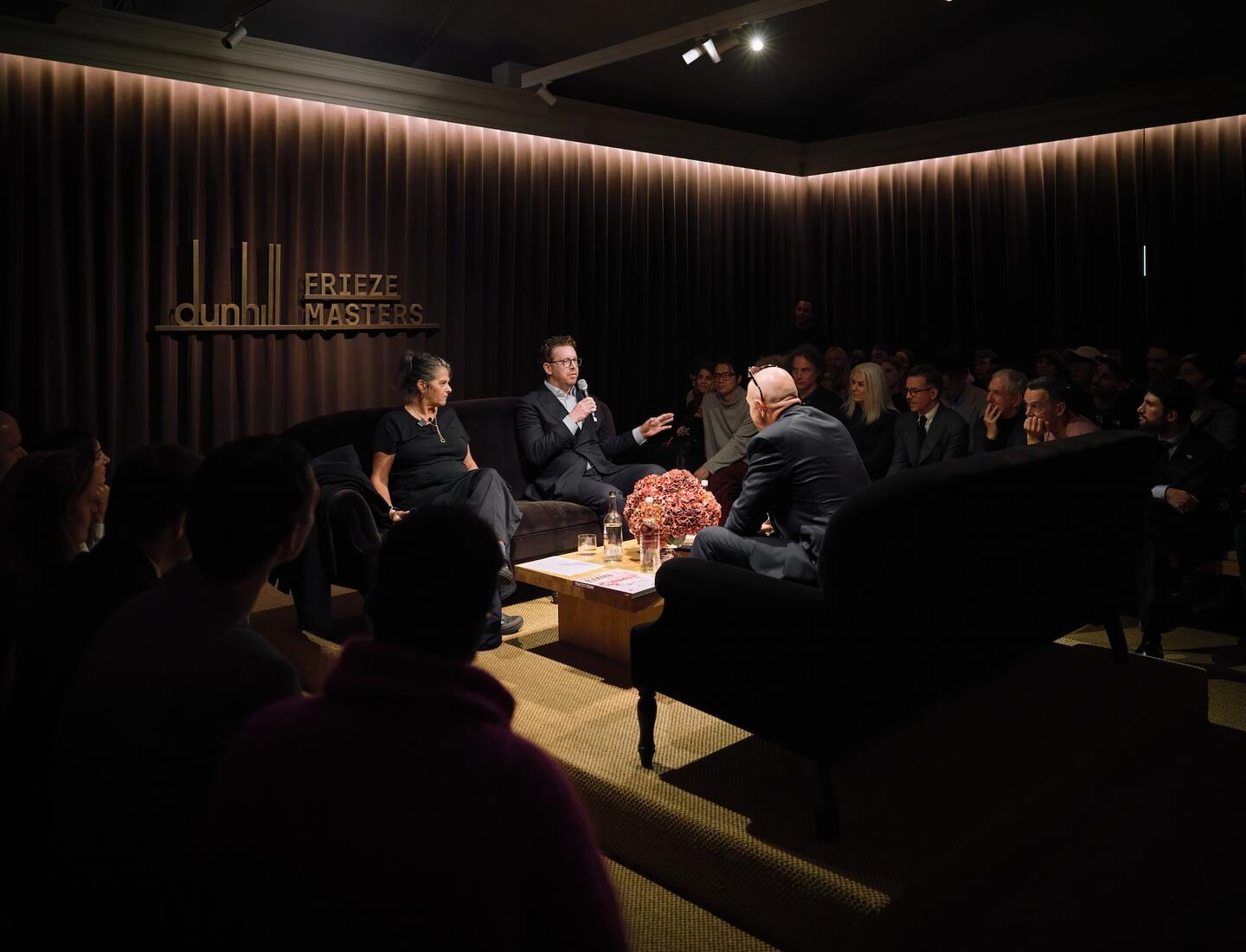
Frieze returns to Regent’s Park from 14–18 October. This year’s programme offers a rewarding route through contemporary painting, the politics of materials, domestic architecture and the changing interpretation of modern art. Every October, Frieze concentrates a substantial part of the international art world into a few days in London. Galleries arrive with new work andContinue reading “Frieze London 2026: What Deserves Our Attention”
What’s So Special About Kraftwerk
By Bergotte Kraftwerk did not remove human feeling from music. They did something stranger and more difficult: they found the human feeling inside the machine, and made it audible. The four men from Düsseldorf who spent the 1970s building synthesizers in a converted railway building and slowly, methodically, without apology or explanation, inventing the sonicContinue reading “What’s So Special About Kraftwerk”
What’s So Special About Fela Kuti
By Bergotte Fela Anikulapo Kuti built a nightclub in Lagos, declared it an independent republic, married twenty-seven women simultaneously, recorded nearly eighty albums, was beaten, imprisoned, and raided by the Nigerian military so many times that he began to treat the violence as material, and in the process created one of the most original andContinue reading “What’s So Special About Fela Kuti”
Sophia Luna Portra
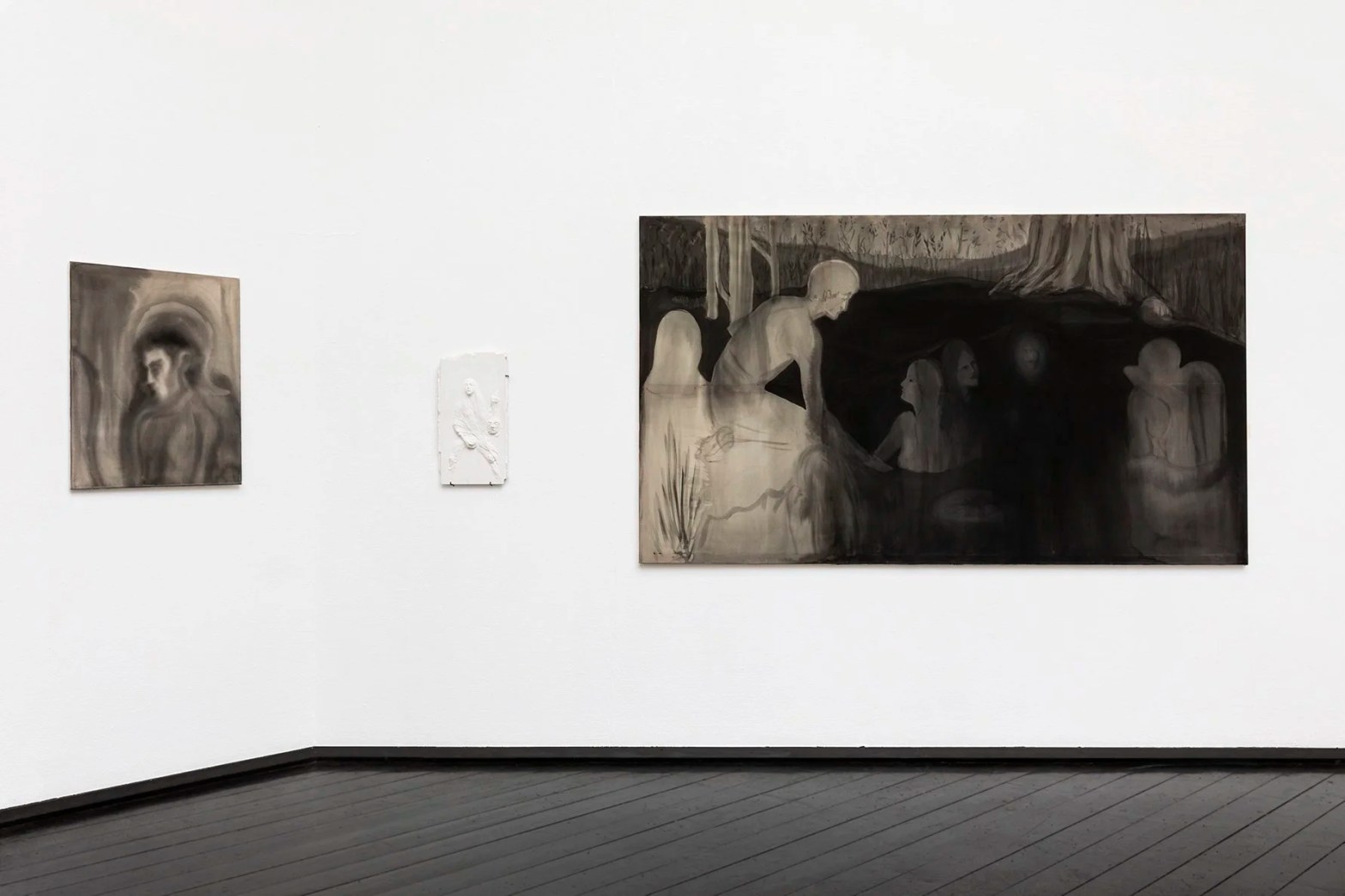
Encounters · No. 8 Snake Skin, Warm Blanket Sophia Luna Portra makes sculptures from muslin and coffee, sings gothic folk songs about transformation, and thinks about clothes the way a philosopher thinks about the self. She is at the beginning of something. By Bergotte A note on this essay: the preceding pieces in this seriesContinue reading “Sophia Luna Portra “
What’s So Special About Miriam Makeba
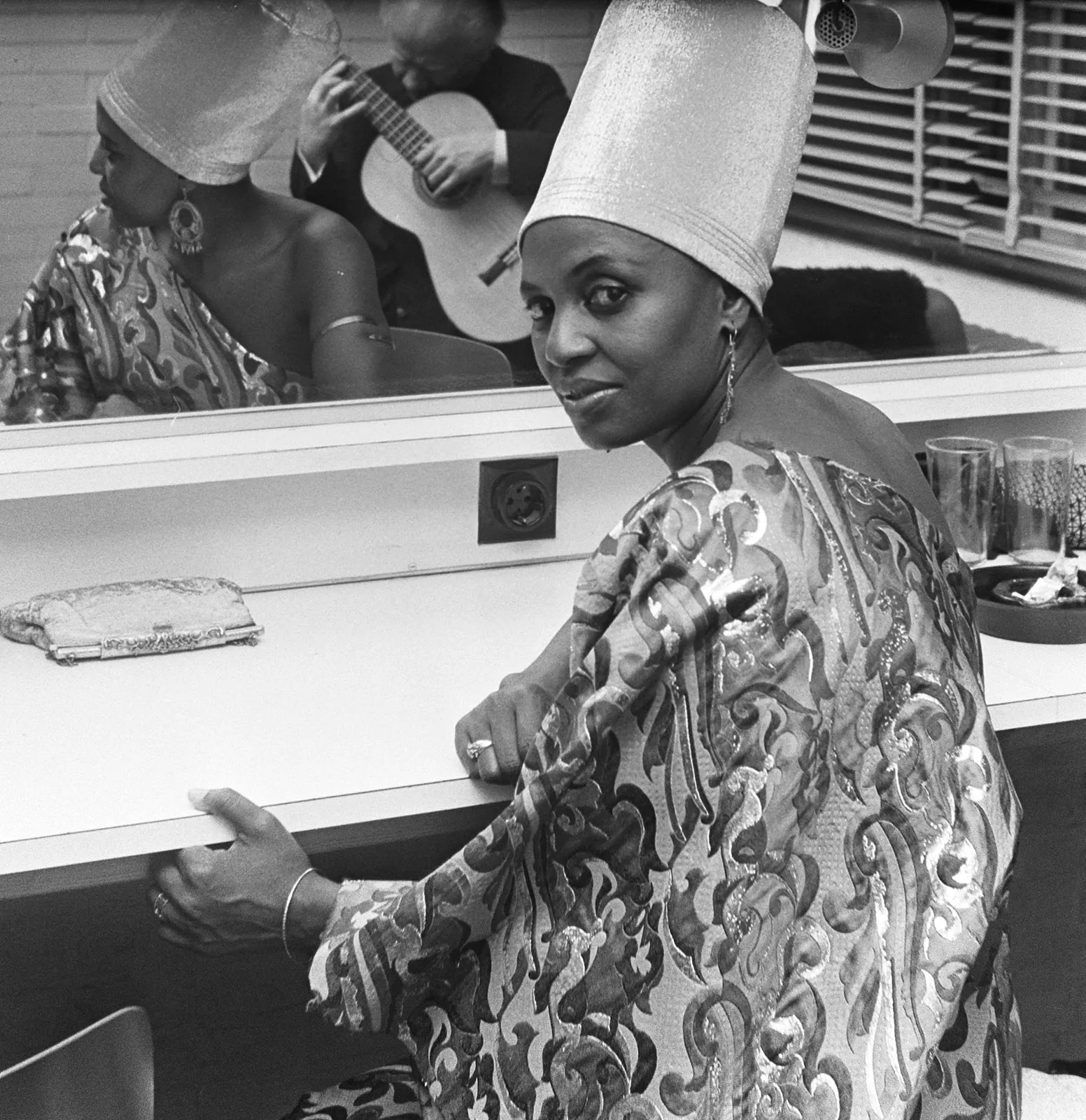
By Bergotte Miriam Makeba was exiled from her country for thirty-one years. She was stripped of her passport, banned from attending her mother’s funeral, and prevented from returning home to South Africa by a government that understood, correctly, that her voice was more dangerous to apartheid than most weapons available to the opposition. She respondedContinue reading “What’s So Special About Miriam Makeba”
Asger Jorn
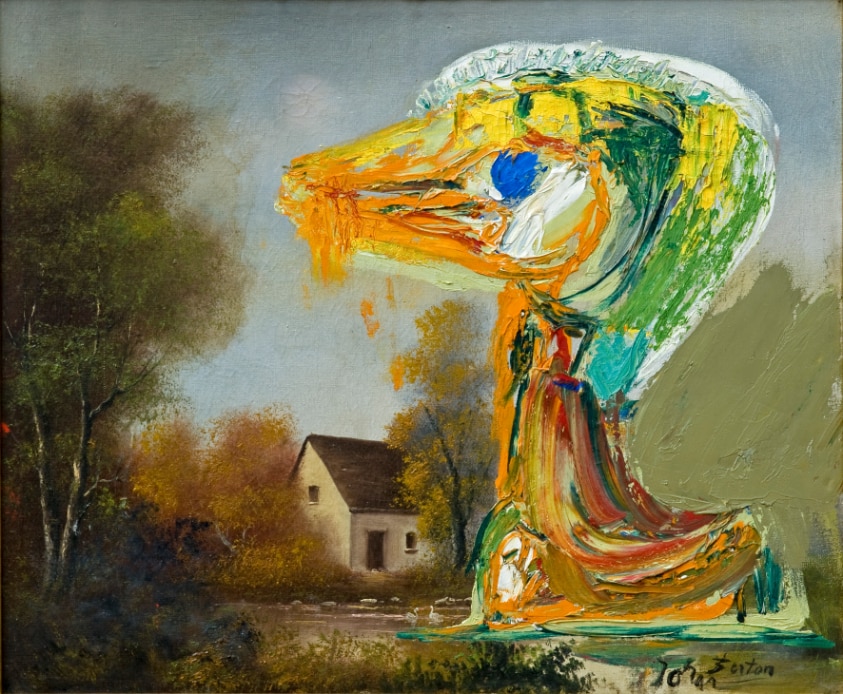
Encounters · No. 7 The Vandal with a Vision Asger Jorn bought other people’s paintings at flea markets and painted over them. He helped invent two of the twentieth century’s most radical movements and then walked away from both. He believed that art was not a product but a way of being alive. He wasContinue reading “Asger Jorn”
Mick Rooney, 1944–2026: The Painter of the Human Theatre
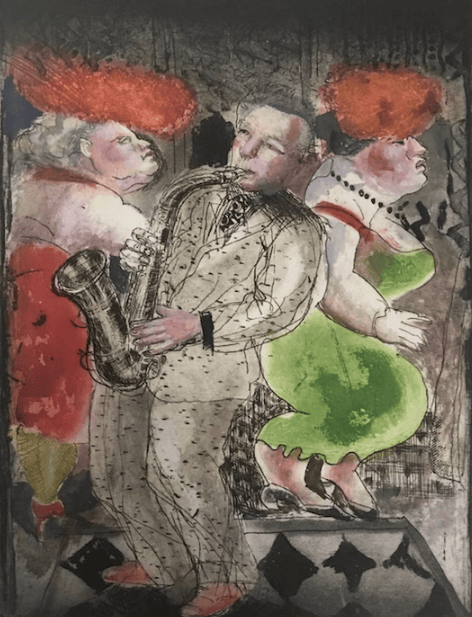
The British painter and Royal Academician, whose mysterious, richly coloured pictures transformed ordinary human life into scenes of dream, myth and private theatre, has died. Mick Rooney, the British painter whose strange, densely imagined figurative pictures occupied a distinctive place in British art for more than half a century, has died. Born in 1944, RooneyContinue reading “Mick Rooney, 1944–2026: The Painter of the Human Theatre”
Peter Max, 1937–2026: The Artist Who Coloured the Counterculture
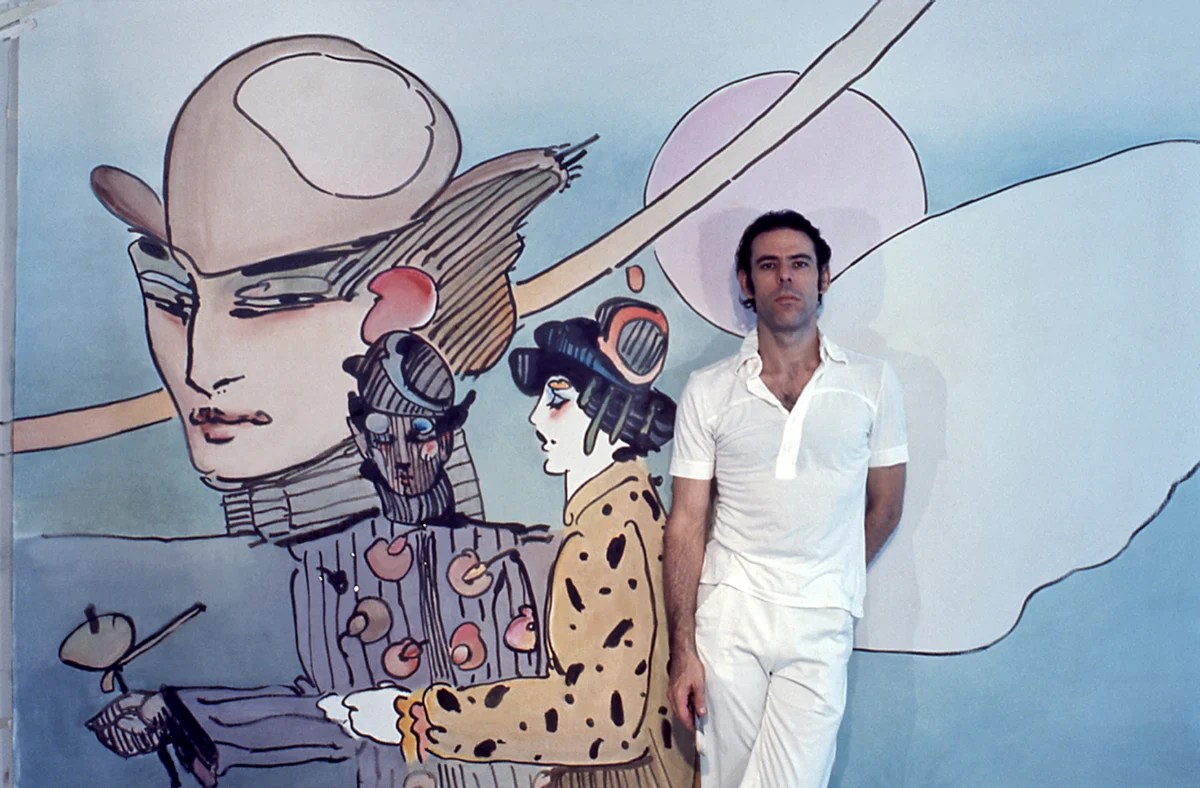
The German-born American artist, whose ecstatic suns, rainbows, cosmic figures and Day-Glo colours became part of the visual language of the 1960s, has died aged 88. Peter Max, the artist whose brilliant colours, cosmic landscapes and buoyant psychedelic imagery became almost inseparable from the visual culture of the American 1960s, died on 14 September 2026Continue reading “Peter Max, 1937–2026: The Artist Who Coloured the Counterculture”

