
The Passenger is a weekly dispatch on travel — places, hotels, restaurants, the strange logistics of being elsewhere. It is written by Bergotte. Bangkok in November, and why the most complex city in Southeast Asia deserves more than a night before the ferry Bangkok defeats the traveller who arrives with a plan. It is tooContinue reading “The City That Never Resolves”
Category Archives: Museums
The City People Keep Missing
The Passenger is a weekly dispatch on travel — places, hotels, restaurants, the strange logistics of being elsewhere. It is written by Bergotte. Athens in September, and the case for treating it as a destination rather than a gateway The standard relationship between the serious traveller and Athens is one of transit. You fly in,Continue reading “The City People Keep Missing”
The Place That Refuses to Try
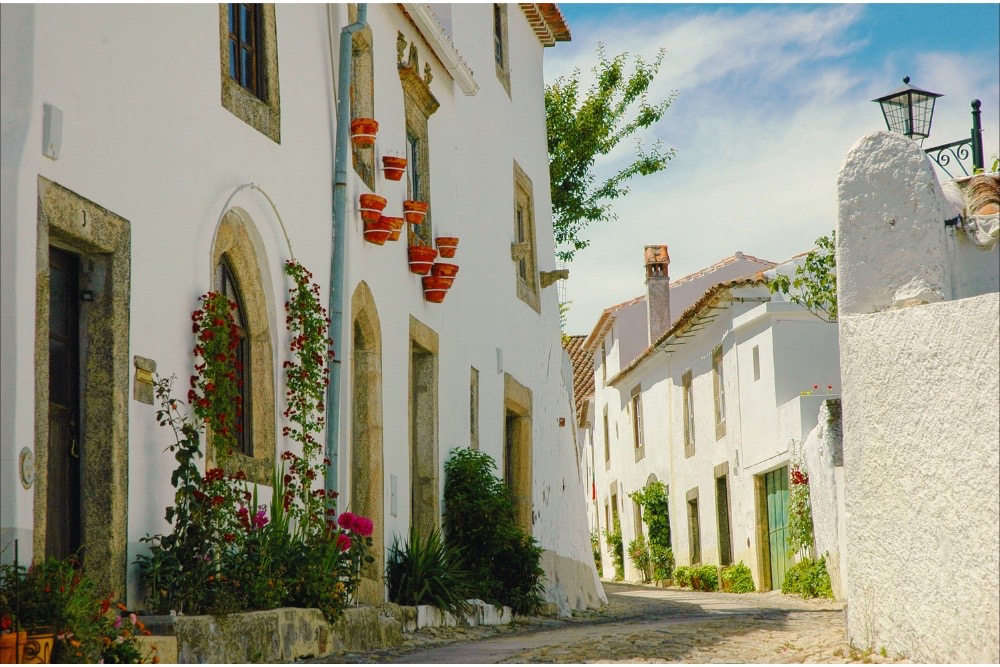
The Passenger is a weekly dispatch on travel — places, hotels, restaurants, the strange logistics of being elsewhere. It is written by Bergotte. Comporta, Portugal, and the particular luxury of somewhere that has decided not to become anything other than itself There is a type of place that becomes fashionable precisely because it has notContinue reading “The Place That Refuses to Try”
Copenhagen Now – September 2026

Music, Design, Fashion, Literature, Film, Hotels, Food, Art & the City The City Between Summer and Seriousness There is a particular moment in Copenhagen when summer has not quite disappeared, but the cultural year has unmistakably begun. The evenings can still be spent outside, Tivoli is still illuminated, bicycles continue to crowd the bridges andContinue reading “Copenhagen Now – September 2026”
What’s Going On This Autumn?

What’s on in the world’s cultural capitals from September through December 2026 — the exhibitions, operas, theatre, and art fairs worth travelling for…
The Season Opens
The Passenger is a weekly dispatch on travel — places, hotels, restaurants, the strange logistics of being elsewhere. It is written by Bergotte. Vienna in September, and what happens when a city built for culture remembers what it is for Vienna in July and August belongs, with varying degrees of reluctance, to the tourists. TheyContinue reading “The Season Opens”
Harumi Klossowska de Rola at Villa Kérylos
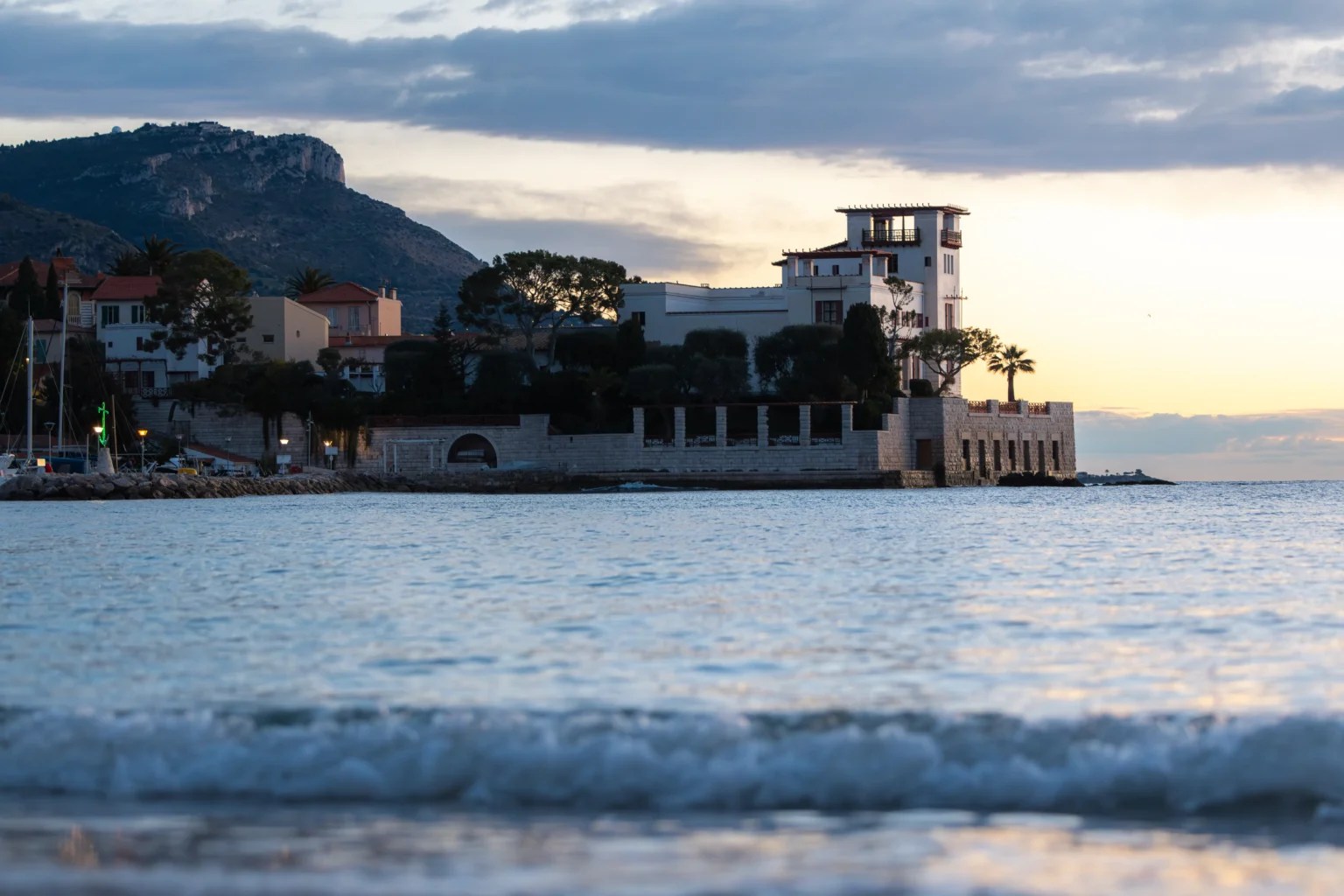
Culture · Art The Animal Remembers Harumi Klossowska de Rola at Villa Kérylos In a house built from a modern dream of ancient Greece, the Swiss artist’s bronze creatures ask what happens when humanity returns the animal world to the realm of the sacred. By Bergotte Harumi Klossowska de Rola, Chinook (Salmon), 2024, bronze, 28Continue reading “Harumi Klossowska de Rola at Villa Kérylos”
The Light Does Something Different Here
The Passenger is a weekly dispatch on travel — places, hotels, restaurants, the strange logistics of being elsewhere. It is written by Bergotte. Puglia in September, and why the heel of Italy is best when everyone else has left The thing about Puglia that no amount of photographs has ever managed to convey is theContinue reading “The Light Does Something Different Here”
See Something – Irving Penn 2026
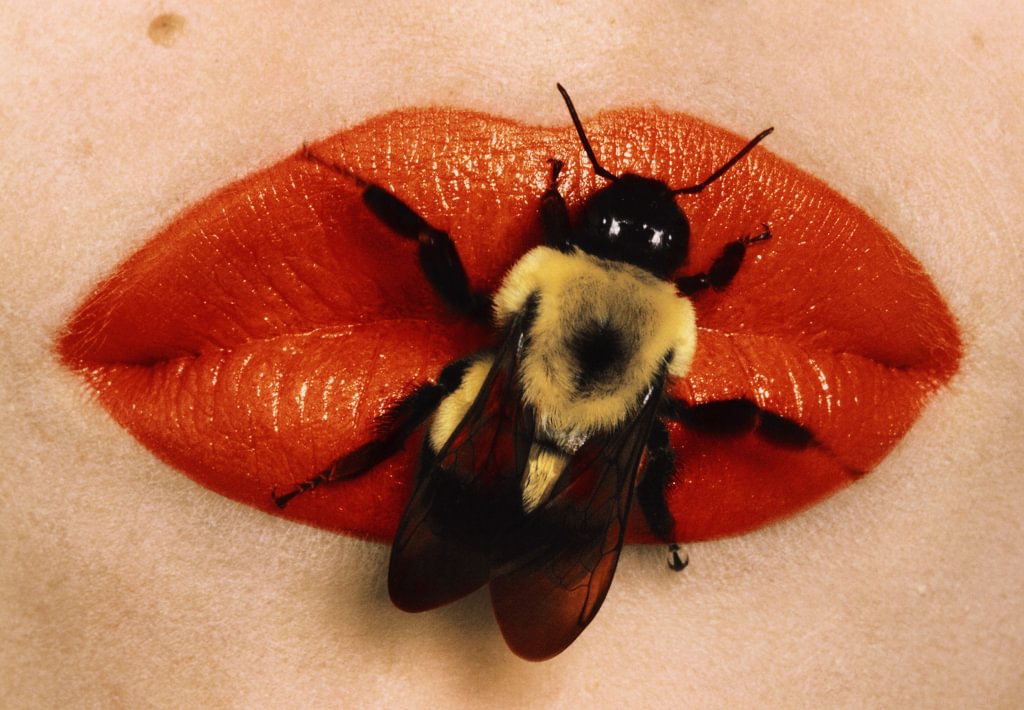
The Passenger is a weekly dispatch on travel — places, hotels, restaurants, the strange logistics of being elsewhere. See Something Irving Penn is everywhere in 2026. Three cities, three exhibitions, and the case for making a trip specifically to see him Irving Penn directed his models with two words. Not an expression — he wasContinue reading “See Something – Irving Penn 2026”
Paris in September: Vincent Beaurin at Galerie Poggi
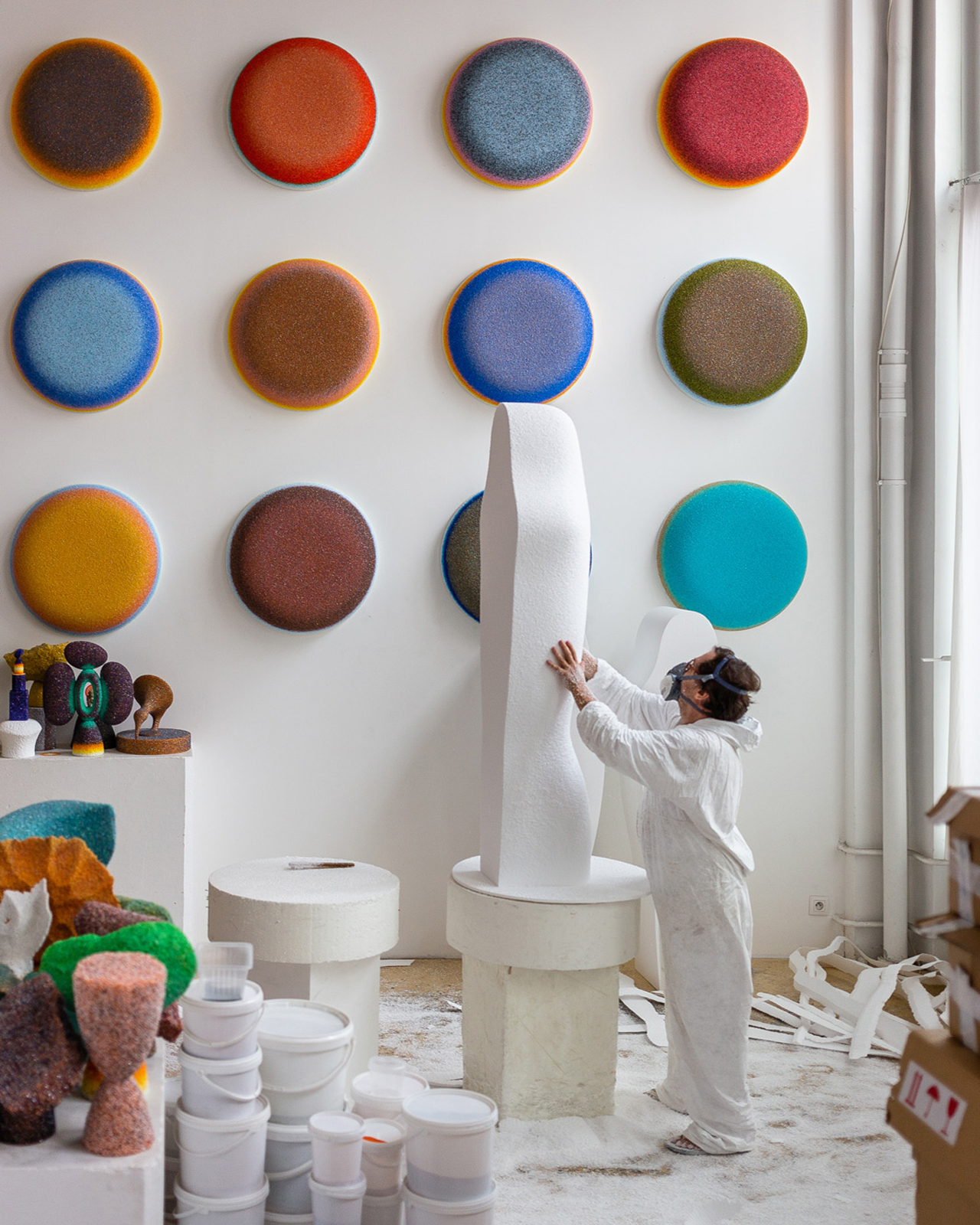
Vincent Beaurin trained as a silversmith, worked as a designer, blew paint at canvases, and eventually found his way to the disc — the simplest form available, saturated with the colour of the last light before the sun disappears. A retrospective profile ahead of his show at Galerie Poggi.

