
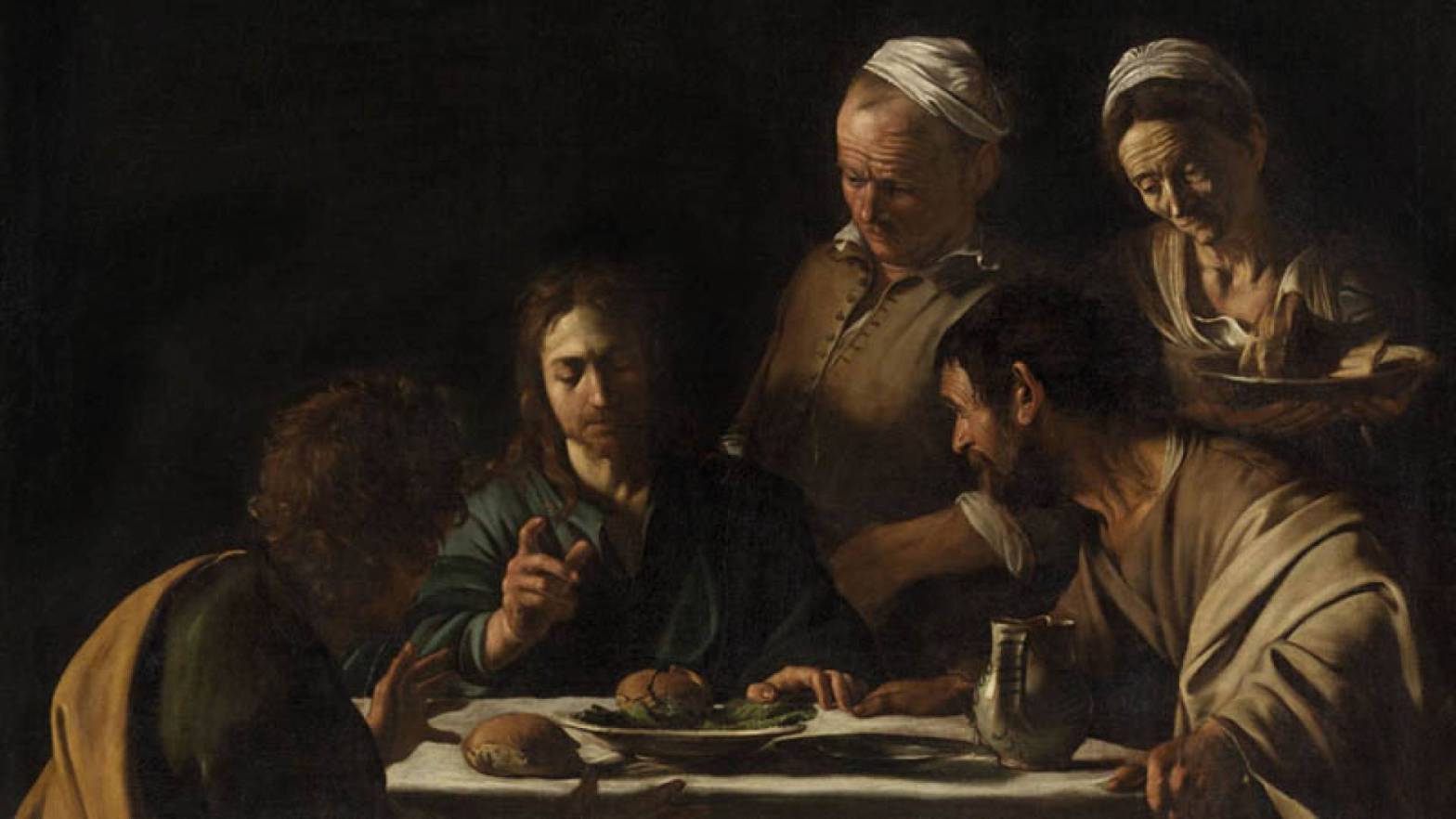
Michelangelo Merisi da Caravaggio (1571–1610) remains one of the most controversial and influential figures in the history of art. His canvases, charged with violence and ecstasy, brought biblical stories down from heaven and into the grit of everyday life. He painted saints with dirty feet, virgins with weary faces, apostles with the weathered skin of laborers. He also lived a life as dramatic as his art: celebrated, scandalized, hunted, and ultimately dead at thirty-eight under mysterious circumstances.
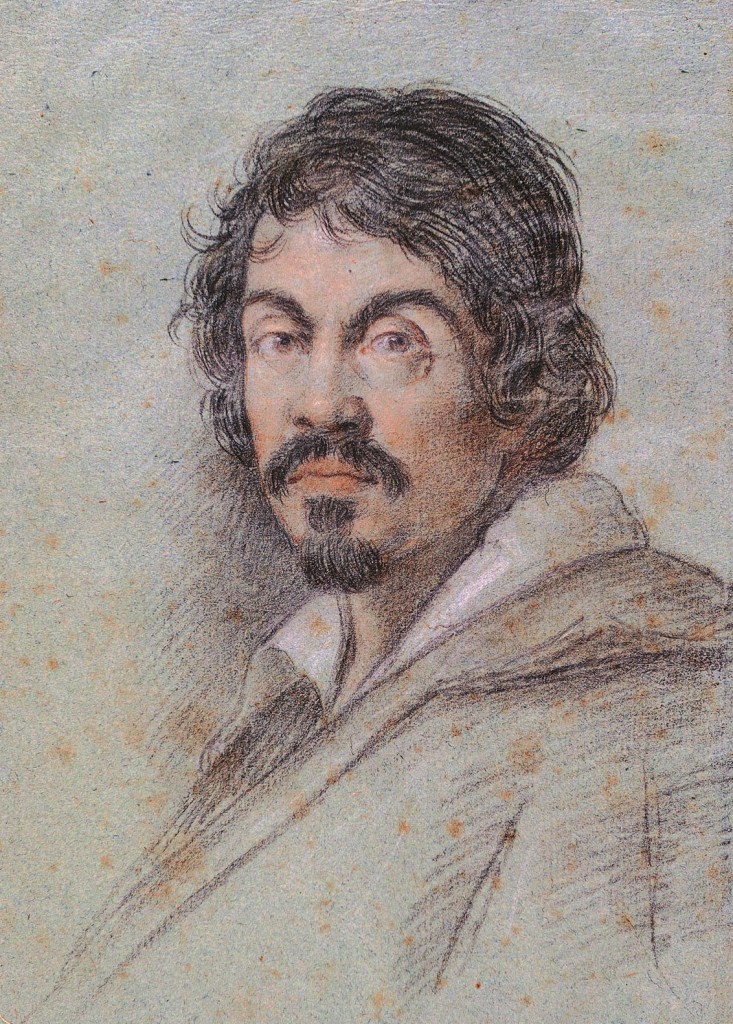
A Revolutionary Eye
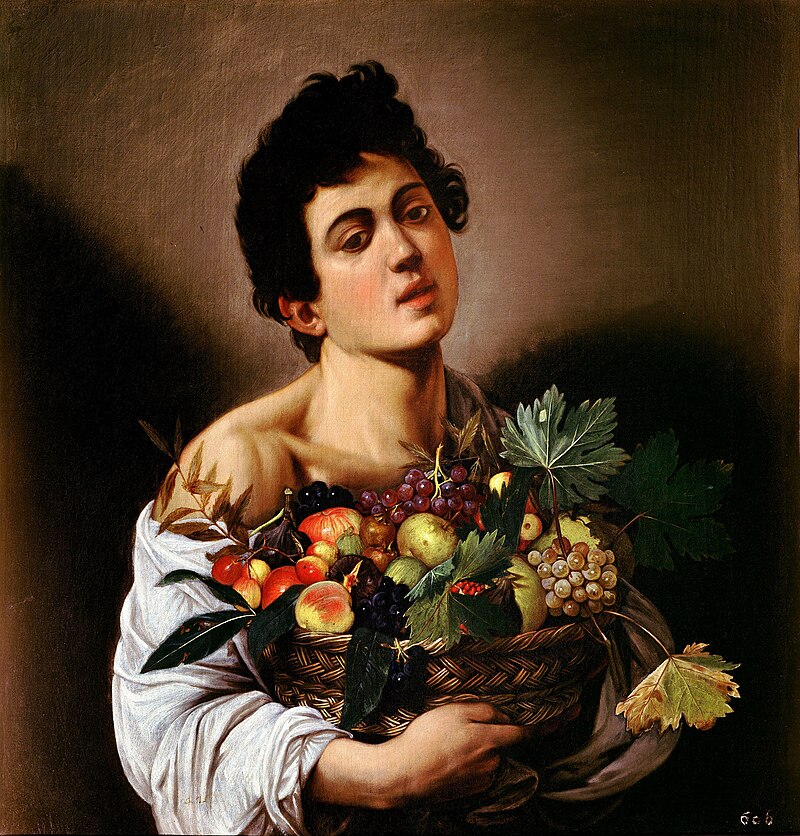
Born in Milan and trained in Lombardy, Caravaggio arrived in Rome in the early 1590s with little money but an abundance of talent. At the time, religious art was often idealized, designed to uplift viewers through beauty and grandeur. Caravaggio broke with convention. He painted directly from life, using models pulled from the streets: beggars, prostitutes, cardsharps, and laborers.
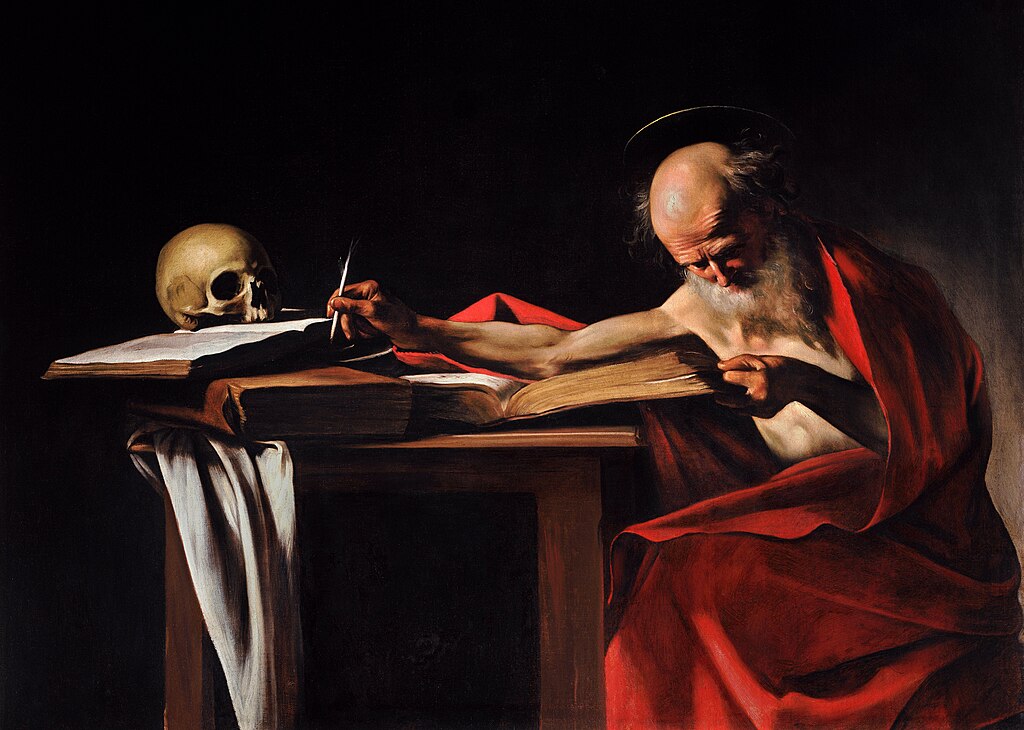
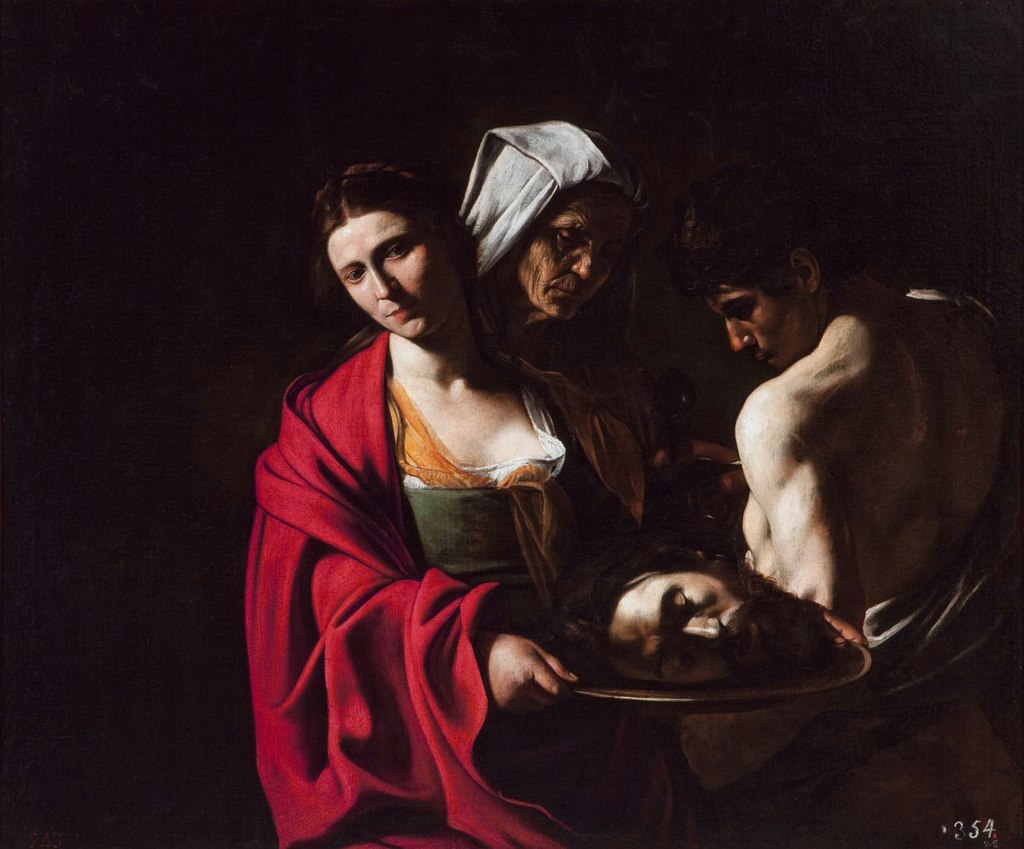
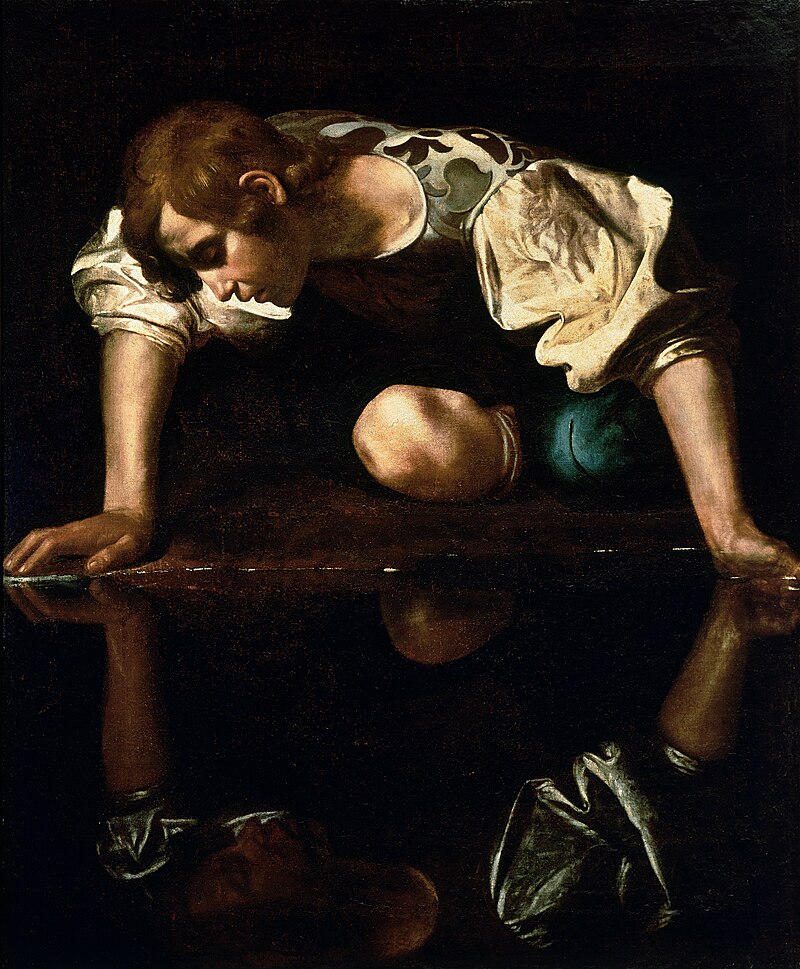
His technique was radical. Instead of preparatory drawings, he painted straight onto the canvas, capturing immediacy. His use of chiaroscuro—a theatrical interplay of shadow and light—gave his works a cinematic intensity that no one had seen before. Figures emerged from darkness as though caught in a spotlight, their gestures urgent, their emotions raw.
Sacred and Profane
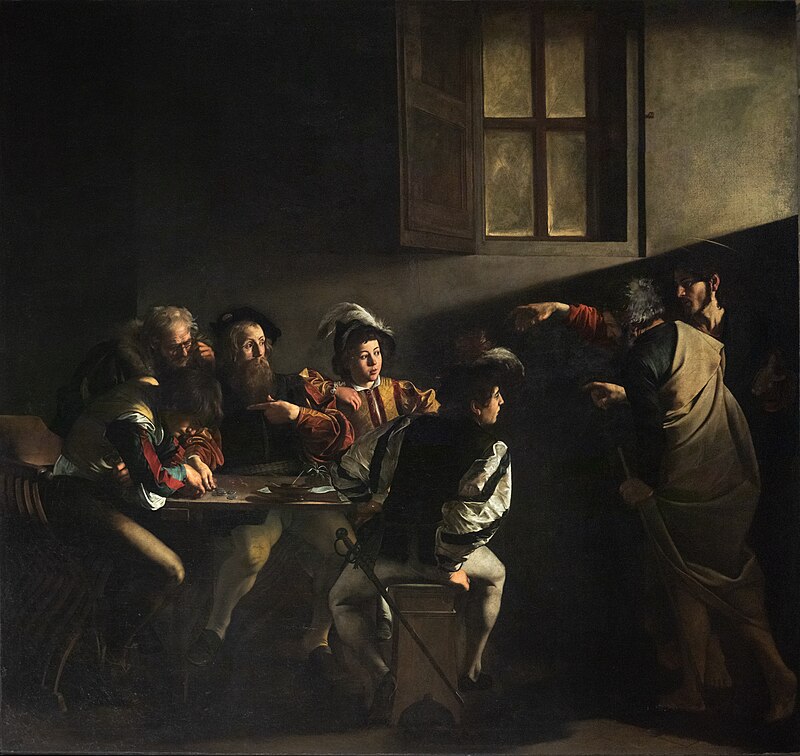
Caravaggio’s early successes included commissions for the Contarelli Chapel in Rome. The Calling of Saint Matthew (1599–1600) transformed a simple gospel scene into a tavern-like setting, with Christ’s hand extended in a beam of light. The figures were ordinary men, astonished in the midst of daily life. It was revolutionary: holiness found not in gilded abstraction but in the human condition itself.
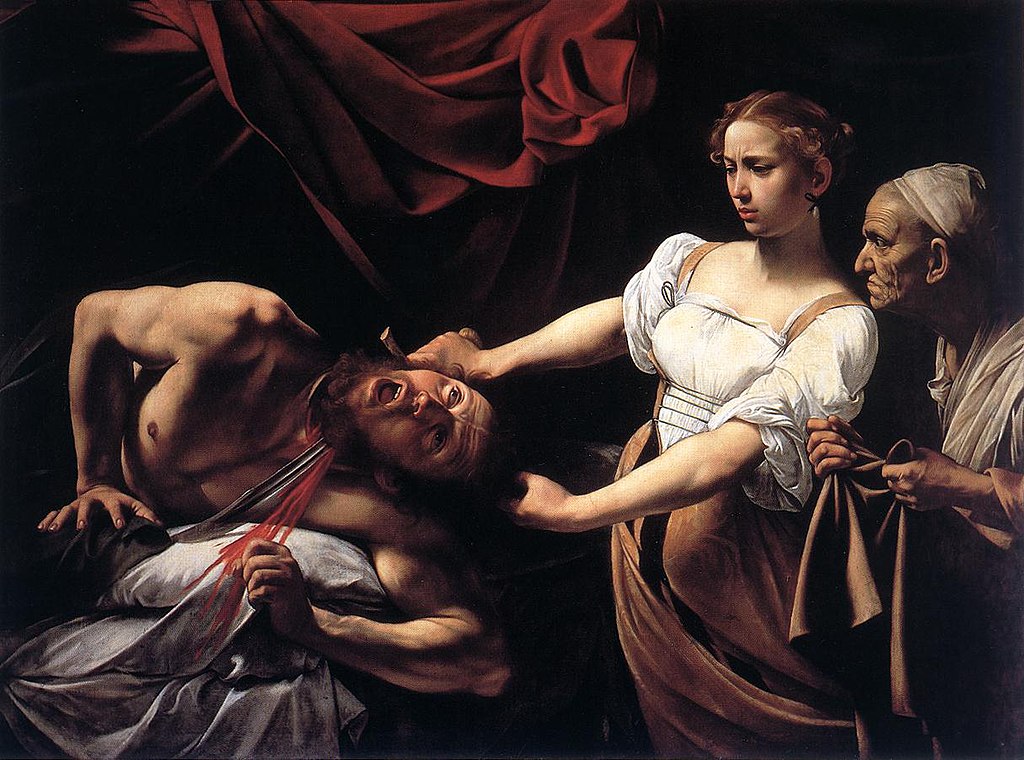
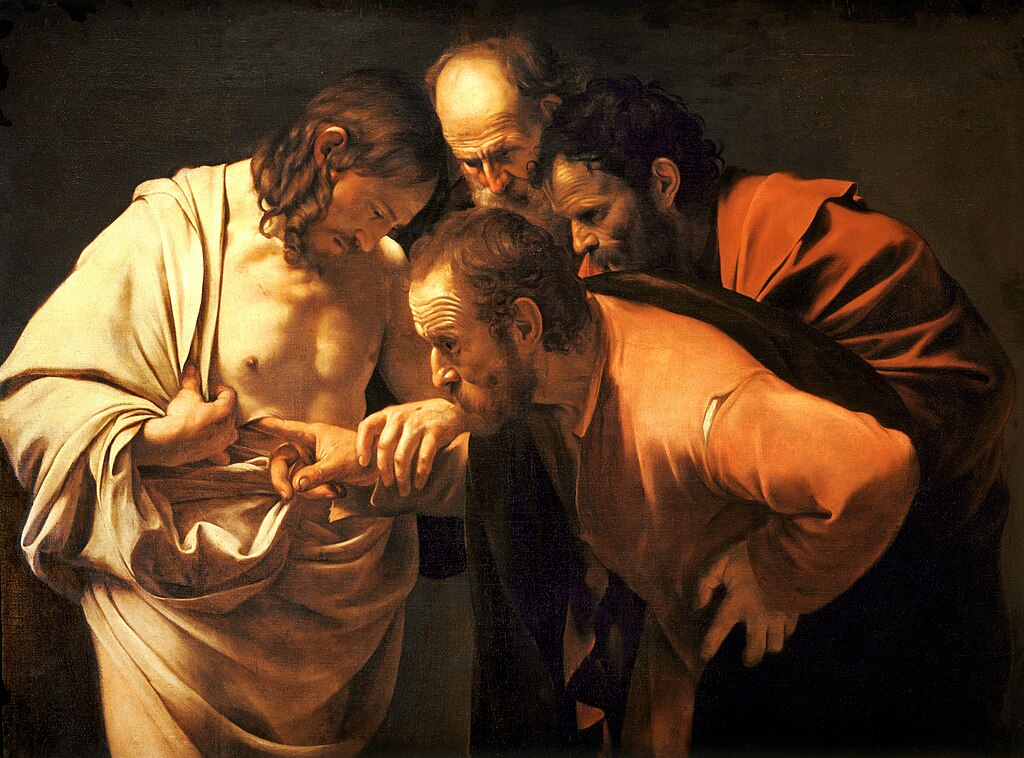
Other works deepened the shock. Death of the Virgin depicted the Virgin Mary not as a celestial queen but as a swollen, lifeless woman modeled after a drowned prostitute. Judith Beheading Holofernes captured the split-second of decapitation with clinical brutality. Caravaggio refused to sanitize scripture. His paintings insisted that divinity was bound up with the messy, violent reality of human existence.
Violence and Exile
Caravaggio’s art mirrored his life. He was notorious in Rome for his temper, his brawls, and his brushes with the law. Arrest records list assaults, illegal weapon possession, and repeated disturbances.
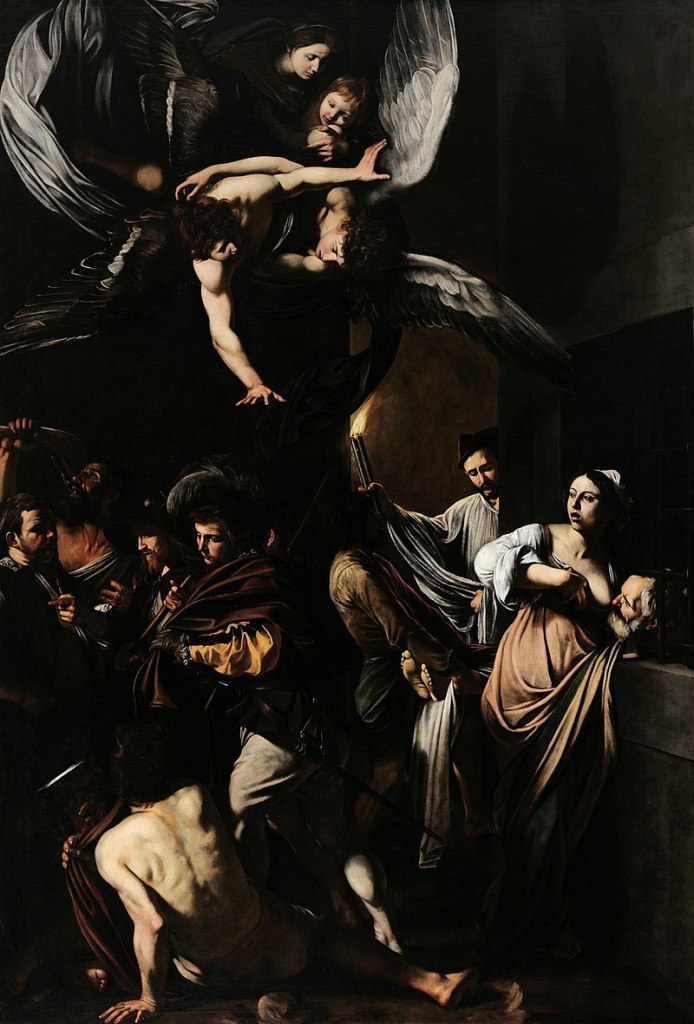
In 1606, after a quarrel that escalated into a duel, Caravaggio killed a man named Ranuccio Tomassoni. Sentenced to death in absentia, he fled Rome, beginning a restless exile that took him to Naples, Malta, and Sicily. Yet even in flight, he produced masterpieces: the somber Seven Works of Mercy in Naples, the luminous Beheading of Saint John the Baptist in Malta, and the stark Burial of Saint Lucy in Syracuse.
Each canvas grew darker, more stripped down, as though reflecting his fugitive status. Saints and martyrs became surrogates for his own torment.
The Mysterious End
In 1610, Caravaggio attempted to return to Rome, seeking a papal pardon. Accounts diverge: some say he died of malaria on the Tuscan coast, others suggest poisoning or assassination by enemies. His body was never definitively identified. What is certain is that he died at thirty-eight, at the height of his powers, leaving behind a turbulent legend as potent as his art.
Legacy and Influence
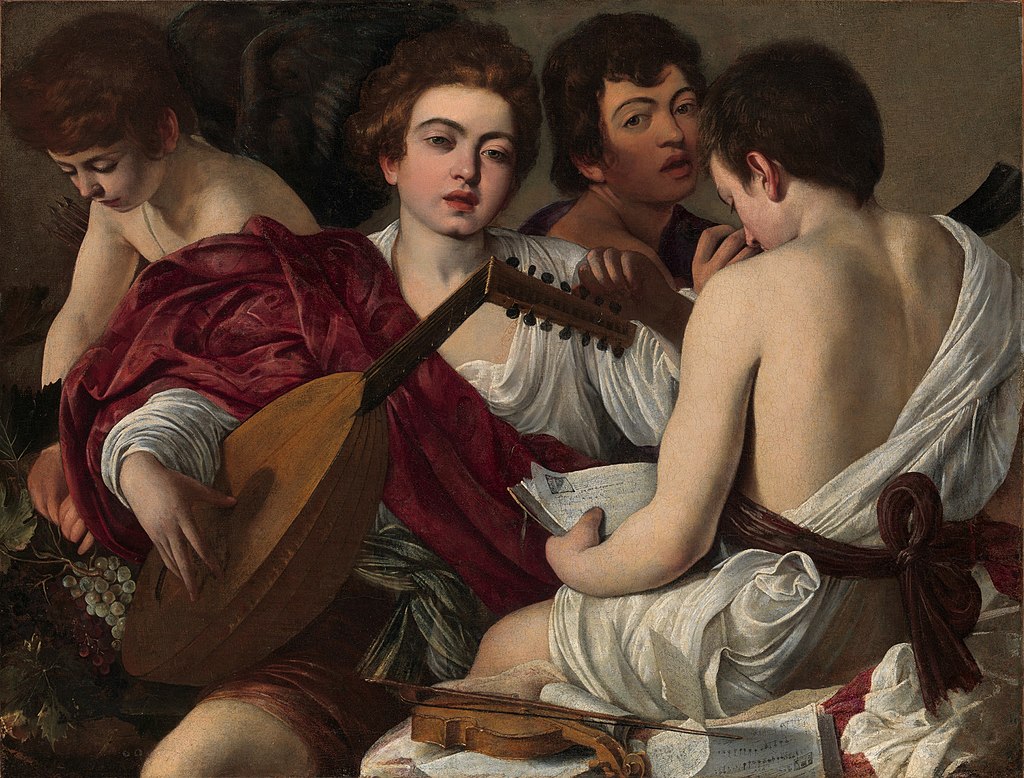
Caravaggio’s impact was immediate and lasting. His followers, known as the Caravaggisti, spread his dramatic realism across Europe—from Naples and Utrecht to Seville. Painters like Artemisia Gentileschi, Georges de La Tour, and Diego Velázquez absorbed his chiaroscuro and psychological intensity.
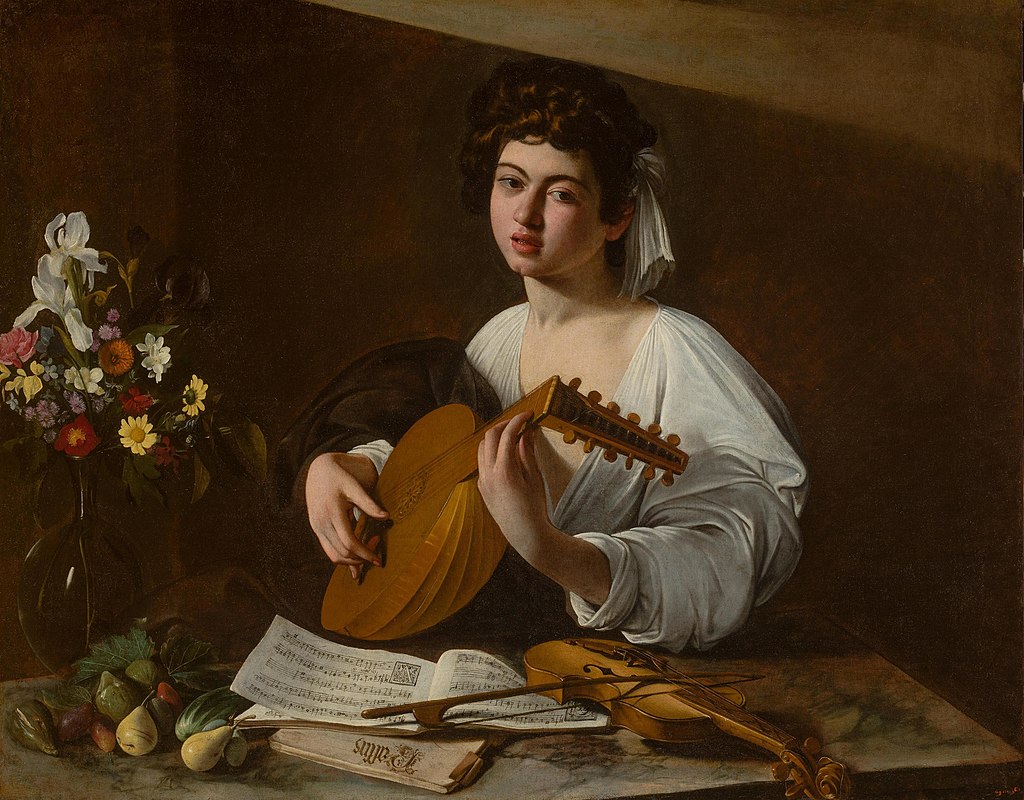
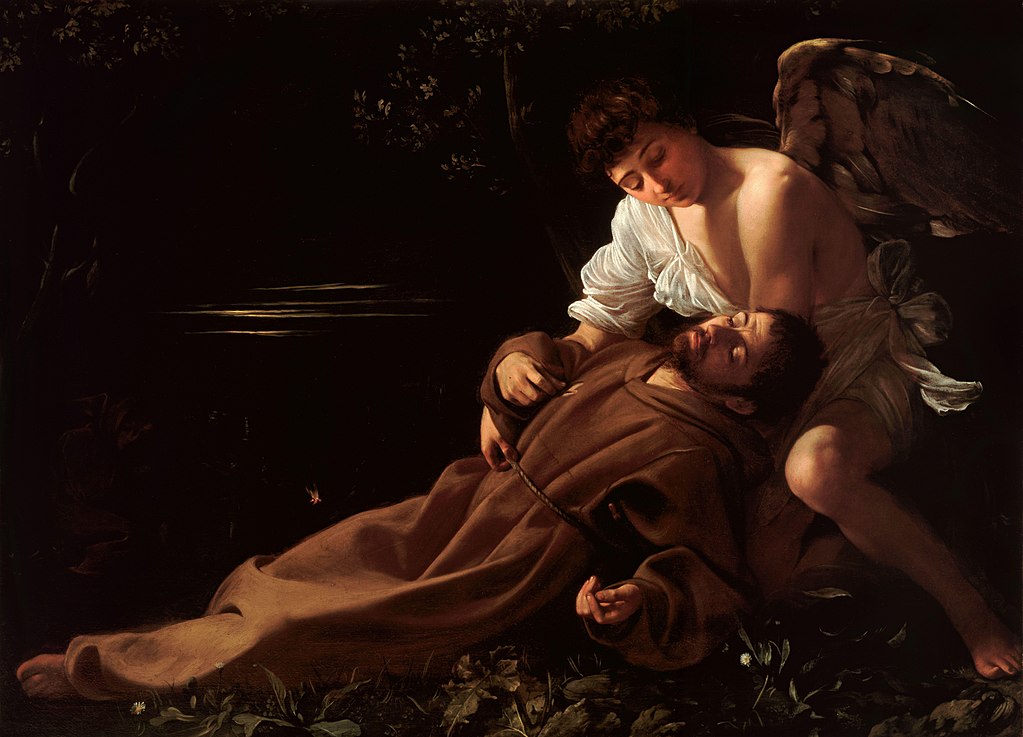
For centuries, however, his reputation dimmed. Critics dismissed his art as vulgar, his biography as scandalous. Only in the twentieth century did scholars and curators reappraise his genius, recognizing him as a progenitor of modern realism and a precursor to cinema’s visual language. Today, exhibitions of his work draw immense crowds, and his paintings are hailed as milestones in the history of Western art.
Caravaggio Today
Caravaggio remains an artist of contradictions: sacred and profane, sublime and brutal, visionary and criminal. His works confront us with uncomfortable truths: that beauty can emerge from squalor, that holiness is inseparable from suffering, that light is defined by shadow.
To stand before one of his canvases is to feel the tension of existence itself—life poised between ecstasy and despair. Four centuries after his death, Caravaggio endures not only as a painter of extraordinary technique but as an artist who dared to show humanity in its most unvarnished form.
Suggested Works to Explore
- The Calling of Saint Matthew (1599–1600) – San Luigi dei Francesi, Rome
http://www.slu.fr - Judith Beheading Holofernes (1599) – Galleria Nazionale d’Arte Antica, Rome
galleriaborghese.beniculturali.it - Death of the Virgin (1606) – Musée du Louvre, Paris
http://www.louvre.fr - The Seven Works of Mercy (1607) – Pio Monte della Misericordia, Naples
http://www.piomontedellamisericordia.it - Beheading of Saint John the Baptist (1608) – St. John’s Co-Cathedral, Valletta, Malta
http://www.stjohnscocathedral.com
Discover more from My World of Interiors
Subscribe to get the latest posts sent to your email.

