
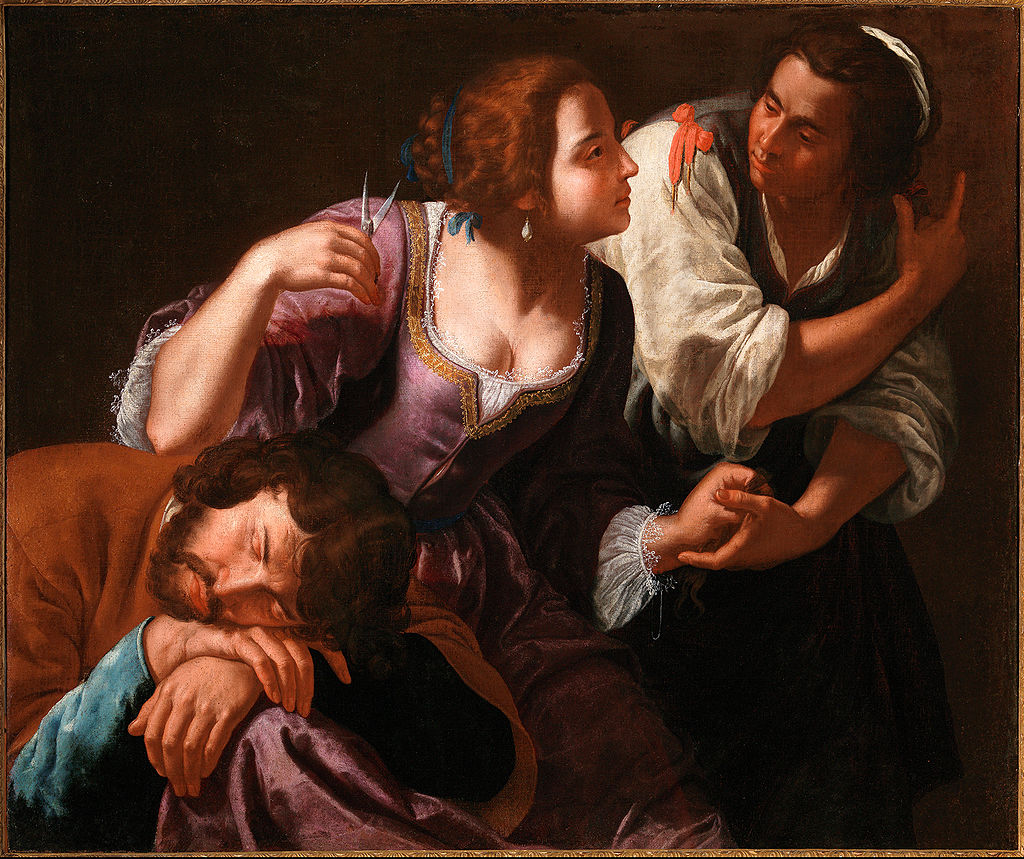
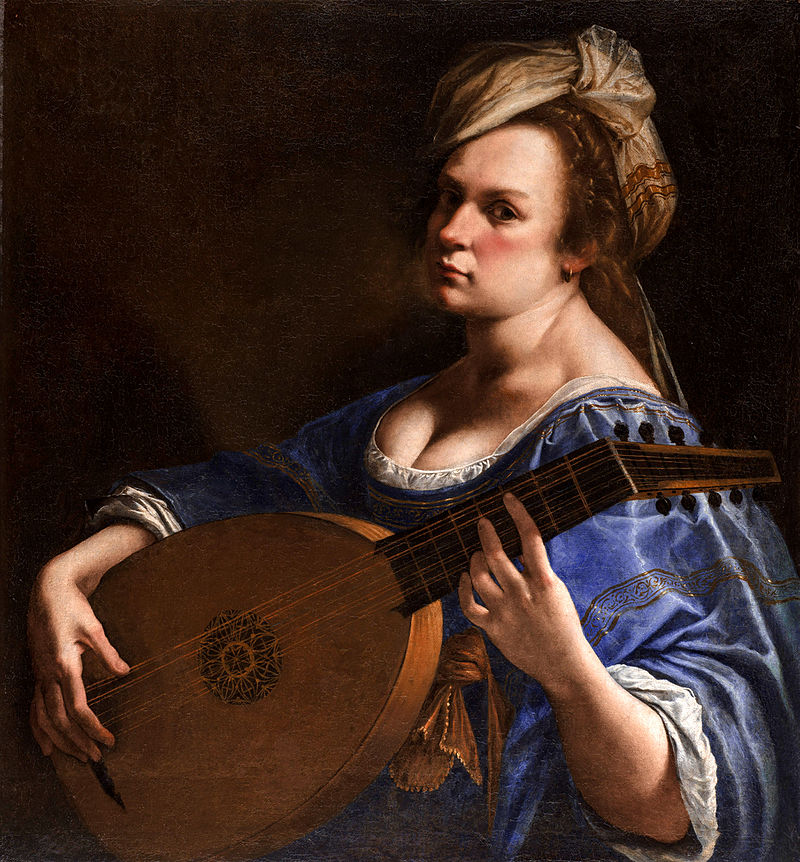
In the pantheon of Baroque art, Artemisia Gentileschi (1593–c.1656) stands apart. She was the first woman to gain admission to Florence’s Accademia delle Arti del Disegno, a painter whose canvases rivaled—and often surpassed—those of her male contemporaries in power, drama, and psychological depth. Like Caravaggio, whose chiaroscuro she adapted and expanded, Gentileschi brought biblical and mythological scenes down to earth, imbuing them with visceral emotion. But her art also carried the weight of personal history: a woman in a man’s world, a survivor of violence, an artist who transformed suffering into greatness.
The Apprentice
Artemisia was born in Rome in 1593, the daughter of painter Orazio Gentileschi. Trained in his studio, she absorbed Caravaggio’s radical naturalism. Her early works reveal the hallmarks of his influence: dramatic contrasts of light and shadow, figures modeled with stark realism, narratives pulsing with immediacy.
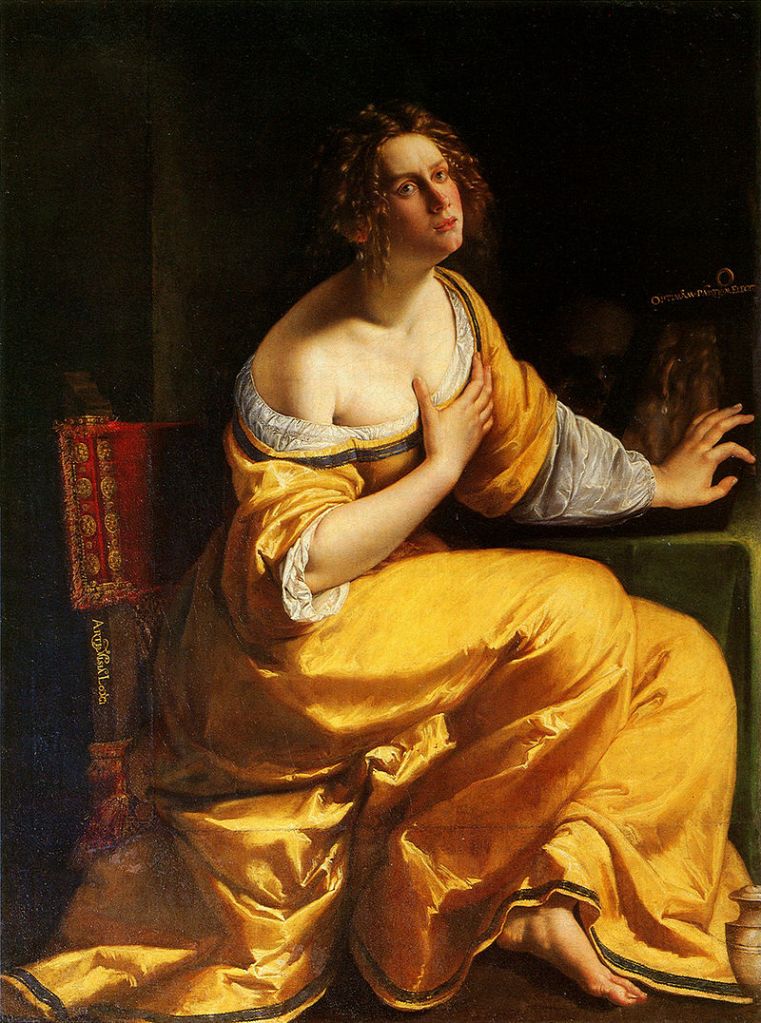
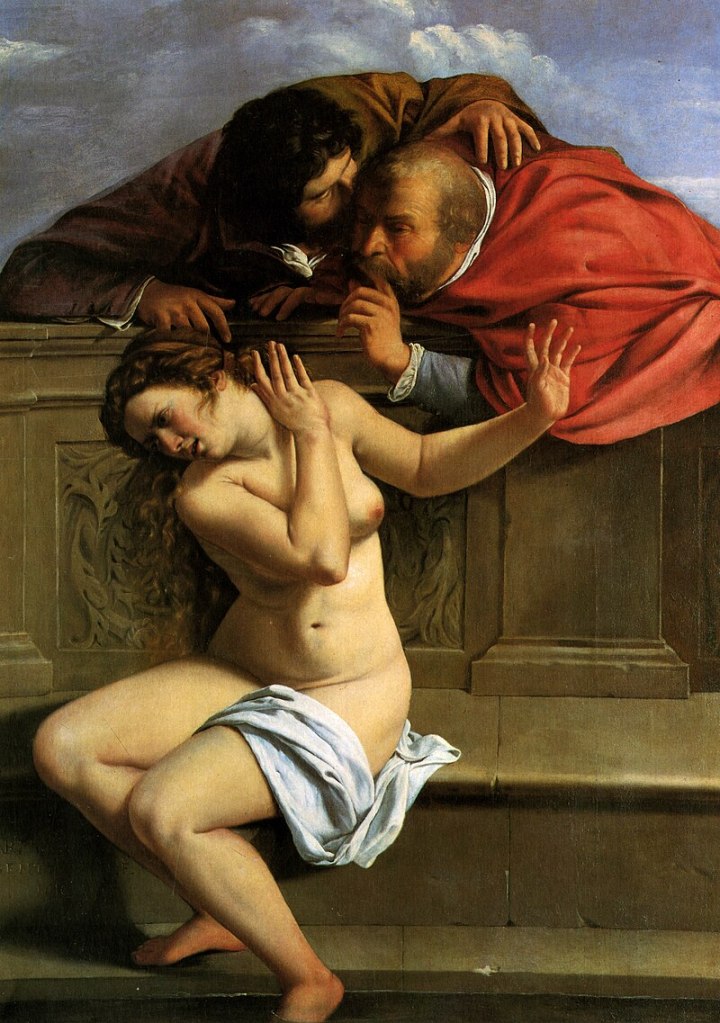
But where Caravaggio often depicted men as protagonists, Artemisia gave her women a commanding presence. From her teenage years, she painted heroines not as passive beauties but as agents of power. Her Susanna and the Elders (1610), painted at just seventeen, shows not a coy seductress but a young woman recoiling in disgust from predatory old men.
Violence and Survival
At eighteen, Artemisia’s life took a devastating turn. She was raped by Agostino Tassi, a colleague of her father’s. The subsequent trial was a public ordeal: Artemisia was subjected to torture to “verify” her testimony, while her assailant largely escaped punishment.
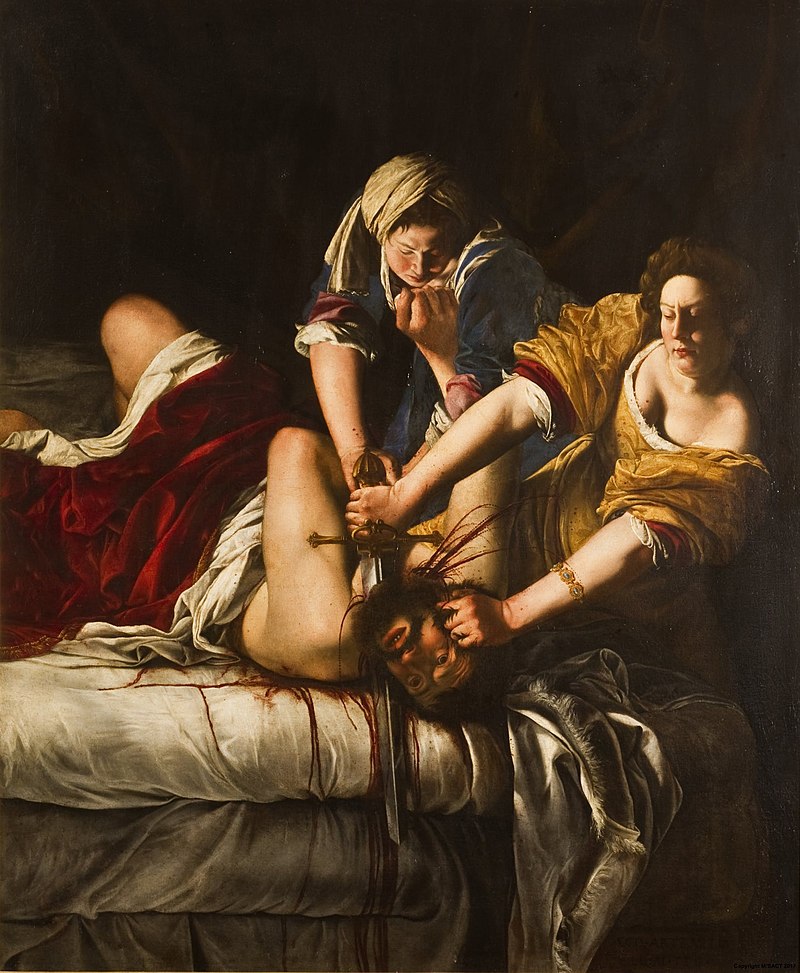
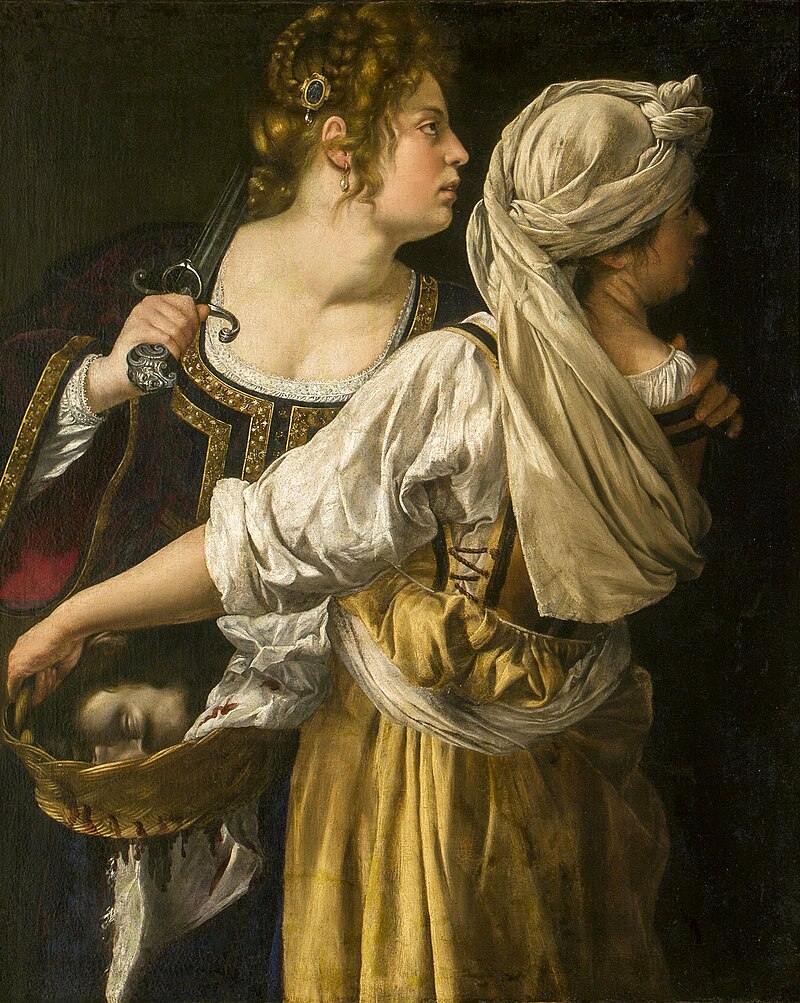
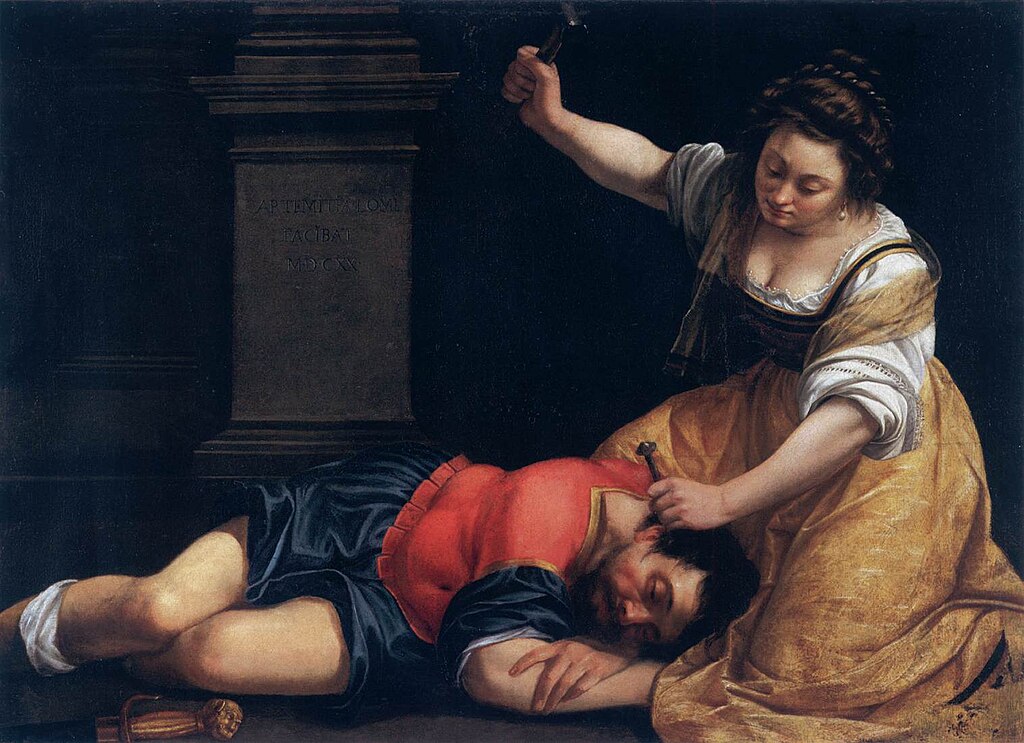
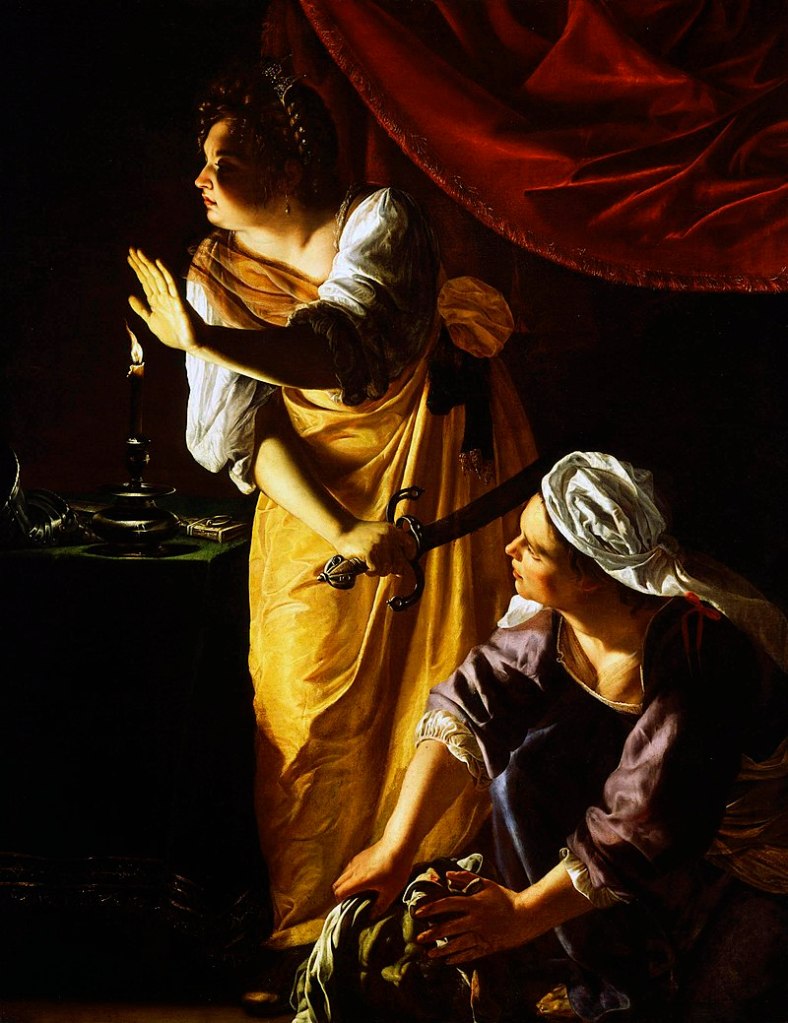
Rather than silence her, the trauma galvanized her art. Themes of female strength, vengeance, and resilience recur in her canvases, most famously in Judith Slaying Holofernes (1614–20). In her hands, Judith is no delicate heroine but a muscular woman, sleeves rolled up, grimly determined as she and her maid behead the Assyrian general. The violence is unflinching, the female agency undeniable.
Triumph in Florence
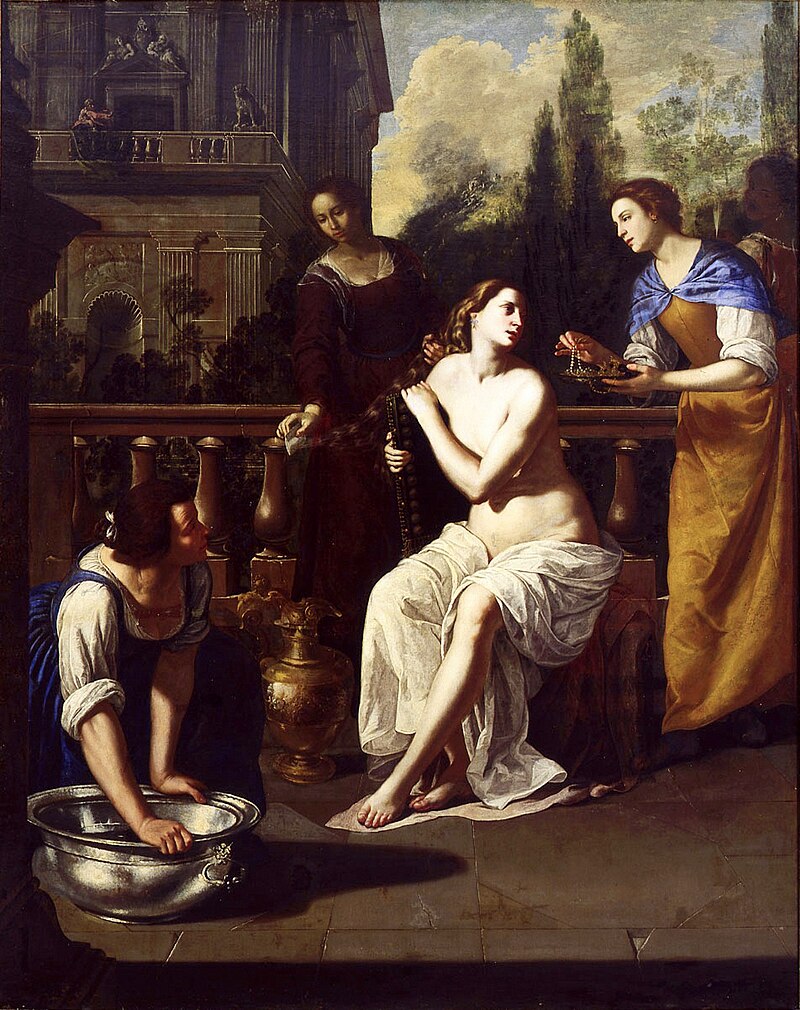
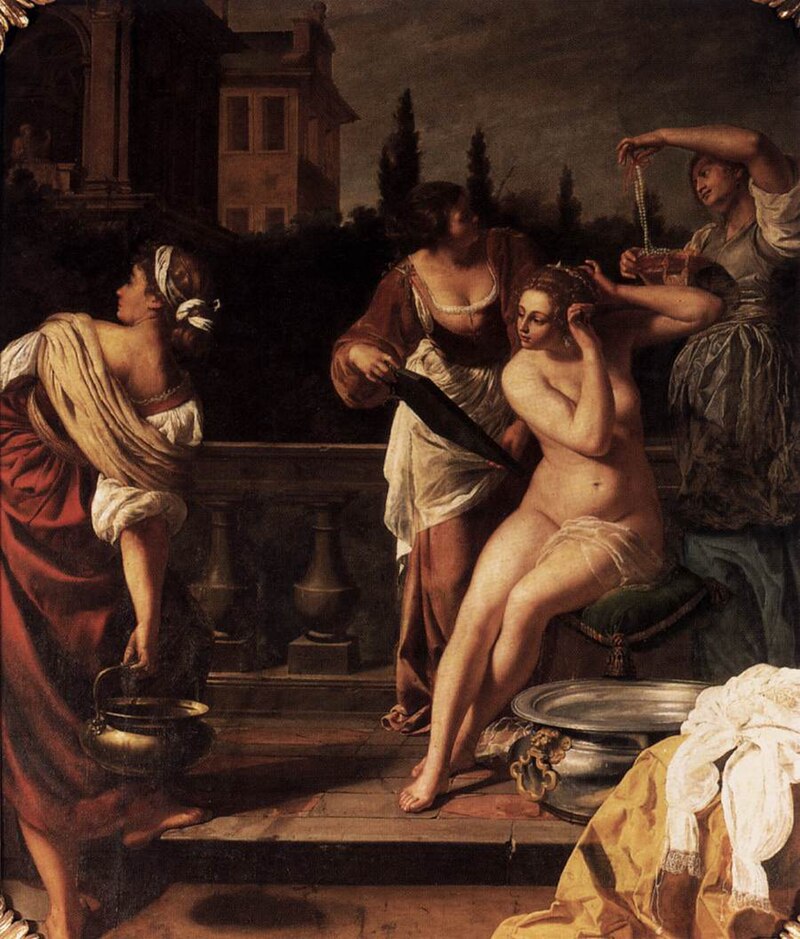
After the trial, Artemisia moved to Florence, where her career flourished. She received commissions from the Medici court, befriended Galileo Galilei, and in 1616 became the first woman admitted to the city’s painters’ guild.
Her Florentine works show both refinement and ambition: allegories, portraits, and mythological scenes that balance Caravaggist intensity with her own sensibility. Unlike many contemporaries, she insisted on being paid commensurate with her male peers, negotiating contracts and defending her professional status.
Masterpieces of Power
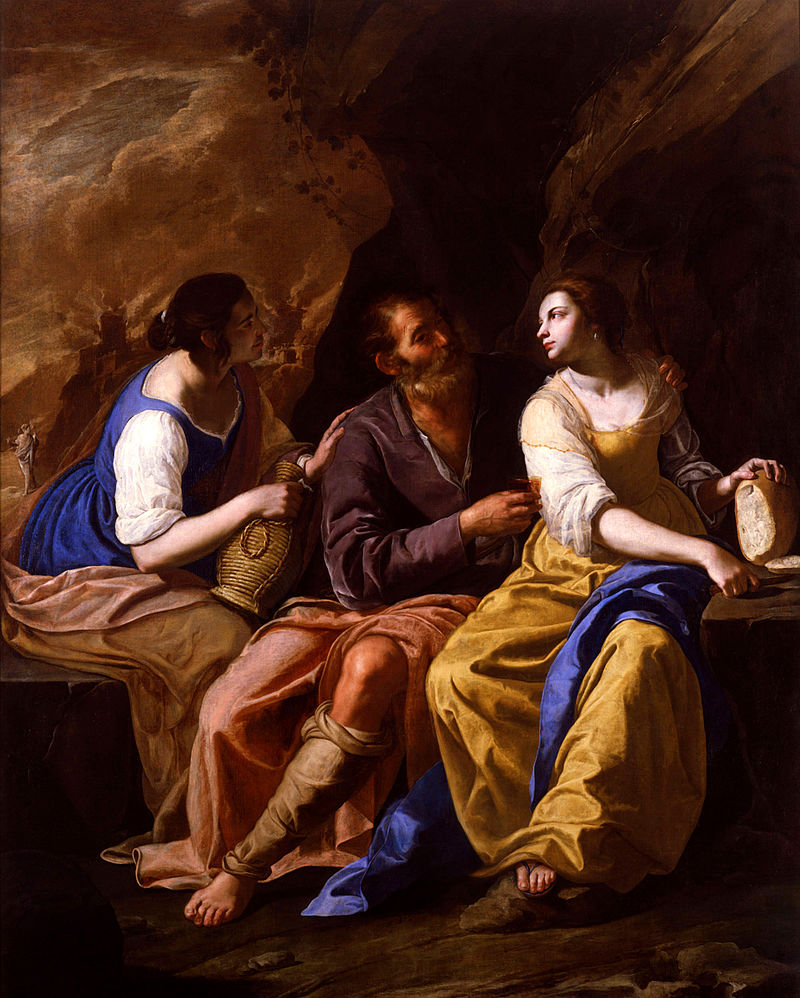
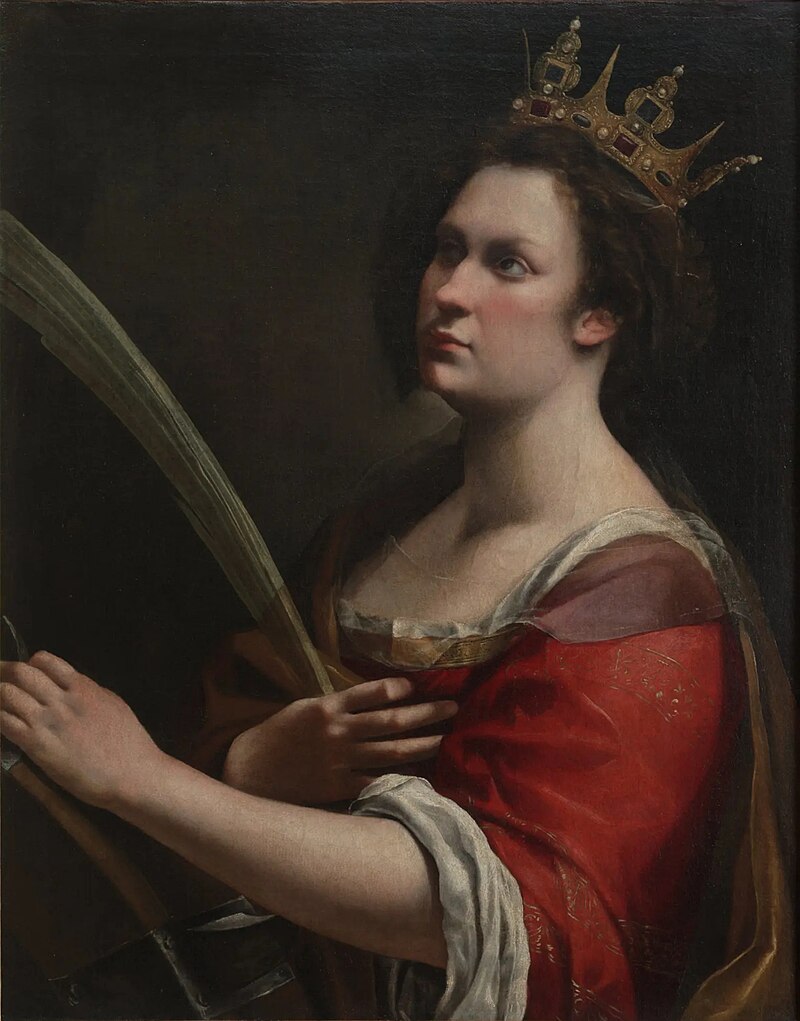
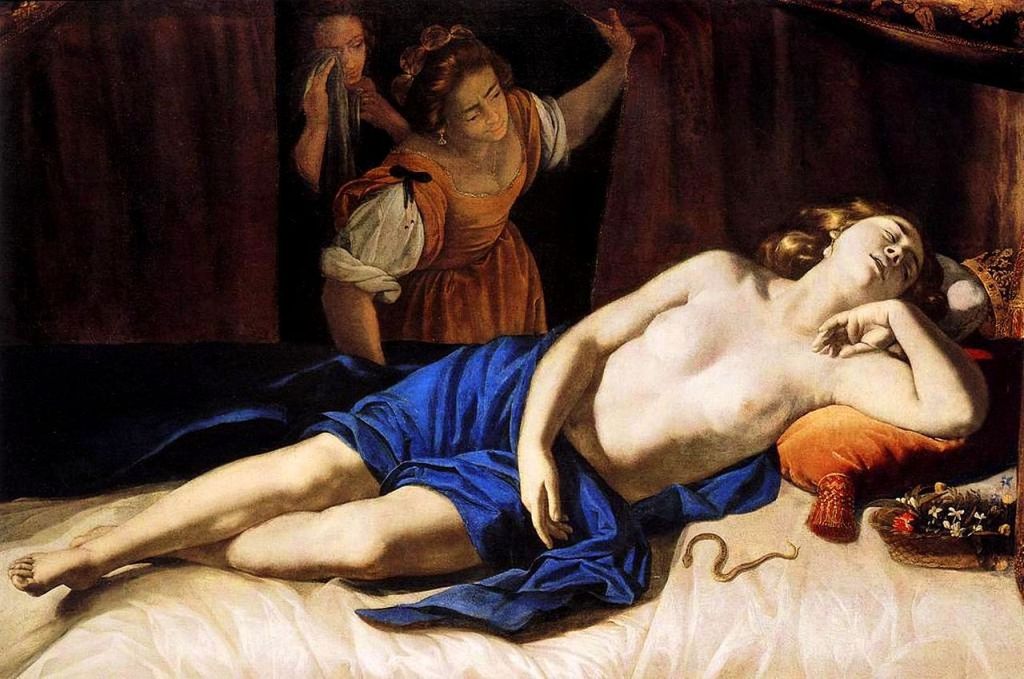
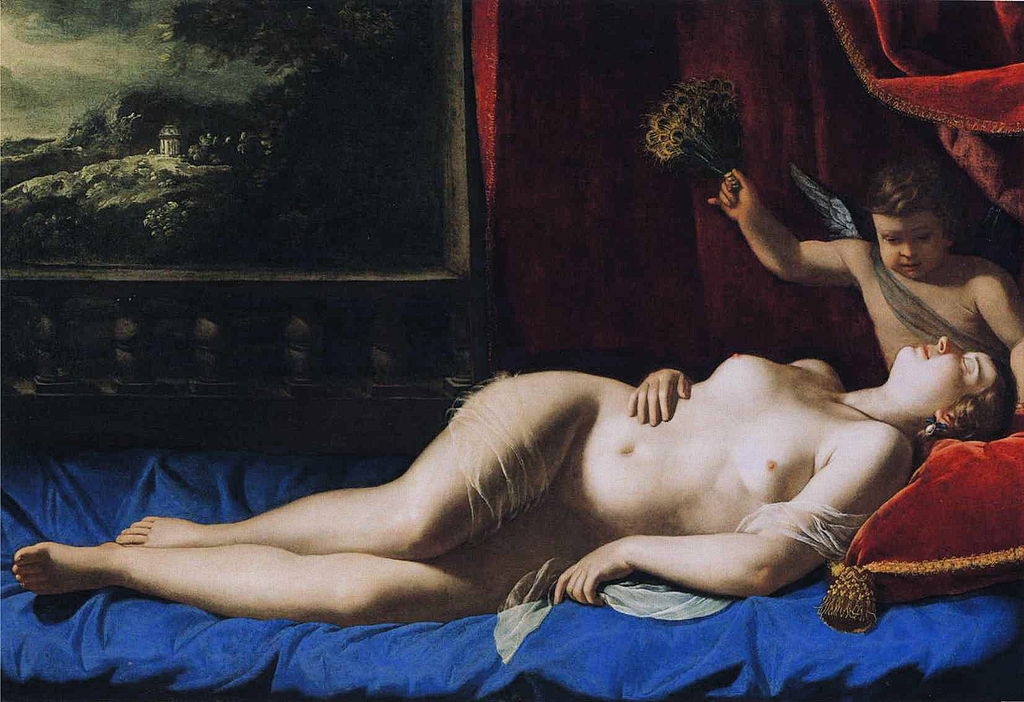
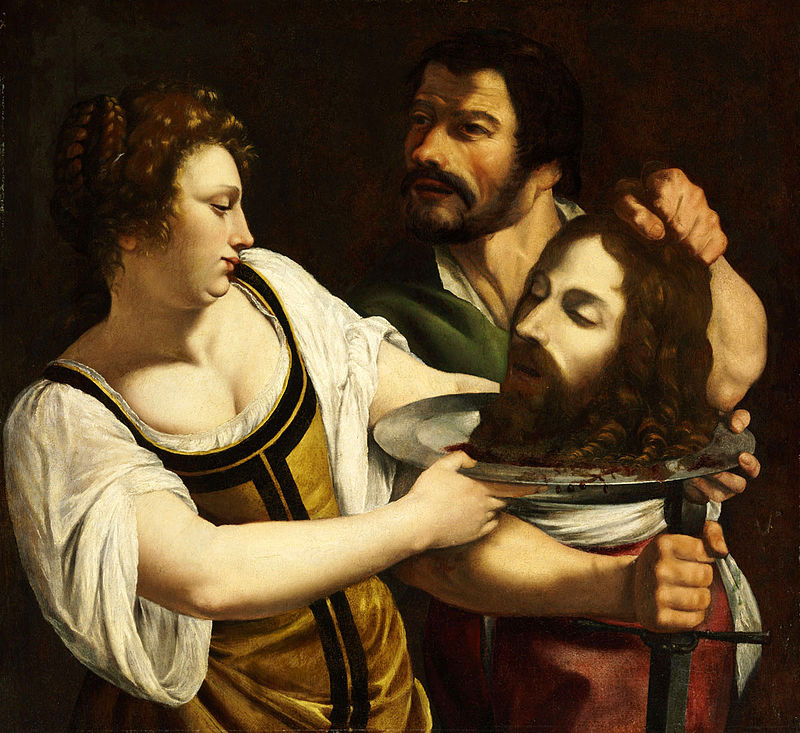
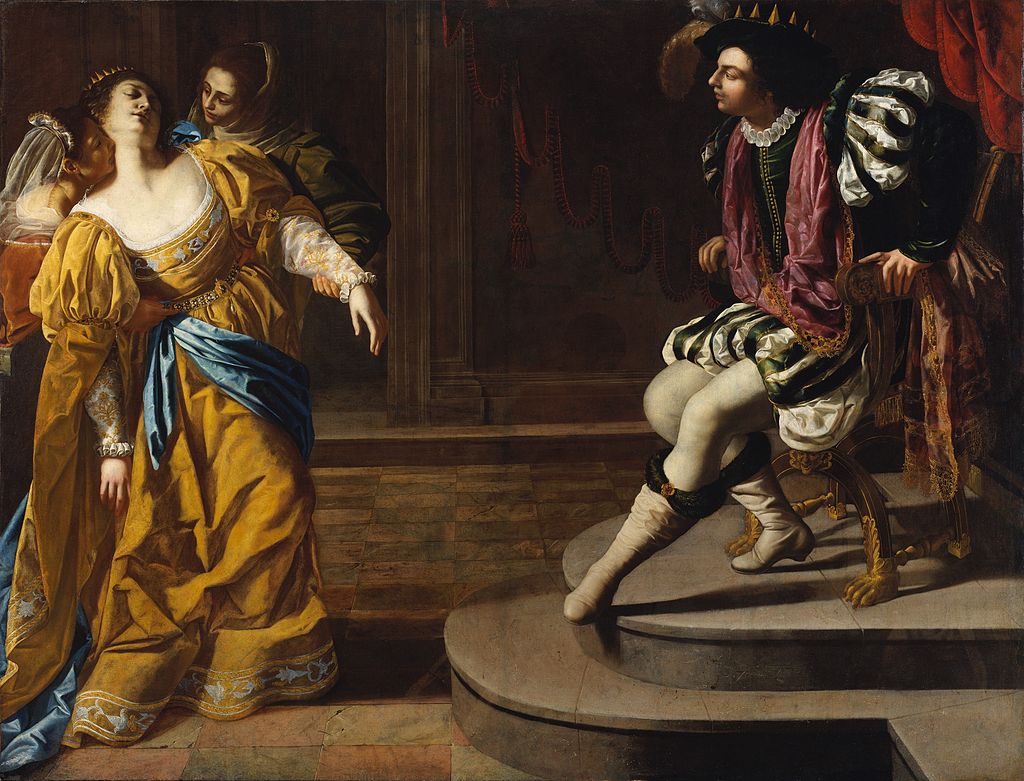
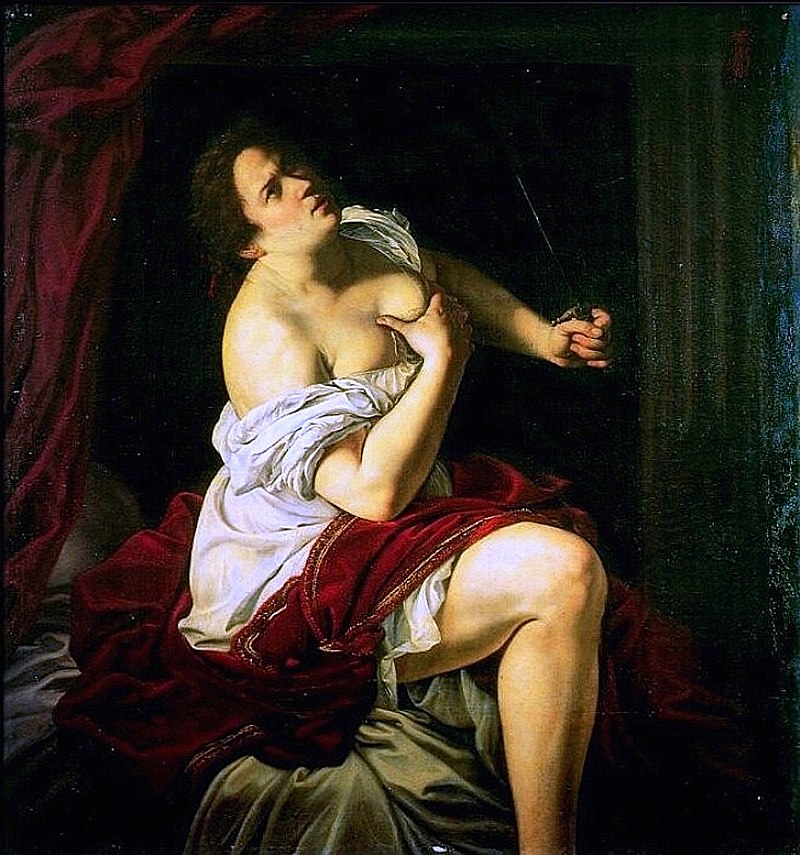
Throughout her career, Artemisia returned to the stories of strong women: Judith, Susanna, Cleopatra, Esther, Lucretia. In her paintings, these figures are not ornamental but active, embodying courage, intellect, and defiance.
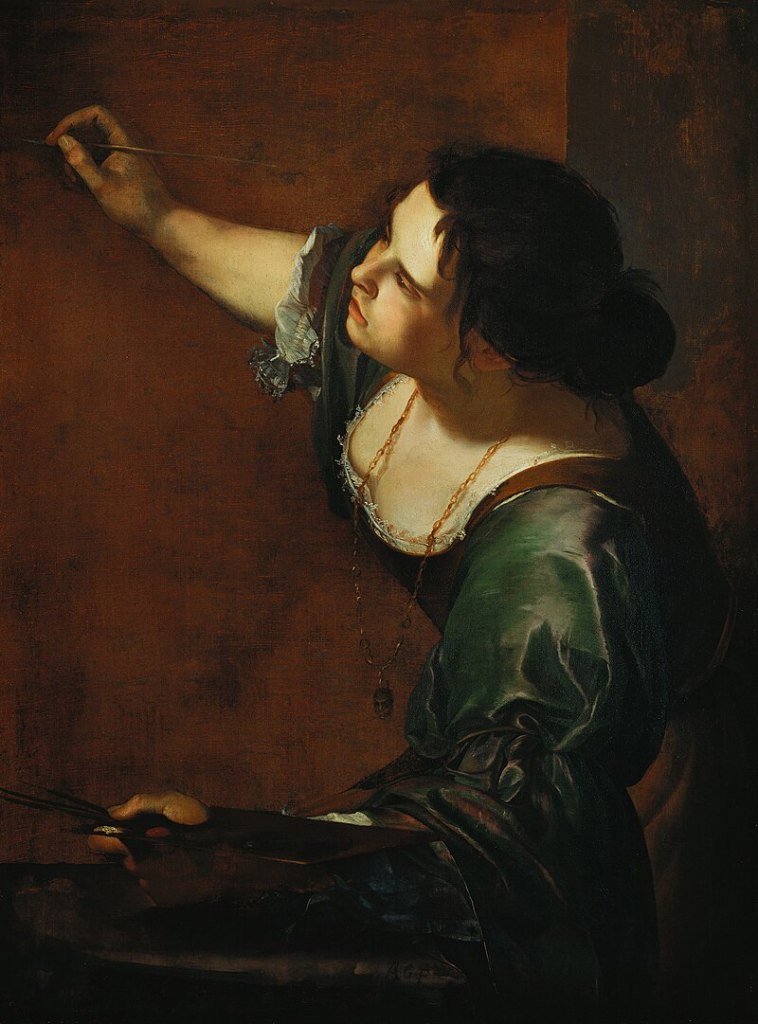
Her Self-Portrait as the Allegory of Painting (1638–39) is a bold statement of identity: Artemisia presents herself as the very personification of her art, palette in hand, hair tousled, caught in the act of creation. In an era when women were often relegated to muses, she declared herself the creator.
Later Years and Rediscovery
Artemisia’s later years took her to Naples and London, where she worked alongside her father on commissions for the court of Charles I. Her reputation endured during her lifetime, but after her death around 1656, she slipped into relative obscurity—her works misattributed to men, her significance diminished.
It was not until the twentieth century that scholars and curators revived interest in her oeuvre. Feminist art historians championed her as a symbol of resilience, while major exhibitions—from Florence to London to Los Angeles—restored her place in the canon. Today, Artemisia is celebrated not only as a great woman artist, but as one of the great artists, full stop.
Legacy
Artemisia Gentileschi’s legacy lies in her refusal to accept limitation. She painted women with agency, dignity, and ferocity at a time when society sought to silence them. She proved that genius was not confined by gender, and that art could emerge from suffering without being defined by it.
Her canvases remain electric, centuries later: the blood spurting in Judith Slaying Holofernes, the defiance in Susanna, the pride of her self-portrait. They are reminders that art is not just beauty but power, not just reflection but resistance.
Suggested Works to Explore
- Susanna and the Elders (1610) – Schloss Weißenstein Collection, Germany
http://www.kunstsammlungen.de - Judith Slaying Holofernes (1614–20) – Uffizi Gallery, Florence
http://www.uffizi.it - Self-Portrait as the Allegory of Painting (1638–39) – Royal Collection, London
http://www.rct.uk - Cleopatra (1611–12) – Private collection, often exhibited in major retrospectives
http://www.metmuseum.org - Esther Before Ahasuerus (c. 1628–30) – Metropolitan Museum of Art, New York
http://www.metmuseum.org - Lucretia (c. 1621) – Neues Palais, Potsdam
http://www.spsg.de
Discover more from My World of Interiors
Subscribe to get the latest posts sent to your email.

