
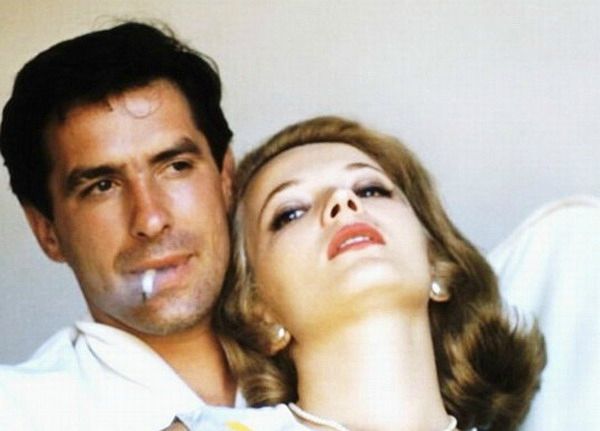
The history of American independent cinema cannot be told without the names Gena Rowlands and John Cassavetes. Together, they created a body of work that redefined what film could do: raw, intimate, psychologically fearless. Their partnership—artistic and marital—was marked by intensity and experimentation, yielding films that exposed the fragile seams of love, madness, and everyday existence.
Meeting of Two Worlds
John Cassavetes was already an actor in Hollywood when he met Gena Rowlands in the mid-1950s. Handsome, mercurial, restless, he was known for his roles in television dramas and studio pictures. But he was dissatisfied with Hollywood’s formulas, yearning for something more personal.
Rowlands, born in Madison, Wisconsin, and trained at the American Academy of Dramatic Arts in New York, was the daughter of a banker and a housewife who raised her with Midwestern steadiness. On stage and screen, however, she revealed an astonishing range: elegant yet unpredictable, glamorous yet utterly real.
They married in 1954. What followed was not just a life together, but an enduring collaboration that would place both at the center of America’s cinematic avant-garde.
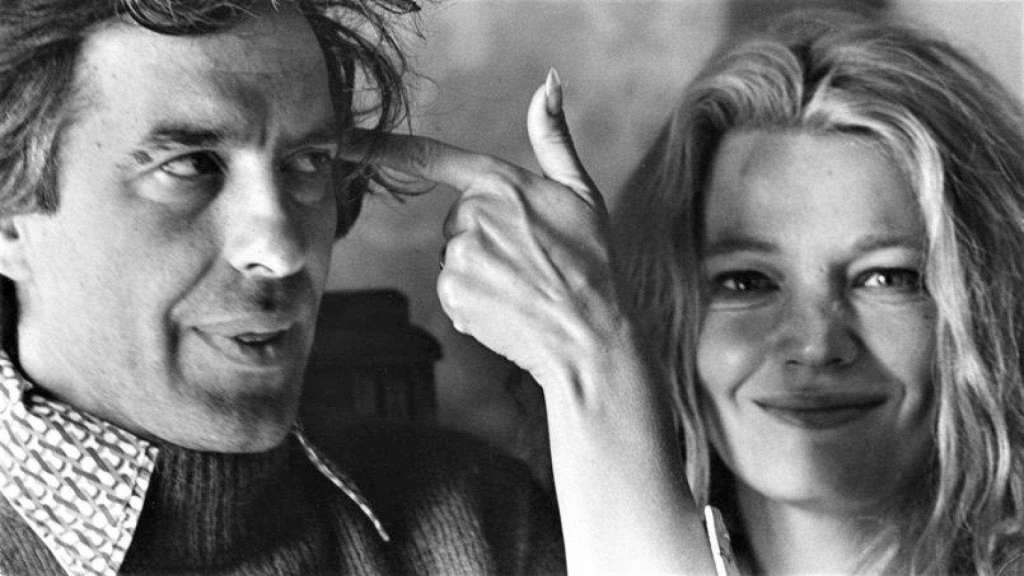
Cassavetes’s Vision
Cassavetes’s dissatisfaction with Hollywood drove him to create films outside the studio system. Beginning with Shadows (1959), made with friends and financed by his own earnings as an actor, he pioneered an improvisational style that blurred the line between documentary and fiction. His approach was radical: allow actors freedom, embrace spontaneity, privilege emotional truth over polished form.
Rowlands became his muse, collaborator, and co-conspirator. Her willingness to inhabit characters fully—to expose vulnerability, rage, desire, even madness—matched Cassavetes’s vision of cinema as a mirror held up to life’s chaos.
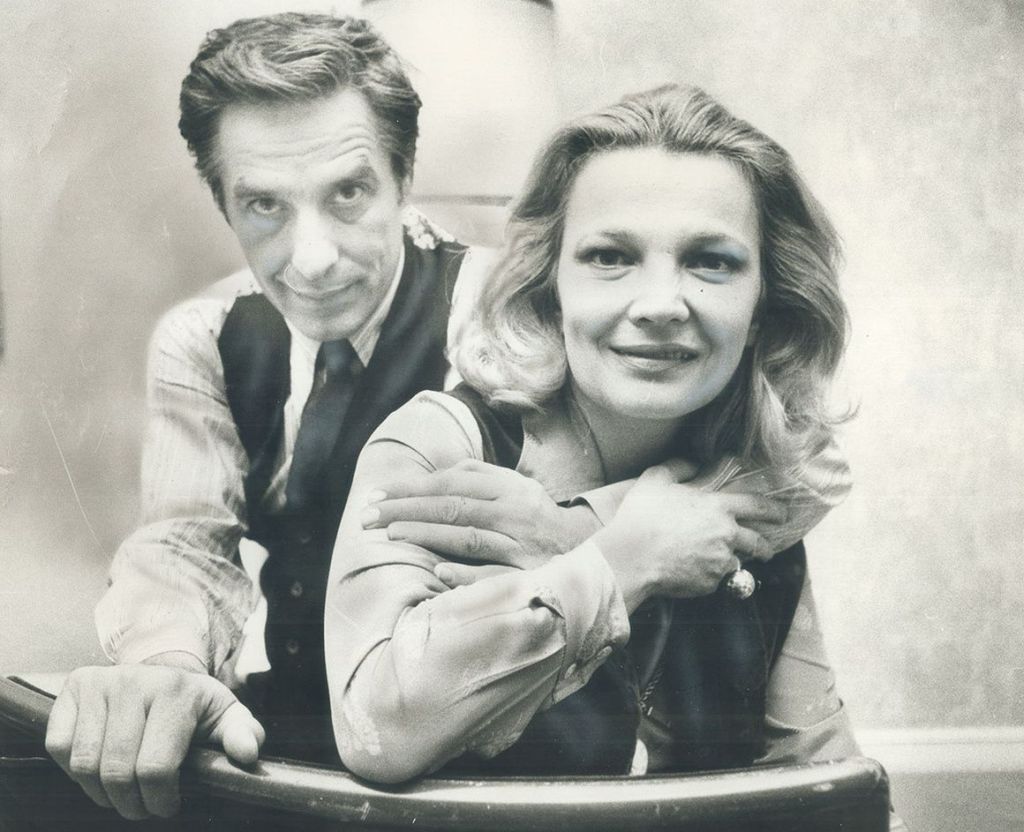
Gena Rowlands: The Fearless Actress
Rowlands’s performances under Cassavetes’s direction are among the most searing in American film. In A Woman Under the Influence (1974), she played Mabel Longhetti, a housewife unraveling under the weight of domestic expectation and mental instability. The performance, volatile and heartbreaking, earned her an Academy Award nomination and remains one of the greatest portrayals of mental illness on screen.
In Opening Night (1977), Rowlands embodied Myrtle Gordon, an actress confronting aging, mortality, and artistic doubt. Again, her performance blurred life and art, drawing on Rowlands’s own experience as a middle-aged woman in an industry fixated on youth.
Rowlands brought glamour, intelligence, and bravery to these roles. Where many actresses of her era were constrained by typecasting, she expanded the possibilities of female performance—complex, contradictory, uncontainable.
Marriage as Laboratory
Their marriage was the crucible for this artistic alchemy. Cassavetes often wrote roles with Rowlands in mind, tailoring scripts to her voice, her instincts, her emotional daring. She, in turn, trusted his process, even when it demanded punishing honesty.
Theirs was not a simple union. Friends recall volatile arguments, long stretches of financial uncertainty, and Cassavetes’s drinking. Yet the friction fueled the work. Their home in Los Angeles became a kind of workshop: friends, fellow actors, and collaborators like Peter Falk and Ben Gazzara cycling in and out, rehearsing, improvising, filming.
Redefining Independent Cinema
Cassavetes’s films with Rowlands were not commercial hits, but they became lodestars for independent cinema. Works like Faces (1968), Husbands (1970), A Woman Under the Influence (1974), and Opening Night (1977) showed that movies could be made outside the studio, with personal financing, handheld cameras, and actor-driven stories.
Their impact is visible in later auteurs: Martin Scorsese, John Sayles, Jim Jarmusch, Richard Linklater, the Safdie Brothers—all owe a debt to Cassavetes’s insistence that cinema could be intimate, messy, and alive.
Rowlands’s influence, too, is profound. Actresses from Meryl Streep to Julianne Moore to Cate Blanchett have cited her fearlessness as a model.
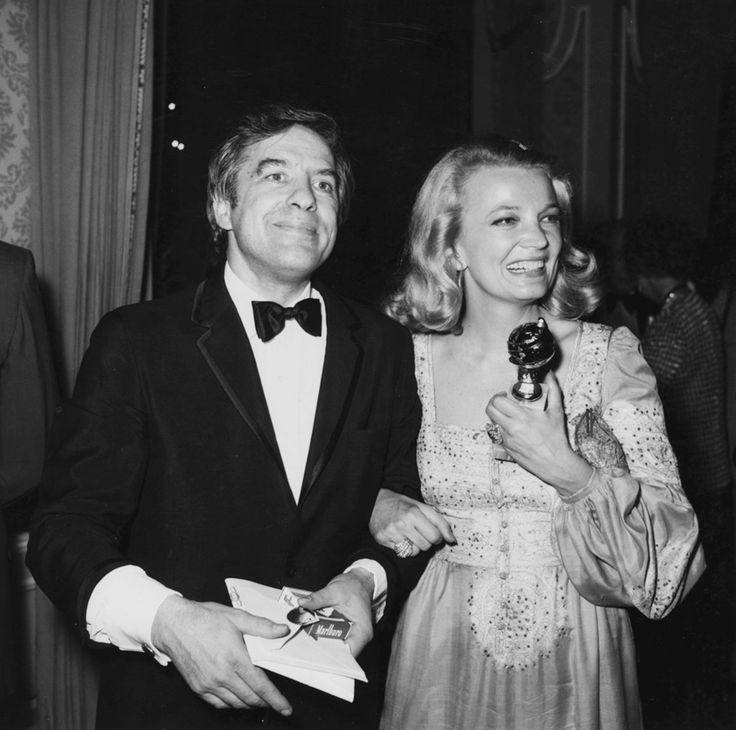
The Final Years
Cassavetes died in 1989 at just 59, his health destroyed by alcohol. By then, he and Rowlands had completed a remarkable arc: over three decades, they had built a cinematic language of their own.
Rowlands continued acting, working with directors such as Woody Allen (Another Woman), Jim Jarmusch (Night on Earth), and her son, Nick Cassavetes (The Notebook). In each role, her trademark intensity and emotional precision remained.
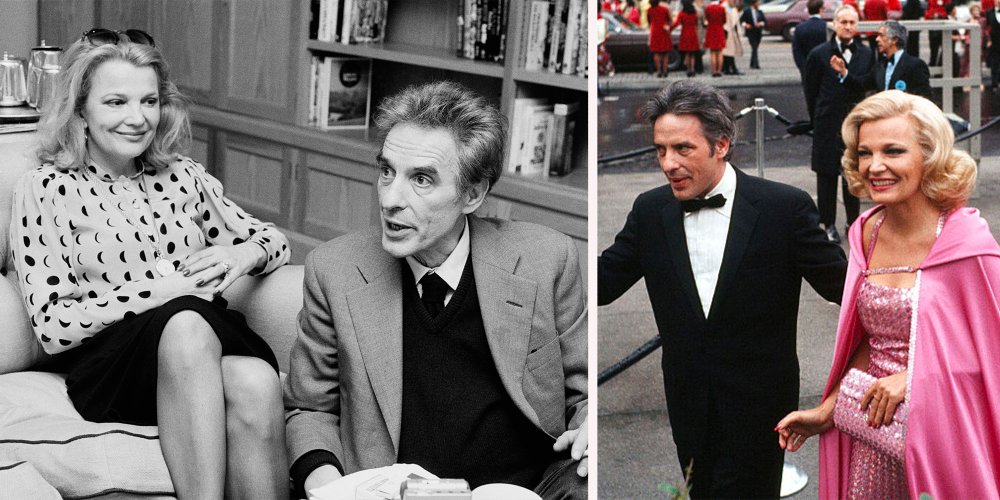
Legacy of a Partnership
The legacy of Rowlands and Cassavetes is inseparable. He gave her the roles that stretched cinema’s portrayal of women; she gave him the performances that turned his theories into visceral reality. Together, they redefined American film as an art form of emotion rather than artifice.
Their work reminds us that cinema at its best is not about spectacle but about the messy, unresolvable truth of being human. In the cracked voices, awkward silences, and sudden bursts of rage and tenderness captured on their films, we glimpse life itself—unpolished, uncontained, unforgettable.
Essential Viewing
- Shadows (1959) – Cassavetes’s debut, an improvisational portrait of interracial relationships in New York.
http://www.criterion.com - Faces (1968) – Marital breakdown captured in excruciating intimacy.
http://www.criterion.com - A Woman Under the Influence (1974) – Rowlands’s landmark performance as Mabel Longhetti.
http://www.criterion.com - Opening Night (1977) – A meta-drama of an actress confronting mortality and meaning.
http://www.criterion.com - Gloria (1980) – Rowlands as a tough, gun-toting protector of a young boy, blending noir grit with maternal ferocity.
http://www.criterion.com - Love Streams (1984) – Cassavetes’s late masterpiece, with both he and Rowlands in devastating form.
http://www.criterion.com
Discover more from My World of Interiors
Subscribe to get the latest posts sent to your email.

