
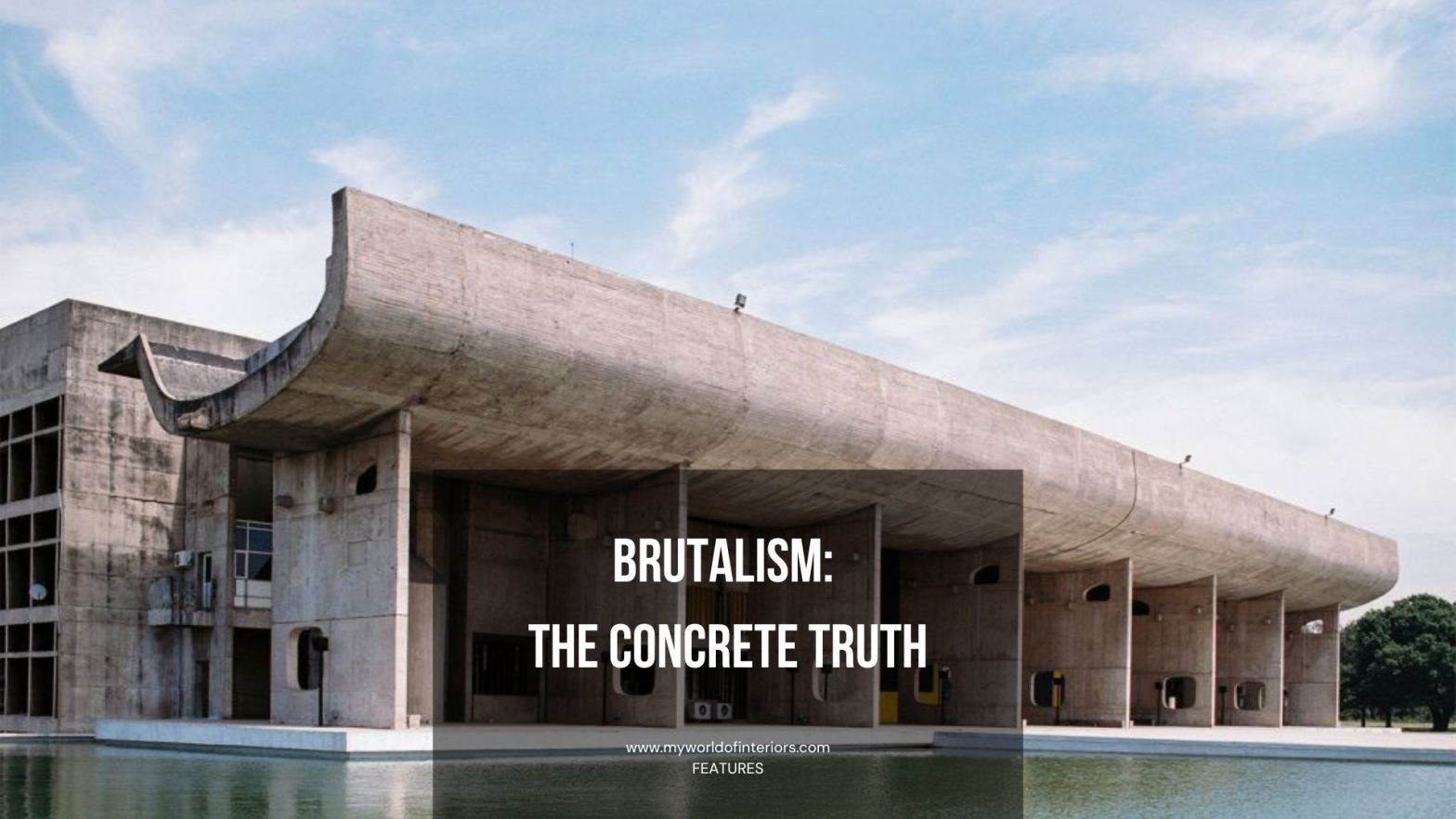
Born in the mid-twentieth century, Brutalism’s structures rose in raw concrete, monumental and uncompromising, shaped by ideals as much as by materials. To its defenders, Brutalism represented honesty — a moral and aesthetic rejection of ornament in favor of truth-to-material. To its critics, it was a dystopian imposition of weight and severity. Few architectural styles have been so passionately debated, so widely misunderstood, or so persistently re-evaluated.
Origins in Postwar Europe
The term “Brutalism” derives not from brutality, but from béton brut — Le Corbusier’s phrase for “raw concrete.” It was in the postwar era, amid cities devastated by bombing and populations displaced, that architects sought a new architectural expression adequate to a world remade. Ornamented façades, with their historicist pretenses, felt out of place in the rubble of London, Berlin, or Tokyo. Concrete, by contrast, was abundant, malleable, and starkly modern.
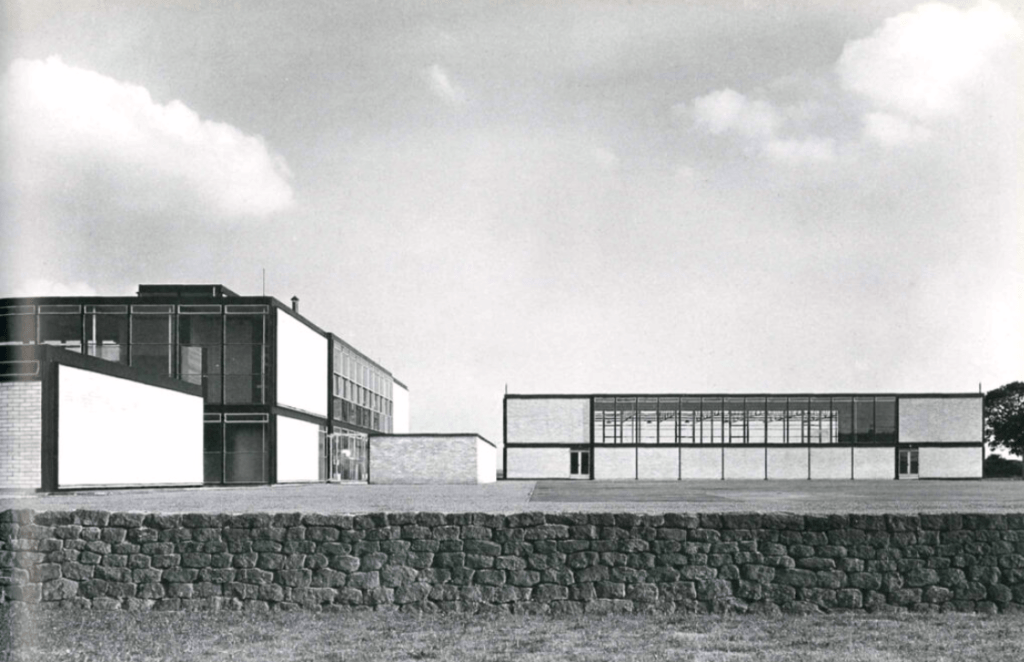
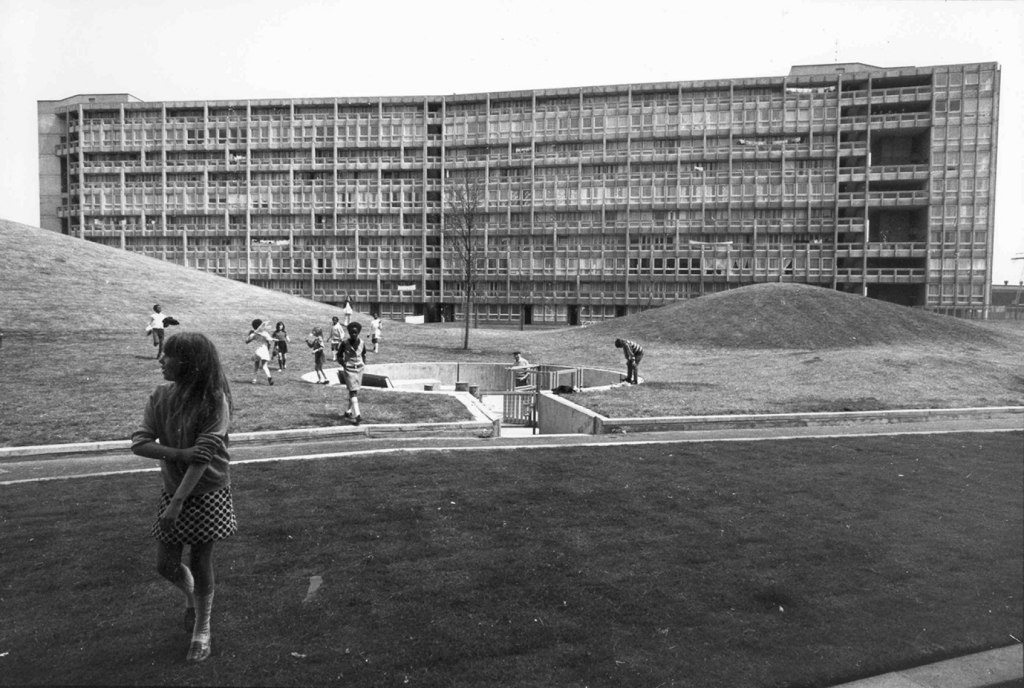
British architects Alison and Peter Smithson articulated the ethos in the early 1950s: buildings that revealed their structure, expressed their social function, and embraced the aesthetic of exposed concrete. Their Hunstanton School (1954) and Robin Hood Gardens (1972) became touchstones of the movement. Brutalism, in their conception, was less a style than an ethic: buildings should be “truthful,” stripped of artifice, designed for the social needs of the community.
A Global Language
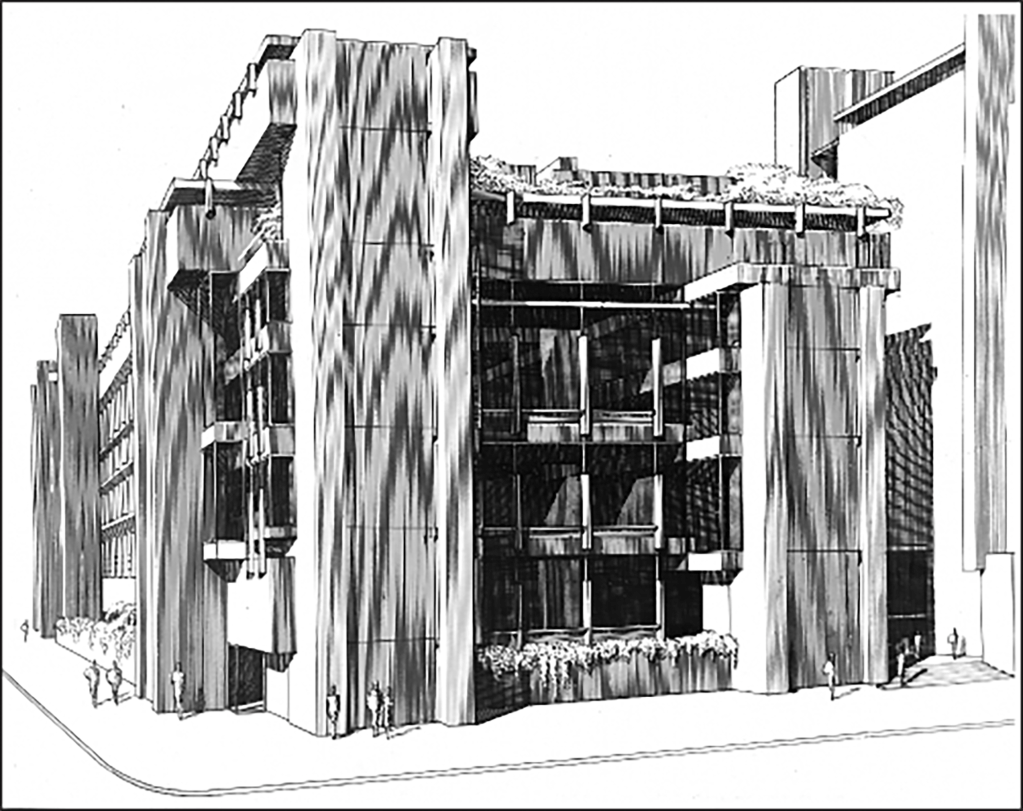
Brutalism quickly became an international idiom. In the United States, Paul Rudolph’s Yale Art & Architecture Building (1963) and Marcel Breuer’s Whitney Museum (1966) gave the style a muscular intellectualism, with fortress-like exteriors housing spaces for cultural inquiry. In Japan, Kenzo Tange fused Brutalism with a strain of Metabolism, as in the Yoyogi National Gymnasium (1964). In India, Le Corbusier’s Chandigarh Capitol Complex (1950s–60s) offered a vision of monumental civic architecture in a newly independent nation.
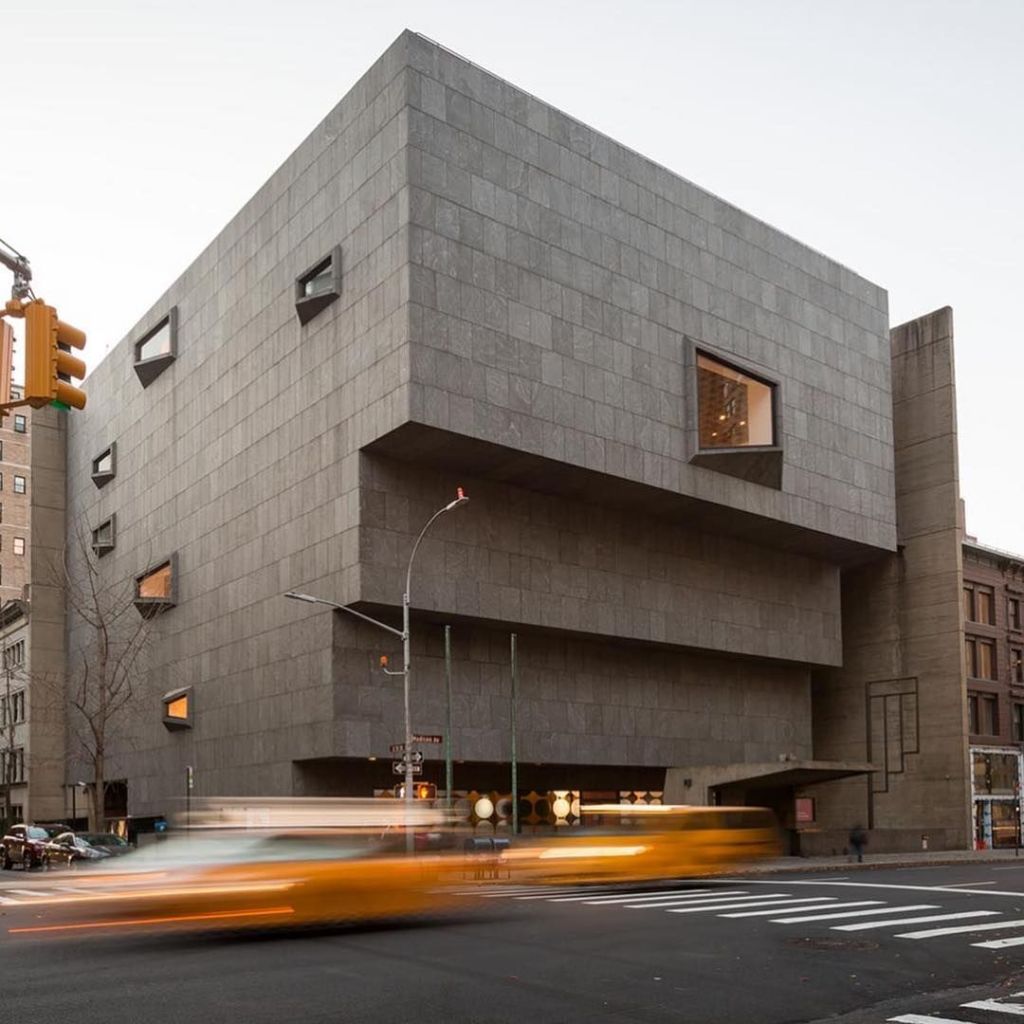
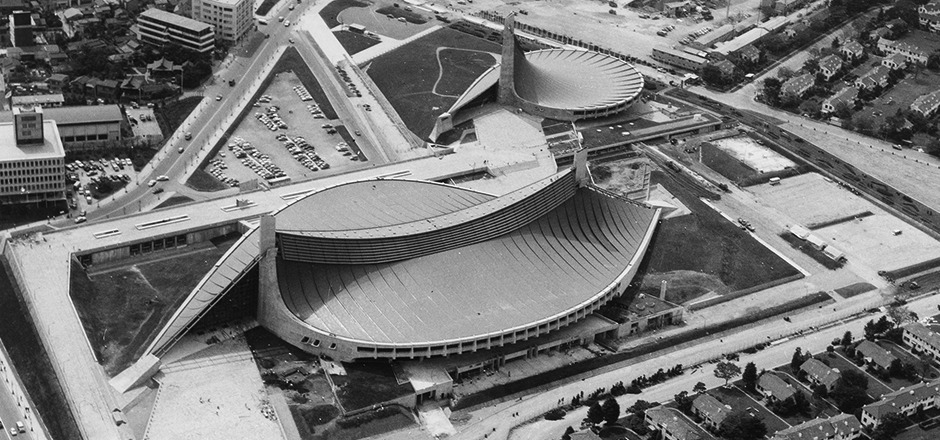
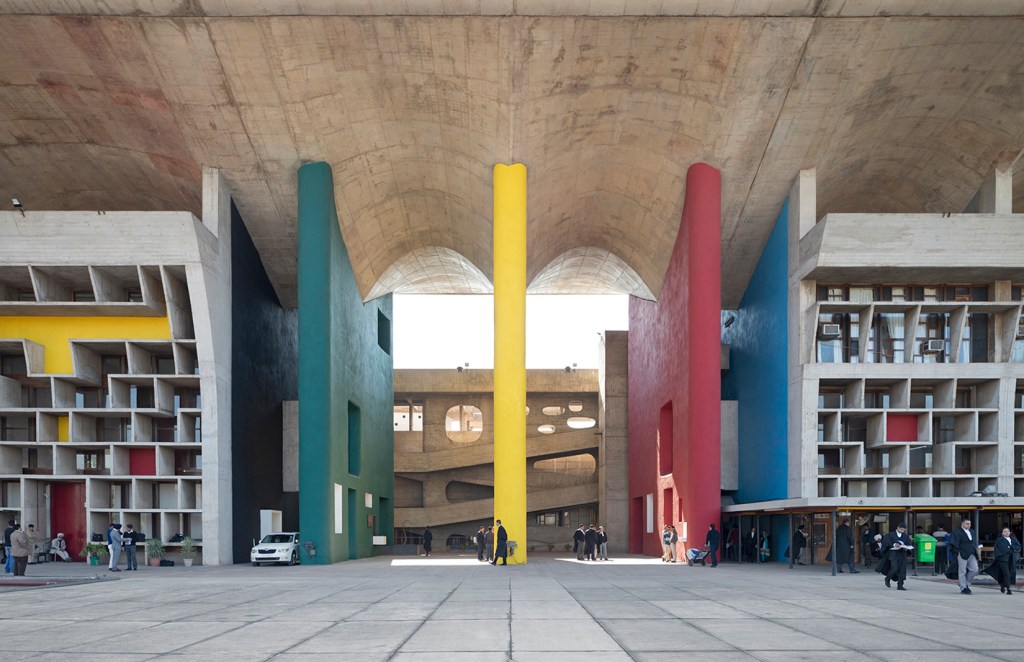
From universities and government complexes to social housing and libraries, Brutalism became a symbol of mid-century optimism: a belief that architecture could embody collective values, that buildings could serve as civic monuments for ordinary people.
Material Honesty and Aesthetic Severity
At its core, Brutalism was about material truth. Concrete was not to be hidden or polished; it bore the imprint of wooden formwork, the seams of its casting, the weathering of time. For Brutalist architects, this honesty was not just aesthetic but ethical: buildings should show how they were made, in contrast to the polished veneers of corporate modernism.
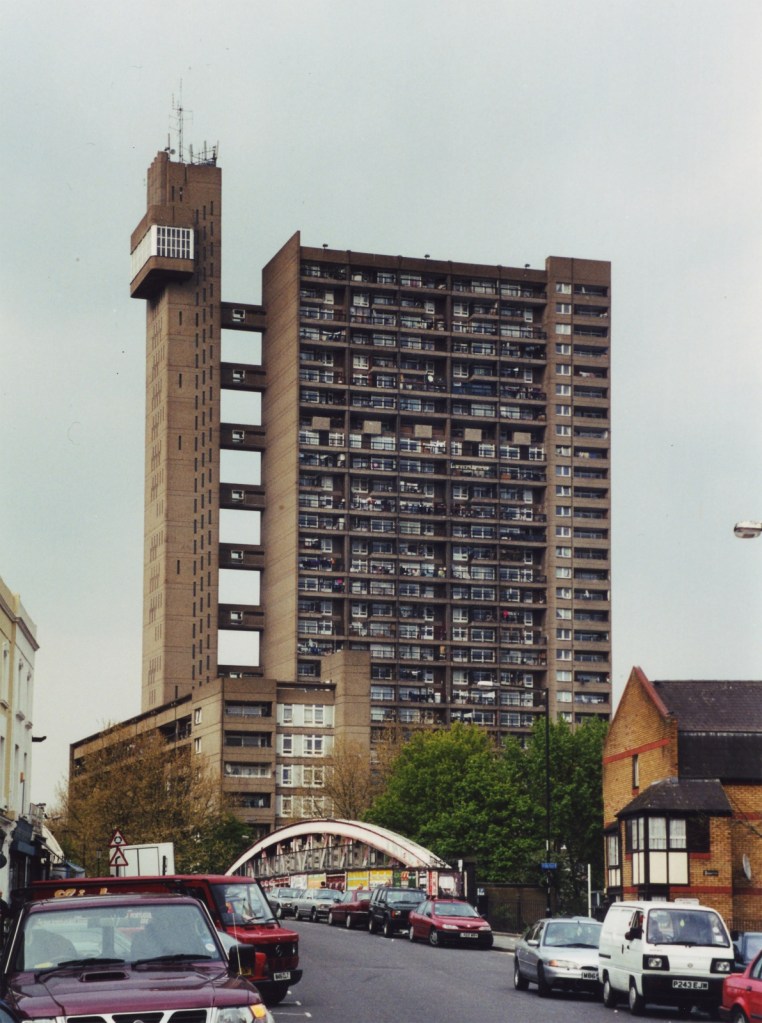
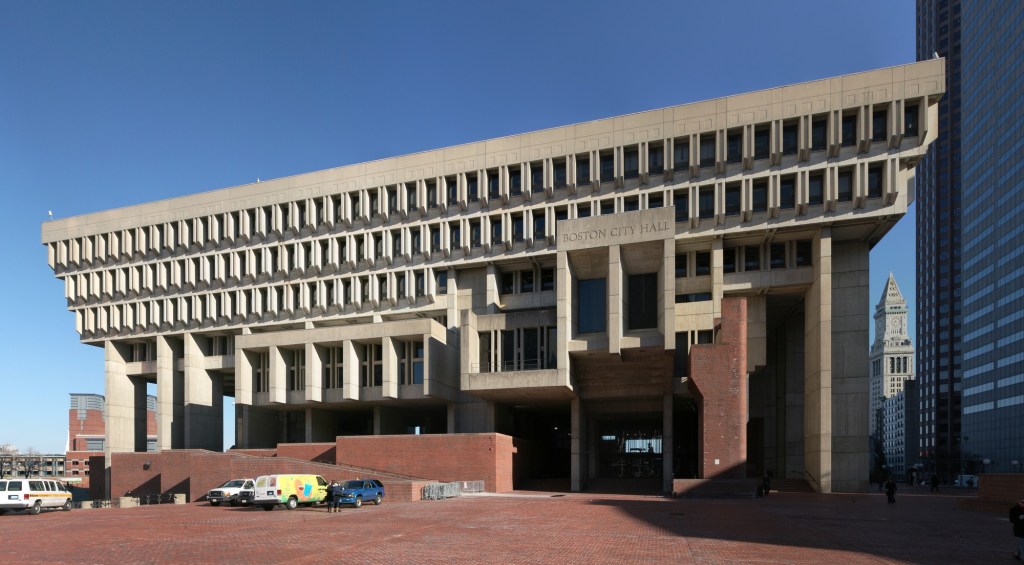
Yet this rawness gave Brutalism its ambivalent reception. To some, its massive geometries embodied dignity and permanence. To others, they felt alienating, oppressive, even violent. Critics decried housing estates like London’s Trellick Tower or Boston’s City Hall as urban blight, monuments to failed social planning. By the late 1970s, Brutalism was already under siege, derided as “inhuman” or “ugly,” and many of its buildings began to fall to demolition.
Reappraisal and Afterlife
In recent decades, Brutalism has undergone a striking reappraisal. Younger generations of architects, historians, and cultural critics have rediscovered its radicalism and beauty. Digital platforms and photography have helped reframe these buildings: what once looked like monolithic slabs now appear as sculptural experiments in light, shadow, and texture.
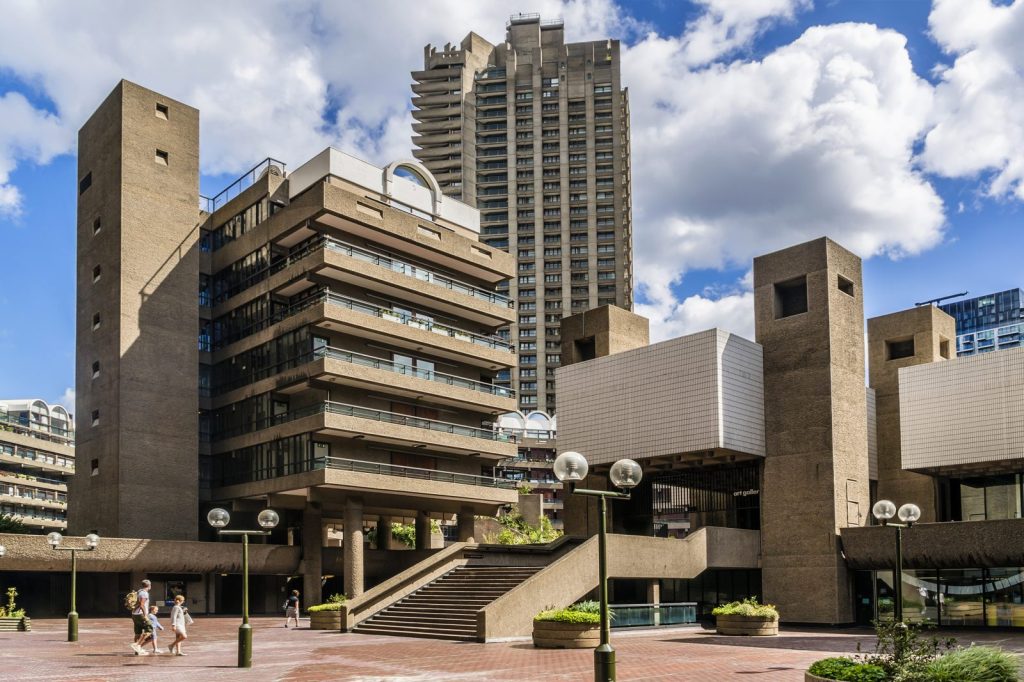
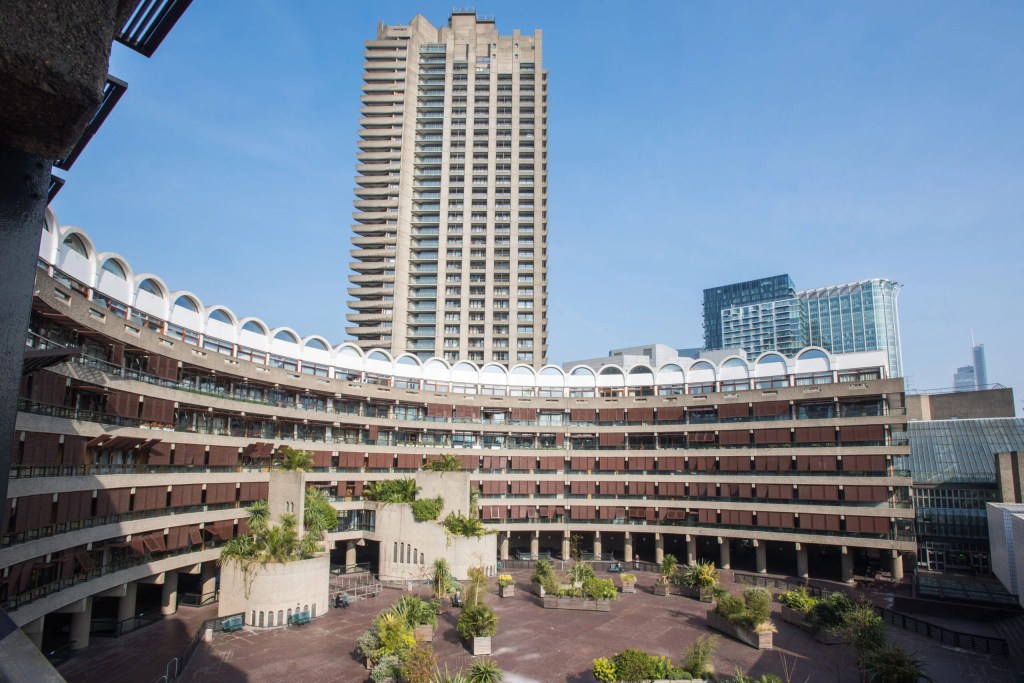
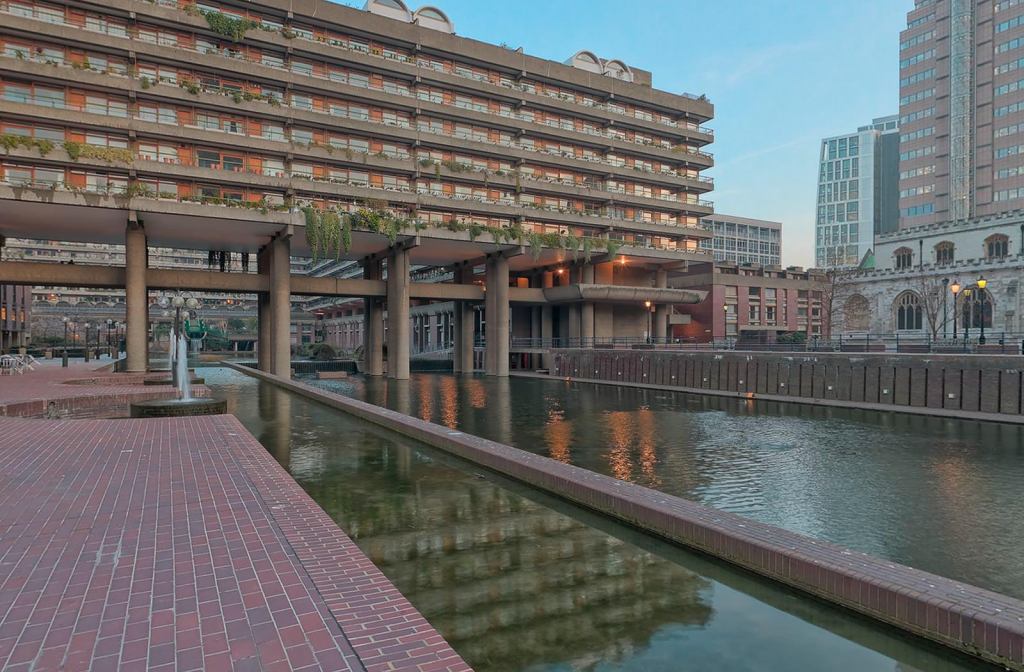
Institutions such as the Barbican Centre in London, once maligned, are now celebrated for their ambitious urban visions. Boston City Hall, formerly despised, is defended as a masterpiece of civic architecture. The preservation battles around Robin Hood Gardens, eventually demolished in 2017, revealed not only the contested politics of housing but also the passionate affection these buildings inspire.
Brutalism’s revival speaks to a broader cultural hunger for authenticity in an age of digital smoothness. Where glass towers proliferate, Brutalist structures stand as relics of a time when architecture dared to be unapologetically material, unapologetically civic.
Brutalism as Social Imaginary
Art historically, Brutalism is more than an architectural style. It represents a social imaginary: a mid-century conviction that architecture could reshape collective life. Its forms drew on the avant-garde legacy of modernism, but its ambitions were deeply political: to build schools, libraries, housing estates, and civic spaces for the masses.
If Gothic cathedrals embodied spiritual aspiration, Brutalist buildings embodied social idealism — concrete as the material of democracy, not privilege. This utopian impulse was often compromised by politics, economics, and neglect, but the ambition remains legible in the buildings themselves: massive, open-armed structures that sought to house not elites but publics.
The Concrete Legacy
Today, Brutalism divides opinion as sharply as ever. For some, it remains the architecture of failed modernism, a relic of urban decay. For others, it is a heritage worth saving, a record of an era when architecture aimed at collective dignity rather than individual luxury.
As an art-historical phenomenon, Brutalism compels because it is unresolved. It sits at the fault line between utopia and dystopia, between optimism and alienation. Its buildings are both monumental and fragile, their survival dependent on shifting tides of taste and preservation.
To walk through a Brutalist complex is to encounter the ambition of mid-century modernity, poured into concrete, weathered by rain, softened by moss. It is to face an architecture that still demands a response — love, hate, awe, resistance — but never indifference.
Brutalism endures because it embodies architecture’s perennial tension: the desire to be both functional and visionary, both shelter and symbol. In its raw concrete surfaces, we glimpse not only the history of the twentieth century but also the unresolved future of architecture itself.
Discover more from My World of Interiors
Subscribe to get the latest posts sent to your email.

