Category: History
-
Everything Flows: Who We Are According to Heraclitus
He wrote one book, deposited it in the temple of Artemis at Ephesus, and walked into the mountains. What survives of the book is approximately a hundred and thirty fragments — sentences, half-sentences, paradoxes, riddles — that have been puzzling serious readers for two and a half thousand years. He is the most difficult and…
-
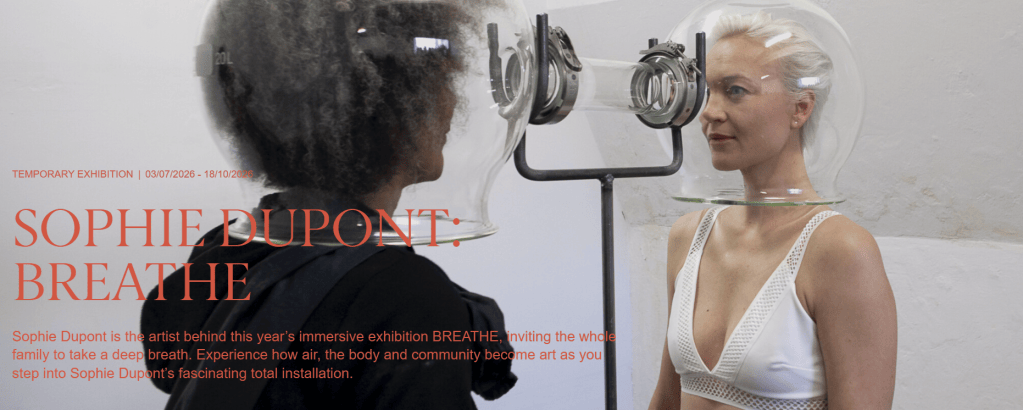
Sorø Kunstmuseum: Sophie Dupont and the Art of Attention
At Sorø Kunstmuseum, an empty room painted by Anna Ancher, a Russian icon of mother and child, and an installation shaped by visitors’ breathing offer three very different encounters with human presence. Their proximity is part of the museum’s interest: a visit can move between domestic observation, religious devotion and the experiments of contemporary art…
-
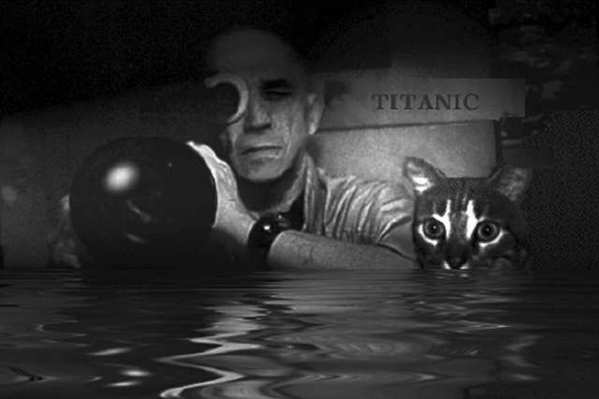
The Reel Argument: Chris Marker
By Bergotte Chris Marker made films about memory the way a philosopher makes arguments — with total rigour and total freedom simultaneously, following thought wherever it led without the obligation to arrive anywhere comfortable. He is the most intellectually radical filmmaker in the history of the medium and also, paradoxically, one of the most personal,…
-

Eva Marie Saint, 1924–2026: The Intelligence of Grace
Eva Marie Saint belonged to that rare category of actor whose place in cinema history could have been secured by two performances alone. As Edie Doyle in Elia Kazan’s On the Waterfront in 1954, she brought moral clarity and emotional delicacy to one of the defining films of post-war American cinema. Five years later, as…
-
The Human Condition According to Ernest Hemingway
By Bergotte Where Fitzgerald reached for the green light, Hemingway turned away from it. His response to the same historical moment — the same lost generation, the same aftermath of a war that had destroyed the language of heroism and left nothing official in its place — was the opposite of enchantment: a radical stripping…
-
The Sculptor Who Made Cars Move
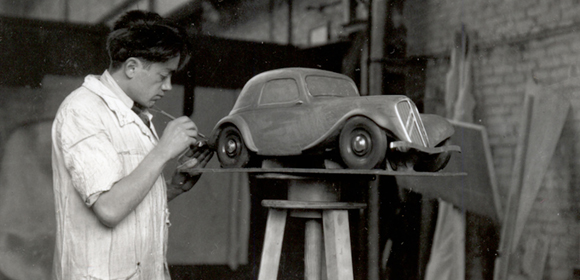
Makers & Rooms — Essay VIII Flaminio Bertoni gave the world the DS and the 2CV — the most beautiful car ever made and the most useful, two objects of genius separated by a decade and united by a single Italian hand working in a Paris suburb. He died almost unknown. The cars are immortal.…
-

What’s So Special About Kraftwerk
By Bergotte Kraftwerk did not remove human feeling from music. They did something stranger and more difficult: they found the human feeling inside the machine, and made it audible. The four men from Düsseldorf who spent the 1970s building synthesizers in a converted railway building and slowly, methodically, without apology or explanation, inventing the sonic…
-
The Gadfly and the Hemlock: Who We Are According to Socrates
He wrote nothing. He claimed to know nothing. He taught by pretending not to teach, questioned by pretending not to have answers, and led the most examined life in the history of Western philosophy — and then, when Athens offered him the choice between his life and his vocation, he chose the vocation. He was…
-
The Reel Argument: Satyajit Ray
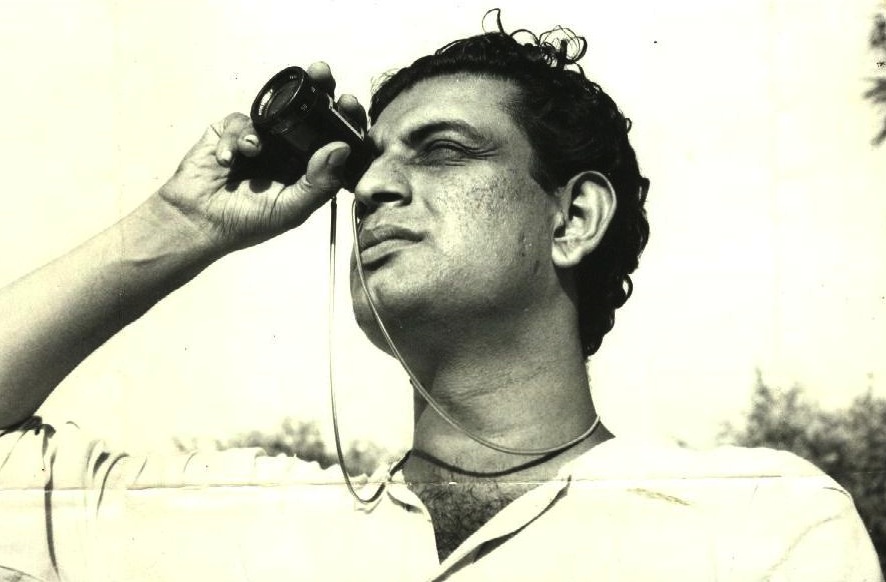
By Bergotte Satyajit Ray made his first film in 1955 with borrowed equipment, a cast of non-professional actors, and enough money for perhaps half the shooting he needed, and what he produced was one of the most complete and devastating works of art that cinema has ever seen. Pather Panchali — Song of the Little…
-
The Human Condition According to F. Scott Fitzgerald
By Bergotte F. Scott Fitzgerald understood enchantment better than any other American writer — understood it not as a pleasant illusion to be gently corrected but as a fundamental feature of human consciousness, the capacity to project onto the world a beauty and a meaning and a promise that the world does not independently possess,…

