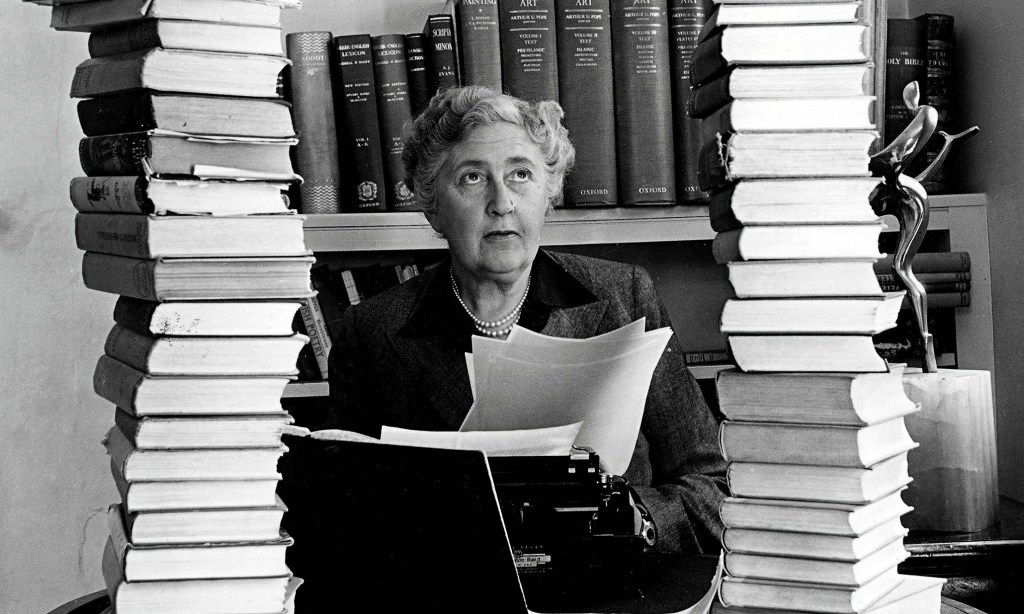
Agatha Christie remains the most widely read novelist in history, outsold only by the Bible and Shakespeare. Known as the “Queen of Crime,” she transformed detective fiction from pulp entertainment into a global art form. Her tightly constructed plots, eccentric sleuths, and elegant prose made murder an intellectual puzzle as much as a narrative shock. Yet Christie’s life, like her fiction, contained mystery: triumph, trauma, reinvention, and a legacy that still shapes how we think about crime stories today.
A Life in Mysteries
Born in Torquay, England, in 1890, Agatha Mary Clarissa Miller grew up in a genteel household and taught herself to read by age five. She wrote her first stories during childhood, but it was during World War I, while working as a nurse and dispensing medicines, that she absorbed the details of poisons and chemistry that later gave her plots their chilling verisimilitude.
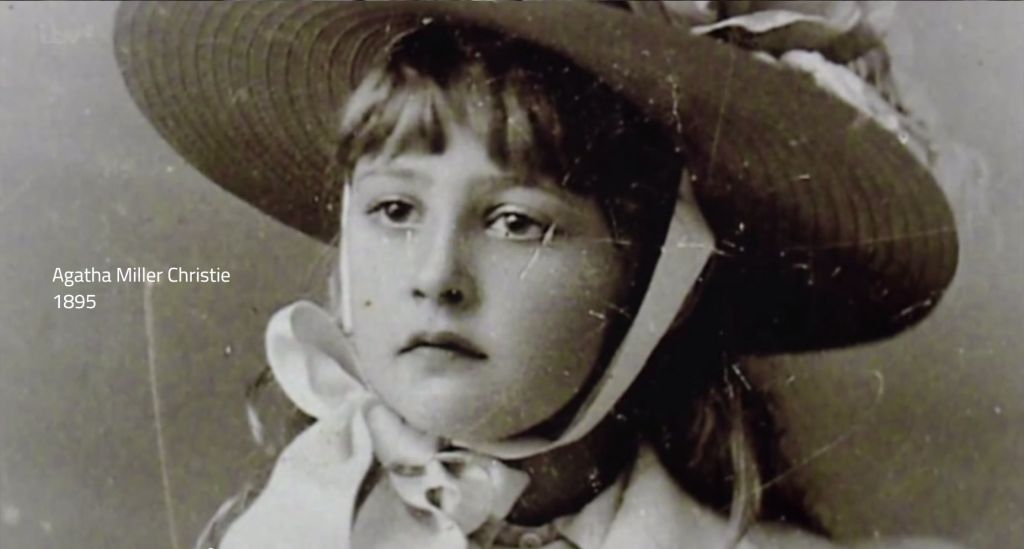
Her debut novel, The Mysterious Affair at Styles (1920), introduced Hercule Poirot, the meticulous Belgian detective whose “little grey cells” would become immortal. But Christie’s own life was not without intrigue. In 1926, she famously disappeared for eleven days after her husband asked for a divorce—an episode still debated today, part personal breakdown, part publicity mystery.
By the 1930s and 1940s, she was the most famous writer in the world. Her works became staples of stage and screen, from The Mousetrap (which still runs in London’s West End) to countless film and television adaptations.
The Craft of Crime
Christie’s genius lay not in psychological depth but in construction. She built puzzles with clockwork precision, leading readers through red herrings, false alibis, and shifting motives before unveiling a solution that was both surprising and, in retrospect, inevitable.
Her characters—Poirot, Miss Marple, Tommy and Tuppence—were less about depth than function: distinct voices through which Christie explored the mechanics of deduction. Yet within the formula, she captured social nuance, painting portraits of English country houses, colonial outposts, and postwar anxieties.
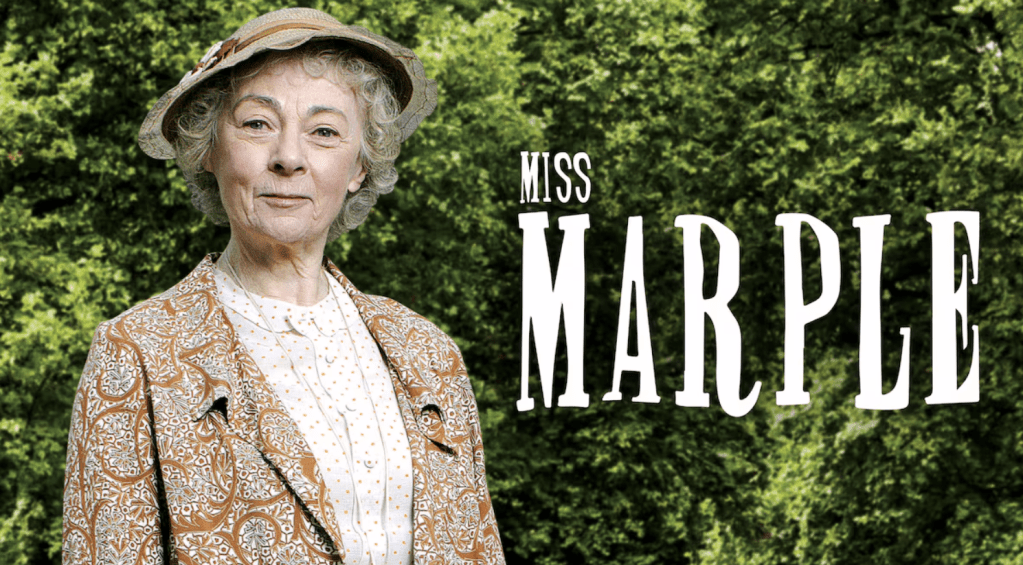
She was also daring. The Murder of Roger Ackroyd (1926) shocked readers with its audacious twist of narrative perspective. And Then There Were None (1939) stripped away the detective altogether, leaving pure suspense. In her later years, Christie wrote darker, more psychologically probing works like Endless Night (1967).
Hercule Poirot: The Belgian Icon
Of all Christie’s creations, Hercule Poirot became her most enduring. The dapper detective, with his waxed moustache, fastidious manners, and ego as polished as his patent-leather shoes, first appeared as a refugee in England during World War I. Over more than 30 novels and 50 short stories, he grew into a global figure—a detective as recognizable as Sherlock Holmes.
Poirot embodied logic, order, and civility, a reassuring figure in a world destabilized by wars and shifting empires. Yet Christie also granted him humanity: vanity, fussiness, occasional loneliness. In his final case, Curtain (written during WWII but published in 1975), Poirot dies—making him the only fictional detective to have received a front-page obituary in The New York Times.
Legacy of the Queen of Crime
Christie died in 1976, leaving behind 66 detective novels, 14 short story collections, and plays that continue to be staged around the world. Her influence is vast: the structure of her mysteries informs everything from television procedurals to modern thrillers. Authors from P.D. James to Tana French acknowledge her as the foundation of the genre.
Her legacy is not without critique—colonial attitudes, period stereotypes—but her craftsmanship remains unmatched. She taught readers to expect the twist, to relish the red herring, to embrace the puzzle as entertainment. In doing so, she created not just stories but a global narrative tradition.
The Best of Christie: Essential Books
- The Murder of Roger Ackroyd (1926) – A groundbreaking twist in narrative perspective.
http://www.harpercollins.com - And Then There Were None (1939) – Ten strangers, one by one—her darkest and most ingenious plot.
http://www.harpercollins.com - Murder on the Orient Express (1934) – Poirot’s most famous case, a locked-room puzzle on rails.
http://www.harpercollins.com - Death on the Nile (1937) – A glamorous voyage interrupted by betrayal and murder.
http://www.harpercollins.com - The ABC Murders (1936) – Poirot faces a serial killer with chilling method.
http://www.harpercollins.com - Curtain: Poirot’s Last Case (1975) – The detective’s final bow, written decades earlier.
http://www.harpercollins.com - Endless Night (1967) – A late masterpiece, psychological and haunting.
http://www.harpercollins.com
Poirot on Screen: The Suchet Legacy
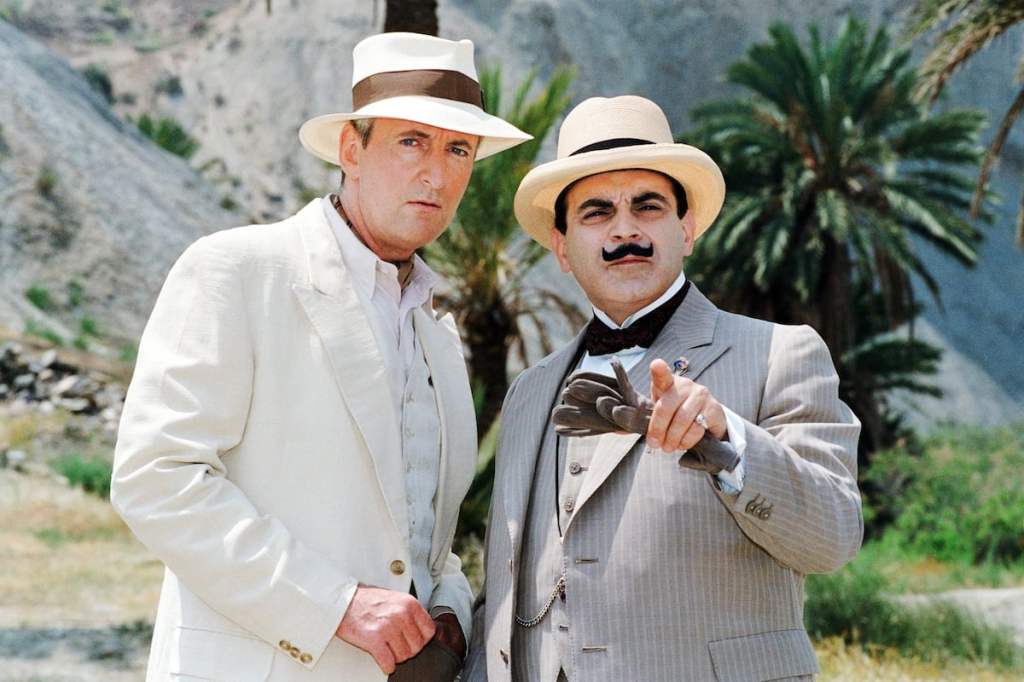
Many actors have played Poirot, from Albert Finney to Kenneth Branagh, but David Suchet remains definitive. From 1989 to 2013, Suchet portrayed Poirot in ITV’s Agatha Christie’s Poirot, covering nearly every story Christie wrote about him.
What made Suchet’s performance transcendent was detail: the mincing walk, the exact moustache, the accent meticulously honed, the humanity beneath the fussiness. He treated Poirot not as caricature but as character—vain yet vulnerable, brilliant yet lonely.
Standout Suchet adaptations include:
- Murder on the Orient Express (2010) – A darker, more introspective take on Christie’s classic.
http://www.itv.com - Death on the Nile (2004) – Sweeping visuals, with Suchet commanding the Nile setting.
http://www.itv.com - Five Little Pigs (2003) – A haunting story of memory and justice.
- Curtain: Poirot’s Last Case (2013) – Suchet’s farewell, a moving finale faithful to Christie’s text.
Through Suchet, Poirot lives for new generations, proof that Christie’s detective is not just a relic of the 1920s but an immortal figure of literary imagination.
A Timeline of Agatha Christie’s Life
- 1890 – Born Agatha Mary Clarissa Miller in Torquay, England.
- 1914 – Marries Archibald Christie; begins writing seriously.
- 1920 – Publishes The Mysterious Affair at Styles, introducing Hercule Poirot.
- 1926 – Disappears for eleven days in a widely publicized episode.
- 1930 – Marries archaeologist Max Mallowan, accompanying him on digs in the Middle East.
- 1939 – Publishes And Then There Were None, her bestselling novel.
- 1952 – The Mousetrap premieres in London’s West End, beginning the longest continuous run of any play.
- 1975 – Publishes Curtain, Poirot’s final case.
- 1976 – Dies at age 85, leaving a global legacy of more than 2 billion books sold.
The Enduring Mystery
Agatha Christie’s work continues to thrive because it satisfies a fundamental human craving: order restored from chaos, truth wrested from deception. Whether in the pages of her novels or in Suchet’s immaculate performances, she offers both escape and catharsis.
Her legacy is not just the most sold books in history, but a shared global language of crime, clue, and resolution. She remains, simply, the Queen of Crime—and her Poirot, forever polishing his moustache, is still listening for the faintest tremor in the human heart.

Leave a Reply