
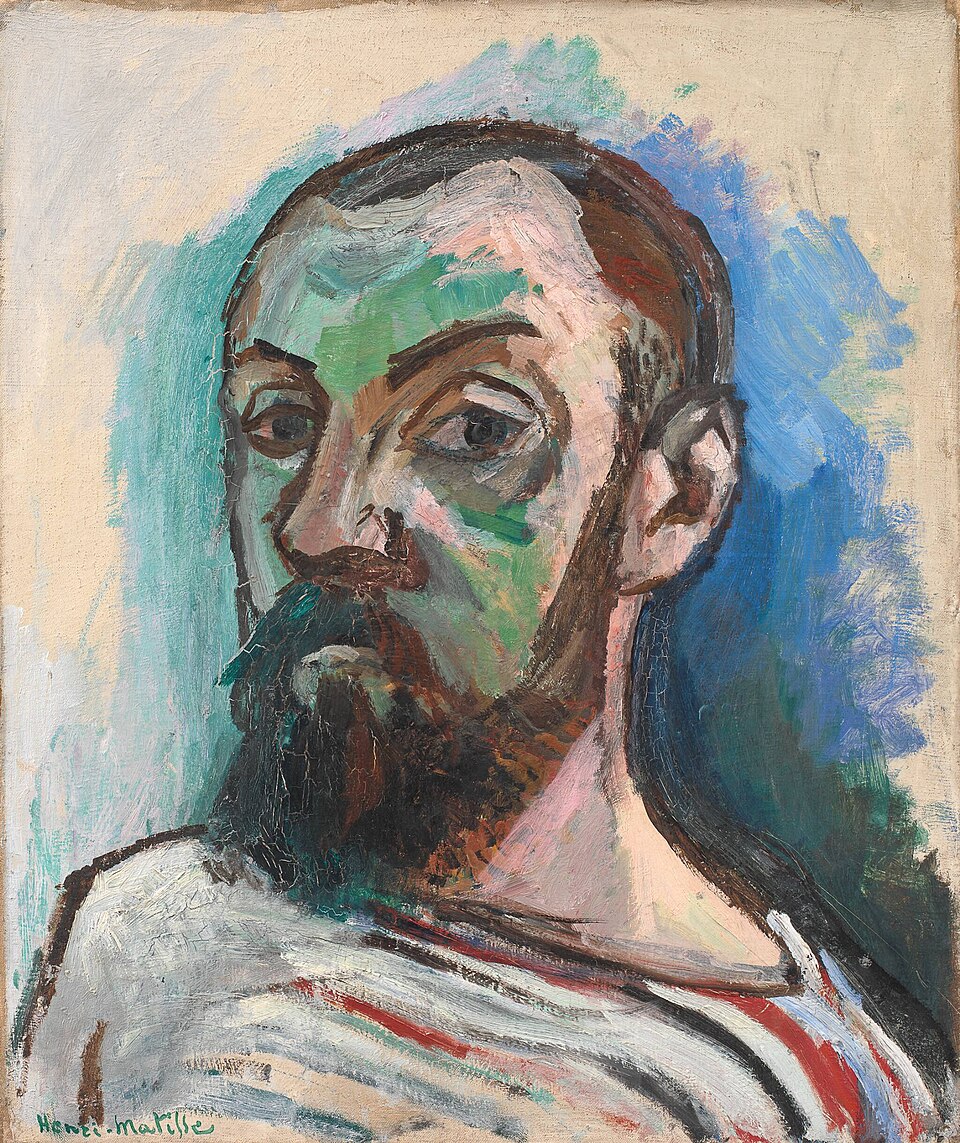
In the long arc of modern art, Henri Matisse (1869–1954) stands as the painter of joy. Where Picasso dramatized conflict and Cézanne wrestled with structure, Matisse dedicated himself to the pursuit of lightness, radiance, and serenity. His career spans from the dawn of Fauvism at the turn of the twentieth century to the radiant cut-outs of his final years, creating a body of work that continually reinvented what painting could be.
Matisse’s genius lies in his conviction that art should be both rigorous and pleasurable, both radical and harmonious. He once said he dreamed of art as “a comforting armchair” — a statement often misunderstood as decorative retreat, but which in fact reflects his belief in art’s power to transform existence through beauty.
Early Career: The Road to Fauvism
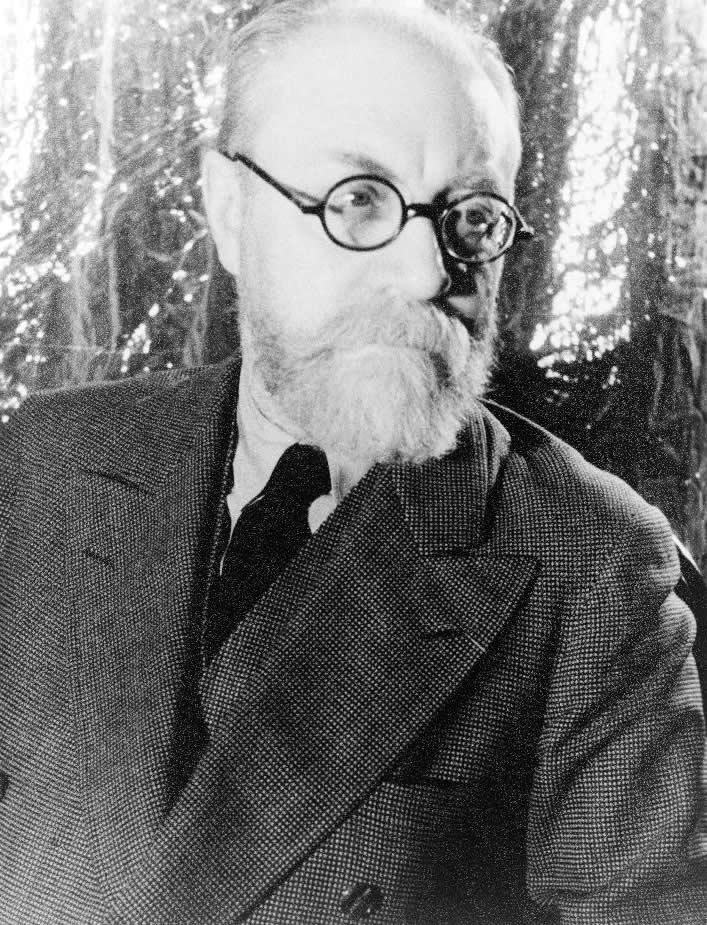
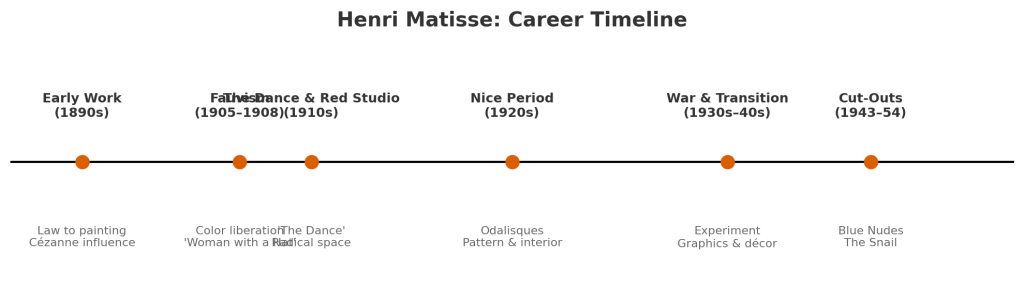
Matisse was not destined for art. Trained initially in law, he discovered painting in his early twenties during convalescence from illness. By the late 1890s he was studying in Paris, absorbing the lessons of the Impressionists, Van Gogh, and especially Cézanne, whose structural rigor would become a lifelong touchstone.
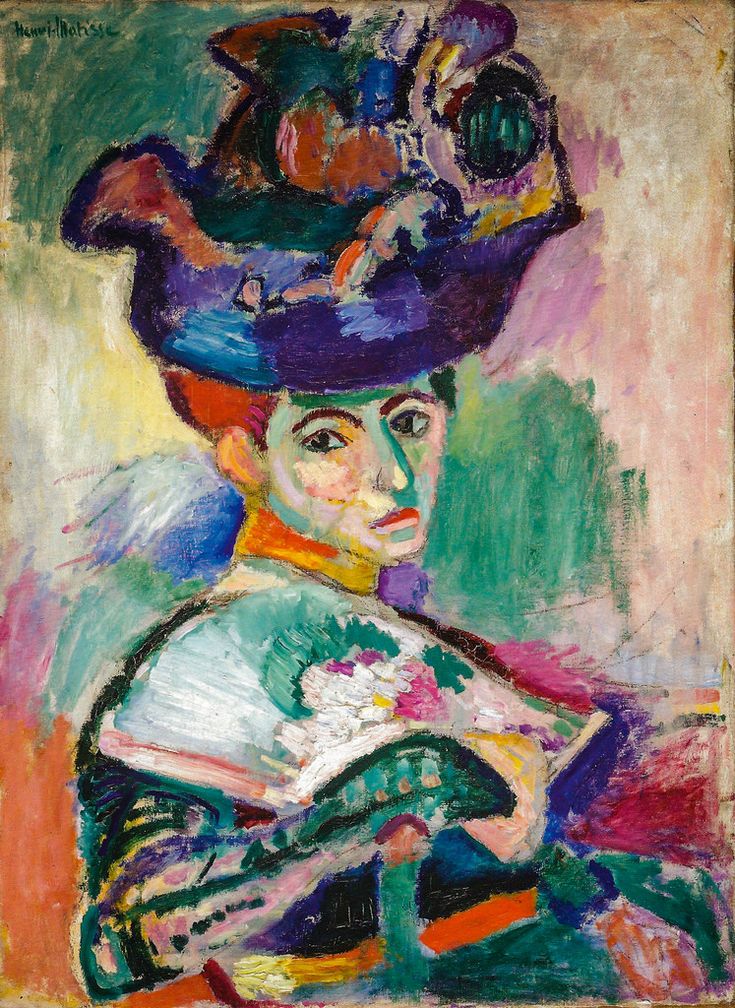
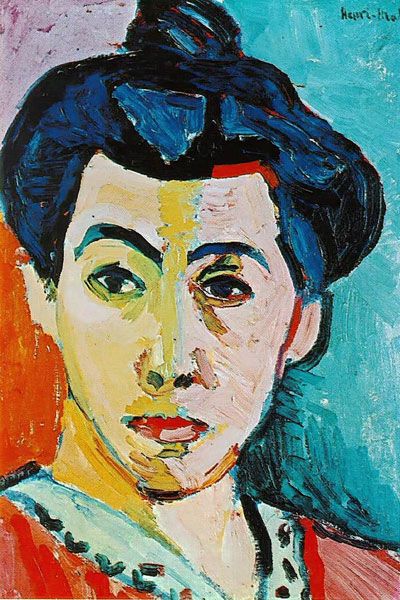
His breakthrough came in 1905 with the Salon d’Automne, where his bold, non-naturalistic use of color — alongside André Derain and Maurice de Vlaminck — scandalized critics. The term Fauvism (“wild beasts”) was coined in response to their audacious palette. Works like Woman with a Hat (1905) shocked with their raw chromatic energy, rejecting academic finish for color as emotion.
The Language of Color and Form
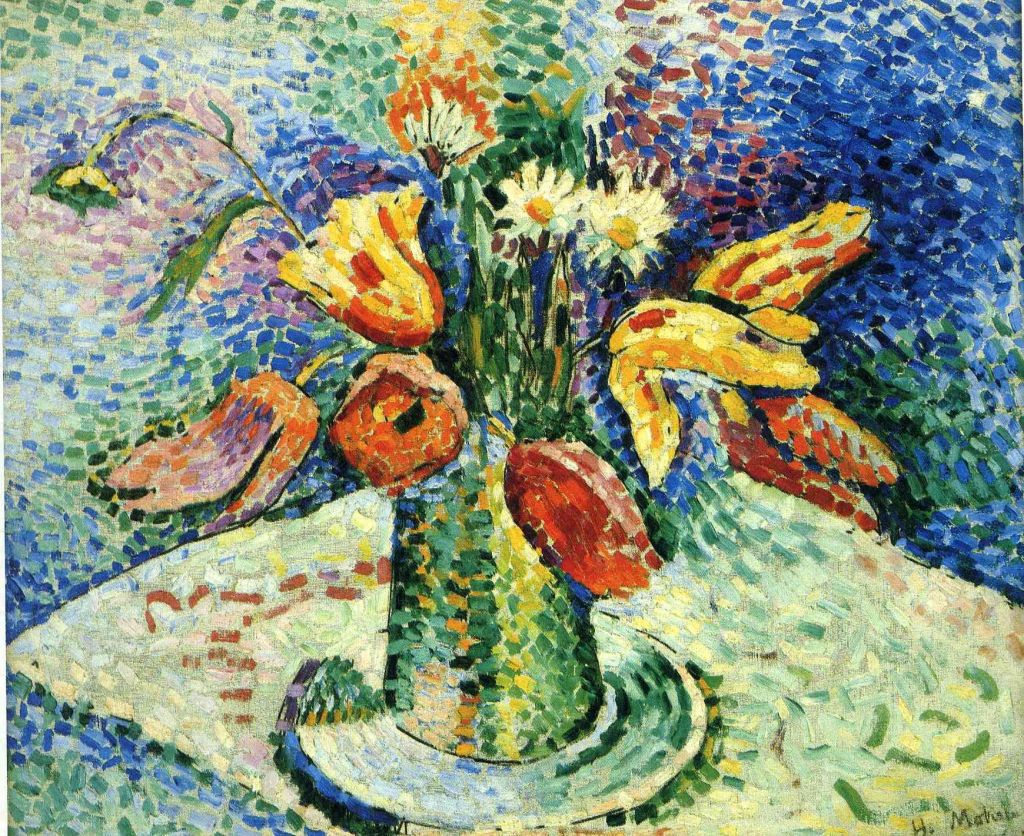
From the Fauvist moment forward, Matisse pursued an art of reduction and intensification. His method was to strip away the unnecessary until line and color carried pure expressive force.
- Color: For Matisse, color was not descriptive but constructive. A patch of red or blue did not represent but created space, emotion, and rhythm. His palette was vibrant yet balanced, capable of harmony even in dissonance.
- Line: His drawing style was fluid, continuous, almost calligraphic. He saw line as equivalent to melody in music — a movement across space that could suggest volume without shading.
- Ornament and Pattern: Matisse absorbed influences from Islamic art, Byzantine mosaics, and textiles, incorporating ornamental rhythms into his compositions. Rather than secondary, decoration became structural to his vision.
Interiors and the Human Figure
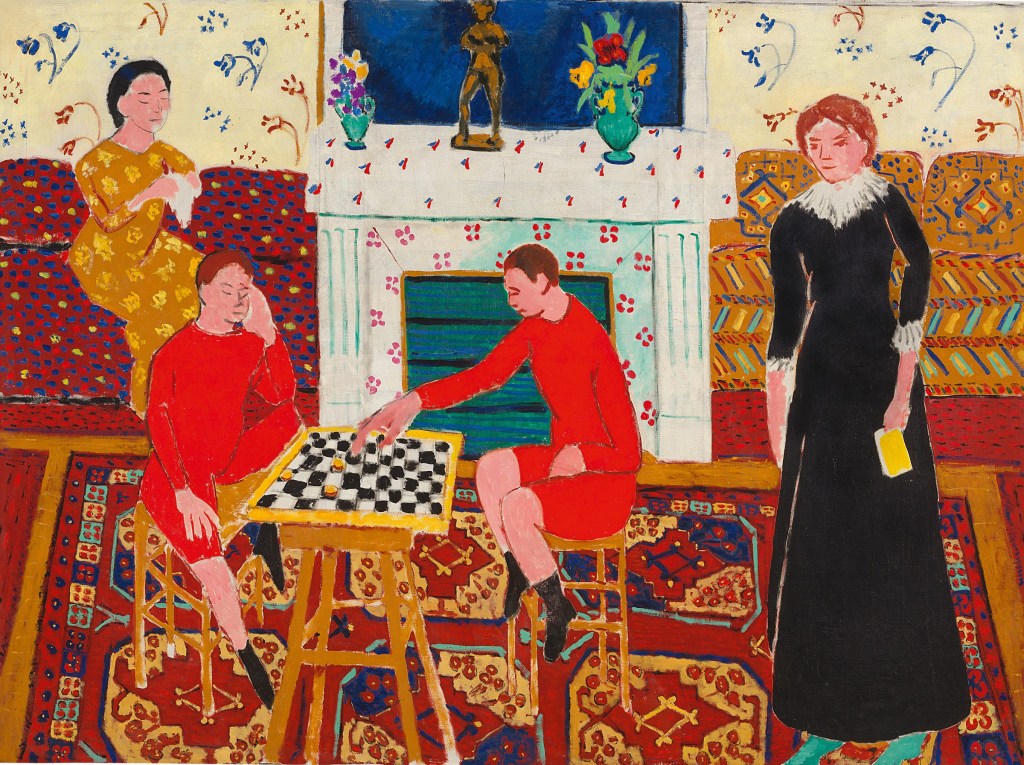
Matisse’s middle years are dominated by interiors and figures — most famously, the odalisques of the 1920s. Painted during his time in Nice, these works depict reclining female figures amid patterned fabrics and latticed screens.
Critics sometimes dismissed them as escapist or orientalist, but art-historically they reveal Matisse’s exploration of space as flat, layered, ornamental surface. These interiors are less “real” rooms than orchestrations of pattern and color. The figures become part of this orchestration, flattened into rhythm and design.
Cut-Outs and Late Style
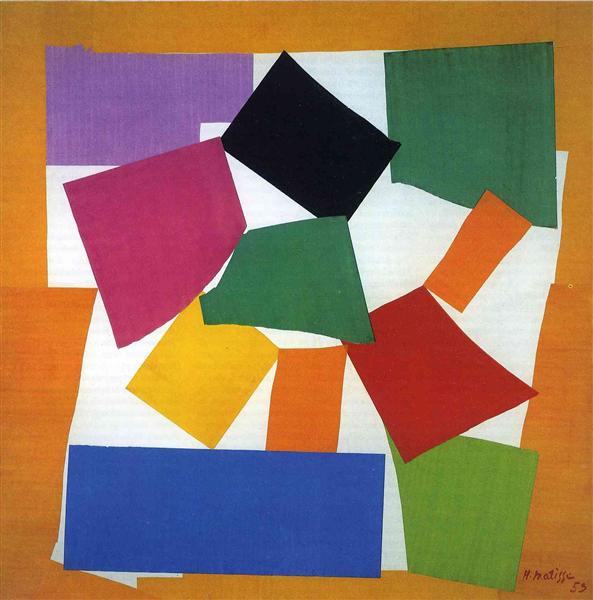
In the 1940s, ill health limited Matisse’s ability to paint. Yet from constraint emerged a final, radical reinvention: the cut-outs. Working with scissors and gouache-painted paper, he created large compositions such as The Blue Nudes and The Snail (1953).
These works distilled his lifelong pursuit into pure form: line became shape, color became field. The cut-outs are monumental yet playful, abstract yet organic. They anticipate later abstraction, from Color Field painting to contemporary installation, and remain some of the most joyful images in modern art.
Matisse and Picasso
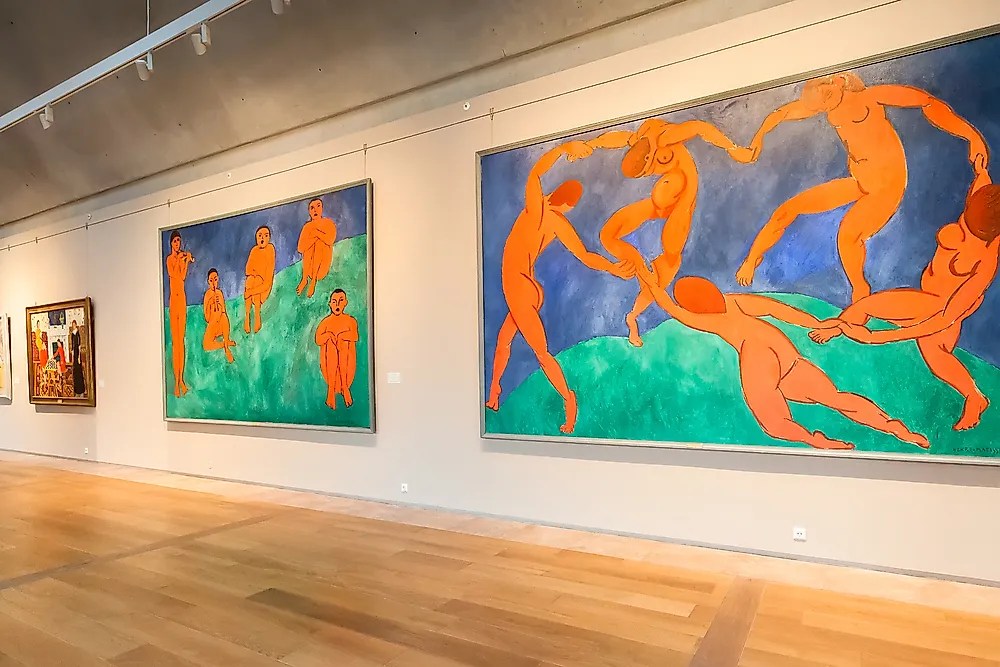
Matisse’s career is often cast in relation to Picasso’s, as rivals and foils. Picasso sought drama, fracture, and reinvention through conflict; Matisse sought serenity, harmony, and reinvention through reduction. Their dialogues — across cubism, classicism, and modernism — define much of 20th-century art. Where Picasso gave us Guernica’s scream, Matisse gave us The Dance (1910): a circle of bodies in ecstatic rhythm.
Legacy: The Painter of Joy
Matisse’s legacy is twofold. First, he expanded painting’s language: color freed from representation, line as melody, ornament as structure. Second, he offered an ethos: art as joy, not escape, but transformation.
In an age scarred by war and anxiety, Matisse’s conviction that beauty mattered was itself radical. His cut-outs, made in the shadow of mortality, radiate life-affirming energy.
Matisse remains the artist who proved that modernism need not abandon harmony, that radical innovation could yield not only fragmentation but joy. His work is not naive but hard-won, forged through relentless editing until only rhythm and radiance remain.
Key Works
- Woman with a Hat (1905) — Fauvist scandal, color as liberation.
- The Dance (1910) — Archetype of Matisse’s vision: rhythm, harmony, simplicity.
- The Red Studio (1911) — A revolutionary flattening of space into color fields.
- Odalisque with Grey Trousers (1927) — Interior as pattern, figure as ornament.
- Blue Nude II (1952) — Scissor-cut purity, line and color fused.
Conclusion: The Comfort of Radiance
Henri Matisse’s art is not about denial of life’s pain but about its transfiguration. His pursuit of balance, rhythm, and color created a language of visual joy that continues to resonate. If Picasso embodied the turbulence of the twentieth century, Matisse embodied its possibility for harmony.
In the words of the artist himself: “What I dream of is an art of balance, of purity and serenity… something like a good armchair.” What might sound modest is in fact revolutionary: to insist, in the face of history, that beauty is not trivial but essential, that joy itself can be art’s most radical gift.
Discover more from My World of Interiors
Subscribe to get the latest posts sent to your email.

