
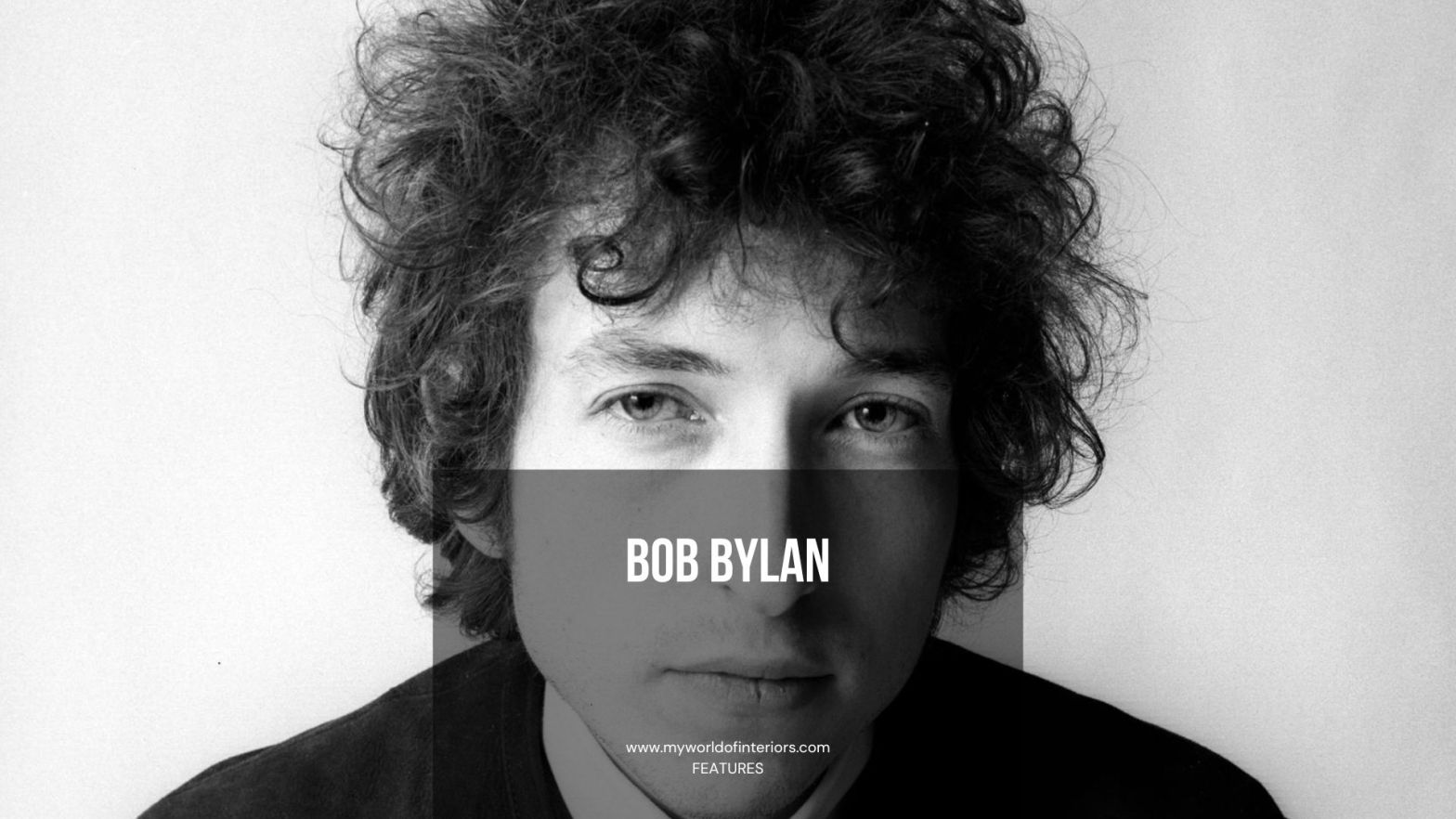
Bob Dylan’s early career is one of the most compressed and transformative arcs in 20th-century music. Between 1962 and 1970, he released ten studio albums that altered the landscape of popular song, expanding it from entertainment into poetry, prophecy, and provocation. In less than a decade he moved from a Woody Guthrie–inspired folk troubadour to the electric poet of alienation, from the voice of protest to the architect of personal surrealism.
What makes Dylan’s early career so extraordinary is not only the speed of his development but the way each album refracts a different cultural and artistic moment. He was never still. Each record becomes a chapter in the evolution of a voice — sometimes cracked, sometimes sardonic, often visionary — always seeking new form.
1. Bob Dylan (1962)
His debut is striking for its rawness. Recorded in just two days, the album contains mostly folk and blues covers, with only two originals (“Song to Woody” and “Talkin’ New York”). Here Dylan is apprentice: paying homage to Woody Guthrie, inhabiting the folk idiom with rough sincerity. The voice is already distinctive — nasal, insistent — but the songwriting has not yet emerged in full. The album signals beginnings, apprenticeship, and debt to tradition.
2. The Freewheelin’ Bob Dylan (1963)
The real debut. Almost entirely original songs, this album established Dylan as a generational voice. “Blowin’ in the Wind” and “A Hard Rain’s A-Gonna Fall” became anthems of conscience; “Masters of War” crystallized anti-militarist rage. Yet the album also revealed lyric tenderness (“Girl from the North Country”) and playful wit (“Bob Dylan’s Blues”). It is a mosaic of the political and the personal, and it positioned Dylan at the center of the 1960s folk revival.
3. The Times They Are A-Changin’ (1964)
Dylan here is protest singer at full force. The title track became a generational slogan, while songs like “With God on Our Side” and “Only a Pawn in Their Game” offered moral clarity about history and injustice. The tone is austere, almost sermonic. If Freewheelin’ balanced humor and lyricism, Times is stripped down to urgent declaration. It represents Dylan as public conscience, but also marks the limits of that role: the voice is powerful, but heavy, without the play that would soon return.
4. Another Side of Bob Dylan (1964)
A pivot. The title itself announces change. Dylan moves away from topical protest and toward surreal, personal, and romantic lyricism. Songs like “Chimes of Freedom” and “My Back Pages” open new poetic registers, while “It Ain’t Me Babe” explores irony in love. Recorded in one night, the album signals Dylan’s refusal to be confined to “voice of a generation” status. It is the sound of an artist opening the door to multiplicity.
5. Bringing It All Back Home (1965)
The split album: one side electric, one side acoustic. On Side A, Dylan plugs in with a rock band, unleashing “Subterranean Homesick Blues” — a rapid-fire, Beat-inflected torrent of images that prefigures rap. On Side B, he retains acoustic roots but stretches into visionary lyricism (“It’s Alright, Ma [I’m Only Bleeding]”). The album marks a revolution: folk transforms into electrified poetry, and popular music is permanently altered.
6. Highway 61 Revisited (1965)
Pure electric intensity. Released the same year as Bringing It All Back Home, this album is anchored by “Like a Rolling Stone,” a six-minute anthem that shattered the limits of pop song length and ambition. The album fuses blues traditions with surrealist, cutting lyricism — songs like “Ballad of a Thin Man” and “Desolation Row” conjure grotesque American carnivals. This is Dylan at his most confrontational, dismantling expectations with both sound and language.
7. Blonde on Blonde (1966)
Often hailed as Dylan’s masterpiece. A double album of sprawling scope, it captures the whirlwind of his mid-’60s creativity. Songs like “Visions of Johanna,” “Stuck Inside of Mobile with the Memphis Blues Again,” and “Just Like a Woman” are both elusive and emotionally piercing. The album blends surreal imagery with blues rhythms, intimacy with absurdity. Recorded in Nashville with top session players, it demonstrates Dylan’s fusion of folk, rock, and American roots into a uniquely literary song form.
8. John Wesley Harding (1967)
After his 1966 motorcycle accident, Dylan withdrew from the public eye. When he returned, it was with a stripped-down, biblical, and enigmatic record. John Wesley Harding is spare, almost ascetic, filled with allegorical ballads like “All Along the Watchtower.” Where Blonde on Blonde was lush, this is skeletal. The lyrics evoke parable, morality, and cryptic myth. The album feels like retreat and reinvention, signaling a new phase of quiet intensity.
9. Nashville Skyline (1969)
Dylan embraces country. His voice is unexpectedly softened, even crooning, in songs like “Lay Lady Lay.” Recorded in Nashville with country players, the album is melodic, concise, and gentle, far from the biting edge of Highway 61. Some critics were baffled, but it expanded Dylan’s reach, bridging folk-rock and country, and influencing the rise of Americana. The duet with Johnny Cash underscores Dylan’s rootedness in American musical traditions.
10. Self Portrait (1970)
A deliberate puzzle. Released as a double album of covers, folk songs, live tracks, and originals, Self Portrait confused critics, who saw it as sloppy or evasive. Yet in retrospect, it can be read as Dylan dismantling his own myth, refusing the role of oracle. Songs like “Copper Kettle” reveal beauty, while the eclecticism underscores Dylan’s contrarian impulse: at the height of his legend, he chose self-effacement.
Conclusion: The First Ten Years
In less than a decade, Dylan released ten albums that reshaped the possibilities of song. He began in imitation (Bob Dylan), became voice of conscience (Freewheelin’, Times), turned inward (Another Side), exploded into electric surrealism (Bringing It All Back Home, Highway 61, Blonde on Blonde), then retreated into parable and country (John Wesley Harding, Nashville Skyline), and finally deconstructed himself (Self Portrait).
What unites these transformations is a refusal of fixity. Dylan treats song as a laboratory: political declaration, love lyric, surreal poem, American ballad. Each album is both self-contained and part of a continuum, a restless reshaping of voice, form, and identity.
To study Dylan’s first decade is to study the very expansion of song into literature — how the popular could become poetic, how the personal could become collective, how the “voice” of a generation could fracture into multiplicity.
A Listening Pathway Through Bob Dylan’s Early Career
Bob Dylan’s first ten albums can be overwhelming: folk anthems, electric revolutions, country crooning, experimental puzzles. This pathway charts an order that balances accessibility, historical importance, and artistic challenge.
Stage I: The Accessible Entry Points
1. The Freewheelin’ Bob Dylan (1963)
Start here. The album contains the familiar (“Blowin’ in the Wind,” “Don’t Think Twice, It’s All Right”) alongside ambitious early works like “A Hard Rain’s A-Gonna Fall.” It introduces Dylan the songwriter and public conscience.
2. Nashville Skyline (1969)
A surprising but easy entry point. Short songs, warm production, and Dylan’s softened croon make it one of his most approachable albums. “Lay Lady Lay” remains a classic.
Stage II: The Protest and the Personal
3. The Times They Are A-Changin’ (1964)
Here Dylan is at his most topical and declarative. The title track is iconic, and songs like “With God on Our Side” show the power — and the limits — of protest music.
4. Another Side of Bob Dylan (1964)
A pivot toward the personal, surreal, and playful. Songs like “Chimes of Freedom” and “It Ain’t Me, Babe” reveal Dylan moving beyond protest into poetic introspection.
Stage III: The Electric Breakthrough
5. Bringing It All Back Home (1965)
The first electric turn. Side A is rock-driven, Side B acoustic and visionary. Essential for understanding Dylan’s leap from folk to something entirely new.
6. Highway 61 Revisited (1965)
The electric revolution at full force. “Like a Rolling Stone” is the centerpiece, but the album is full of biting surrealism. Demands attentive listening — dense, cutting, brilliant.
Stage IV: The Masterpiece
7. Blonde on Blonde (1966)
Dylan’s great double album. Lush, sprawling, poetic, it captures the peak of his mid-’60s creativity. Songs like “Visions of Johanna” are endlessly layered. Best approached once you’ve heard Bringing It All Back Home and Highway 61.
Stage V: The Withdrawal and Re-Invention
8. John Wesley Harding (1967)
After the chaos of Blonde on Blonde, Dylan retreats. Sparse, biblical, enigmatic. Features “All Along the Watchtower.” A shift toward myth and parable rather than confession.
9. Bob Dylan (1962)
Go back to the beginning. Mostly covers, with “Song to Woody” as a personal manifesto. Best heard once you know where Dylan will go, so you can hear the roots of it all.
10. Self Portrait (1970)
The contrarian move. A double album of covers, live cuts, and oddities that baffled critics. Listen last, when you can appreciate it as Dylan’s deliberate act of myth-dismantling.
Suggested Route
- Begin with Freewheelin’ → Nashville Skyline (accessible, iconic).
- Move into Times and Another Side (protest vs. personal).
- Dive into Bringing It All Back Home and Highway 61 (electric revolution).
- Ascend to Blonde on Blonde (the masterpiece).
- Reflect with John Wesley Harding (parables), then circle back to the debut (Bob Dylan).
- Finish with Self Portrait — the puzzle, the refusal, the beginning of Dylan’s next chapter.
Closing Thought
This pathway reveals not only Dylan’s evolution but his restlessness. Each album contradicts the last. To listen in sequence is to follow an artist refusing to be fixed, treating song as experiment, voice as instrument, and identity as mask.
Discover more from My World of Interiors
Subscribe to get the latest posts sent to your email.

