
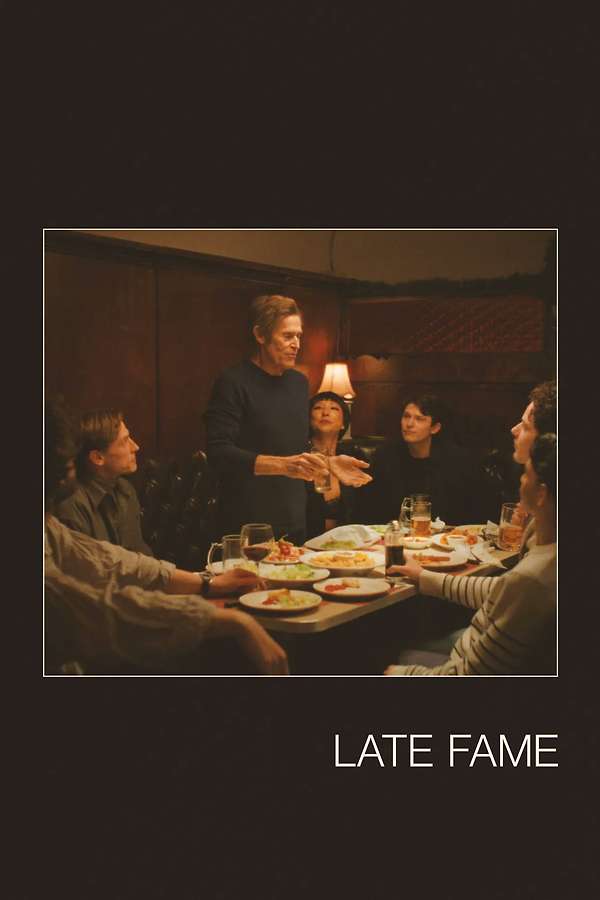
Late Fame (2026): The Poet and His Public Director: Kent Jones Screenplay: Samy Burch, based on Arthur Schnitzler’s novella Cast: Willem Dafoe, Greta Lee, Edmund Donovan Running time: 97 minutes Country: United States Rating: ★★★★½ — 4.5/5 Willem Dafoe makes the experience of being flattered look wonderfully complicated. As Ed Saxberger, a New York postalContinue reading “Late Fame Review”
Category Archives: Blog
The Reel Argument: Chris Marker
By Bergotte Chris Marker made films about memory the way a philosopher makes arguments — with total rigour and total freedom simultaneously, following thought wherever it led without the obligation to arrive anywhere comfortable. He is the most intellectually radical filmmaker in the history of the medium and also, paradoxically, one of the most personal,Continue reading “The Reel Argument: Chris Marker”
A Name on Paper: The World’s Best Personalised Stationery
Correspondence cards, visiting cards and writing paper: what to buy, how to personalise it, and why handwritten letters deserve a return. Thanking someone for dinner, returning a kindness or introducing a business should not require a fresh act of graphic design. A small collection of personalised stationery makes these gestures easier, giving everyday correspondence aContinue reading “A Name on Paper: The World’s Best Personalised Stationery”
Eva Marie Saint, 1924–2026: The Intelligence of Grace

Eva Marie Saint belonged to that rare category of actor whose place in cinema history could have been secured by two performances alone. As Edie Doyle in Elia Kazan’s On the Waterfront in 1954, she brought moral clarity and emotional delicacy to one of the defining films of post-war American cinema. Five years later, asContinue reading “Eva Marie Saint, 1924–2026: The Intelligence of Grace”
The Human Condition According to Ernest Hemingway
By Bergotte Where Fitzgerald reached for the green light, Hemingway turned away from it. His response to the same historical moment — the same lost generation, the same aftermath of a war that had destroyed the language of heroism and left nothing official in its place — was the opposite of enchantment: a radical strippingContinue reading “The Human Condition According to Ernest Hemingway”
The Sculptor Who Made Cars Move

Makers & Rooms — Essay VIII Flaminio Bertoni gave the world the DS and the 2CV — the most beautiful car ever made and the most useful, two objects of genius separated by a decade and united by a single Italian hand working in a Paris suburb. He died almost unknown. The cars are immortal.Continue reading “The Sculptor Who Made Cars Move”
What’s So Special About Kraftwerk

By Bergotte Kraftwerk did not remove human feeling from music. They did something stranger and more difficult: they found the human feeling inside the machine, and made it audible. The four men from Düsseldorf who spent the 1970s building synthesizers in a converted railway building and slowly, methodically, without apology or explanation, inventing the sonicContinue reading “What’s So Special About Kraftwerk”
Ask Bee #2

Ask Bee: Must I Keep a Friendship Because It Is Old? On history, loyalty and the moment patience becomes self-abandonment. Dear Bee, Thank you for everything you do and for all your wonderful writing about culture. I am an avid reader of the blog. I have a dilemma. The older I get, the less patienceContinue reading “Ask Bee #2”
The Gadfly and the Hemlock: Who We Are According to Socrates
He wrote nothing. He claimed to know nothing. He taught by pretending not to teach, questioned by pretending not to have answers, and led the most examined life in the history of Western philosophy — and then, when Athens offered him the choice between his life and his vocation, he chose the vocation. He wasContinue reading “The Gadfly and the Hemlock: Who We Are According to Socrates”
THE MOST SECRET MEMORY OF MEN
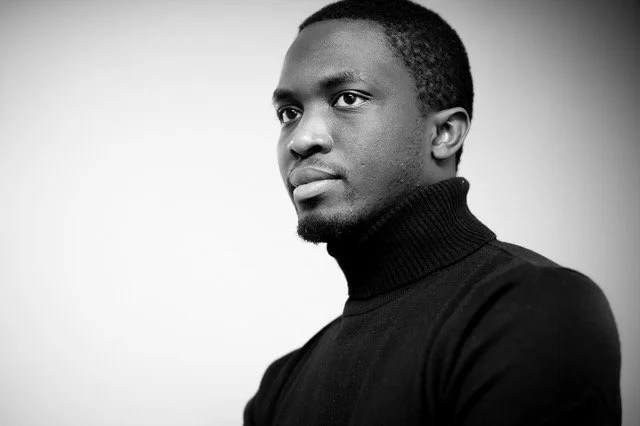
Author: Mohamed Mbougar SarrTranslated from the French by Lara VergnaudPublisher: Other PressFirst published: 2021English-language edition: 2023Pages: 496Genre: Literary Fiction / Postcolonial FictionOriginal title: La plus secrète mémoire des hommesAwards: Prix Goncourt 2021 The Writer, the Myth and the Literary Machine There are novels about writers, and there are novels that interrogate the entire machinery byContinue reading “THE MOST SECRET MEMORY OF MEN”

