
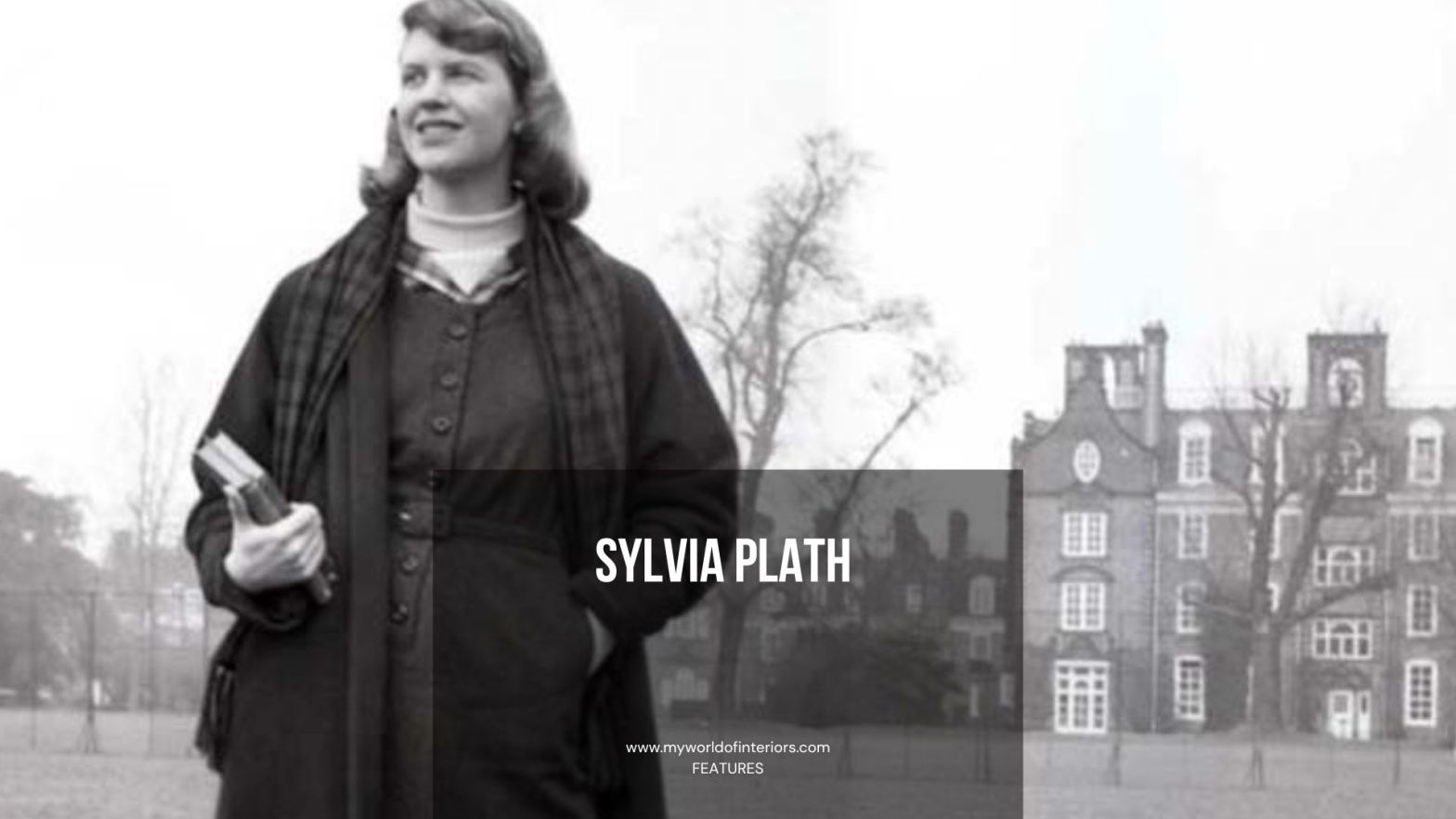
Sylvia Plath occupies a singular place in modern literature: a poet whose voice is at once crystalline and combustible, whose life and death have become inseparable from her art, and whose influence continues to radiate across generations. To speak of Plath is to confront both her genius and her mythology. She is remembered as a confessional poet, as the author of The Bell Jar, as the wife of Ted Hughes, as a figure of feminist resistance, and as a tragic icon of self-destruction. Yet she is also, and above all, a writer of astonishing craft, whose images burn with precision and whose rhythms resound with authority.
The Making of a Poet
Born in Boston in 1932, Plath was precocious from the start. By her teens, she was publishing in magazines, keeping detailed journals, and excelling academically. The death of her father, Otto Plath, when she was eight left a psychic scar that recurs throughout her poetry: the absent patriarch, the looming authority figure, the lost source of both love and terror.
She attended Smith College, where her brilliance was matched by a perfectionism that masked periods of deep depression. In 1953, after a prestigious summer internship at Mademoiselle in New York, she suffered a breakdown and attempted suicide — an experience later transmuted into the semi-autobiographical novel The Bell Jar (1963).
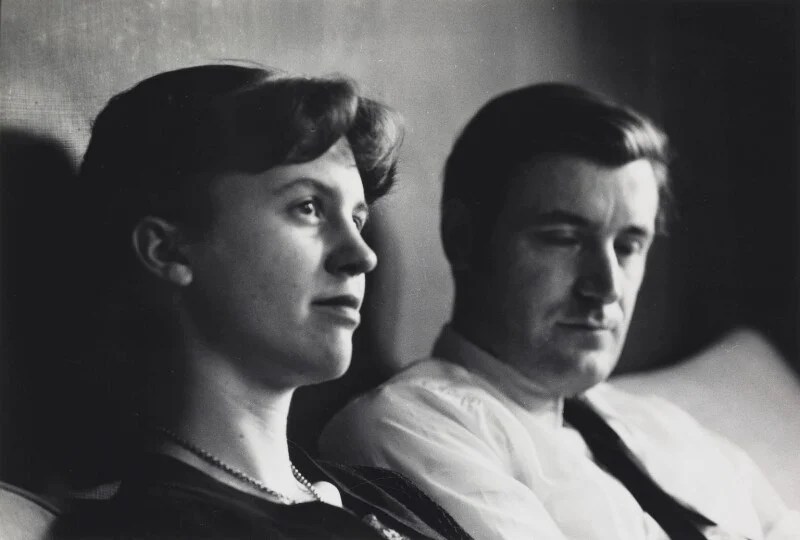
After recovering, Plath won a Fulbright to Cambridge, where she met Ted Hughes in 1956. Their marriage was passionate, tempestuous, and artistically fertile: each galvanized the other’s work, yet the union was shadowed by competition and betrayal.

The Poetry of Precision
Plath’s early poems, collected in The Colossus (1960), are technically exacting, influenced by formal traditions and myth. Yet they already reveal her fascination with the boundaries between self and other, with voices of authority, with the instability of identity.
It was in her final years, however, that her voice reached incandescent intensity. The posthumous Ariel (1965) remains one of the most celebrated poetry collections of the twentieth century. Here, the poems are stripped of ornament, their imagery raw and electrifying:
- In Daddy, the father figure becomes a Nazi, the speaker a Jew, in a searing conflation of private trauma and historical atrocity.
- In Lady Lazarus, the speaker rises from suicide attempts with theatrical bravado: “Out of the ash / I rise with my red hair / And I eat men like air.”
- In Ariel, the title poem, a dawn horseback ride becomes a visionary fusion of speed, death, and transcendence.
What distinguishes these works is not confessional indulgence, but control. Plath’s diction is precise, her rhythms incantatory. The poems shock because they are so beautifully made, their violence rendered in crystalline form.
The Bell Jar: Fiction as Mirror
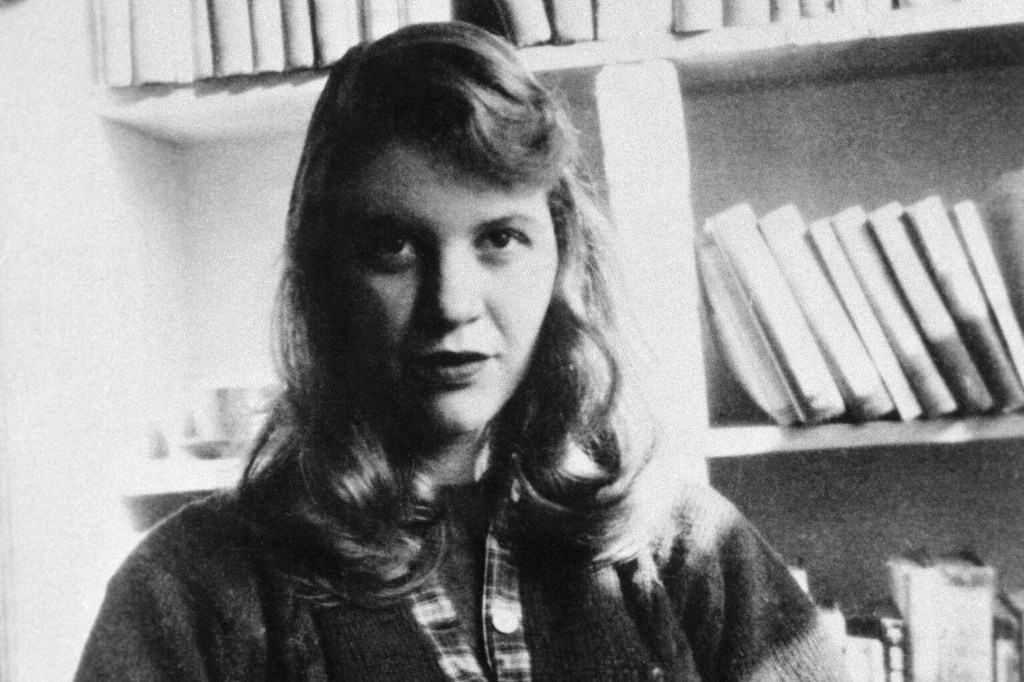
Plath’s only novel, The Bell Jar, published under a pseudonym in 1963, fictionalized her own breakdown of a decade earlier. Its protagonist, Esther Greenwood, moves through a world of ambition and suffocation, brilliance and despair, her sense of self distorted as if viewed through glass.
The novel is both a coming-of-age story and a critique of the stifling gender roles of mid-century America. Its tone — wry, lucid, unsparing — anticipates the feminist fiction of the 1970s. Today it is often read as a feminist classic, but it is equally a study of mental illness and alienation, its metaphors of entrapment resonating across contexts.
Death and Myth
On February 11, 1963, Sylvia Plath died by suicide in her London flat, leaving behind two small children and a manuscript that would become Ariel. Her death has become inseparable from her reputation, mythologized to the point of distortion.
For decades, her marriage to Ted Hughes dominated narratives of her life: he as the betrayer, she as the wronged genius. The story was complicated by Hughes’s own reputation, the editing of Plath’s work, and the long struggle over her literary estate. Feminist critics of the 1970s and 1980s reclaimed Plath as a symbol of patriarchal oppression and female rage. More recent scholarship has sought to restore her complexity: a writer of fierce ambition, not merely a victim of circumstance; a poet of technical brilliance, not only of raw confession.
Legacy
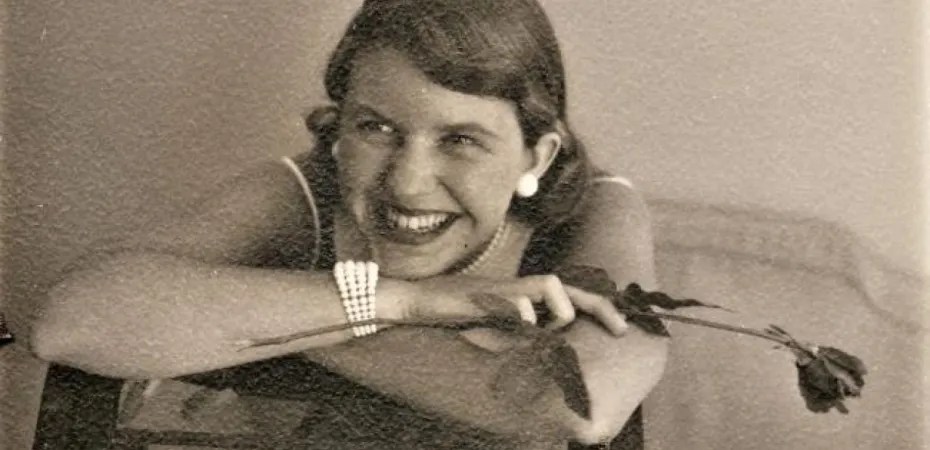
Sylvia Plath’s influence is vast. Her poems are staples of anthologies, her life the subject of countless biographies, her work a touchstone for feminist writers, poets, and novelists. She opened a space in literature for voices that are fierce, contradictory, and unapologetically female.
Yet her work also transcends identity. Plath’s poems speak to anyone confronting despair, alienation, or the desire for transformation. Her imagery — bees, blood, bell jars, horses — has become part of our cultural vocabulary.
Perhaps her greatest legacy is the tension she embodied: between control and chaos, beauty and destruction, intimacy and performance. She showed that poetry could be both confessional and universal, deeply personal yet formally exacting.
Sylvia Plath Today
In the 21st century, Plath’s resonance is undiminished. The Bell Jar continues to be read by young women navigating identity and mental health. Ariel still shocks with its power. Exhibitions of her manuscripts reveal not only her genius but her craft: her drafts, her meticulous revisions, her drawings and letters.
Her story is cautionary, inspirational, tragic, triumphant — all at once. And her poems, in their clarity and fire, remain alive.
Essential Works
- The Colossus (1960) – Early poems, formally precise and mythically charged.
- The Bell Jar (1963) – Semi-autobiographical novel of ambition, breakdown, and entrapment.
- Ariel (1965, posthumous) – Her defining collection, containing Daddy, Lady Lazarus, Ariel, Tulips, Morning Song.
- Journals (published posthumously) – Revealing the complexity of her inner life and ambition.
- Letters (collected volumes) – Expanding our understanding of her as both writer and woman.
The Mirror and the Flame
Sylvia Plath remains one of the most haunting presences in modern literature. She is the mirror — reflecting the anxieties of her age, the claustrophobia of gender roles, the struggle of identity. And she is the flame — burning through with imagery so fierce it still sears across time.
Her life ended abruptly, but her voice endures: sharp, dazzling, unflinching. To read Sylvia Plath is to feel both the wound and the art that transforms it, to stand before a vision that is as unsettling as it is beautiful.

Discover more from My World of Interiors
Subscribe to get the latest posts sent to your email.

