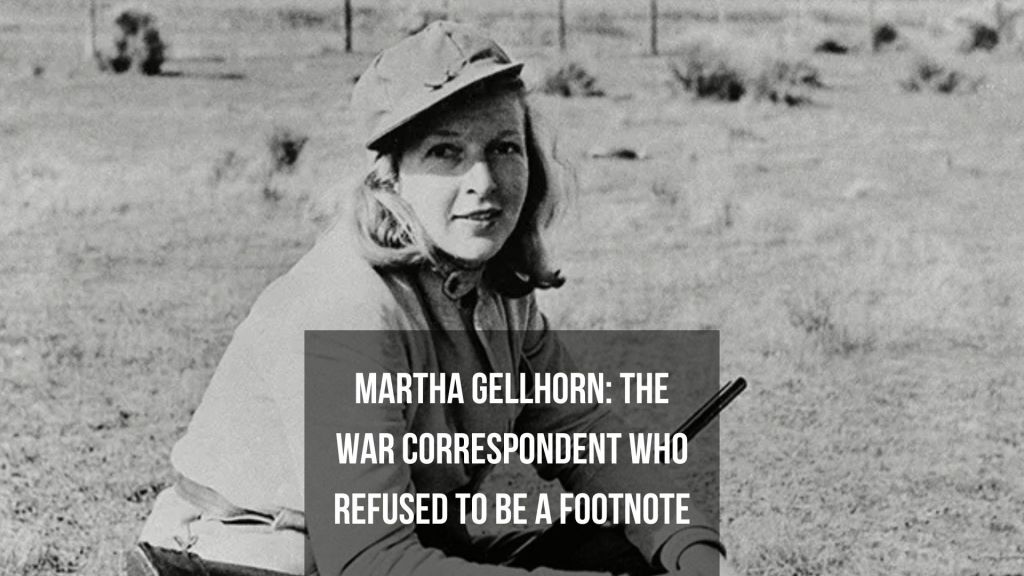
Martha Gellhorn never liked being remembered as Ernest Hemingway’s wife. She was, as she often reminded anyone who asked, “a writer before I met him, and a writer after I left him.” Indeed, over the course of nearly six decades, Gellhorn became one of the 20th century’s most formidable war correspondents—a woman who witnessed the major conflicts of her time and translated them into prose as clear as shrapnel and as humane as prayer.
She covered the Spanish Civil War, landed at Normandy just after D-Day, reported from Dachau after its liberation, and later wrote about Vietnam, Central America, and the Middle East. Few reporters saw as much, and fewer still wrote with her blend of unflinching observation and moral urgency.
From St. Louis to the World
Born in 1908 in St. Louis, Missouri, Gellhorn was raised in a household that valued independence and intellect. Her mother, Edna Fischel Gellhorn, was a suffragist, and the young Martha inherited her mother’s impatience with conformity. After attending Bryn Mawr College briefly, she left to pursue journalism, working first for the New Republic and later traveling through Europe as a foreign correspondent.
Her early work displayed the hallmarks of her style: precise, unsentimental, and insistently focused on the human cost of political decisions. During the Depression, she wrote for the Federal Emergency Relief Administration, documenting the devastation of poverty in America. These dispatches would shape the rest of her career: she was never interested in military maneuvers or official communiqués, but in the lives of ordinary people caught in the machinery of war.
Spain: Baptism by Fire
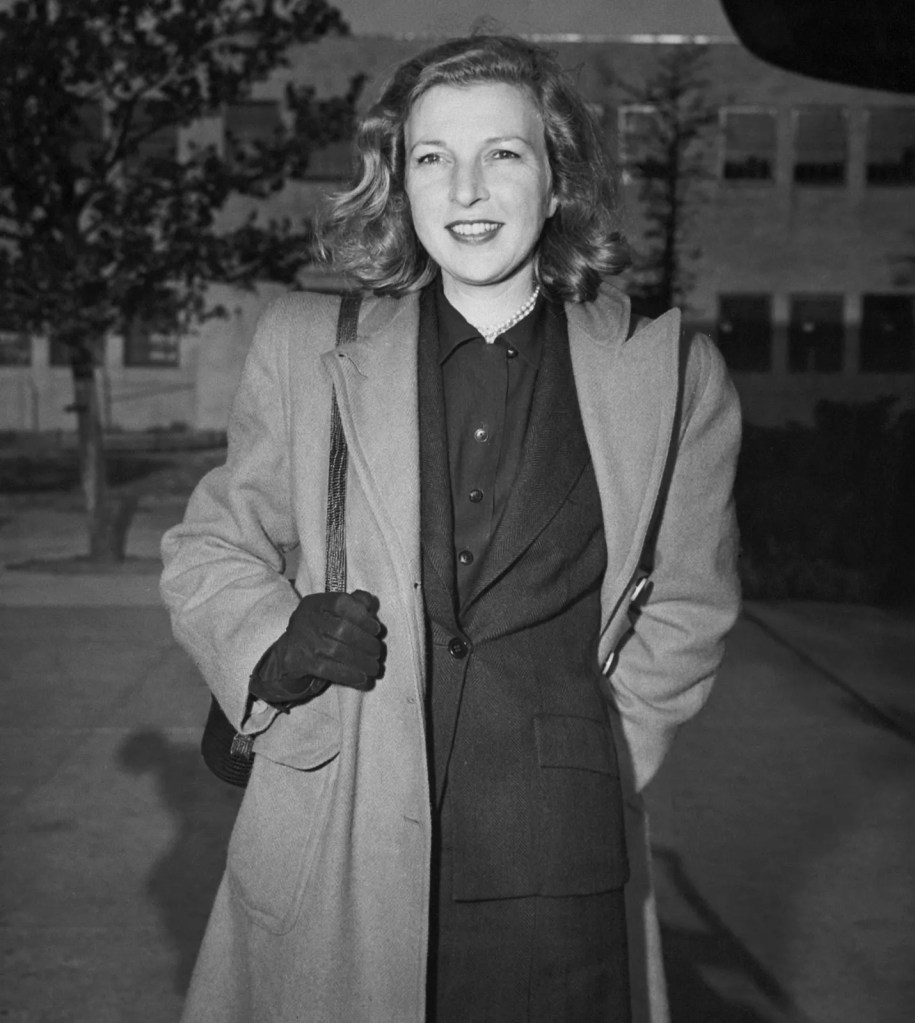
It was in Spain, during the Civil War of the late 1930s, that Gellhorn came into her own. Reporting from Madrid and Barcelona, she chronicled not only the fighting but the everyday courage of civilians enduring bombardment. Her dispatches carried the urgency of someone who understood that history was being written in the rubble.
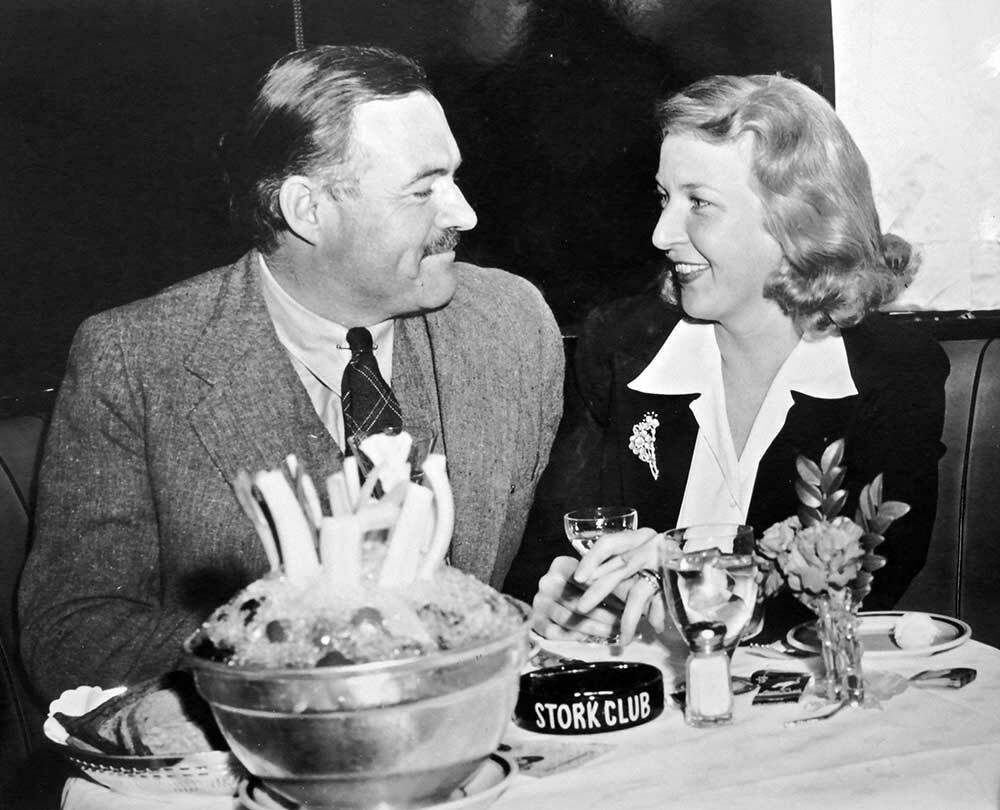
Spain also introduced her to Hemingway. Their romance was tempestuous, and eventually disastrous, but it propelled Gellhorn into the international spotlight. Yet even in those years, she resisted the reduction of her identity to “Hemingway’s third wife.” “I was a writer before I met him,” she repeated like a mantra, and in many ways her professional determination hardened in reaction to his overshadowing fame.
Normandy and Dachau
If Spain was her apprenticeship, World War II was her proving ground. Gellhorn was one of the few female journalists to report from the front lines. Defying official orders, she smuggled herself onto a hospital ship and went ashore during the Normandy landings in June 1944. Her report captured the chaos not from the perspective of generals but of wounded soldiers, medics, and nurses working amid carnage.
Later, she entered Dachau shortly after its liberation. Her descriptions of the concentration camp—stark, economical, devastating—remain some of the most searing eyewitness accounts ever written. For Gellhorn, journalism was not simply a profession but a moral act: to see, to record, and to force others to confront truths they might prefer to ignore.
After the War: Restlessness and Reinvention
Gellhorn never settled into the role of elder stateswoman. She continued to report, restlessly seeking out conflicts across the globe. She covered the wars in Vietnam, civil unrest in Central America, and uprisings in Africa. Wherever there was injustice, she wanted to see it firsthand.
She also wrote fiction and memoir, though her novels never reached the acclaim of her reportage. What endured was her voice—lean, unsparing, stripped of sentimentality. She was not a stylist in the ornate sense but in the moral one: her sentences were clean because they had to be.
A Life of Fierce Independence
Gellhorn’s personal life mirrored her professional ethos. She traveled constantly, lived in Havana, Cuba; in London; in Kenya; in Wales. She adopted a son, often struggled with the competing demands of motherhood and career, and kept herself deliberately on the move. For her, rootedness seemed akin to resignation.
She remained sharp and uncompromising into old age. In her later years, struggling with near blindness and illness, she chose to end her life in 1998 at the age of 89. It was, in its way, a final assertion of the independence that had defined her.
Legacy
Today, Martha Gellhorn is celebrated as one of the great war correspondents of the twentieth century, a writer who stood shoulder to shoulder with male contemporaries but insisted on her own perspective. Her career opened doors for generations of female journalists who followed—Christiane Amanpour, Marie Colvin, Clarissa Ward—reporters who combine frontline reporting with humanist urgency.
In 2011, the British government established the Martha Gellhorn Prize for Journalism, awarded annually for reporting that exposes “established powers” and champions truth. It is a fitting tribute for a woman who believed that journalism should comfort the afflicted and afflict the comfortable.
Gellhorn’s words remain her clearest memorial: terse, humane, and bracingly unsentimental. She never wanted to be anyone’s muse or appendage. She wanted to see, to bear witness, to tell the story. And she did—again and again, until the end.

Leave a Reply