

By Bergotte There is a filmmaker most people have never seen whose work contains some of the most powerful images in the history of cinema, and his name is Carl Theodor Dreyer. He made fewer than a dozen surviving features across forty years, worked in almost complete opposition to every commercial instinct the film industryContinue reading “The Reel Argument: Carl Theodor Dreyer”
Category Archives: Film
Who Are You at the Dinner Table? The Invite — Review
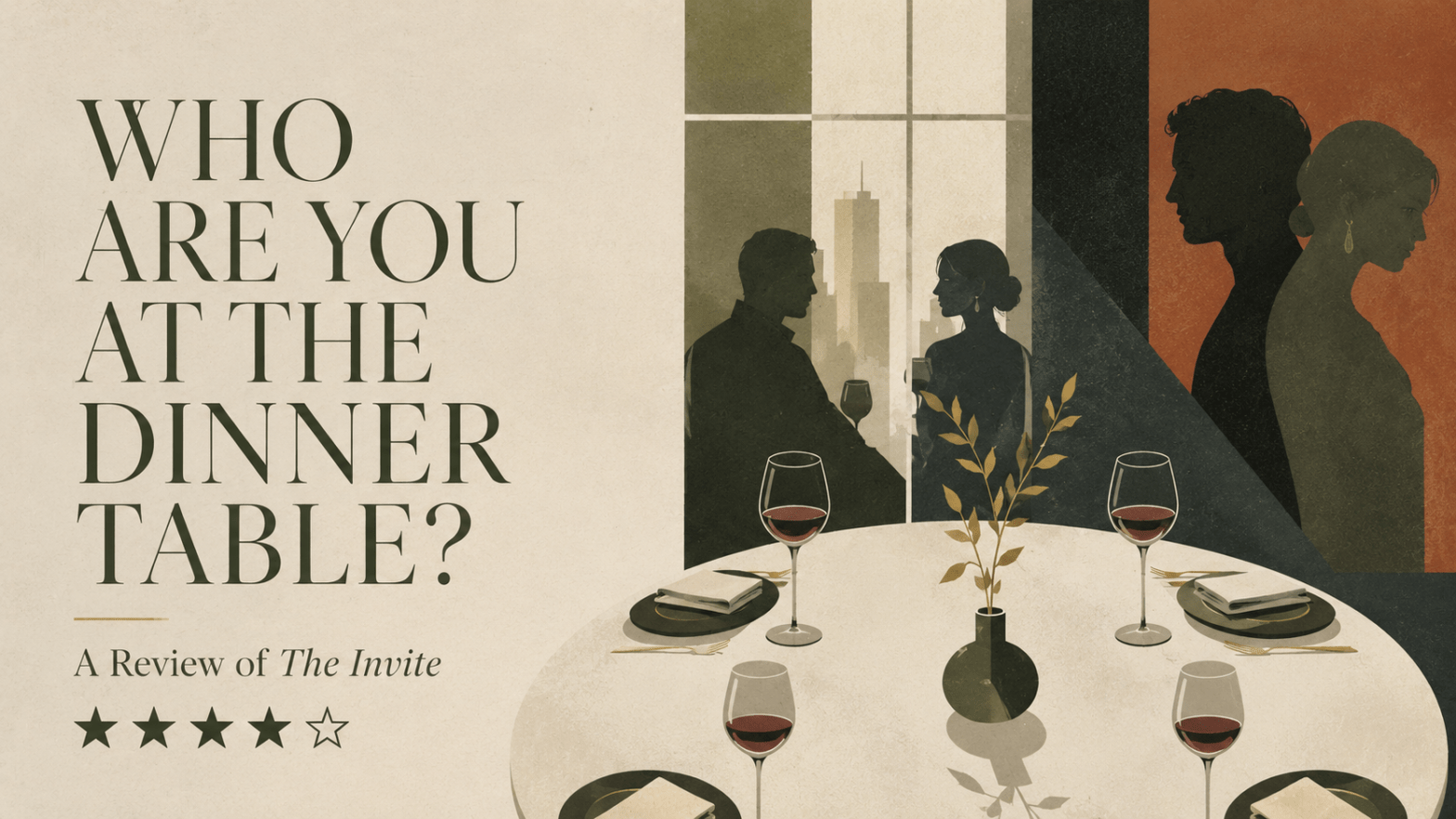
Director: Olivia WildeScreenplay: Rashida Jones and Will McCormackStarring: Seth Rogen, Olivia Wilde, Penélope Cruz, Edward NortonYear: 2026Country: United StatesGenre: Comedy-drama / chamber comedyRunning time: 107 minutesBased on: Cesc Gay’s Sentimental (2020), released internationally as The People UpstairsRating: ★★★★☆ What It Is Joe and Angela are a long-married San Francisco couple whose relationship has calcified intoContinue reading “Who Are You at the Dinner Table? The Invite — Review”
The Reel Argument: Ingmar Bergman
By Bergotte Ingmar Bergman made films about the things we cannot say to each other, and he made them with a directness that is almost unbearable. He is routinely described as a difficult filmmaker — demanding, austere, heavy — and this reputation has kept more people from him than it has drawn in, which isContinue reading “The Reel Argument: Ingmar Bergman”
Mary Oliver: Saved by the Beauty of the World
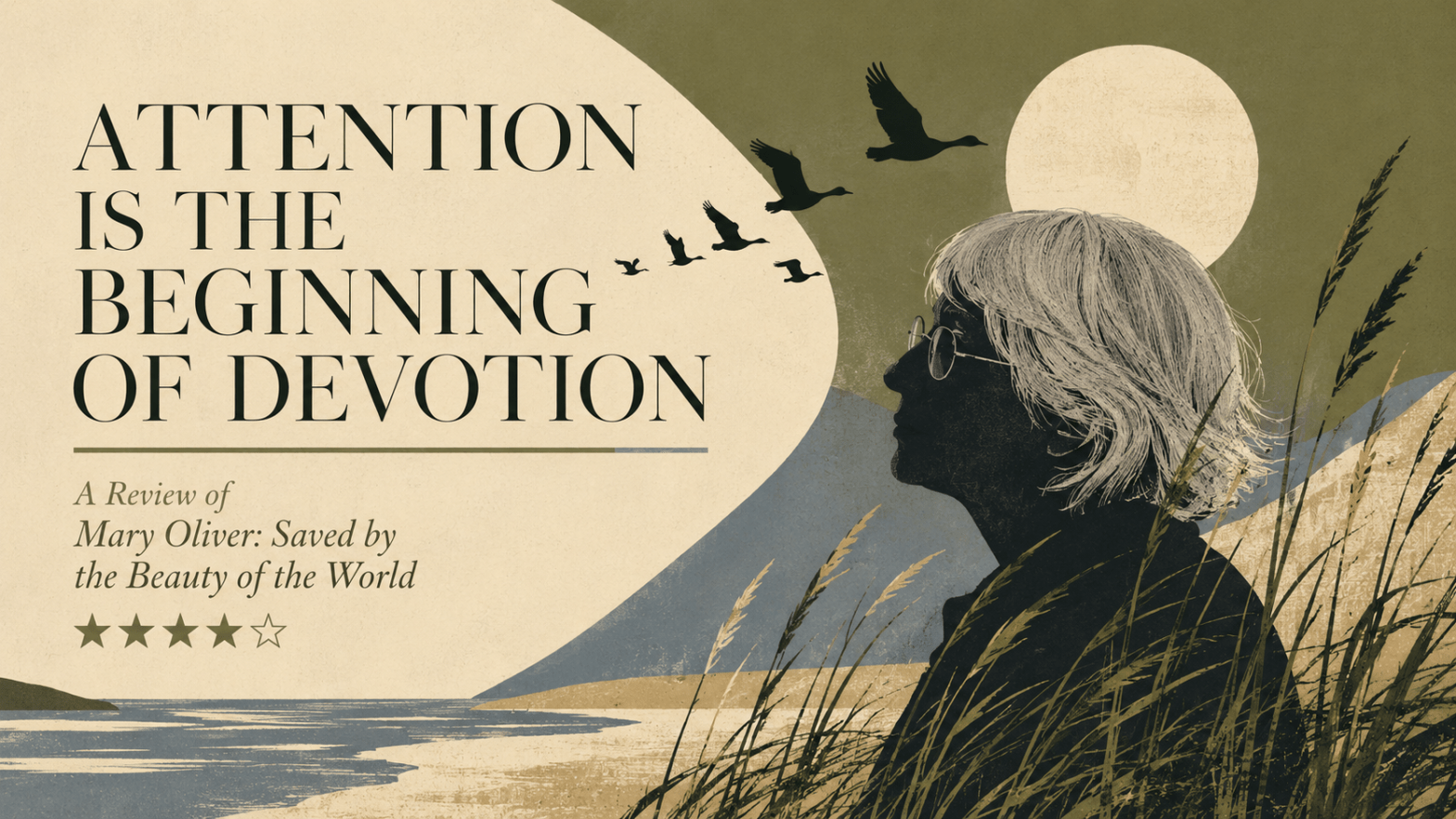
Director: Sasha WatersTitle: Mary Oliver: Saved by the Beauty of the WorldYear: 2026Country: United StatesGenre: Documentary / BiographyRunning time: 91 minutesRating: ★★★★☆ What It Is Mary Oliver: Saved by the Beauty of the World is Sasha Waters’s documentary portrait of the Pulitzer Prize-winning American poet Mary Oliver, whose deceptively simple poems about nature, solitude, mortality,Continue reading “Mary Oliver: Saved by the Beauty of the World”
Hans Christian Andersen: The Story of a Mother

Grief, Sacrifice, and the Limits of Maternal Love: Jørgen Vestergaard’s Historien om en moder (1977) By Bergotte The Story of a Mother Here is a film that is seared into my memory from childhood: Jørgen Vestergaard’s 1977 Danish stop-motion animated short Historien om en moder (The Story of a Mother) represents one of the mostContinue reading “Hans Christian Andersen: The Story of a Mother”
Eddie Murphy
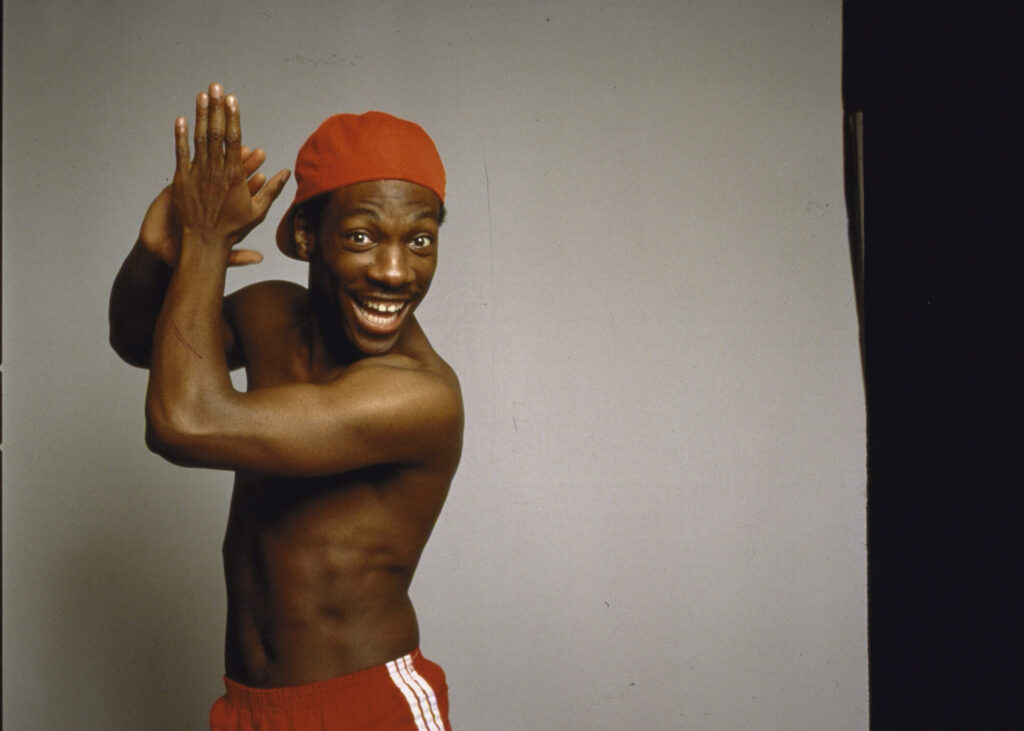
Essay · Comedy & Culture The Force That Arrived at Nineteen Eddie Murphy is the most naturally gifted comedian America has produced in the second half of the twentieth century, and the case for this claim is not primarily about the films, though the films at their best are extraordinary, and not primarily about theContinue reading “Eddie Murphy”
Natalie Wood
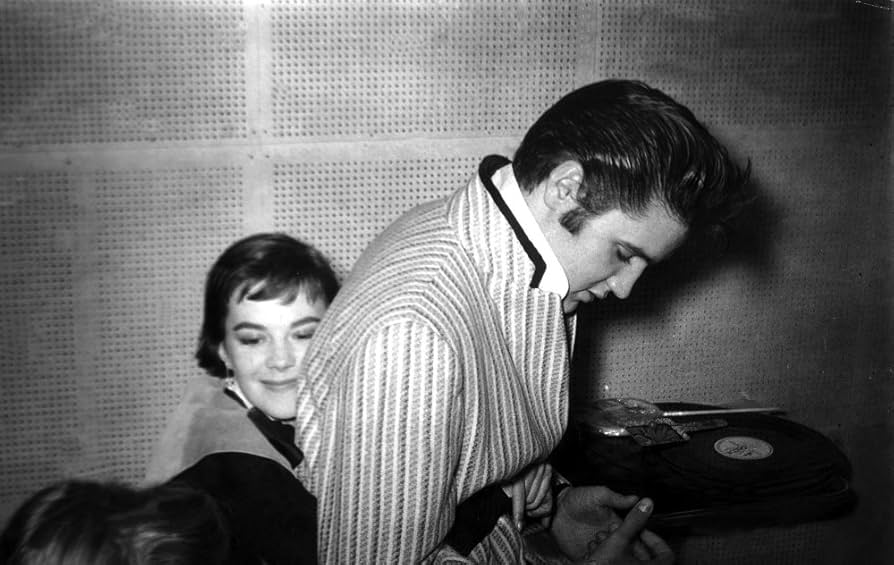
Essay · Film & Lives The Girl Who Never Quite Belonged to Herself Natalie Wood was one of the most naturally gifted actresses of the Hollywood studio era, a woman who made the transition from child star to adult performer with a completeness that almost no one manages, who received three Academy Award nominations beforeContinue reading “Natalie Wood”
Ian Fleming’s Bond
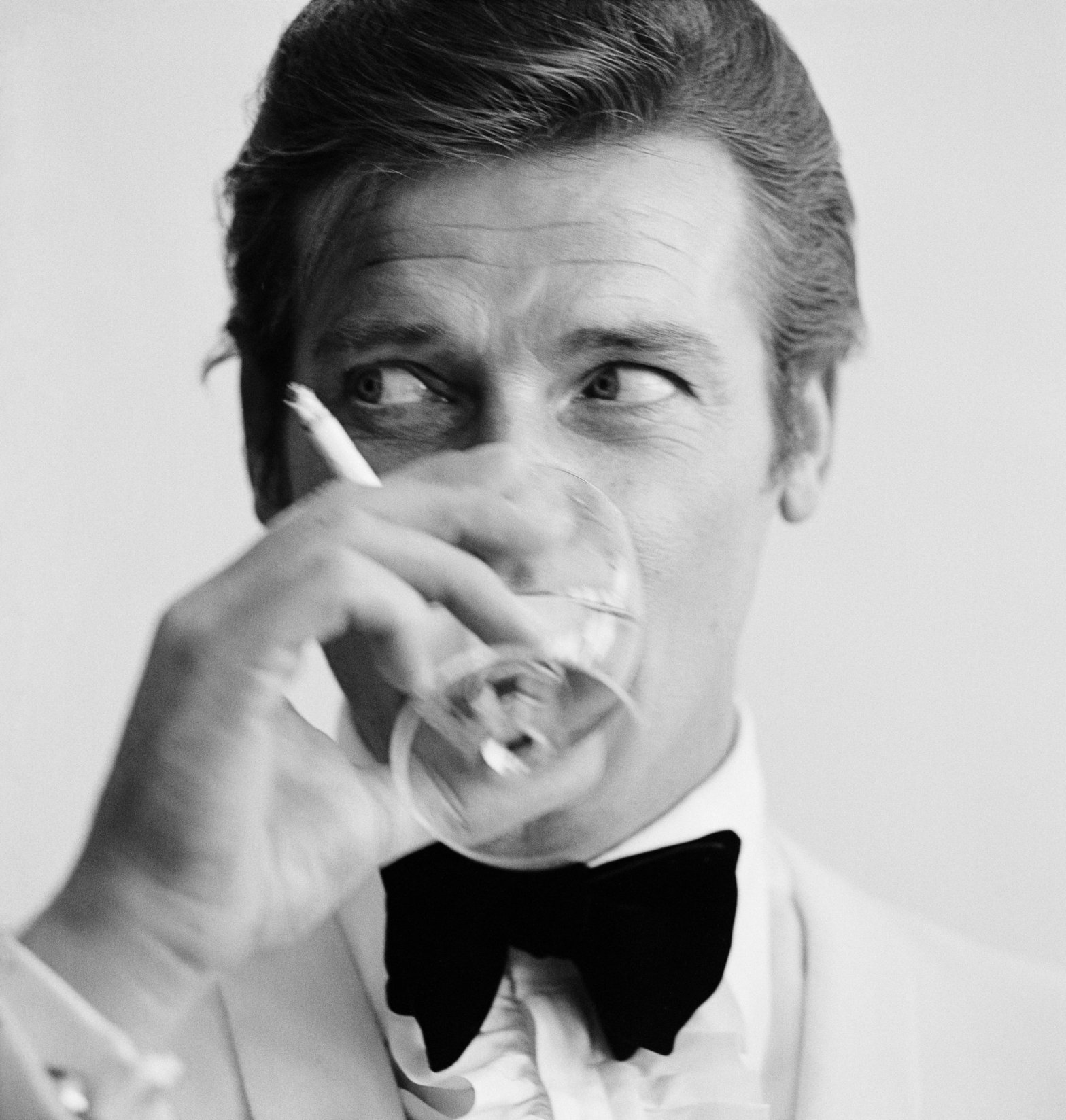
Essay · Literature & Culture The Man Who Cannot Be Killed James Bond was created in 1952 by a bored, unhappy, recently married former intelligence officer writing his first novel in a Jamaican house he had built to escape from England, and he has refused to die for seventy years. The refusal is the mostContinue reading “Ian Fleming’s Bond”
Arthur Jafa

Essay · Art & Ideas The Question He Has Been Asking for Thirty Years Arthur Jafa has organised his entire artistic life around a single question: how do you make a Black cinema with the power, beauty, and alienation of Black music? The question sounds like a problem of aesthetics. It is, in fact, aContinue reading “Arthur Jafa”
Nobody Home: Cindy Sherman and the Self That Isn’t There
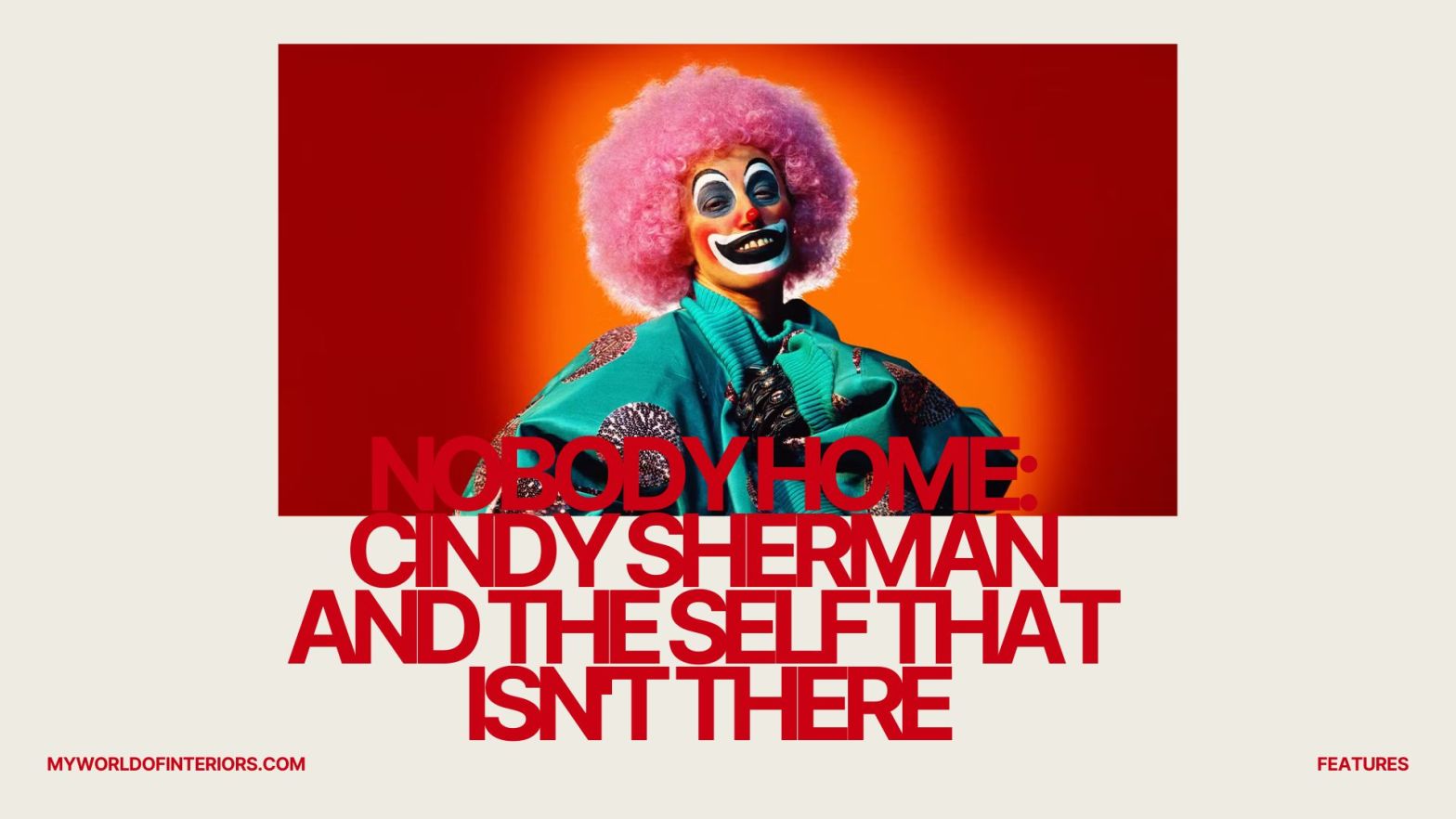
She has been a clown, a centrefold, a society matron, a fairy-tale victim, a film noir ingénue, a Renaissance duchess, a party guest, a disaster. She has never, in fifty years of making photographs, been herself. This is not evasion. It is the most radical position in contemporary art. By Bergotte There is no portraitContinue reading “Nobody Home: Cindy Sherman and the Self That Isn’t There”

