
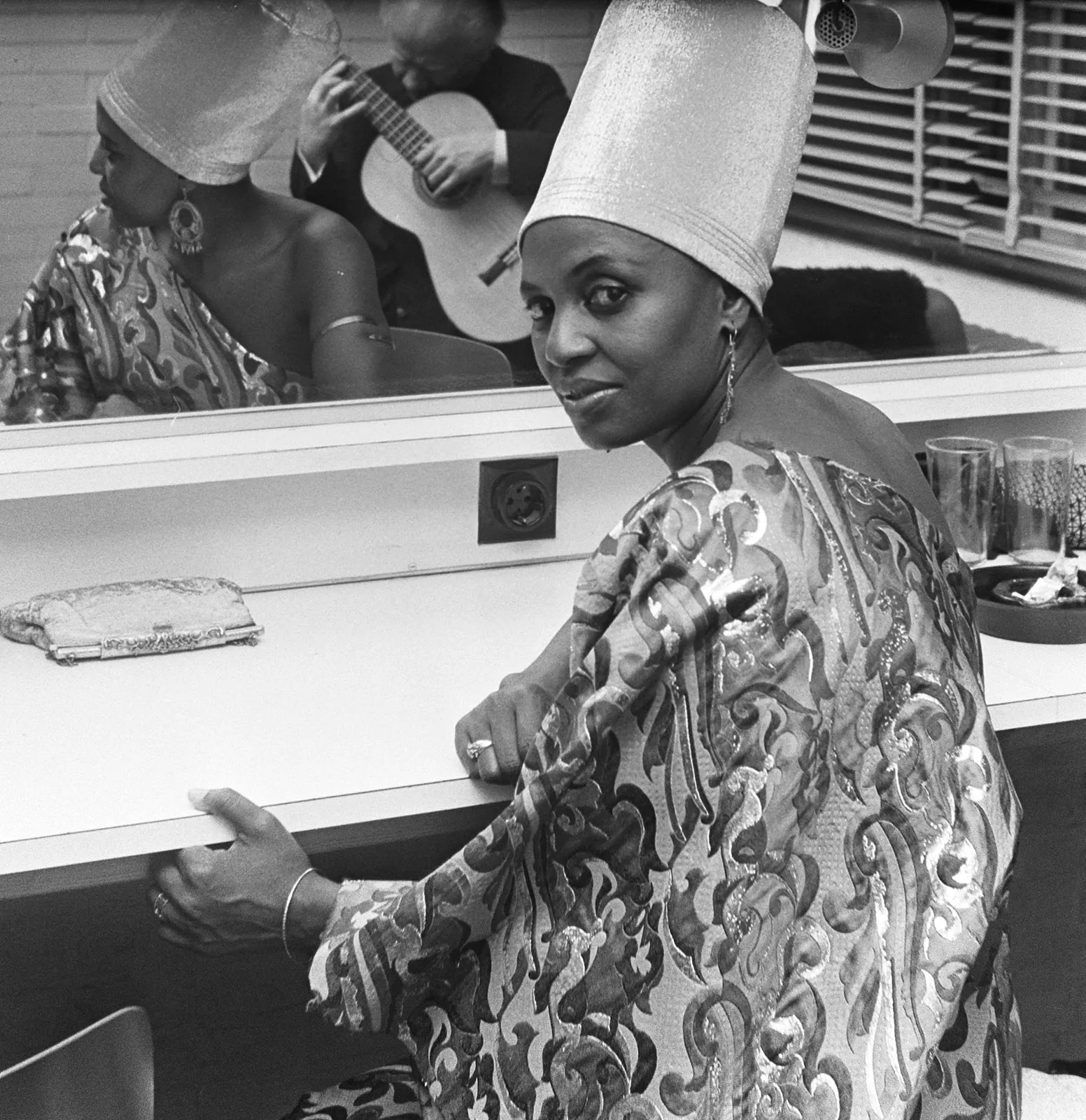
By Bergotte Miriam Makeba was exiled from her country for thirty-one years. She was stripped of her passport, banned from attending her mother’s funeral, and prevented from returning home to South Africa by a government that understood, correctly, that her voice was more dangerous to apartheid than most weapons available to the opposition. She respondedContinue reading “What’s So Special About Miriam Makeba”
Category Archives: Aesthetics
Why Gen Z Looks So Badly Dressed to Gen X
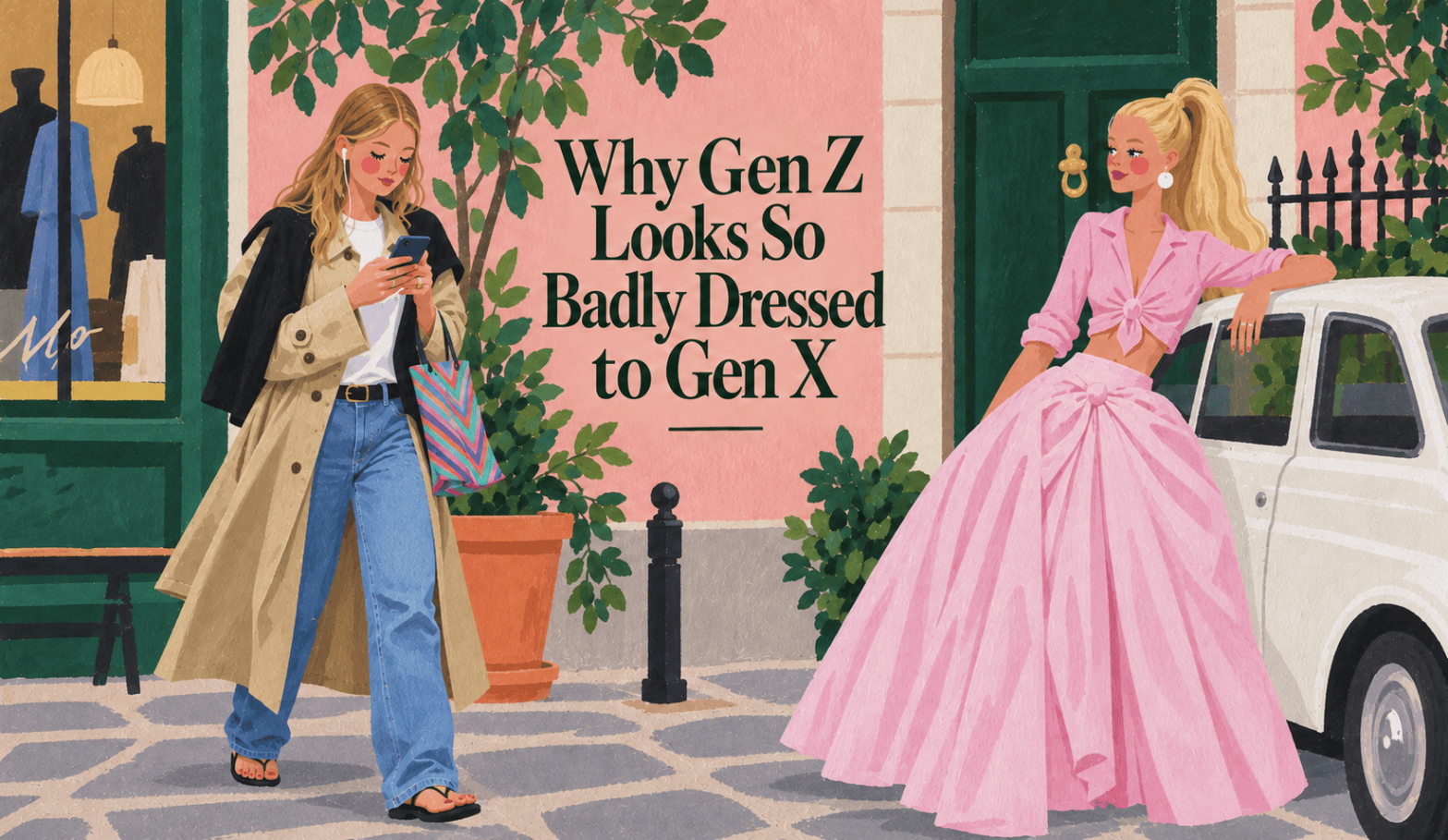
Taste, Technology and What Happened to the Individual Eye I think About This A Lot… by Birgitte Hahn-Etc There comes a point in middle age when one catches oneself looking at a group of twenty-somethings and thinking something one had promised never to think: Why are they all dressed like that? This is treacherous territory.Continue reading “Why Gen Z Looks So Badly Dressed to Gen X”
Condemned to Be Free: Who We Are According to Jean-Paul Sartre
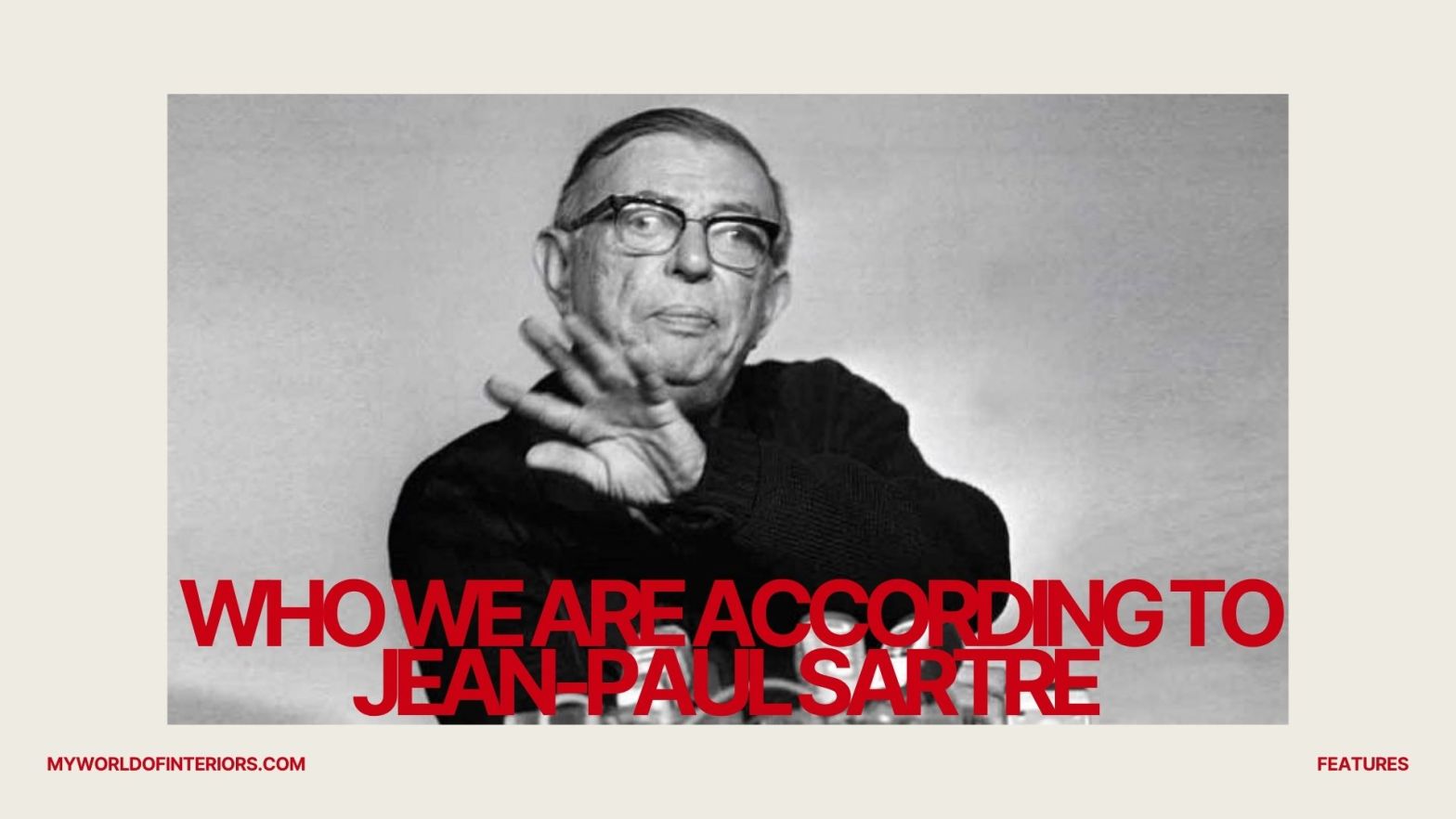
Every philosopher in this series has made demands. Kierkegaard demanded genuine decision. Beauvoir demanded resistance to structural power. Nietzsche demanded value-creation in the void. Heidegger demanded ownership of one’s own being. Sartre takes all of these demands, strips away every remaining support, and arrives at the most terrifying and the most liberating position in theContinue reading “Condemned to Be Free: Who We Are According to Jean-Paul Sartre”
Asger Jorn
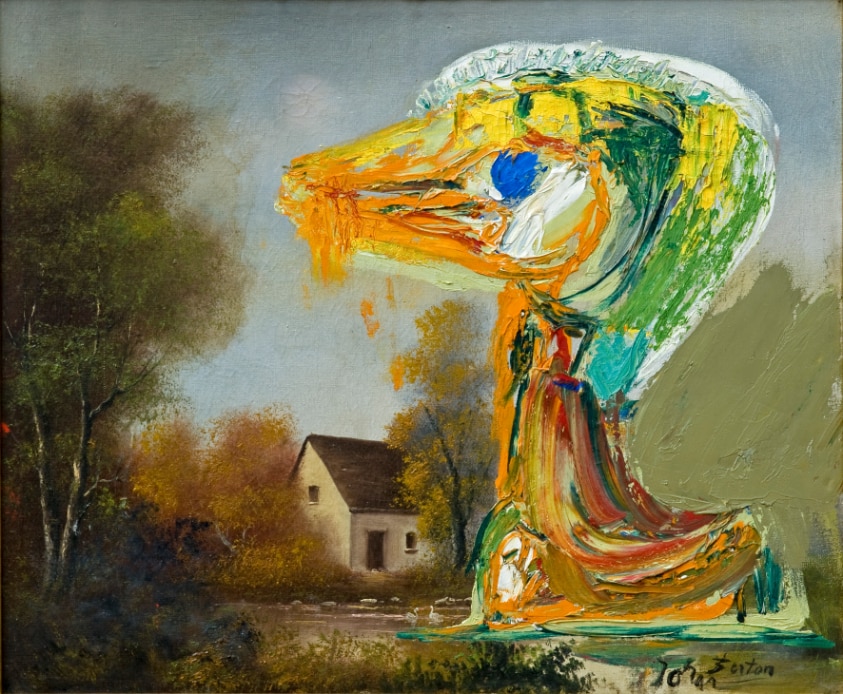
Encounters · No. 7 The Vandal with a Vision Asger Jorn bought other people’s paintings at flea markets and painted over them. He helped invent two of the twentieth century’s most radical movements and then walked away from both. He believed that art was not a product but a way of being alive. He wasContinue reading “Asger Jorn”
Mick Rooney, 1944–2026: The Painter of the Human Theatre
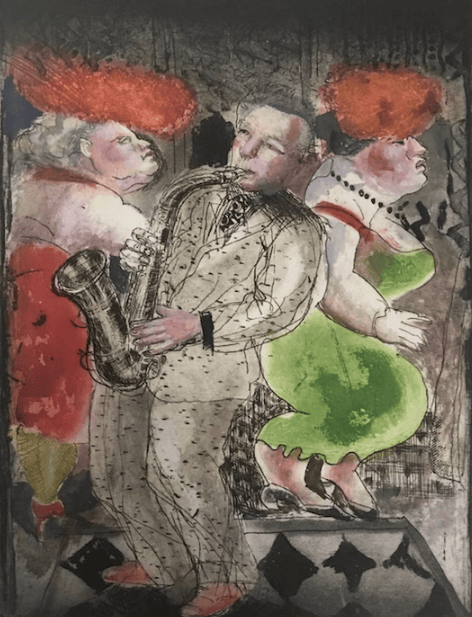
The British painter and Royal Academician, whose mysterious, richly coloured pictures transformed ordinary human life into scenes of dream, myth and private theatre, has died. Mick Rooney, the British painter whose strange, densely imagined figurative pictures occupied a distinctive place in British art for more than half a century, has died. Born in 1944, RooneyContinue reading “Mick Rooney, 1944–2026: The Painter of the Human Theatre”
Peter Max, 1937–2026: The Artist Who Coloured the Counterculture
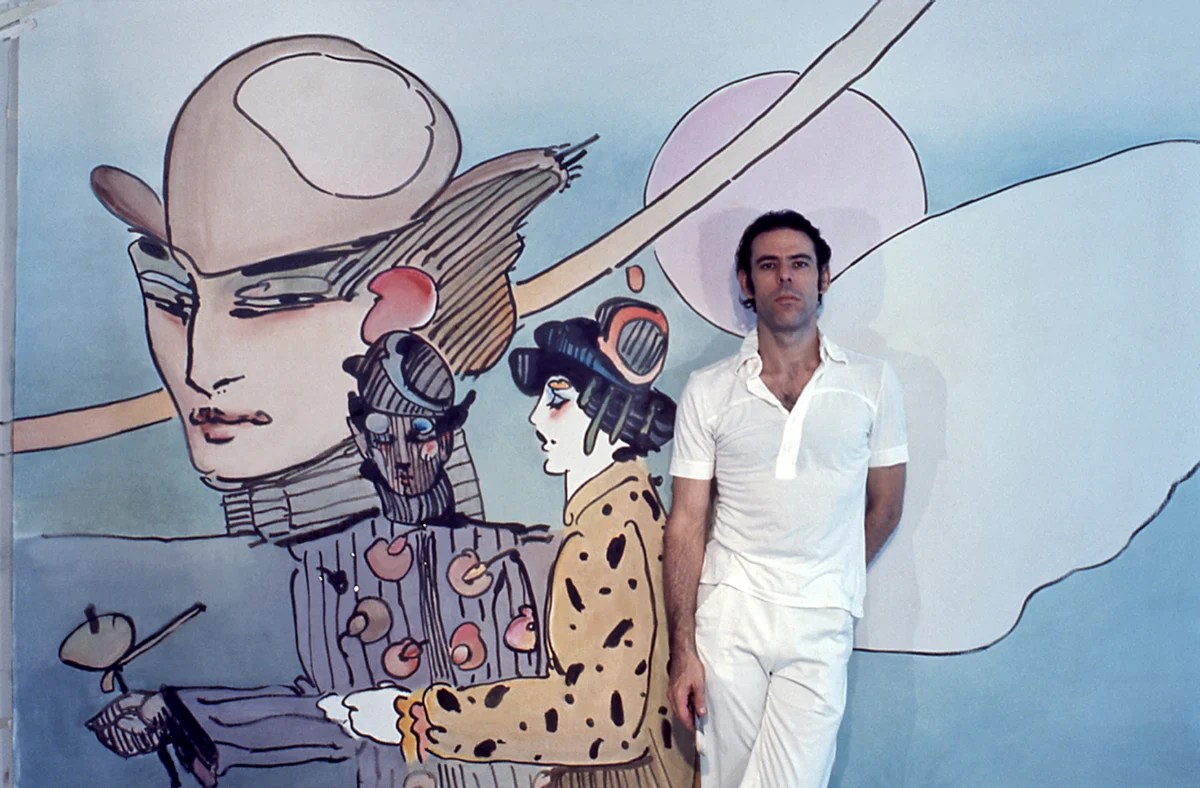
The German-born American artist, whose ecstatic suns, rainbows, cosmic figures and Day-Glo colours became part of the visual language of the 1960s, has died aged 88. Peter Max, the artist whose brilliant colours, cosmic landscapes and buoyant psychedelic imagery became almost inseparable from the visual culture of the American 1960s, died on 14 September 2026Continue reading “Peter Max, 1937–2026: The Artist Who Coloured the Counterculture”
Annie Dillard, 1945–2026: The Fierce Attention of a Life

The Pulitzer Prize-winning author of Pilgrim at Tinker Creek, whose ecstatic, exacting prose transformed the observation of nature into an inquiry into consciousness, faith and existence, has died aged 81. Annie Dillard, one of the most singular voices in postwar American literature, died on 15 September 2026 at her home in South Wellfleet, Massachusetts. SheContinue reading “Annie Dillard, 1945–2026: The Fierce Attention of a Life”
In Memoriam – Bob Mackie
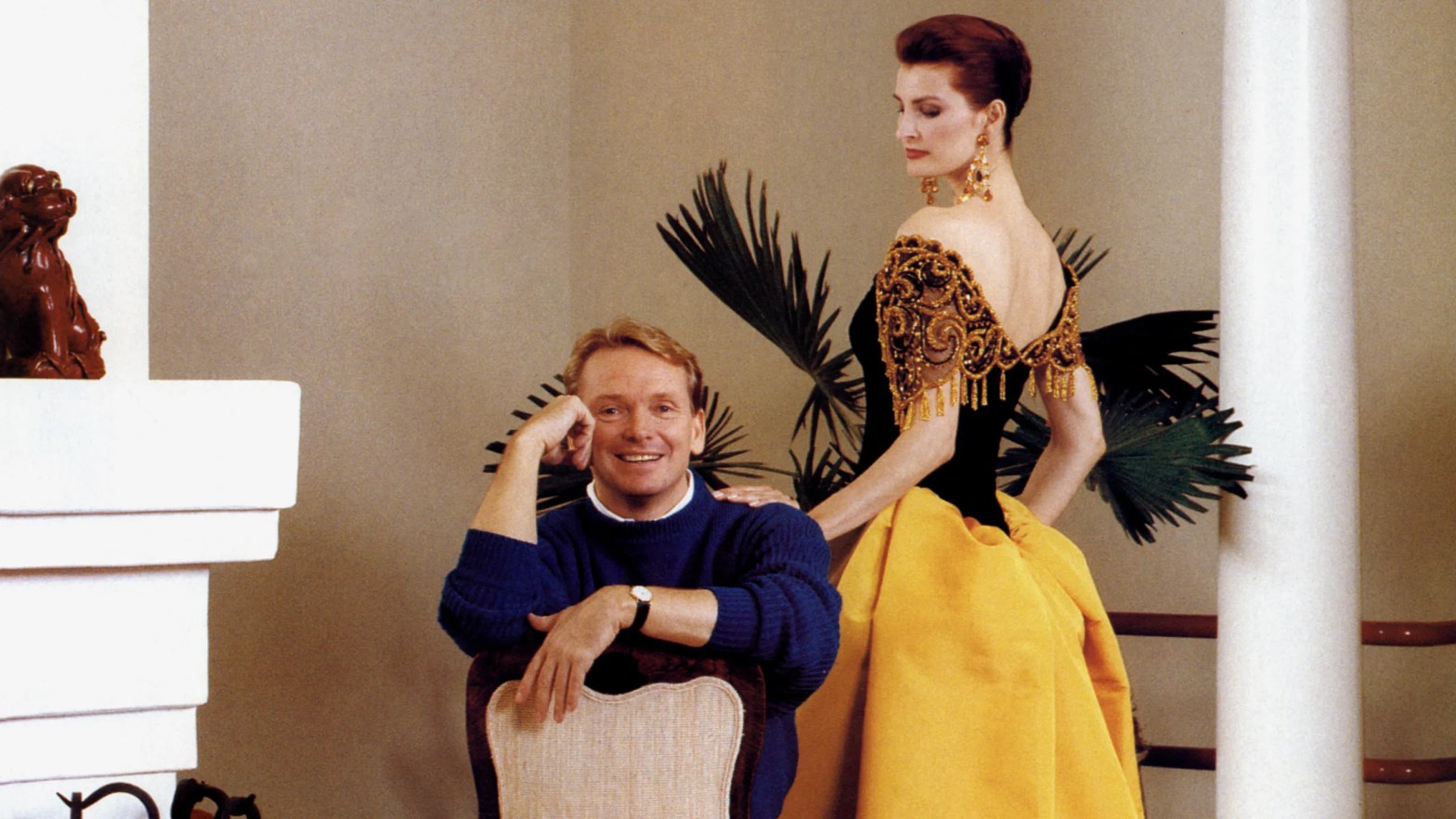
The Sultan of Sequins Bob Mackie, who died on 14 September 2026 at the age of eighty-seven, dressed the century’s most luminous performers in the most theatrical clothes ever made for a body. He understood, better than almost anyone in the history of costume, that a great dress was not decoration but transformation — thatContinue reading “In Memoriam – Bob Mackie”
The Reel Argument: Rainer Werner Fassbinder
By Bergotte Rainer Werner Fassbinder made forty-four films in sixteen years, and then he died at thirty-seven of a drug overdose in a Munich flat in 1982, and the output is so staggering and the life so short that the mathematics alone feel like an argument — an argument that something was burning in thisContinue reading “The Reel Argument: Rainer Werner Fassbinder”
The New Dark Ages
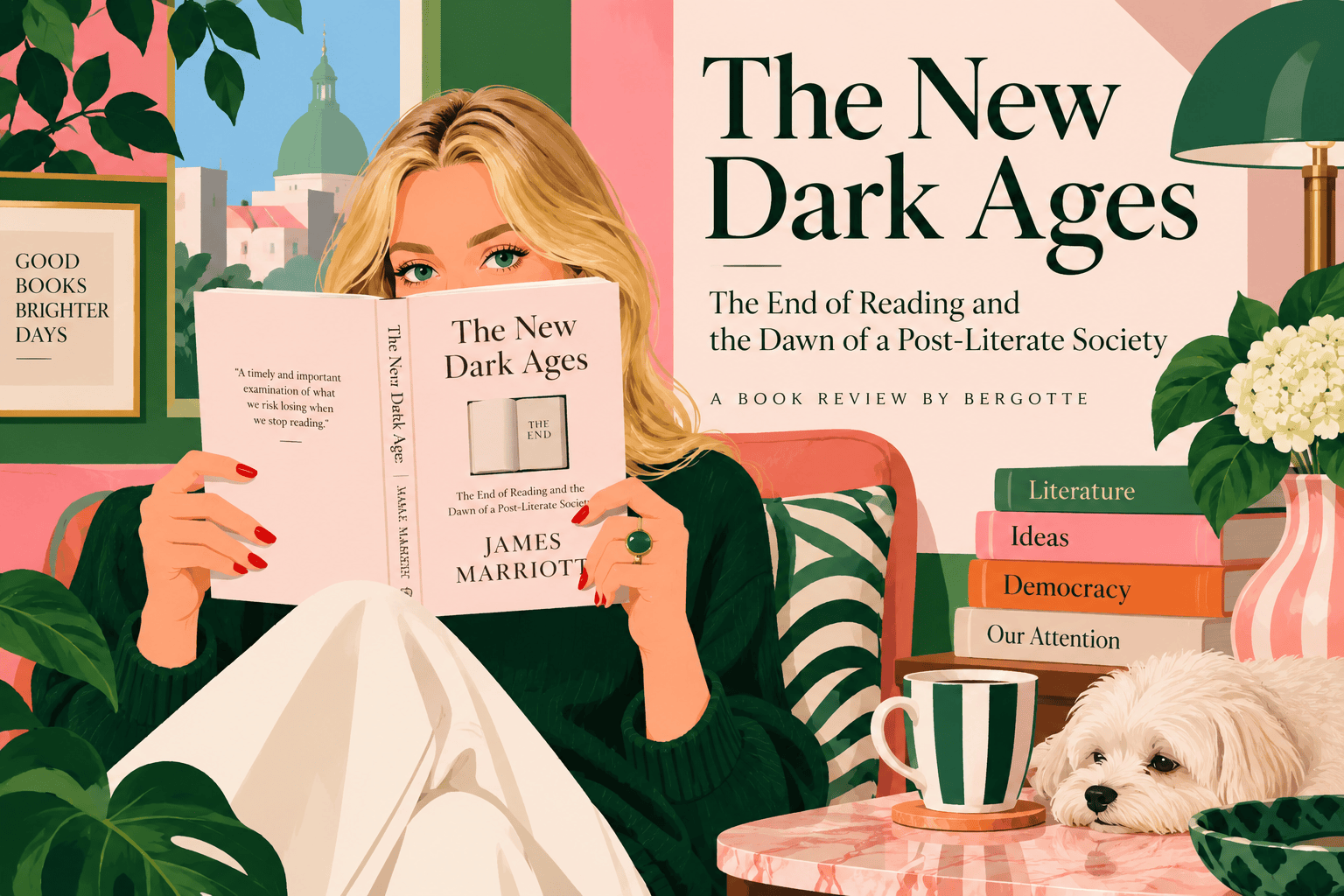
What We Lose When We Stop Reading Book: The New Dark Ages: The End of Reading and the Dawn of a Post-Literate SocietyAuthor: James MarriottPublisher: The Bodley HeadPublication: 3 September 2026Pages: 208ISBN: 9781847929518Genre: Cultural criticism / Social commentary / Media studies There is something almost quaint about worrying about the death of reading. We haveContinue reading “The New Dark Ages”

