Tag: Art History
-
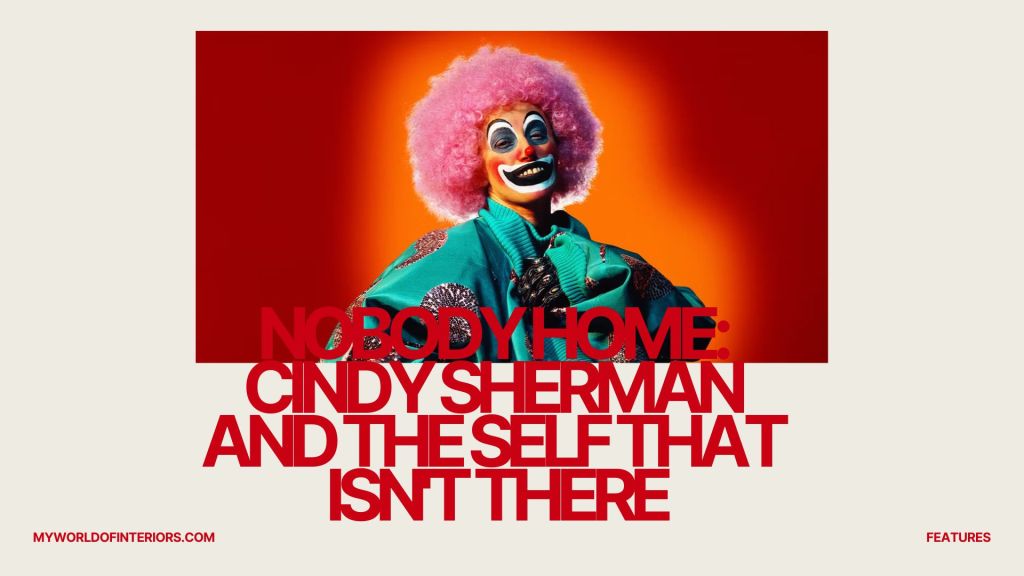
Nobody Home: Cindy Sherman and the Self That Isn’t There
She has been a clown, a centrefold, a society matron, a fairy-tale victim, a film noir ingénue, a Renaissance duchess, a party guest, a disaster. She has never, in fifty years of making photographs, been herself. This is not evasion. It is the most radical position in contemporary art. By Bergotte There is no portrait…
-
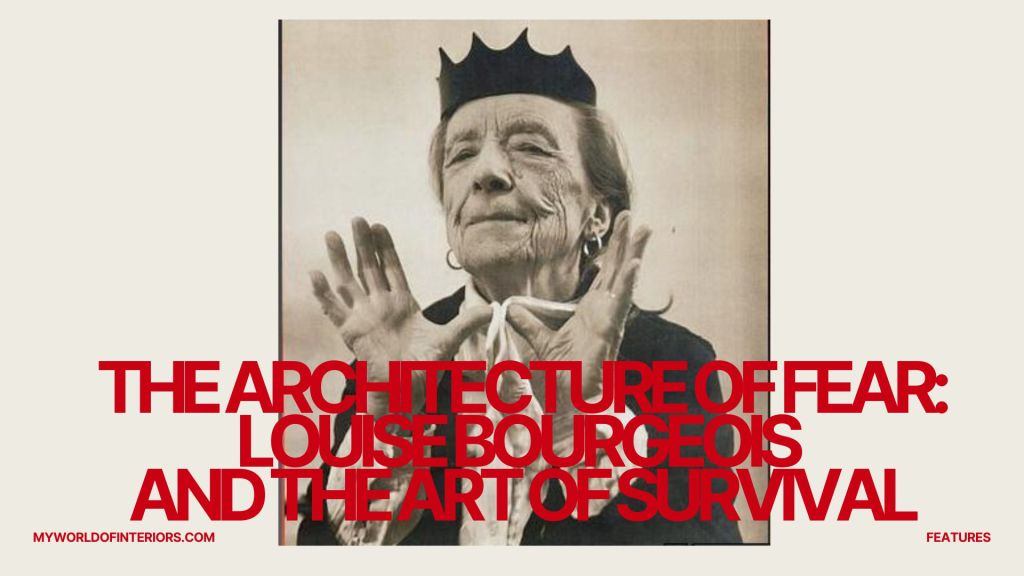
The Architecture of Fear: Louise Bourgeois and the Art of Survival
She spent seventy years making art about her childhood. She became famous at seventy-one. She worked until the day she died at ninety-eight. Louise Bourgeois was not the most famous artist of the twentieth century, but she may have been the bravest — and the most honest about what art is actually for. By Bergotte…
-
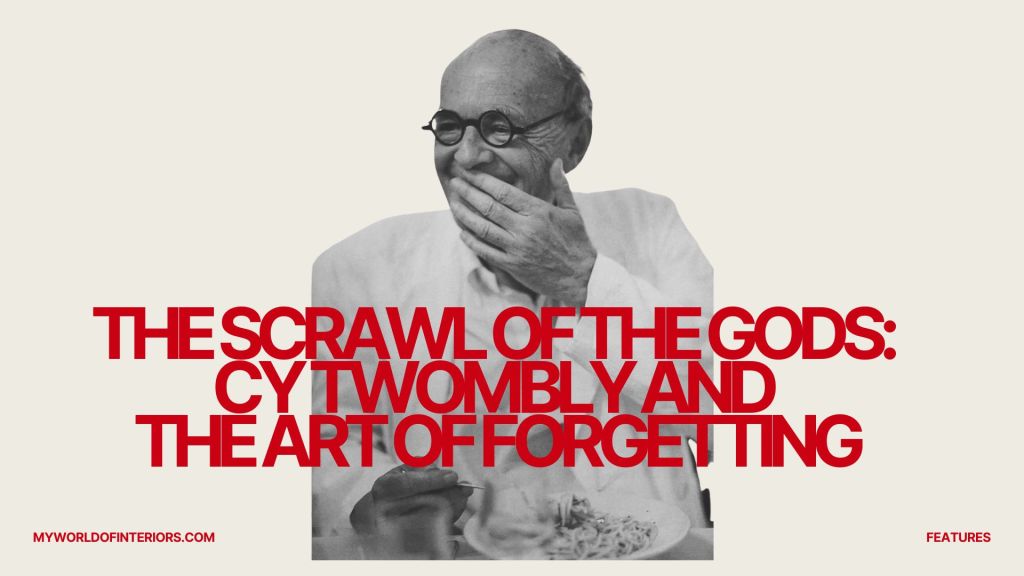
The Scrawl of the Gods: Cy Twombly and the Art of Forgetting
He made paintings that looked like vandalism, drawings that resembled the work of a distracted child, and sculptures that seemed to be falling apart. He also changed the course of Western art. By Bergotte There is a canvas in the Menil Collection in Houston, twelve feet wide, that appears, at first glance, to have been…
-
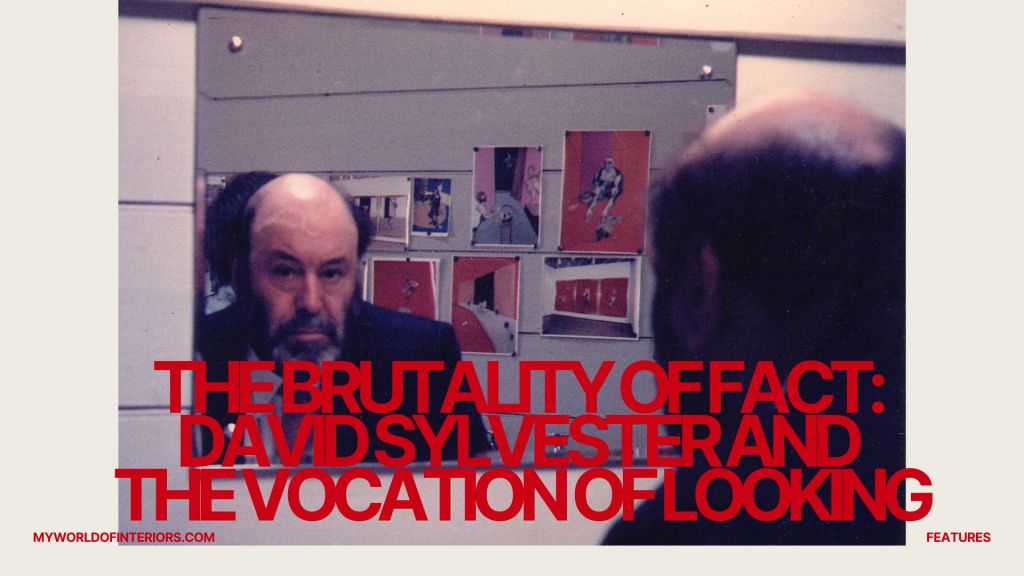
The Brutality of Fact: David Sylvester and the Vocation of Looking
The greatest British art critic of the twentieth century never wrote a book he was satisfied with. What he left behind instead was something rarer — a model of attention so exacting it changed what art could ask of its audience. By Bergotte There is a way of sitting in front of a painting that…
-
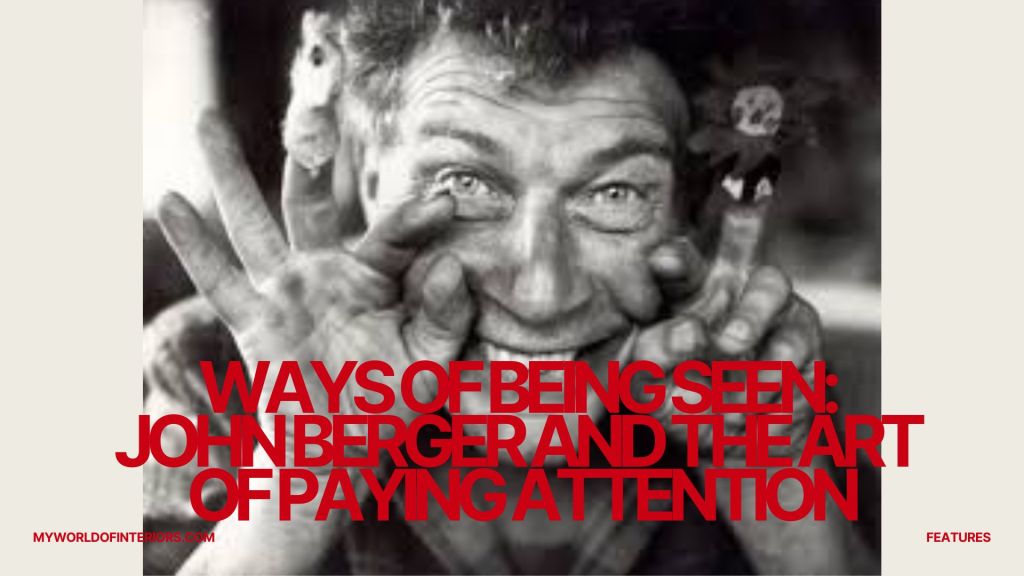
Ways of Being Seen: John Berger and the Art of Paying Attention
Eight years after his death, the critic, novelist, and storyteller who changed how we look at art remains the most generous — and the most radical — writer England ever produced. By Bergotte There is a moment in the first episode of Ways of Seeing — the 1972 BBC television series that made John Berger,…
-
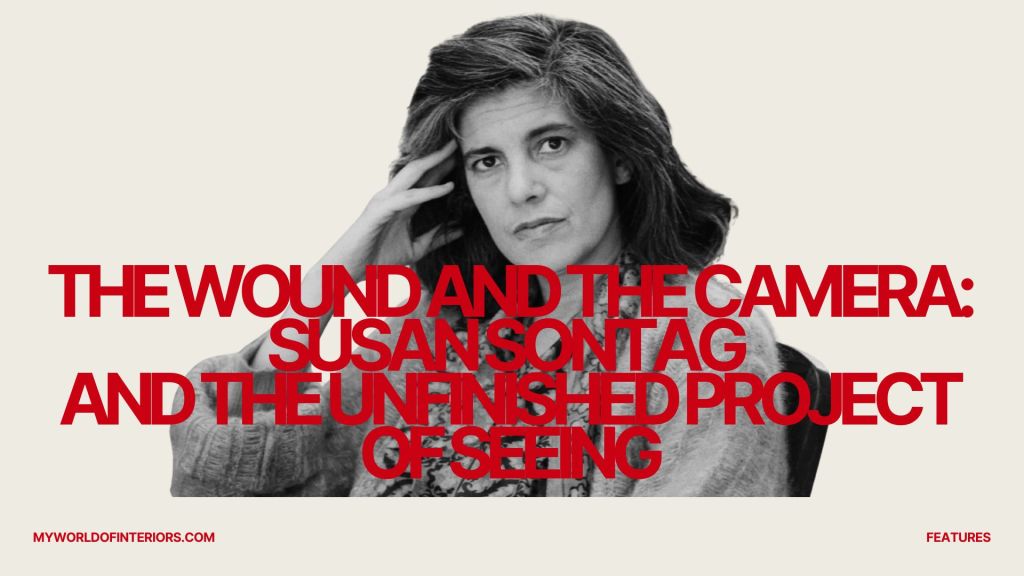
The Wound and the Camera: Susan Sontag and the Unfinished Project of Seeing
Twenty years after her death, the great critic’s ideas about images, suffering, and the moral life feel less like history than like prophecy. By Bergotte There is a photograph that Susan Sontag never saw — or rather, she could not have seen it in the form we now encounter it, scrolling past it on a…

