

Encounters America Laid Bare Cady Noland made some of the most disturbing art of the late twentieth century from beer cans, shopping carts, silkscreened celebrity mugshots, and the hardware of American violence. Then she stopped. She has barely spoken since. The silence is part of the work. By Bergotte There is a work by CadyContinue reading “Cady Noland”
Category Archives: History
The Eameses: Designers of the American Century
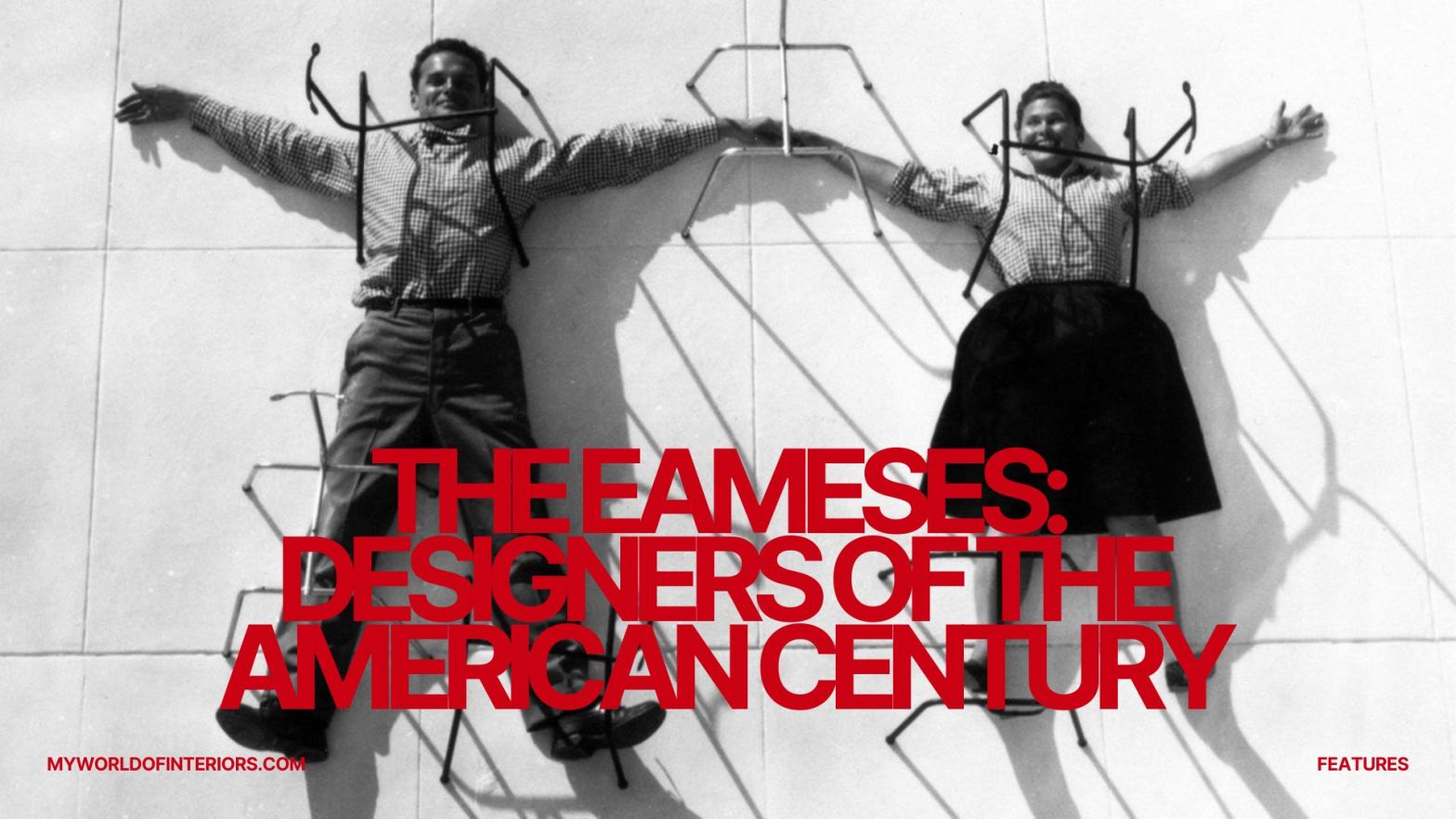
In the light-filled hills above the Pacific, a glass-and-steel house stands as a manifesto. Inside, shelves of books and folk art mingle with modernist chairs in plywood and fiberglass. It is not simply a home, but a vision: how design could be democratic, playful, rigorous, and alive. This is the world of Charles and RayContinue reading “The Eameses: Designers of the American Century”
The Suffragettes: Votes for Women, Voices for the Future
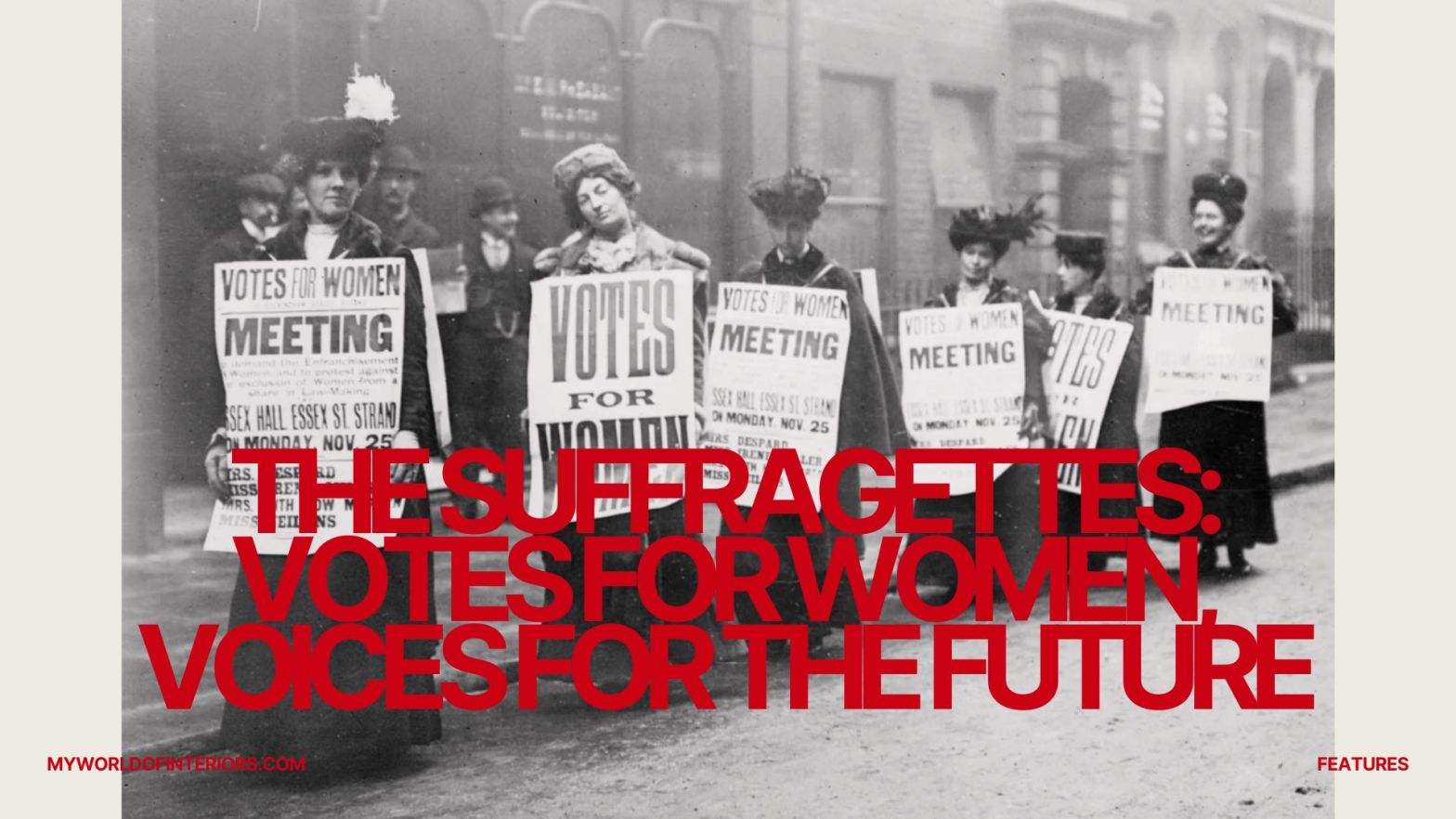
The image is iconic: women in long skirts and wide-brimmed hats marching with banners, chained to railings, smashing windows, or staging hunger strikes. They were called the Suffragettes — and for much of the early twentieth century, they fought not only for the right to vote but for recognition as citizens, as individuals, as equals.Continue reading “The Suffragettes: Votes for Women, Voices for the Future”
Surrealism: The Logic of Dreams
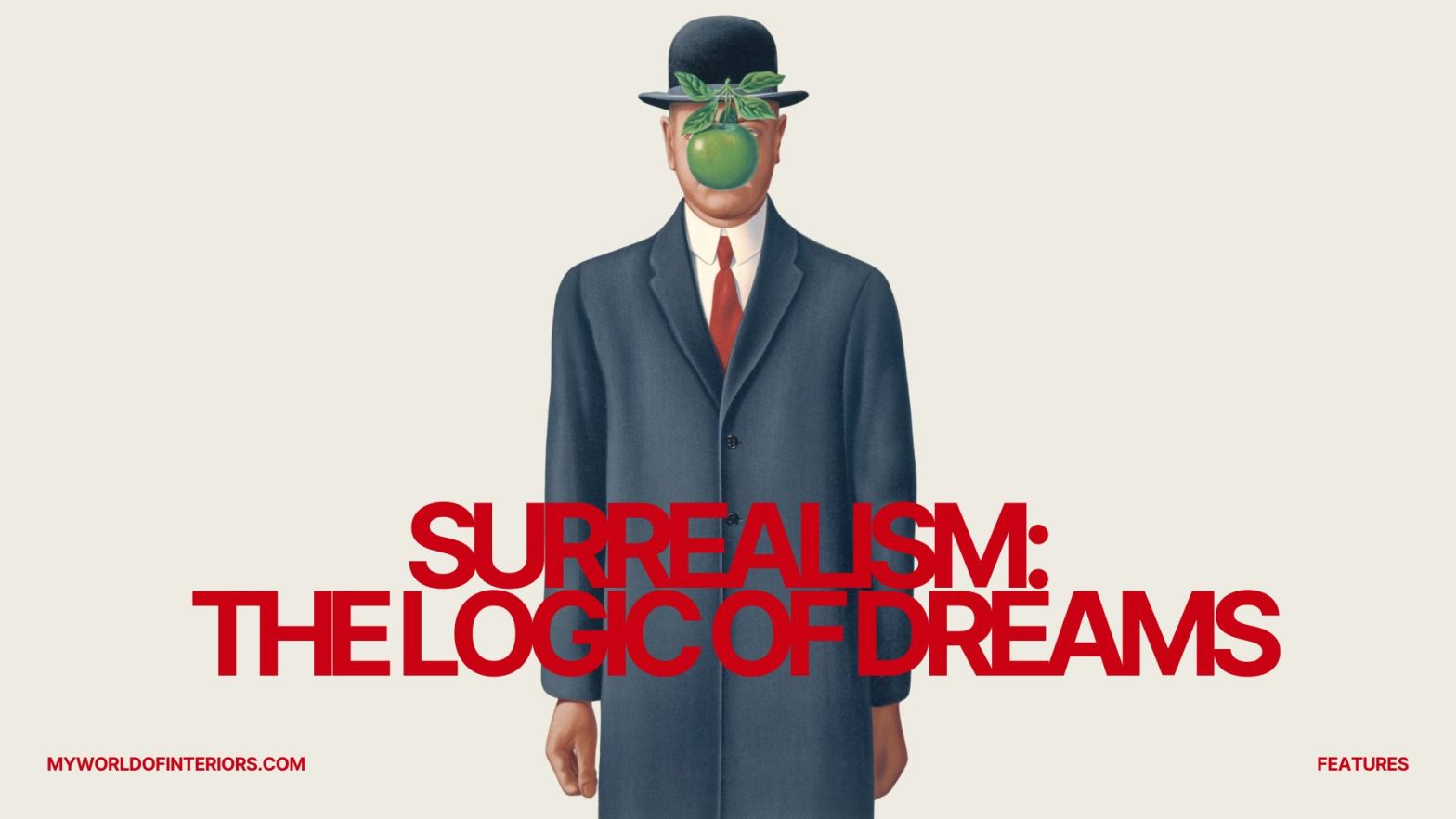
Few movements in 20th-century art captured the imagination as forcefully, or as lastingly, as Surrealism. Emerging in the 1920s from the embers of Dada and the disillusionment of World War I, Surrealism sought not only to revolutionize art but to liberate human consciousness itself. It was not a style, but an attitude — a wayContinue reading “Surrealism: The Logic of Dreams”
The Silent Era: Cinema Before Words
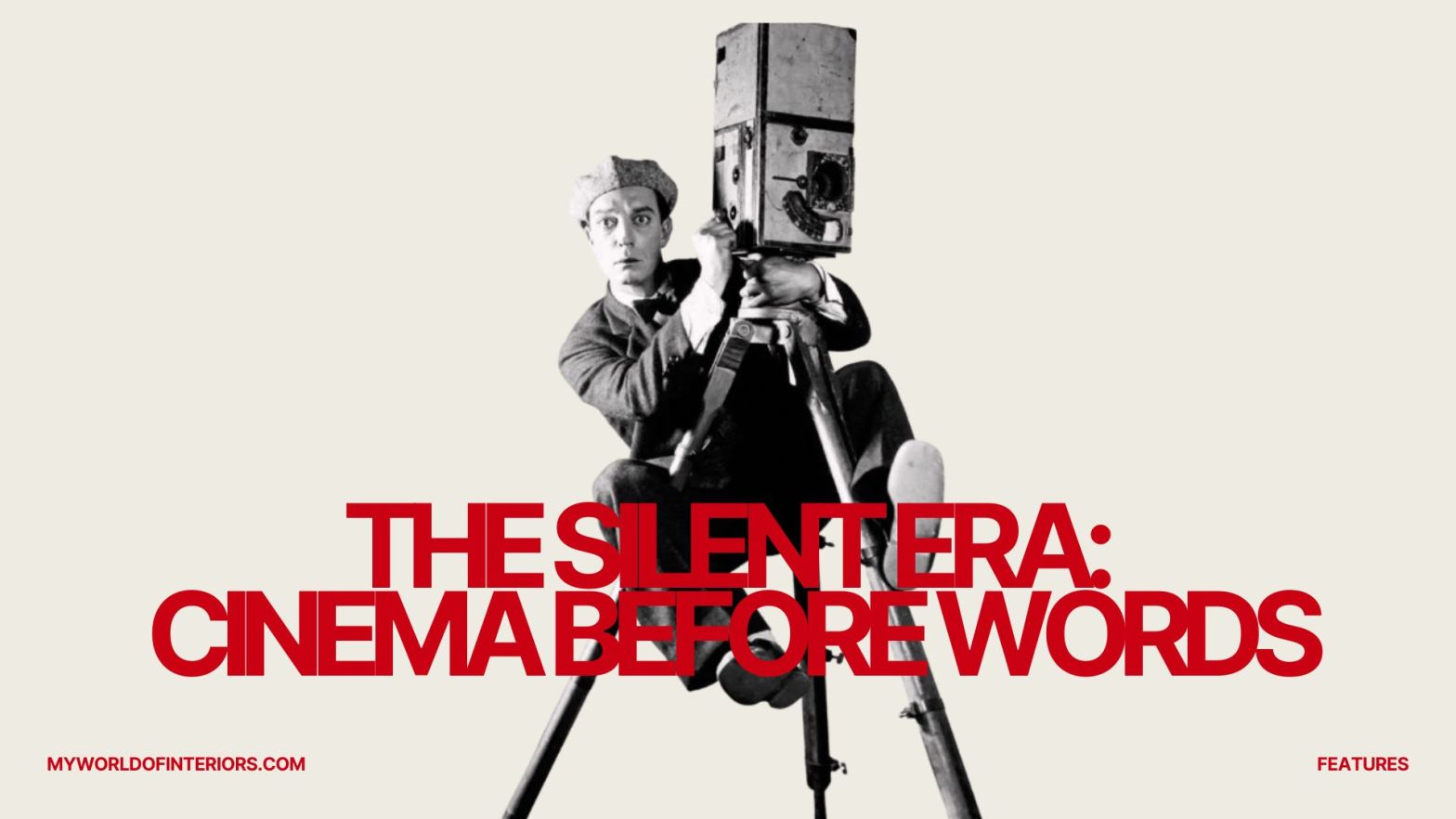
Before the world spoke in sync with film, it dreamed in silence. The silent movie era — stretching from the late 1890s through the late 1920s — was a time when cinema evolved from novelty to art form, from flickering short reels in nickelodeons to sprawling epics projected in ornate picture palaces. It was anContinue reading “The Silent Era: Cinema Before Words”
Life Magazine: America in Pictures

For much of the twentieth century, Life magazine was not just a publication — it was a window through which Americans saw the world, and the world saw America. From 1936, when publisher Henry Luce reimagined the title as a weekly news magazine told primarily through photographs, until its decline as a mass-market force inContinue reading “Life Magazine: America in Pictures”
Federico Fellini: The Dream Architect of Cinema
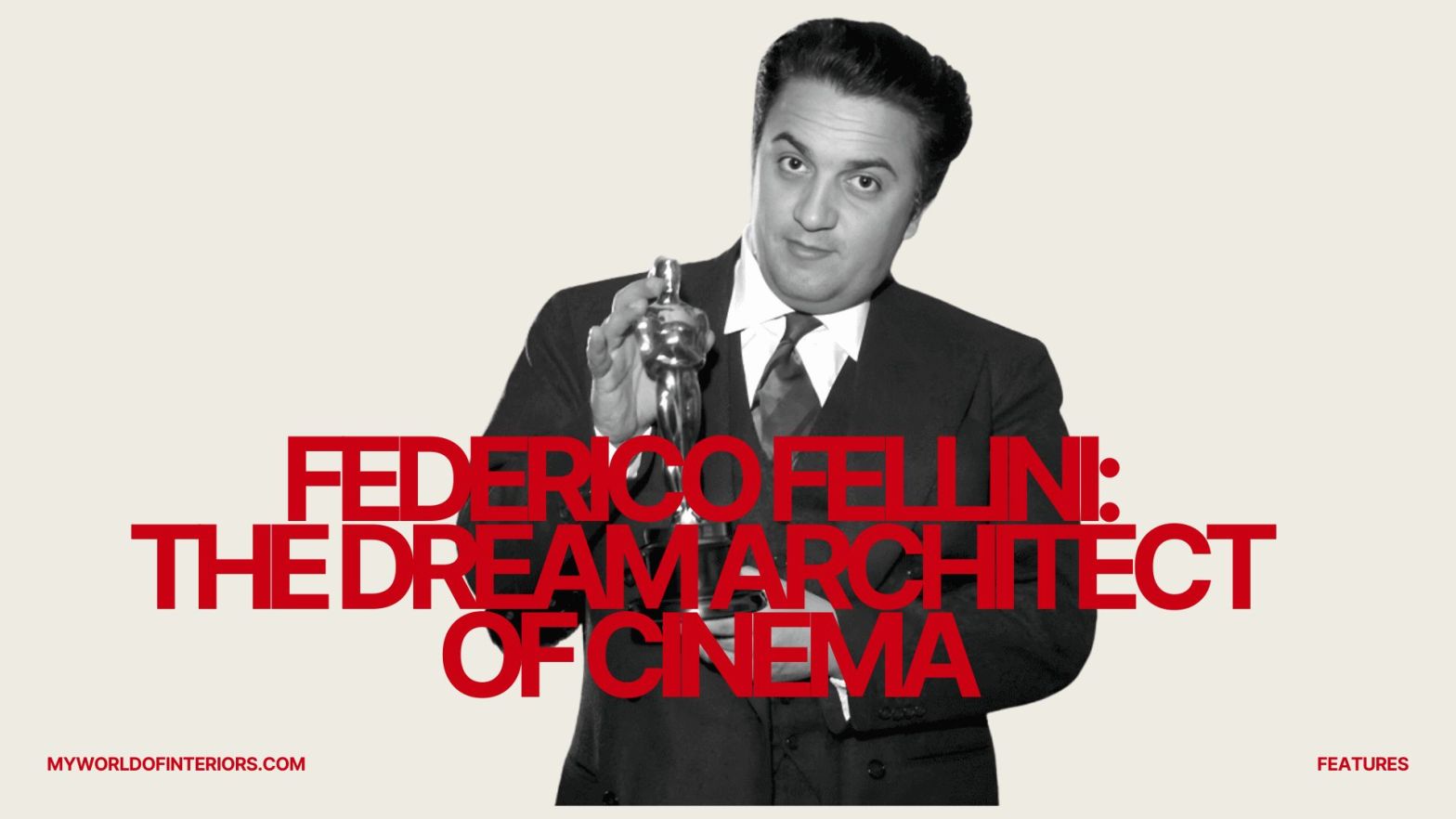
Cinema has produced few visionaries who transformed the medium so thoroughly that their very names became adjectives. Federico Fellini is one of them. “Felliniesque” has entered the lexicon to describe a sensibility that is at once surreal, carnivalesque, erotic, grotesque, and tender — a world where memory and dream coexist, and where the line betweenContinue reading “Federico Fellini: The Dream Architect of Cinema”
The Human Condition According to Valerie Solanas
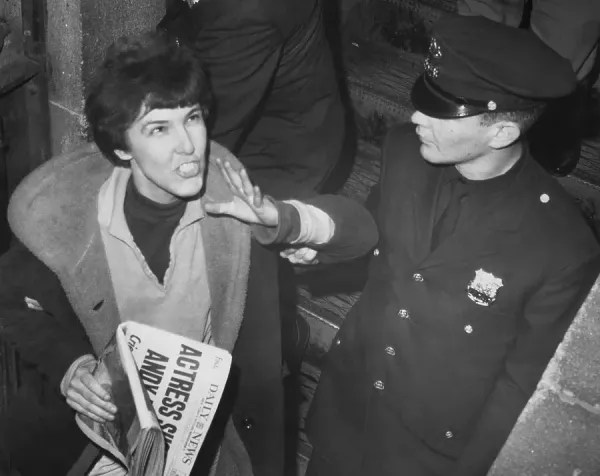
By Bergotte Valerie Solanas is the writer this series was not supposed to include. She is not canonical. She is not comfortable. She wrote one major text, the SCUM Manifesto, which calls for the elimination of men, and she shot Andy Warhol in 1968, and she died alone in a welfare hotel in San FranciscoContinue reading “The Human Condition According to Valerie Solanas”
Villa San Michele
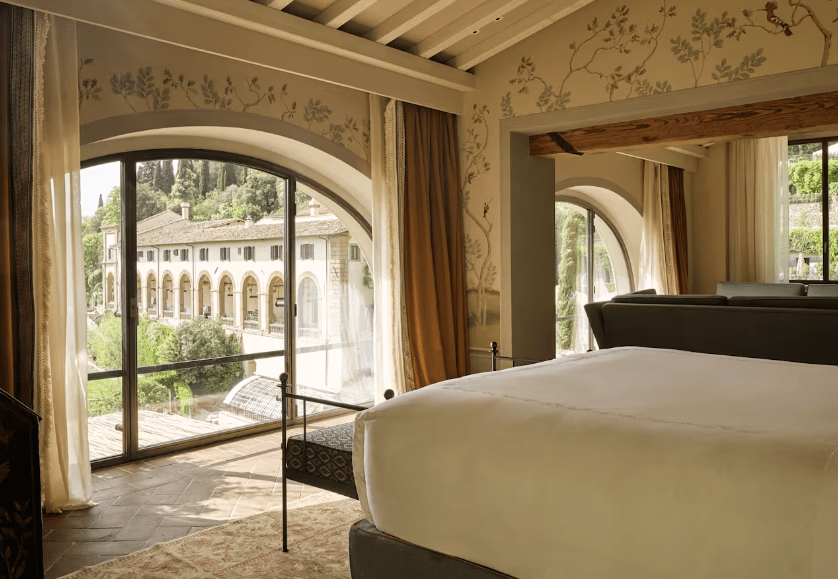
Above Florence Villa San Michele, A Belmond Hotel, has just reopened above Fiesole after eighteen months of renovation — and the view from the terrace is, as it has always been, the finest available in Tuscany There is a concept the Romans called otium — a form of leisure quite distinct from idleness, devoted toContinue reading “Villa San Michele”
James Dean: The Rebel Who Remains
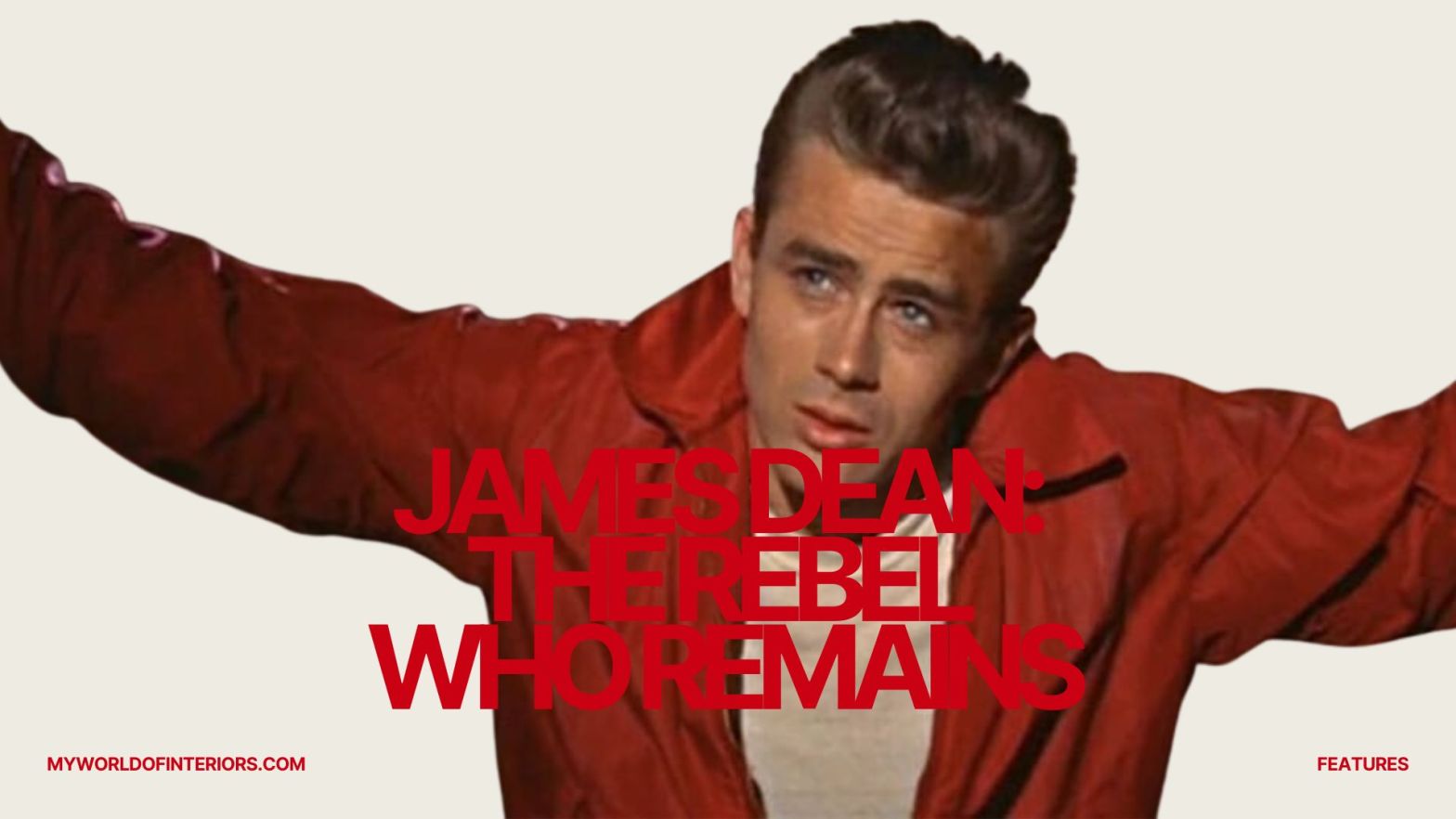
Few figures in 20th-century culture occupy the same space as James Dean: a young man whose career lasted scarcely three films, yet whose image endures as shorthand for rebellion, beauty, and the tragedy of lost potential. He lived only twenty-four years, died in a Porsche Spyder on a California highway in 1955, and yet nearlyContinue reading “James Dean: The Rebel Who Remains”

