
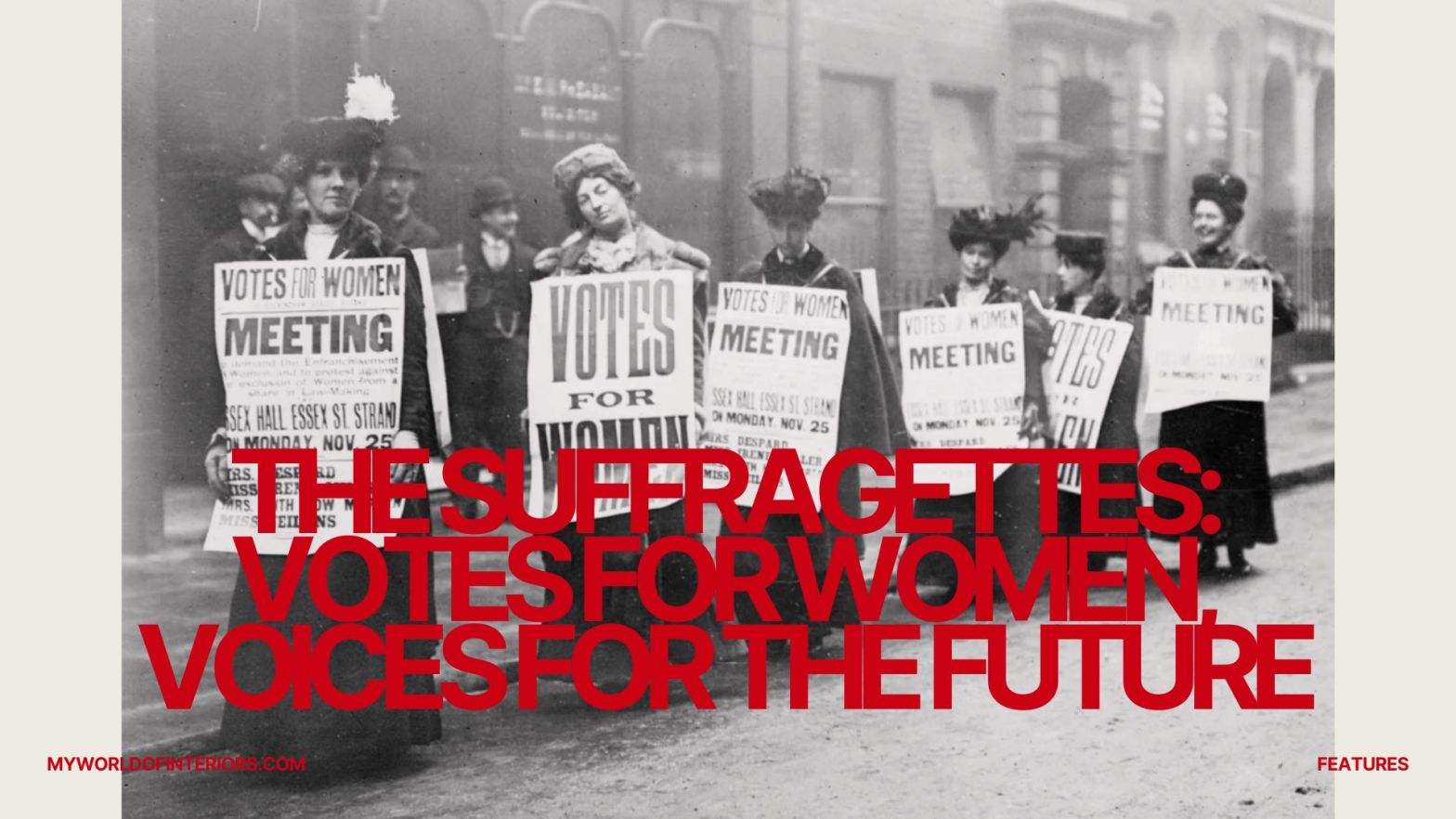
The image is iconic: women in long skirts and wide-brimmed hats marching with banners, chained to railings, smashing windows, or staging hunger strikes. They were called the Suffragettes — and for much of the early twentieth century, they fought not only for the right to vote but for recognition as citizens, as individuals, as equals.
Today, their story is often flattened into slogans and historical shorthand. But the Suffragette movement was radical, divisive, violent at times, and world-changing. It was a struggle waged not just in parliaments and newspapers, but on the streets, in prisons, and in the public imagination. To understand the Suffragettes is to understand how democracy was redefined — and how the unfinished business of equality still shadows us today.
Before the Suffragettes: Suffragists and the Long Fight
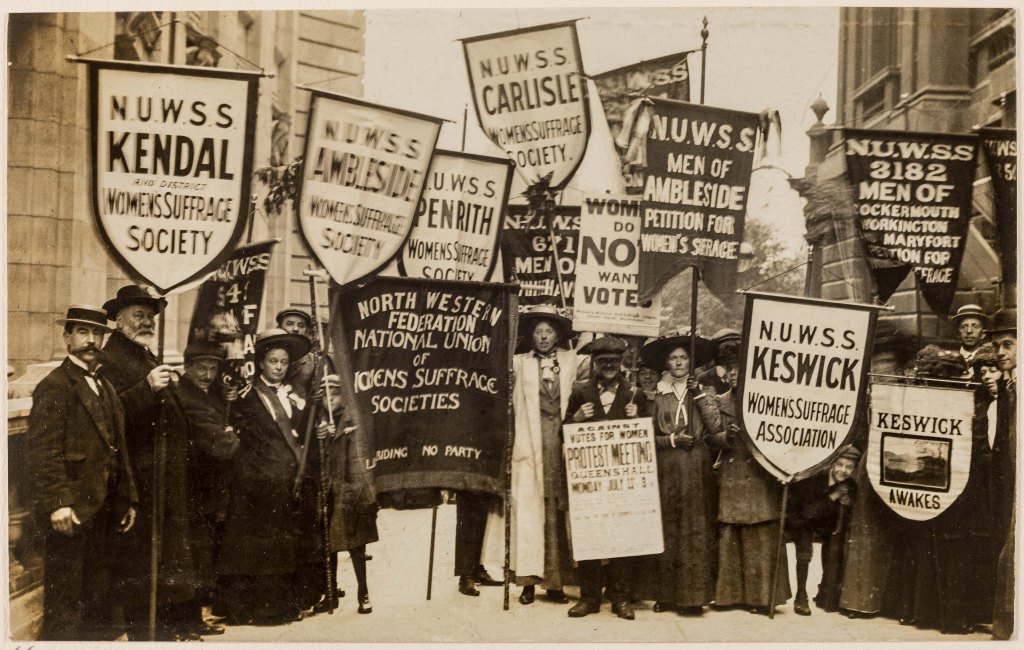
The demand for women’s political rights predated the word “Suffragette.” In Britain, the suffrage movement took root in the mid-19th century, led by campaigners such as Millicent Fawcett and the National Union of Women’s Suffrage Societies (NUWSS). They believed in persuasion through petitions, debates, and gradual reform — a strategy that won sympathy but little legislative success.
Across the Atlantic, the American suffrage movement had its first great moment at the Seneca Falls Convention in 1848, led by Elizabeth Cady Stanton and Lucretia Mott. For decades, activists like Susan B. Anthony and Sojourner Truth argued that the principles of liberty and equality must extend to women. Yet progress was slow, hindered by entrenched social norms and political resistance.
By the turn of the twentieth century, frustration boiled over.
The Suffragettes Rise
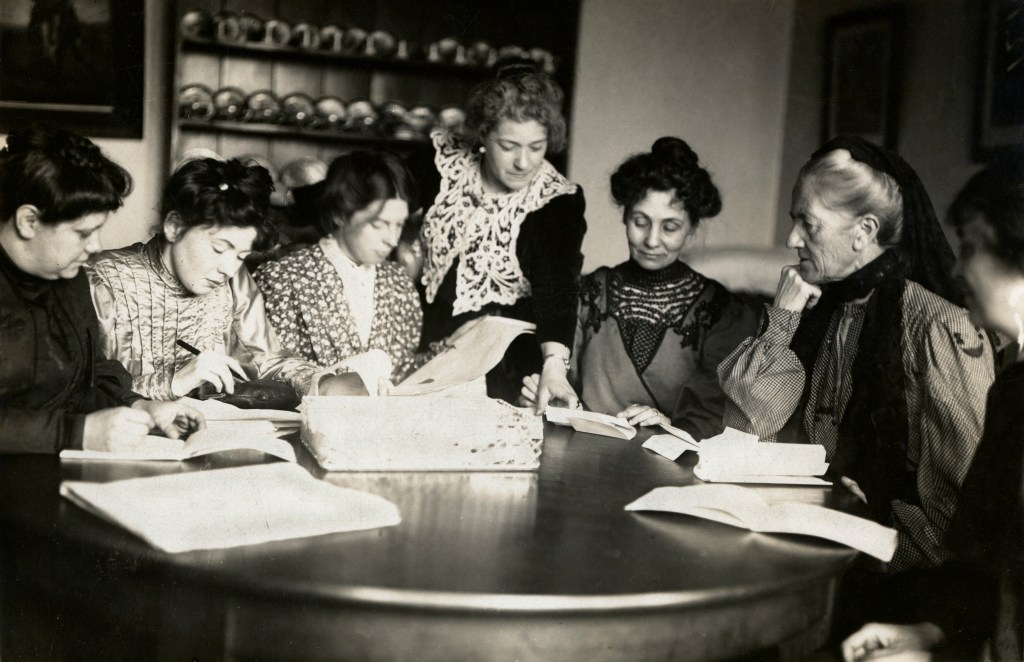
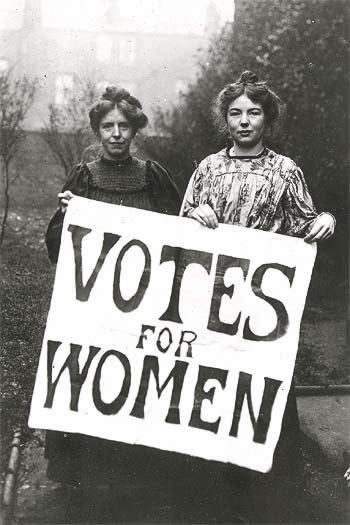
In 1903, Emmeline Pankhurst and her daughters Christabel and Sylvia founded the Women’s Social and Political Union (WSPU) in Manchester, Britain. Unlike the moderate suffragists, the WSPU embraced direct action. They proudly adopted the term “Suffragette” — originally coined as an insult by a newspaper — and turned it into a badge of militancy.
Their motto: “Deeds, not words.”
Suffragettes disrupted political meetings, chained themselves to railings, broke windows in government offices, and in some cases set fire to empty buildings. They were arrested, force-fed during hunger strikes, and vilified in the press. The movement’s most dramatic moment came in 1913, when Emily Wilding Davison ran onto the racetrack at the Epsom Derby and was trampled by King George V’s horse. She died four days later, and became a martyr for the cause.
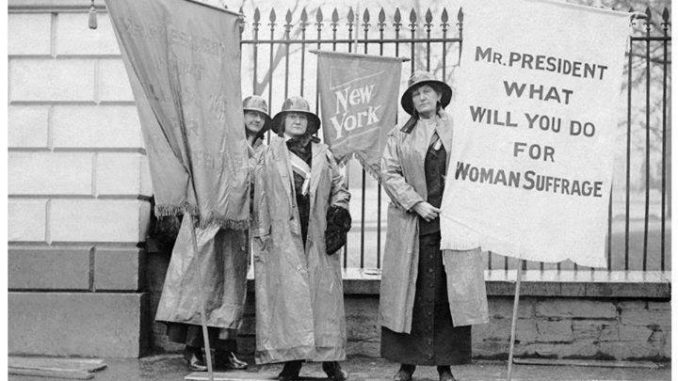
In the United States, suffrage activism took a different form but no less intensity. Alice Paul and Lucy Burns, inspired by the militant tactics in Britain, organized parades, picketed the White House, and endured imprisonment. The sight of women standing silently with banners outside the President’s gates shocked America into realizing that the demand for equality would not disappear.
The Breakthrough
The outbreak of World War I shifted the terrain. As men went to the front, women took on roles in factories, farms, and offices, proving their indispensability to national survival. The war did not create women’s suffrage, but it accelerated it.
In Britain, the Representation of the People Act of 1918 granted voting rights to women over 30 who met property qualifications (full equality came in 1928). In the United States, the 19th Amendment, ratified in 1920, prohibited denying the right to vote on the basis of sex.
The victory was partial and uneven — working-class women, women of color, and colonized women often remained excluded. But the political landscape had changed irreversibly: women were no longer outside the polity, but within it.
Beyond the Ballot
The Suffragettes’ legacy extended beyond the vote. Their tactics challenged gender norms, redefined public protest, and inspired later movements for civil rights, feminism, and LGBTQ+ equality. They demonstrated that democracy is not a finished structure but a contested process, won through struggle.
They also revealed the fractures within feminism: class divisions, racial exclusions, ideological splits. Sylvia Pankhurst broke with her mother and sister, focusing on working-class organizing and anti-colonial solidarity. In the U.S., the suffrage movement was often marked by racial exclusions — Black women like Ida B. Wells and Mary Church Terrell fought not only sexism but also racism within the movement itself.
Where We Are Today
The world of the Suffragettes feels distant, yet their struggle remains urgently relevant. Across the globe, women still face barriers to full political participation. According to the Inter-Parliamentary Union, women currently hold just over 26% of parliamentary seats worldwide. Legal rights exist, but systemic inequalities persist — in pay, in representation, in safety.
The Suffragettes remind us that rights can be won, but they must also be defended. In recent years, reproductive rights, bodily autonomy, and protections against gender-based violence have been rolled back in some countries. The demand for equality is ongoing, not concluded.
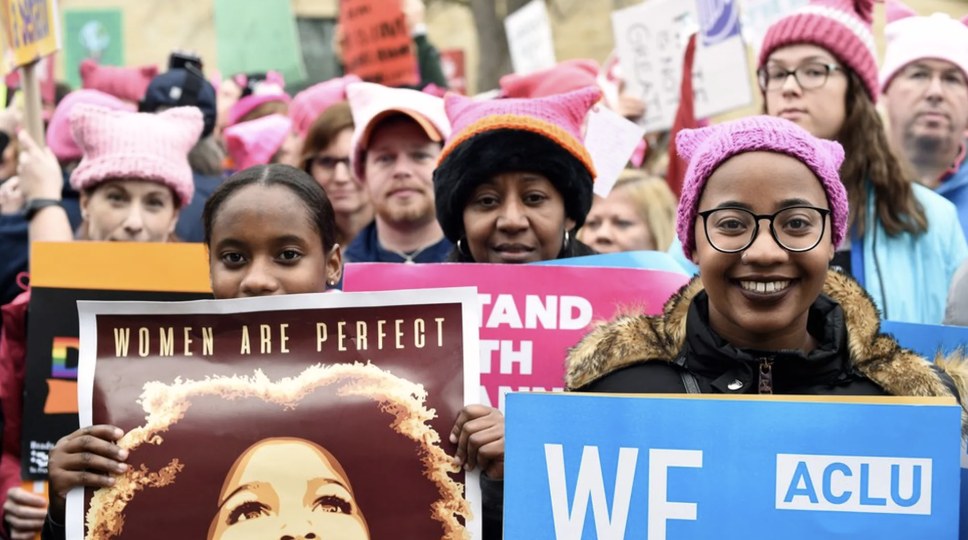
At the same time, the symbolic power of the Suffragettes continues to inspire. Protesters today don Suffragette white at marches, echoing the WSPU’s colors of white, green, and purple. Their insistence that women’s voices matter in public life resonates in movements from #MeToo to campaigns for female leadership in politics, business, and beyond.
The Incomplete Revolution
The Suffragettes won the vote, but the revolution they envisioned remains unfinished. Political equality does not guarantee social equality. Representation does not always yield justice. But their struggle — radical, flawed, courageous — laid the foundation for every feminist advance since.
They remind us that democracy is not given but fought for, that freedom is not static but must be claimed and reclaimed.
Today, as in 1903, the lesson remains: deeds, not words.
Discover more from My World of Interiors
Subscribe to get the latest posts sent to your email.
 My World of Interiors