

For much of the twentieth century, Life magazine was not just a publication — it was a window through which Americans saw the world, and the world saw America. From 1936, when publisher Henry Luce reimagined the title as a weekly news magazine told primarily through photographs, until its decline as a mass-market force in the 1970s, Life shaped how generations understood politics, war, celebrity, and everyday life.
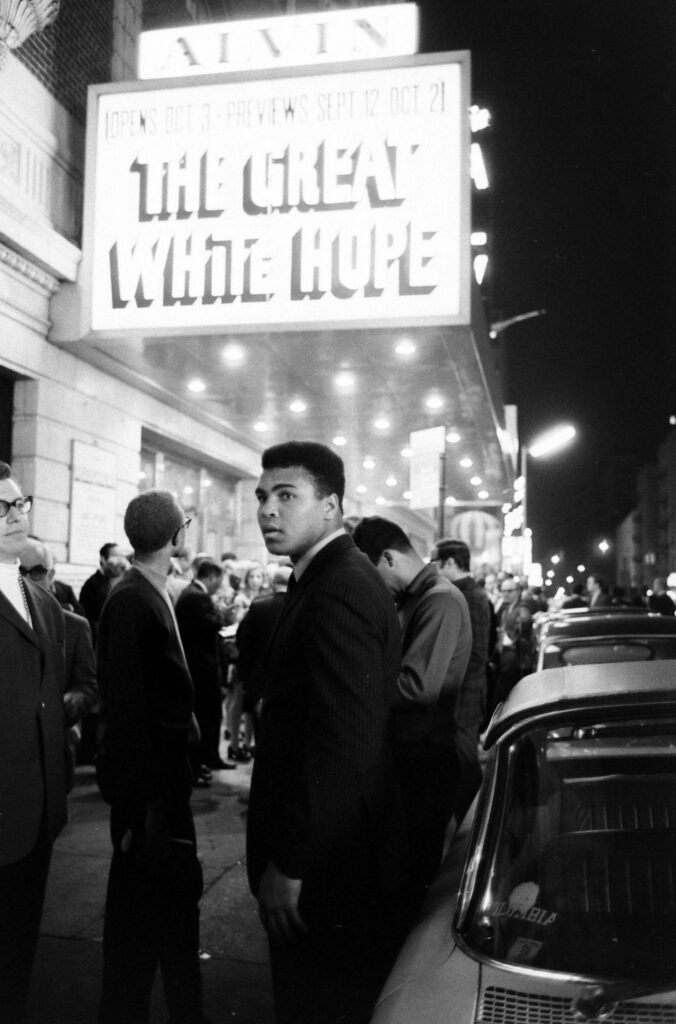
It was more than journalism. It was a national mirror, one in which stories unfolded not in dense columns of type but in unforgettable images: soldiers raising the flag at Iwo Jima, a grief-stricken widow beside John F. Kennedy’s casket, a young Muhammad Ali staring down the camera with unflinching confidence. To read Life was to encounter history in pictures.
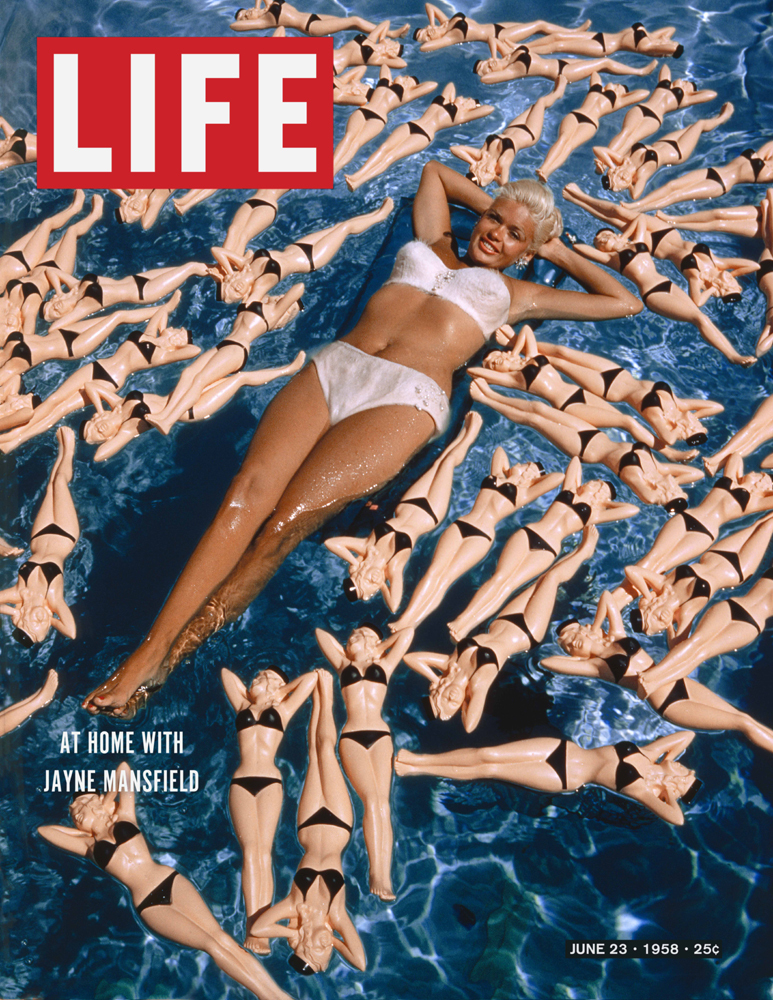
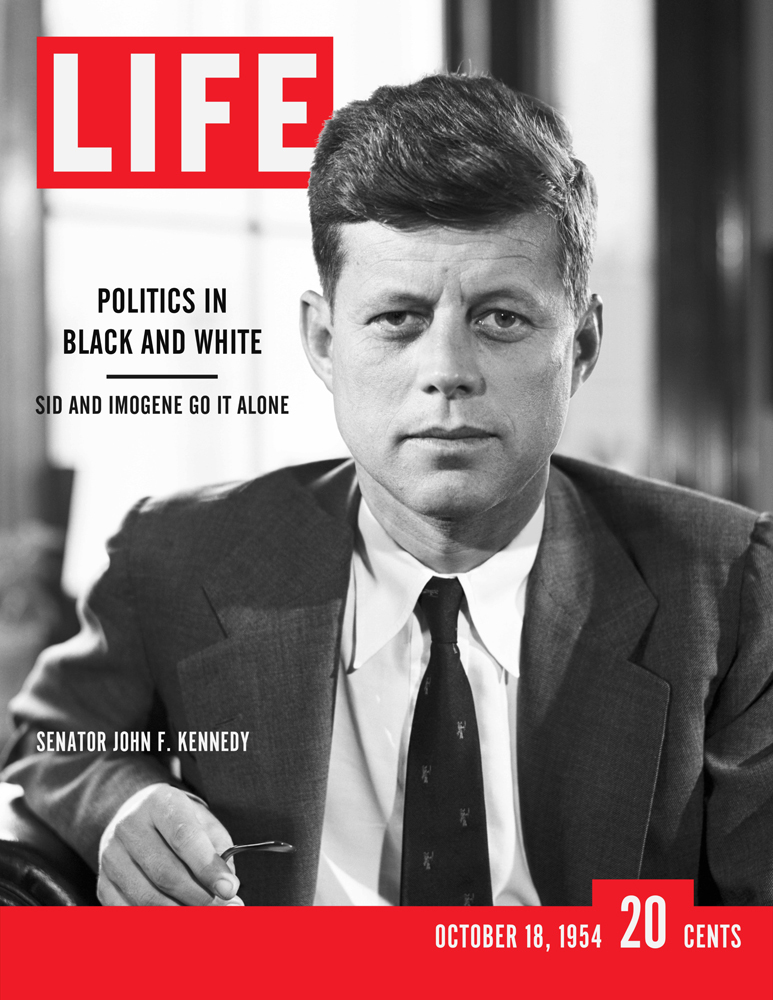
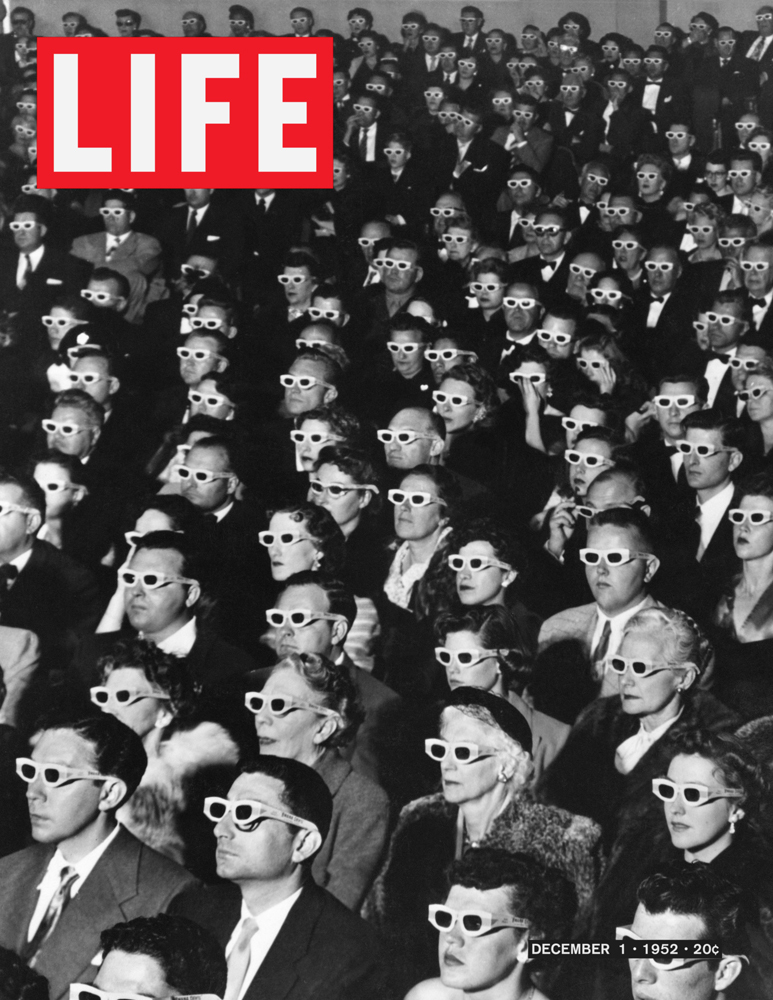
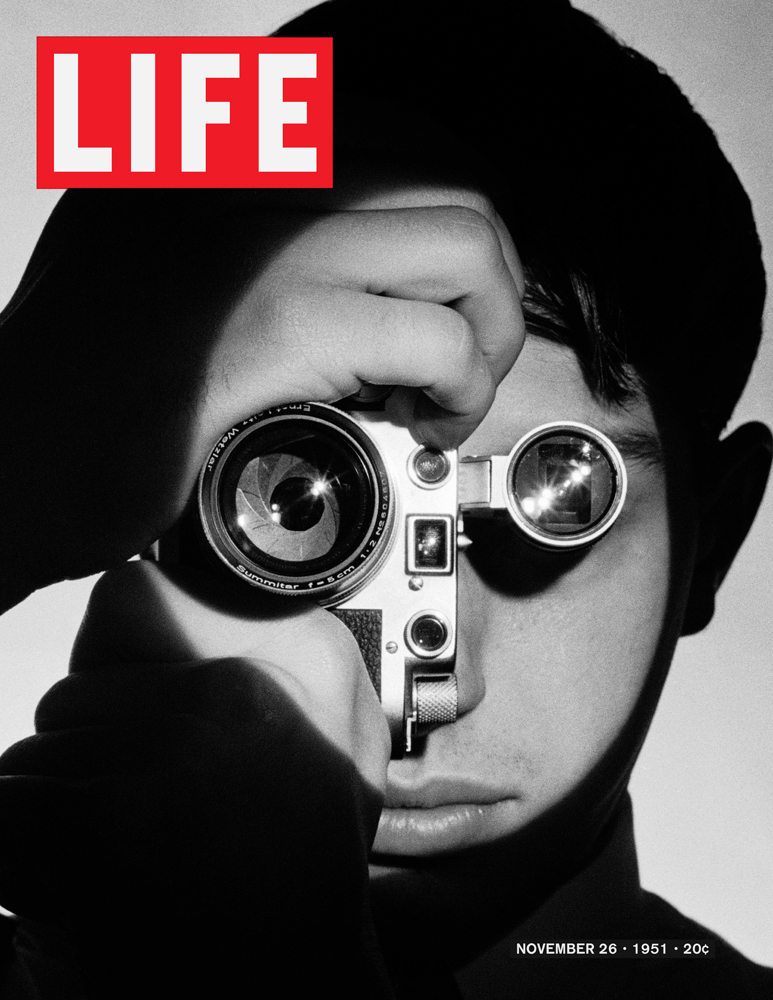
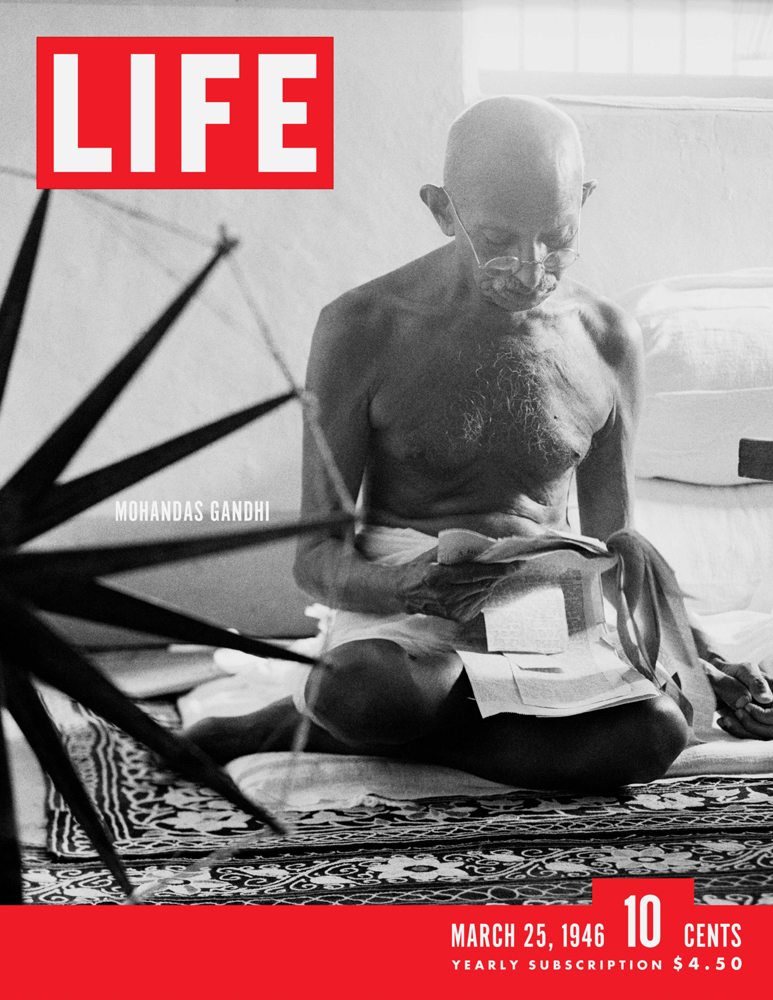
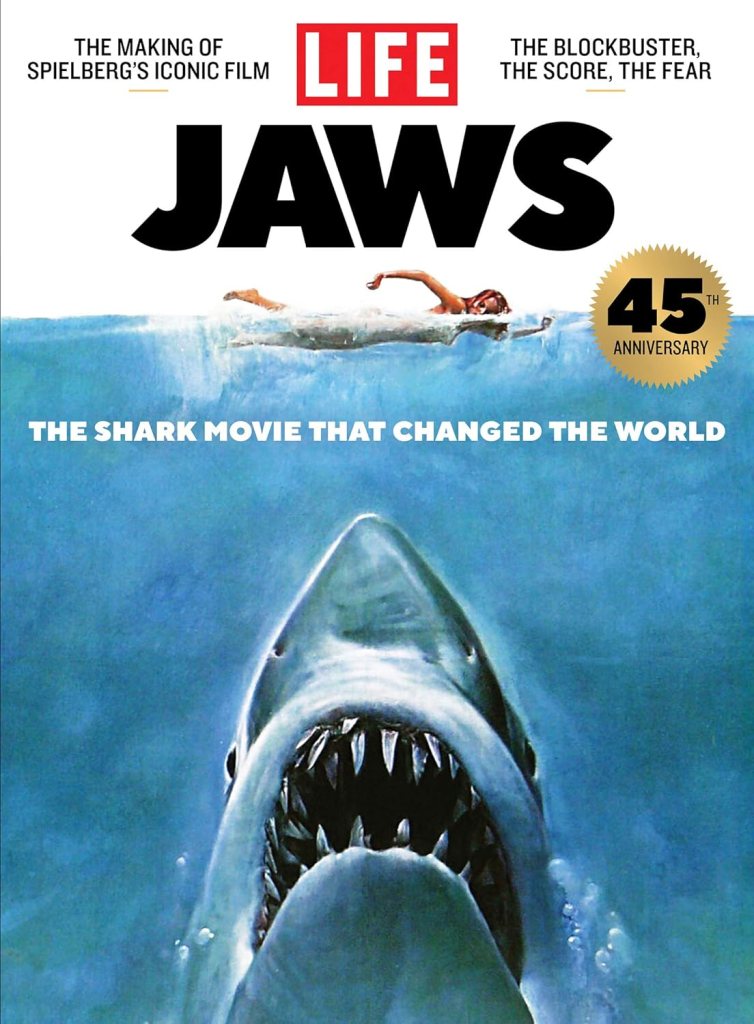
Life covers created for the movie: The Secret Life of Walter Mitty.
Henry Luce’s Vision
When Henry Luce acquired the failing humor magazine Life in 1936 and relaunched it, his ambition was grand: to create a “picture magazine” that would use photojournalism to tell the world’s stories. Unlike Time or Newsweek, Life led with imagery rather than text. Its formula was simple but revolutionary: large-format photographs paired with concise, accessible writing.
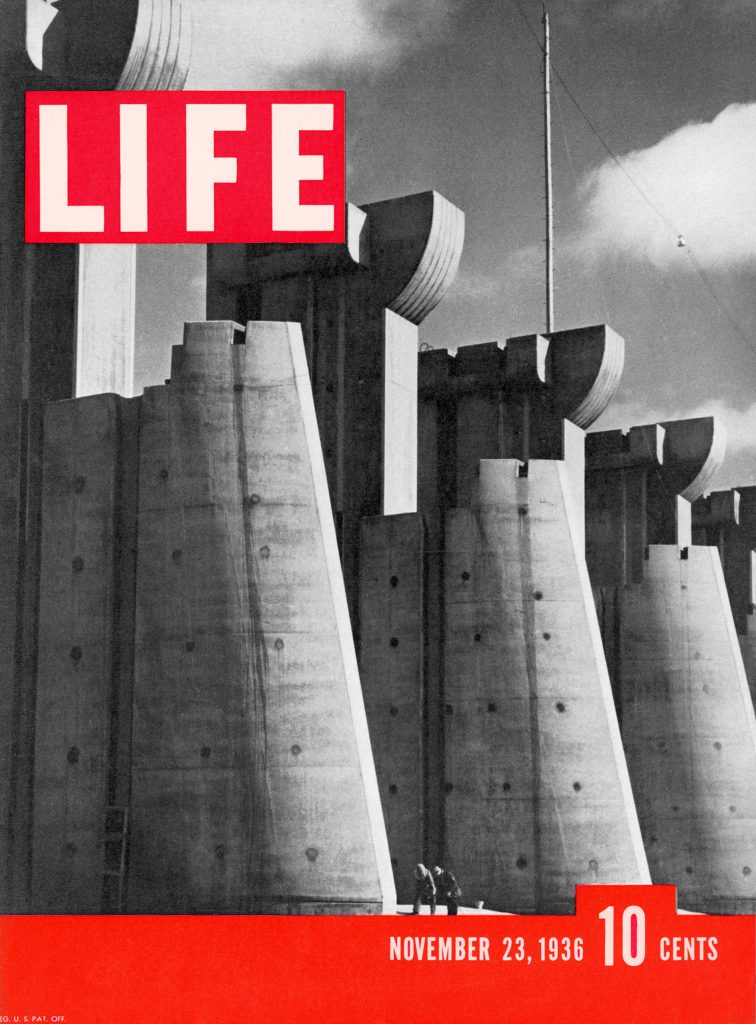
The inaugural issue, published on November 23, 1936, set the tone. On its cover was Margaret Bourke-White’s photograph of the Fort Peck Dam — monumental, modern, an emblem of American power in the Depression era. Inside, readers encountered photo-essays that made politics and culture accessible not through policy debates but through visual narrative.
The Golden Age of Photojournalism
The timing was impeccable. Advances in 35mm cameras, faster film, and improved printing technology coincided with the rise of Life. The magazine hired — and, crucially, celebrated — a generation of photographers who became household names.
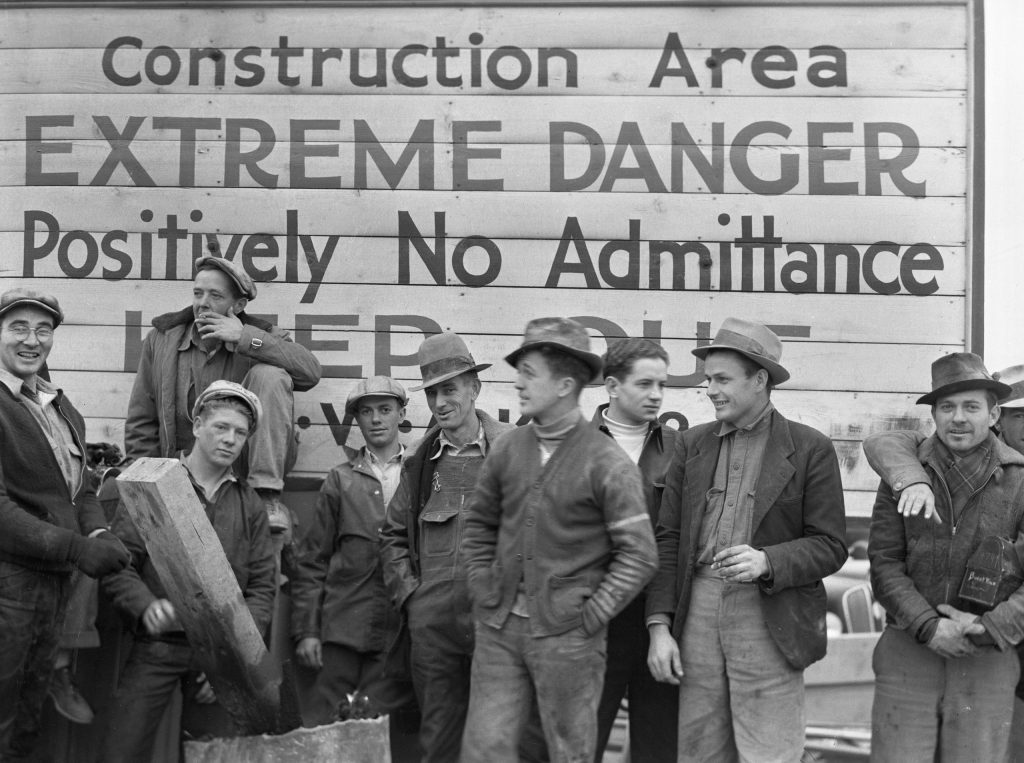
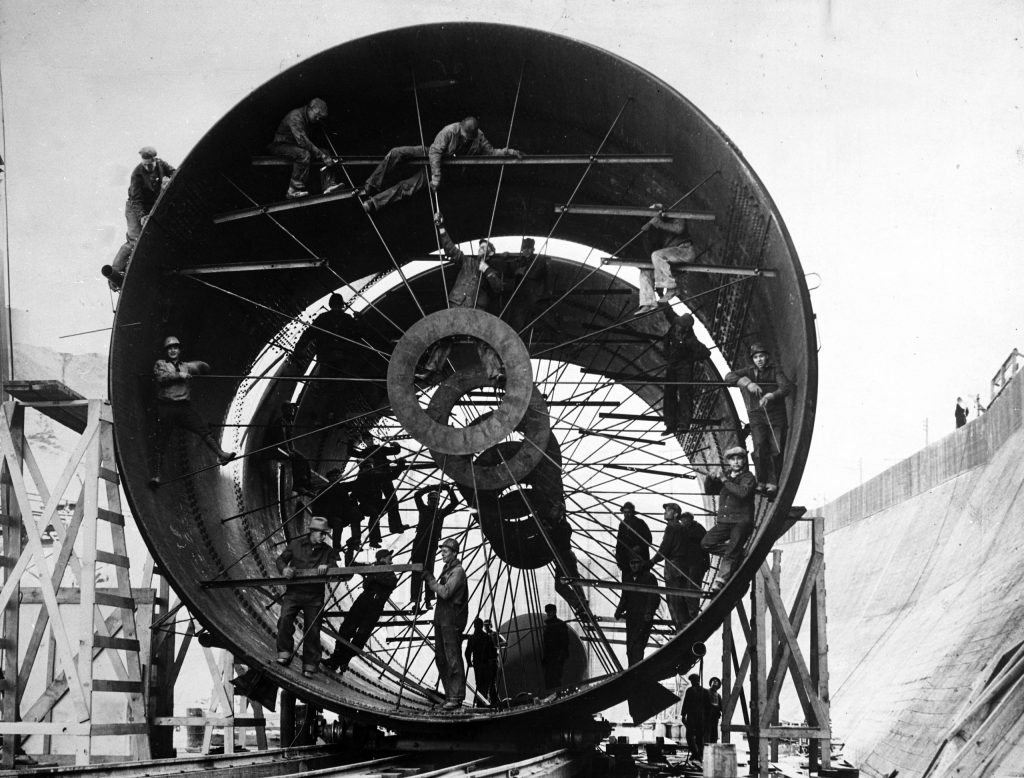
- Margaret Bourke-White, whose images of industry and war fused artistry with reportage.
- W. Eugene Smith, whose photo-essays — whether on a country doctor or the ravages of Minamata disease — became models of humanist journalism.
- Gordon Parks, the first Black staff photographer, who chronicled both the glamour of fashion and the grit of racial injustice.
- Alfred Eisenstaedt, whose candid portraits captured everyone from Hollywood stars to ordinary Americans, including the famous image of the sailor kissing a nurse in Times Square on V-J Day.
Together, they made Life into a weekly gallery of modern history. Its photo-essays were immersive, cinematic, emotionally direct — a form of mass communication that carried both gravitas and intimacy.
America Through the Lens
The magazine’s influence extended far beyond aesthetics. Life shaped national identity. During World War II, its coverage brought the frontlines into American living rooms. Its postwar issues chronicled suburban life, the civil rights movement, the space race, the counterculture of the 1960s.
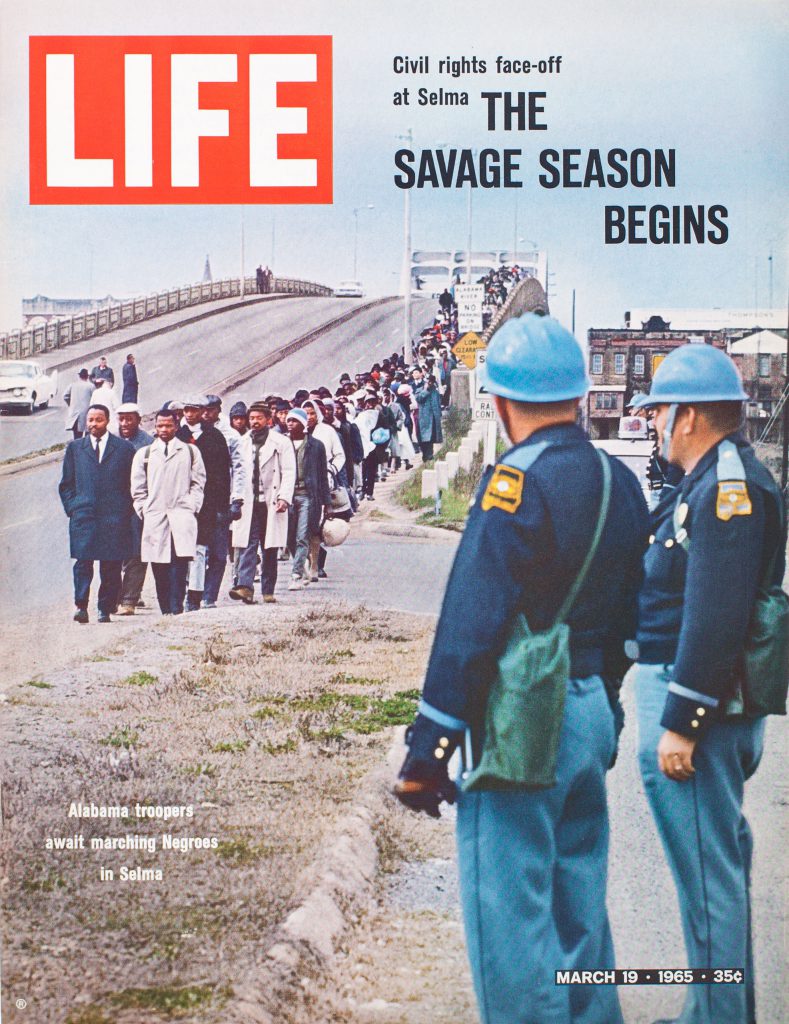
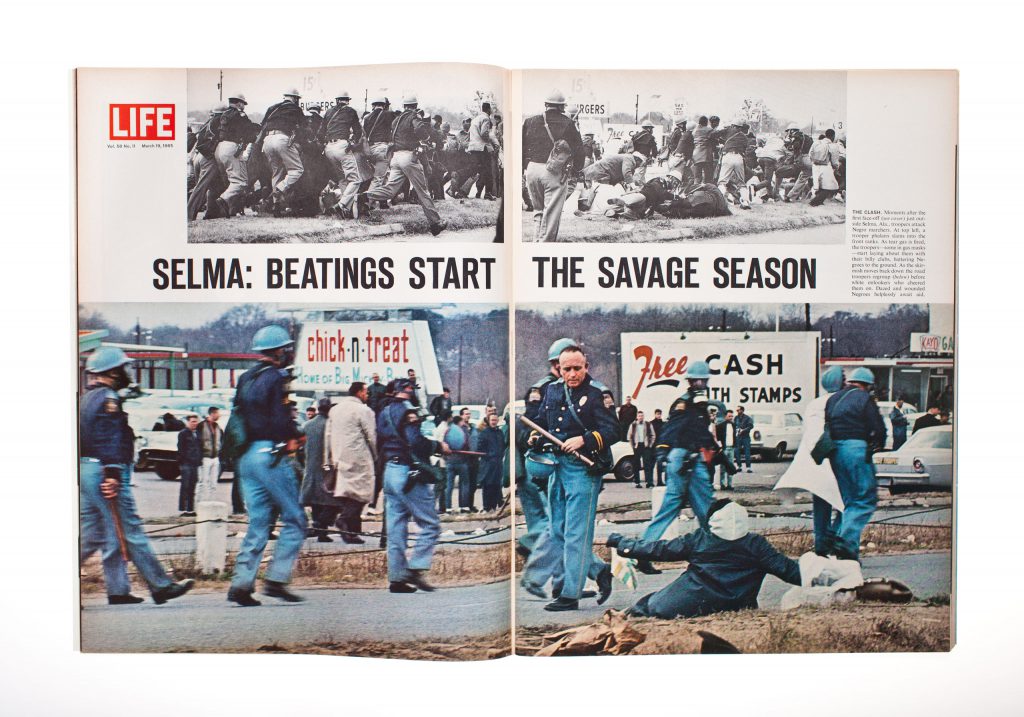
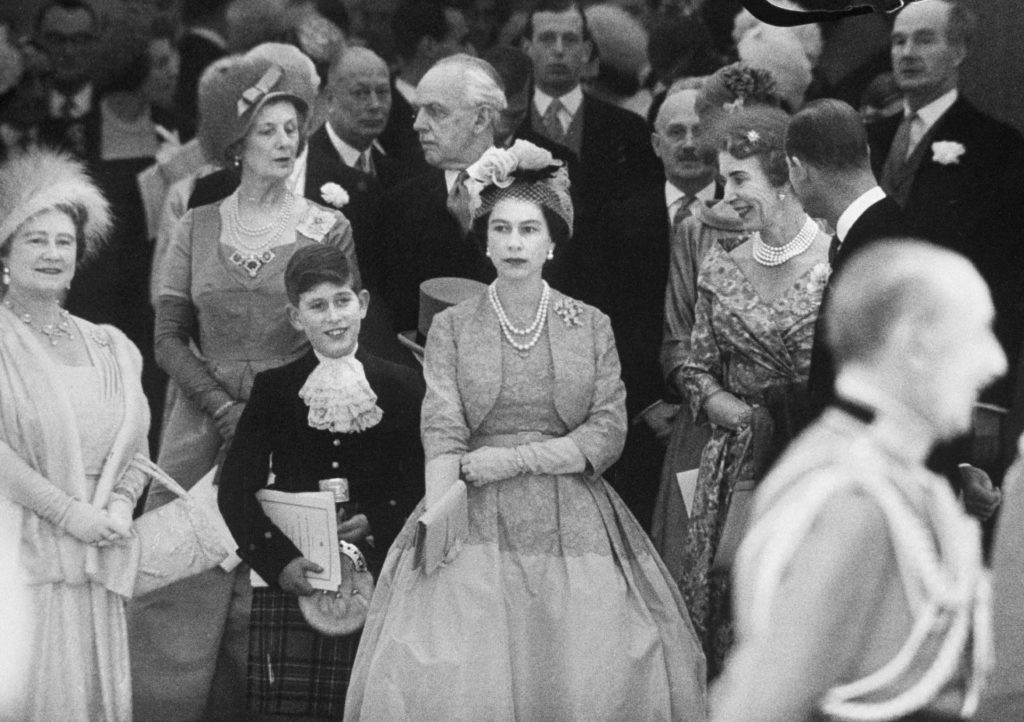
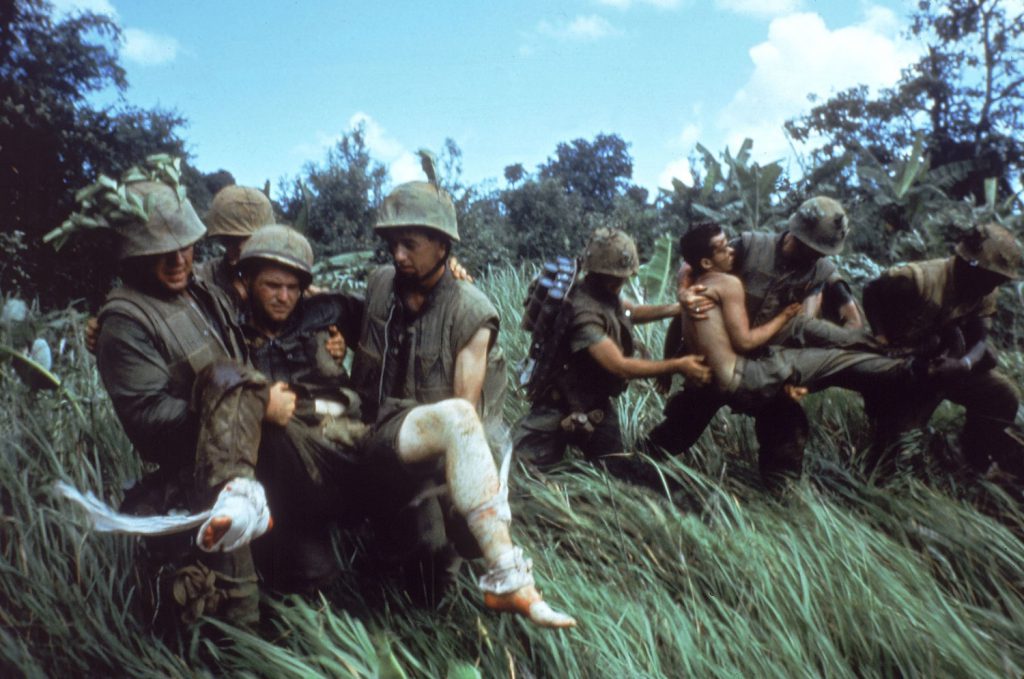
Through Life, readers saw the coronation of Queen Elizabeth II, the funeral of President Kennedy, the marches in Selma, the jungles of Vietnam. Its photographs became not merely documents but collective memories. One could argue that mid-century America is inconceivable without Life’s images: they gave visual coherence to a nation experiencing rapid, often chaotic change.
Decline and Transformation
By the 1970s, however, Life’s dominance waned. Television supplanted the magazine as the dominant medium of mass storytelling; the immediacy of moving images eroded the appeal of weekly photo-essays. Costs rose, circulation fell, and in 1972 Life ceased weekly publication, briefly re-emerging as a monthly and later as special issues. The magazine that had once defined the national conversation became instead a curated archive of nostalgia.
Yet its decline as a periodical did not diminish its legacy. The Life archive — over 10 million photographs — remains one of the most important visual records of the twentieth century. Digitization has given these images new life, making them accessible to scholars, students, and the general public in ways Henry Luce could scarcely have imagined.
Legacy: The World as Picture
Art historically, Life represents the peak of photojournalism as a cultural force. It fused avant-garde aesthetics with mass communication, turning the photograph into both an artwork and a democratic tool. Its images shaped not just memory but ideology — making wars comprehensible, celebrities intimate, and social change visible.
Today, in a world flooded with images, Life’s legacy feels paradoxical: both distant and urgent. Its photographs remind us of a time when pictures carried authority, when to see was to believe. They also remind us of the labor behind them: photographers risking their lives, editors shaping narratives, a public consuming history in weekly installments.
Life magazine was, above all, a testament to the power of the image. It proved that photographs could narrate history, forge identity, and move nations. Though the magazine itself is gone, its vision persists — in the ways we continue to read the world through images.
The Most Iconic Photographs of All Time – LIFE
Discover more from My World of Interiors
Subscribe to get the latest posts sent to your email.

