
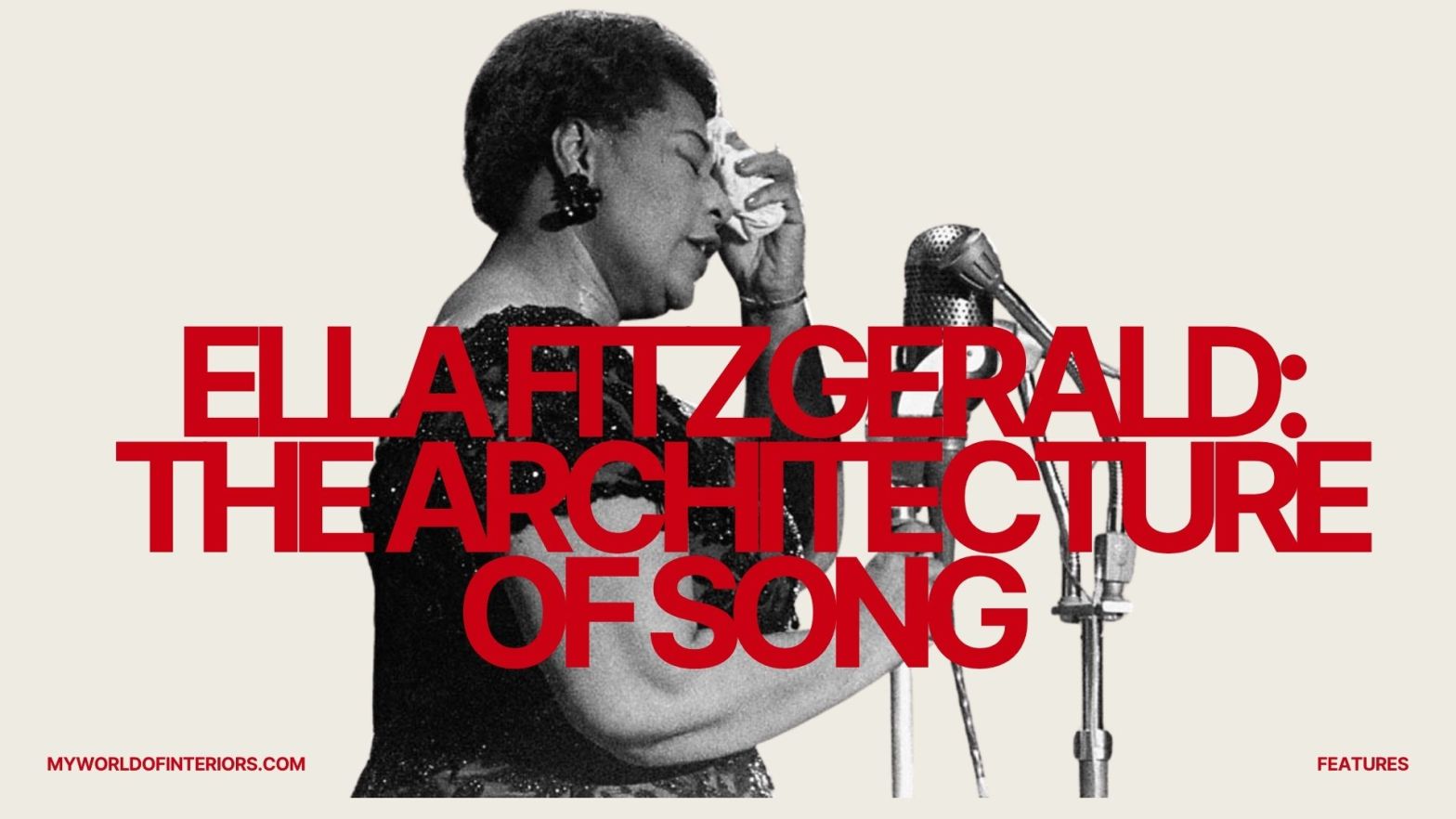
To speak of Ella Fitzgerald is to speak of precision, clarity, and grace so absolute that they verge on the metaphysical. Born in Newport News, Virginia, in 1917 and raised in Yonkers, Fitzgerald emerged from poverty and the turbulence of her early life to become one of the most celebrated voices of the twentieth century.Continue reading “Ella Fitzgerald: The Architecture of Song”
Category Archives: Art
Giotto: The Painter Who Opened the Window of the Renaissance
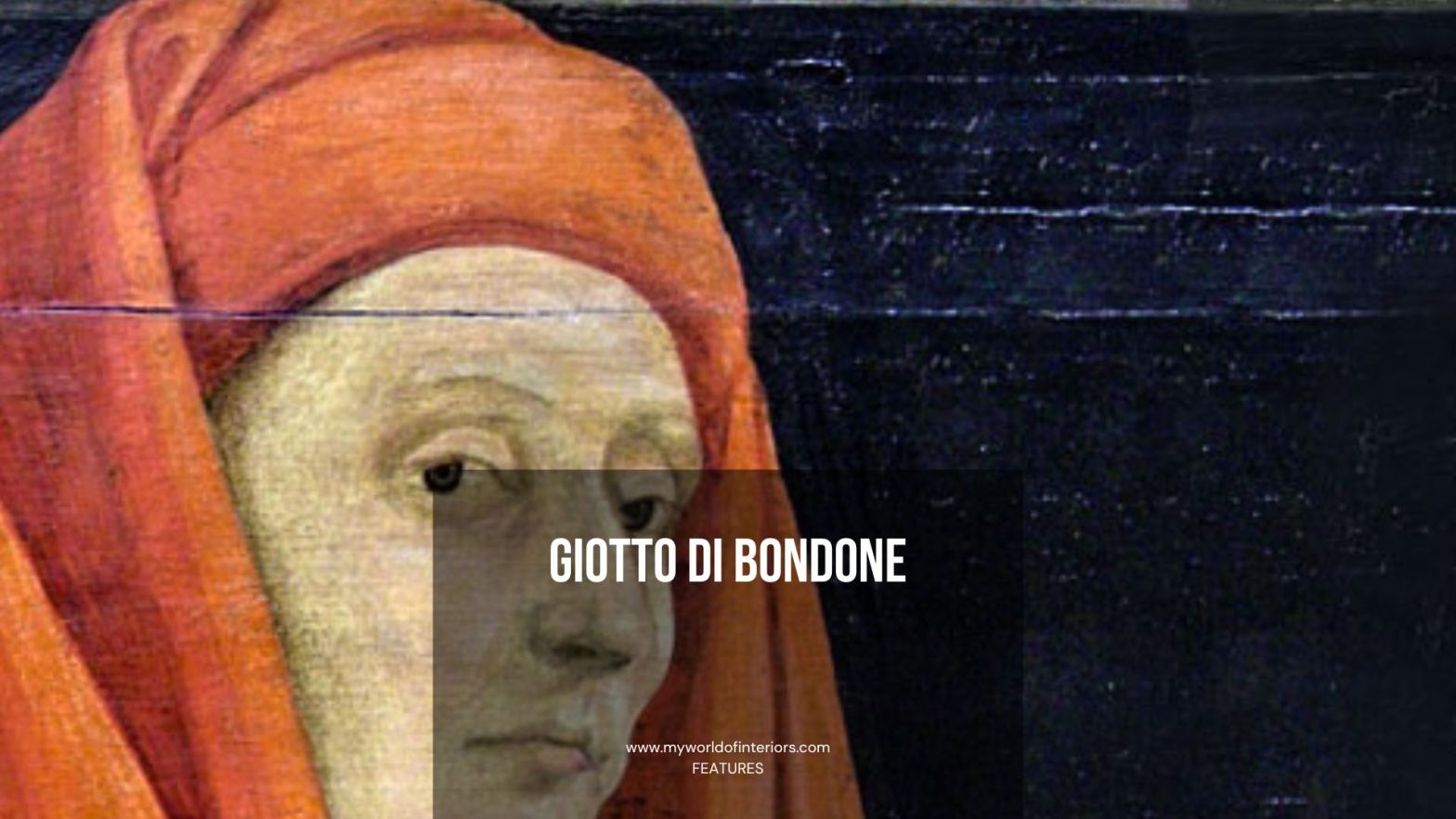
When Giorgio Vasari published his Lives of the Artists in 1550, he began the history of Renaissance painting not with Leonardo or Michelangelo, but with Giotto di Bondone. For Vasari, Giotto was the one who “translated painting from Greek to Latin” — that is, who moved art from the flat hieratic conventions of medieval iconographyContinue reading “Giotto: The Painter Who Opened the Window of the Renaissance”
Brutalism: The Concrete Truth
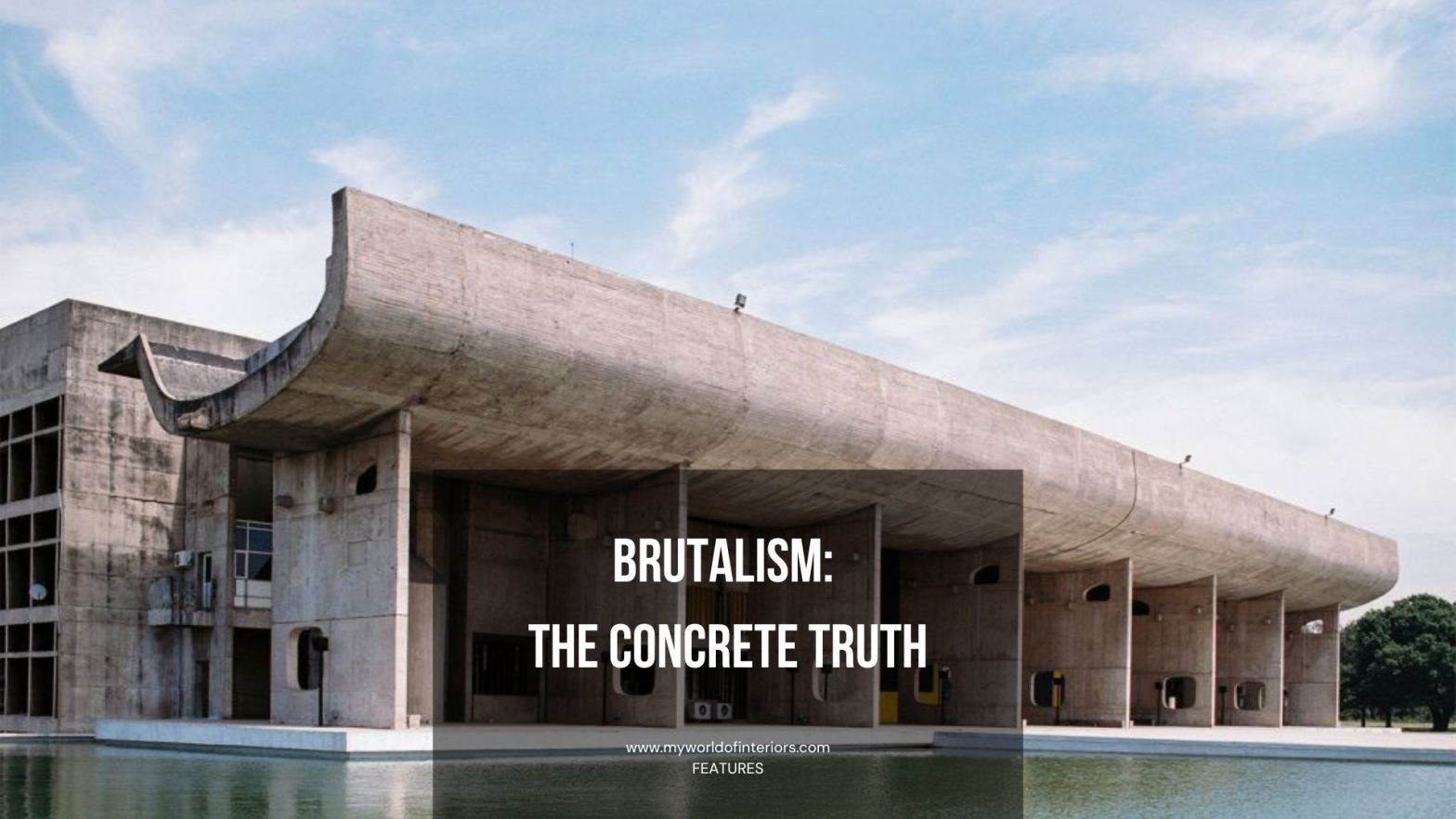
Born in the mid-twentieth century, Brutalism’s structures rose in raw concrete, monumental and uncompromising, shaped by ideals as much as by materials. To its defenders, Brutalism represented honesty — a moral and aesthetic rejection of ornament in favor of truth-to-material. To its critics, it was a dystopian imposition of weight and severity. Few architectural stylesContinue reading “Brutalism: The Concrete Truth”
The Voice That Didn’t Live to Hear the Echo
Venice · Art · 2026 The 61st Venice Art Biennale opens on May 9th under the title In Minor Keys. Its curator, Koyo Kouoh, died a year ago. The show goes forward entirely as she conceived it — and it may be the most important Biennale in a generation. By Bergotte · Preview, May 2026Continue reading “The Voice That Didn’t Live to Hear the Echo”
Henri Matisse: Color, Form, and the Invention of Joy
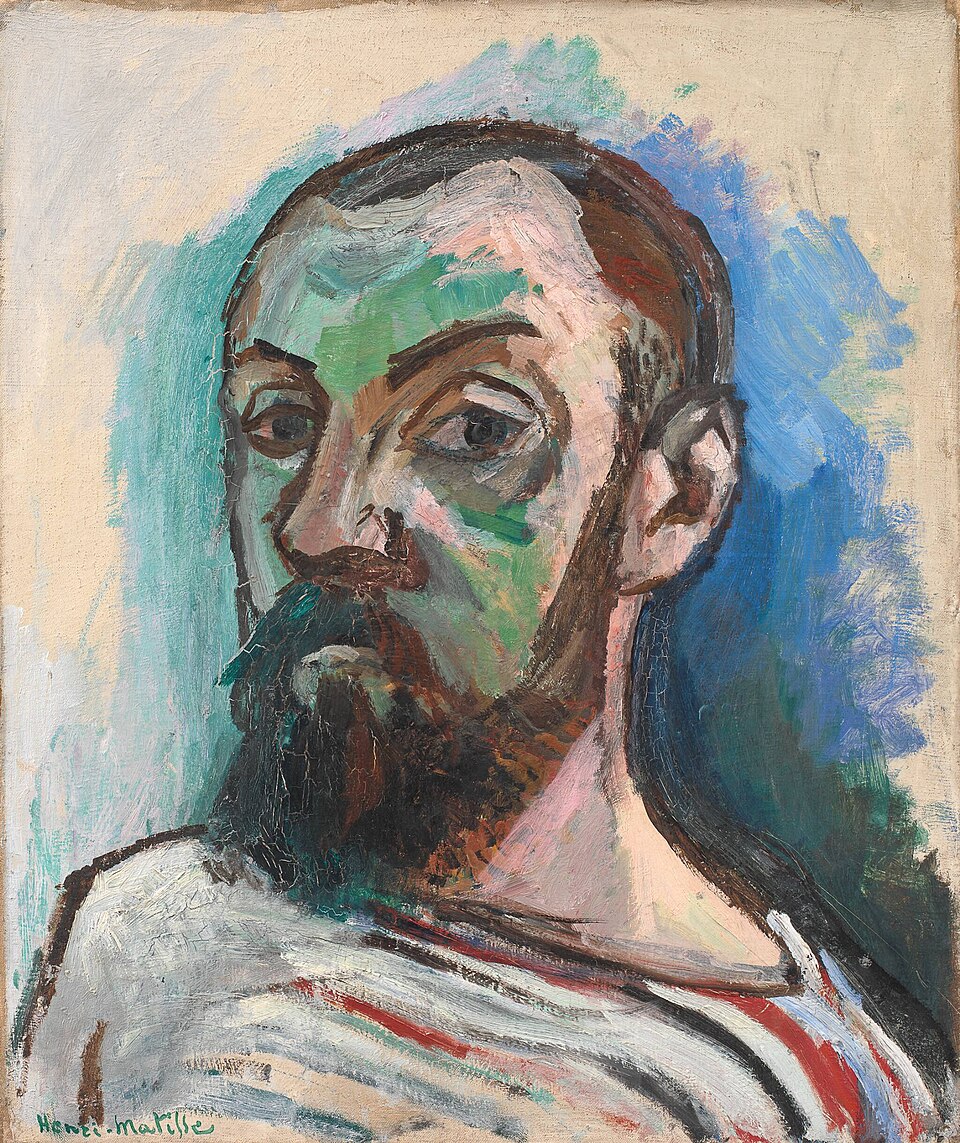
In the long arc of modern art, Henri Matisse (1869–1954) stands as the painter of joy. Where Picasso dramatized conflict and Cézanne wrestled with structure, Matisse dedicated himself to the pursuit of lightness, radiance, and serenity. His career spans from the dawn of Fauvism at the turn of the twentieth century to the radiant cut-outsContinue reading “Henri Matisse: Color, Form, and the Invention of Joy”
In Minor Keys
The Venice Biennale opens on the 9th of May. How to go, how long to stay, and why the city is as much the point as the art The Venice Biennale is the largest and oldest contemporary art exhibition in the world — 131 years old, held every two years in the city least suitedContinue reading “In Minor Keys”
Frank Sinatra and the Rat Pack: Glamour, Excess, and the Brotherhood of Cool
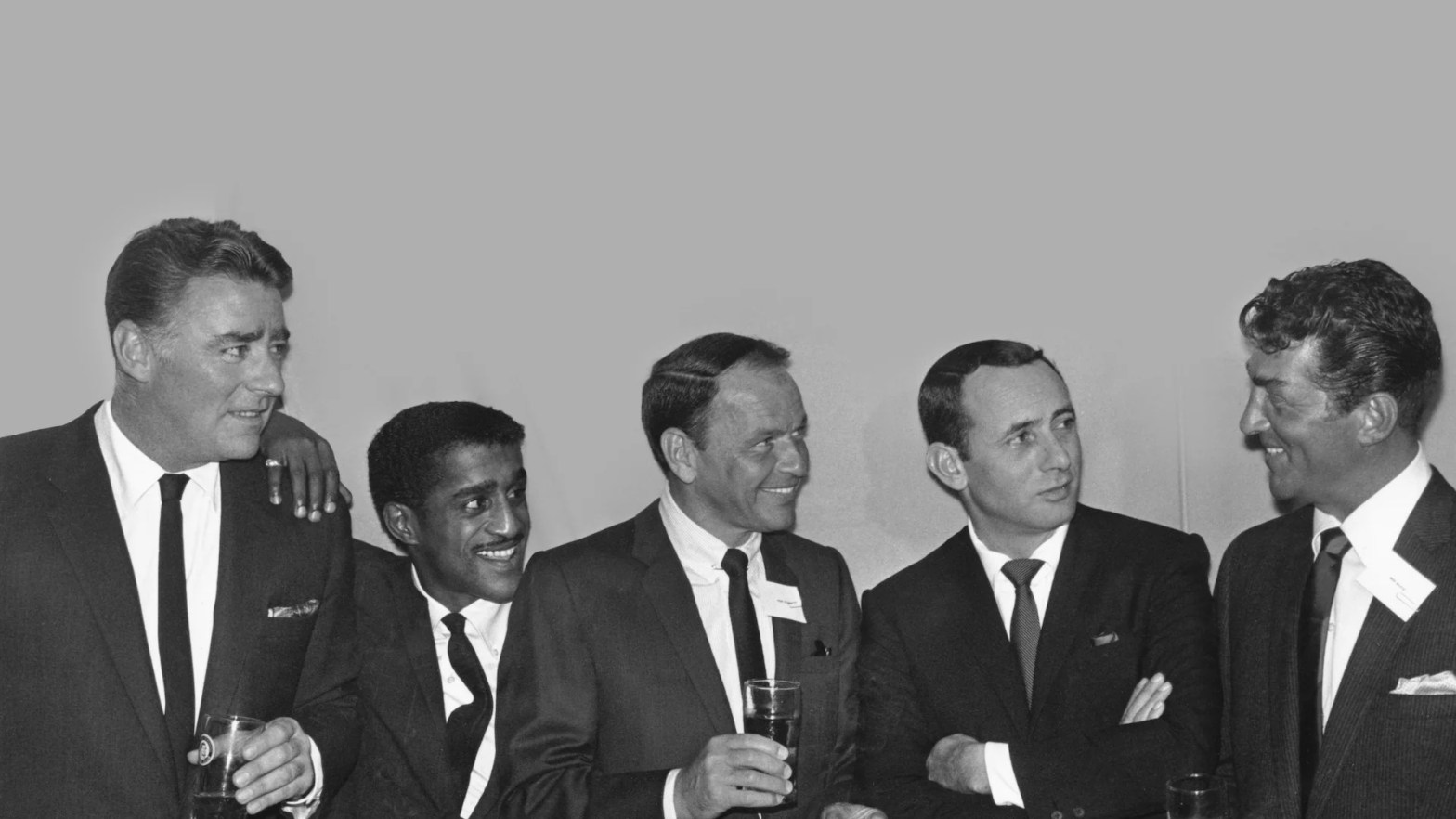
When Frank Sinatra walked into a room, the atmosphere shifted. His presence was magnetic: the fedora tilted just so, the cigarette smoldering between fingers, the voice as smooth as a velvet martini. But in the late 1950s and early 1960s, Sinatra’s charisma fused with the energies of a circle of friends who became more thanContinue reading “Frank Sinatra and the Rat Pack: Glamour, Excess, and the Brotherhood of Cool”
Happy 80th Birthday To This Legend
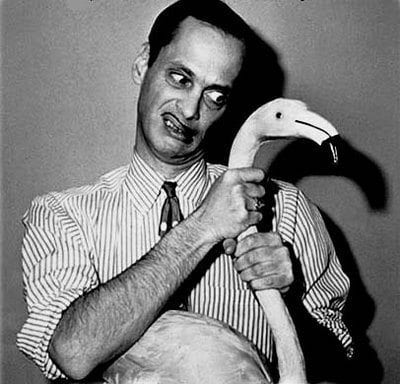
John Waters at 80: The Last Great American Trash Intellectual By Bergotte For more than half a century, John Waters has made an art of what polite culture tries to throw away: vulgarity, deviance, low glamour, bad taste, and the people condemned for possessing any of them. At 80, he looks less like a relicContinue reading “Happy 80th Birthday To This Legend”
David Lynch: Dreams, Nightmares, and the Surreal Heart of America

David Lynch has always resisted categorization. Filmmaker, painter, musician, and occasional actor, he has built a career on unsettling images and dreamlike narratives that hover between the familiar and the uncanny. To encounter a Lynch film is to enter a world where diners glow with menace, suburban lawns conceal darkness, and reality frays into dream.Continue reading “David Lynch: Dreams, Nightmares, and the Surreal Heart of America”
Artemisia Gentileschi: Triumph of a Baroque Woman
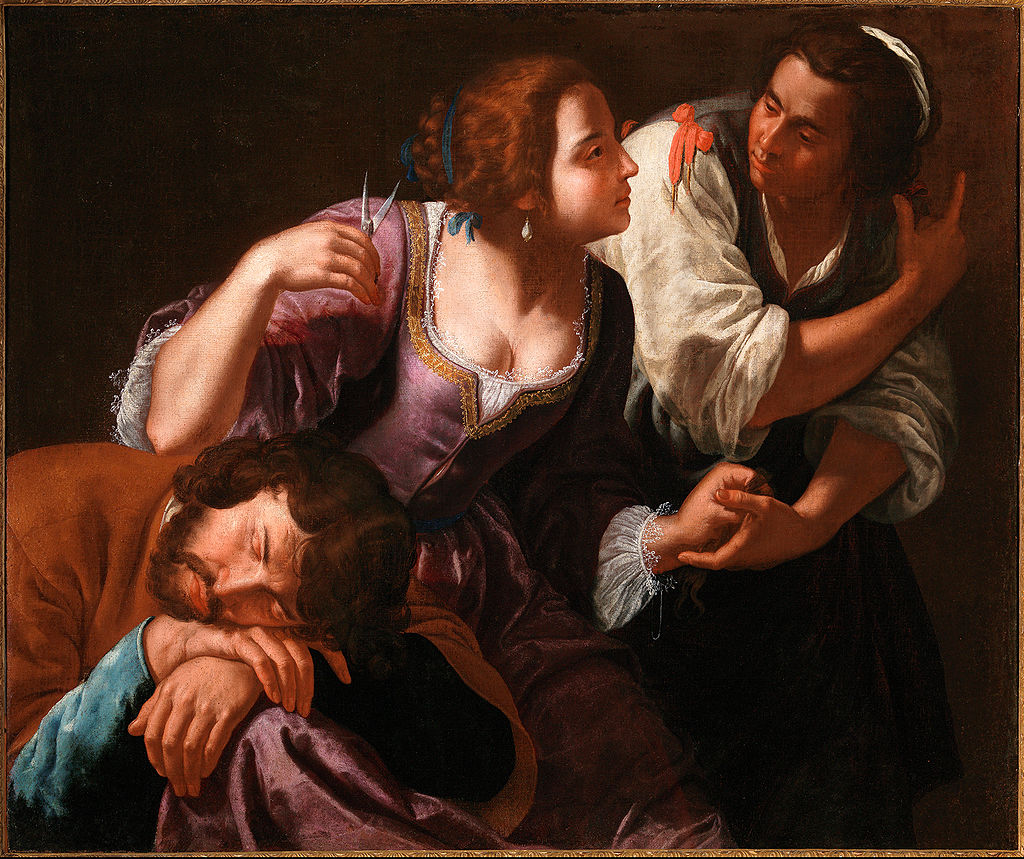
In the pantheon of Baroque art, Artemisia Gentileschi (1593–c.1656) stands apart. She was the first woman to gain admission to Florence’s Accademia delle Arti del Disegno, a painter whose canvases rivaled—and often surpassed—those of her male contemporaries in power, drama, and psychological depth. Like Caravaggio, whose chiaroscuro she adapted and expanded, Gentileschi brought biblical andContinue reading “Artemisia Gentileschi: Triumph of a Baroque Woman”

