

Cher has lasted so long, and in so many forms, that she can seem less like an entertainer than like a permanent feature of the culture itself. She belongs to that tiny class of figures who have ceased to be merely famous and become symbolic: instantly recognisable, endlessly referential, somehow both singular and omnipresent. Singer,Continue reading “Cher and the Art of Outlasting America”
Category Archives: Art
Where the River Bends: Memphis and the Music That Changed the World
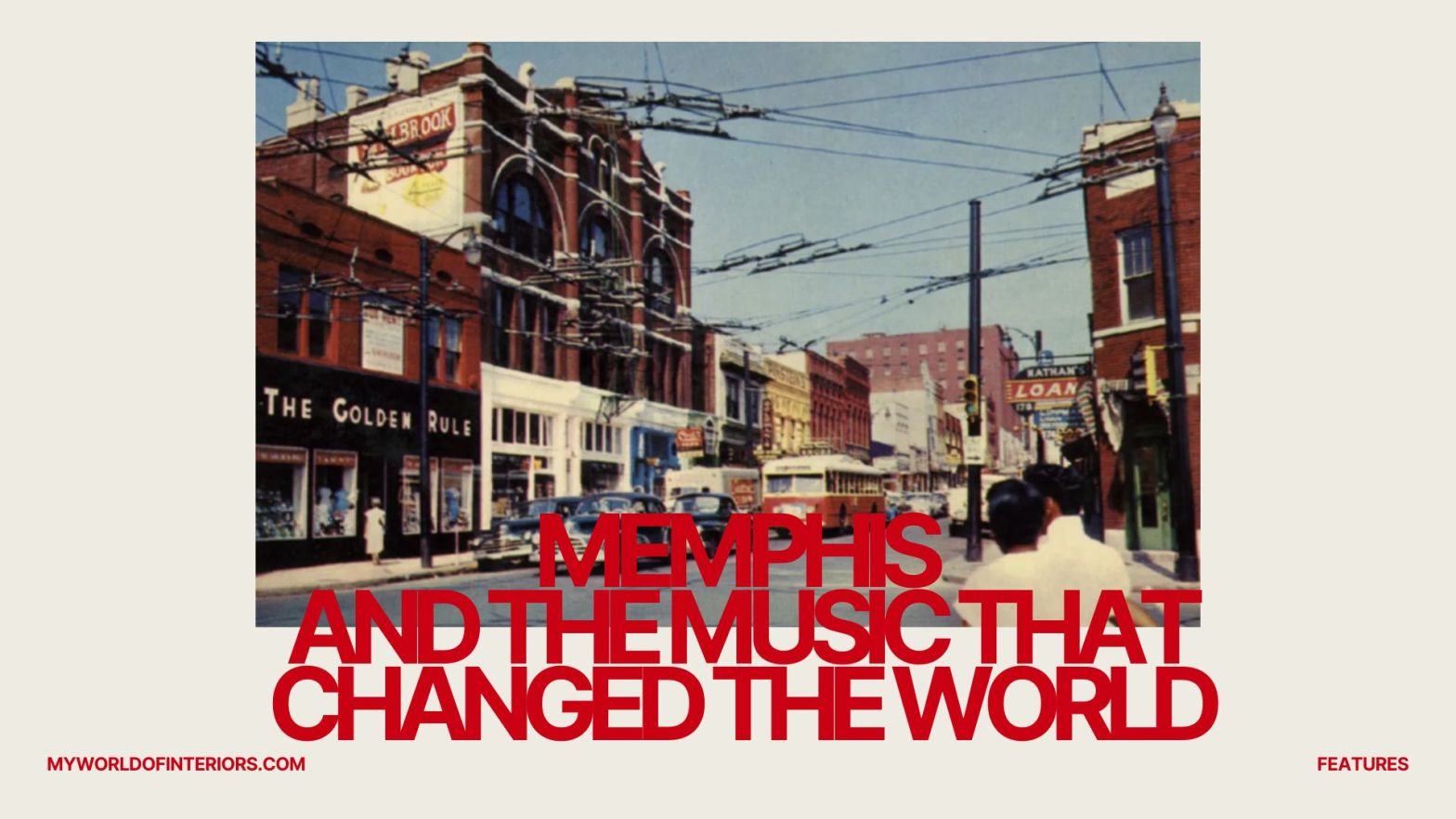
It is the most productive square mile in American cultural history. A city of grief and genius, of violence and transcendence, built on cotton and the blues and the unsettled accounts of race — Memphis made the modern world’s soundtrack and has never quite recovered from the effort. By Bergotte Begin with the geography, becauseContinue reading “Where the River Bends: Memphis and the Music That Changed the World”
Ivor Novello and the Lost Language of British Glamour
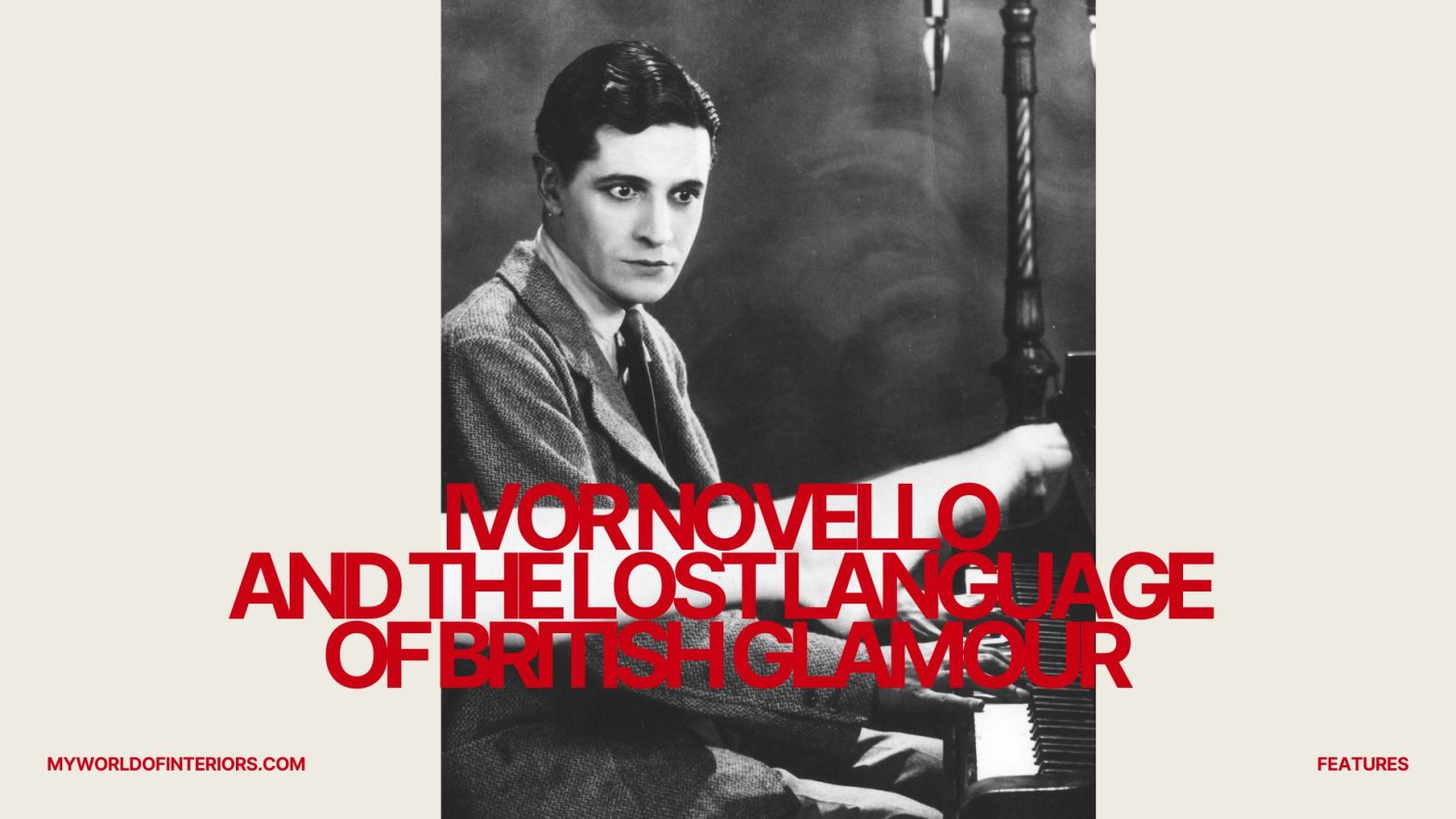
Ivor Novello has survived in British culture in a peculiarly ghostly form. His name remains everywhere, attached to one of the country’s most prestigious songwriting honours, and yet the man himself has drifted into soft focus. Many know the Ivor Novello Awards. Far fewer could say with confidence who Novello was, what he made, orContinue reading “Ivor Novello and the Lost Language of British Glamour”
The Scrawl of the Gods: Cy Twombly and the Art of Forgetting
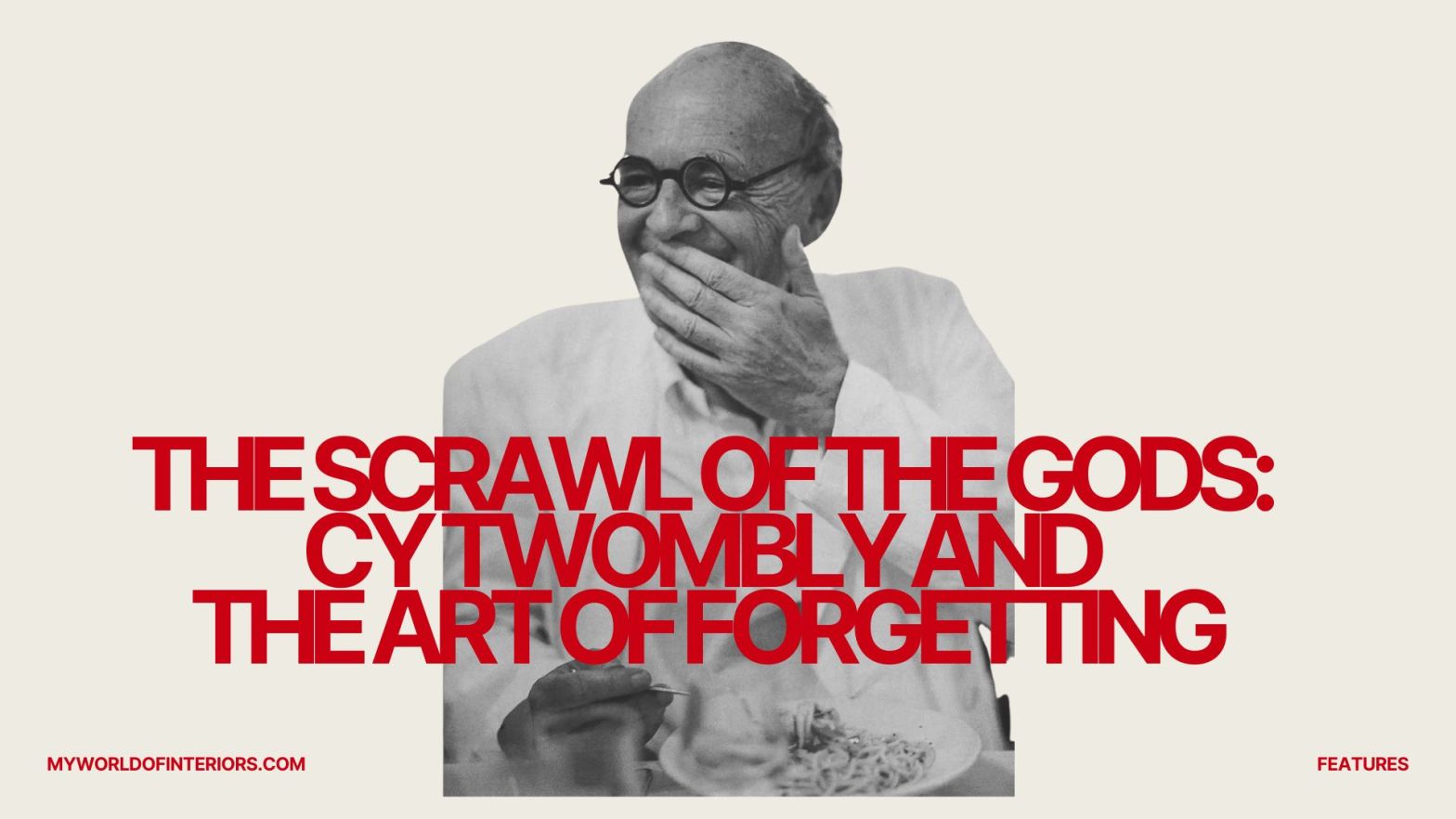
He made paintings that looked like vandalism, drawings that resembled the work of a distracted child, and sculptures that seemed to be falling apart. He also changed the course of Western art. By Bergotte There is a canvas in the Menil Collection in Houston, twelve feet wide, that appears, at first glance, to have beenContinue reading “The Scrawl of the Gods: Cy Twombly and the Art of Forgetting”
The Brutality of Fact: David Sylvester and the Vocation of Looking
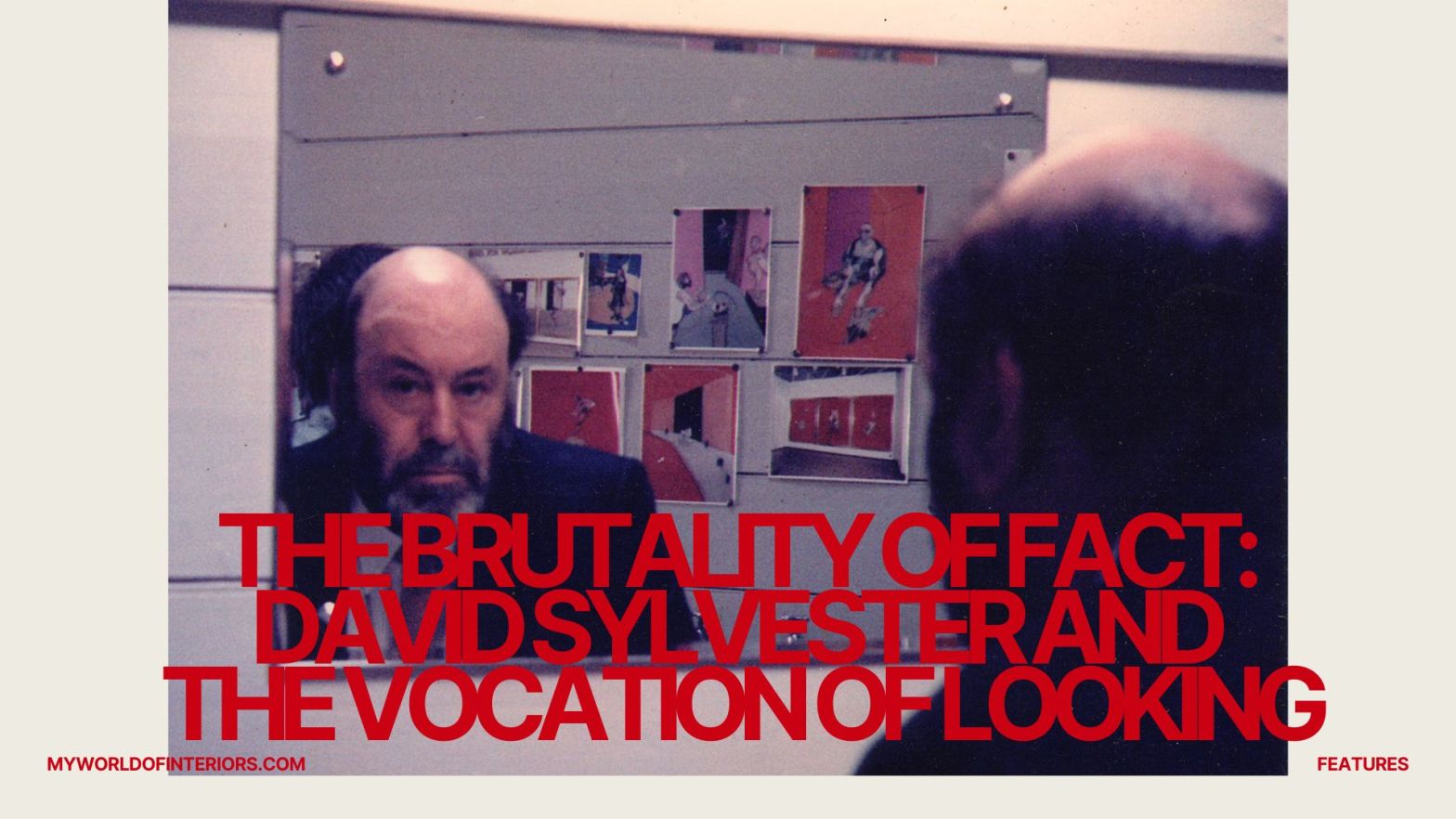
The greatest British art critic of the twentieth century never wrote a book he was satisfied with. What he left behind instead was something rarer — a model of attention so exacting it changed what art could ask of its audience. By Bergotte There is a way of sitting in front of a painting thatContinue reading “The Brutality of Fact: David Sylvester and the Vocation of Looking”
Ways of Being Seen: John Berger and the Art of Paying Attention
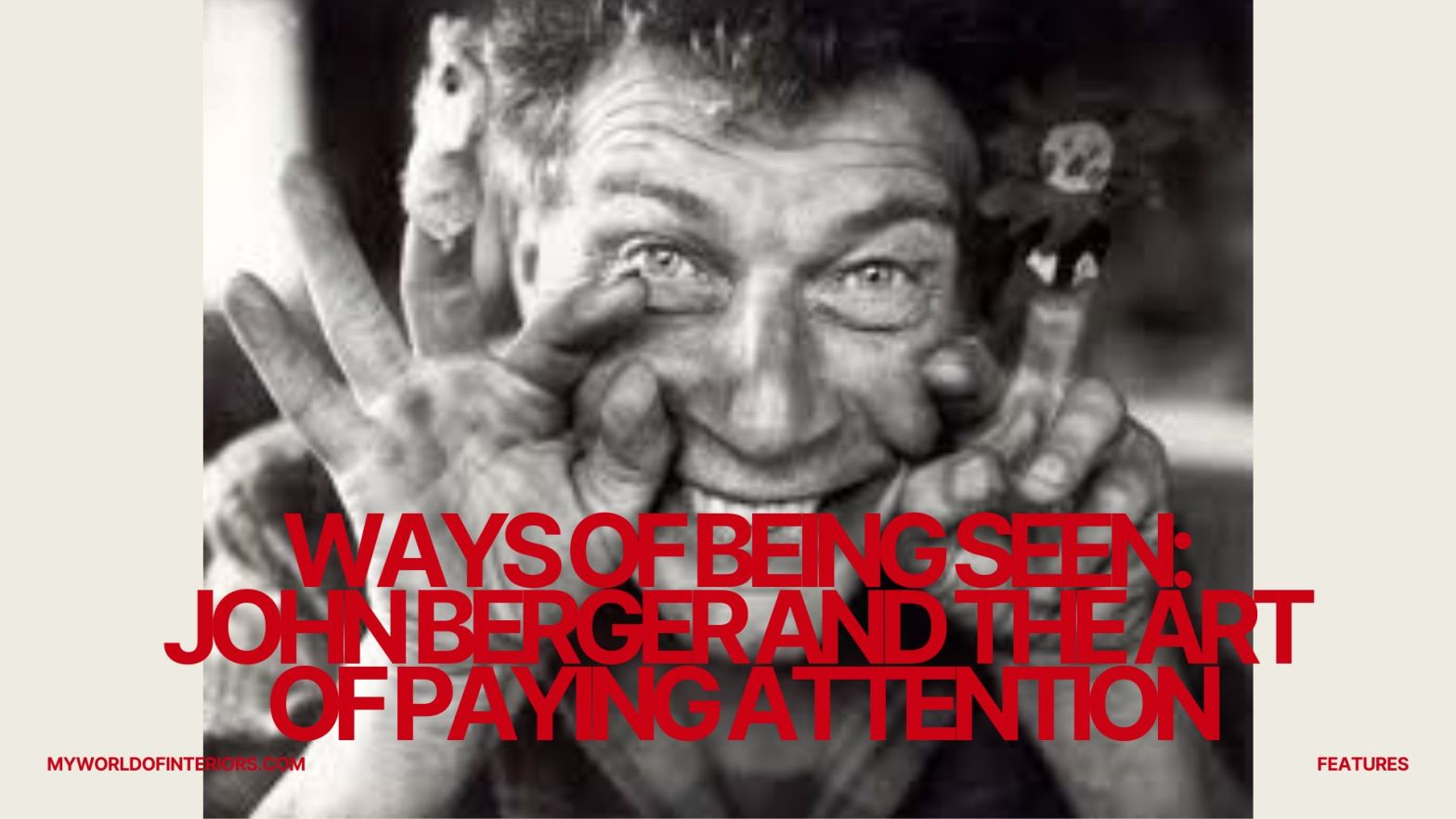
Eight years after his death, the critic, novelist, and storyteller who changed how we look at art remains the most generous — and the most radical — writer England ever produced. By Bergotte There is a moment in the first episode of Ways of Seeing — the 1972 BBC television series that made John Berger,Continue reading “Ways of Being Seen: John Berger and the Art of Paying Attention”
The Wound and the Camera: Susan Sontag and the Unfinished Project of Seeing
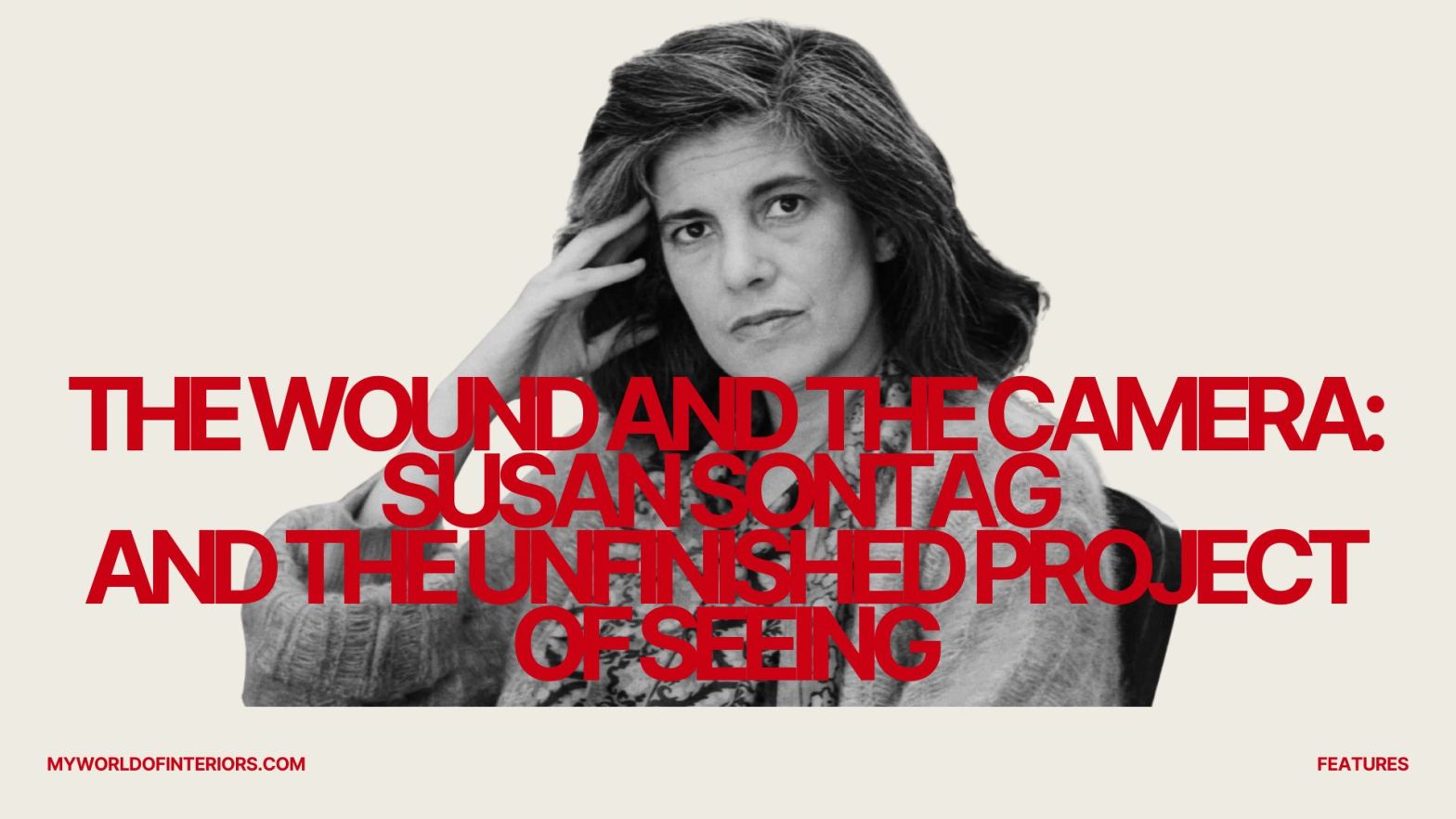
Twenty years after her death, the great critic’s ideas about images, suffering, and the moral life feel less like history than like prophecy. By Bergotte There is a photograph that Susan Sontag never saw — or rather, she could not have seen it in the form we now encounter it, scrolling past it on aContinue reading “The Wound and the Camera: Susan Sontag and the Unfinished Project of Seeing”
Raphael: The Harmony of the Renaissance
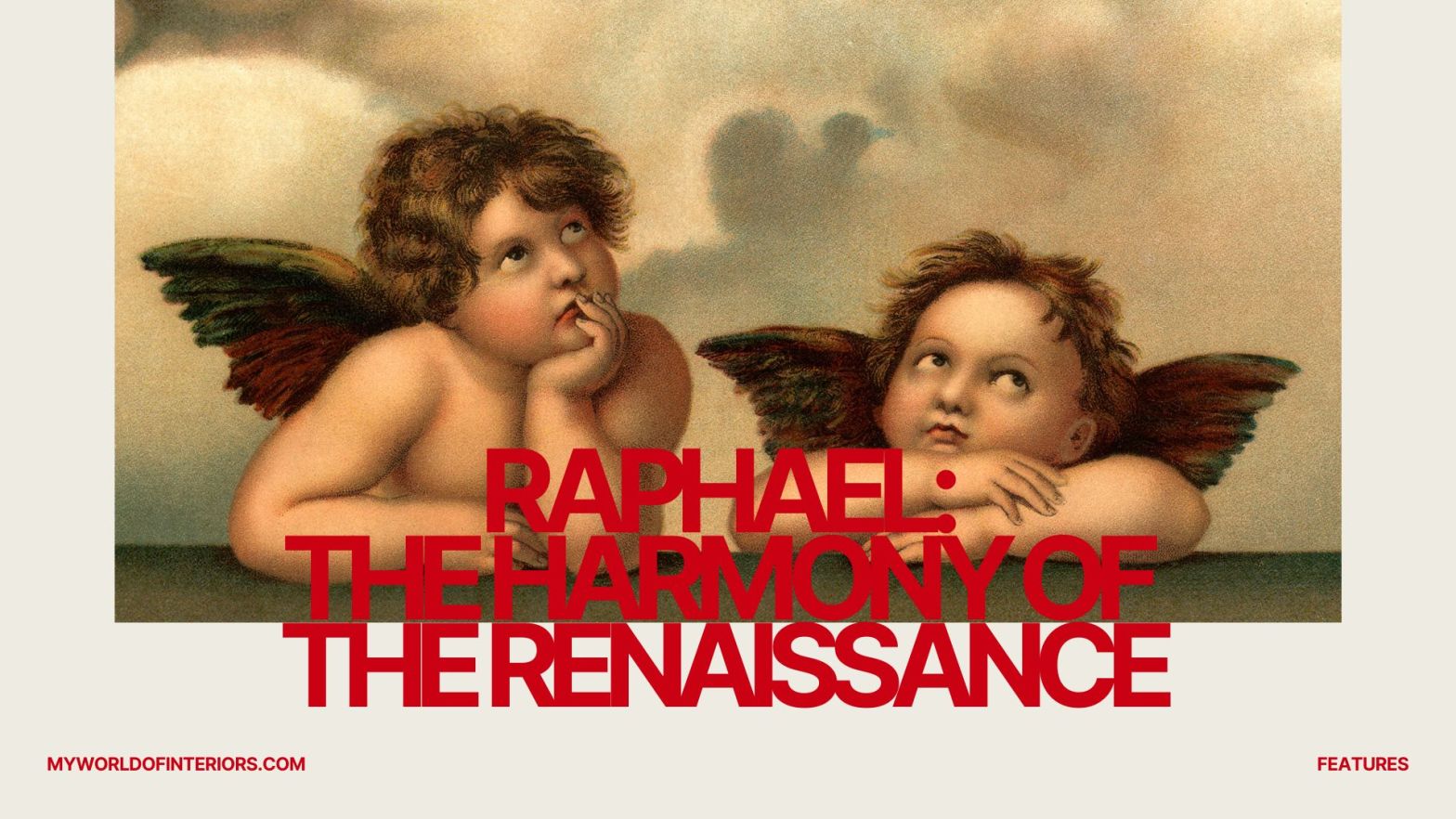
When Raphael died suddenly in 1520 at the age of just 37, Rome fell into mourning. His funeral at the Pantheon drew crowds of artists, courtiers, and clergy, all stunned by the loss of a painter whose genius had seemed inexhaustible. According to Vasari, Raphael’s death left “the art of painting bereft of light.” EvenContinue reading “Raphael: The Harmony of the Renaissance”
Buster Keaton: The Silent Stone Face
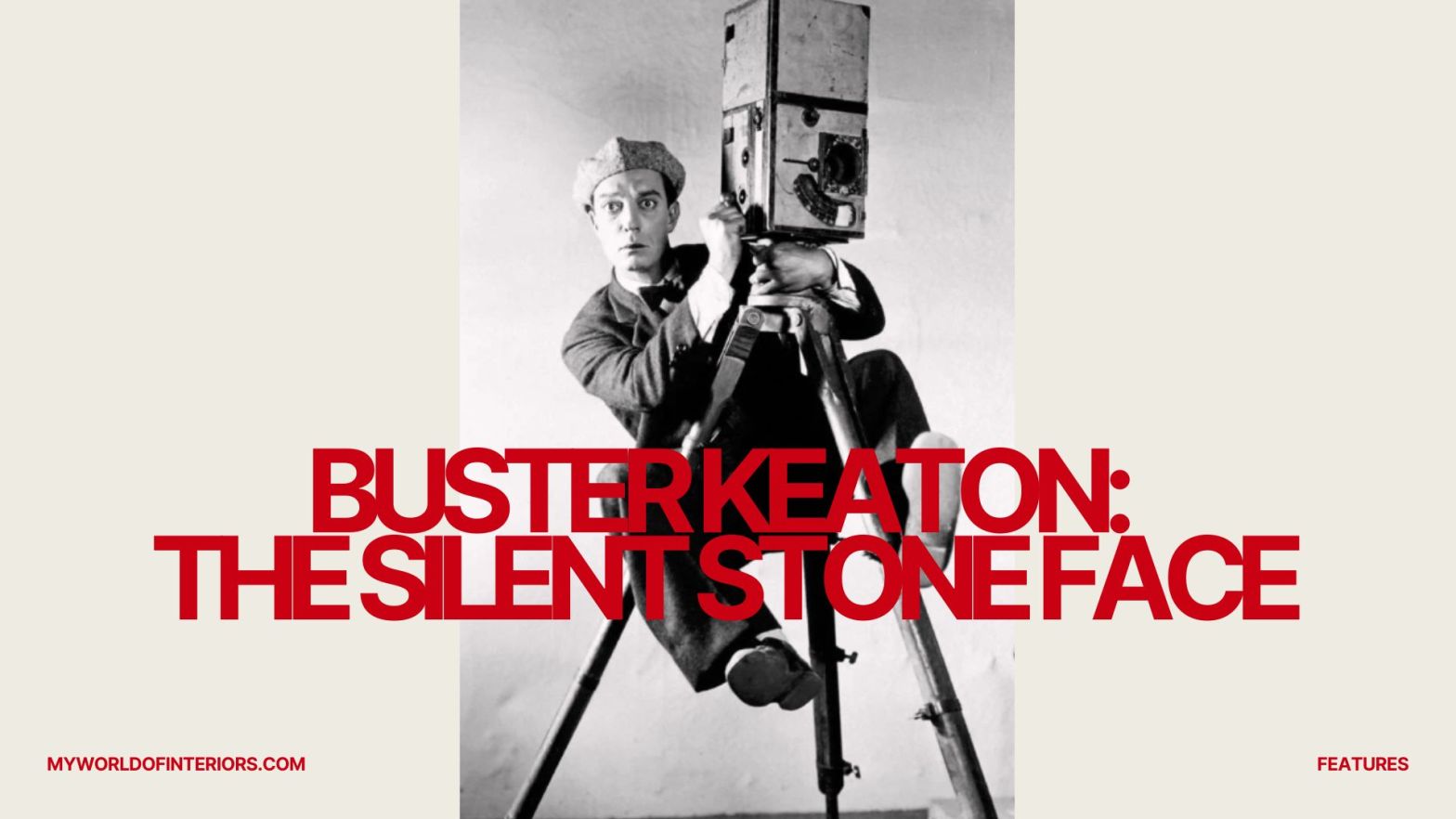
In the pantheon of cinema’s pioneers, Buster Keaton occupies a place both singular and paradoxical. He was called “The Great Stone Face,” a comic genius who rarely smiled on screen. His films, made in the silent era of the 1920s, were symphonies of precision: breathtaking stunts, elaborate set pieces, narratives that balanced absurdity with inevitability.Continue reading “Buster Keaton: The Silent Stone Face”
Cady Noland

Encounters America Laid Bare Cady Noland made some of the most disturbing art of the late twentieth century from beer cans, shopping carts, silkscreened celebrity mugshots, and the hardware of American violence. Then she stopped. She has barely spoken since. The silence is part of the work. By Bergotte There is a work by CadyContinue reading “Cady Noland”

