
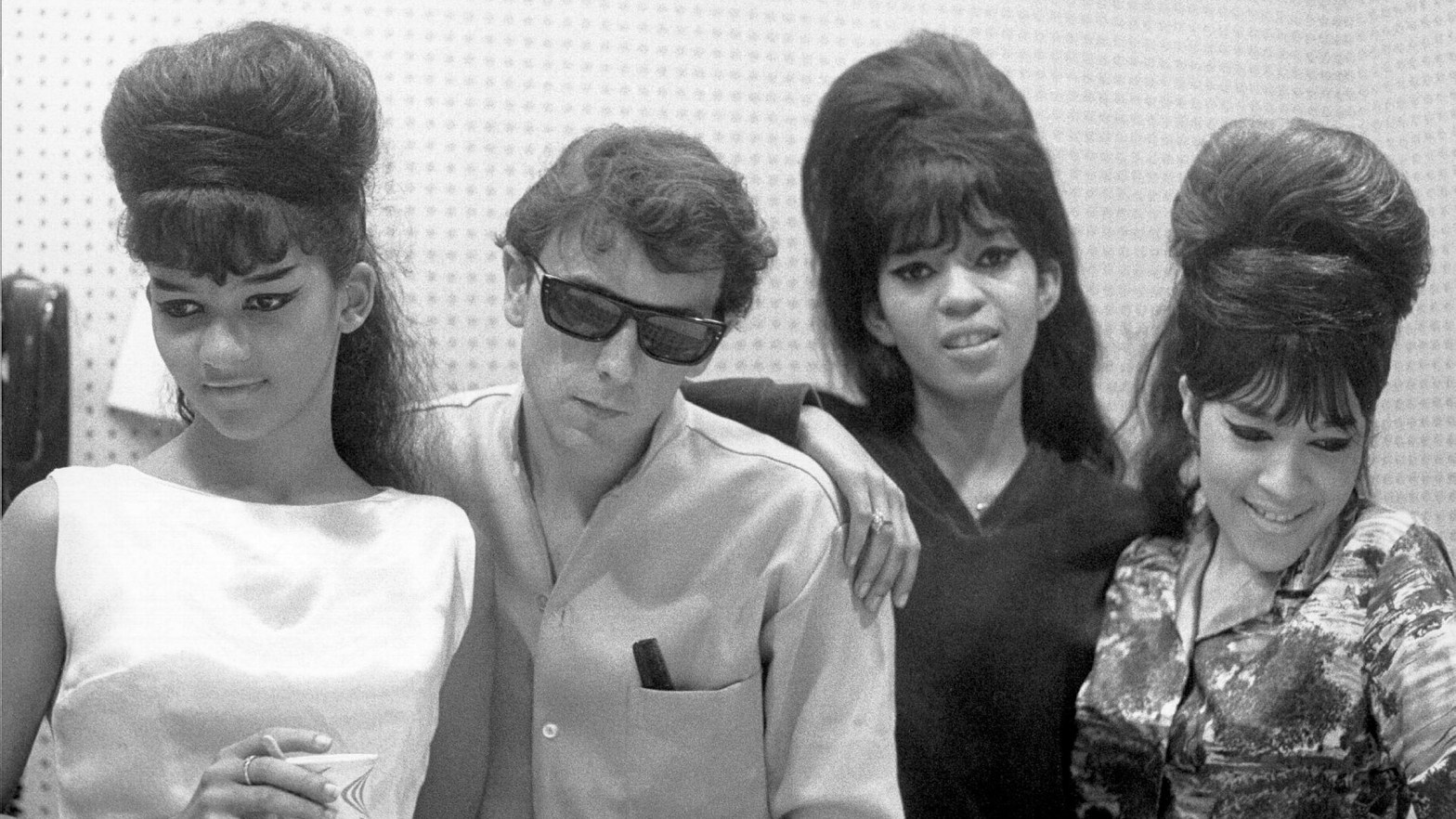
Essay · Music & Culture The Sound He Built and the Silence It Left Phil Spector invented one of the most ravishing sonic experiences in the history of recorded music and then, across the following decades, dismantled every reason to enjoy it cleanly. The Wall of Sound remains. So does everything else. By Bergotte · LosContinue reading “Phil Spector”
Category Archives: Art
Filth Is My Politics: John Waters, Divine, and the Cinema of Glorious Bad Taste
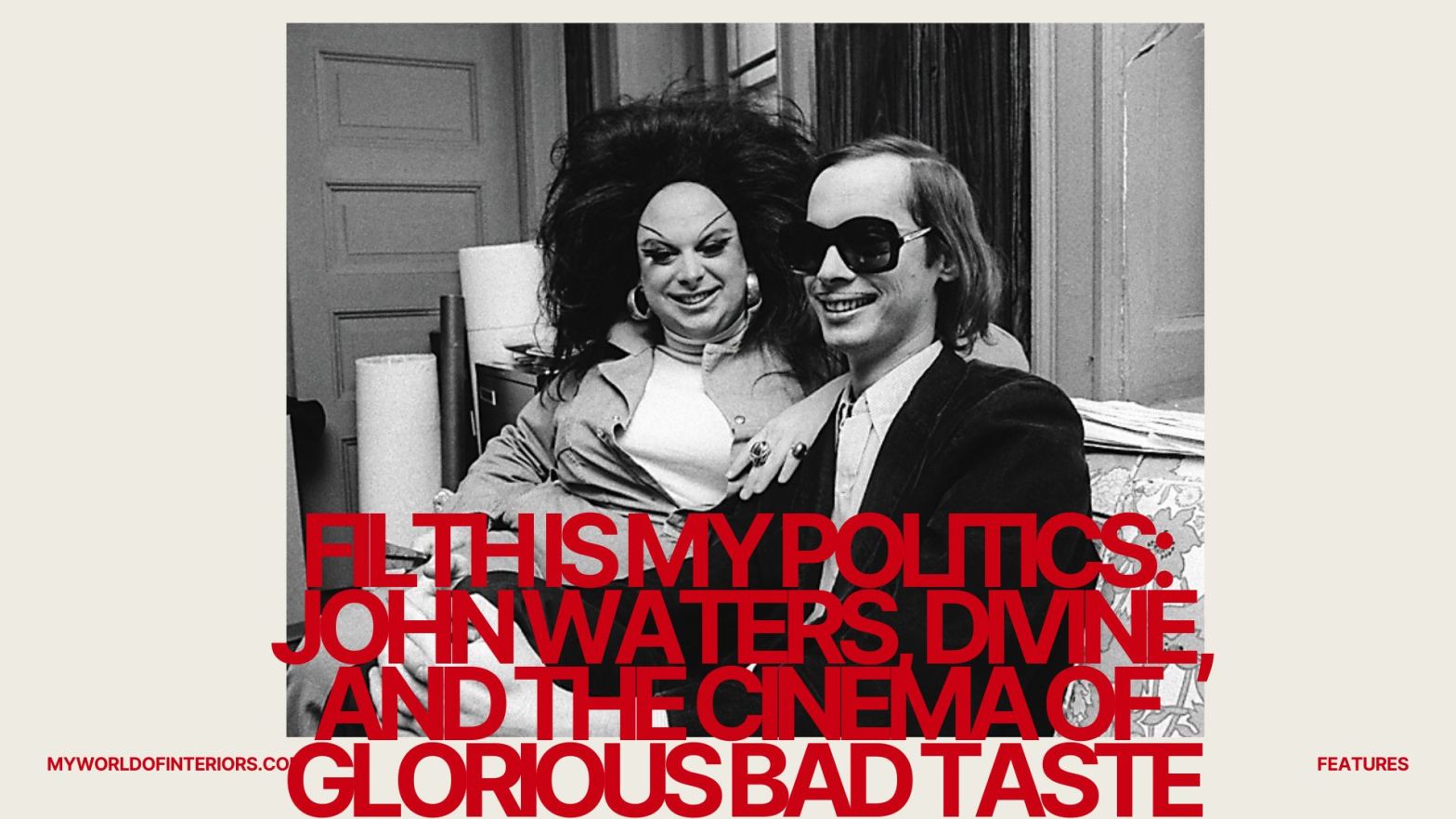
For six decades, the Pope of Trash has been making films that Baltimore’s respectable classes would prefer not to exist. In doing so, he and his muse created something that outlasted respectability entirely — a body of work that is simultaneously the most offensive and the most loving in American cinema. By Bergotte There isContinue reading “Filth Is My Politics: John Waters, Divine, and the Cinema of Glorious Bad Taste”
Anna Boghiguian

Essay · Art & Lives The Nomad Who Carries History in a Suitcase Anna Boghiguian has no fixed address and no fixed medium. What she has, instead, is an inexhaustible appetite for the world’s buried histories — of trade, of empire, of displacement, of the bodies that paid the price for other people’s prosperity —Continue reading “Anna Boghiguian”
Fritz Wotruba
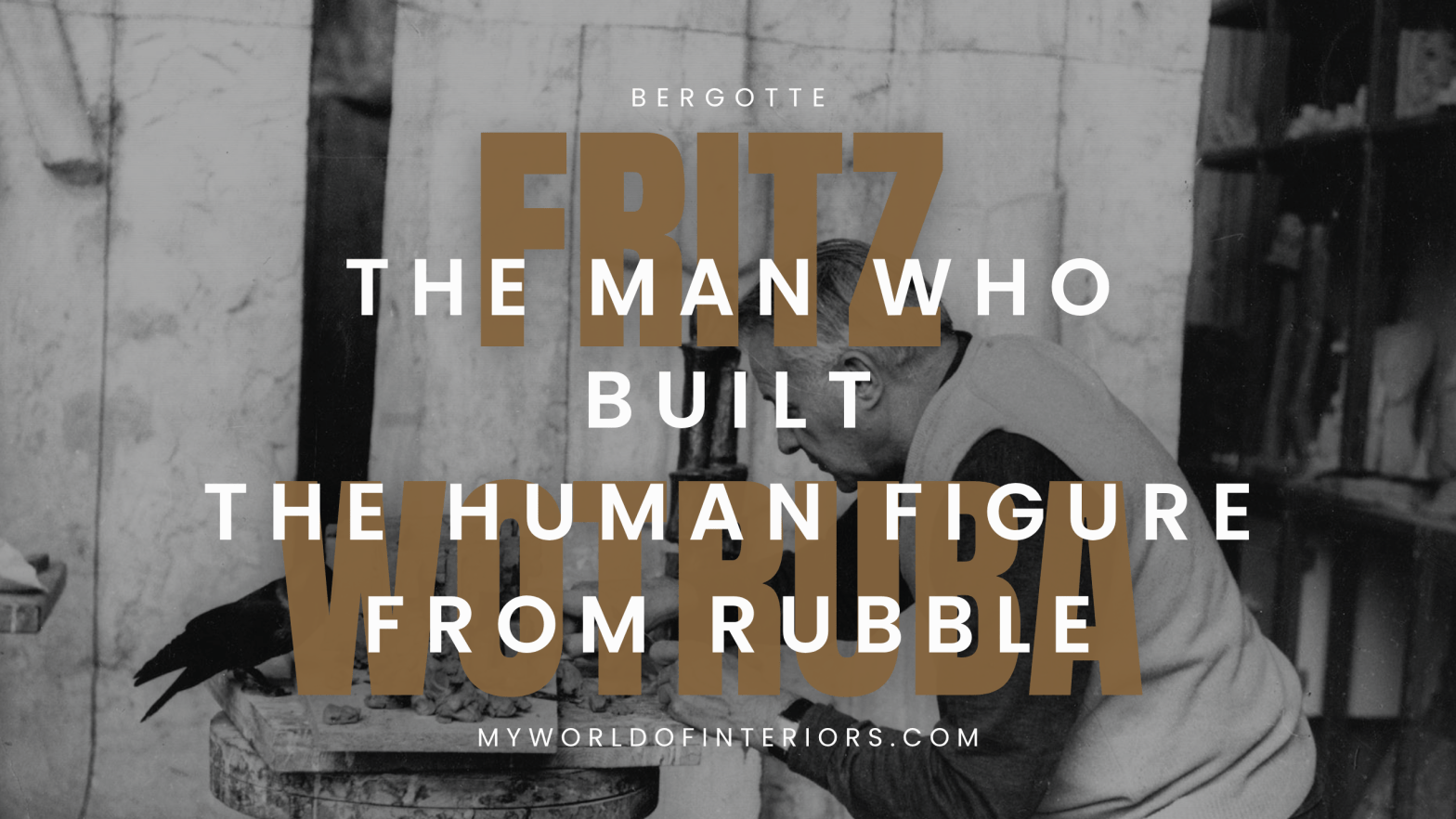
Essay · Art & Architecture The Man Who Built the Human Figure from Rubble Fritz Wotruba spent his life doing one thing: finding the body inside the block. That this task consumed him entirely, across five decades of exile, return, and monumental ambition, tells us something important about what sculpture is for — and aboutContinue reading “Fritz Wotruba”
Cher and the Art of Outlasting America

Cher has lasted so long, and in so many forms, that she can seem less like an entertainer than like a permanent feature of the culture itself. She belongs to that tiny class of figures who have ceased to be merely famous and become symbolic: instantly recognisable, endlessly referential, somehow both singular and omnipresent. Singer,Continue reading “Cher and the Art of Outlasting America”
Where the River Bends: Memphis and the Music That Changed the World
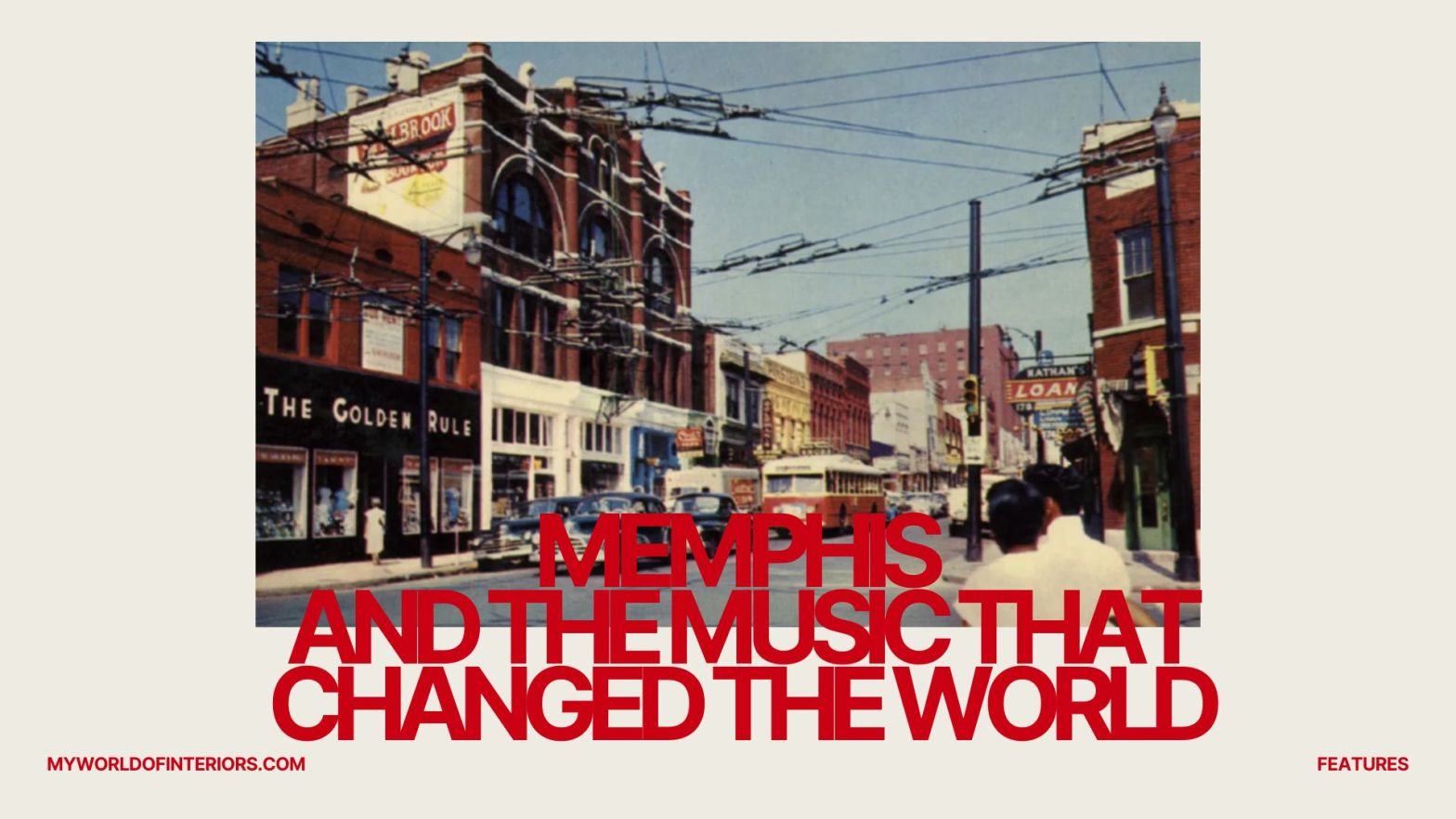
It is the most productive square mile in American cultural history. A city of grief and genius, of violence and transcendence, built on cotton and the blues and the unsettled accounts of race — Memphis made the modern world’s soundtrack and has never quite recovered from the effort. By Bergotte Begin with the geography, becauseContinue reading “Where the River Bends: Memphis and the Music That Changed the World”
Ivor Novello and the Lost Language of British Glamour
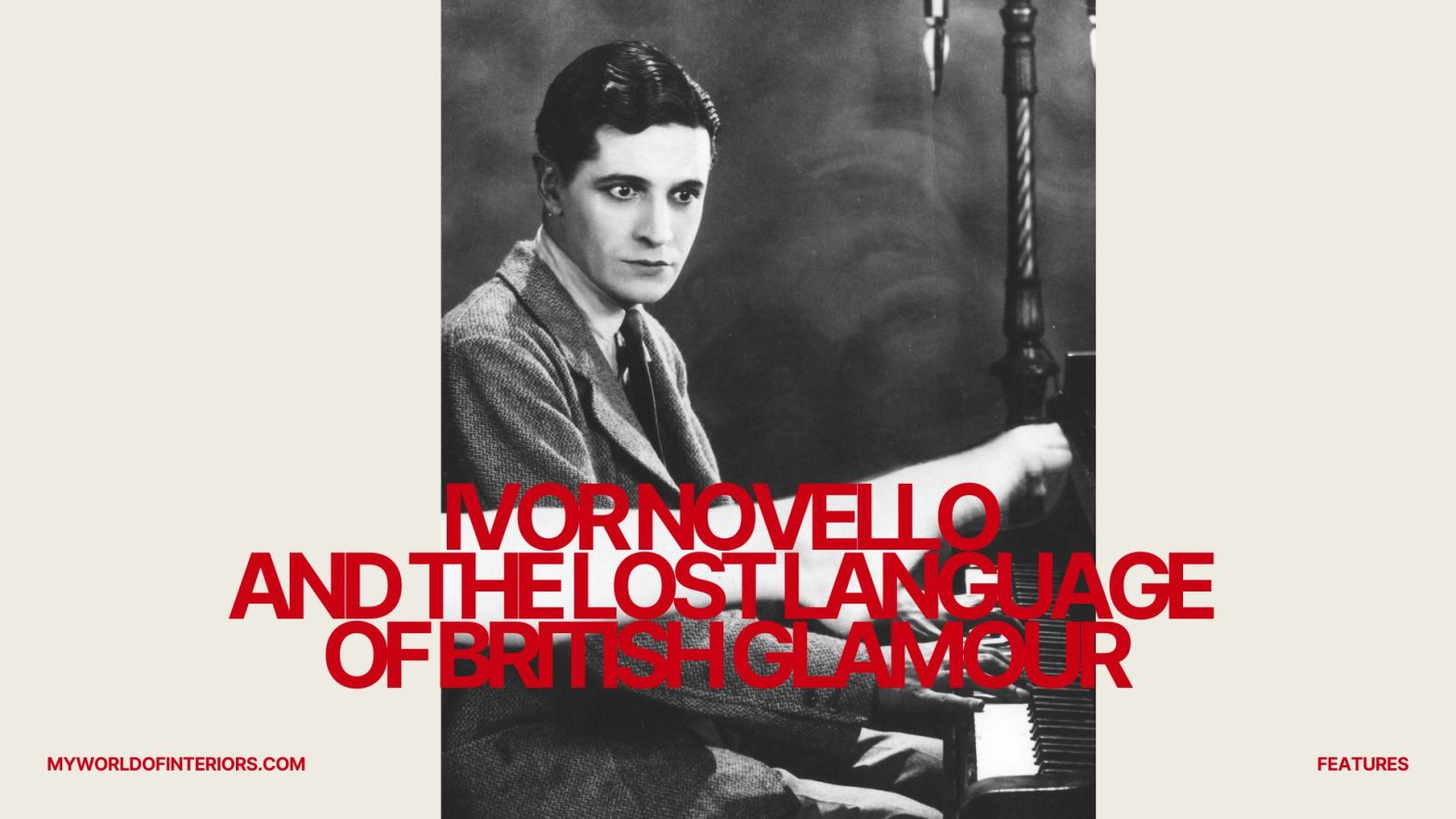
Ivor Novello has survived in British culture in a peculiarly ghostly form. His name remains everywhere, attached to one of the country’s most prestigious songwriting honours, and yet the man himself has drifted into soft focus. Many know the Ivor Novello Awards. Far fewer could say with confidence who Novello was, what he made, orContinue reading “Ivor Novello and the Lost Language of British Glamour”
The Scrawl of the Gods: Cy Twombly and the Art of Forgetting
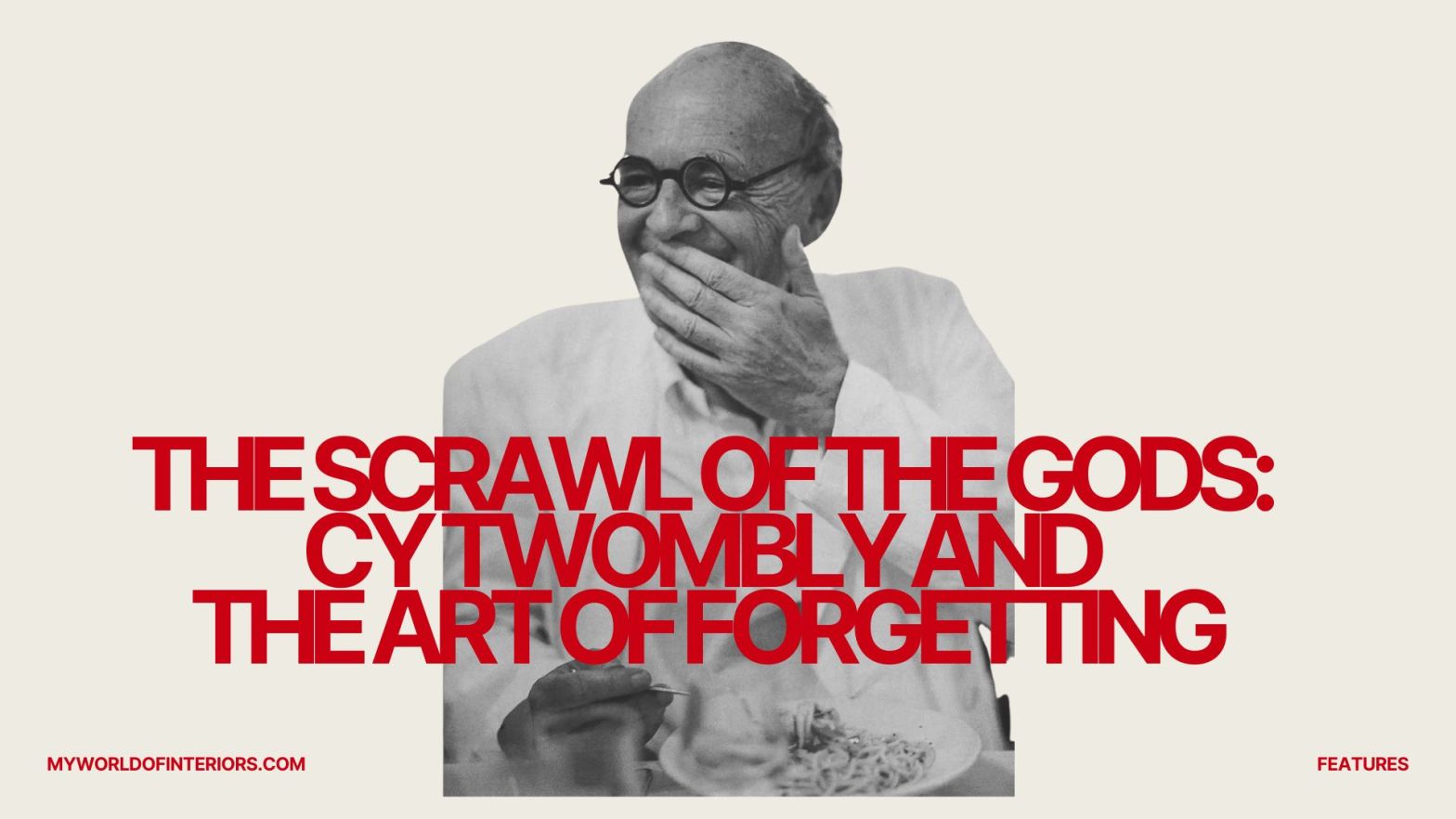
He made paintings that looked like vandalism, drawings that resembled the work of a distracted child, and sculptures that seemed to be falling apart. He also changed the course of Western art. By Bergotte There is a canvas in the Menil Collection in Houston, twelve feet wide, that appears, at first glance, to have beenContinue reading “The Scrawl of the Gods: Cy Twombly and the Art of Forgetting”
The Brutality of Fact: David Sylvester and the Vocation of Looking
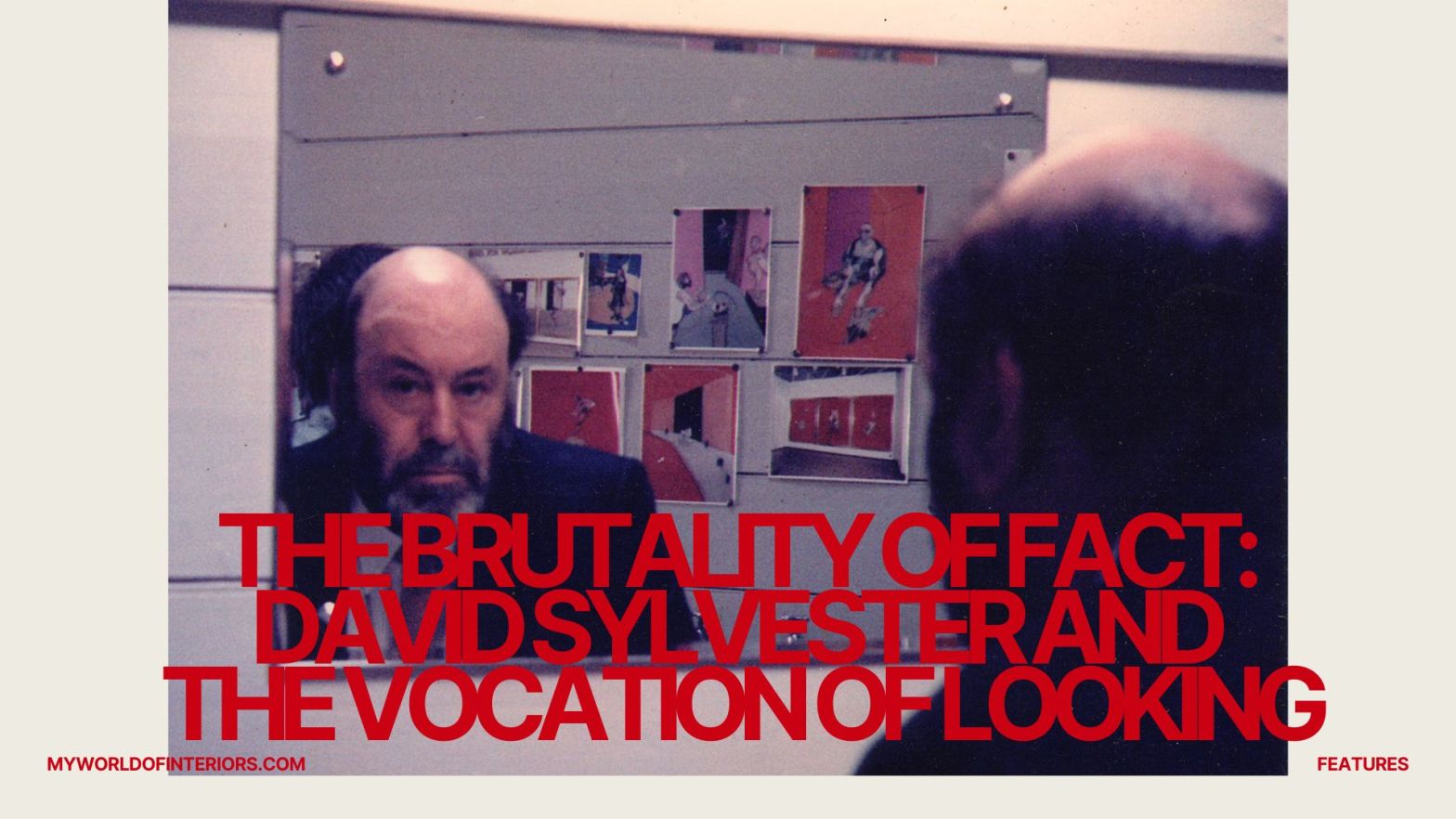
The greatest British art critic of the twentieth century never wrote a book he was satisfied with. What he left behind instead was something rarer — a model of attention so exacting it changed what art could ask of its audience. By Bergotte There is a way of sitting in front of a painting thatContinue reading “The Brutality of Fact: David Sylvester and the Vocation of Looking”
Ways of Being Seen: John Berger and the Art of Paying Attention
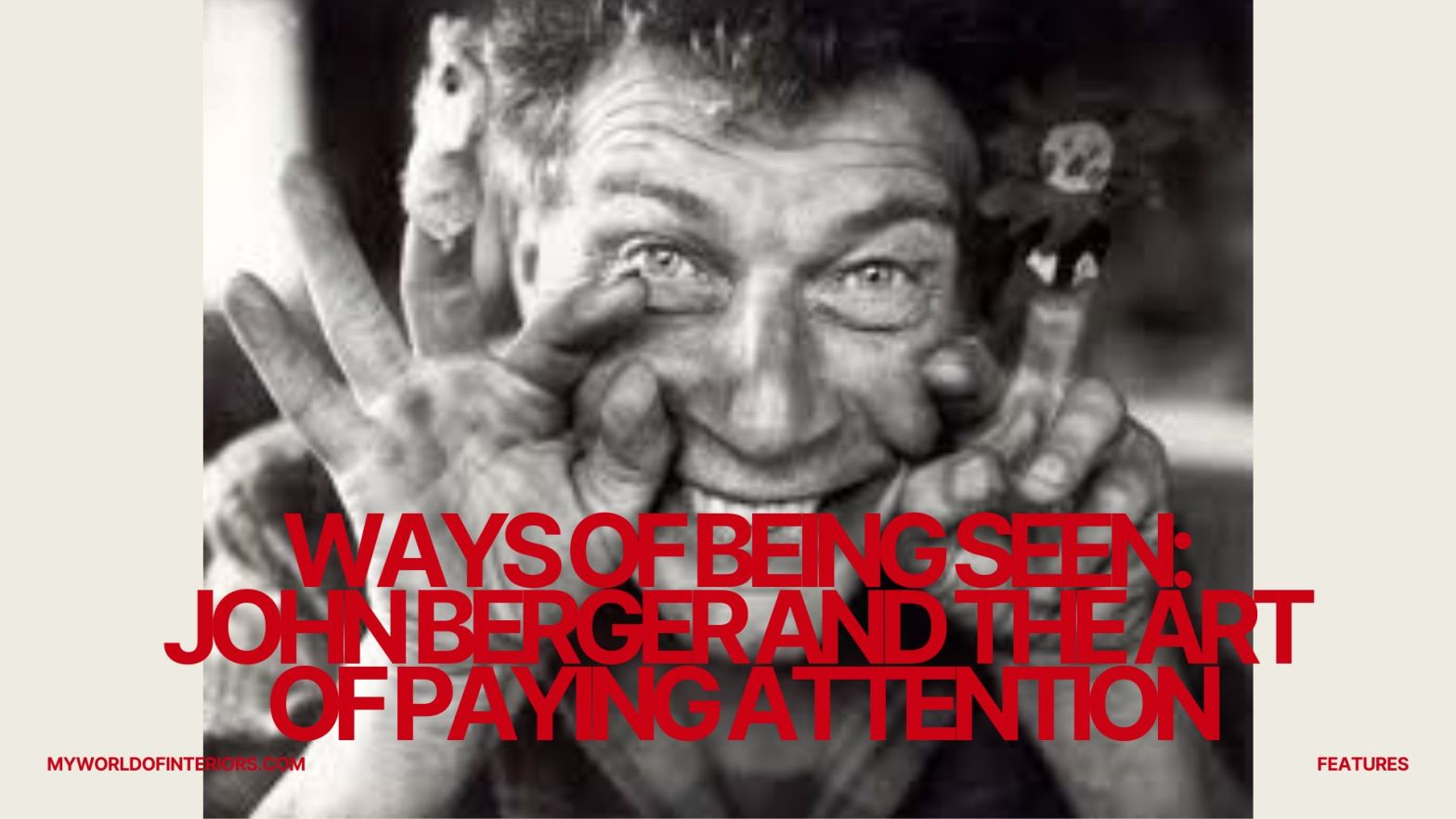
Eight years after his death, the critic, novelist, and storyteller who changed how we look at art remains the most generous — and the most radical — writer England ever produced. By Bergotte There is a moment in the first episode of Ways of Seeing — the 1972 BBC television series that made John Berger,Continue reading “Ways of Being Seen: John Berger and the Art of Paying Attention”

