
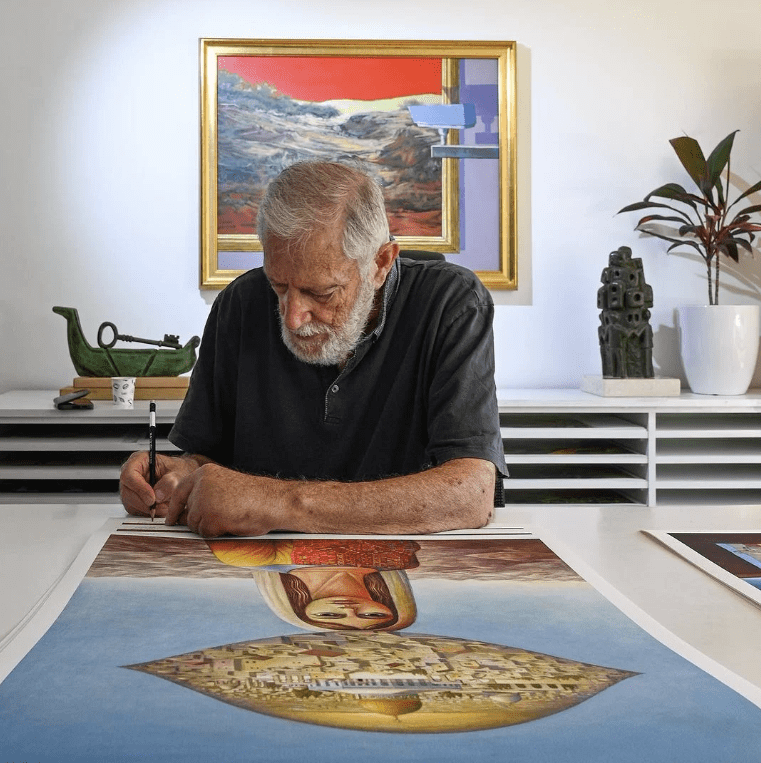
Obituary He Painted Palestine from the Ground Up — Literally Sliman Mansour, 1947–2026. When the occupation cut off his art supplies, he turned to the earth beneath his feet. What he made from mud and henna and olive wood became the visual language of a people. By Bergotte · August 28, 2026 Sliman Mansour ·Continue reading “Sliman Mansour 1947-2026”
Category Archives: Art
Yayoi Kusama 1929-2026
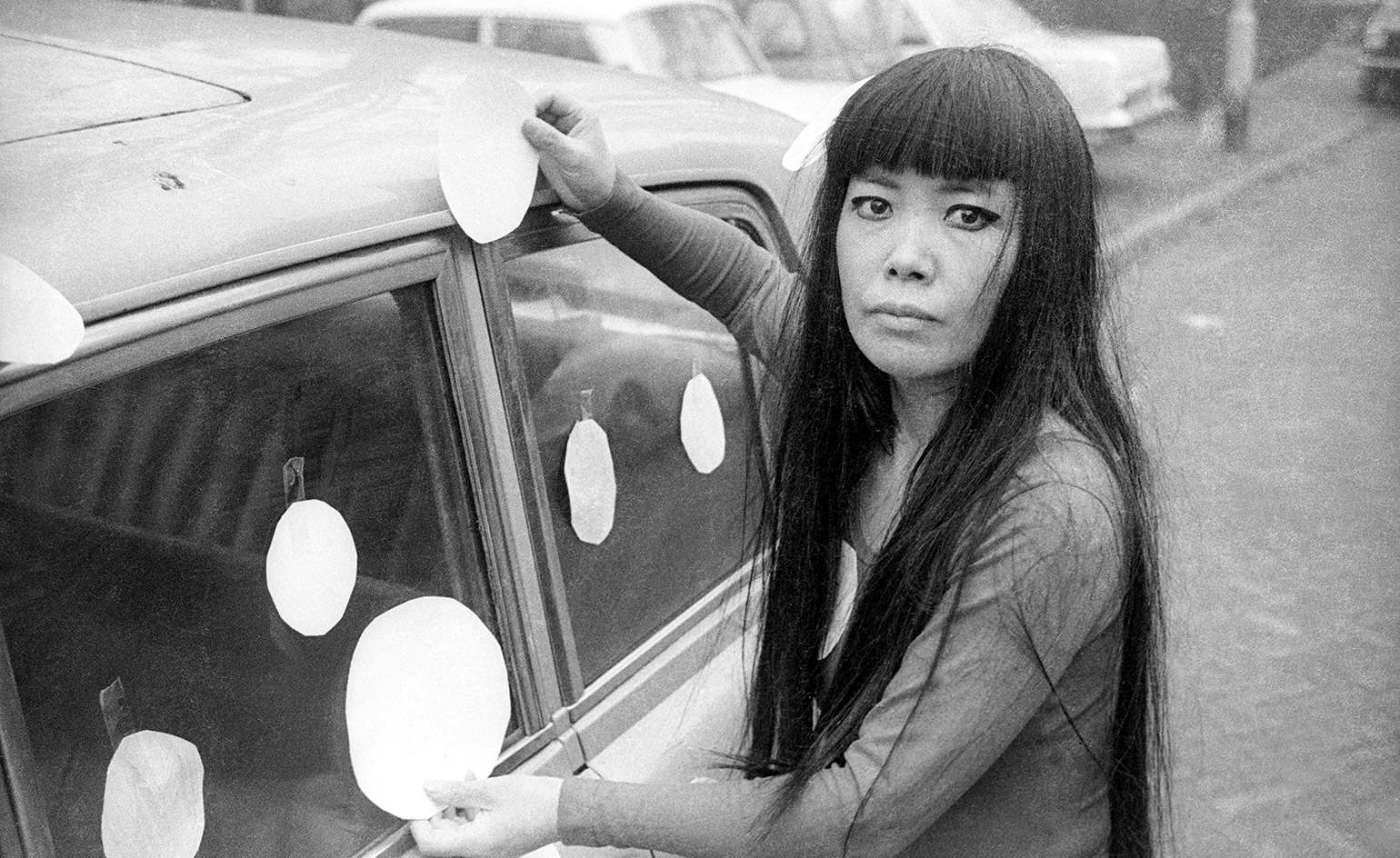
Obituary She Painted to Stay Alive. She Stayed Alive for Ninety-Seven Years. Yayoi Kusama, 1929–2026. She covered the world in dots because the world was already covered in them and she was the only one honest enough to show it. By Bergotte · August 27, 2026 Yayoi Kusama · born March 22, 1929, Matsumoto, JapanContinue reading “Yayoi Kusama 1929-2026”
We Will Always Love You, Dolly
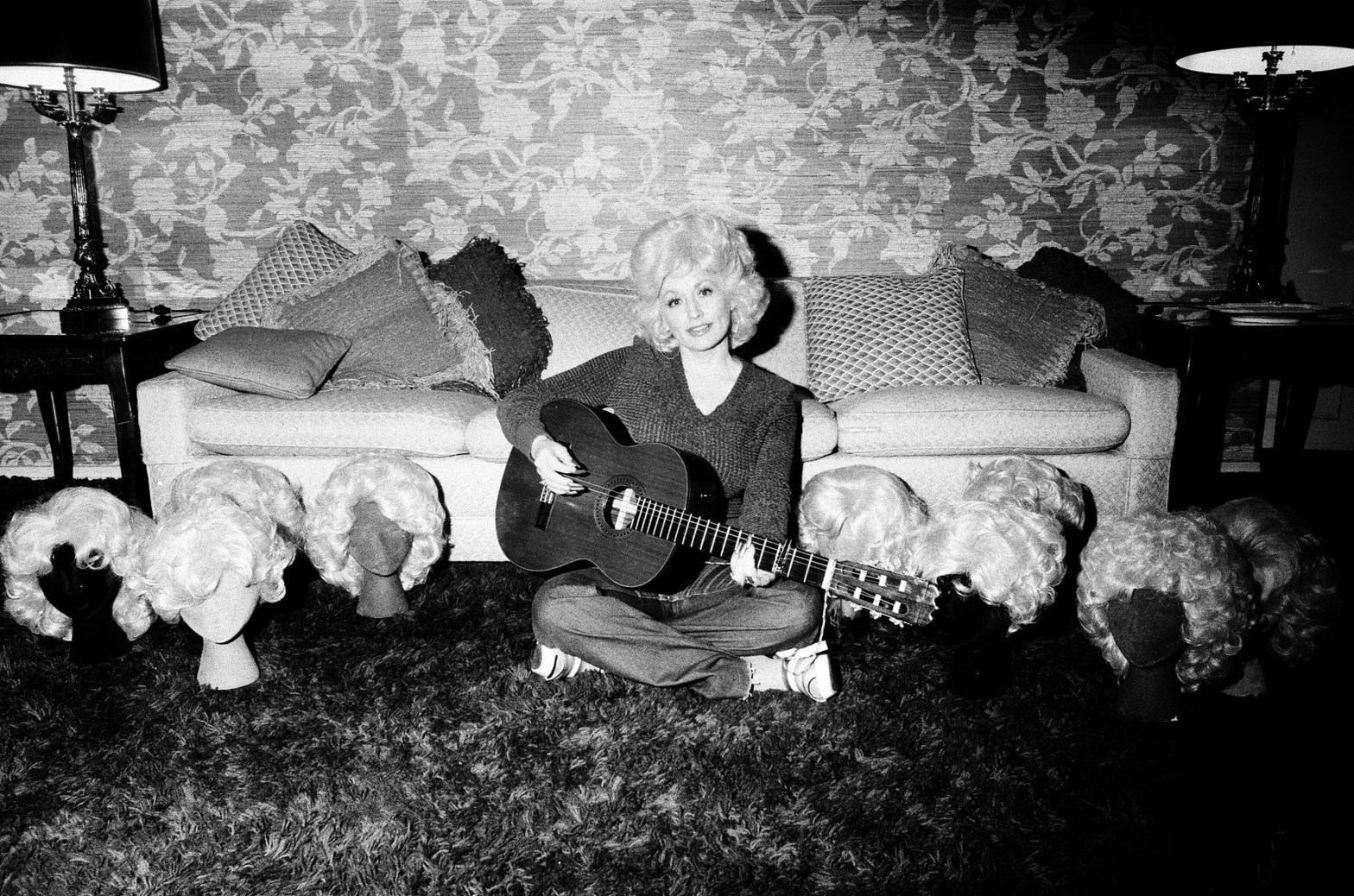
By Bergotte Dolly Rebecca Parton, January 19, 1946 — August 25, 2026 Dolly Parton died yesterday in Nashville, Tennessee, after a brief battle with cancer. She was eighty years old. Sixteen months earlier, she had lost Carl Dean, her husband of nearly six decades, and she had said openly that she had not taken careContinue reading “We Will Always Love You, Dolly”
What’s So Special About Joni Mitchell
By Bergotte Joni Mitchell did not simply write songs about her life. She invented a language for the interior life of a woman at the precise moment in history when no such language was thought to be necessary — and then she kept reinventing it, album by album, tuning by tuning, until she had producedContinue reading “What’s So Special About Joni Mitchell”
Carl Larsson
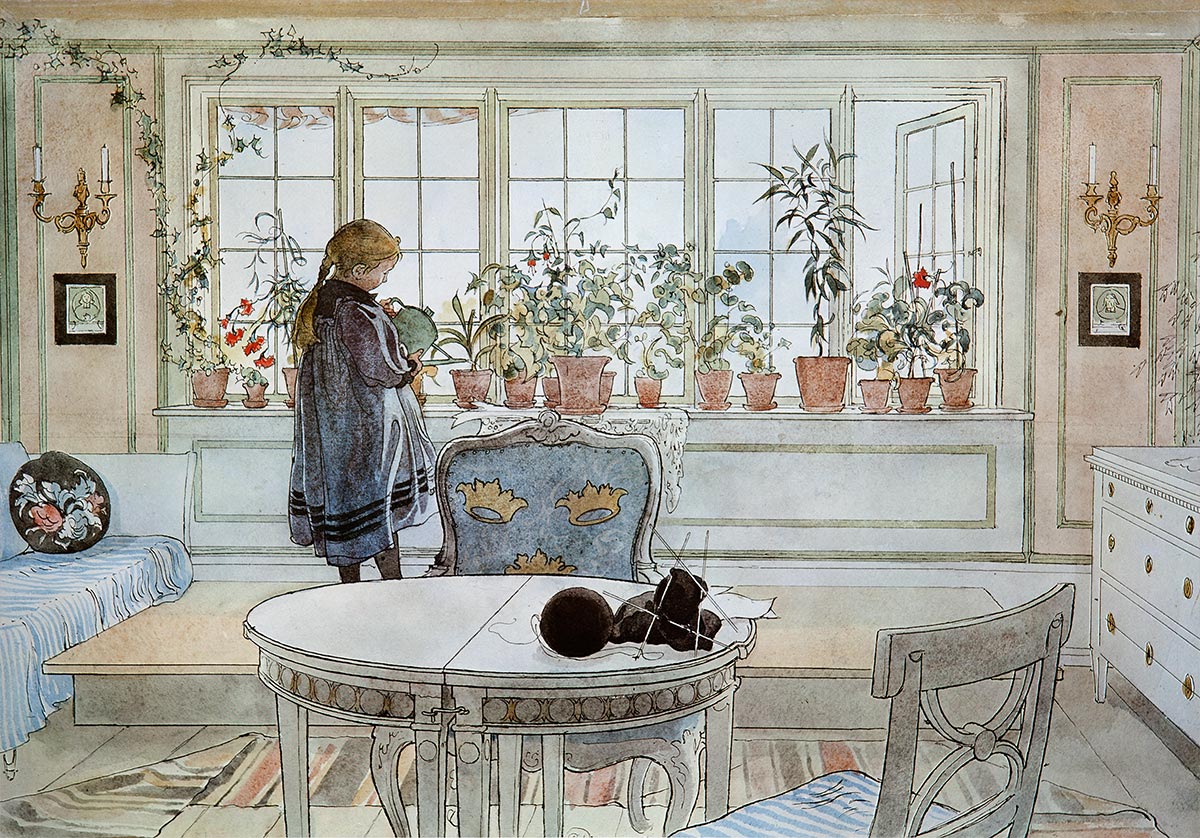
Encounters · No. 2 The House That Light Built Carl Larsson painted the same home, the same wife, the same children, hundreds of times. The result was not repetition. It was an argument — about beauty, about Sweden, about what a life is allowed to look like. By Bergotte There is a house in Sundborn,Continue reading “Carl Larsson”
The Cars

Essay · Music & Culture The Glamour of Disconnection The Cars made music about emotional unavailability and called it pop, which was either a very sophisticated joke or the most honest thing anyone did in the late 1970s, depending on how you felt about the decade. The answer is that it was both, and theContinue reading “The Cars”
Sophie Calle
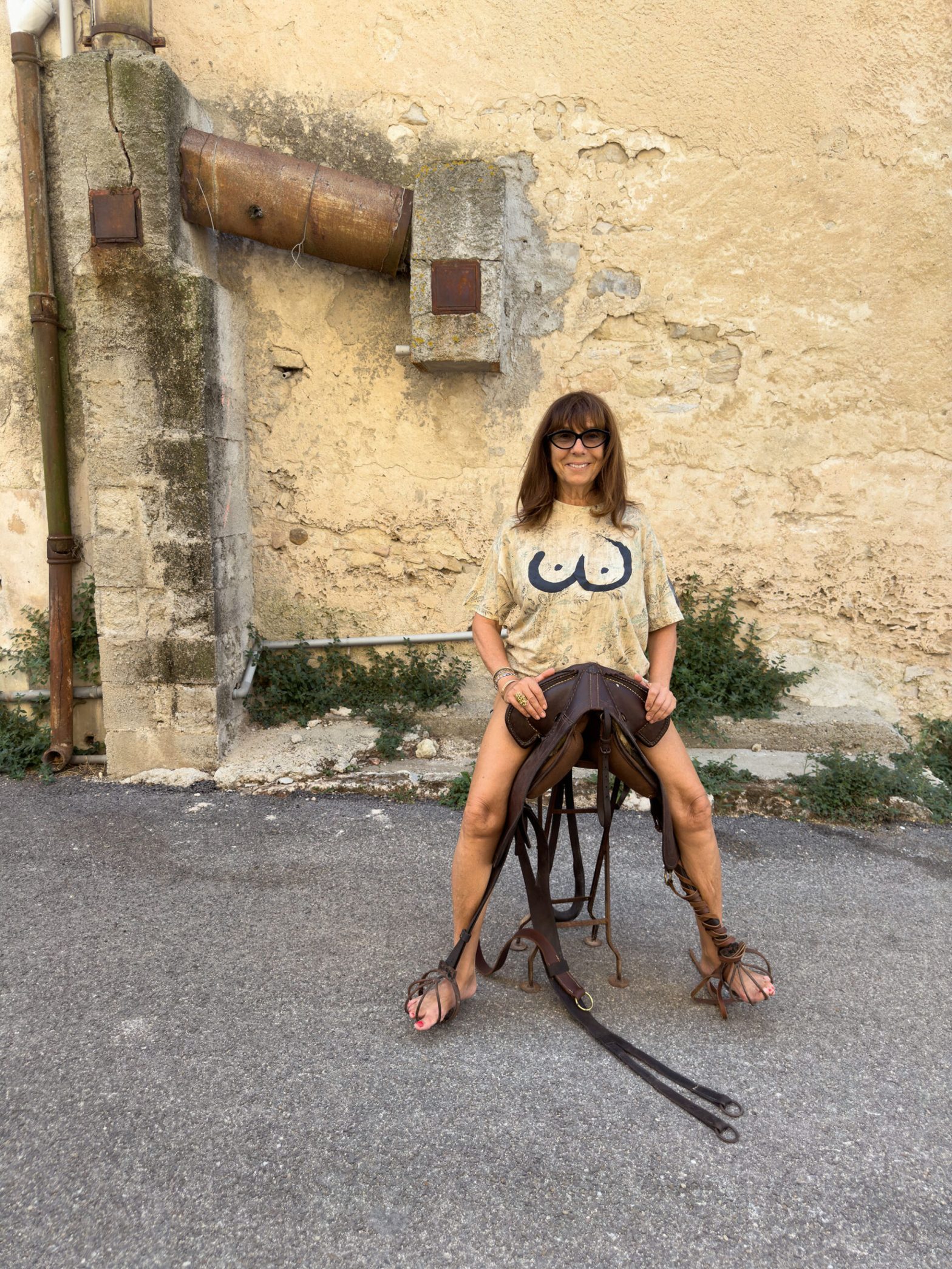
Encounters · No. 1 The Art of Following Someone Sophie Calle has spent forty years turning other people’s lives — and her own grief — into something that looks, uncomfortably, like art. By Bergotte In January 1980, Sophie Calle followed a stranger to Venice. She had met him briefly at a party in Paris, notContinue reading “Sophie Calle”
Sarah Vaughan

Essay · Music & Lives The Divine One and the Instrument She Was Given Sarah Vaughan possessed what may have been the single greatest natural voice in the history of American popular music — a contralto of three-octave range, extraordinary richness, and an improvisational intelligence so developed that it functioned less like singing and moreContinue reading “Sarah Vaughan”
Hans Christian Andersen: The Story of a Mother

Grief, Sacrifice, and the Limits of Maternal Love: Jørgen Vestergaard’s Historien om en moder (1977) By Bergotte The Story of a Mother Here is a film that is seared into my memory from childhood: Jørgen Vestergaard’s 1977 Danish stop-motion animated short Historien om en moder (The Story of a Mother) represents one of the mostContinue reading “Hans Christian Andersen: The Story of a Mother”
Leonard Cohen & David Bowie
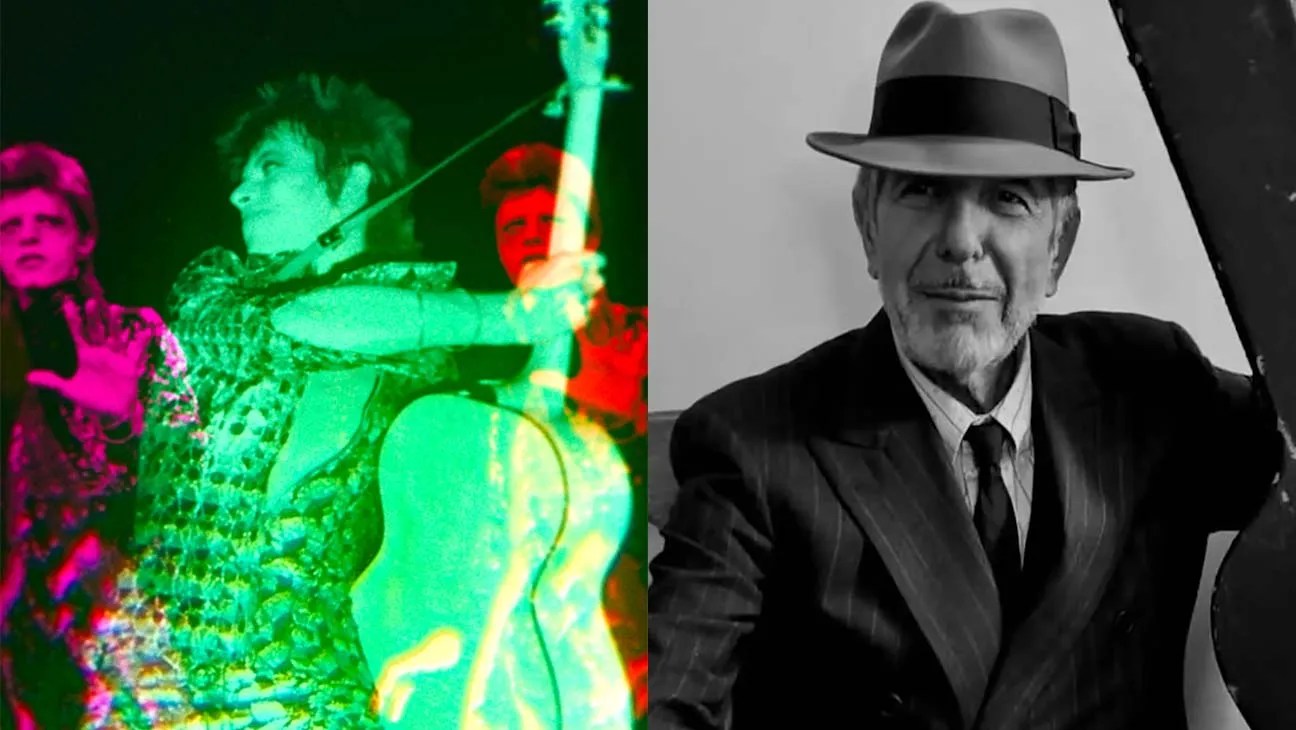
Essay · Music & Ideas Two Ways of Dying in Public Leonard Cohen and David Bowie both knew they were dying when they made their final albums. Both kept the knowledge largely to themselves. Both produced, from that knowledge, work of extraordinary quality that addressed mortality directly and without evasion. And there the similarity endsContinue reading “Leonard Cohen & David Bowie”

