
He was the most gifted prose writer in the history of philosophy and the most dangerous thinker in the Western tradition. He gave us the Forms, the cave, the immortal soul, the philosopher-king, and the suspicion — never quite extinguished in the two and a half thousand years since — that the world we seeContinue reading “The Shadow and the Sun: Who We Are According to Plato”
Category Archives: Philosophy
Everything Flows: Who We Are According to Heraclitus
He wrote one book, deposited it in the temple of Artemis at Ephesus, and walked into the mountains. What survives of the book is approximately a hundred and thirty fragments — sentences, half-sentences, paradoxes, riddles — that have been puzzling serious readers for two and a half thousand years. He is the most difficult andContinue reading “Everything Flows: Who We Are According to Heraclitus”
The Gadfly and the Hemlock: Who We Are According to Socrates
He wrote nothing. He claimed to know nothing. He taught by pretending not to teach, questioned by pretending not to have answers, and led the most examined life in the history of Western philosophy — and then, when Athens offered him the choice between his life and his vocation, he chose the vocation. He wasContinue reading “The Gadfly and the Hemlock: Who We Are According to Socrates”
One Must Imagine Sisyphus Happy: Who We Are According to Albert Camus

He is the last philosopher in this series and the one who answers the question the series has been building toward. Not the question of what the self is, or how it is made, or what it is condemned to. The question that Sartre’s radical freedom leaves ringing in the air: given all of thisContinue reading “One Must Imagine Sisyphus Happy: Who We Are According to Albert Camus”
How Proust Can Change Your Life
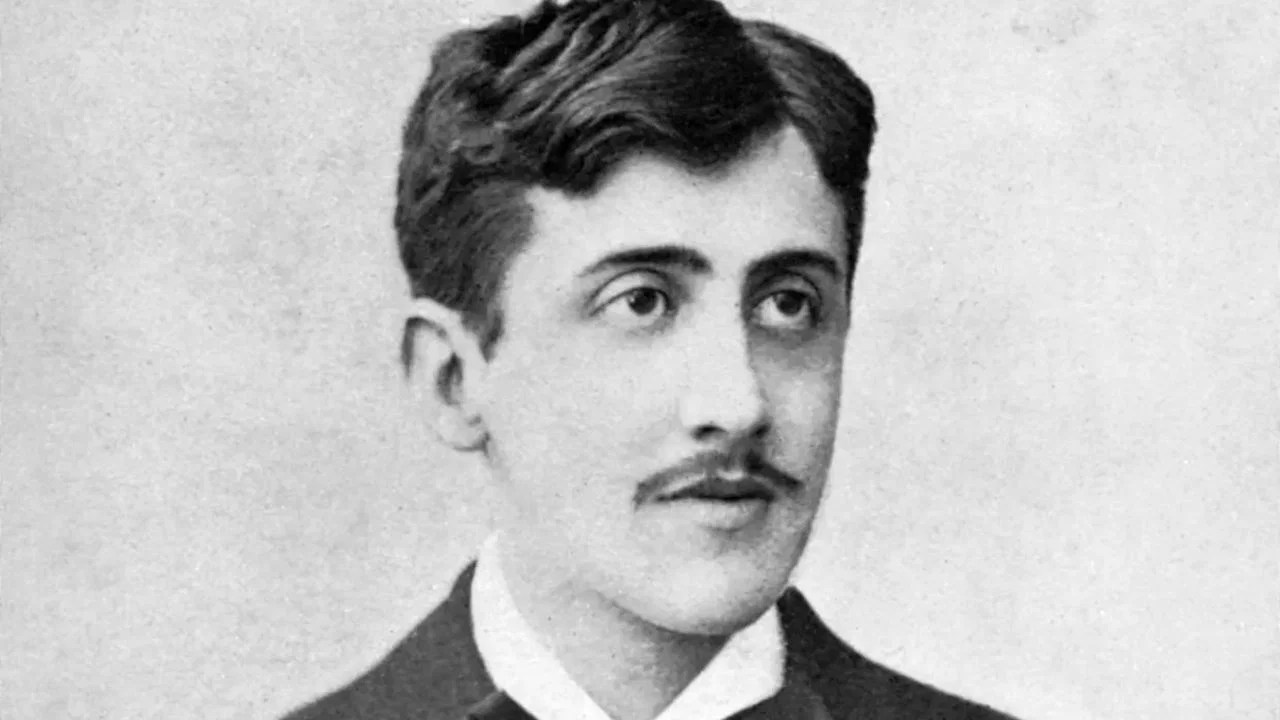
How Proust Can Change Your Life In 2000, the BBC made the rather unlikely decision to turn Alain de Botton’s book How Proust Can Change Your Life into a television film, with Ralph Fiennes playing Marcel Proust. The result is neither straightforward biography nor literary adaptation, but something more curious: an attempt to ask whatContinue reading “How Proust Can Change Your Life”
Condemned to Be Free: Who We Are According to Jean-Paul Sartre

Every philosopher in this series has made demands. Kierkegaard demanded genuine decision. Beauvoir demanded resistance to structural power. Nietzsche demanded value-creation in the void. Heidegger demanded ownership of one’s own being. Sartre takes all of these demands, strips away every remaining support, and arrives at the most terrifying and the most liberating position in theContinue reading “Condemned to Be Free: Who We Are According to Jean-Paul Sartre”
The Life of Somebody Else
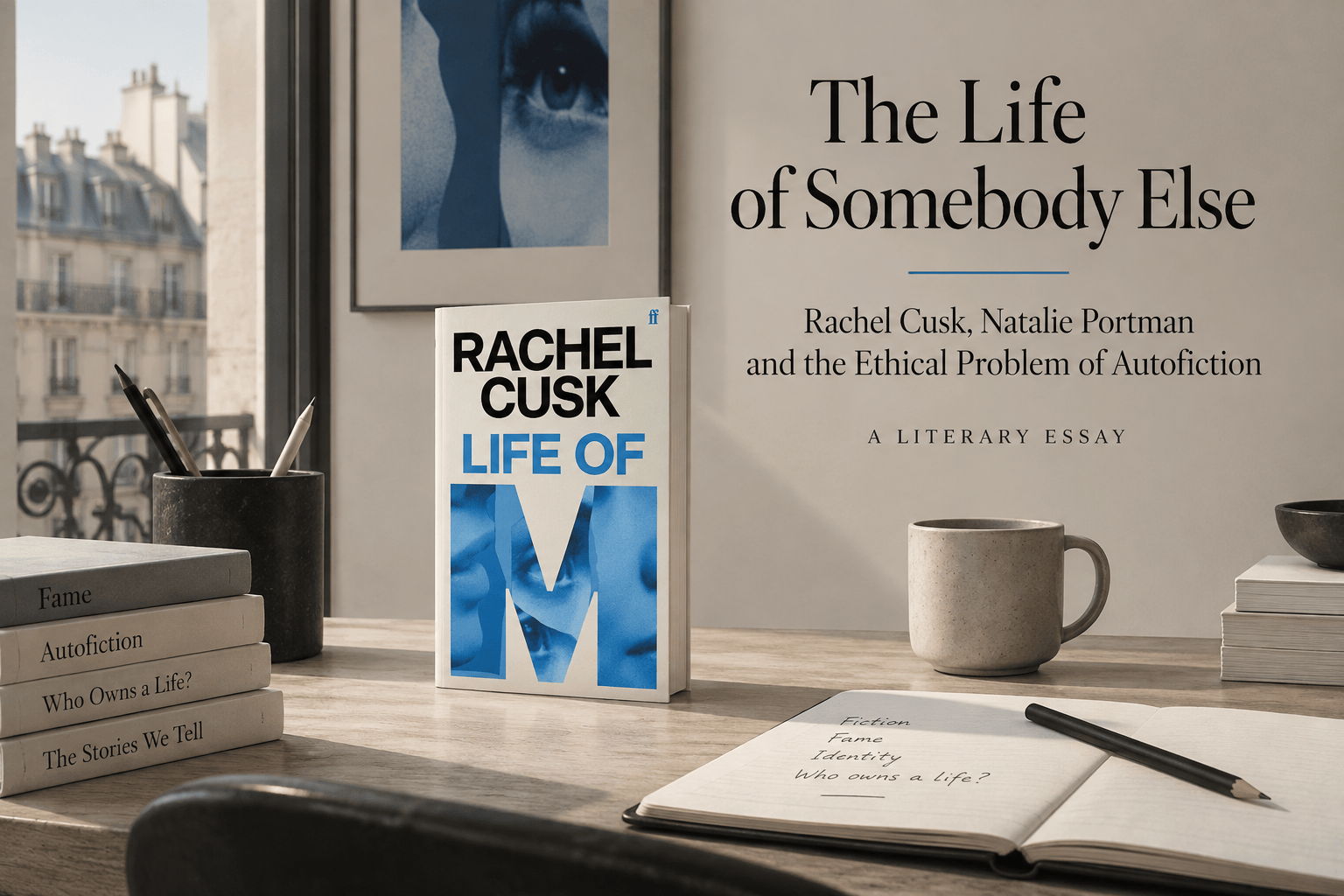
Rachel Cusk, Natalie Portman and the Ethical Problem of Autofiction Rachel Cusk’s Life of M has produced one of the strangest literary controversies of the year. Its famous actress is fictional, yet recognisably assembled from details belonging to Natalie Portman. The resulting argument is larger than celebrity gossip: it asks who owns a life, whatContinue reading “The Life of Somebody Else”
The Cult of More
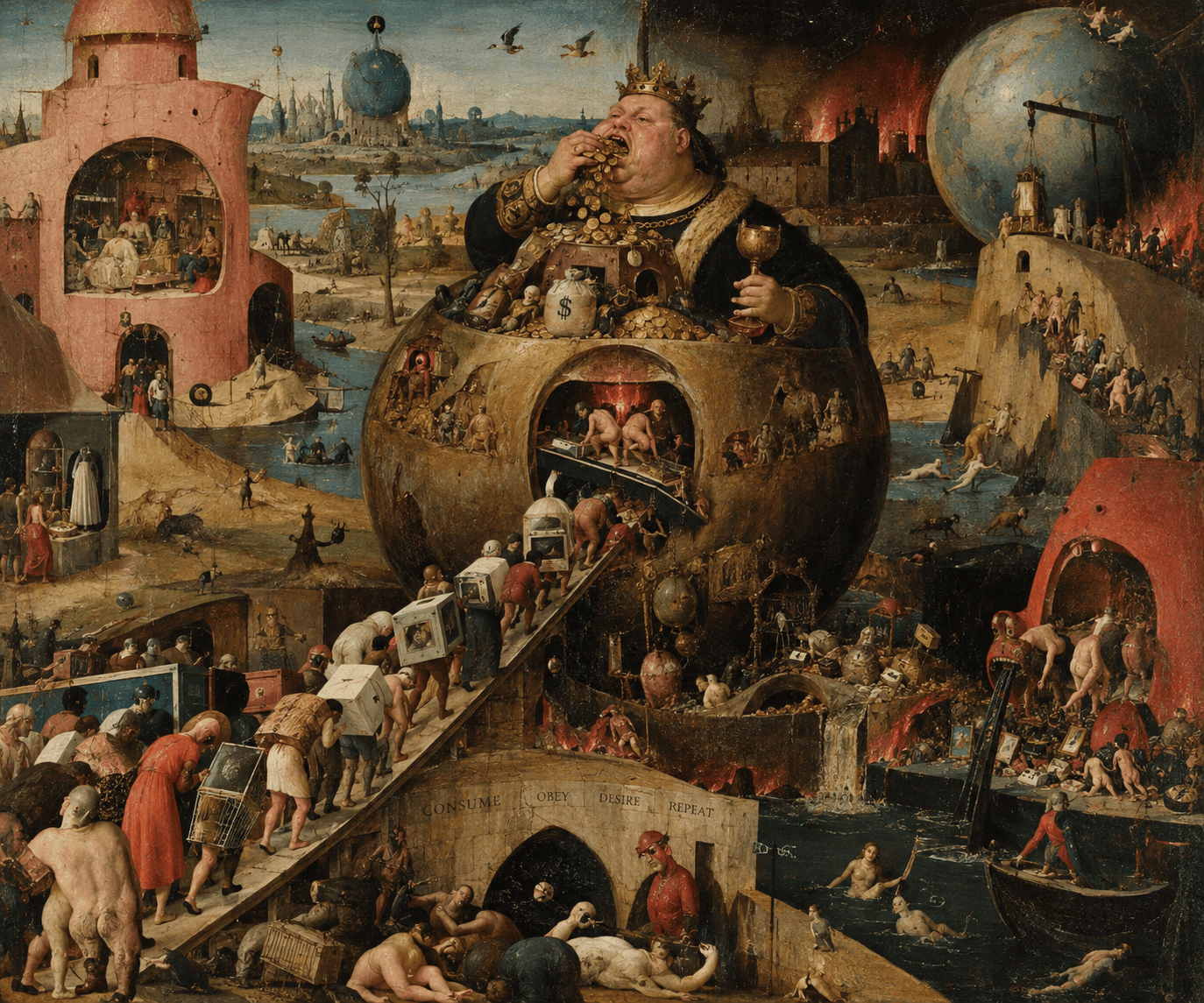
I think about this a lot…by Bergotte Greed, Consumption and the Failure of Enough Late capitalism has produced one of the strangest societies in history: we have more of almost everything and yet live inside a permanent rhetoric of lack. We have too many clothes, too much furniture, too much technology, too much food, tooContinue reading “The Cult of More”
The Ocean and the Wave: Who We Are According to Baruch Spinoza
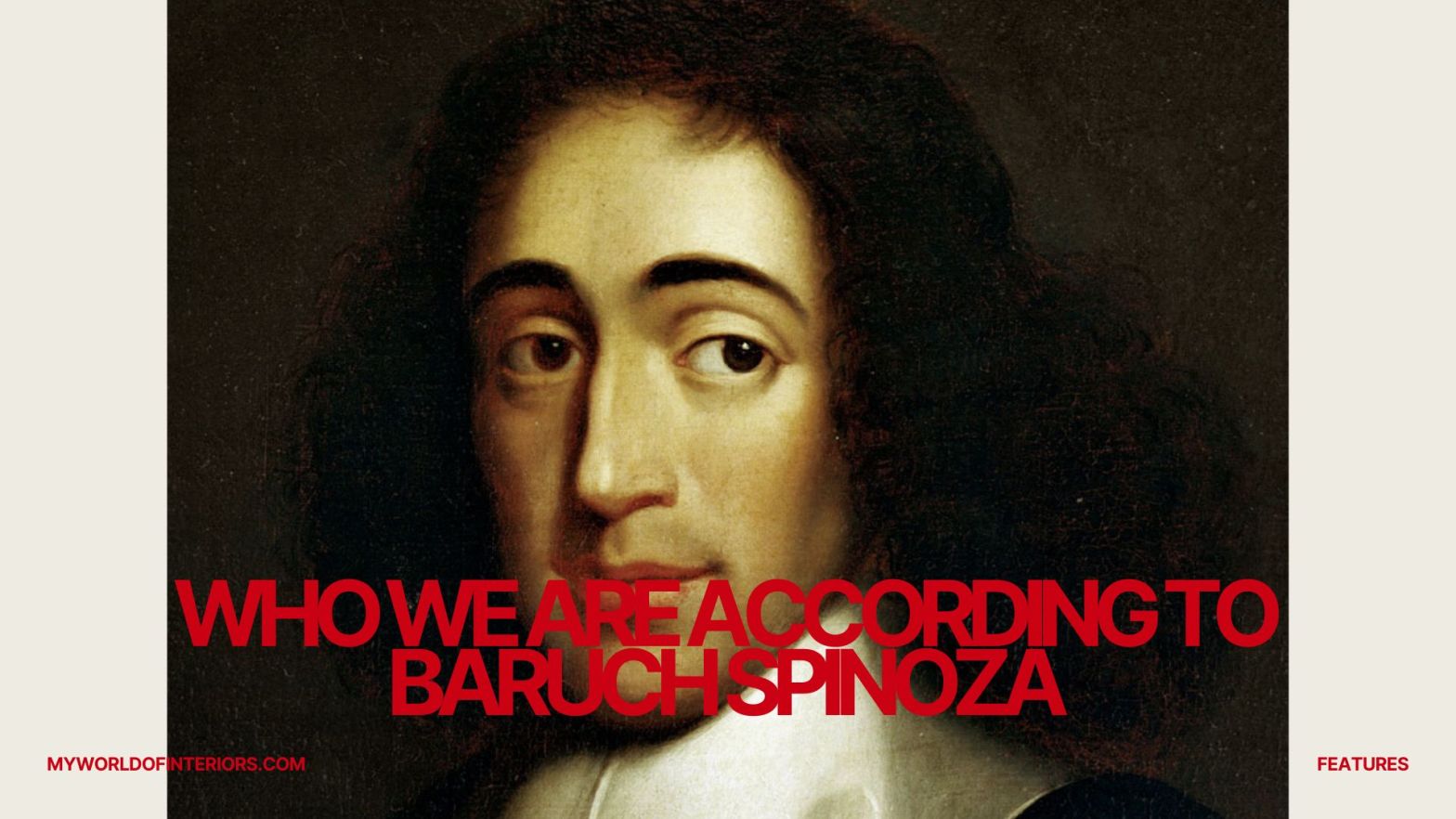
He was excommunicated at twenty-three by the Jewish community that raised him, in terms so severe that no record of the reason survives. He spent the rest of his life grinding lenses and thinking, alone, in a sequence of Dutch boarding houses. What he produced was the most complete and most radical philosophical system inContinue reading “The Ocean and the Wave: Who We Are According to Baruch Spinoza”
The Nerd Reich Review

Book Review They Told Us What They Wanted Gil Durán exposes a Silicon Valley oligarchy that does not merely want to govern without us, but has begun to imagine most human beings as obstacles, dependants or waste By Bergotte Gil Durán, The Nerd Reich: Silicon Valley Fascism and the War on DemocracyAvid Reader Press /Continue reading “The Nerd Reich Review”

