
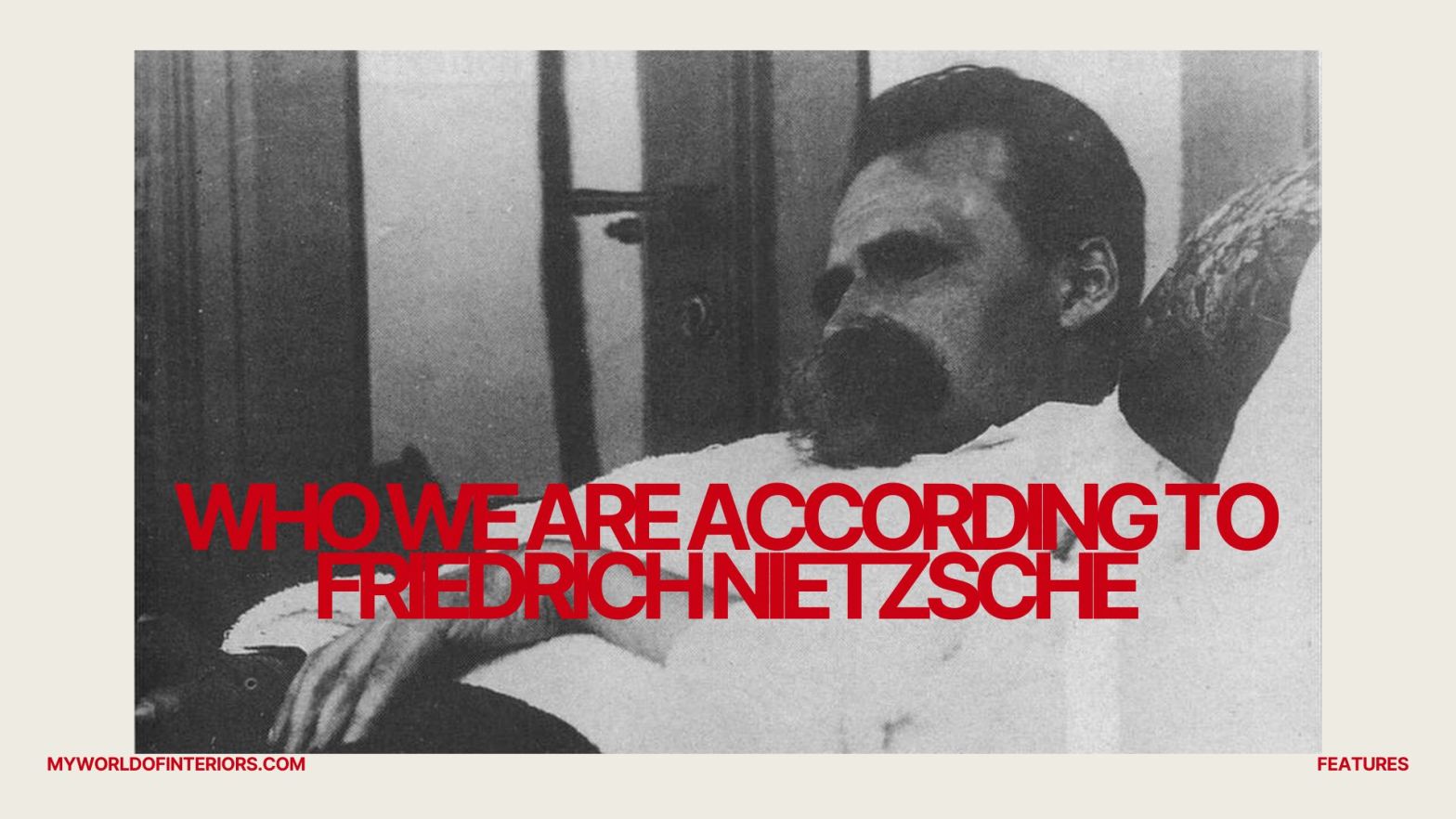
He has been claimed by fascists, by bodybuilders, by management consultants, and by every nineteen-year-old who has ever felt misunderstood. He would have been appalled by all of them. What Nietzsche actually said — about God, about values, about the self, and about whether you would choose your life again if you had to chooseContinue reading “Would You Live It Again? Who We Are According to Friedrich Nietzsche”
Category Archives: Philosophy
One Is Not Born: Who We Are According to Simone de Beauvoir
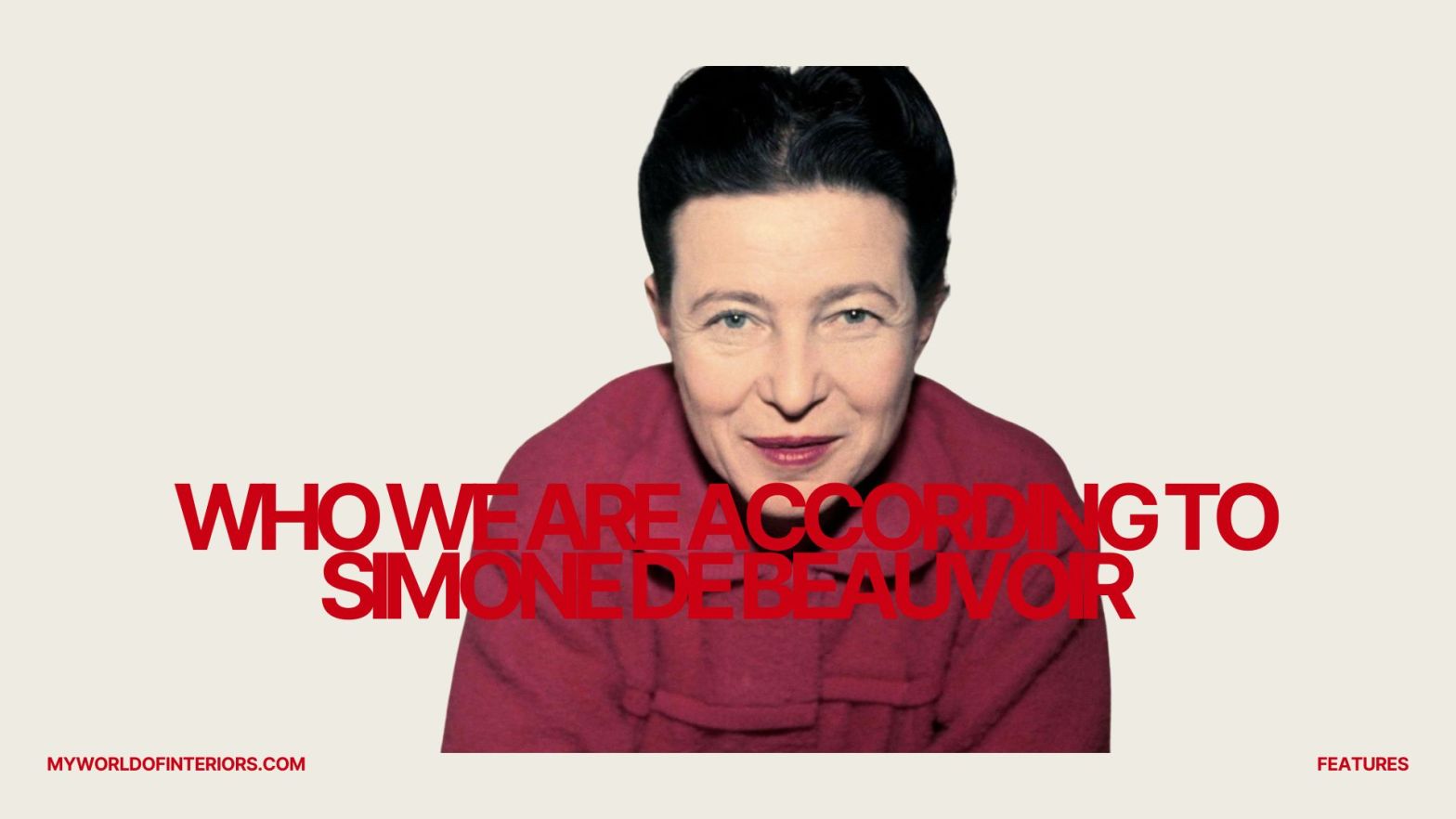
She wrote the book that changed what women thought they were allowed to want. She lived a life that her own philosophy would judge with considerable severity. She was the most important philosopher of freedom of the twentieth century, and she spent decades in the gravitational field of a man who made her smaller. TheContinue reading “One Is Not Born: Who We Are According to Simone de Beauvoir”
The Self That Must Be Chosen: Who We Are According to Søren Kierkegaard
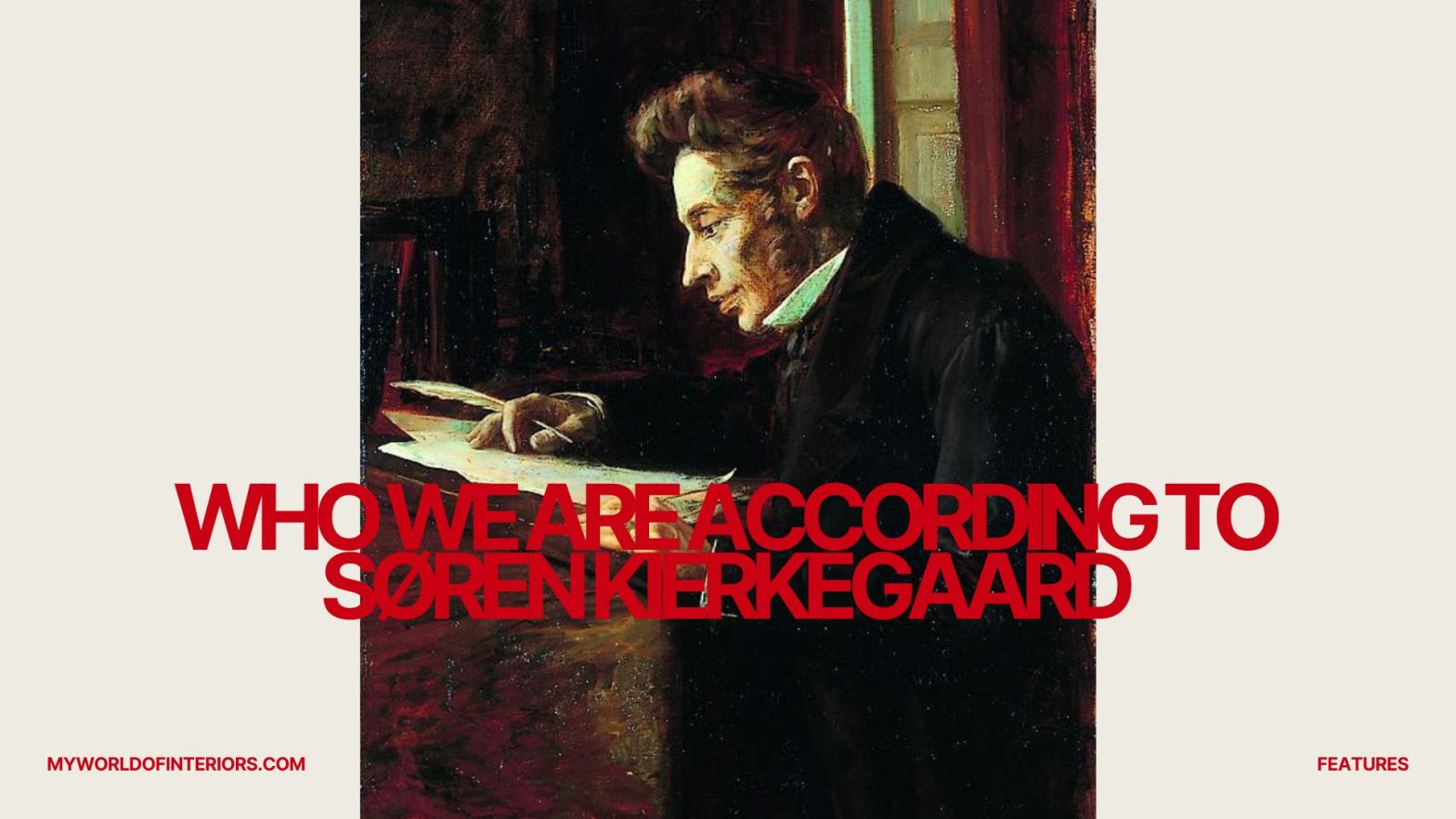
He wrote under false names, spoke in riddles, and refused to give answers. He died at forty-two having produced, in a little over a decade, the most searching account of what it means to be a human being that Western philosophy has ever attempted. Kierkegaard did not want to make things easy for you. HeContinue reading “The Self That Must Be Chosen: Who We Are According to Søren Kierkegaard”
The Wound and the Camera: Susan Sontag and the Unfinished Project of Seeing

Twenty years after her death, the great critic’s ideas about images, suffering, and the moral life feel less like history than like prophecy. By Bergotte There is a photograph that Susan Sontag never saw — or rather, she could not have seen it in the form we now encounter it, scrolling past it on aContinue reading “The Wound and the Camera: Susan Sontag and the Unfinished Project of Seeing”
To Whom Little Is Not Enough: On Sufficiency, Excess, and the Self That Cannot Stop Wanting
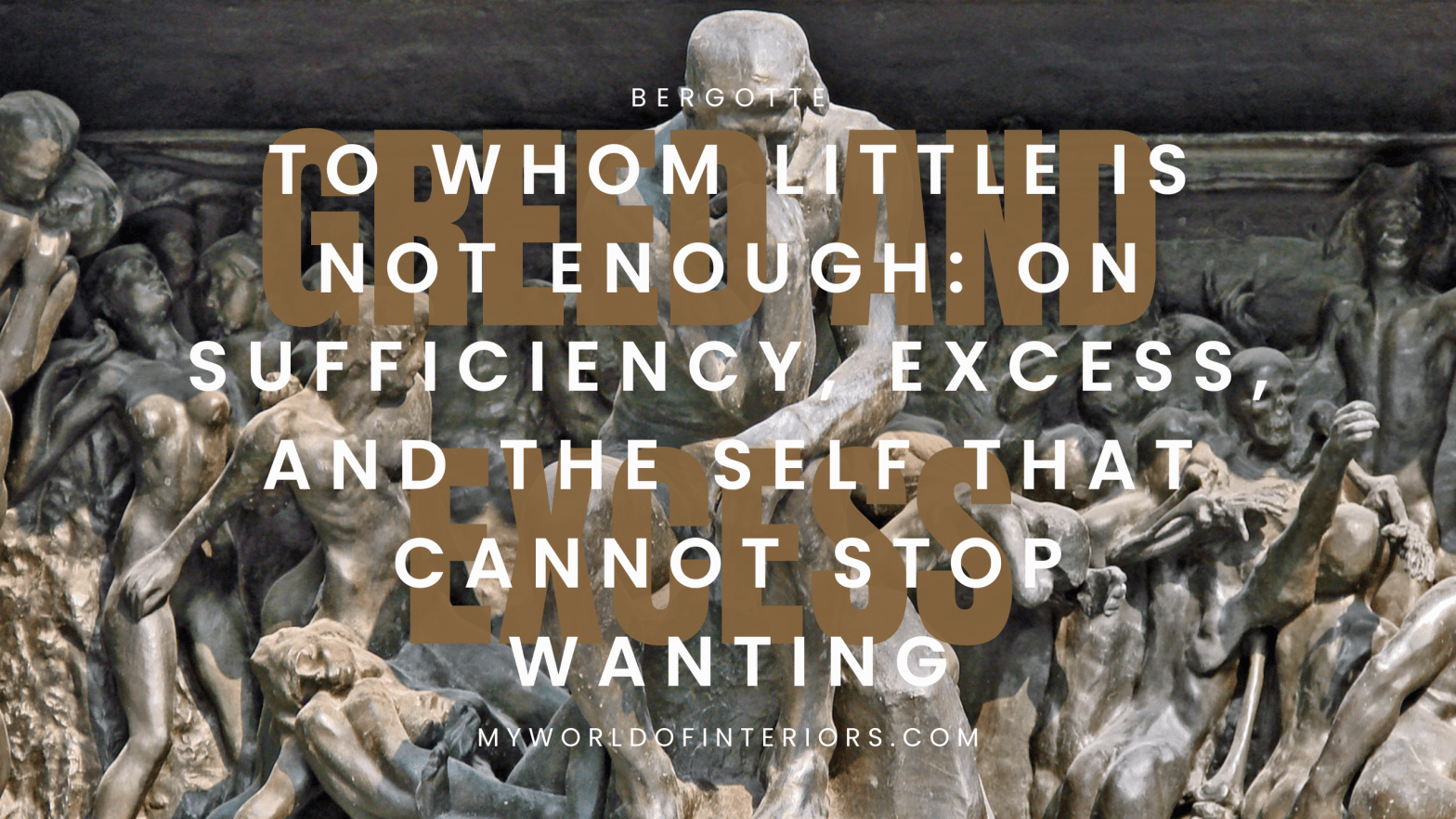
The Greeks had a precise diagnosis for the condition that defines our age. They called it pleonexia — the desire for more, the wanting that has no natural limit, the reaching that cannot stop because it does not know what it is reaching for. They considered it not merely a practical error but a moralContinue reading “To Whom Little Is Not Enough: On Sufficiency, Excess, and the Self That Cannot Stop Wanting”
The Wit of Albert Einstein
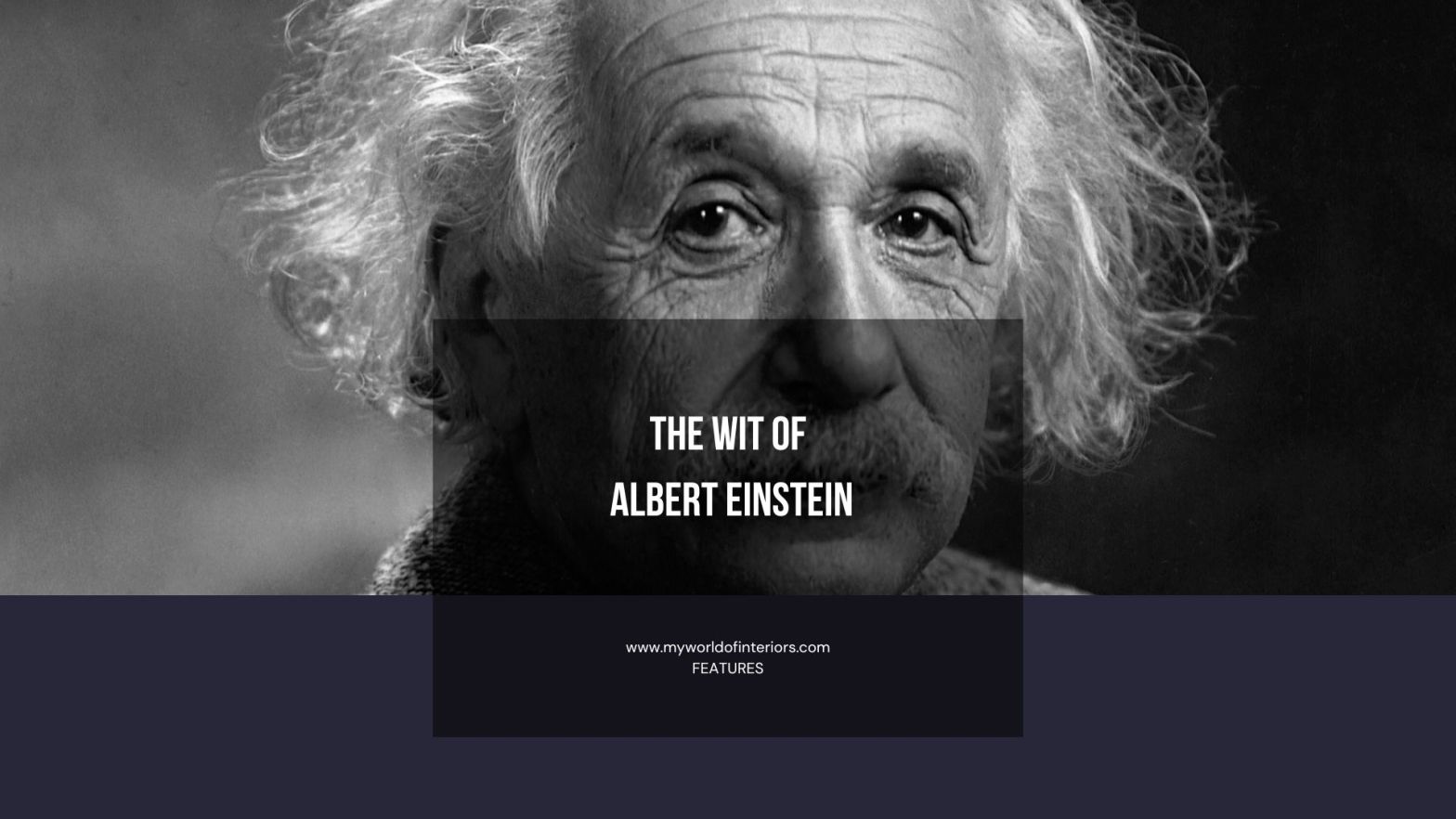
Albert Einstein is remembered as the archetype of genius — the wild hair, the chalkboard equations, the Nobel Prize. But beyond the mythology of relativity lies a less formal legacy: his wit. Einstein’s humor was not incidental; it was constitutive of his worldview. It shaped his public persona, softened his icon, and revealed a mindContinue reading “The Wit of Albert Einstein”

