Category: Art
-
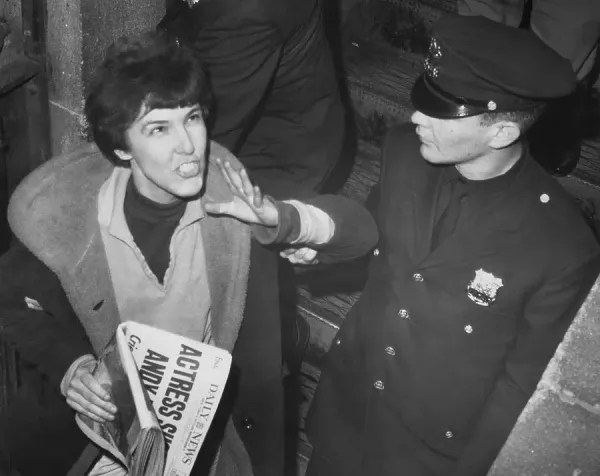
The Human Condition According to Valerie Solanas
By Bergotte Valerie Solanas is the writer this series was not supposed to include. She is not canonical. She is not comfortable. She wrote one major text, the SCUM Manifesto, which calls for the elimination of men, and she shot Andy Warhol in 1968, and she died alone in a welfare hotel in San Francisco…
-
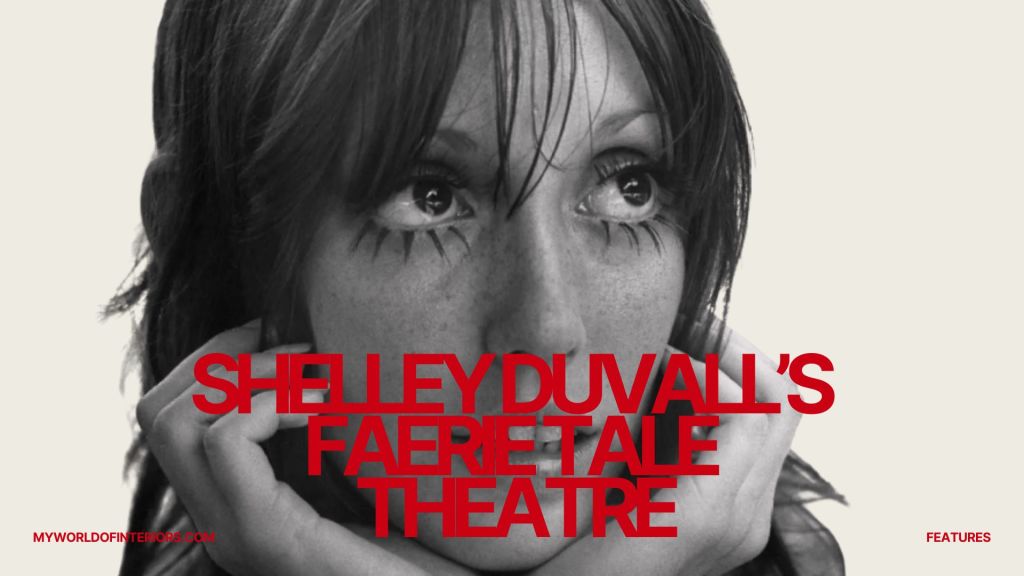
Shelley Duvall’s Faerie Tale Theatre: Whimsy, Power, and the Feminist Legacy of a Children’s Classic – Part II
When Shelley Duvall launched Faerie Tale Theatre in 1982, few could have predicted its cultural afterlife. The anthology series — running for six seasons, with 27 episodes aired until 1987 — brought classic fairy tales to life with an ensemble of Hollywood royalty. Robin Williams, Mick Jagger, Susan Sarandon, Jeff Bridges, Liza Minnelli, Vanessa Redgrave,…
-
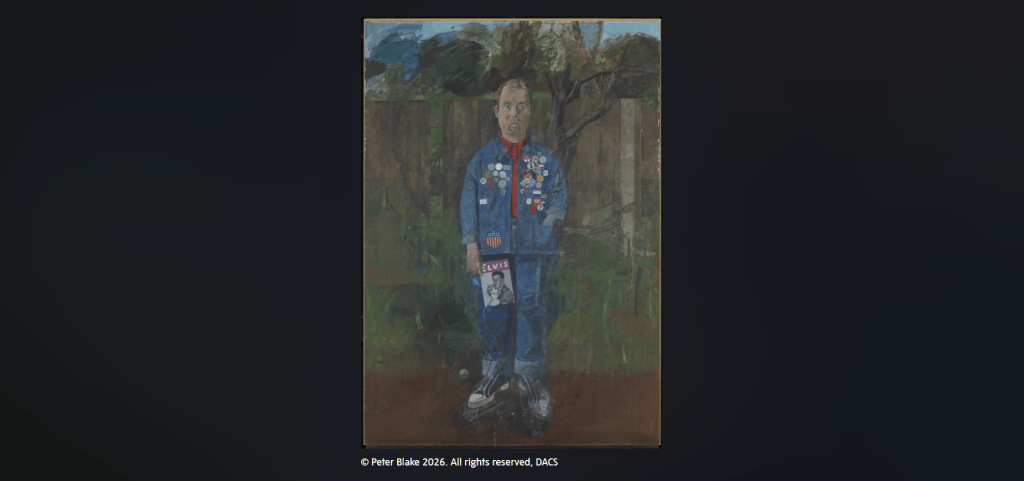
Peter Blake, Self-Portrait with Badges, 1961
Close Looking · One Painting Everything I Am Is on This Jacket In 1961, Peter Blake painted himself in a Chiswick garden holding an Elvis magazine, wearing Converse boots and a denim jacket covered in badges. The result is the most precise and most melancholy self-portrait in British art. It is also, accidentally, a portrait…
-
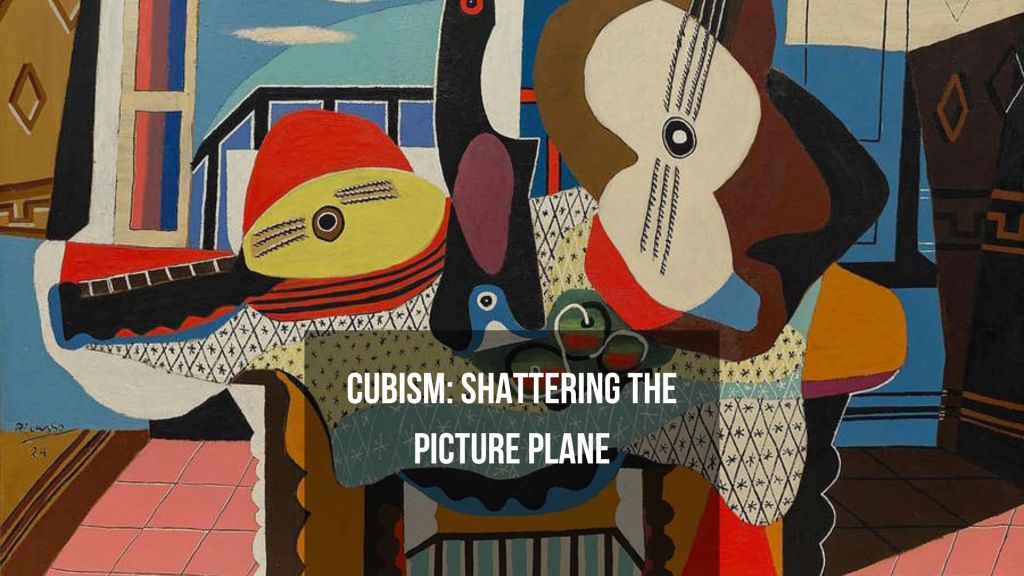
Cubism: Shattering the Picture Plane
In the early years of the 20th century, painting fractured. Perspective, which had governed Western art since the Renaissance, was no longer sufficient for the modern world — a world of industrial speed, scientific discovery, and shifting perception. In the cafés and studios of Paris, two young artists, Pablo Picasso and Georges Braque, dismantled the…
-
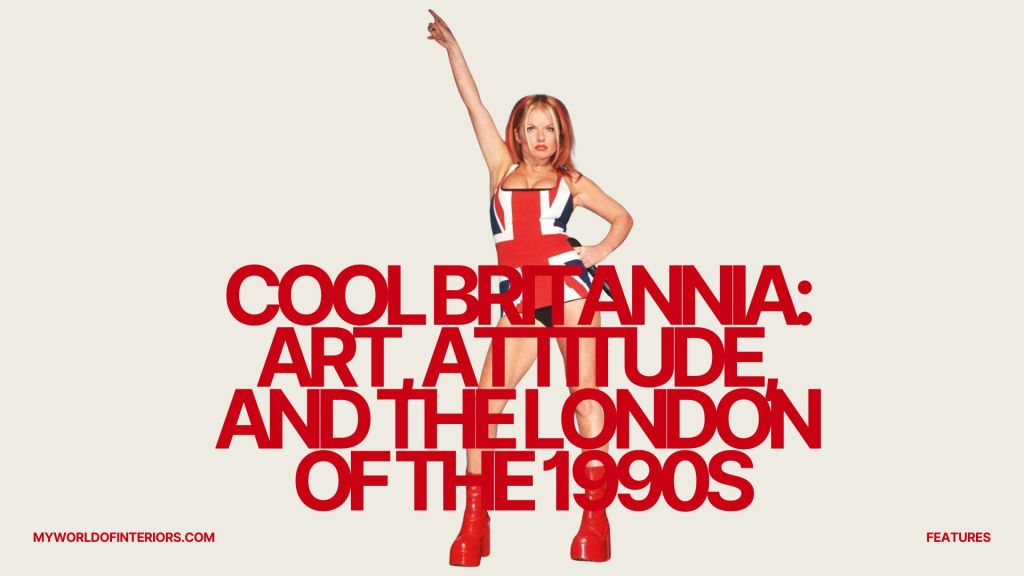
Cool Britannia: Art, Attitude, and the London of the 1990s
It was the summer of 1997 and Downing Street had turned into a nightclub. Tony Blair, barely weeks into his premiership, was playing host not to diplomats but to designers, artists, models, and rock stars. In the garden, Kate Moss smoked cigarettes with Noel Gallagher of Oasis. Tracey Emin and Damien Hirst, the enfant terribles…
-
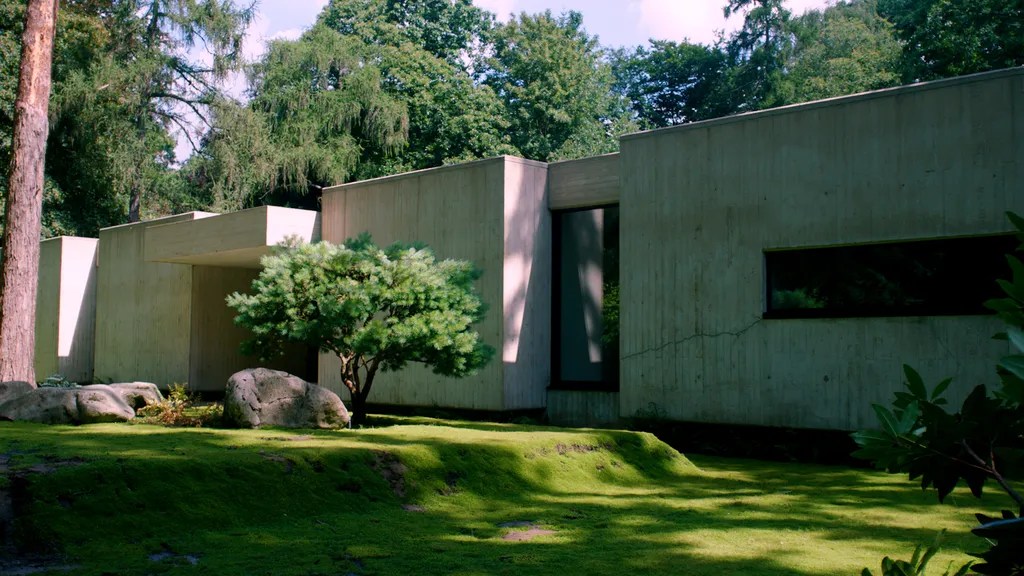
Living in Silence
Makers & Rooms Ivan Van Mossevelde built a house of raw concrete in the Flemish countryside in 1972 for an art collector who filled it with Judd and Sol LeWitt. Decades later, a young architect spotted it through the trees during a walk, was refused entry, and spent years waiting for it to come to…
-
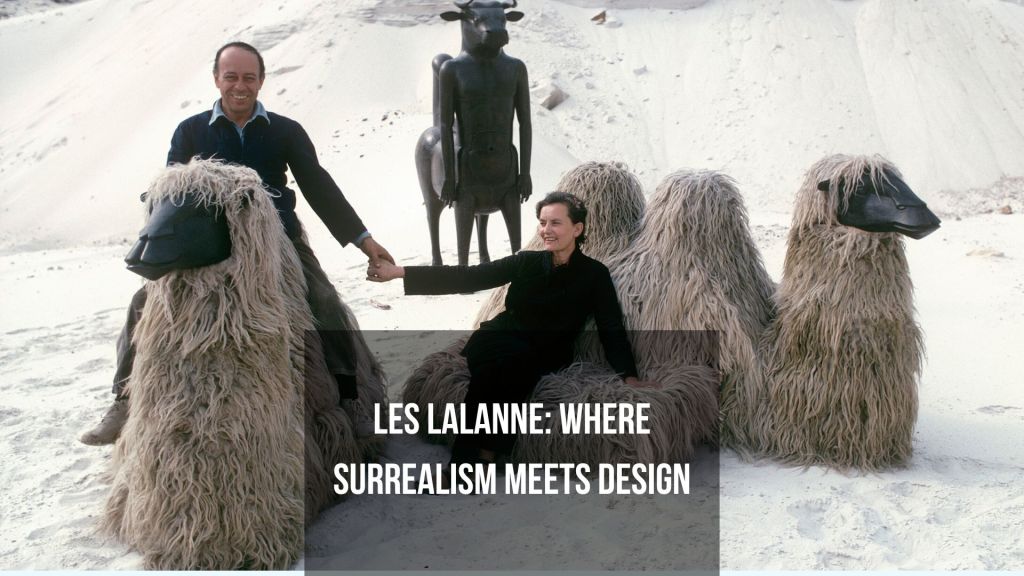
Les Lalanne: Where Surrealism Meets Design
In the half-century arc of 20th-century design, few names shimmer with such eccentric magnetism as Les Lalanne. François-Xavier (1927–2008) and Claude (1924–2019) Lalanne were not just artists, not just designers—they were dreamers who translated the surreal into functional form. Their creations—sheep that double as stools, a cabbage sprouting chicken legs, gilded apples, and fantastical brass…
-
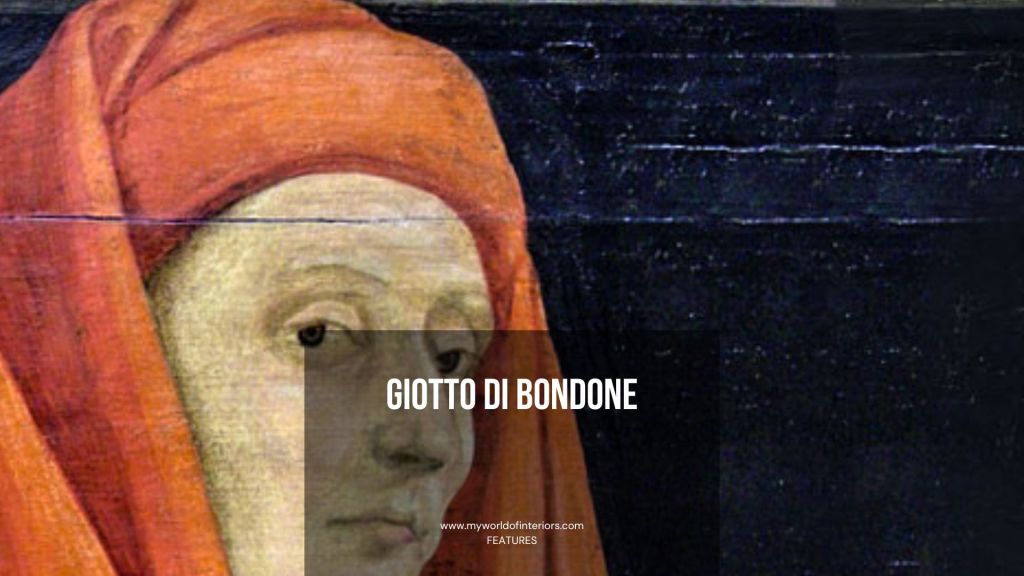
Giotto: The Painter Who Opened the Window of the Renaissance
When Giorgio Vasari published his Lives of the Artists in 1550, he began the history of Renaissance painting not with Leonardo or Michelangelo, but with Giotto di Bondone. For Vasari, Giotto was the one who “translated painting from Greek to Latin” — that is, who moved art from the flat hieratic conventions of medieval iconography…
-
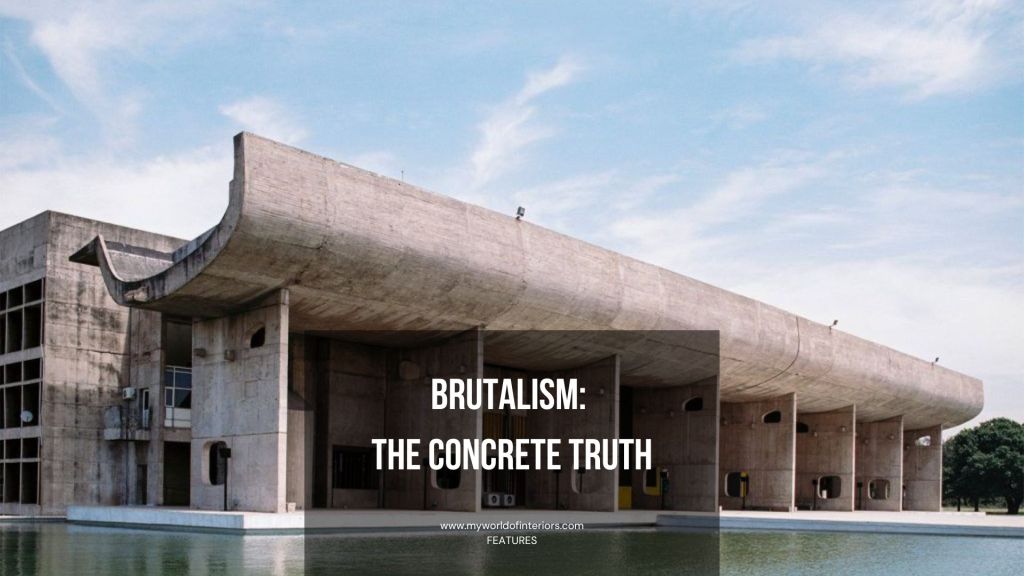
Brutalism: The Concrete Truth
Born in the mid-twentieth century, Brutalism’s structures rose in raw concrete, monumental and uncompromising, shaped by ideals as much as by materials. To its defenders, Brutalism represented honesty — a moral and aesthetic rejection of ornament in favor of truth-to-material. To its critics, it was a dystopian imposition of weight and severity. Few architectural styles…
-
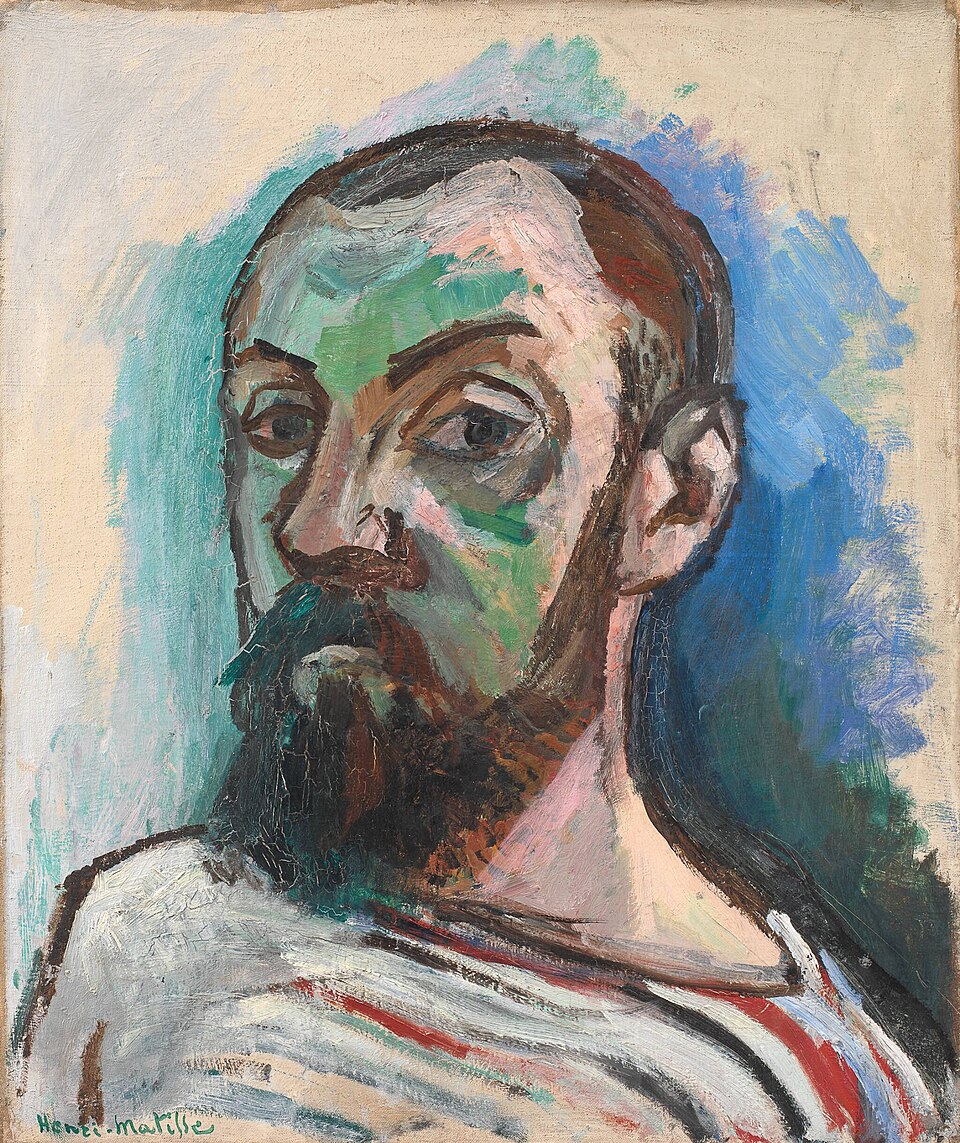
Henri Matisse: Color, Form, and the Invention of Joy
In the long arc of modern art, Henri Matisse (1869–1954) stands as the painter of joy. Where Picasso dramatized conflict and Cézanne wrestled with structure, Matisse dedicated himself to the pursuit of lightness, radiance, and serenity. His career spans from the dawn of Fauvism at the turn of the twentieth century to the radiant cut-outs…

