Category: Art
-
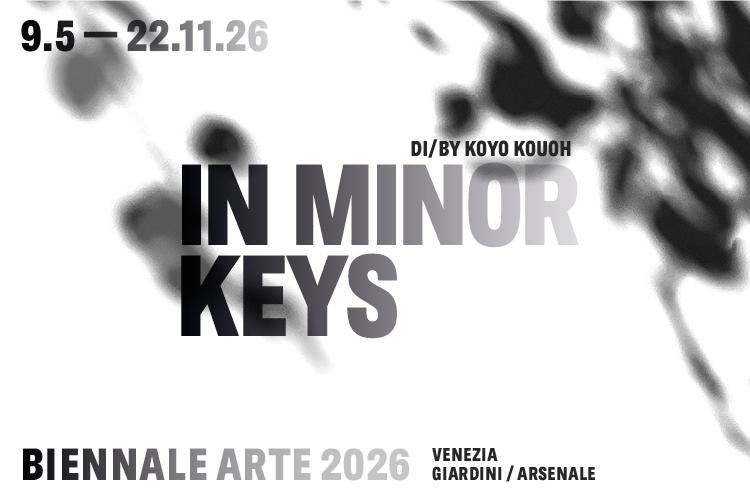
The Voice That Didn’t Live to Hear the Echo
Venice · Art · 2026 The 61st Venice Art Biennale opens on May 9th under the title In Minor Keys. Its curator, Koyo Kouoh, died a year ago. The show goes forward entirely as she conceived it — and it may be the most important Biennale in a generation. By Bergotte · Preview, May 2026…
-
In Minor Keys
The Venice Biennale opens on the 9th of May. How to go, how long to stay, and why the city is as much the point as the art The Venice Biennale is the largest and oldest contemporary art exhibition in the world — 131 years old, held every two years in the city least suited…
-
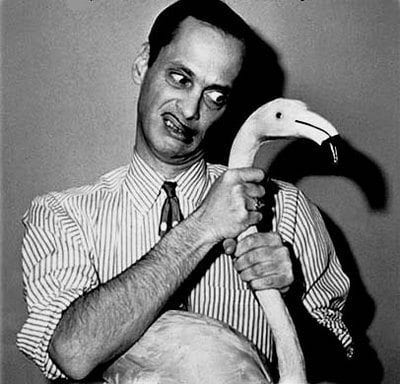
Happy 80th Birthday To This Legend
John Waters at 80: The Last Great American Trash Intellectual By Bergotte For more than half a century, John Waters has made an art of what polite culture tries to throw away: vulgarity, deviance, low glamour, bad taste, and the people condemned for possessing any of them. At 80, he looks less like a relic…
-
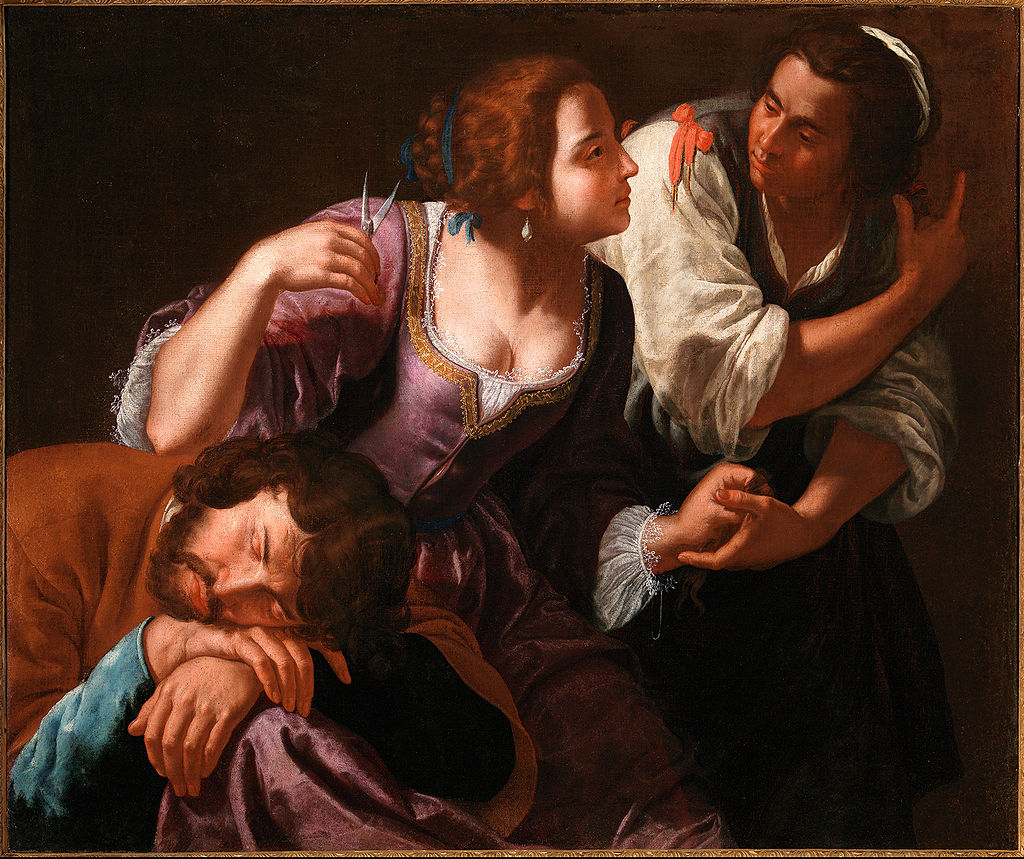
Artemisia Gentileschi: Triumph of a Baroque Woman
In the pantheon of Baroque art, Artemisia Gentileschi (1593–c.1656) stands apart. She was the first woman to gain admission to Florence’s Accademia delle Arti del Disegno, a painter whose canvases rivaled—and often surpassed—those of her male contemporaries in power, drama, and psychological depth. Like Caravaggio, whose chiaroscuro she adapted and expanded, Gentileschi brought biblical and…
-
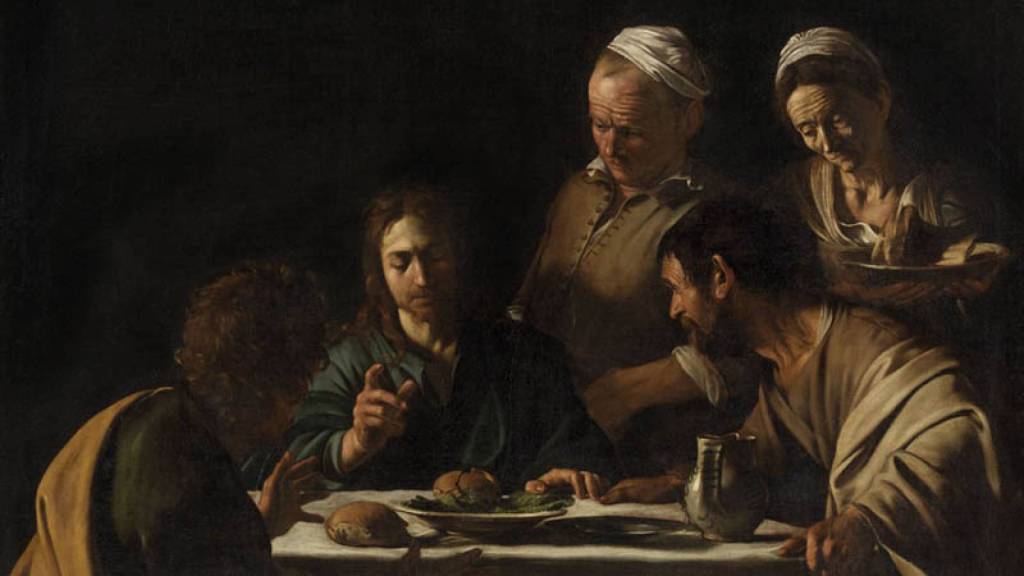
Caravaggio: Darkness, Light, and the Drama of a Life in Paint
Michelangelo Merisi da Caravaggio (1571–1610) remains one of the most controversial and influential figures in the history of art. His canvases, charged with violence and ecstasy, brought biblical stories down from heaven and into the grit of everyday life. He painted saints with dirty feet, virgins with weary faces, apostles with the weathered skin of…
-
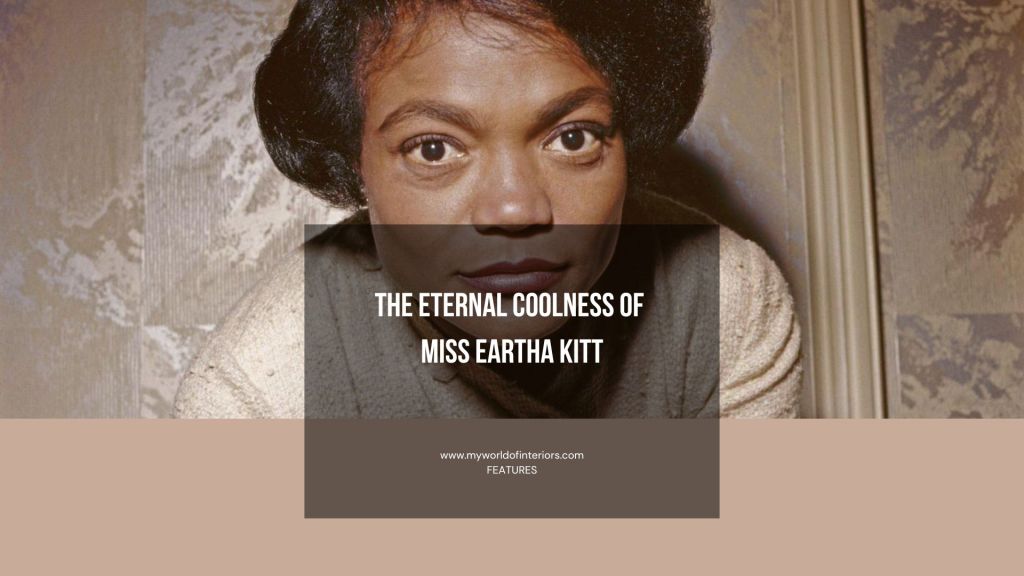
Eartha Kitt: Icon, Innovator, and Provocateur
Eartha Kitt never fit into a category. She purred, she prowled, she sang, she danced, she acted, she provoked. To call her a singer, actress, or dancer is inadequate; she was an auteur of persona, a master of the stage who transformed each performance into a commentary on race, gender, and desire. Her genius lay…
-
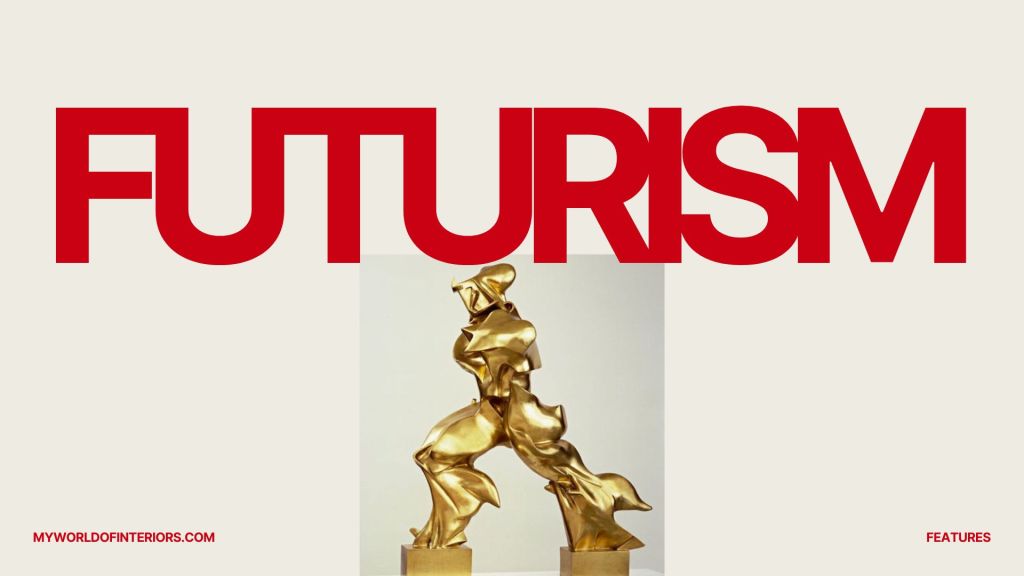
Futurism: The Art of Acceleration
At the dawn of the twentieth century, a manifesto shook European culture like a thunderclap. Published in Le Figaro on February 20, 1909, Filippo Tommaso Marinetti’s Manifesto of Futurism declared war on the past and consecrated a new aesthetic: speed, violence, machinery, the beauty of the modern city, and the intoxicating promise of technology. “A…
-
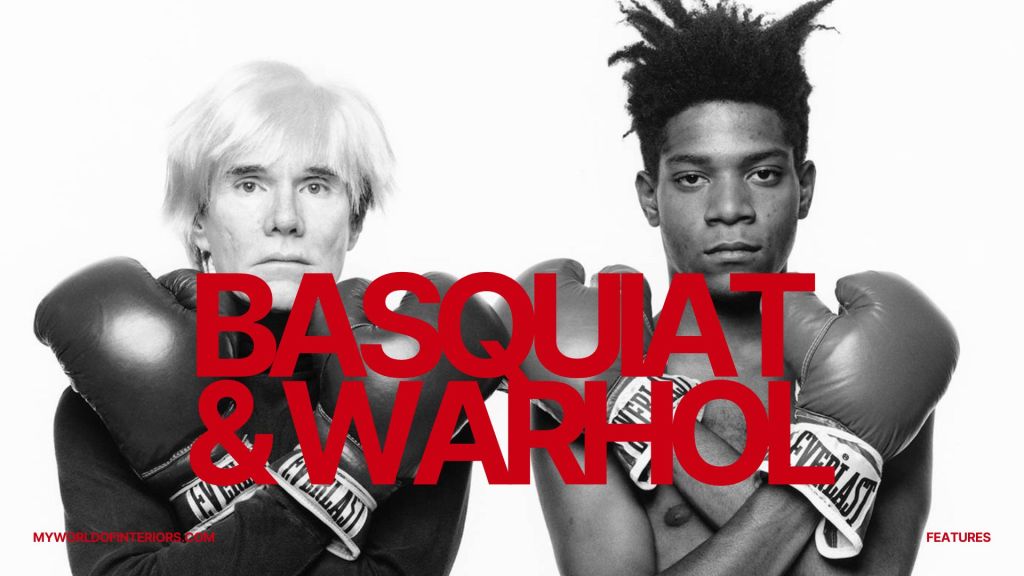
Basquiat & Warhol: Collision, Collaboration, and the Making of Modern Myth
Art history is rich with encounters between generations, but few have provoked as much fascination, controversy, and enduring debate as the working friendship between Andy Warhol and Jean-Michel Basquiat. On one side stood Warhol, the established oracle of Pop, a man whose silkscreens of soup cans, celebrities, and consumer logos had redefined art’s relationship to…
-
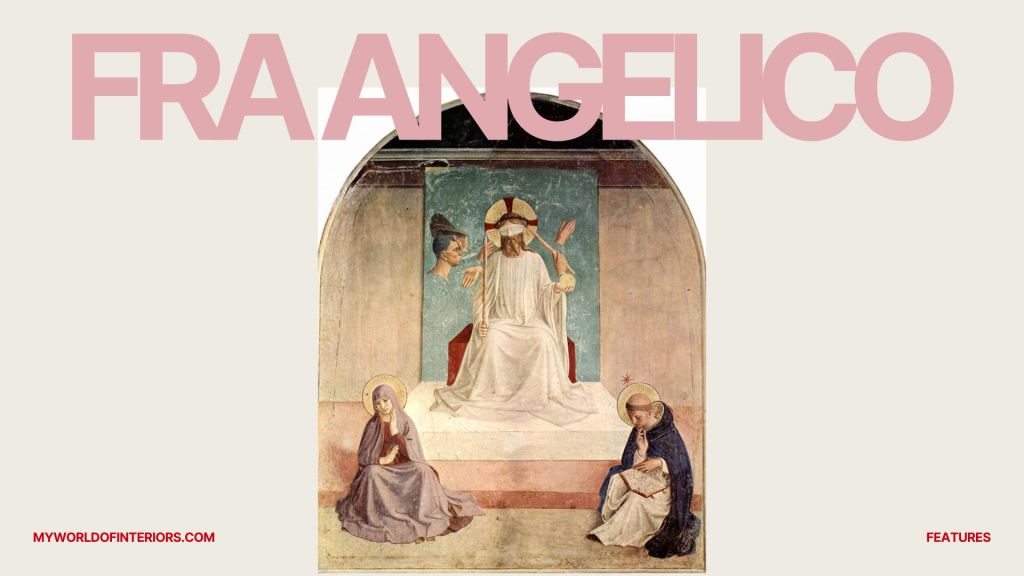
Fra Angelico: Painter of Light and Grace
In the vast history of Western art, few figures embody the seamless marriage of devotion and innovation as fully as Fra Angelico. Born Guido di Pietro around 1395 near Florence, he entered the Dominican Order at Fiesole and became known simply as Fra Angelico — the Angelic Brother. His works, suffused with luminous color and…
-
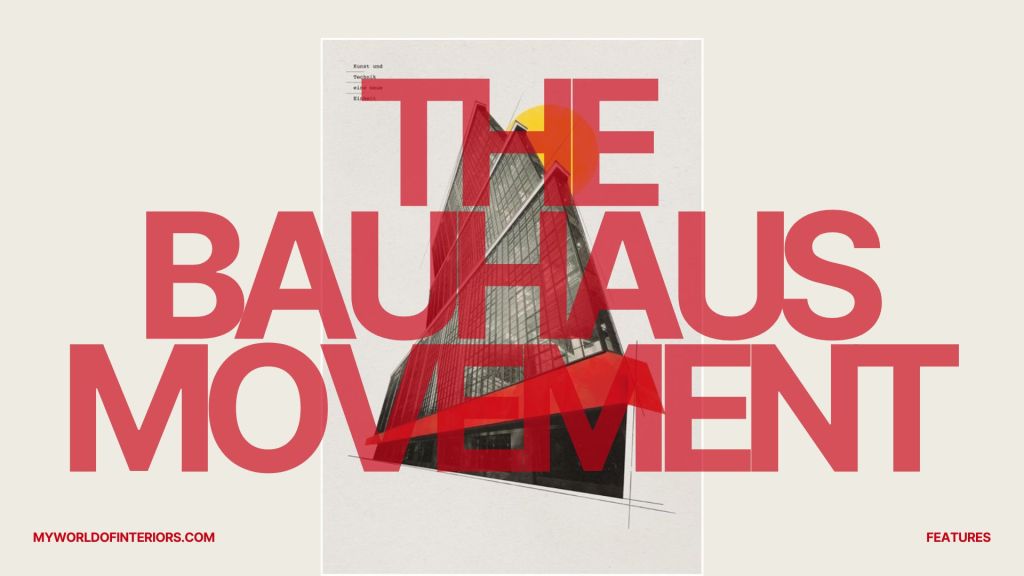
Bauhaus: The School That Changed Modern Life
No movement in modern design carries quite the resonance of the Bauhaus. More than a school, it was a revolution in how we think about art, architecture, craft, and everyday life. Founded in 1919 in Weimar, Germany, by architect Walter Gropius, the Bauhaus lasted only fourteen years before the Nazis closed it in 1933. Yet…

