Category: Art
-
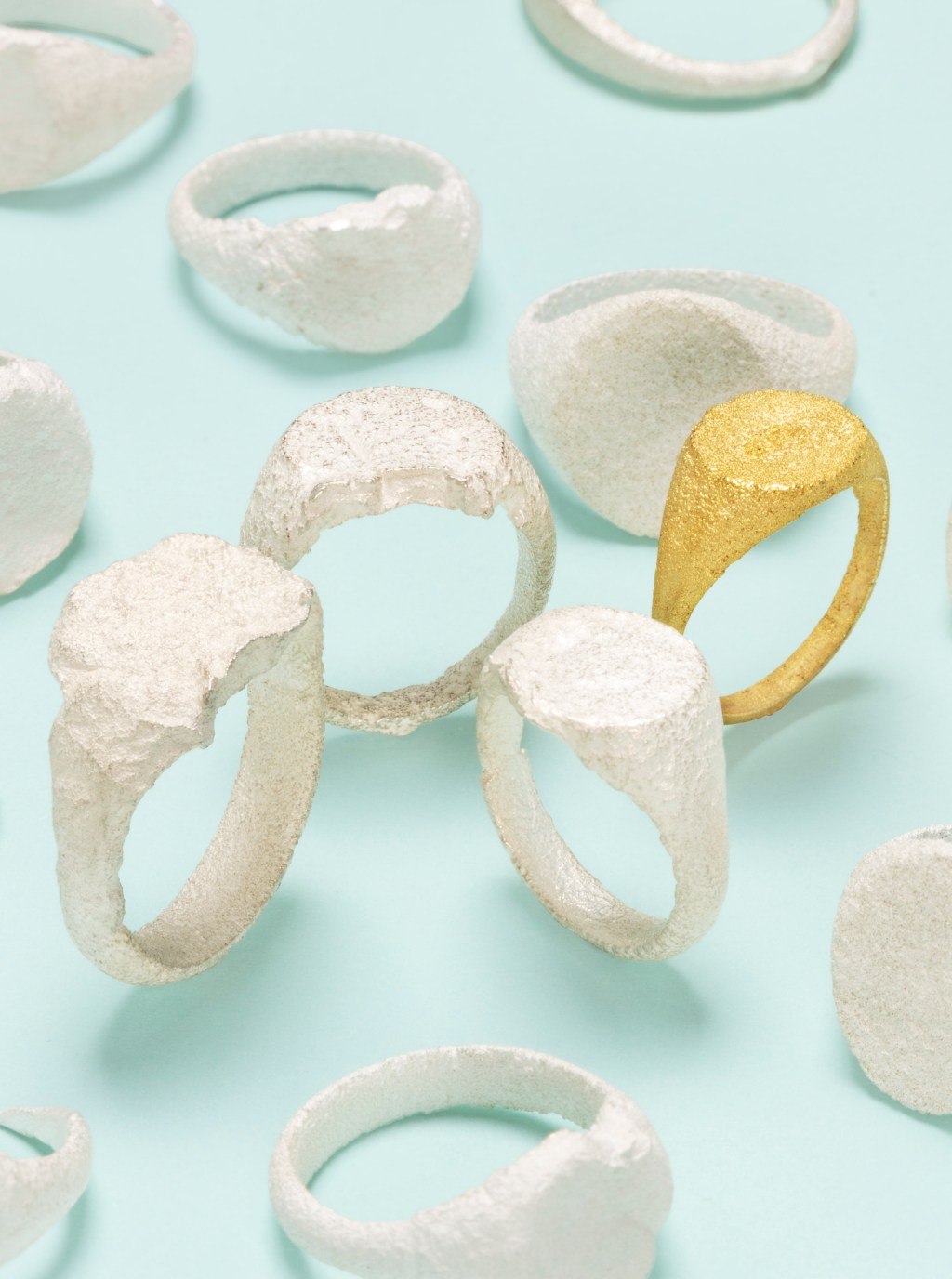
Kim Buck and the Trouble with Precious Things
At Designmuseum Danmark, more than 150 works trace the Danish goldsmith’s investigations into craftsmanship, material value and the peculiar relationship between jewellery and its wearer. The signet rings in Kim Buck’s Opblæst (Puffed Up) series appear to have been inflated. Their swollen forms, rounded edges and puckered seams suggest something made from soft plastic. In…
-
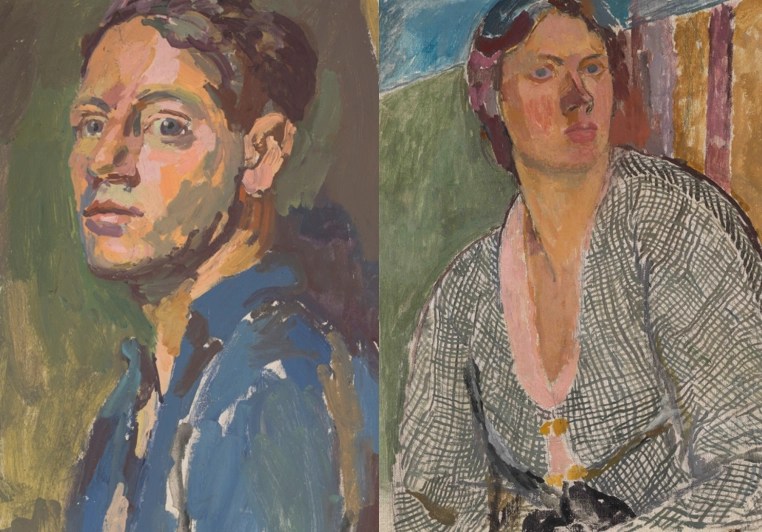
Vanessa Bell and Duncan Grant at Tate Britain
An exhibition at Tate Britain brings together more than 300 works by the two Bloomsbury artists, including paintings, furniture, ceramics and a reconstruction of their studio at Charleston, the Sussex farmhouse that became the centre of their shared artistic life. In 1914, Vanessa Bell and Duncan Grant painted the same mantelpiece at 46 Gordon Square,…
-
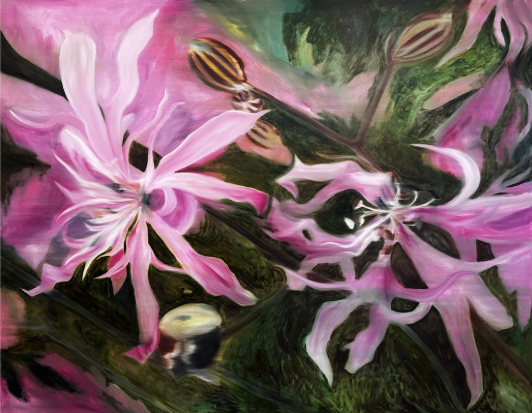
Mother Tongues and Happy Meal: Two New Exhibitions in Copenhagen
Frederik Nystrup-Larsen examines our diminishing familiarity with the natural world, while photographer Fryd Frydendahl turns her attention to the imagery of American consumer culture. Both exhibitions open on 20 November at V1 Gallery and Eighteen in Copenhagen. One of Frederik Nystrup-Larsen’s new paintings is titled Skovviol / Early Dog-Violet (2026). The name identifies a particular…
-
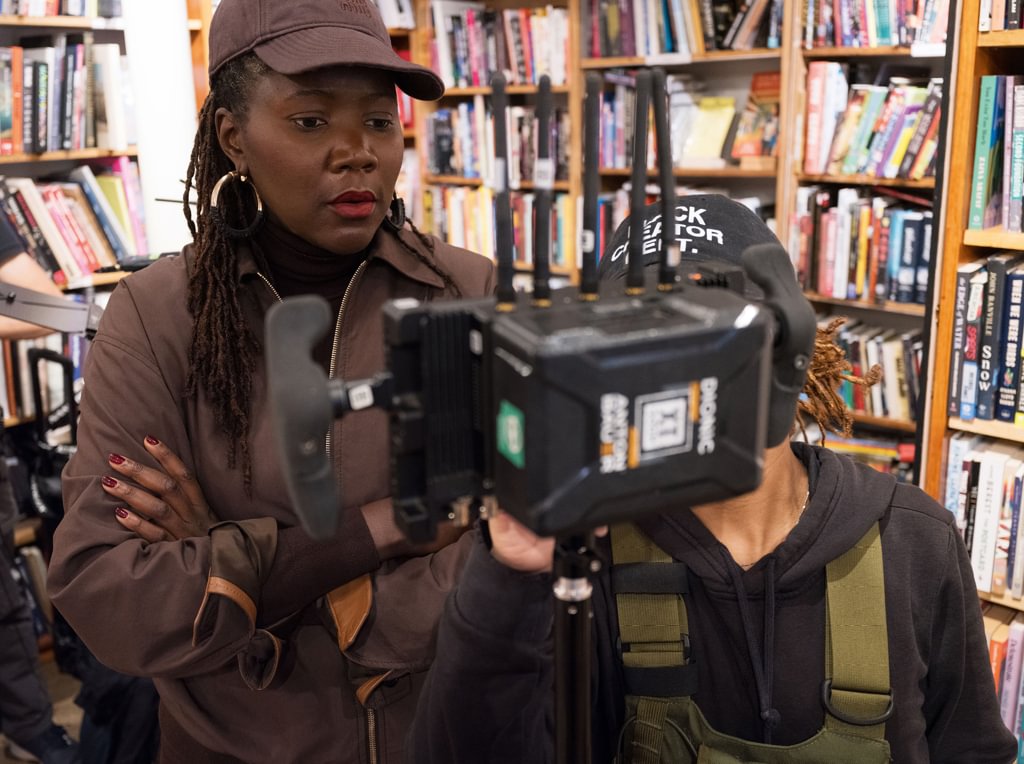
Who Gets to Look? Alice Diop, Miu Miu and the Art of Consolation
At Art Basel Paris 2026, French filmmaker Alice Diop brought together photography, cinema, sculpture, literature and performance in an extraordinary examination of Black female creativity. Presented by Miu Miu, Geste de Consolation proposed that confronting the violence of art history might also create the possibility of repair. Between 21 and 25 October 2026, the great…
-
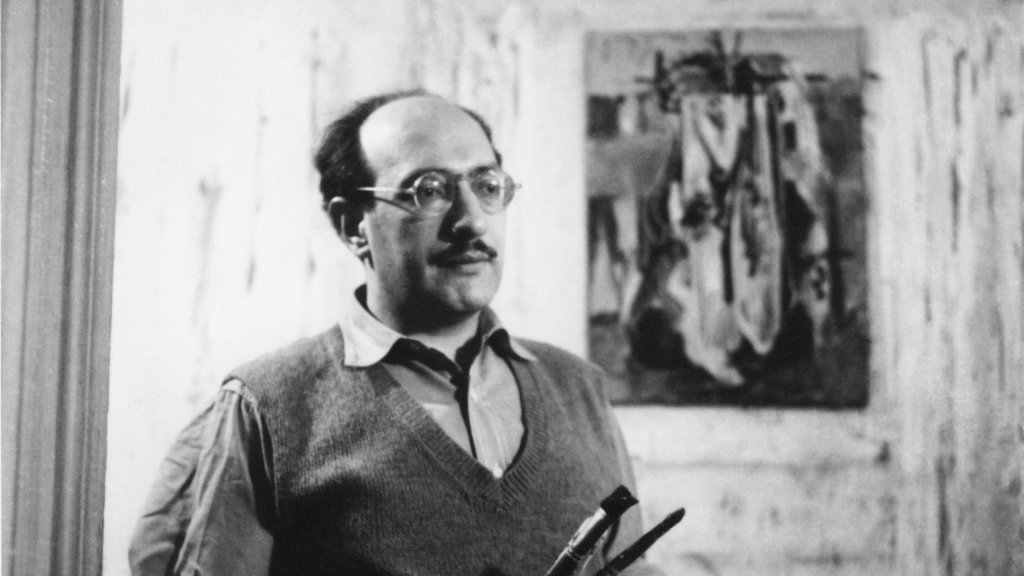
Mark Rothko
The Tragedy of Colour Mark Rothko spent thirty years insisting that his paintings were not about colour. They were about tragedy, ecstasy, and doom. He was right, and the insistence cost him everything. There are instructions for how to look at a Rothko. You are supposed to stand close — much closer than you think,…
-
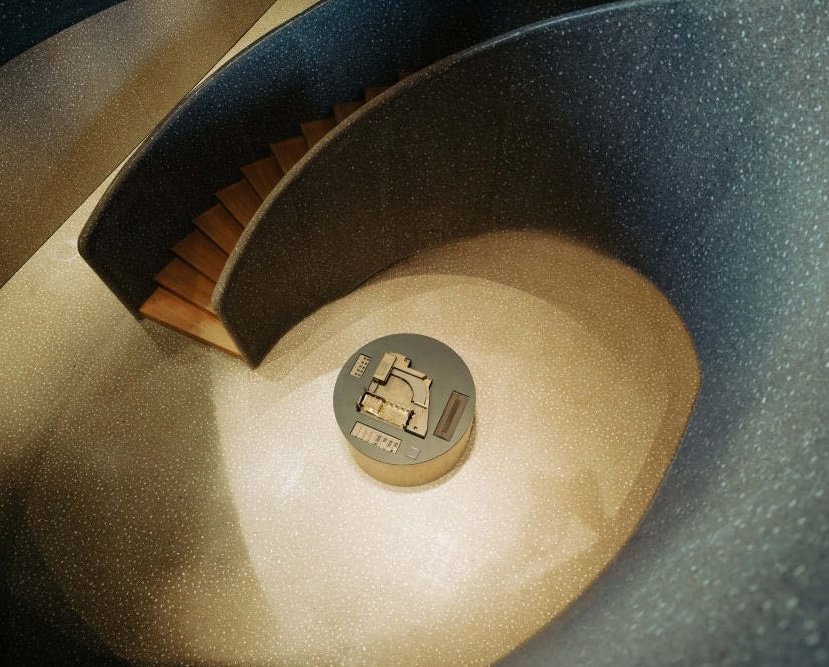
Tashkent: An Art Centre with a Past
Studio KO’s conversion of a 1912 industrial complex brings contemporary art into contact with Uzbek craft knowledge and an artistic history that long predates the opening. Russian-era bricks, patinated copper and bread stamps make an unusually concise introduction to Tashkent’s new contemporary art centre. They are the materials of Nari Ward’s Tashkent Groundin (2026), an…
-
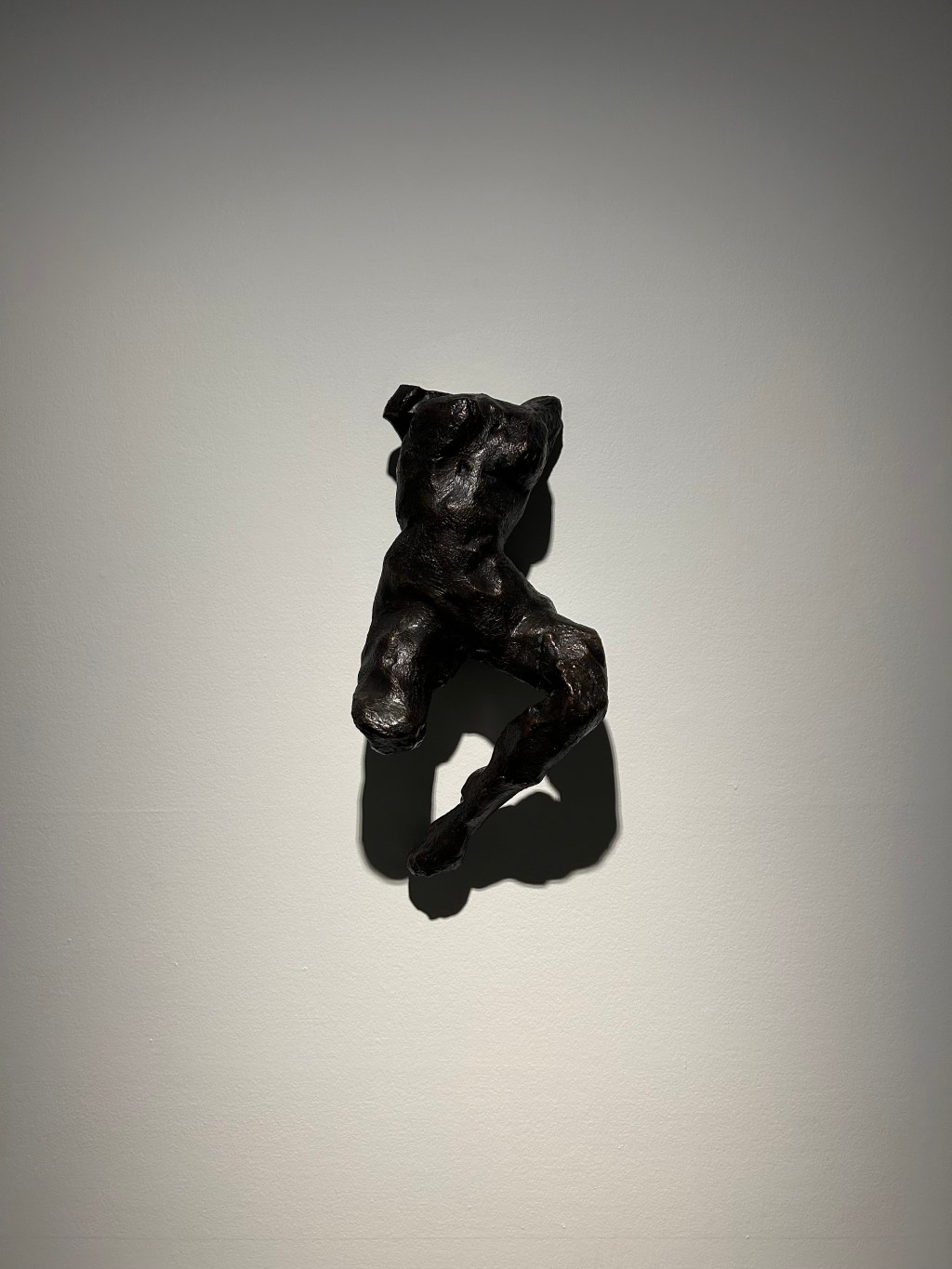
The Size of a Gesture: Tracey Emin and the Art of Sculpture
From miniature bronze birds and intimate clay figures to monumental sculptures of the female body, Tracey Emin has developed an extraordinary sculptural practice. Her work challenges the traditional authority of the monument, preserving the intimacy of the artist’s touch even when the object itself becomes enormous. Tracey Emin’s bronze figures frequently retain the evidence of…
-
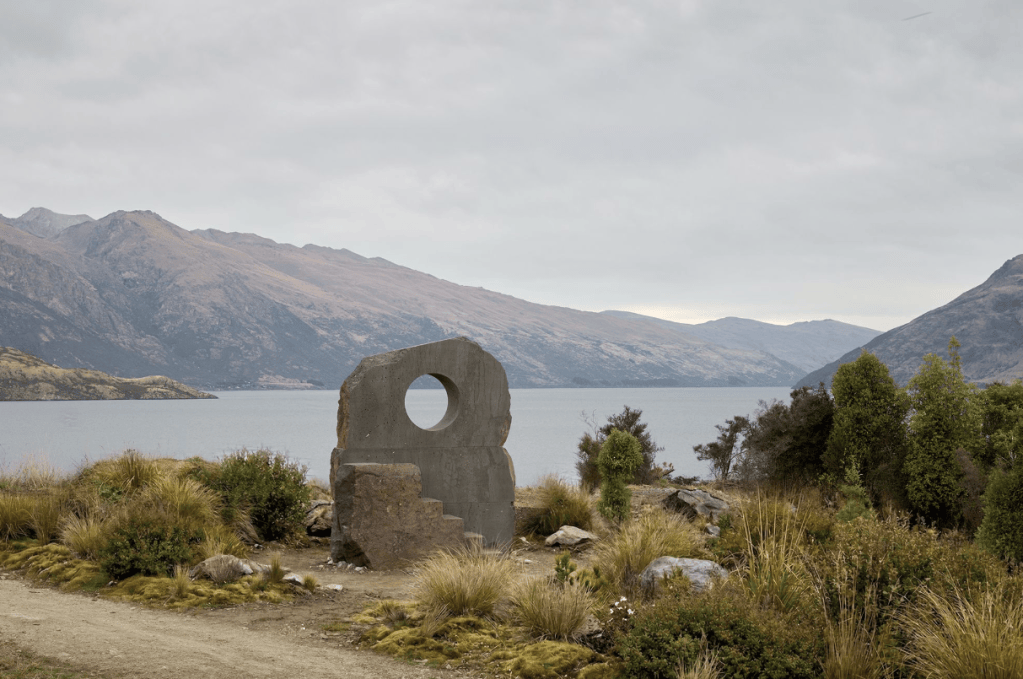
A Thousand Years for a Conversation: Nebbia’s Interlude in New Zealand
On the shores of Lake Whakatipu, London-based architecture studio Nebbia has completed an extraordinary public sculpture designed to endure for a millennium. Part monument, part meeting place, Interlude challenges the increasingly short lifespan of contemporary design. In April 2026, an unusual structure appeared above Lake Whakatipu, near Queenstown on New Zealand’s South Island. At first…
-
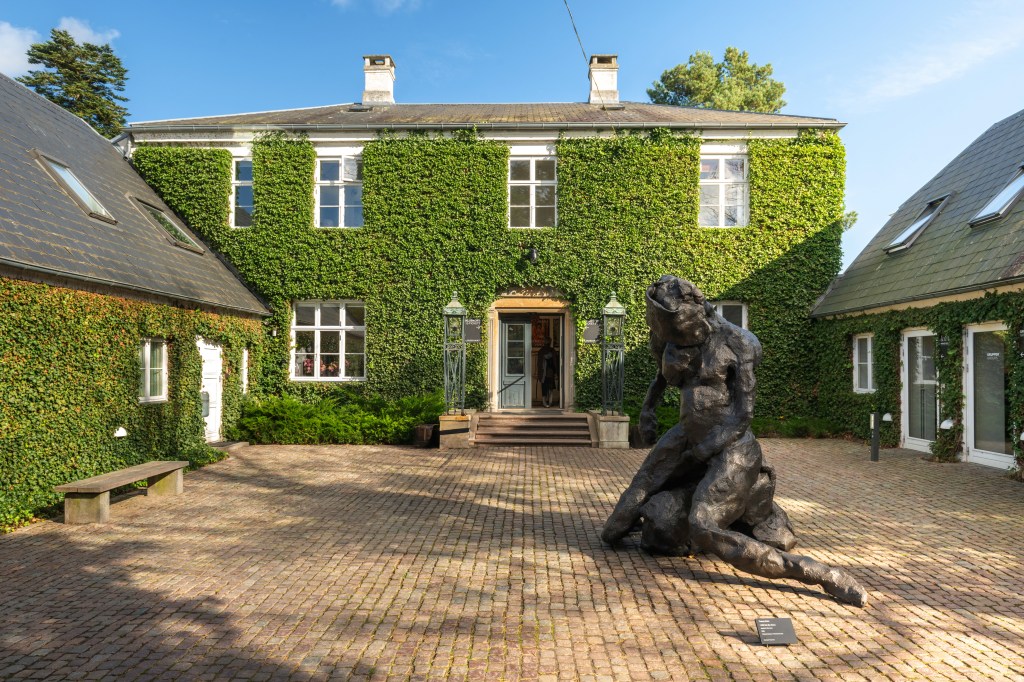
A Second Life, Not a Reinvention: Tracey Emin at Louisiana
At Louisiana Museum of Modern Art, Tracey Emin’s retrospective brings nearly four decades of work together, revealing the remarkable continuity between her early installations and the increasingly assured paintings of recent years. Almost thirty years after My Bed (1998) became one of the most controversial works in British contemporary art, it is fascinating to encounter…
-
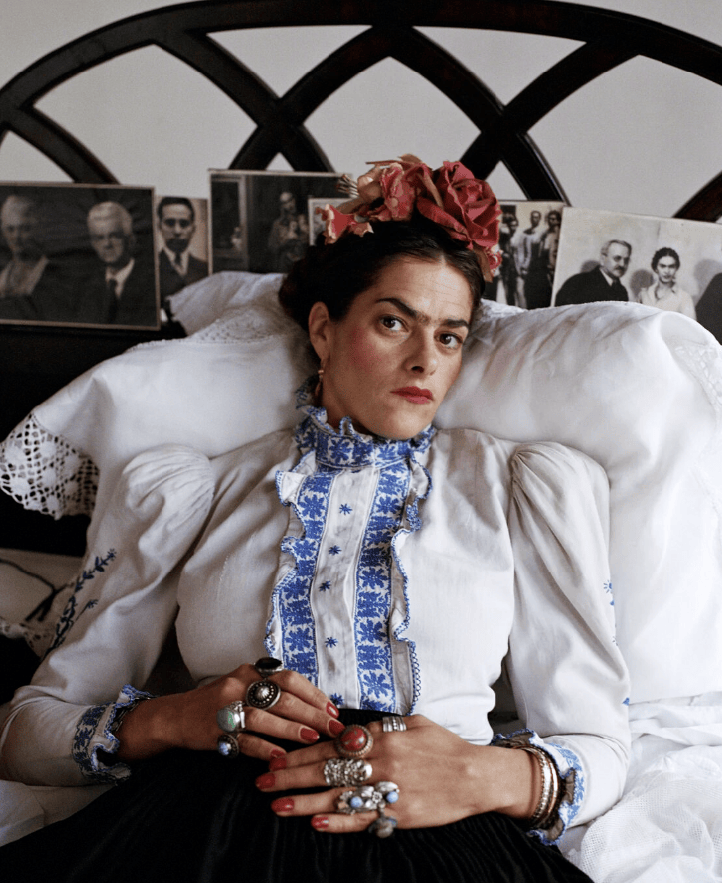
Tracey Emin: The Life of a Line
From the delicate bird drawings of the 1990s to the monumental paintings of her later career, Tracey Emin has developed one of the most recognisable visual languages in contemporary British art. Her work belongs to a long tradition of artists who have understood drawing as a means of examining the most difficult aspects of human…

