Category: Aesthetics
-
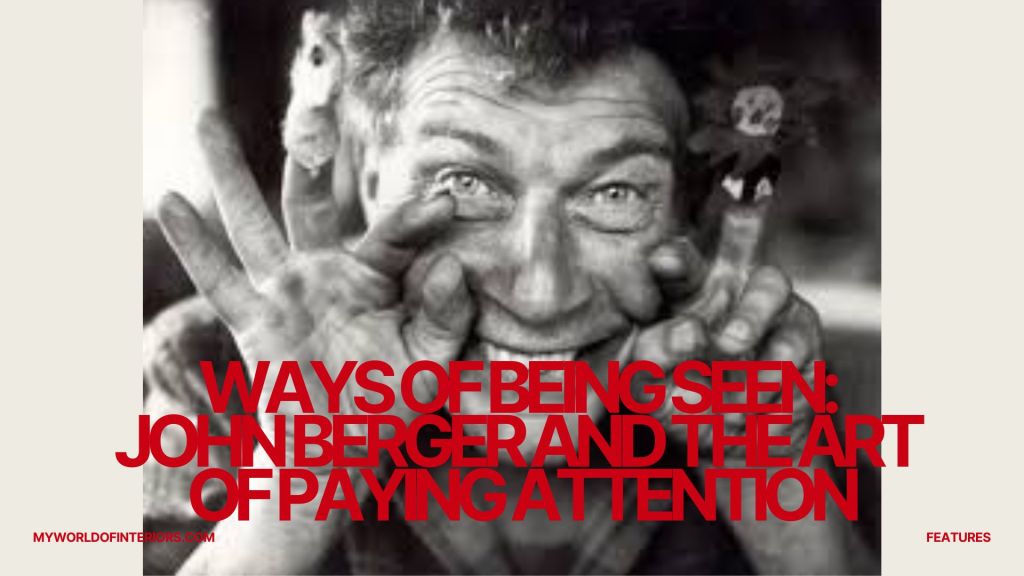
Ways of Being Seen: John Berger and the Art of Paying Attention
Eight years after his death, the critic, novelist, and storyteller who changed how we look at art remains the most generous — and the most radical — writer England ever produced. By Bergotte There is a moment in the first episode of Ways of Seeing — the 1972 BBC television series that made John Berger,…
-
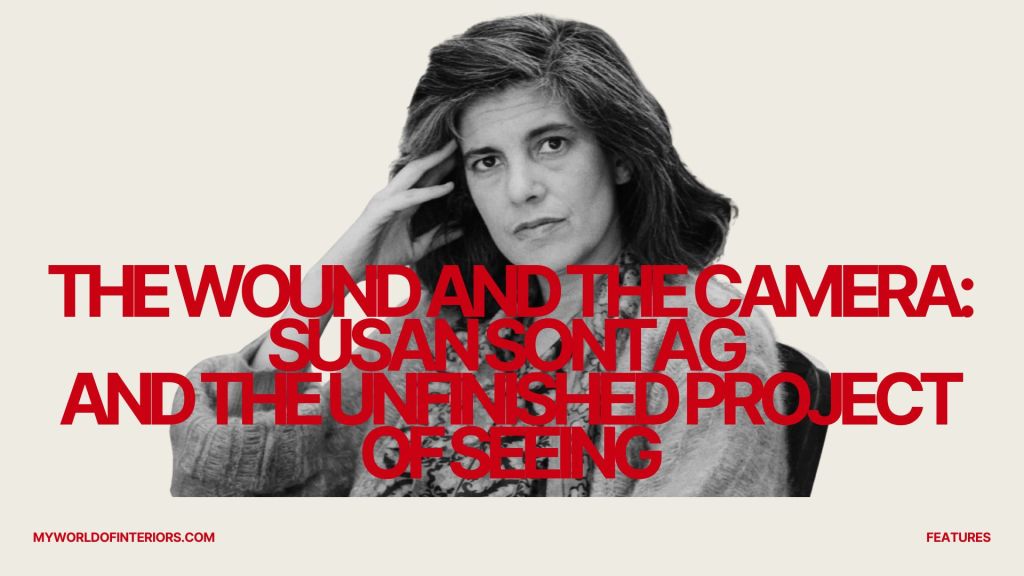
The Wound and the Camera: Susan Sontag and the Unfinished Project of Seeing
Twenty years after her death, the great critic’s ideas about images, suffering, and the moral life feel less like history than like prophecy. By Bergotte There is a photograph that Susan Sontag never saw — or rather, she could not have seen it in the form we now encounter it, scrolling past it on a…
-
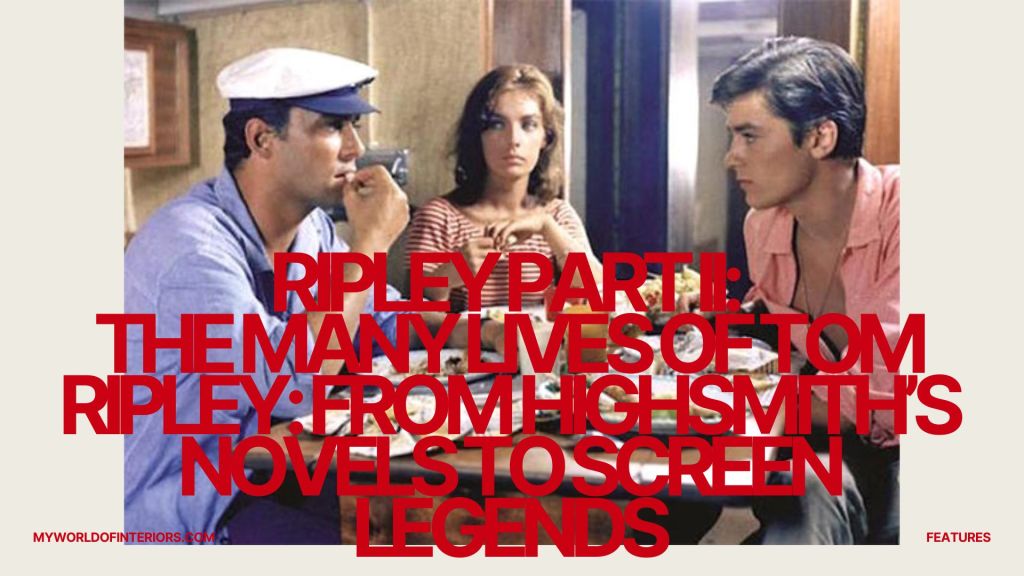
Ripley Part II: The Many Lives of Tom Ripley: From Highsmith’s Novels to Screen Legends
When Patricia Highsmith published The Talented Mr. Ripley in 1955, she created a new kind of antihero: elegant, amoral, adaptable, and disturbingly successful. Tom Ripley not only survives but thrives, slipping into identities, murdering when necessary, and always convincing us — against our better judgment — to follow him. Over five novels (collectively known as…
-

Ripley Part I: The Two Talented Mr. Ripleys: Page, Screen, and the Art of Ambiguity
Patricia Highsmith’s The Talented Mr. Ripley is one of the most enduring crime novels of the twentieth century. Published in 1955, it introduced Tom Ripley, a young conman who insinuates himself into the lives of the wealthy and, through a combination of charm and violence, takes their place. The book was a revelation: not a…
-
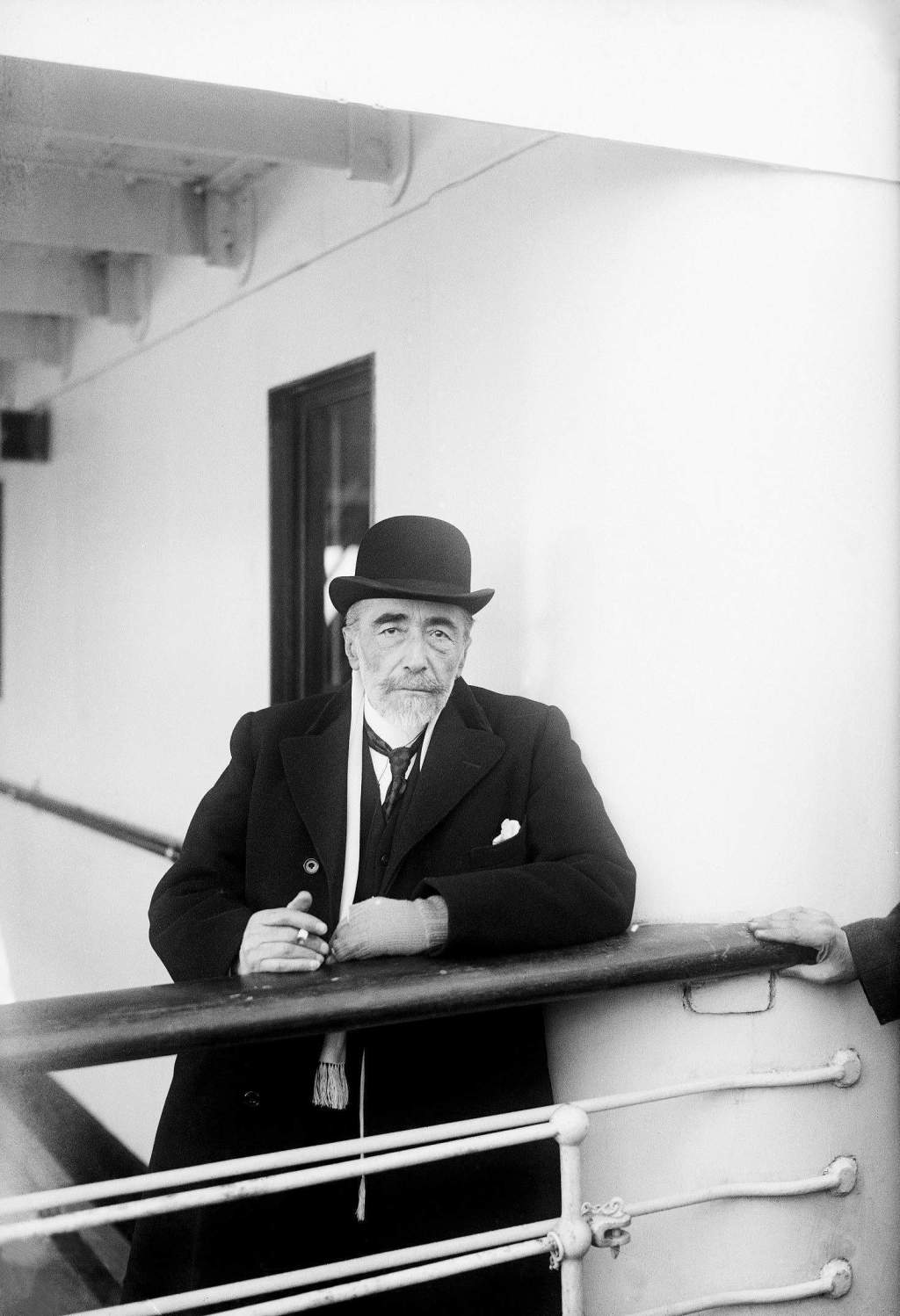
The Human Condition According to Joseph Conrad
By Bergotte Joseph Conrad wrote about the darkness at the centre of things — not as a metaphor, not as a philosophical proposition to be argued and defended, but as a lived reality that his own extraordinary life had given him direct and repeated access to. He was a Polish nobleman who became a British…
-
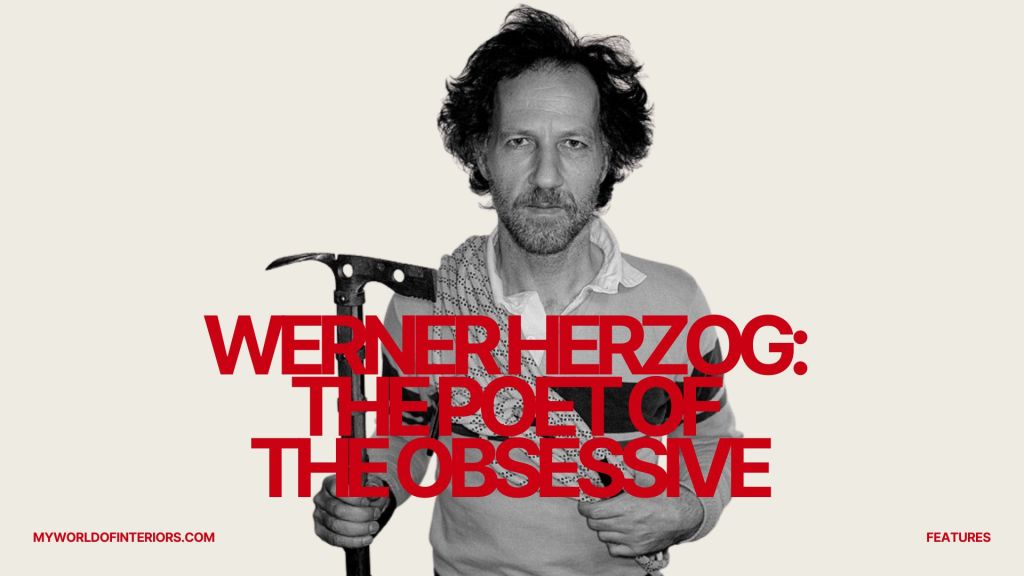
Werner Herzog: The Poet of the Obsessive
Werner Herzog walks through cinema like an adventurer through uncharted territory. Born in 1942 in Bavaria and raised in a remote village without electricity, he grew up with little sense that cinema even existed. When he first encountered film as a teenager, it struck him like lightning. By nineteen he had “borrowed” a camera from…
-
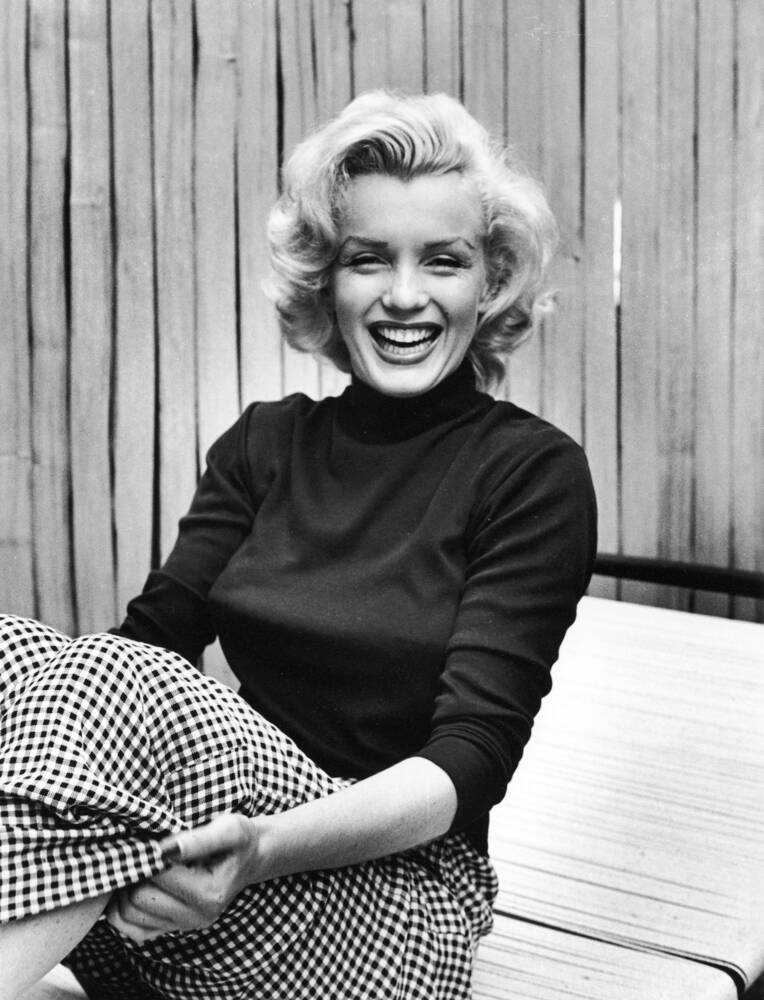
Our Girl Marilyn at 100
By Bergotte Published June 1, 2026 — on the occasion of her hundredth birthday Marilyn Monroe was born one hundred years ago today, and she has never stopped being alive. Not alive in the way that the famous dead are alive — as a cultural reference, as a poster on a wall, as a costume…
-
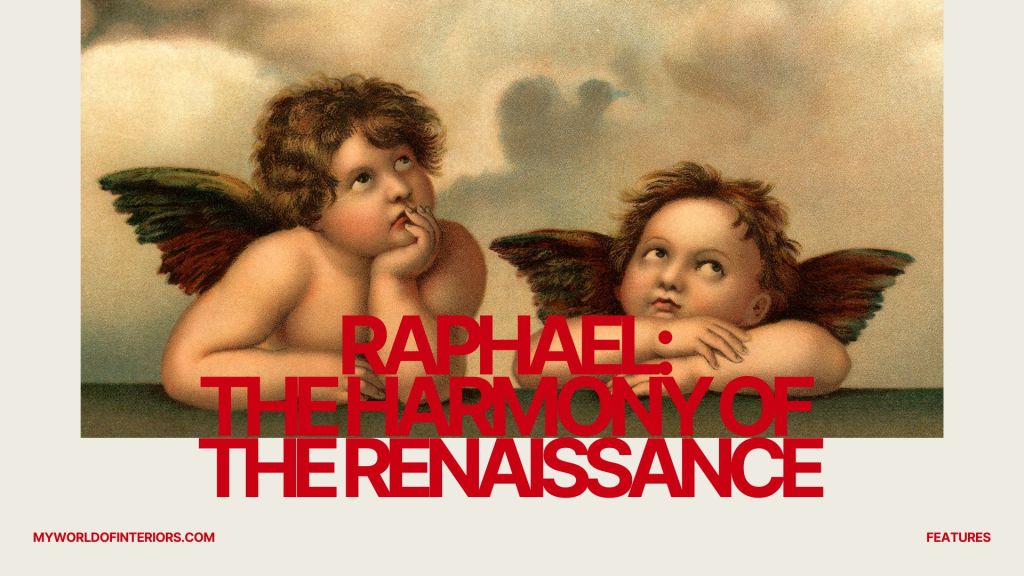
Raphael: The Harmony of the Renaissance
When Raphael died suddenly in 1520 at the age of just 37, Rome fell into mourning. His funeral at the Pantheon drew crowds of artists, courtiers, and clergy, all stunned by the loss of a painter whose genius had seemed inexhaustible. According to Vasari, Raphael’s death left “the art of painting bereft of light.” Even…
-
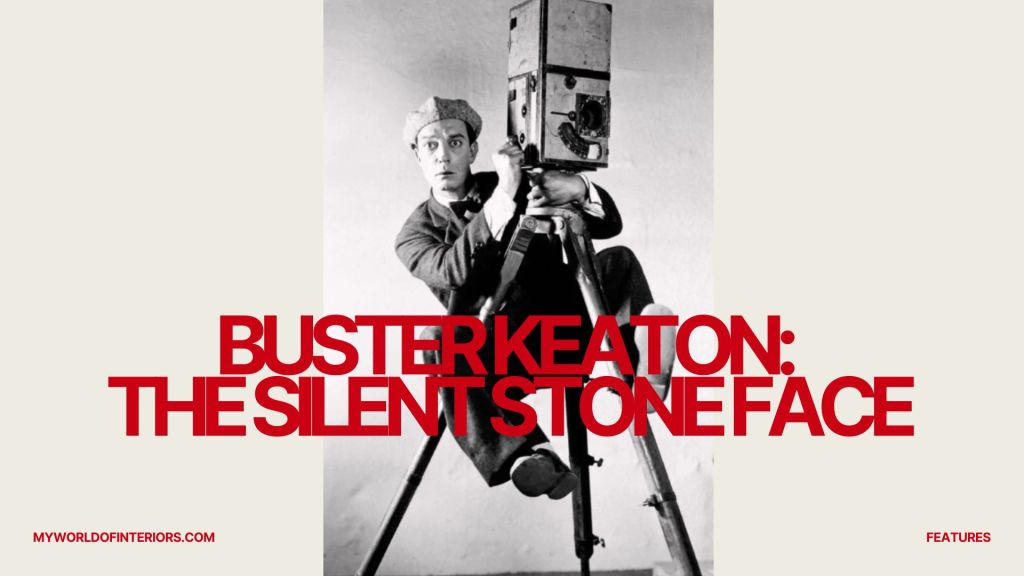
Buster Keaton: The Silent Stone Face
In the pantheon of cinema’s pioneers, Buster Keaton occupies a place both singular and paradoxical. He was called “The Great Stone Face,” a comic genius who rarely smiled on screen. His films, made in the silent era of the 1920s, were symphonies of precision: breathtaking stunts, elaborate set pieces, narratives that balanced absurdity with inevitability.…
-
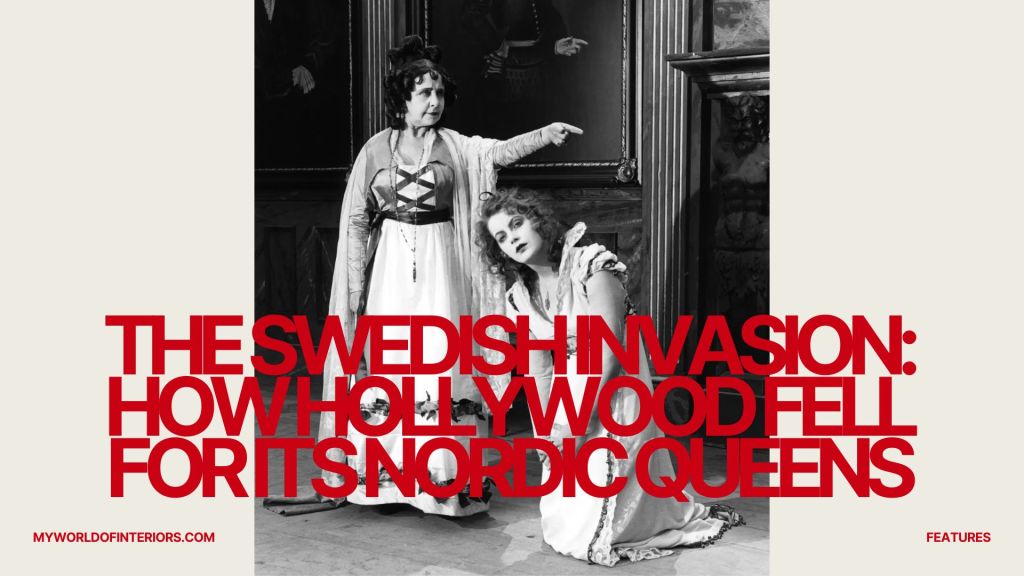
The Swedish Invasion: How Hollywood Fell for Its Nordic Queens
Hollywood in the 1930s and 40s was a factory of dreams, but some of its brightest stars carried with them an accent, a mystery, and a sensibility from far across the Atlantic. They were Swedish, and to American audiences they seemed to embody a northern light: cool, sophisticated, and possessed of a beauty that was…

