
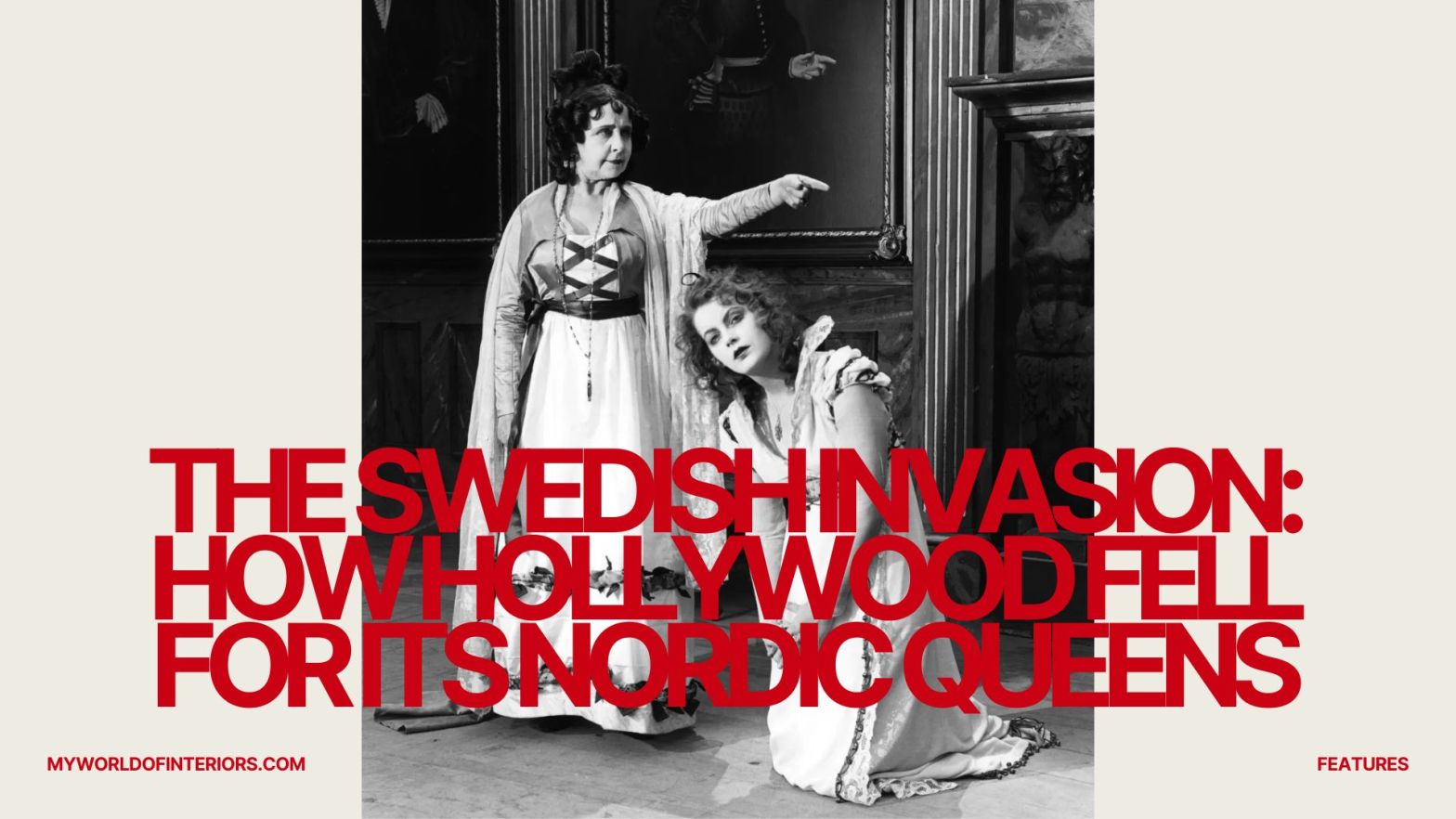
Hollywood in the 1930s and 40s was a factory of dreams, but some of its brightest stars carried with them an accent, a mystery, and a sensibility from far across the Atlantic. They were Swedish, and to American audiences they seemed to embody a northern light: cool, sophisticated, and possessed of a beauty that was both exotic and strangely natural.
At the center were Greta Garbo and Ingrid Bergman — one an enigma who vanished at her peak, the other a natural who reinvented herself time and again. Around them shimmered figures like Viveca Lindfors, Signe Hasso, and Mai Zetterling, actresses who brought to Hollywood the aura of European seriousness. Together, they transformed what stardom could mean in an era that craved glamour but longed for gravitas.
Greta Garbo: The Enigma
When Greta Garbo arrived in Hollywood in 1925, imported by MGM after success in Sweden, she looked unlike any other star on the lot. Broad-browed, sculptural, with eyes that seemed to contain secrets, Garbo radiated aloofness. She said little, kept to herself, resisted publicity — and in so doing became the most magnetic star in the world.
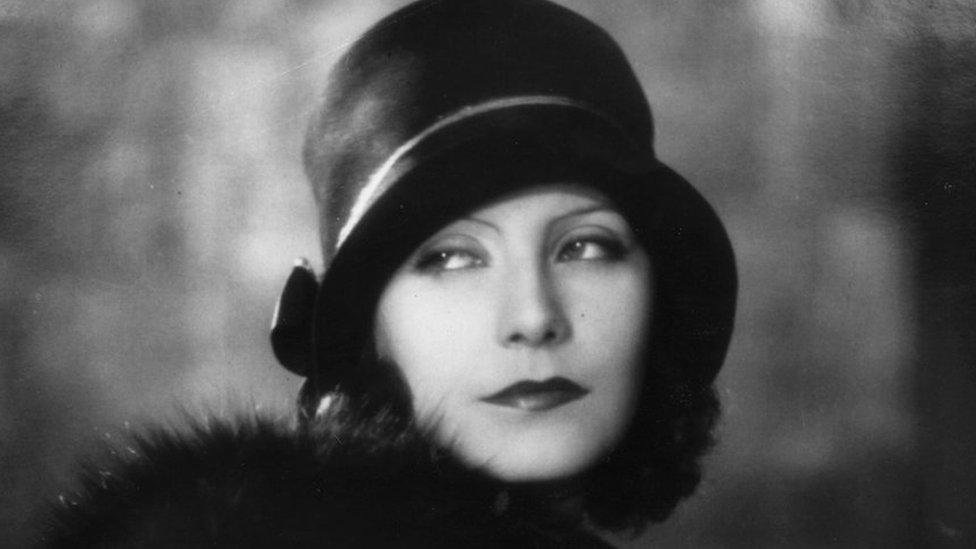
In the silent era, films like Flesh and the Devil (1926) made her an international sensation, her passion with John Gilbert both cinematic and real. When sound arrived, skeptics predicted her accent would doom her. Instead, MGM made it a selling point: “Garbo Talks!” trumpeted the poster for Anna Christie (1930). Her husky voice deepened her allure.
She became the very definition of glamour. In Camille (1936) and Ninotchka (1939), she moved seamlessly between tragedy and comedy, embodying the paradox of being untouchable yet deeply human. And then, in 1941, she disappeared. At just 36, Garbo retired, leaving Hollywood and retreating into a lifelong exile in New York, walking Central Park in sunglasses, her myth growing with each refusal to return.
Ingrid Bergman: The Natural
Where Garbo was the untouchable goddess, Ingrid Bergman was light itself. Arriving in Hollywood in 1939, Bergman brought something radical: naturalness. She wore little make-up, spoke without affectation, moved with unstudied grace. Her beauty was radiant but approachable.
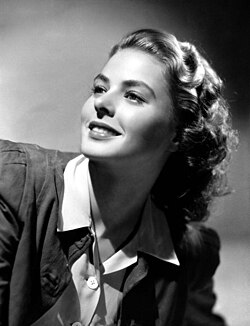
In Casablanca (1942), opposite Humphrey Bogart, she embodied wartime longing with a gaze that defined an era. In Gaslight (1944), she gave psychological intensity to the role of a wife doubting her own sanity, winning her first Oscar. And in Hitchcock’s Notorious (1946), she redefined erotic intrigue, her scenes with Cary Grant among the most sensual in cinema.
Then came the scandal. In 1949, Bergman left her husband for Italian director Roberto Rossellini, igniting outrage. A U.S. senator denounced her as “a powerful influence for evil.” Exiled from Hollywood, she remade herself in Europe, starring in neorealist films like Stromboli (1950). Years later, she returned triumphant, winning two more Oscars, for Anastasia (1956) and Murder on the Orient Express (1974).
Bergman was not only a star but a survivor, embodying resilience in a world eager to punish women for their desires.
Viveca Lindfors, Signe Hasso, Mai Zetterling: The Other Swedes
Though Garbo and Bergman defined the mythology, other Swedish actresses contributed to Hollywood’s Nordic aura.
- Viveca Lindfors, arriving in the 1940s, played leading roles opposite Ronald Reagan in Night Unto Night (1949) and later became a respected character actress. Her intensity and refusal to conform to ingénue stereotypes gave her a distinctive presence.
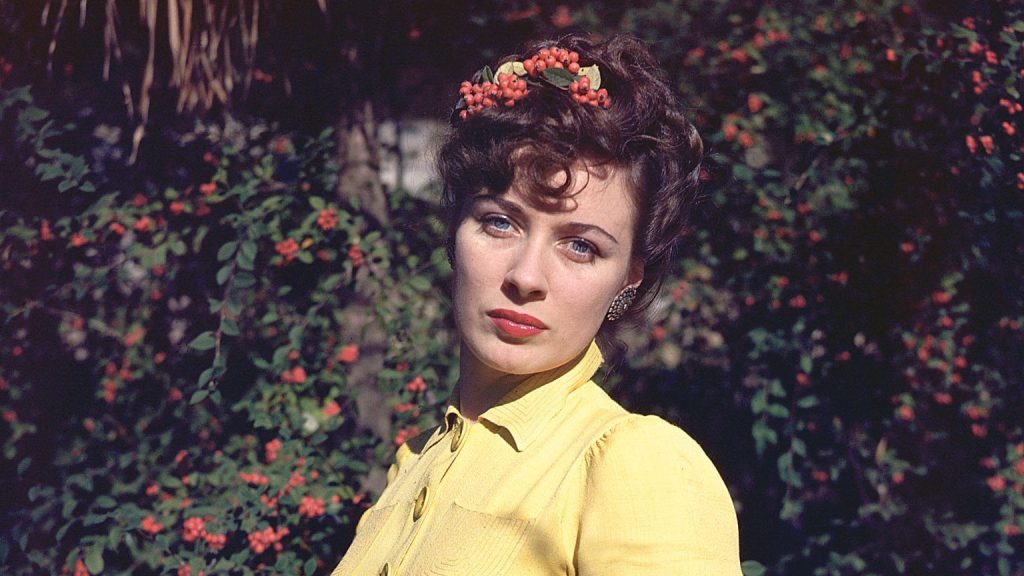
- Signe Hasso, dubbed “the new Garbo” by MGM publicists, starred in films like Heaven Can Wait (1943) and The House on 92nd Street (1945). Though never reaching Garbo’s stature, she embodied Hollywood’s hunger for the next Scandinavian muse.
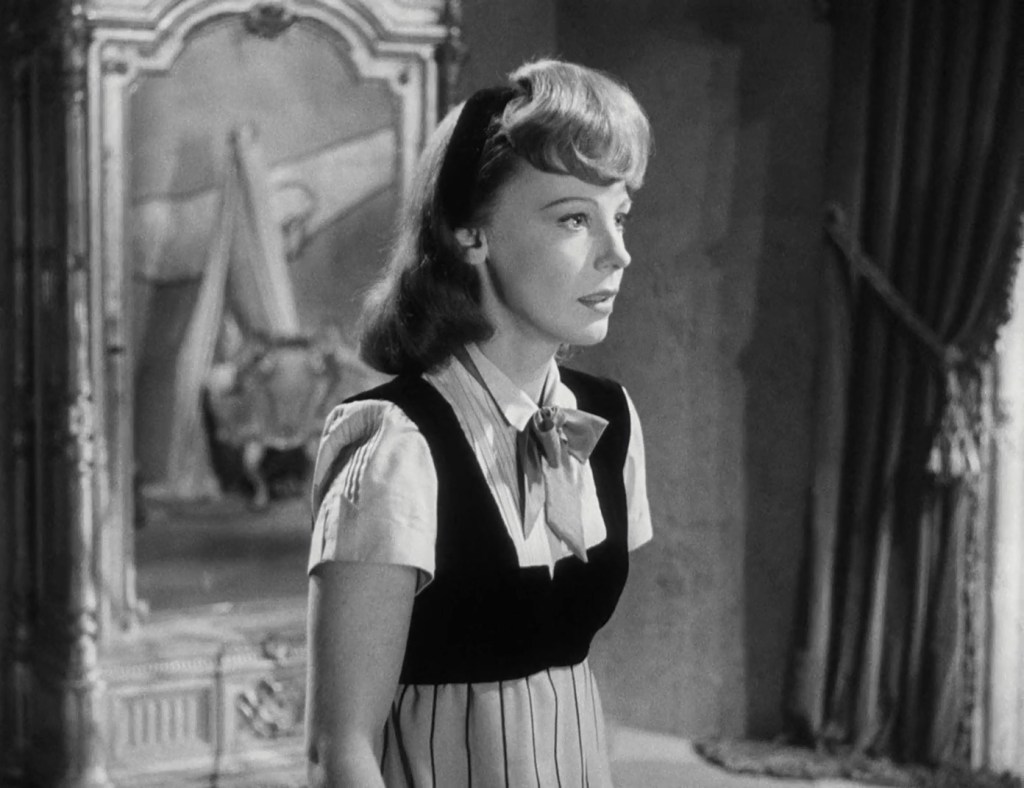
- Mai Zetterling, who transitioned from actress to director, brought an intellectual edge to her work, later making daring feminist films in the 1960s.

These women may not have reached the mythic heights of Garbo or Bergman, but they reinforced Hollywood’s fascination with Scandinavia as a source of seriousness, mystery, and allure.
The Swedish Style
What united these stars was not only nationality but the qualities Americans projected onto them: restraint, cosmopolitanism, emotional intelligence. They were often cast as women torn between passion and duty, their accents and poise marking them as “different” in a system otherwise built on all-American archetypes.
Garbo’s mystery, Bergman’s sincerity, Lindfors’s melancholy, Hasso’s elegance — together they offered Hollywood audiences something it craved: glamour with depth, beauty with intelligence.
Legacy
The Swedish actresses of Hollywood’s Golden Age were few in number but vast in influence. Garbo remains the archetype of the elusive star, her withdrawal amplifying her myth. Bergman endures as one of the greatest screen actresses, her performances still luminous. Lindfors, Hasso, and Zetterling remind us that stardom was also a negotiation of identity, typecasting, and cultural projection.
Their legacy is double-edged: celebrated as icons, constrained as “exotics.” Yet they gave Hollywood a gift it could not create alone: a northern light, cool and brilliant, casting glamour as something both distant and deeply human.
Discover more from My World of Interiors
Subscribe to get the latest posts sent to your email.

