Category: Aesthetics
-
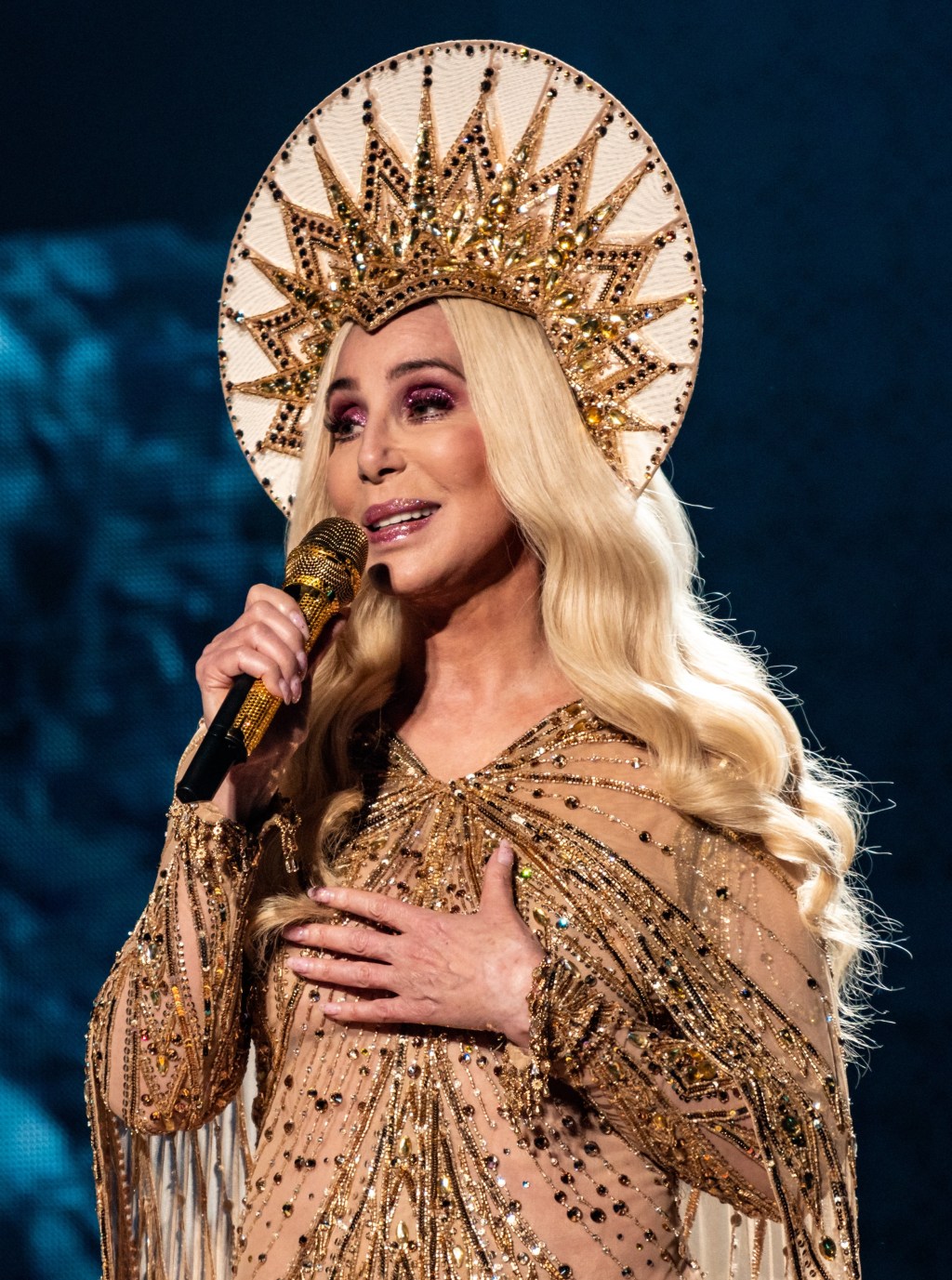
Cher and the Art of Outlasting America
Cher has lasted so long, and in so many forms, that she can seem less like an entertainer than like a permanent feature of the culture itself. She belongs to that tiny class of figures who have ceased to be merely famous and become symbolic: instantly recognisable, endlessly referential, somehow both singular and omnipresent. Singer,…
-
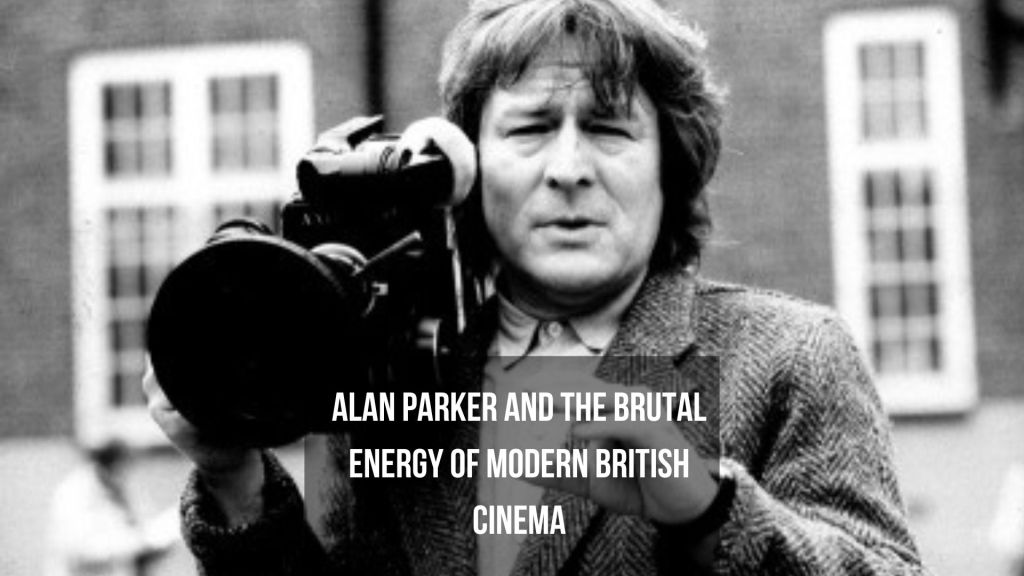
Alan Parker and the Brutal Energy of Modern British Cinema
Alan Parker belongs to that increasingly rare category of British director whose work was at once popular, ambitious and unmistakably personal. He was not a miniaturist, nor a specialist, nor a filmmaker content to remain within one tonal register. He moved restlessly between genres and scales: from the stylised bravado of Bugsy Malone to the…
-
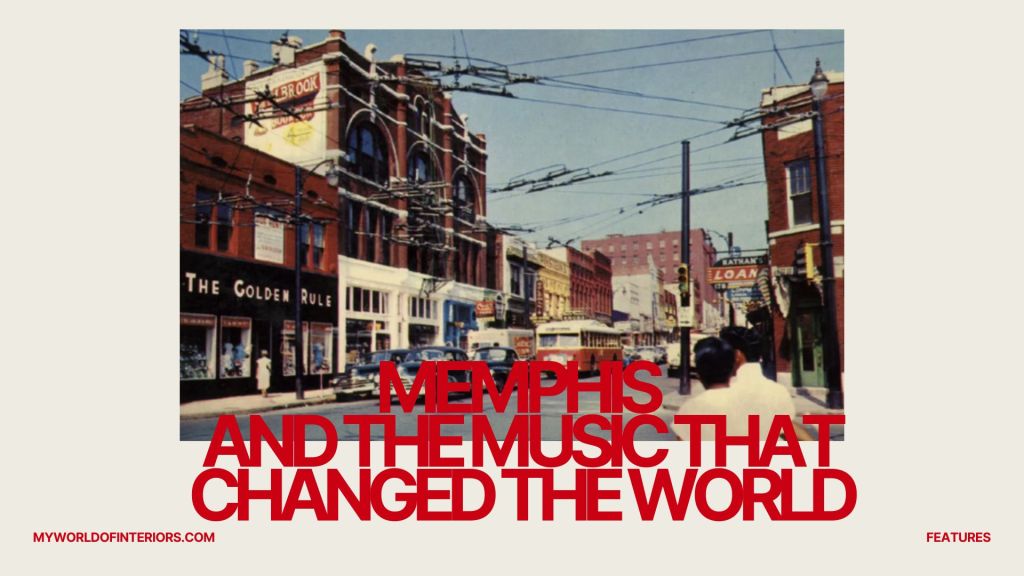
Where the River Bends: Memphis and the Music That Changed the World
It is the most productive square mile in American cultural history. A city of grief and genius, of violence and transcendence, built on cotton and the blues and the unsettled accounts of race — Memphis made the modern world’s soundtrack and has never quite recovered from the effort. By Bergotte Begin with the geography, because…
-
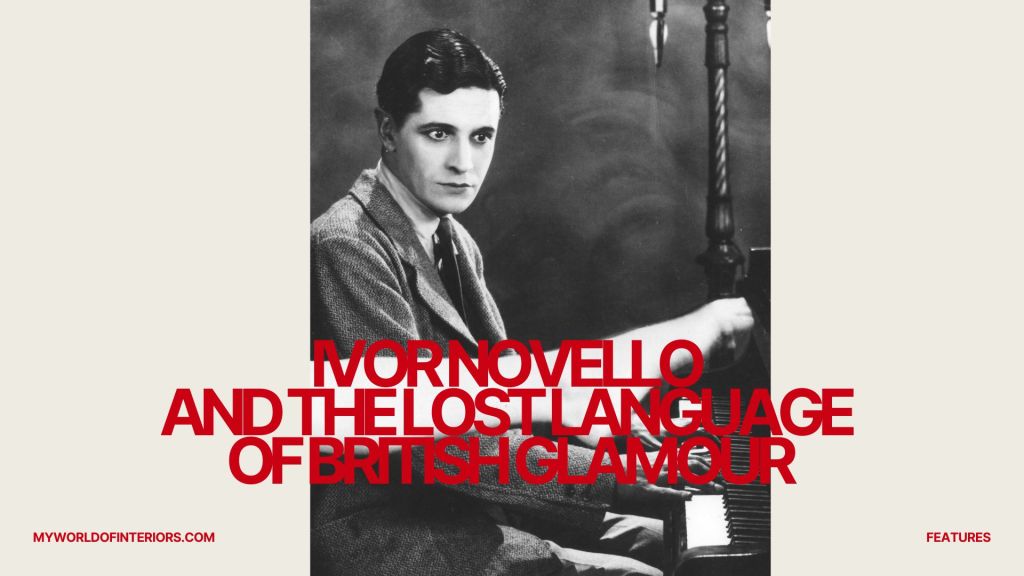
Ivor Novello and the Lost Language of British Glamour
Ivor Novello has survived in British culture in a peculiarly ghostly form. His name remains everywhere, attached to one of the country’s most prestigious songwriting honours, and yet the man himself has drifted into soft focus. Many know the Ivor Novello Awards. Far fewer could say with confidence who Novello was, what he made, or…
-

The Little Man in the Big House: Hercule Poirot and the Strangeness of England
Agatha Christie gave the world’s most famous detective a moustache, a foreign accent, and a profound dislike of the English countryside. It was, in every sense, the point. By Bergotte There is a village in the English imagination that has never quite existed and has never stopped existing. It has a church with a Norman…
-
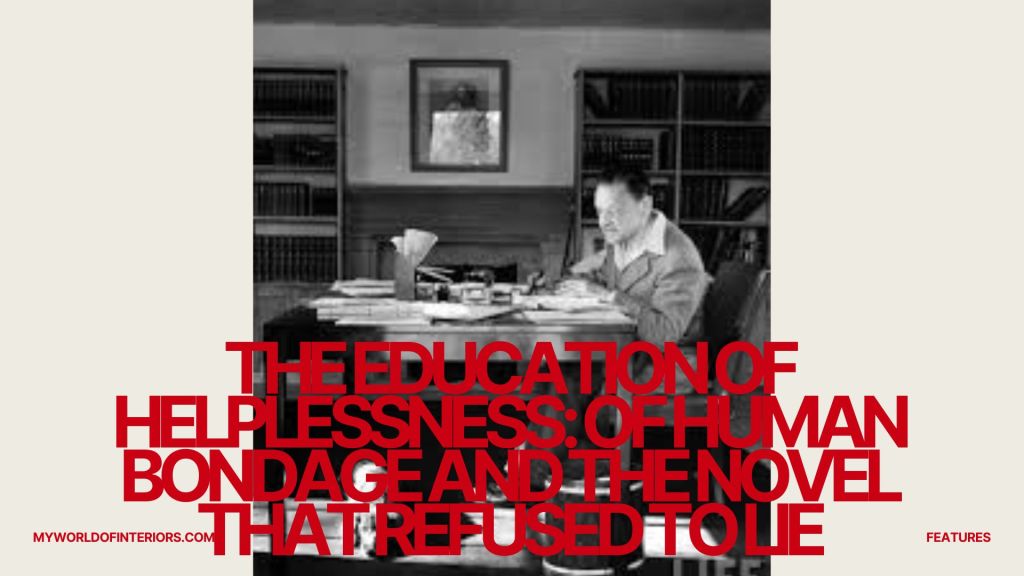
The Education of Helplessness: Of Human Bondage and the Novel That Refused to Lie
Somerset Maugham called it the book that saved his life. He also said it was the worst kind of novel — an autobiographical one. He was right on both counts, which is precisely why it endures. By Bergotte There is a type of novel that functions less like a work of art than like a…
-
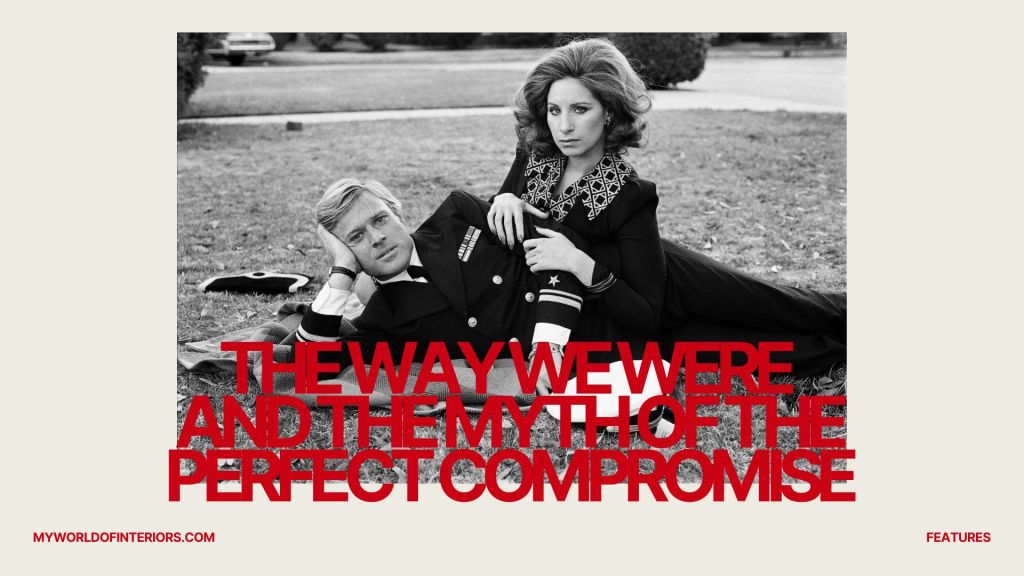
What We Lose When We Love: The Way We Were and the Myth of the Perfect Compromise
It was sold as a love story. It was actually an argument about America — about politics, memory, and the terrible cost of choosing comfort over conviction. By Bergotte There is a moment near the end of The Way We Were, Sydney Pollack’s 1973 film, that has lodged itself in the cultural memory with a…
-
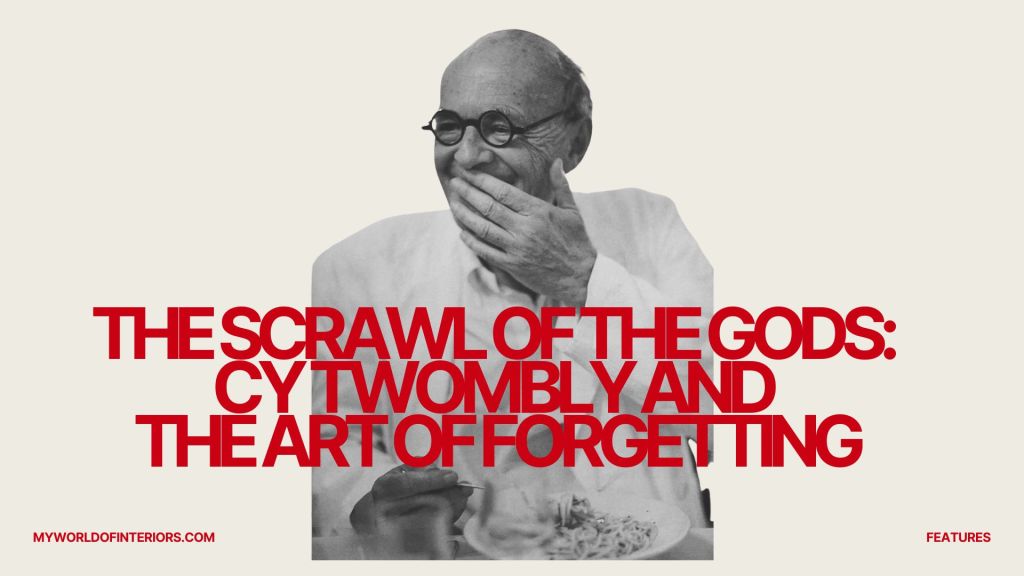
The Scrawl of the Gods: Cy Twombly and the Art of Forgetting
He made paintings that looked like vandalism, drawings that resembled the work of a distracted child, and sculptures that seemed to be falling apart. He also changed the course of Western art. By Bergotte There is a canvas in the Menil Collection in Houston, twelve feet wide, that appears, at first glance, to have been…
-

The Architecture of Silence: John Pawson and the Art of Less
He has built monasteries, fashion temples, and homes for the hyper-wealthy. But John Pawson’s real subject has always been the same: what happens when you take everything away. By Bergotte There is a room in the Czech countryside, an hour south of Prague, that has no decoration whatsoever. Its walls are limestone. Its floor is…
-
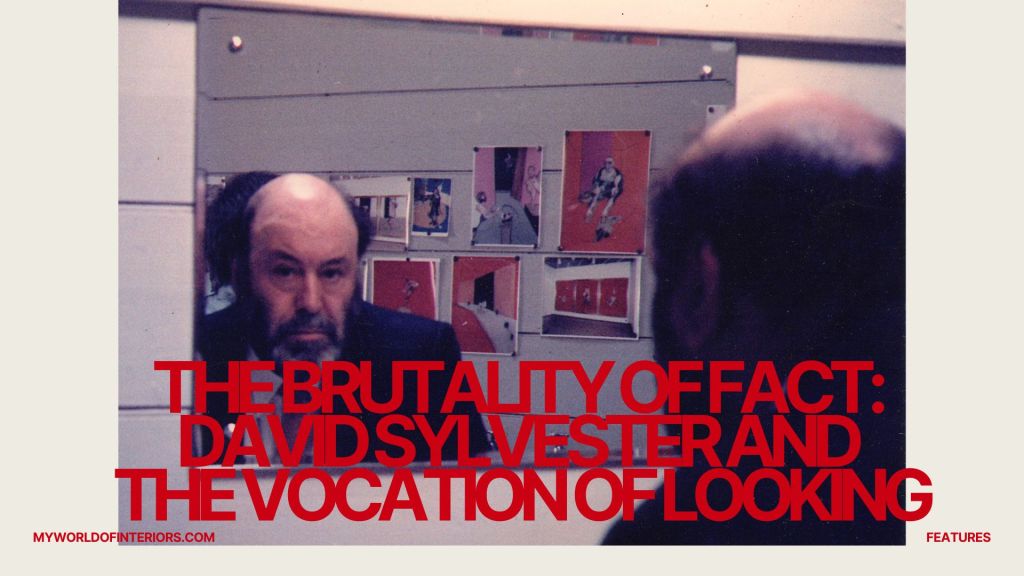
The Brutality of Fact: David Sylvester and the Vocation of Looking
The greatest British art critic of the twentieth century never wrote a book he was satisfied with. What he left behind instead was something rarer — a model of attention so exacting it changed what art could ask of its audience. By Bergotte There is a way of sitting in front of a painting that…

