Category: Art
-
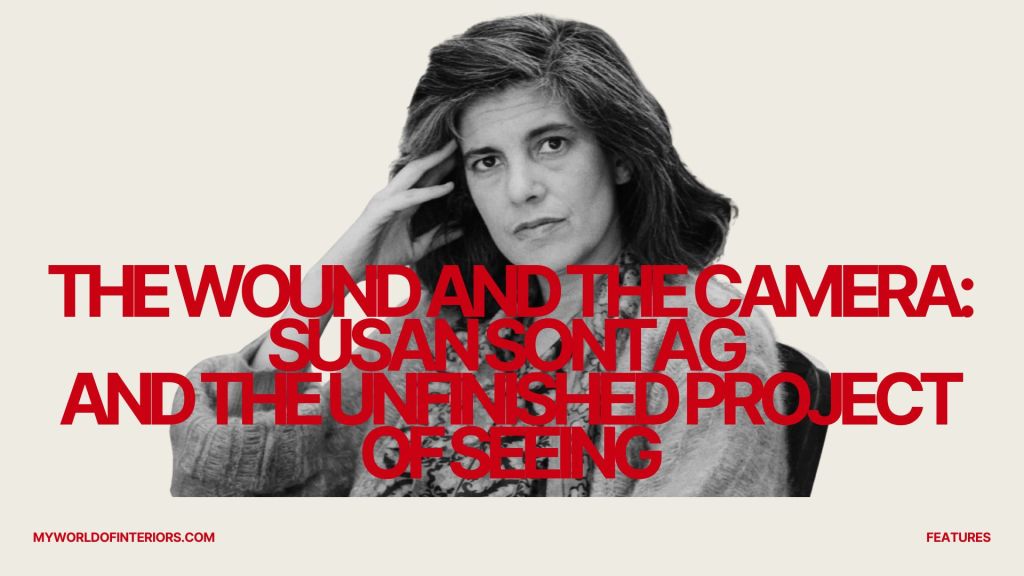
The Wound and the Camera: Susan Sontag and the Unfinished Project of Seeing
Twenty years after her death, the great critic’s ideas about images, suffering, and the moral life feel less like history than like prophecy. By Bergotte There is a photograph that Susan Sontag never saw — or rather, she could not have seen it in the form we now encounter it, scrolling past it on a…
-
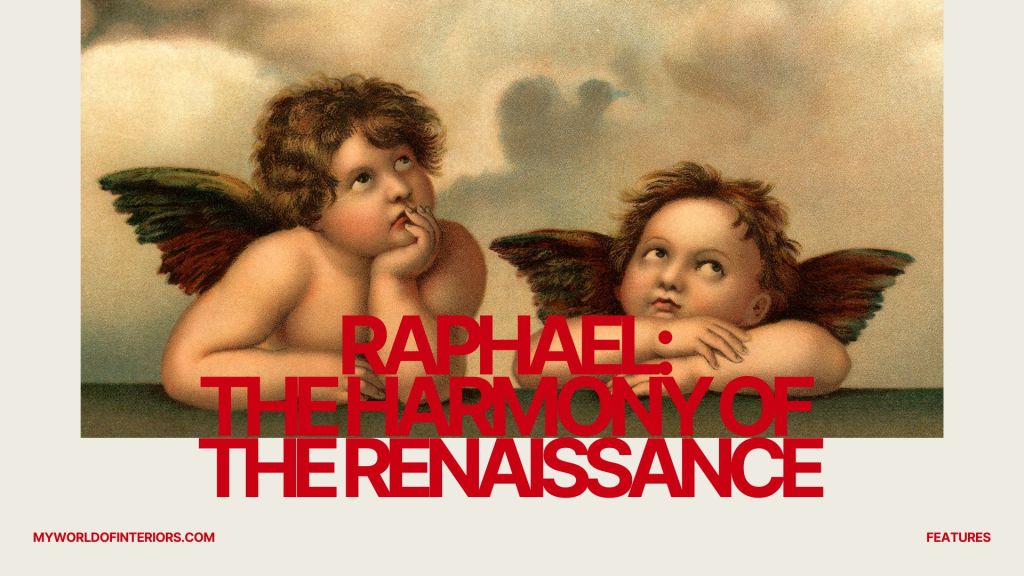
Raphael: The Harmony of the Renaissance
When Raphael died suddenly in 1520 at the age of just 37, Rome fell into mourning. His funeral at the Pantheon drew crowds of artists, courtiers, and clergy, all stunned by the loss of a painter whose genius had seemed inexhaustible. According to Vasari, Raphael’s death left “the art of painting bereft of light.” Even…
-
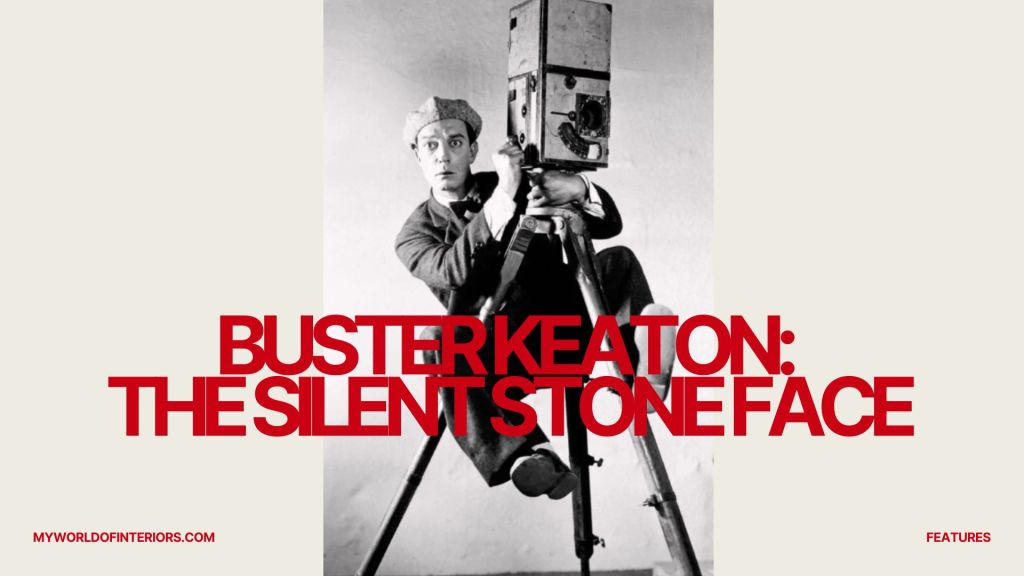
Buster Keaton: The Silent Stone Face
In the pantheon of cinema’s pioneers, Buster Keaton occupies a place both singular and paradoxical. He was called “The Great Stone Face,” a comic genius who rarely smiled on screen. His films, made in the silent era of the 1920s, were symphonies of precision: breathtaking stunts, elaborate set pieces, narratives that balanced absurdity with inevitability.…
-

Cady Noland
Encounters America Laid Bare Cady Noland made some of the most disturbing art of the late twentieth century from beer cans, shopping carts, silkscreened celebrity mugshots, and the hardware of American violence. Then she stopped. She has barely spoken since. The silence is part of the work. By Bergotte There is a work by Cady…
-
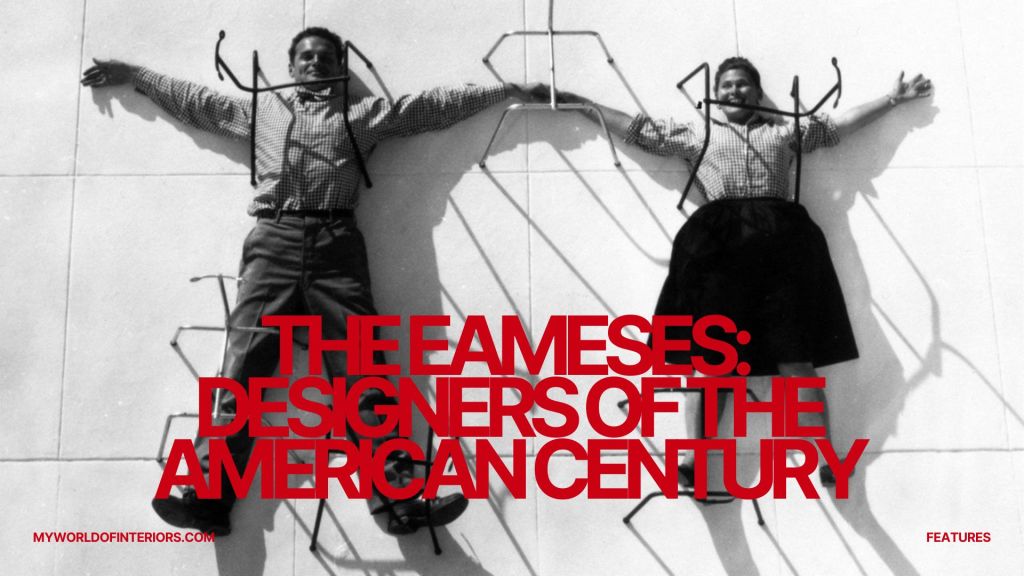
The Eameses: Designers of the American Century
In the light-filled hills above the Pacific, a glass-and-steel house stands as a manifesto. Inside, shelves of books and folk art mingle with modernist chairs in plywood and fiberglass. It is not simply a home, but a vision: how design could be democratic, playful, rigorous, and alive. This is the world of Charles and Ray…
-
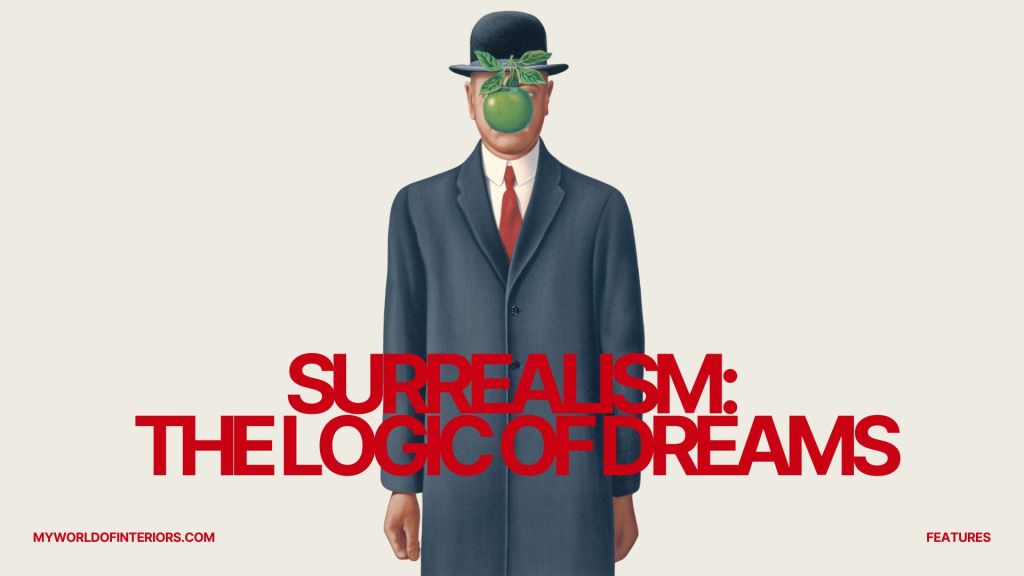
Surrealism: The Logic of Dreams
Few movements in 20th-century art captured the imagination as forcefully, or as lastingly, as Surrealism. Emerging in the 1920s from the embers of Dada and the disillusionment of World War I, Surrealism sought not only to revolutionize art but to liberate human consciousness itself. It was not a style, but an attitude — a way…
-
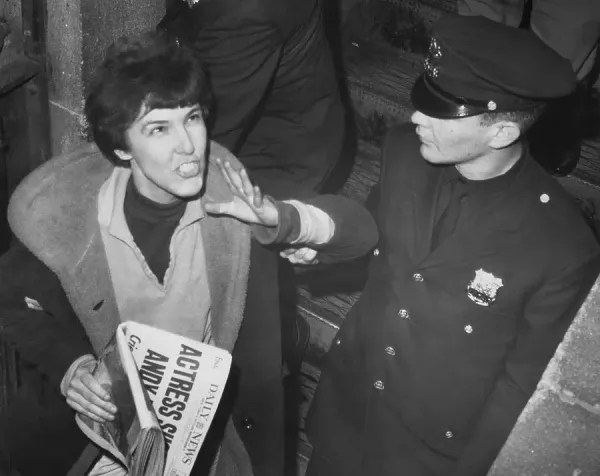
The Human Condition According to Valerie Solanas
By Bergotte Valerie Solanas is the writer this series was not supposed to include. She is not canonical. She is not comfortable. She wrote one major text, the SCUM Manifesto, which calls for the elimination of men, and she shot Andy Warhol in 1968, and she died alone in a welfare hotel in San Francisco…
-
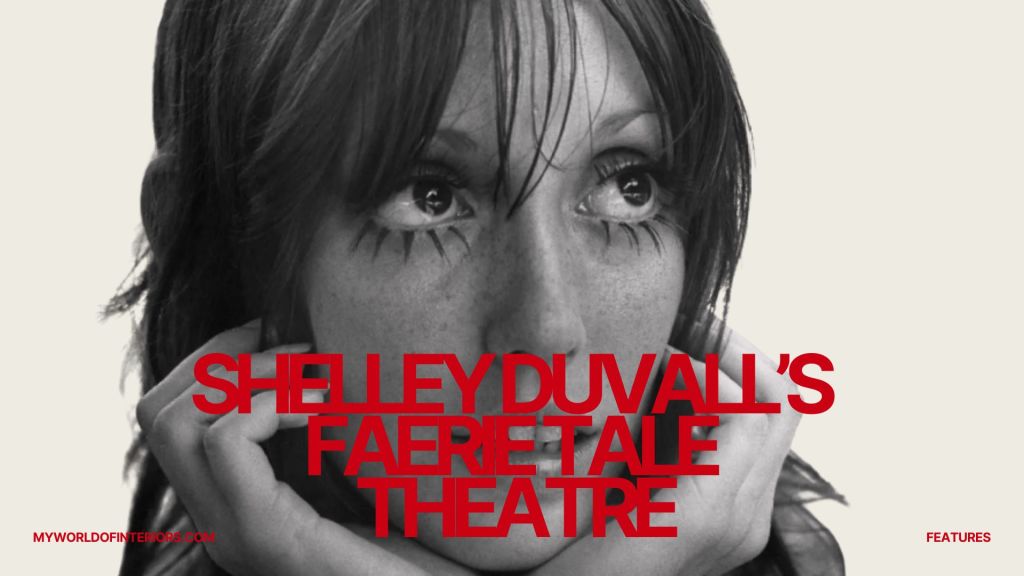
Shelley Duvall’s Faerie Tale Theatre: Whimsy, Power, and the Feminist Legacy of a Children’s Classic – Part II
When Shelley Duvall launched Faerie Tale Theatre in 1982, few could have predicted its cultural afterlife. The anthology series — running for six seasons, with 27 episodes aired until 1987 — brought classic fairy tales to life with an ensemble of Hollywood royalty. Robin Williams, Mick Jagger, Susan Sarandon, Jeff Bridges, Liza Minnelli, Vanessa Redgrave,…
-
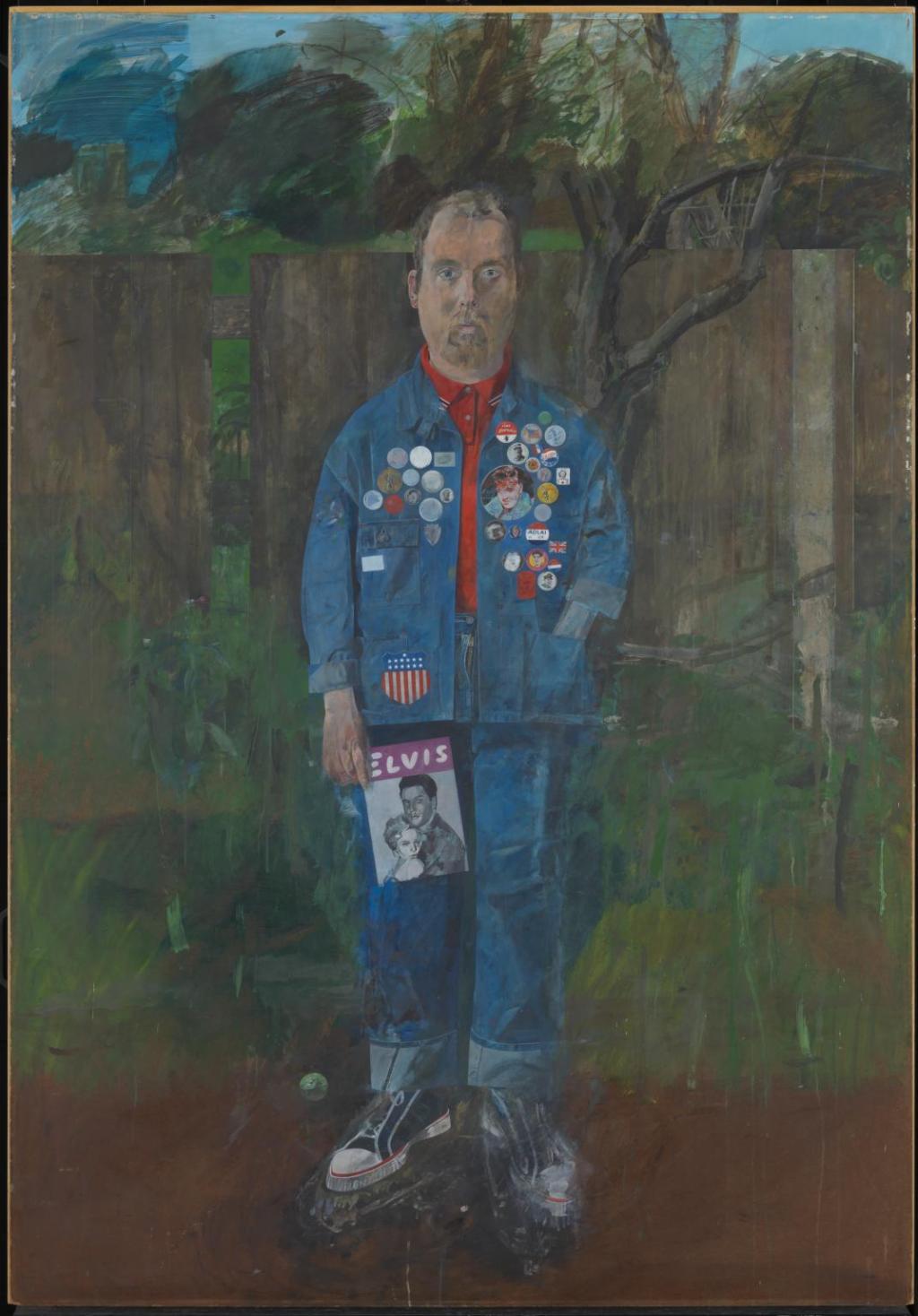
Peter Blake, Self-Portrait with Badges, 1961
Close Looking · One Painting Everything I Am Is on This Jacket In 1961, Peter Blake painted himself in a Chiswick garden holding an Elvis magazine, wearing Converse boots and a denim jacket covered in badges. The result is the most precise and most melancholy self-portrait in British art. It is also, accidentally, a portrait…
-
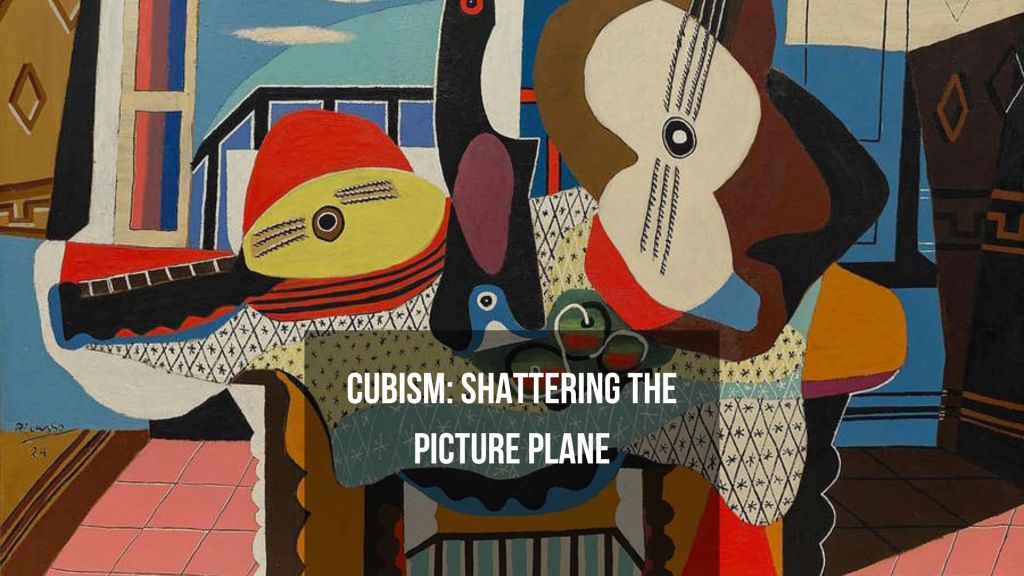
Cubism: Shattering the Picture Plane
In the early years of the 20th century, painting fractured. Perspective, which had governed Western art since the Renaissance, was no longer sufficient for the modern world — a world of industrial speed, scientific discovery, and shifting perception. In the cafés and studios of Paris, two young artists, Pablo Picasso and Georges Braque, dismantled the…
