Category: Art
-
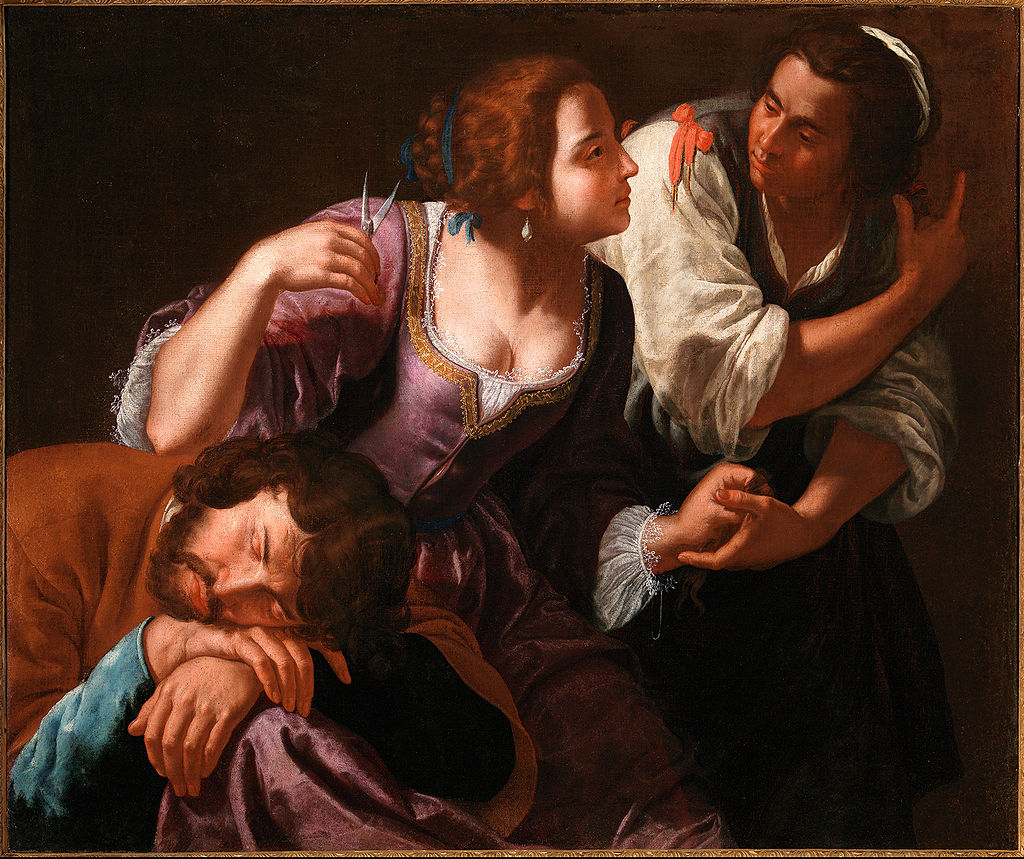
Artemisia Gentileschi: Triumph of a Baroque Woman
In the pantheon of Baroque art, Artemisia Gentileschi (1593–c.1656) stands apart. She was the first woman to gain admission to Florence’s Accademia delle Arti del Disegno, a painter whose canvases rivaled—and often surpassed—those of her male contemporaries in power, drama, and psychological depth. Like Caravaggio, whose chiaroscuro she adapted and expanded, Gentileschi brought biblical and…
-
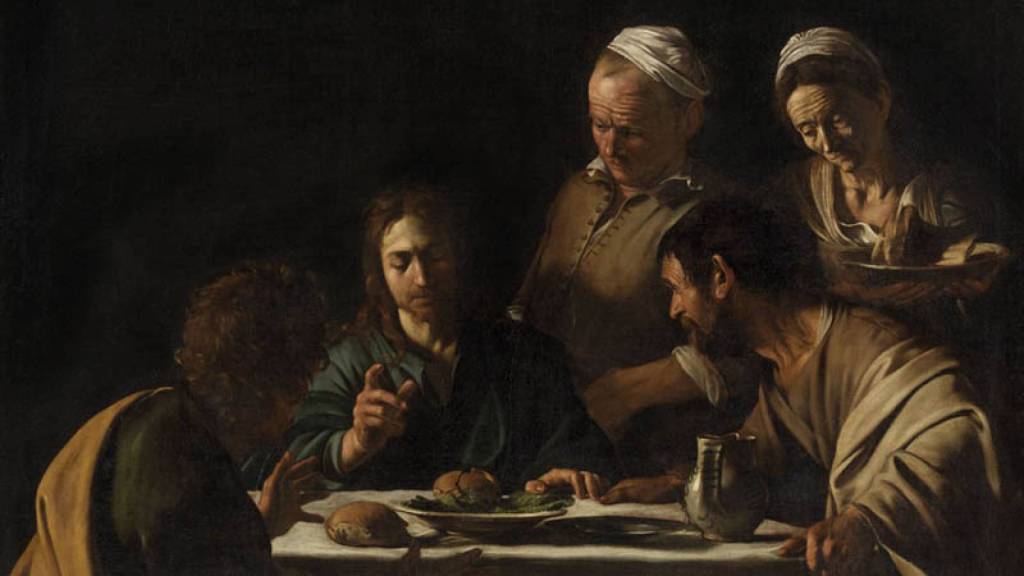
Caravaggio: Darkness, Light, and the Drama of a Life in Paint
Michelangelo Merisi da Caravaggio (1571–1610) remains one of the most controversial and influential figures in the history of art. His canvases, charged with violence and ecstasy, brought biblical stories down from heaven and into the grit of everyday life. He painted saints with dirty feet, virgins with weary faces, apostles with the weathered skin of…
-
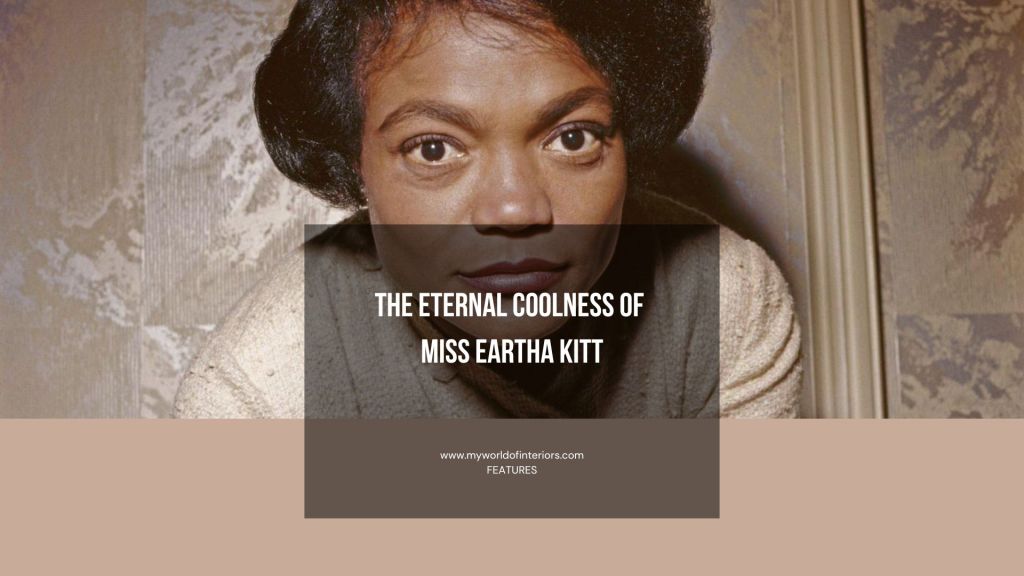
Eartha Kitt: Icon, Innovator, and Provocateur
Eartha Kitt never fit into a category. She purred, she prowled, she sang, she danced, she acted, she provoked. To call her a singer, actress, or dancer is inadequate; she was an auteur of persona, a master of the stage who transformed each performance into a commentary on race, gender, and desire. Her genius lay…
-
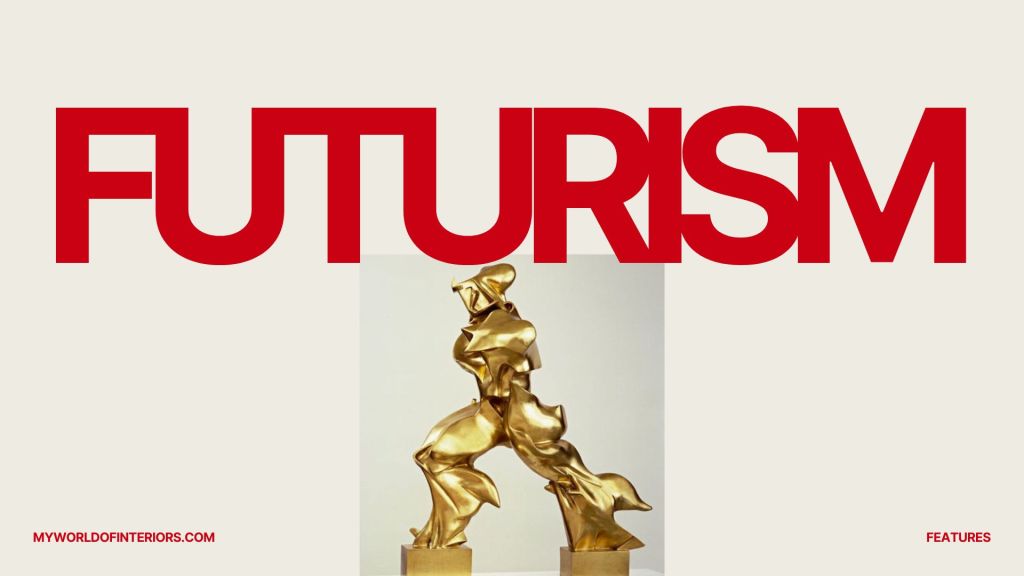
Futurism: The Art of Acceleration
At the dawn of the twentieth century, a manifesto shook European culture like a thunderclap. Published in Le Figaro on February 20, 1909, Filippo Tommaso Marinetti’s Manifesto of Futurism declared war on the past and consecrated a new aesthetic: speed, violence, machinery, the beauty of the modern city, and the intoxicating promise of technology. “A…
-
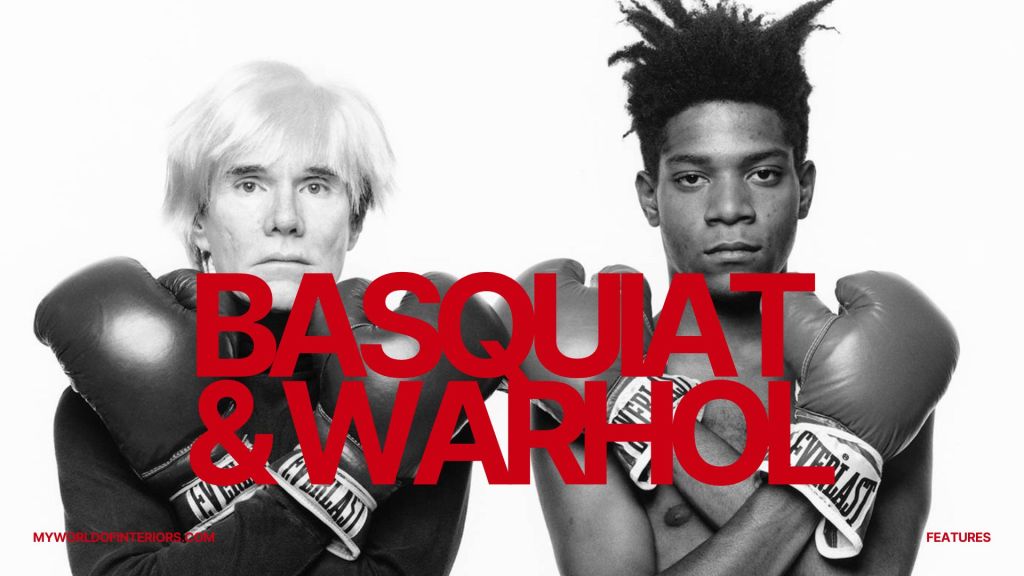
Basquiat & Warhol: Collision, Collaboration, and the Making of Modern Myth
Art history is rich with encounters between generations, but few have provoked as much fascination, controversy, and enduring debate as the working friendship between Andy Warhol and Jean-Michel Basquiat. On one side stood Warhol, the established oracle of Pop, a man whose silkscreens of soup cans, celebrities, and consumer logos had redefined art’s relationship to…
-
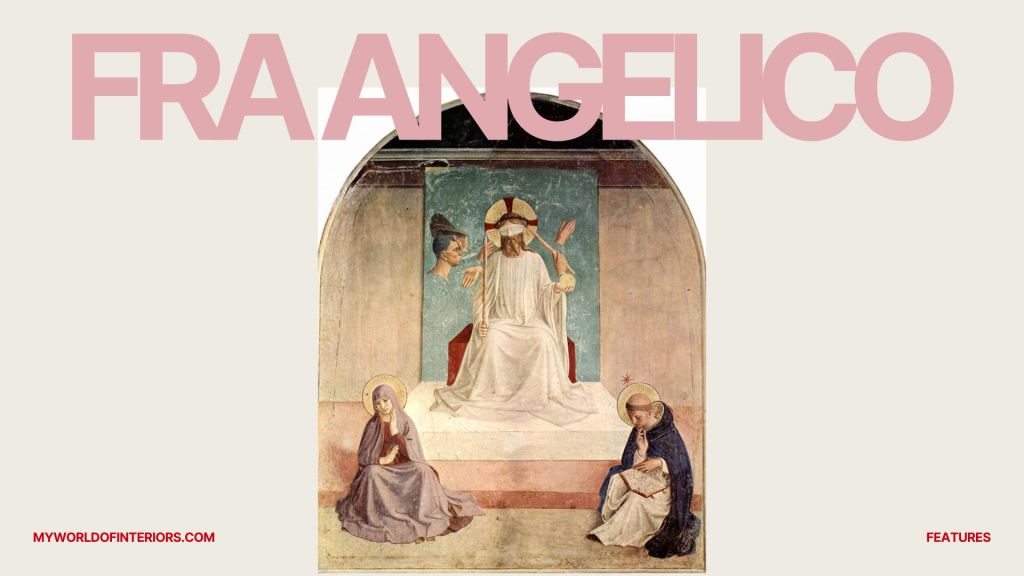
Fra Angelico: Painter of Light and Grace
In the vast history of Western art, few figures embody the seamless marriage of devotion and innovation as fully as Fra Angelico. Born Guido di Pietro around 1395 near Florence, he entered the Dominican Order at Fiesole and became known simply as Fra Angelico — the Angelic Brother. His works, suffused with luminous color and…
-
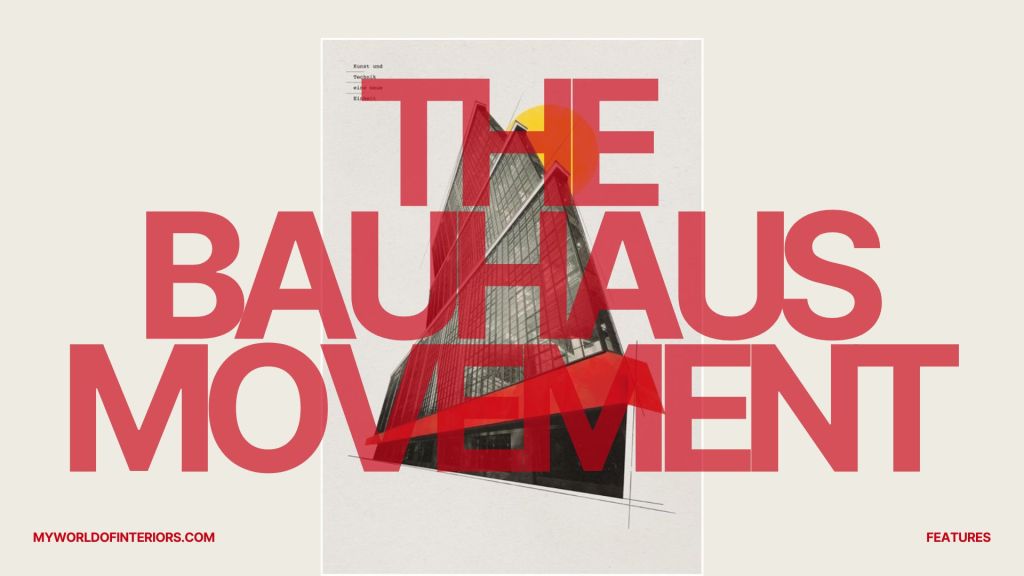
Bauhaus: The School That Changed Modern Life
No movement in modern design carries quite the resonance of the Bauhaus. More than a school, it was a revolution in how we think about art, architecture, craft, and everyday life. Founded in 1919 in Weimar, Germany, by architect Walter Gropius, the Bauhaus lasted only fourteen years before the Nazis closed it in 1933. Yet…
-
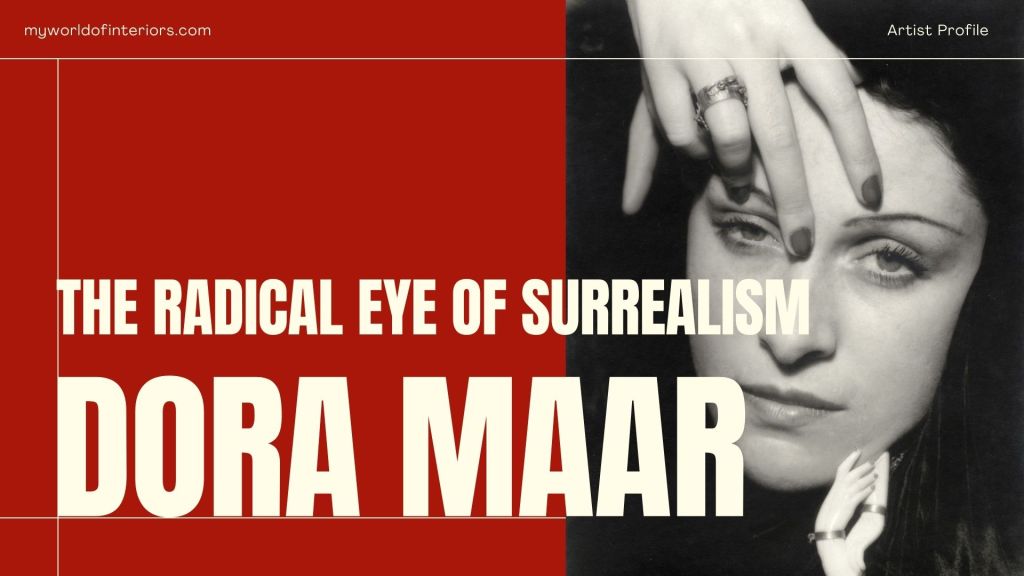
Dora Maar: The Radical Eye of Surrealism
In the pantheon of 20th-century modernism, few figures are as enigmatic as Dora Maar. For decades she was remembered primarily as Pablo Picasso’s lover — immortalized in fractured portraits of weeping women, her anguish refracted through the painter’s cubist lens. But Dora Maar was far more than a subject in someone else’s story. She was…
-
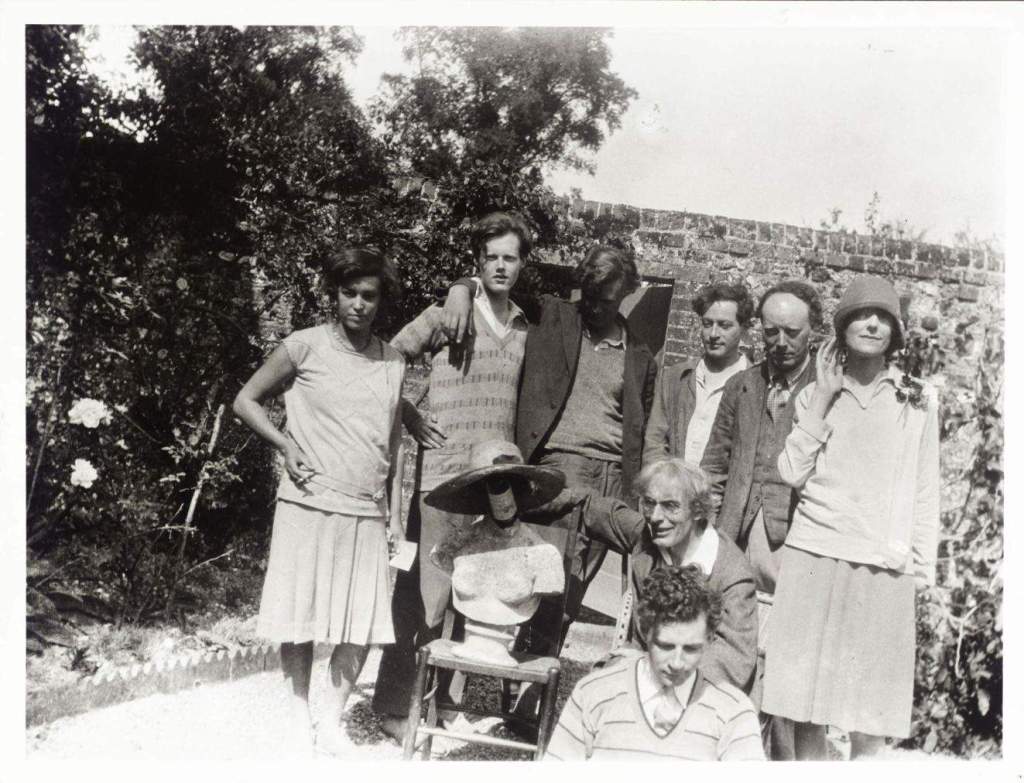
The Bloomsbury Group: Rebels in Cambric Shirts
“They lived in squares, painted in circles, and loved in triangles.” In the genteel drawing rooms of early 20th-century London, respectability was still the reigning order. But in a cluster of shabby houses around Gordon Square in Bloomsbury, a group of young intellectuals tore down the rules. They questioned the empire, mocked Victorian morality, experimented…
-
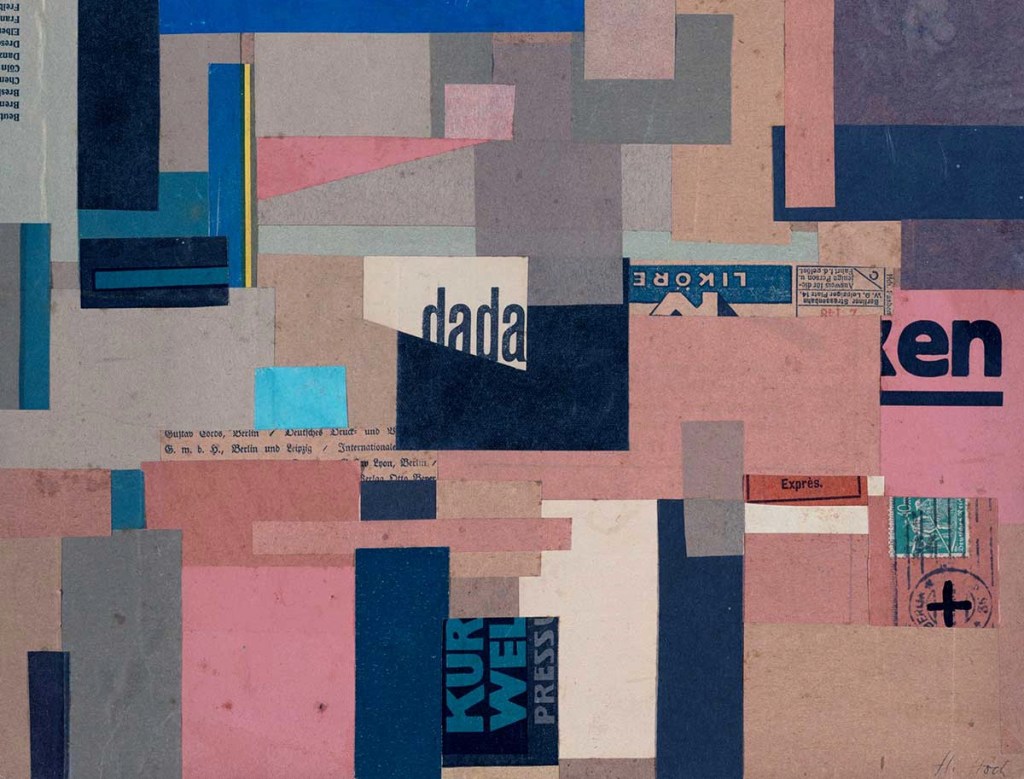
Dada: The Art of Unreason
In the wreckage of World War I, amid the disillusionment of a generation, a radical new art movement was born: Dada. Emerging in Zürich in 1916, Dada rejected logic, tradition, and aesthetic convention in favor of absurdity, spontaneity, and provocation. Its practitioners — poets, painters, performers — sought not to create beauty but to explode…
