
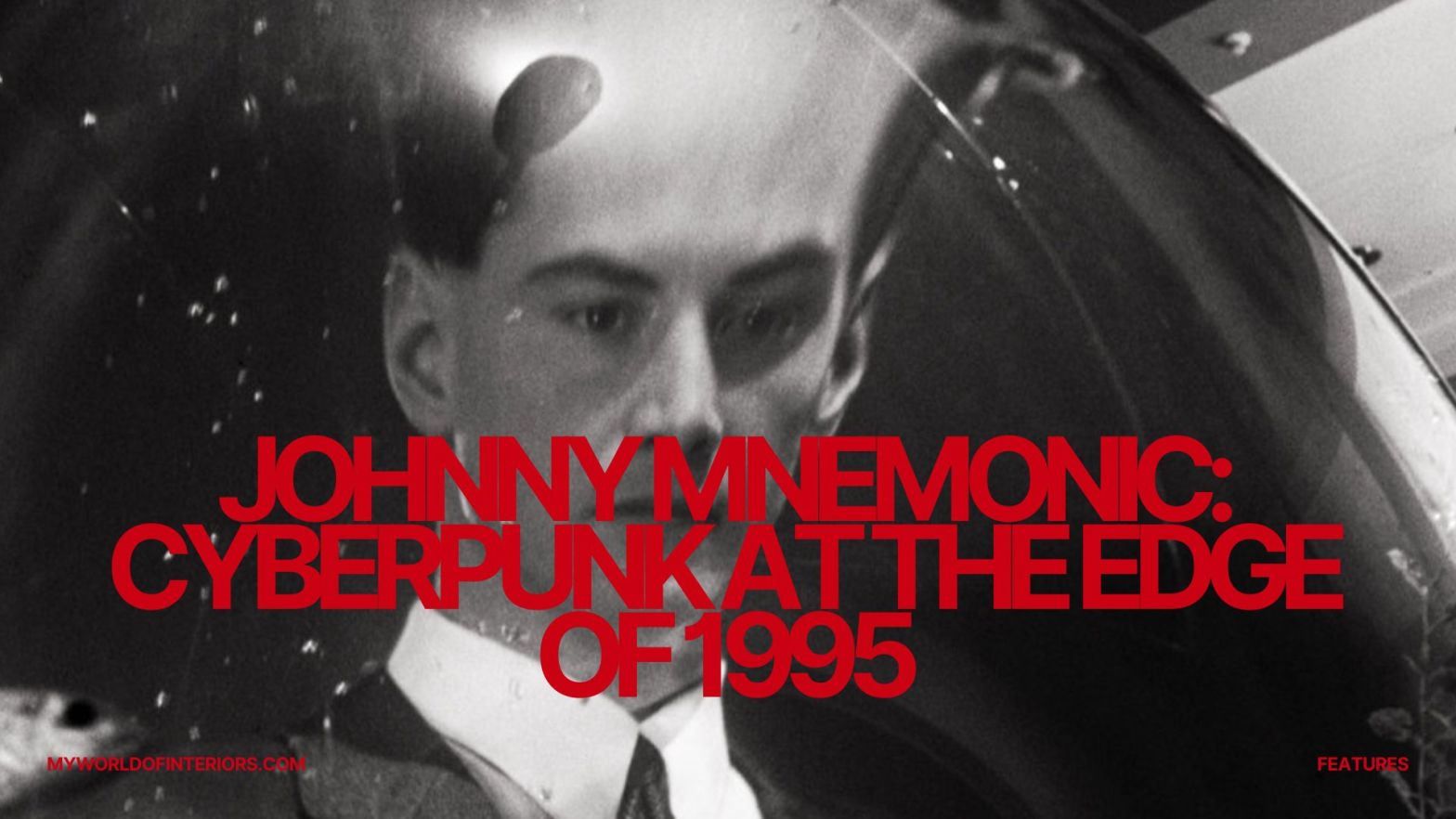
When Johnny Mnemonic premiered in 1995, it was marketed as a slick science-fiction thriller starring Keanu Reeves, riding the wave between Point Break and The Matrix. Instead, it was received as an oddity: awkward, overstuffed, more cult curio than blockbuster. Yet in hindsight, the film deserves a second look. Based on a short story byContinue reading “Johnny Mnemonic: Cyberpunk at the Edge of 1995”
Category Archives: Aesthetics
Peter Blake, Self-Portrait with Badges, 1961
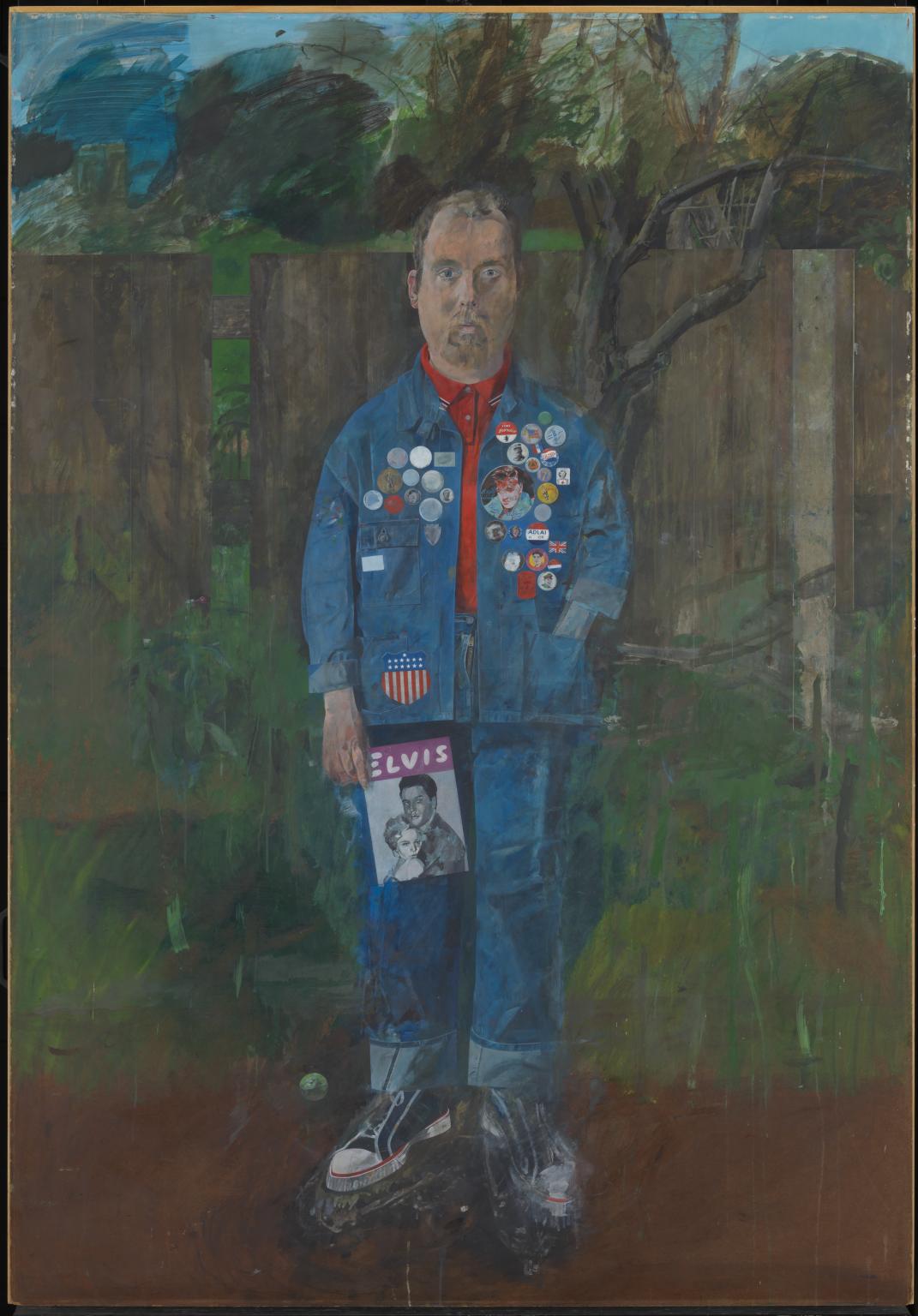
Close Looking · One Painting Everything I Am Is on This Jacket In 1961, Peter Blake painted himself in a Chiswick garden holding an Elvis magazine, wearing Converse boots and a denim jacket covered in badges. The result is the most precise and most melancholy self-portrait in British art. It is also, accidentally, a portraitContinue reading “Peter Blake, Self-Portrait with Badges, 1961”
Cubism: Shattering the Picture Plane
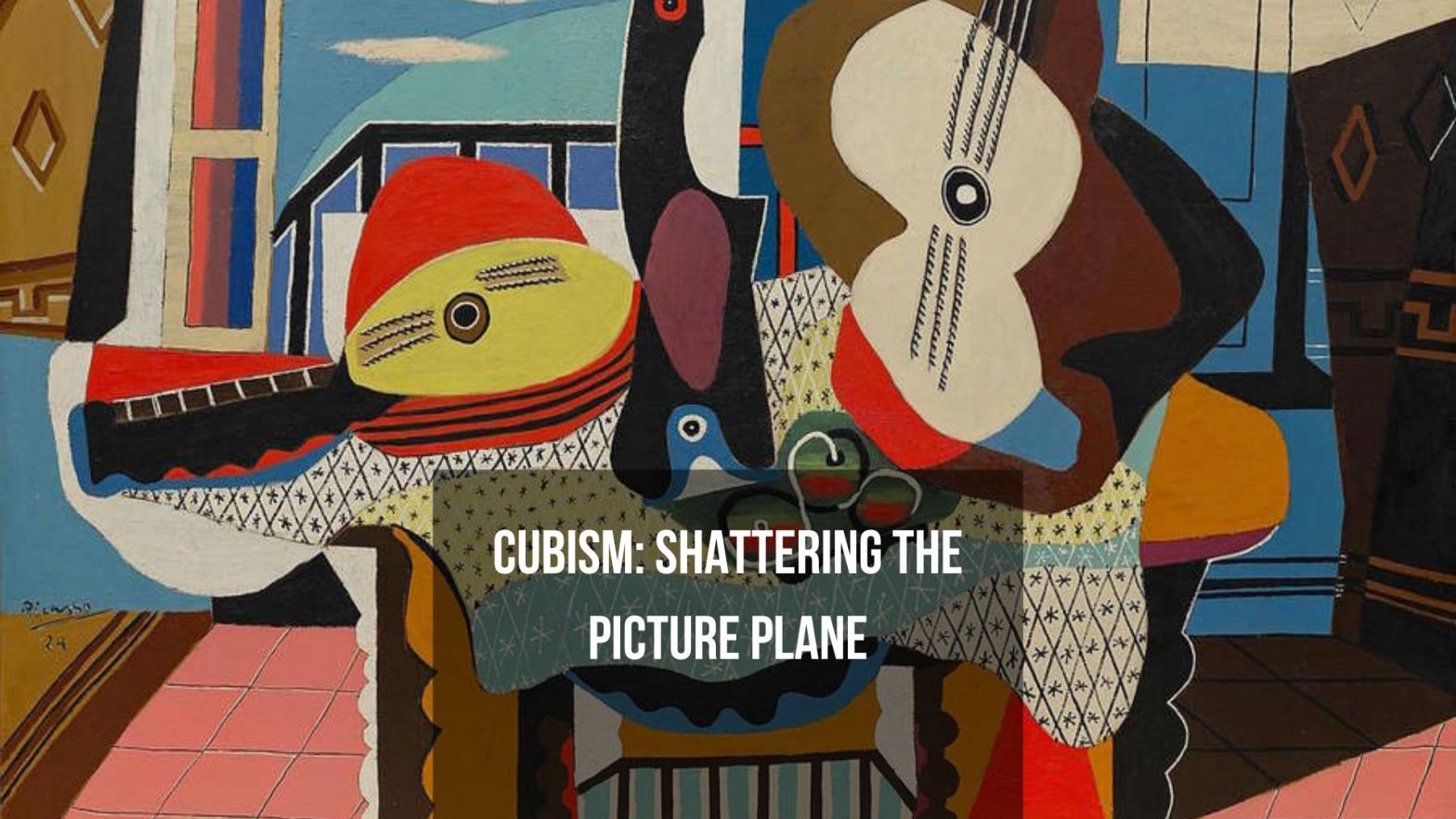
In the early years of the 20th century, painting fractured. Perspective, which had governed Western art since the Renaissance, was no longer sufficient for the modern world — a world of industrial speed, scientific discovery, and shifting perception. In the cafés and studios of Paris, two young artists, Pablo Picasso and Georges Braque, dismantled theContinue reading “Cubism: Shattering the Picture Plane”
Brideshead Revisited: Memory, Grace, and the Politics of Nostalgia
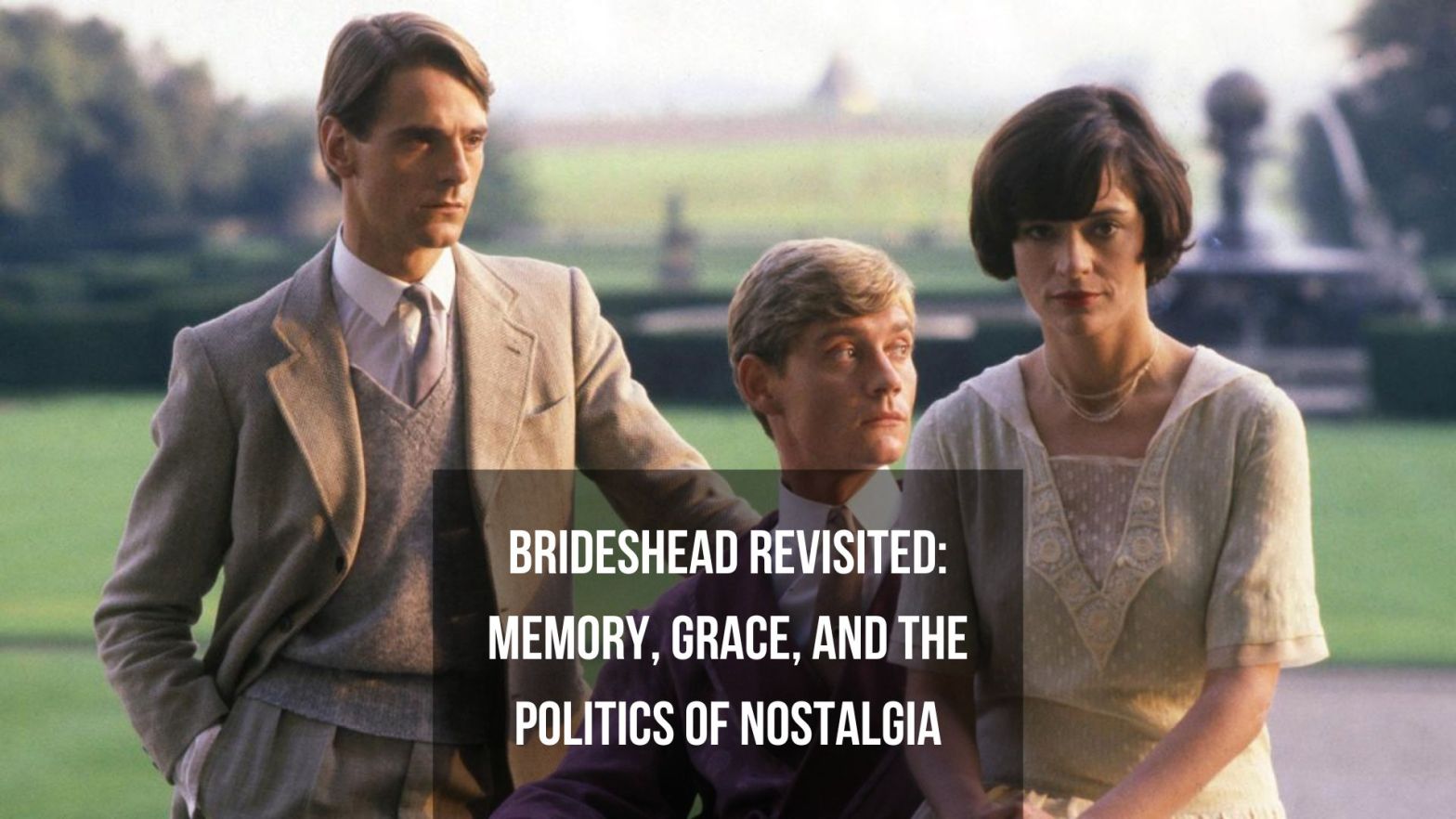
To approach Brideshead Revisited is to enter a layered architecture: a country house that is also a theology, a love story that is also a meditation on class, and a memoir that is also an argument about memory. Evelyn Waugh published the novel in 1945, in the wreckage of war and rationing; he later prunedContinue reading “Brideshead Revisited: Memory, Grace, and the Politics of Nostalgia”
Cool Britannia: Art, Attitude, and the London of the 1990s
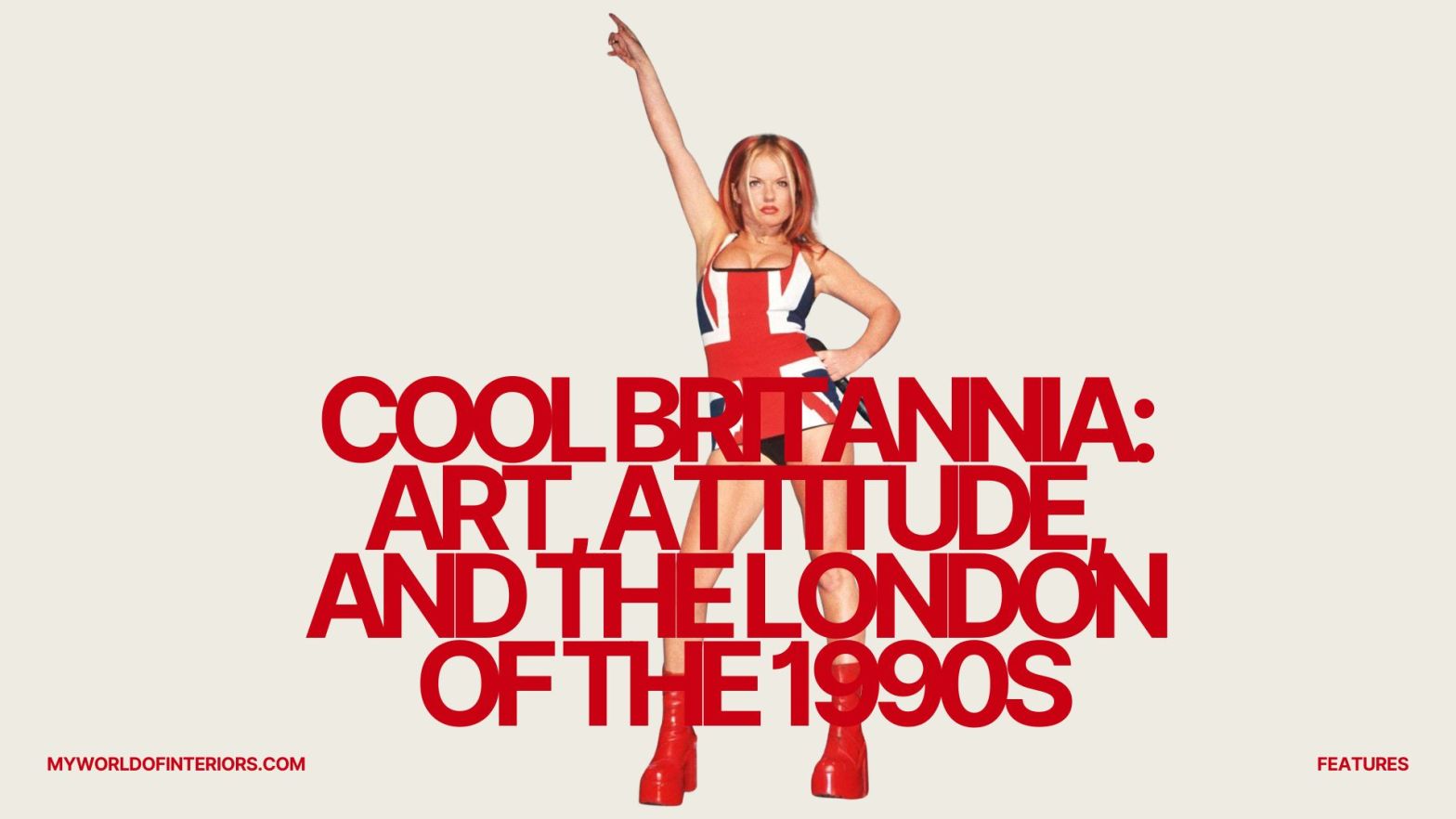
It was the summer of 1997 and Downing Street had turned into a nightclub. Tony Blair, barely weeks into his premiership, was playing host not to diplomats but to designers, artists, models, and rock stars. In the garden, Kate Moss smoked cigarettes with Noel Gallagher of Oasis. Tracey Emin and Damien Hirst, the enfant terriblesContinue reading “Cool Britannia: Art, Attitude, and the London of the 1990s”
Yves Saint Laurent: The Couturier Who Changed Fashion Forever
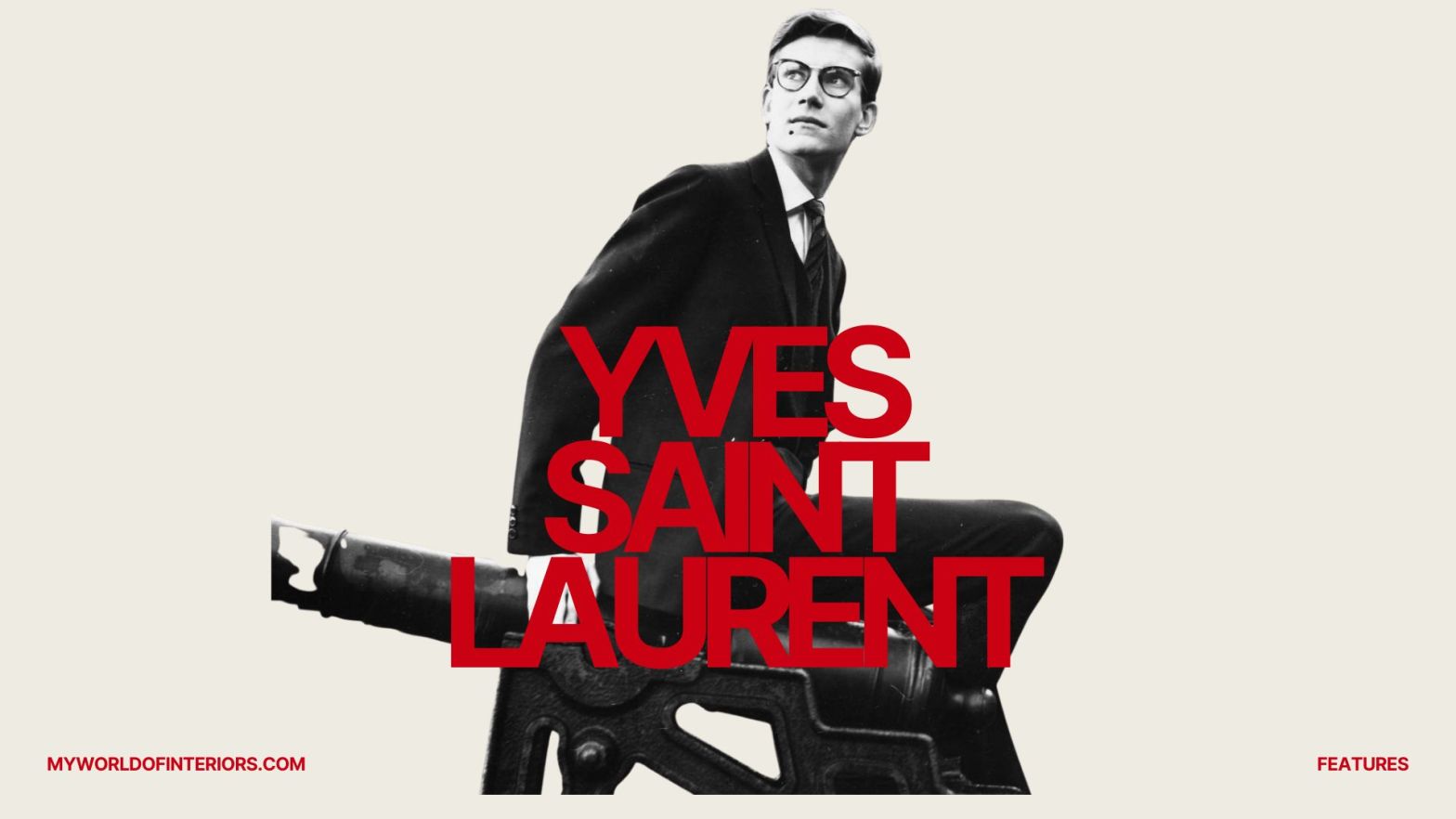
Few designers embody the idea of fashion as both art and revolution as completely as Yves Saint Laurent. For nearly half a century, he not only dressed women but reshaped the language of femininity, sexuality, and power. His designs were not merely clothes; they were statements — about liberation, about modernity, about the capacity ofContinue reading “Yves Saint Laurent: The Couturier Who Changed Fashion Forever”
Martha Gellhorn: The War Correspondent Who Refused to Be a Footnote
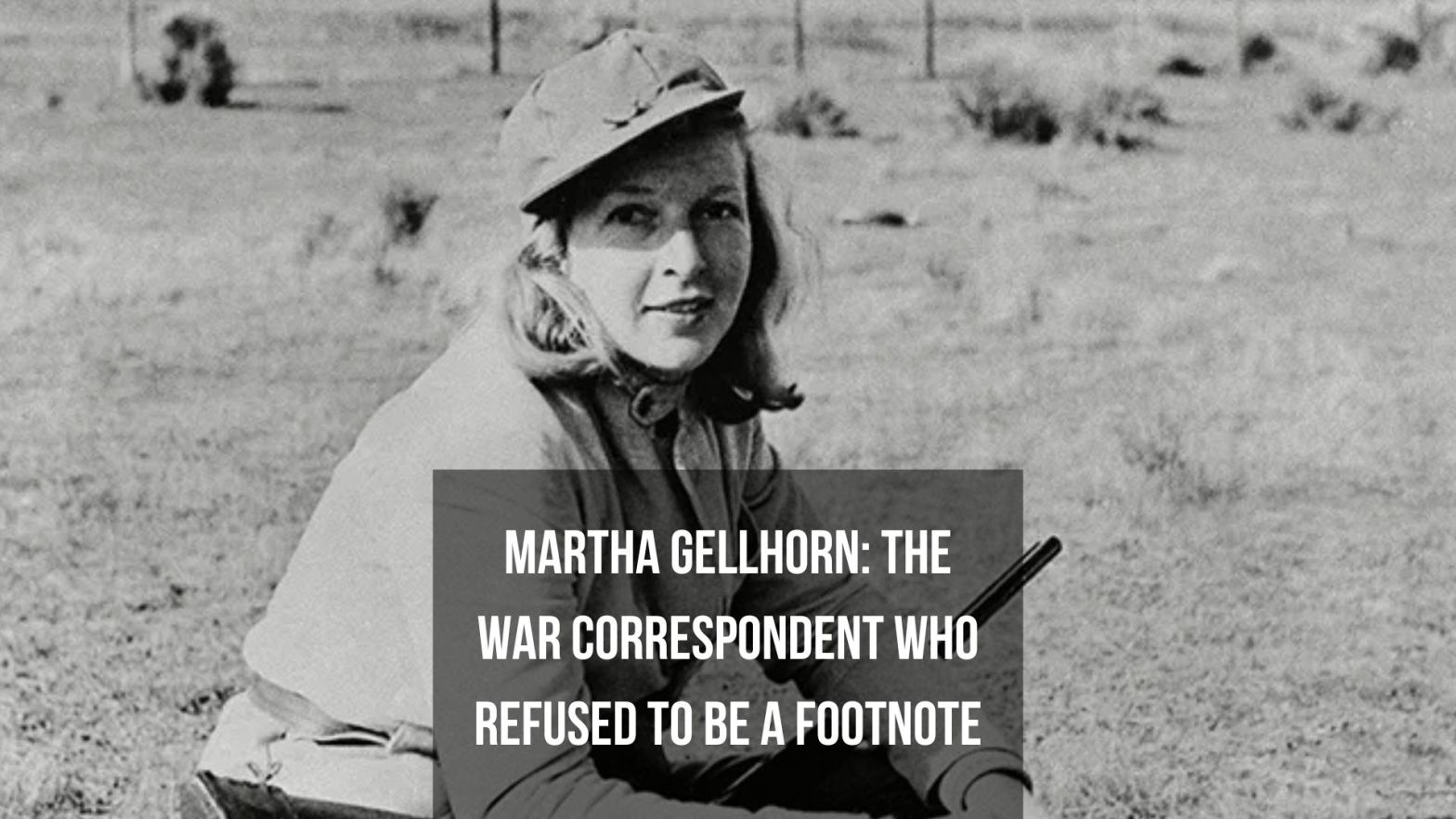
Martha Gellhorn never liked being remembered as Ernest Hemingway’s wife. She was, as she often reminded anyone who asked, “a writer before I met him, and a writer after I left him.” Indeed, over the course of nearly six decades, Gellhorn became one of the 20th century’s most formidable war correspondents—a woman who witnessed theContinue reading “Martha Gellhorn: The War Correspondent Who Refused to Be a Footnote”
Living in Silence
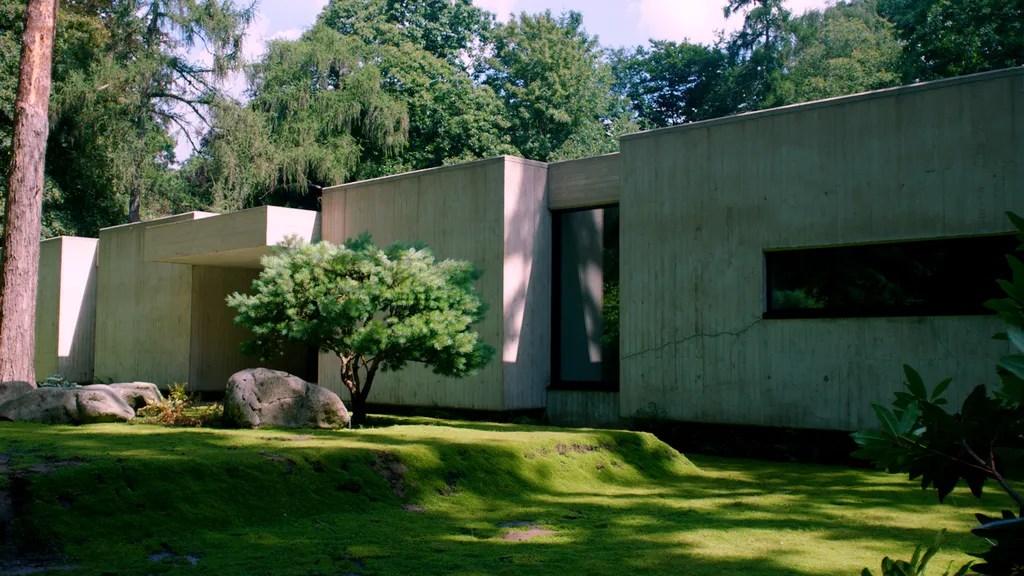
Makers & Rooms Ivan Van Mossevelde built a house of raw concrete in the Flemish countryside in 1972 for an art collector who filled it with Judd and Sol LeWitt. Decades later, a young architect spotted it through the trees during a walk, was refused entry, and spent years waiting for it to come toContinue reading “Living in Silence”
Les Lalanne: Where Surrealism Meets Design
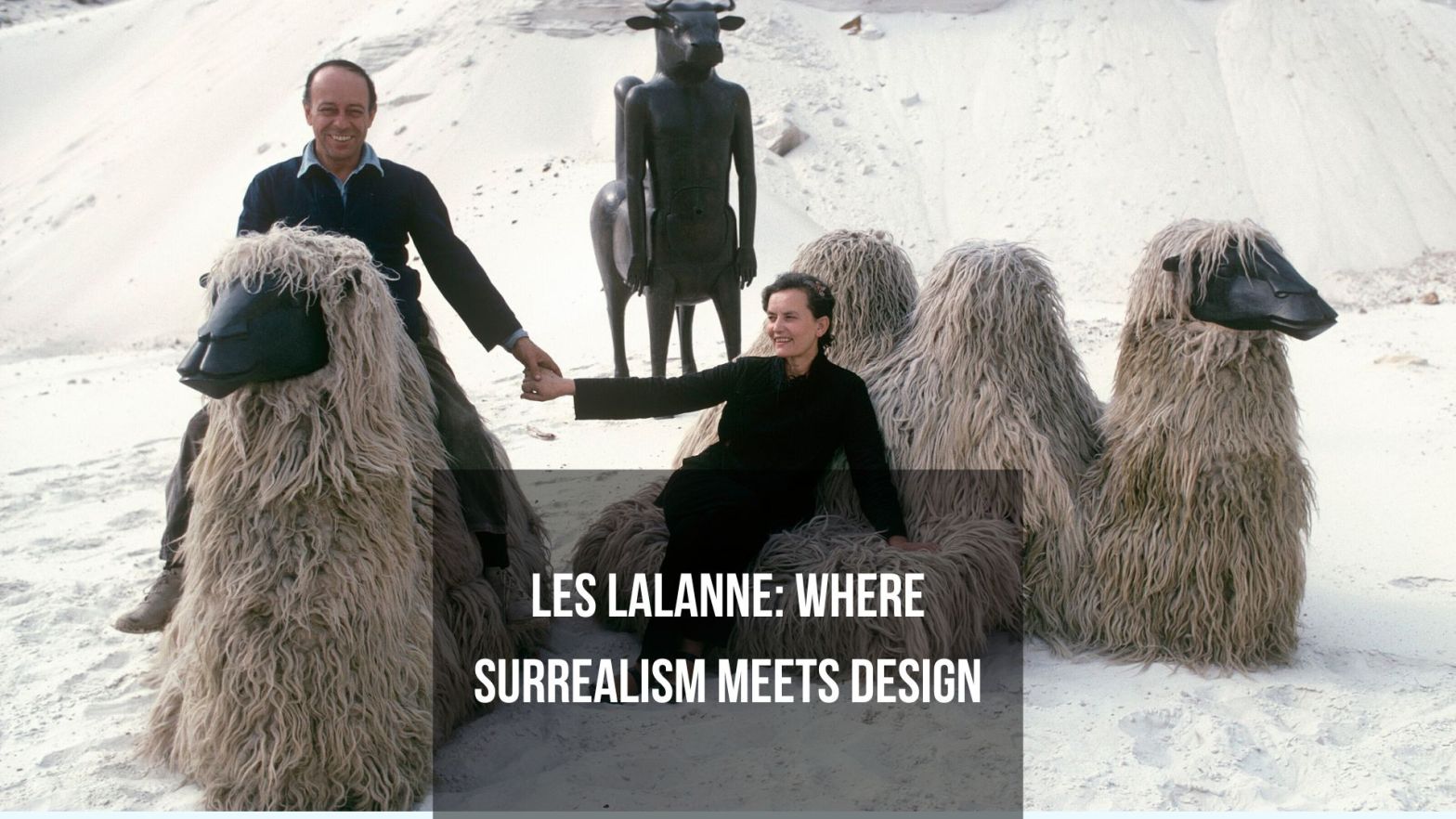
In the half-century arc of 20th-century design, few names shimmer with such eccentric magnetism as Les Lalanne. François-Xavier (1927–2008) and Claude (1924–2019) Lalanne were not just artists, not just designers—they were dreamers who translated the surreal into functional form. Their creations—sheep that double as stools, a cabbage sprouting chicken legs, gilded apples, and fantastical brassContinue reading “Les Lalanne: Where Surrealism Meets Design”
In Times of Dragons: Tori Amos and the Mythology of Now
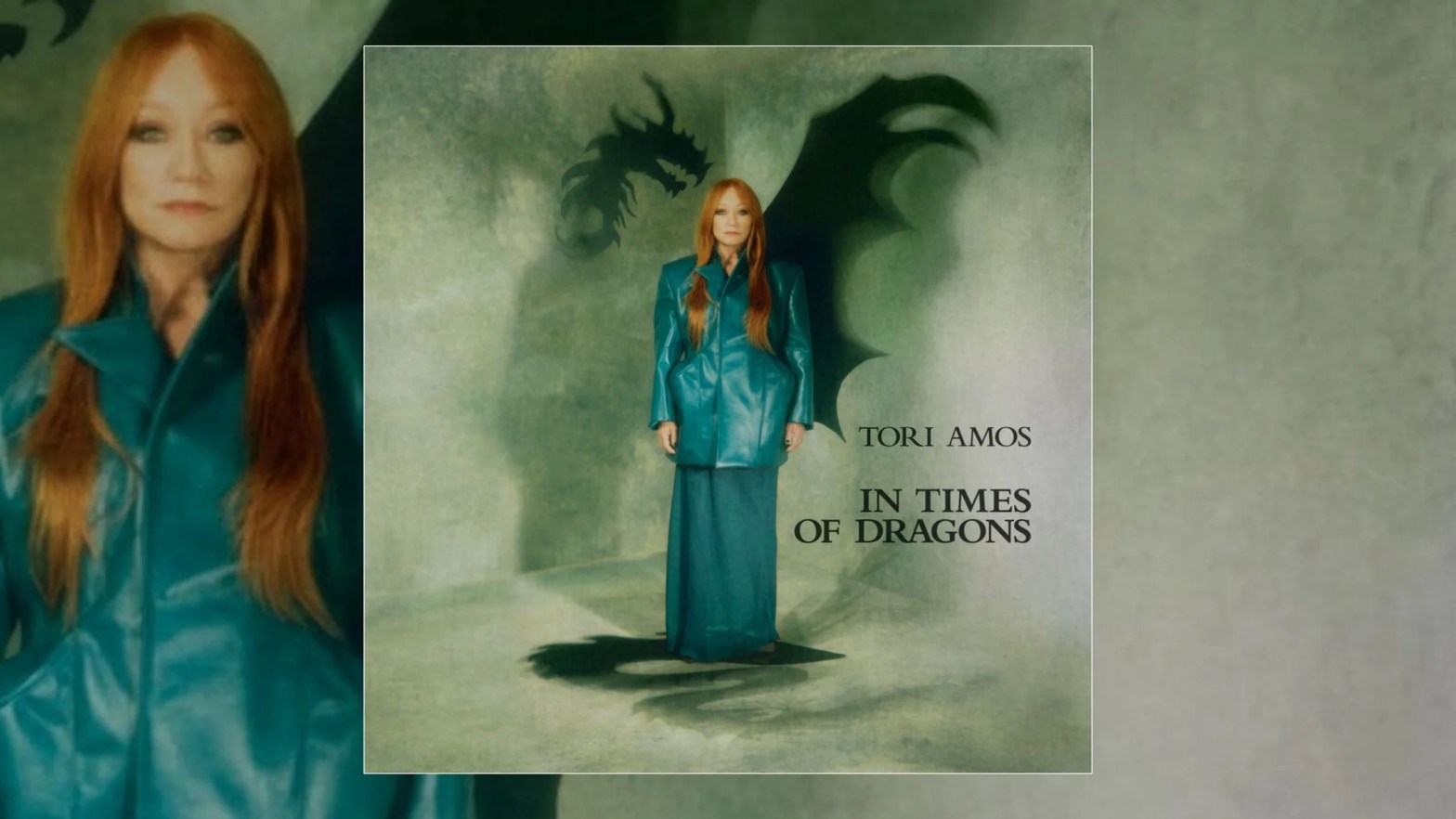
By Bergotte The opening line of Tori Amos’s eighteenth studio album is a command: “Shush yourself, down now.” It comes from the album’s antagonist — the “sadistic billionaire Lizard Demon husband” from whose penthouse the album’s protagonist is fleeing — and it is the most precisely chosen opening gambit she has made since the firstContinue reading “In Times of Dragons: Tori Amos and the Mythology of Now”
 My World of Interiors