Category: Aesthetics
-

Living in Silence
Makers & Rooms Ivan Van Mossevelde built a house of raw concrete in the Flemish countryside in 1972 for an art collector who filled it with Judd and Sol LeWitt. Decades later, a young architect spotted it through the trees during a walk, was refused entry, and spent years waiting for it to come to…
-
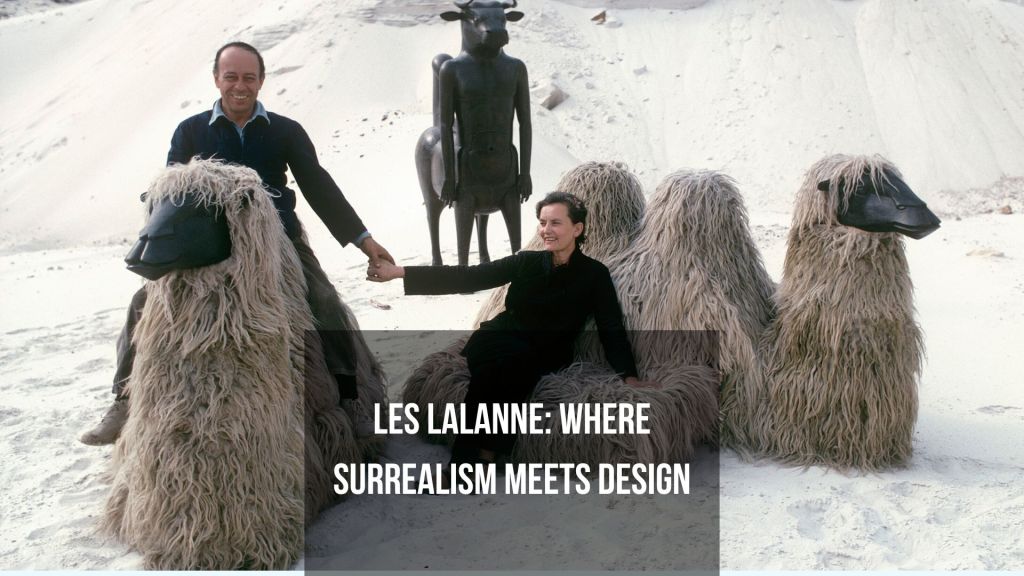
Les Lalanne: Where Surrealism Meets Design
In the half-century arc of 20th-century design, few names shimmer with such eccentric magnetism as Les Lalanne. François-Xavier (1927–2008) and Claude (1924–2019) Lalanne were not just artists, not just designers—they were dreamers who translated the surreal into functional form. Their creations—sheep that double as stools, a cabbage sprouting chicken legs, gilded apples, and fantastical brass…
-
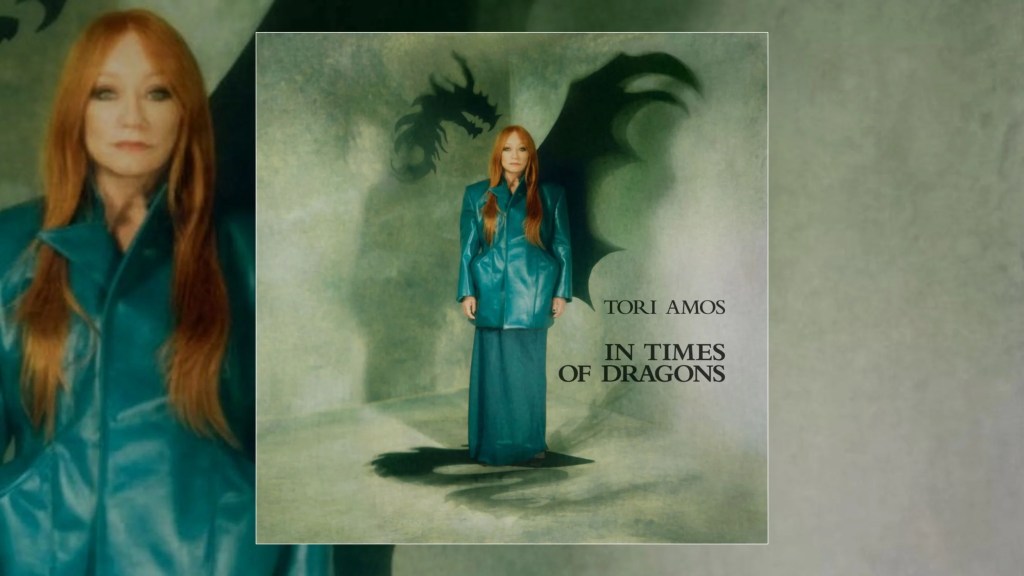
In Times of Dragons: Tori Amos and the Mythology of Now
By Bergotte The opening line of Tori Amos’s eighteenth studio album is a command: “Shush yourself, down now.” It comes from the album’s antagonist — the “sadistic billionaire Lizard Demon husband” from whose penthouse the album’s protagonist is fleeing — and it is the most precisely chosen opening gambit she has made since the first…
-

Ella Fitzgerald: The Architecture of Song
To speak of Ella Fitzgerald is to speak of precision, clarity, and grace so absolute that they verge on the metaphysical. Born in Newport News, Virginia, in 1917 and raised in Yonkers, Fitzgerald emerged from poverty and the turbulence of her early life to become one of the most celebrated voices of the twentieth century.…
-
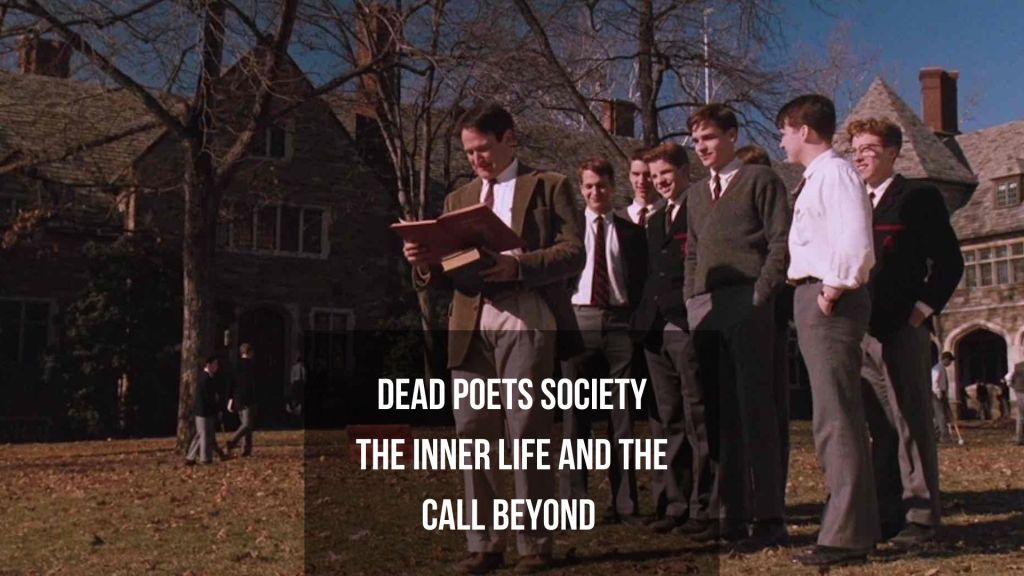
Dead Poets Society: The Inner Life and the Call Beyond
I remember first watching Dead Poets Society in fifth form. As a child with a rich inner life and a yearning for life beyond the school gates, and to meet people outside of village life who were worldly and exciting, this film hit me right where it changes things. For teenagers with such inward intensity,…
-
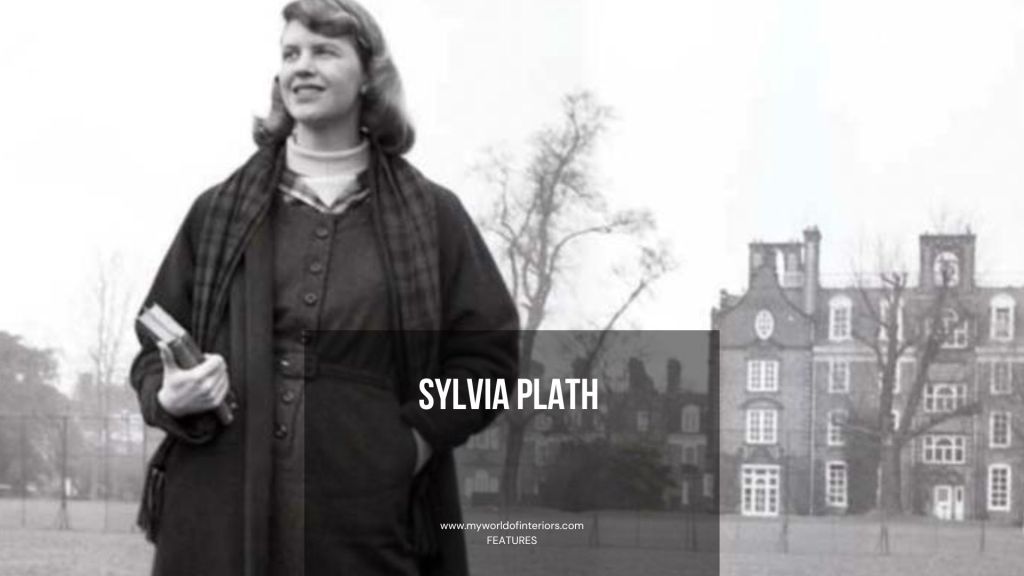
Sylvia Plath: The Mirror and the Flame
Sylvia Plath occupies a singular place in modern literature: a poet whose voice is at once crystalline and combustible, whose life and death have become inseparable from her art, and whose influence continues to radiate across generations. To speak of Plath is to confront both her genius and her mythology. She is remembered as a…
-
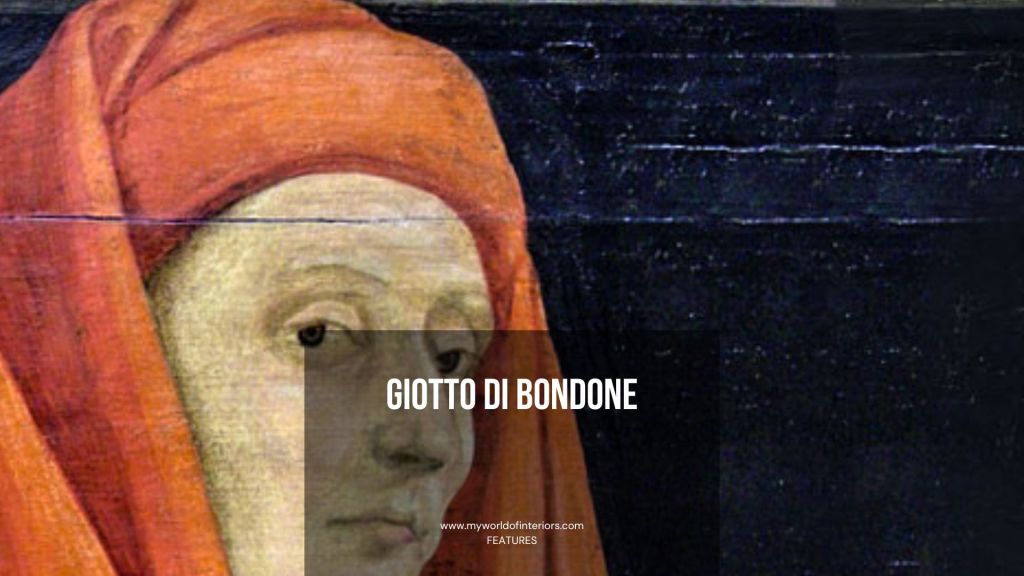
Giotto: The Painter Who Opened the Window of the Renaissance
When Giorgio Vasari published his Lives of the Artists in 1550, he began the history of Renaissance painting not with Leonardo or Michelangelo, but with Giotto di Bondone. For Vasari, Giotto was the one who “translated painting from Greek to Latin” — that is, who moved art from the flat hieratic conventions of medieval iconography…
-
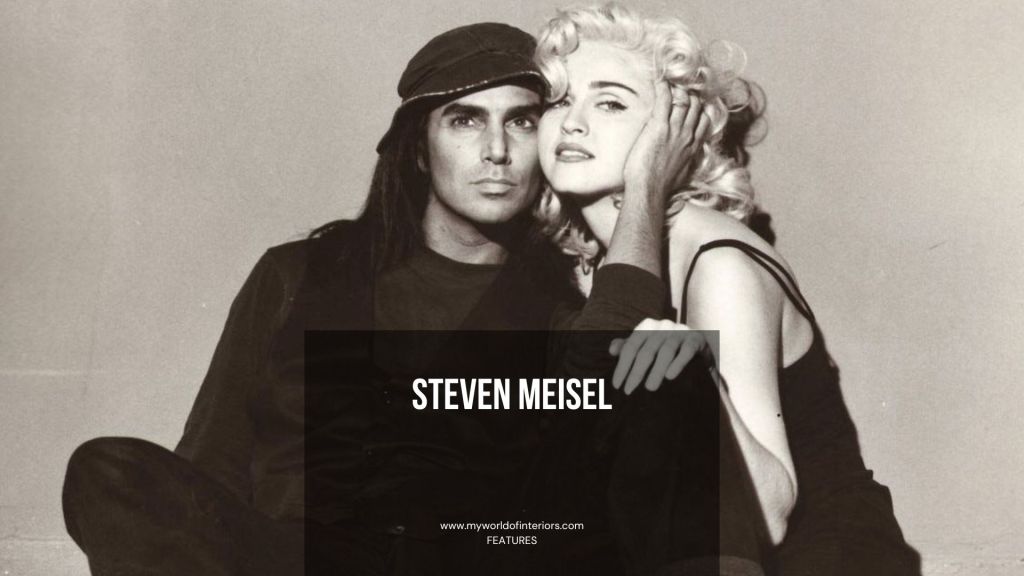
Steven Meisel: The Eye of Fashion’s Modern Age
In fashion, there are names that decorate the mastheads and those that define eras. Steven Meisel belongs firmly to the latter category. For more than four decades, his lens has not only chronicled fashion but authored its mythology. His images—precise, provocative, and relentlessly transformative—have made him both a magician of surfaces and an architect of…
-
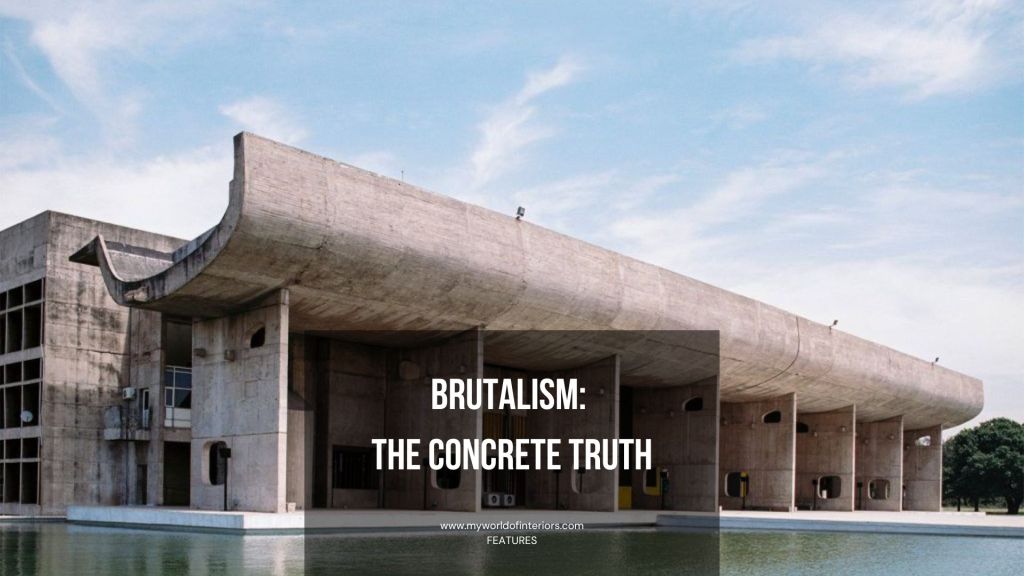
Brutalism: The Concrete Truth
Born in the mid-twentieth century, Brutalism’s structures rose in raw concrete, monumental and uncompromising, shaped by ideals as much as by materials. To its defenders, Brutalism represented honesty — a moral and aesthetic rejection of ornament in favor of truth-to-material. To its critics, it was a dystopian imposition of weight and severity. Few architectural styles…
-
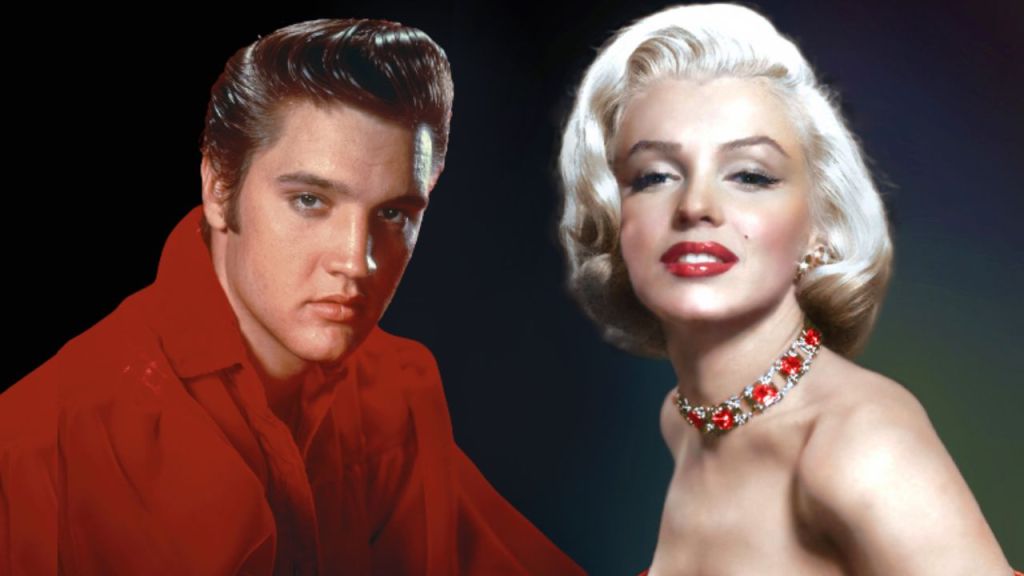
Elvis and Marilyn: The Alchemy of Superstardom
In the mythology of the twentieth century, two figures stand as the defining icons of modern celebrity: Elvis Presley and Marilyn Monroe. They are not simply stars, nor even merely “legends.” They became something more elusive and enduring: cultural deities, objects of near-religious devotion whose fame transcends their work, their lives, and even their deaths.…

