Category: Aesthetics
-
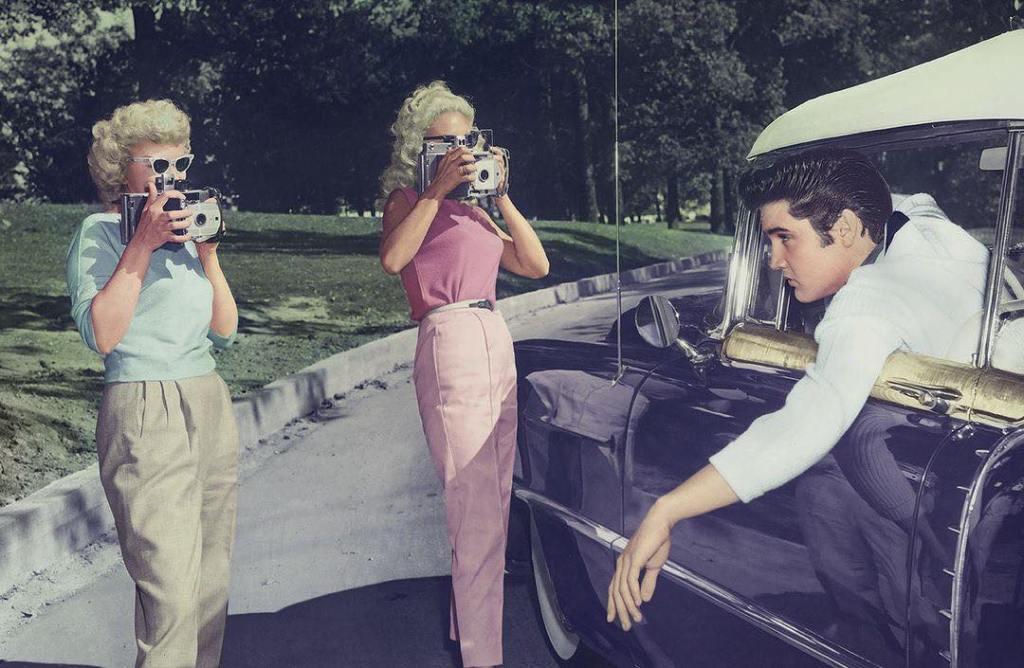
Elvis Presley and His Cadillacs: Chrome, Dreams, and the King of the Open Road
Elvis Presley’s rise from Tupelo poverty to international superstardom is a story often told in gold records and rhinestone jumpsuits. But just as iconic as his taste in tat were the cars he drove—most famously, the Cadillacs that came to symbolize his success, generosity, and flair for style. In the 1950s and 1960s, Cadillac was…
-
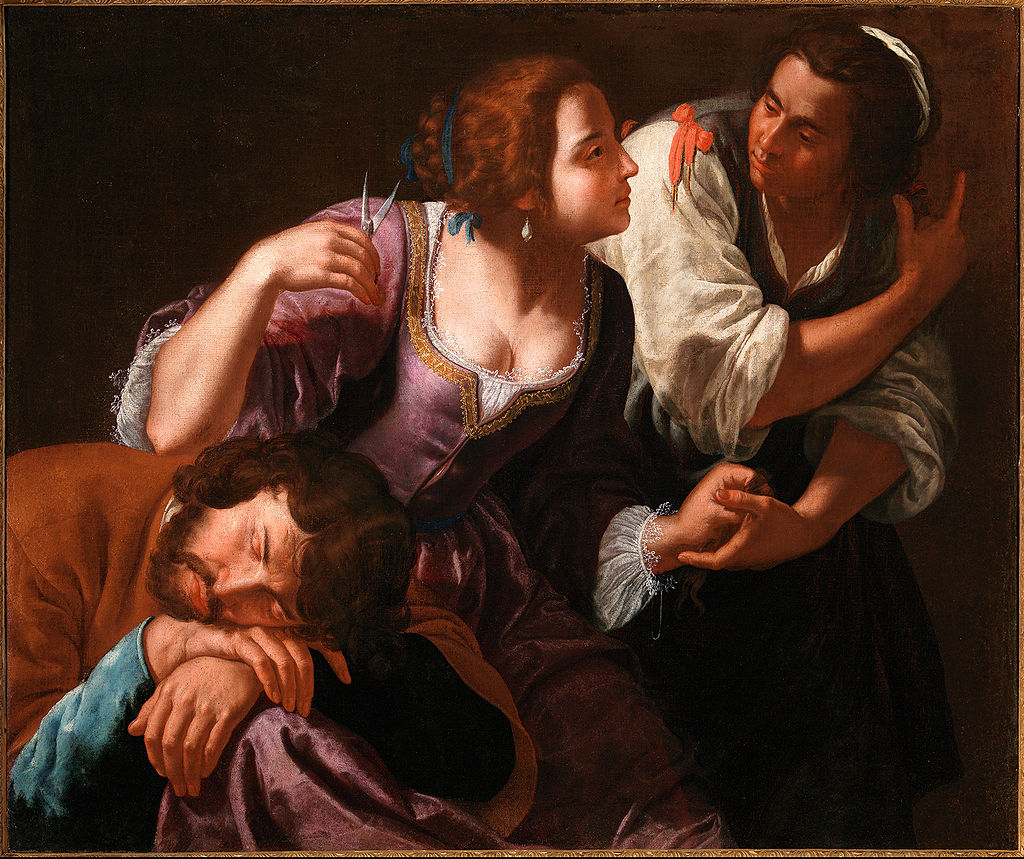
Artemisia Gentileschi: Triumph of a Baroque Woman
In the pantheon of Baroque art, Artemisia Gentileschi (1593–c.1656) stands apart. She was the first woman to gain admission to Florence’s Accademia delle Arti del Disegno, a painter whose canvases rivaled—and often surpassed—those of her male contemporaries in power, drama, and psychological depth. Like Caravaggio, whose chiaroscuro she adapted and expanded, Gentileschi brought biblical and…
-
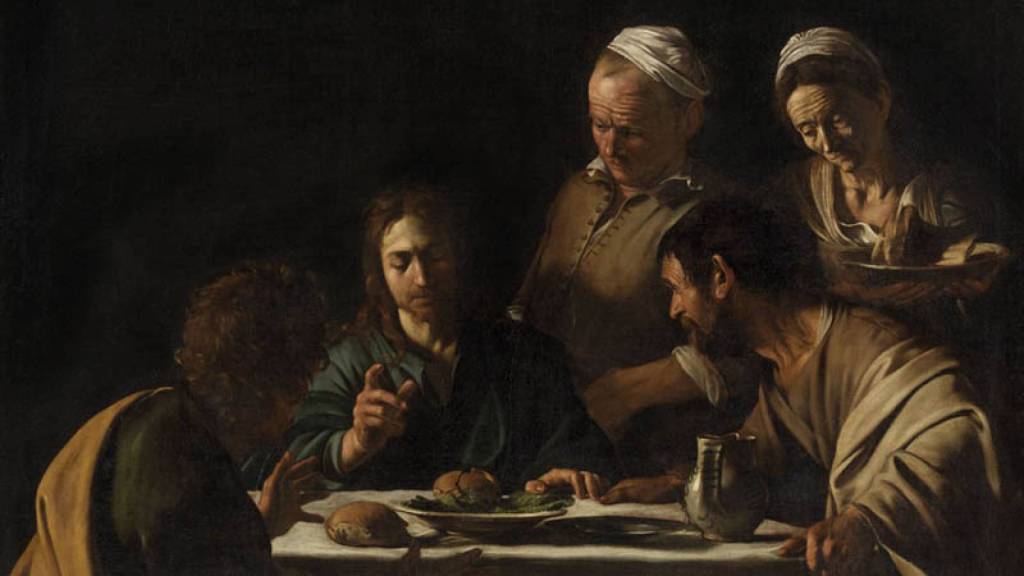
Caravaggio: Darkness, Light, and the Drama of a Life in Paint
Michelangelo Merisi da Caravaggio (1571–1610) remains one of the most controversial and influential figures in the history of art. His canvases, charged with violence and ecstasy, brought biblical stories down from heaven and into the grit of everyday life. He painted saints with dirty feet, virgins with weary faces, apostles with the weathered skin of…
-
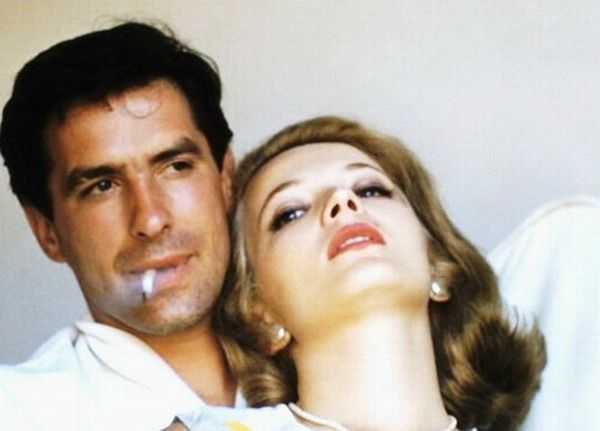
Gena Rowlands and John Cassavetes: A Marriage in Film, A Legacy in Art
The history of American independent cinema cannot be told without the names Gena Rowlands and John Cassavetes. Together, they created a body of work that redefined what film could do: raw, intimate, psychologically fearless. Their partnership—artistic and marital—was marked by intensity and experimentation, yielding films that exposed the fragile seams of love, madness, and everyday…
-
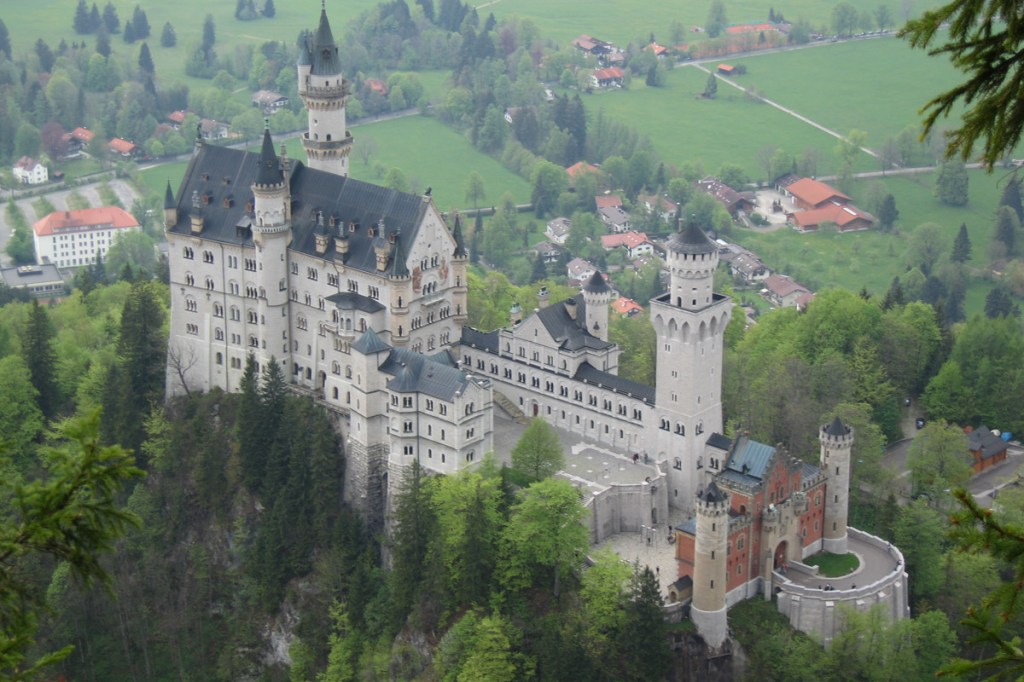
King Ludwig II and Neuschwanstein: The Dreamer King and His Fairy-Tale Fortress
King Ludwig II of Bavaria, often called the “Mad King,” remains one of Europe’s most enigmatic rulers. His legacy is not in conquests or laws but in architecture, above all in the soaring towers and mist-wreathed turrets of Neuschwanstein Castle — the embodiment of his inner world, a monument to imagination over politics. The Swan…
-
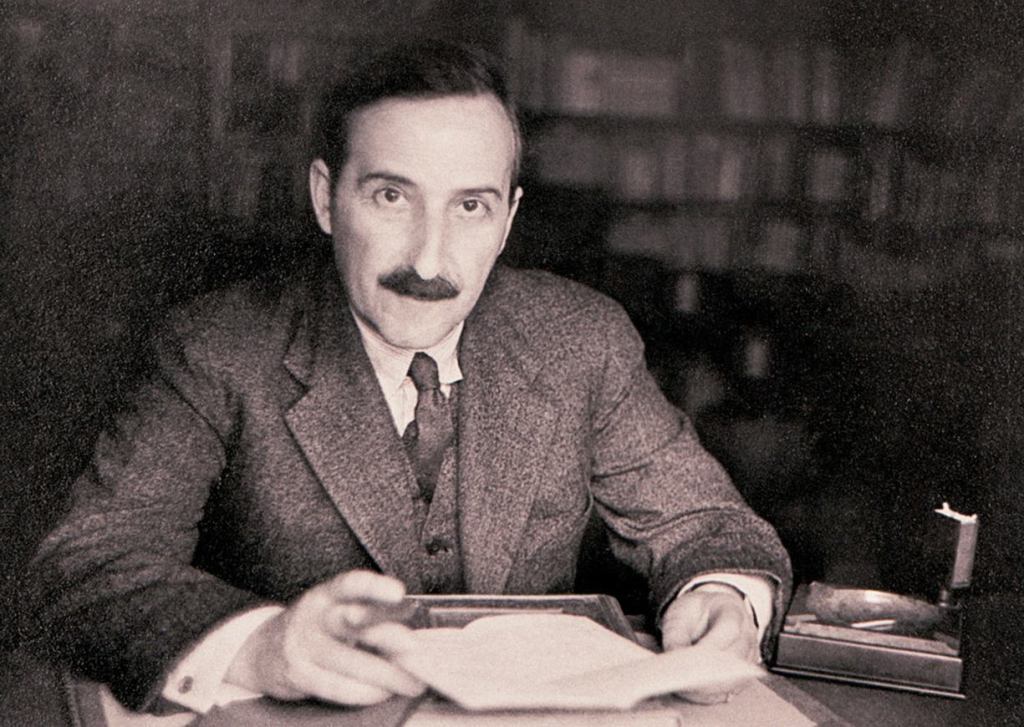
Stefan Zweig: The Last Cosmopolitan
Stefan Zweig remains one of the most haunting figures of twentieth-century literature. A chronicler of human passions, a biographer of geniuses, a novelist of psychological insight, and ultimately an exile undone by history, his life reads like a parable of modernity itself: brilliance shadowed by catastrophe. Vienna and the Belle Époque Born in Vienna in…
-

To See Someone Truly: On Great Are the Myths
There is a moment near the beginning of this novel that contains, in miniature, everything the novel will spend three hundred pages unfolding. The boy has come to visit Birdie’s house for the first time. He is thirteen, working-class, new to Memphis, not entirely sure why he has been invited. The house is enormous —…
-
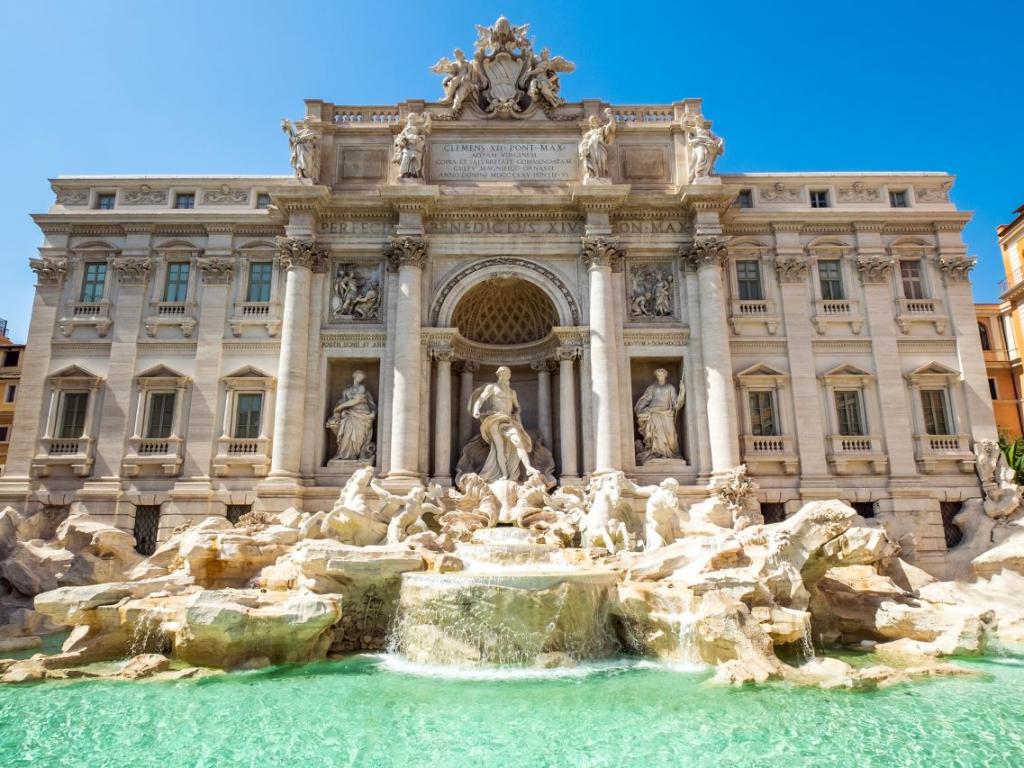
A History of Fountains: Water, Power, and the Poetry of Flow
The fountain is one of humanity’s oldest and most enduring symbols. At once practical and ornamental, it embodies civilization’s relationship to water: necessity elevated to art, engineering transfigured into spectacle. From Mesopotamian basins to Renaissance piazzas, Baroque cascades to modernist installations, the history of fountains is as much a history of power, religion, and aesthetics…
-
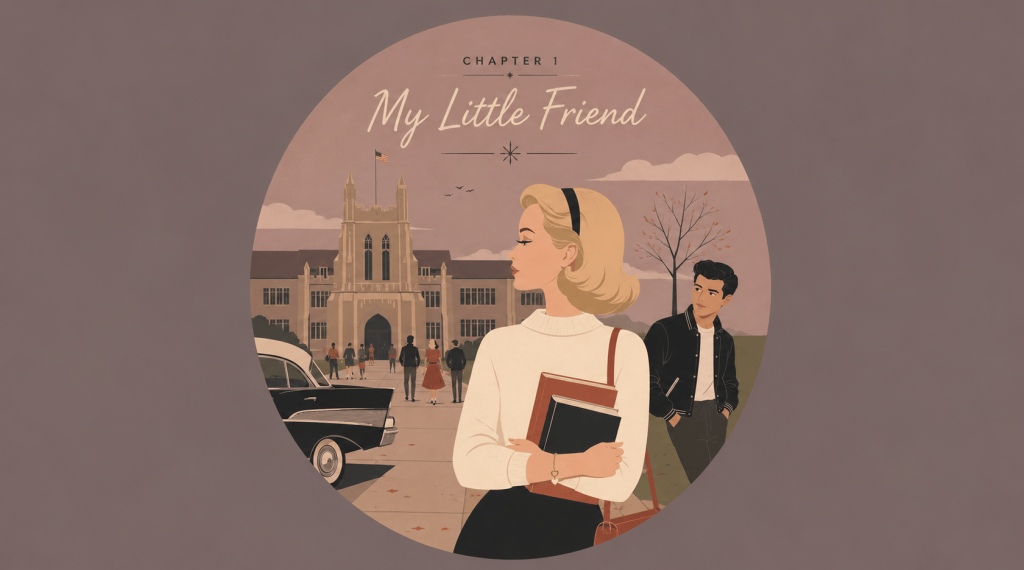
The Second Novel: On the Chapter Titles of Great Are the Myths
Great Are the Myths has sixty-six chapters. It also has a prologue, a section heading, a commencement, a coda, and an author’s note. But before any of that — before the first sentence, before Birdie’s voice begins — there is a title. And then another. And then sixty-four more. Read in sequence, the chapter titles…
-
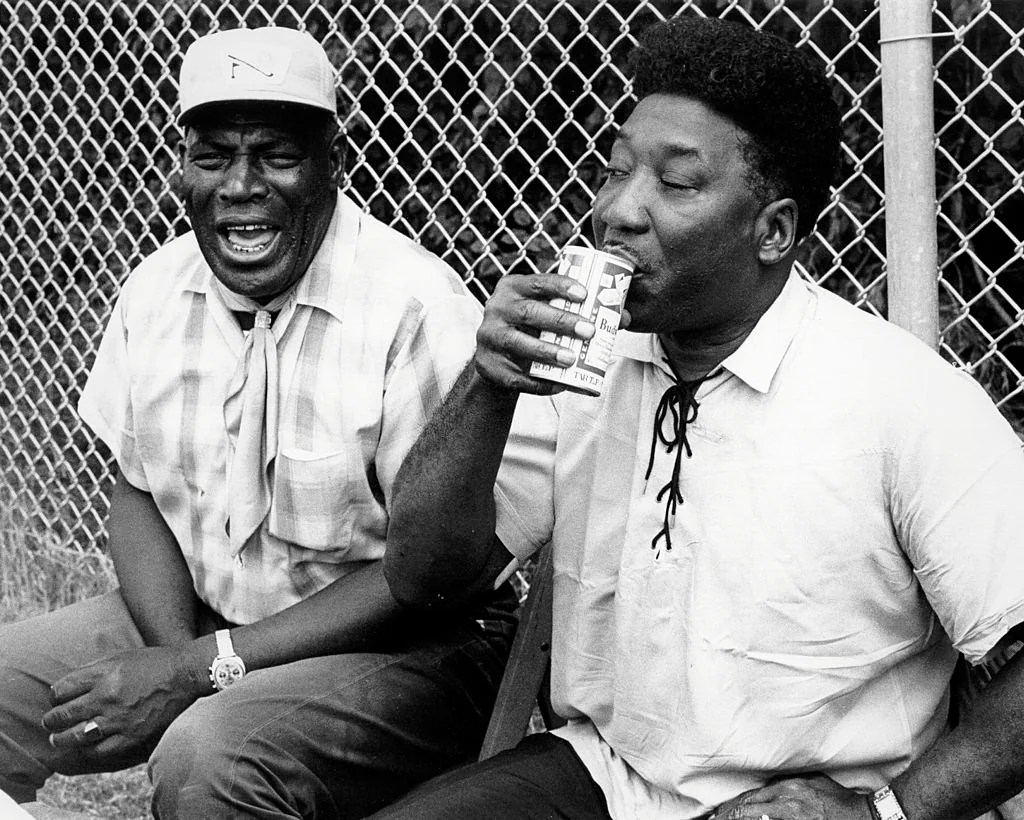
Muddy Waters and Howlin’ Wolf: Titans of the Chicago Blues
In the story of the blues, few names resonate as profoundly as Muddy Waters and Howlin’ Wolf. Each stood as a colossus of the postwar Chicago sound, electrifying the traditions of the Mississippi Delta and shaping what would become the bedrock of modern rock and roll. Together, they embodied a paradox: rivals as much as…

