Category: Literature
-
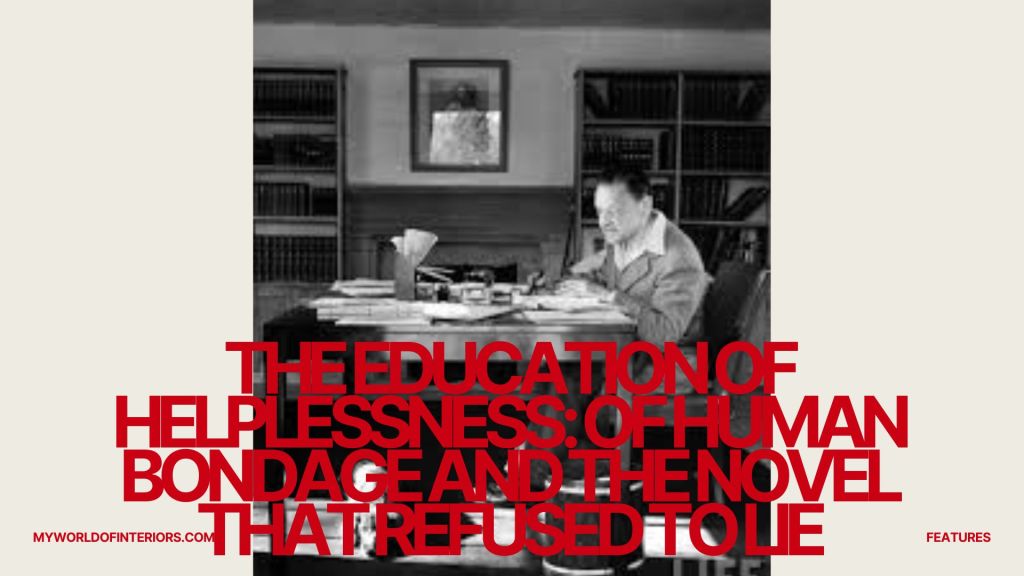
The Education of Helplessness: Of Human Bondage and the Novel That Refused to Lie
Somerset Maugham called it the book that saved his life. He also said it was the worst kind of novel — an autobiographical one. He was right on both counts, which is precisely why it endures. By Bergotte There is a type of novel that functions less like a work of art than like a…
-
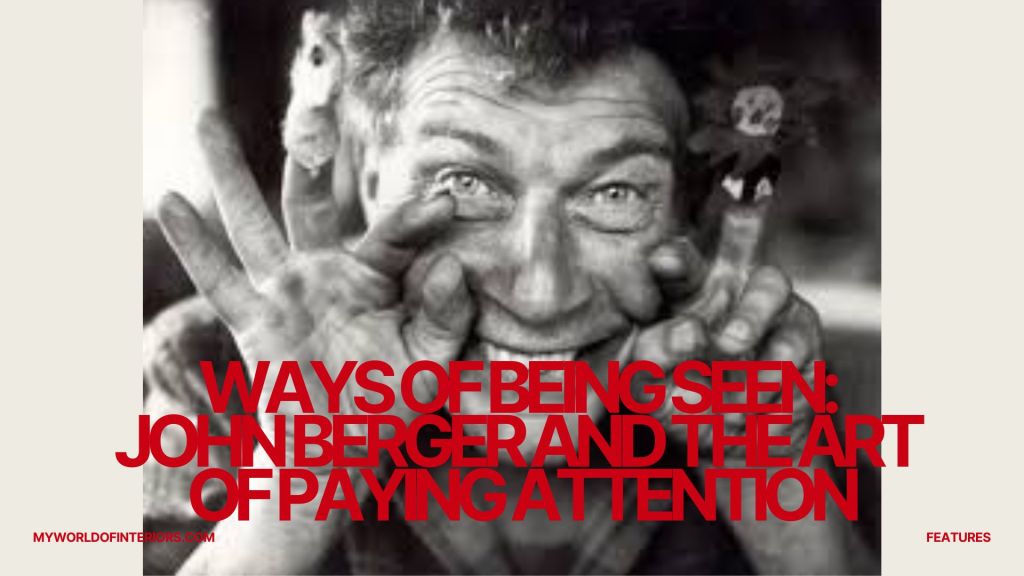
Ways of Being Seen: John Berger and the Art of Paying Attention
Eight years after his death, the critic, novelist, and storyteller who changed how we look at art remains the most generous — and the most radical — writer England ever produced. By Bergotte There is a moment in the first episode of Ways of Seeing — the 1972 BBC television series that made John Berger,…
-
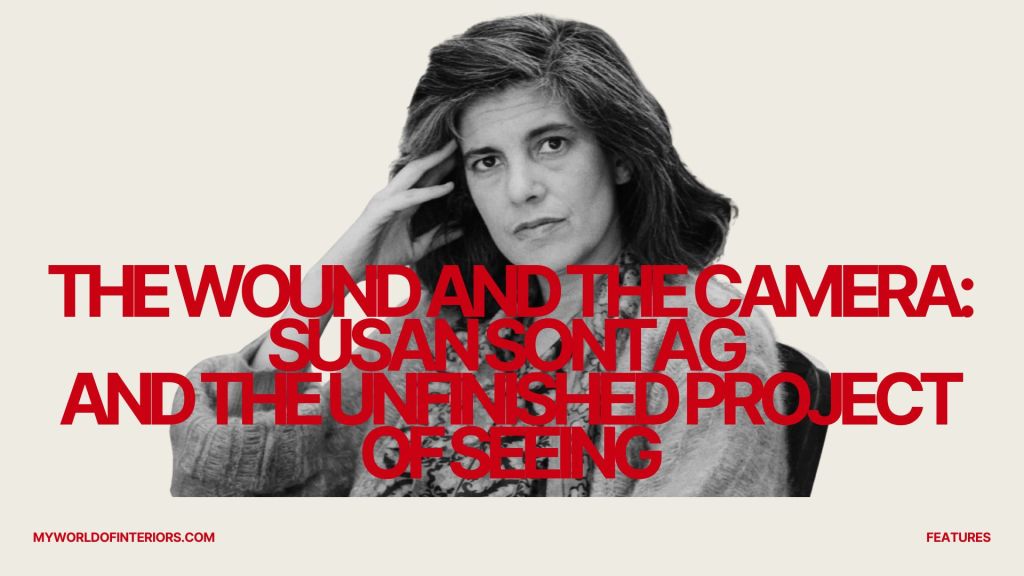
The Wound and the Camera: Susan Sontag and the Unfinished Project of Seeing
Twenty years after her death, the great critic’s ideas about images, suffering, and the moral life feel less like history than like prophecy. By Bergotte There is a photograph that Susan Sontag never saw — or rather, she could not have seen it in the form we now encounter it, scrolling past it on a…
-
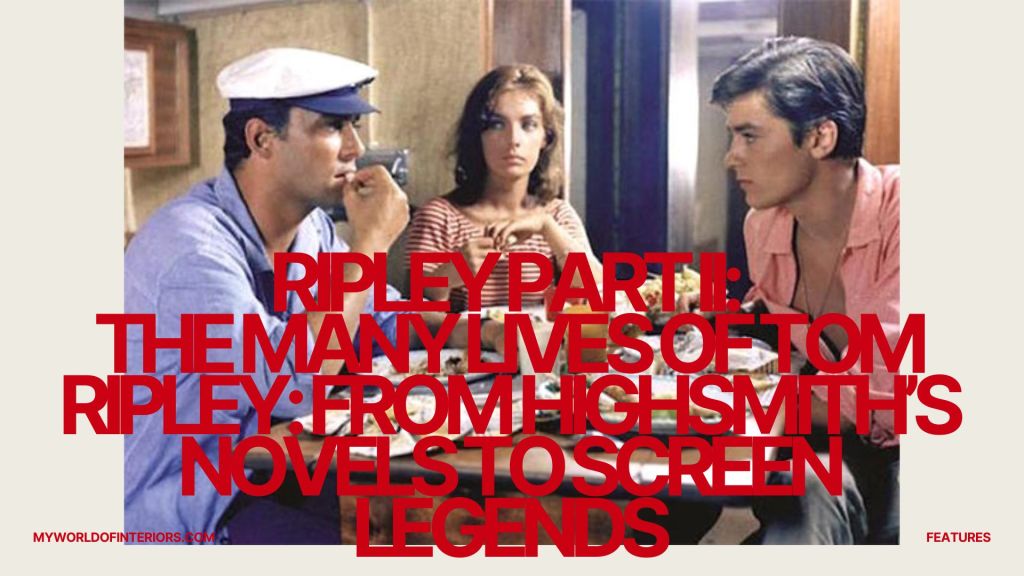
Ripley Part II: The Many Lives of Tom Ripley: From Highsmith’s Novels to Screen Legends
When Patricia Highsmith published The Talented Mr. Ripley in 1955, she created a new kind of antihero: elegant, amoral, adaptable, and disturbingly successful. Tom Ripley not only survives but thrives, slipping into identities, murdering when necessary, and always convincing us — against our better judgment — to follow him. Over five novels (collectively known as…
-

Ripley Part I: The Two Talented Mr. Ripleys: Page, Screen, and the Art of Ambiguity
Patricia Highsmith’s The Talented Mr. Ripley is one of the most enduring crime novels of the twentieth century. Published in 1955, it introduced Tom Ripley, a young conman who insinuates himself into the lives of the wealthy and, through a combination of charm and violence, takes their place. The book was a revelation: not a…
-
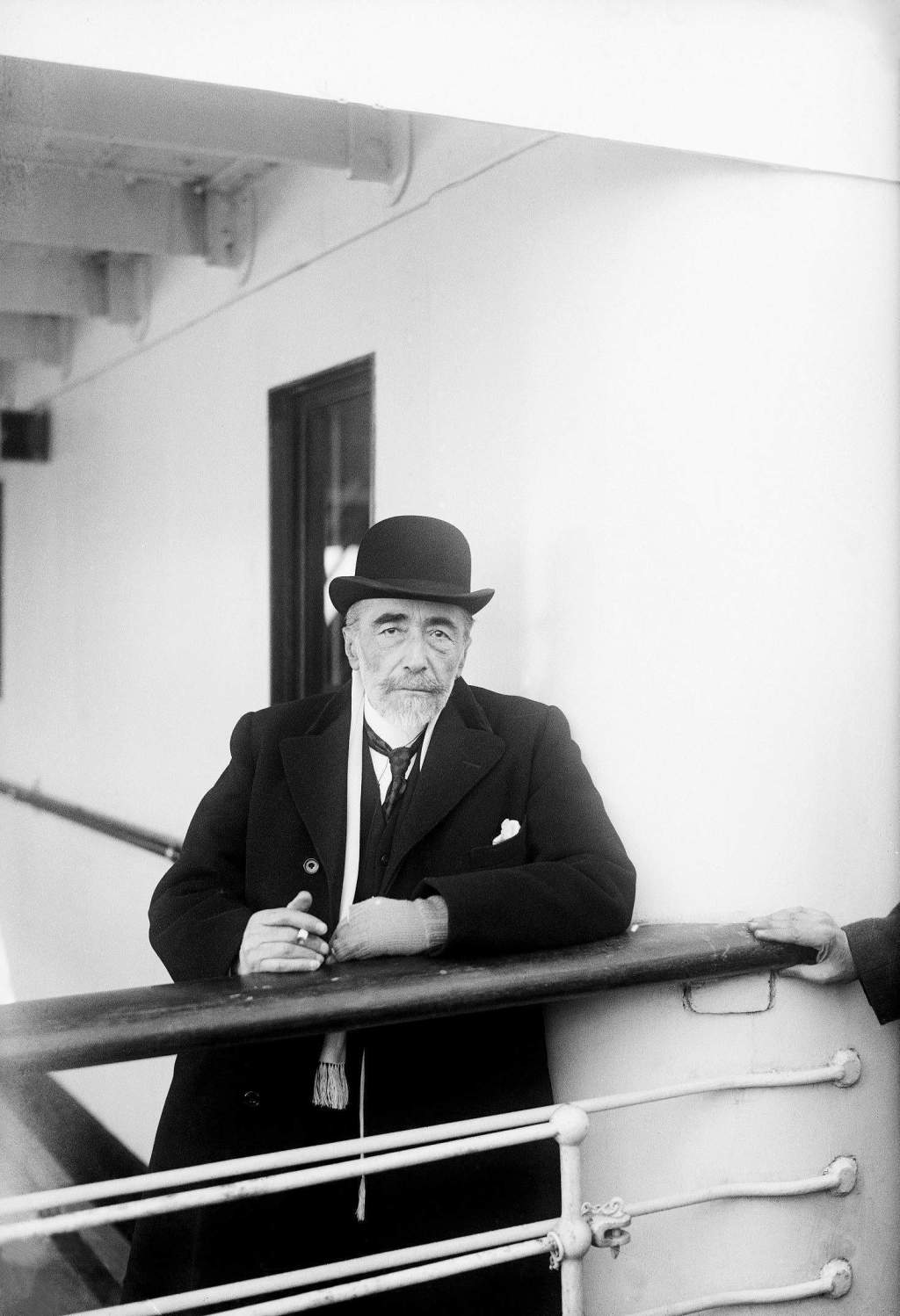
The Human Condition According to Joseph Conrad
By Bergotte Joseph Conrad wrote about the darkness at the centre of things — not as a metaphor, not as a philosophical proposition to be argued and defended, but as a lived reality that his own extraordinary life had given him direct and repeated access to. He was a Polish nobleman who became a British…
-
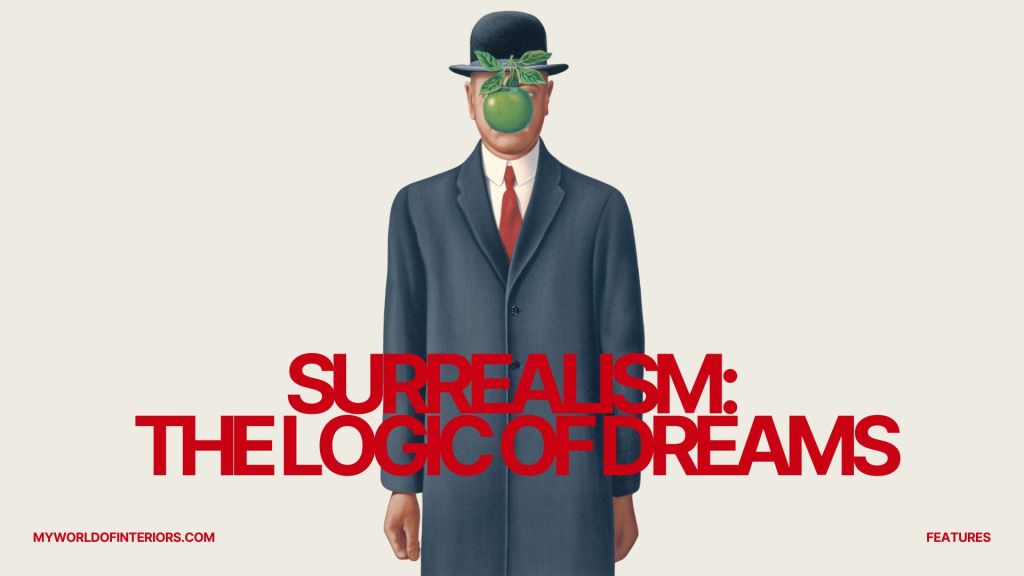
Surrealism: The Logic of Dreams
Few movements in 20th-century art captured the imagination as forcefully, or as lastingly, as Surrealism. Emerging in the 1920s from the embers of Dada and the disillusionment of World War I, Surrealism sought not only to revolutionize art but to liberate human consciousness itself. It was not a style, but an attitude — a way…
-

Life Magazine: America in Pictures
For much of the twentieth century, Life magazine was not just a publication — it was a window through which Americans saw the world, and the world saw America. From 1936, when publisher Henry Luce reimagined the title as a weekly news magazine told primarily through photographs, until its decline as a mass-market force in…
-
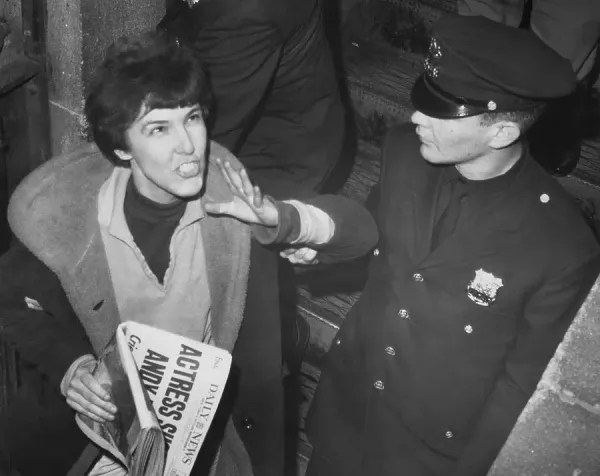
The Human Condition According to Valerie Solanas
By Bergotte Valerie Solanas is the writer this series was not supposed to include. She is not canonical. She is not comfortable. She wrote one major text, the SCUM Manifesto, which calls for the elimination of men, and she shot Andy Warhol in 1968, and she died alone in a welfare hotel in San Francisco…
-

William Faulkner: Memory, Myth, and the Architecture of the American South
William Faulkner remains one of the most challenging and rewarding figures in American literature. Born in New Albany, Mississippi, in 1897, he spent nearly his entire life in the South, fashioning from it a fictional universe — Yoknapatawpha County — that became one of the great imaginative geographies of world literature. Like Joyce with Dublin…
