Category: Essay
-

Jonathan Anderson: The Intelligent Disruptor
How a boy from Northern Ireland transformed Loewe, dismantled the boundaries between fashion and culture, and arrived at Dior with more creative power than any designer since Christian Dior himself By Bergotte Fashion periodically decides that one designer matters more than everybody else. The reasons are never entirely aesthetic. A designer becomes important because he…
-
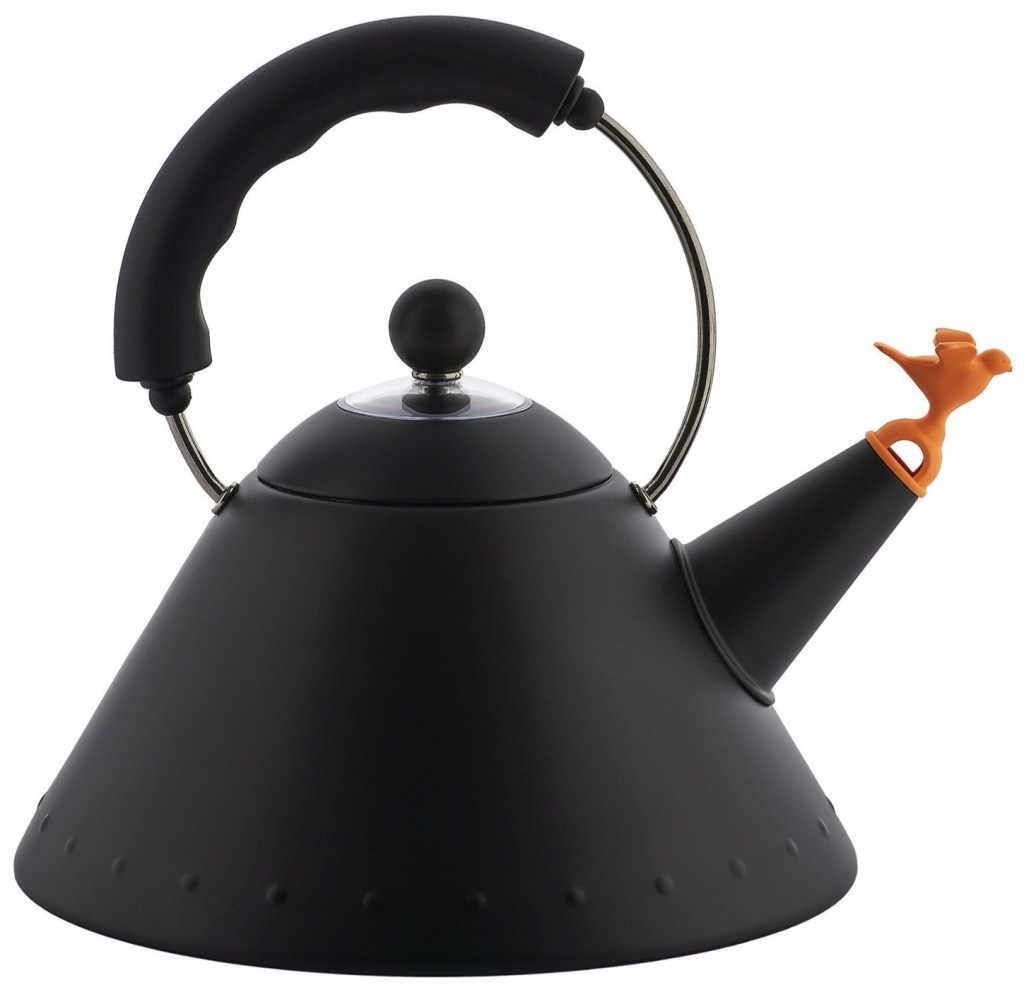
Alessi
Makers & Rooms — Essay VI The Dream Factory on the Lake For a century, the Alessi family has been making things for the kitchen and the table. Alberto Alessi turned that inheritance into something stranger and more ambitious: a theory of what objects are for, a laboratory for the most original design minds of…
-
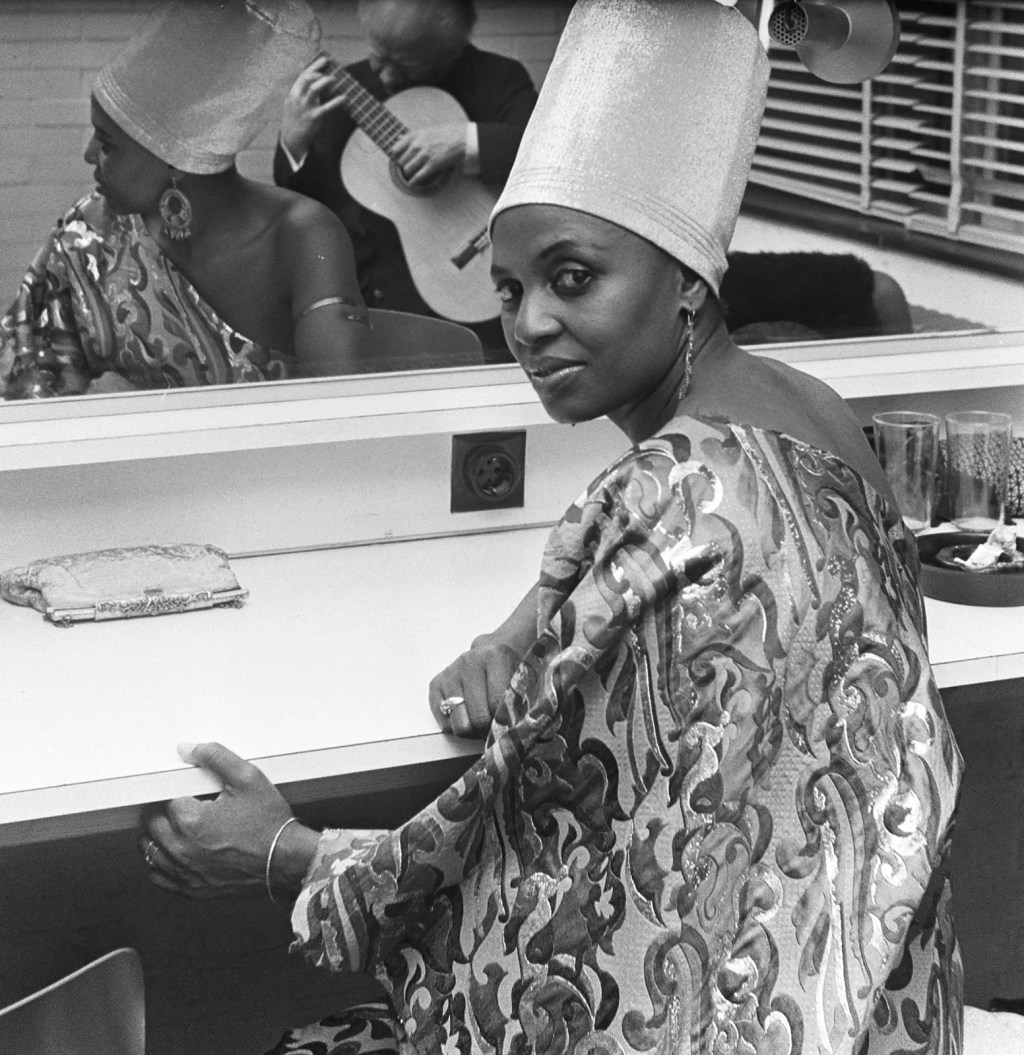
What’s So Special About Miriam Makeba
By Bergotte Miriam Makeba was exiled from her country for thirty-one years. She was stripped of her passport, banned from attending her mother’s funeral, and prevented from returning home to South Africa by a government that understood, correctly, that her voice was more dangerous to apartheid than most weapons available to the opposition. She responded…
-

The Post-Compliance Generation
I think about this a lot… by Bergotte What Gen Z Gets Right There is an ungenerous and emotionally immature kind of pleasure available to every ageing generation: the discovery that the young are doing everything incorrectly. Their clothes are wrong, their language is absurd, their music is noise, their manners have deteriorated and their…
-

Why Gen Z Looks So Badly Dressed to Gen X
Taste, Technology and What Happened to the Individual Eye I think About This A Lot… by Birgitte Hahn-Etc There comes a point in middle age when one catches oneself looking at a group of twenty-somethings and thinking something one had promised never to think: Why are they all dressed like that? This is treacherous territory.…
-
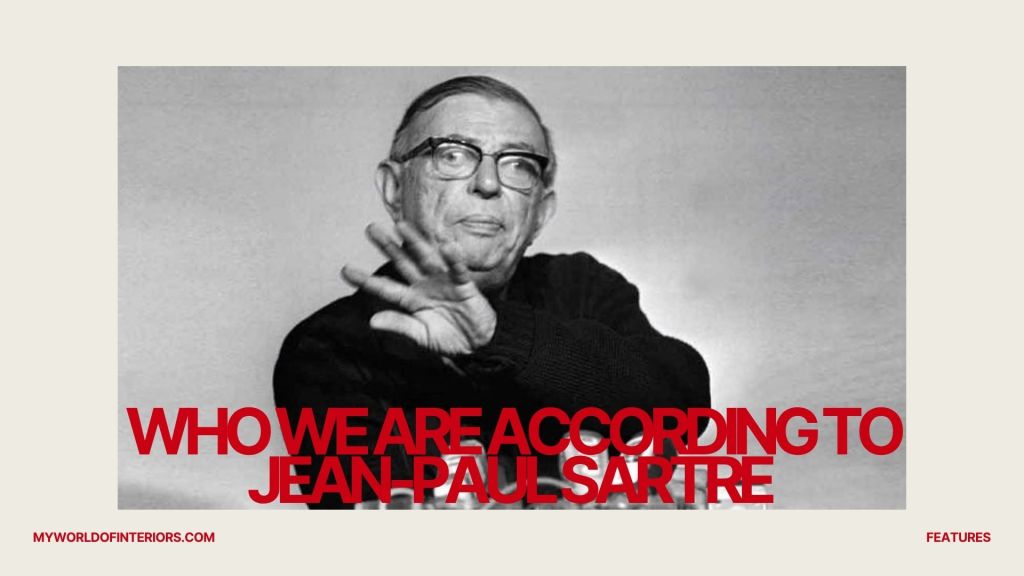
Condemned to Be Free: Who We Are According to Jean-Paul Sartre
Every philosopher in this series has made demands. Kierkegaard demanded genuine decision. Beauvoir demanded resistance to structural power. Nietzsche demanded value-creation in the void. Heidegger demanded ownership of one’s own being. Sartre takes all of these demands, strips away every remaining support, and arrives at the most terrifying and the most liberating position in the…
-
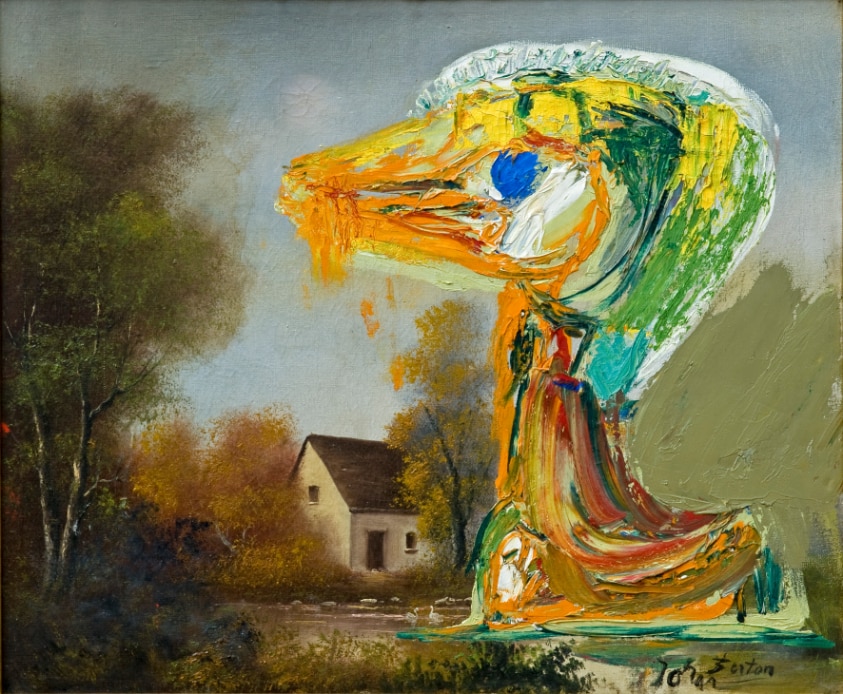
Asger Jorn
Encounters · No. 7 The Vandal with a Vision Asger Jorn bought other people’s paintings at flea markets and painted over them. He helped invent two of the twentieth century’s most radical movements and then walked away from both. He believed that art was not a product but a way of being alive. He was…
-
The Reel Argument: Rainer Werner Fassbinder
By Bergotte Rainer Werner Fassbinder made forty-four films in sixteen years, and then he died at thirty-seven of a drug overdose in a Munich flat in 1982, and the output is so staggering and the life so short that the mathematics alone feel like an argument — an argument that something was burning in this…
-
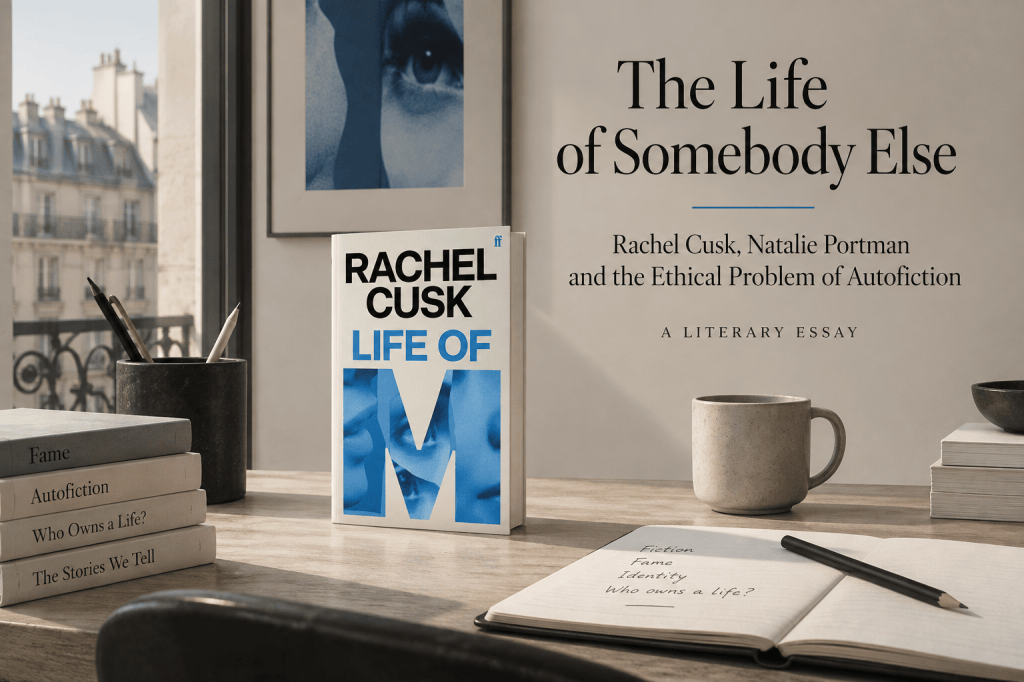
The Life of Somebody Else
Rachel Cusk, Natalie Portman and the Ethical Problem of Autofiction Rachel Cusk’s Life of M has produced one of the strangest literary controversies of the year. Its famous actress is fictional, yet recognisably assembled from details belonging to Natalie Portman. The resulting argument is larger than celebrity gossip: it asks who owns a life, what…
-
The Human Condition According to Henry James
By Bergotte Henry James believed that consciousness was the most important thing in the world. Not action, not achievement, not the accumulation of experience in the traveller’s sense — the places visited, the people met, the events survived — but the quality of attention brought to experience, the precision and depth with which a mind…

